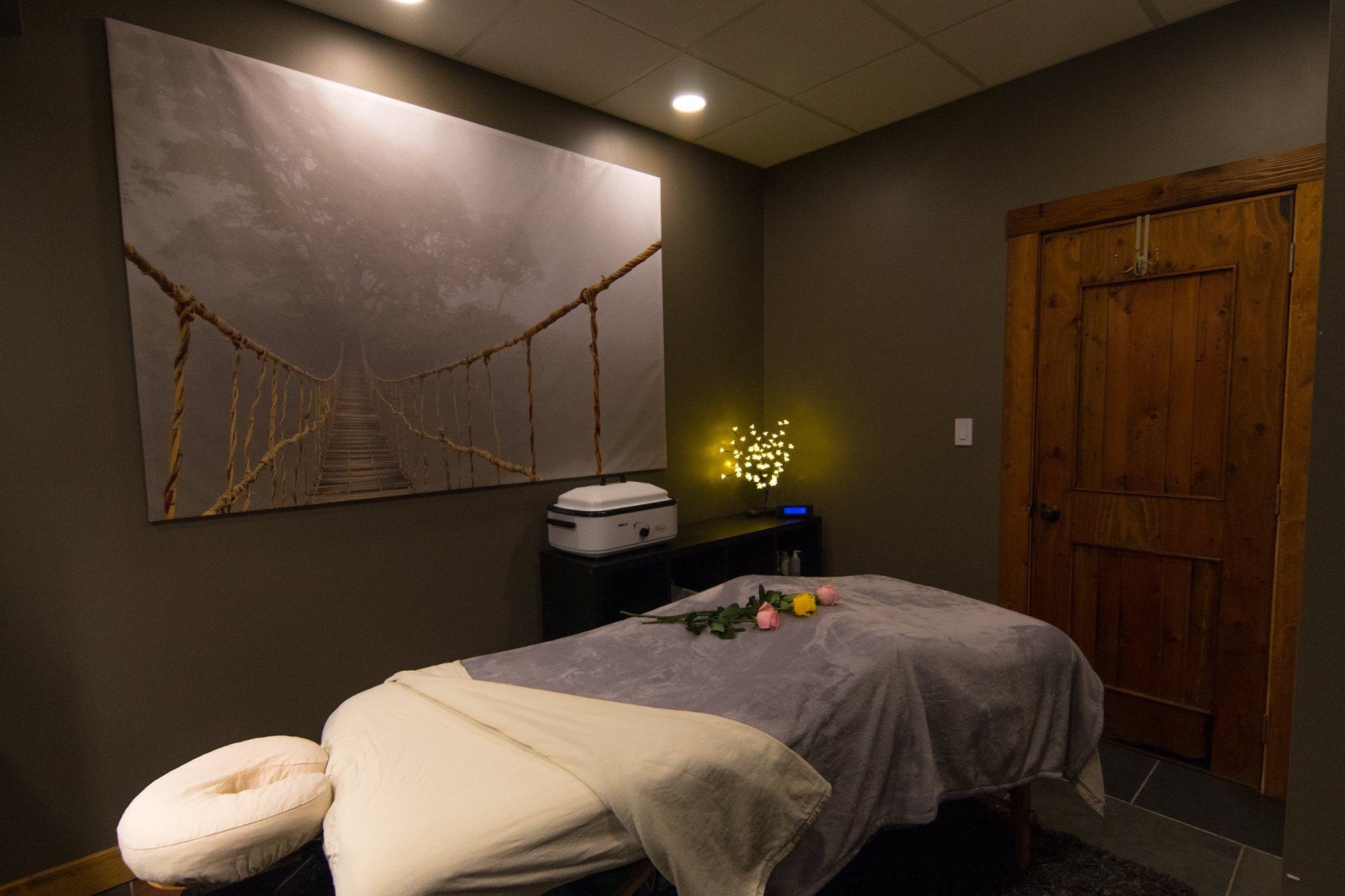
So, how often should you get massage? For most Edmontonians the answer is every 2 to 4 weeks for ongoing maintenance, weekly for a short stretch when you are working through an injury or flare-up, and every 6 to 8 weeks if you just want a pressure valve. This guide walks you through six steps to land on your own number. You will define your goal, match it to a frequency, check the cost, plan around Edmonton’s seasons, and know when to adjust. Plan on $100 to $140 for a 60-minute session with a registered massage therapist (RMT), so the schedule matters for your wallet as much as your body.
Last reviewed:
It is mid-October. The river valley is turning, the first real cold snap is a few weeks off, and shoulders are about to climb toward ears for five months. This is a good time to set a routine before snow shovelling and holiday stress do it for you.
Step 1: Know What Massage Is Actually Doing

Before you pick a frequency, get clear on what you are paying for. Massage is not one thing. A relaxation session and a treatment session for a stubborn hip are different services with different schedules.
Recovery Options Edmonton Massage Physio Stretching covers this in more detail.
Relaxation versus therapeutic work
Relaxation massage uses lighter to medium pressure and long strokes. The goal is a calmer nervous system and a break from your desk. Therapeutic massage targets a specific problem, like a tight upper trapezius, low back pain, or a stiff neck after a long drive to Jasper. It uses focused pressure, stretching, and sometimes home-care exercises.
Red Light Therapy For Muscle Recovery Explained covers this in more detail.
The Mayo Clinic’s overview of massage benefits notes that massage is generally considered a helpful add-on to other treatment for conditions like stress, anxiety, and muscle tension. It is not a stand-alone cure. That framing helps. You are building a support routine, not fixing everything with one booking.
How To Build A Weekly Recovery Routine With Edmonton Spas covers this in more detail.
Why the effects fade
Most people feel the biggest drop in muscle tension in the first 24 to 48 hours. Then daily life starts putting it back. If your job has you hunched at a laptop in a Downtown office tower for eight hours, your neck and shoulders will tighten again within days. If you lift all week at a gym, the clock is different.
That is the logic behind frequency. You are trying to book your next visit before the tension fully returns, but not so early that you are paying for a body that is still fine.
Best Massage Therapy Clinics In Edmonton By Neighborhood covers this in more detail.
Who benefits from a regular schedule
- Desk workers with neck, shoulder, and jaw tension
- Runners and lifters training for the Edmonton Marathon or a spring race
- Shift workers and tradespeople with repetitive strain
- People managing stress through a rough season, such as the holidays or exams at the University of Alberta
- People with chronic pain, working alongside their doctor or physiotherapist
If you are not sure which bucket you fall in, the next step sorts it out.
Step 2: Set a Clear Goal and Match It to a Frequency

Your goal drives the schedule. Pick the one closest to your situation and start there.
Quick-reference frequency table
| Your situation | Starting frequency | Typical session length | Reassess after |
|---|---|---|---|
| Acute injury or flare-up (new pain, stiff neck, strained muscle) | 1 per week | 30 to 60 minutes | 3 to 4 visits |
| Chronic pain (ongoing back, neck, or hip pain) | Every 1 to 2 weeks, then taper | 60 minutes | 6 to 8 weeks |
| Active training (runners, lifters, hockey players) | Every 2 to 3 weeks, more near events | 60 minutes | End of each training block |
| Desk-job maintenance | Every 3 to 4 weeks | 60 minutes | Every 3 months |
| Stress and general wellbeing | Every 4 to 6 weeks | 60 to 90 minutes | Every 3 months |
| Occasional treat or special occasion | Every 2 to 3 months | 60 to 90 minutes | Anytime |
These are starting points that RMTs commonly use, not rules. Your therapist will adjust based on how you respond.
The front-load approach
For a real problem, front-loading works better than spreading visits out evenly. Book weekly for 3 to 4 weeks. Then move to every two weeks. Then every three or four. Each step down only happens if you are holding your progress between visits.
For example, someone with a nagging low back from shovelling the driveway might do four weekly visits in November, two biweekly visits in December, and then a monthly visit from January on. That is eight visits in about three months, and roughly $800 to $1,100 at current Edmonton rates.
The maintenance approach
If nothing hurts but you feel wound up, skip the front-load. Start at every four weeks. If you notice tension creeping back around day 18 to 21, tighten the gap to three weeks. If you still feel loose at six weeks, stretch it out.
For deeper context on pairing massage with other options, see Recovery Options in Edmonton: Massage, Physio, and Stretching.
Step 3: Work Out the Real Cost in Edmonton
Frequency is only useful if you can keep it up. A plan you abandon after three visits is worse than a modest plan you hold for a year.
What sessions cost around the city
Edmonton pricing varies by neighbourhood and clinic type. As a rough guide, expect these ranges for an RMT:
- 30 minutes: $65 to $90
- 60 minutes: $100 to $140
- 90 minutes: $150 to $200
Clinics on Whyte Avenue and in Downtown towers often sit at the upper end. Neighbourhood clinics in the suburbs, Sherwood Park, and Windermere frequently price a little lower, and parking is free. Spa massages tend to cost more than clinic massages for the same time, because you are also paying for the robes, tea, and quiet room.
Prices change often, so confirm with the clinic before booking.
Using your benefits
Many employer extended health plans cover RMT visits, often with an annual cap. Check your plan for the dollar limit per year, whether a doctor’s referral is needed, and whether the clinic can direct bill. Many Edmonton clinics direct bill, which means you only pay the difference.
If your plan covers, say, $500 a year, that is roughly four to five 60-minute sessions. Spread across the year, that is a visit every 10 to 12 weeks. If you need more than that, the budget has to come from somewhere else. Some people use a health spending account. Others save their coverage for the winter months when they need it most.
Three ways to stretch your budget
- Book 45 or 60 minutes more often instead of 90 minutes less often. Short, regular visits usually beat long, rare ones for maintenance.
- Ask about a focused 30-minute session for a single problem area, like the neck and shoulders.
- Ask for home-care such as two or three stretches. A therapist who gives you exercises can often space your visits further apart.
If you want a full weekly plan that includes spa time, saunas, and massage in one budget, read How to Build a Weekly Recovery Routine with Edmonton Spas.
Step 4: Adjust for Edmonton’s Seasons

Edmonton is not a city where your body behaves the same in January as it does in July. Plan your massage frequency around the calendar.
Winter: November through March
Cold weather makes people brace. At -30°C you hunch, tense your shoulders, and walk differently on ice. Add snow shovelling, which is repetitive and often awkward, and you have a recipe for upper back and low back strain.
Winter is when many Edmontonians benefit from going to every 2 to 3 weeks, even if they do monthly the rest of the year. Book ahead. December slots fill quickly with holiday stress and gift certificates. Book your January through March appointments in November so you do not scramble.
Practical tip: pick a clinic you can reach without a long cold walk. Many Downtown and University area clinics are close to LRT stops, and the walk from a Whyte Avenue parking spot to the door can be a block or two on a bad day. Warm up in the car or on the bus before your session. You will relax faster.
Spring and summer: April through August
When the river valley trails open up, training picks up. Runners hitting the Mill Creek Ravine and cyclists along the North Saskatchewan often need massage most in the weeks before and after a goal event. Book one session about 7 to 10 days before the event, and another 2 to 3 days after. Avoid deep work in the 24 hours before a race.
On smoke-heavy days in July and August, outdoor training becomes a bad idea and you shift indoors. Your body notices the change. A massage a couple of weeks into a new indoor routine helps with stiffness from different movement patterns.
Fall: September through October
This is the best time to start a routine. Fall fitness restarts, back-to-school stress hits, and the spa season returns. Starting now gives you a built-in rhythm before the winter peak. If you are reading this in October, book your next three appointments today.
Step 5: Pick the Right Therapist and Location
The right frequency with the wrong therapist is wasted money. A good fit matters more than a fancy room.
Check credentials first
In Alberta, look for a Registered Massage Therapist. Registration means the therapist has completed an accredited program and is regulated. If you want to understand how health care providers are regulated in the province, Alberta Health Services is a good starting point for general health information. Ask directly: are you an RMT, and do you issue receipts for insurance?
Choose by neighbourhood and routine
Pick somewhere you can reach easily, because a convenient clinic is a clinic you will keep going to. A few practical thoughts:
- Whyte Avenue and Old Strathcona: Lots of choice and walkable. Parking is mostly metered street parking or side streets, and it gets tight on weekends and during festival season. The bus network is strong here. Start with Best Massage Therapy in Whyte Avenue Edmonton.
- Downtown and Oliver: Handy for lunch-hour or after-work bookings. Parkades cost money, but LRT and bus routes are right there.
- 124 Street: A good mix of independent clinics with street parking and short walks.
- Windermere, Sherwood Park, and the suburbs: Easy parking and often lower prices. Good if you drive anyway.
For a wider list organized by area, see Best Massage Therapy Clinics in Edmonton by Neighborhood.
Ask these questions on your first visit
- How often do you suggest I come back, and why?
- What should I do between sessions?
- When should I expect to feel a difference?
- What would make you recommend I see a physiotherapist or doctor instead?
A good therapist answers plainly. If you hear a rigid package deal like “you need 12 sessions” before any assessment, be cautious. A fair plan comes after an intake and some hands-on work, and it changes as you improve.
Step 6: Track Your Results and Adjust

This step is what separates people who waste money from people who get value. Spend two minutes after each session writing down what you notice.
A simple tracking method
Use your phone notes. After each session, rate these on a 1 to 10 scale: pain level, stiffness, sleep quality, and stress. Then note how many days passed before tension came back. After three or four visits, you will see a pattern.
- If tension returns in under a week, you may need a shorter gap, or the cause is something you can change, like your desk setup.
- If you feel good for three weeks or more, stretch the gap by a week.
- If nothing changes after four visits, talk to your therapist or doctor. Massage may not be the right tool for that problem.
Combine massage with other tools
Massage works better with a few supporting habits. Short mobility work for 5 to 10 minutes a day helps. So does a heat source after a long, cold day. Some people pair massage with infrared sauna or red light sessions, and Red Light Therapy for Muscle Recovery Explained covers what that combination can and cannot do.
The Cleveland Clinic’s massage therapy page lists common reasons people use massage and some situations where it is not advised, such as certain blood clotting conditions or open wounds. Read it before your first session if you have any medical history to flag.
Know when to stop or see someone else
Stop and get medical advice if you have sudden severe pain, numbness that spreads, swelling in one leg, fever, or pain that does not ease with rest. Massage is not a substitute for diagnosis. Tell your therapist about medications, pregnancy, and recent surgery before every new session, even if nothing has changed.
Soreness for a day after deeper work is common. Sharp pain during a session is not. Speak up and ask for less pressure. You are paying for the result, not for endurance.
Putting It Together: Three Sample Schedules
Here is what it looks like when all the steps combine.
The desk worker downtown
Goal: reduce neck and shoulder tension. Start with a 60-minute session every 3 weeks. In December and January, move to every 2 weeks. Budget: about $1,100 to $1,500 for the year if you go roughly 11 to 13 times. Use benefits first. Book lunch-hour slots near an LRT stop to skip parking costs.
The weekend runner in the river valley
Goal: stay injury free. Book a 60-minute session every 3 weeks during training, plus one before and one after a race. Taper to every 6 to 8 weeks in the off-season. Pair with calf and hip mobility work.
The person recovering from a sore back
Goal: get out of pain. Weekly for 4 weeks, every 2 weeks for 4 weeks after that, then monthly. Ask your therapist for two or three home exercises. If there is no clear improvement by visit four, check in with your doctor or a physiotherapist.
Related Articles
- What Is Float Tank Therapy and How Does It Work: An Edmonton Guide to Sensory Deprivation
- How to Prepare for Your First Acupuncture Appointment: An Edmonton Guide
Find Trusted Wellness Spots in Edmonton
Browse our independent guide to Edmonton’s spas, fitness studios, and wellness services. Local. Honest. Free.
Frequently Asked Questions
How often should you get massage if you have no pain?
Every 4 to 6 weeks works for most people who want general relaxation and stress relief. If you notice tension returning sooner, drop to every 3 weeks. A 60-minute session at a Whyte Avenue or Oliver clinic runs about $100 to $140.
Is it okay to get a massage every week?
Yes, for a short stretch. Weekly sessions suit an injury or flare-up for 3 to 4 weeks. Long term, most people do not need weekly visits, and the cost adds up to $400 to $560 a month. Taper down once you hold progress between sessions.
How often should I get a massage in winter in Edmonton?
Every 2 to 3 weeks is a reasonable winter pace if you shovel, commute in the cold, or notice more tension. Book November through March appointments early, since December fills fast. Pick a clinic close to an LRT stop or with a parking lot so the trip does not wipe out the benefit.
Can you get too many massages?
Too much deep tissue work in a short window can leave you sore or bruised. If you feel worse after sessions, ask for lighter pressure or space visits further apart. Tell your therapist how you felt for 48 hours afterward so they can adjust.
Does insurance cover regular massage in Alberta?
Many extended health plans cover RMT visits, often with a yearly dollar cap like $300 to $600. Check your plan for limits and referral rules, and ask the clinic about direct billing. If your cap runs out, switch to 30-minute focused sessions to stretch the budget.