This muscle recovery methods comparison covers what each option does, what the research supports, what it costs in Edmonton, and which one fits your training. You will see free options like sleep and river valley walks next to paid ones like massage, floating, sauna, cold exposure, compression and red light. By the end, you will know which two or three methods deserve your time and money this fall and winter.
Last reviewed:
It is October. The first real cold snap is close, the river valley trails are ice-prone in the mornings, and a lot of us are shifting from patio runs to indoor lifting. That shift is when sore muscles pile up. Here is how to deal with them without wasting a Saturday or a paycheque.
How Muscle Soreness Works and How to Judge a Recovery Method

Before comparing methods, you need a baseline. Most recovery advice falls apart because people treat every kind of tired the same way. A sore quad after a long Sunday run in Mill Creek Ravine is not the same problem as a stiff lower back from a desk job downtown.
What Delayed Onset Muscle Soreness Actually Is
Delayed onset muscle soreness (DOMS) is the dull, tender ache that shows up several hours after unfamiliar or intense exercise. It typically builds over the first day, peaks around 24 to 72 hours, and fades within about a week. Mayo Clinic’s guidance on stretching and muscle care is a decent starting point for understanding why muscles tighten and how to treat them safely.
Eccentric work causes the most DOMS. Think running downhill on the Rundle Park slopes, lowering a barbell slowly, or the first weeks of a new class at a gym near the University of Alberta. The microscopic muscle damage is normal. It is part of how you get stronger.
Soreness, Fatigue, and Injury Are Different Problems
Match the method to the problem.
How To Build A Weekly Recovery Routine With Edmonton Spas covers this in more detail.
- Soreness: a diffuse ache, worse when you stretch or press on the muscle. Massage, heat, light movement and sleep help.
- Systemic fatigue: heavy legs, poor sleep, improved resting heart rate. Rest, food and sleep matter most here. Fancy treatments add little.
- Joint or tendon pain: sharp, localized, or present at rest. This is not a spa problem. See a physiotherapist or doctor.
If pain is sharp, swollen, or lasts more than a week or so, skip the sauna and book an assessment. Alberta Health Services lists local options, and Health Link 811 can point you in the right direction.
How This Comparison Scores Each Method
Every method below gets judged on five things: evidence (how well research backs it), cost per session in Edmonton, time required, access (parking, transit, hours), and best use. Evidence for most recovery tools is modest. Studies tend to be small and the effects tend to be small. That does not make them useless. If a sauna session helps you relax, sleep better and train again on Thursday, it did its job.
The Free Foundations: Sleep, Food, Movement and Self-Massage
Every paid method sits on top of these. If sleep is poor and protein is low, a $110 massage will not fix it.
Sleep and Nutrition
Sleep is where most muscle repair and hormone regulation happens. The CDC’s sleep resources recommend adults get at least seven hours per night. Edmonton adds a wrinkle. By December, sunrise is after 8:30 a.m. and sunset is around 4:15 p.m. Many people sleep poorly in the dark months. A consistent wake time and a cool, dark bedroom help more than any supplement.
For food, the practical targets are simple:
- Protein: roughly 20 to 40 grams in the meal after hard training, spread across the day.
- Carbohydrates: meaningful if you train twice in a day or run long. Rice, potatoes, oats and fruit all work.
- Fluids and sodium: indoor winter air is dry. Heated gyms and forced-air homes dehydrate you faster than you notice.
None of this costs extra. It is a grocery list adjustment, and the Strathcona Farmers’ Market on Saturdays is a good place to stock up on local meat, eggs and root vegetables.
Active Recovery and River Valley Walks
Active recovery means low-intensity movement the day after hard work. A 20 to 40 minute easy walk, spin, or swim keeps blood moving and often feels better than lying on the couch. The river valley is the obvious Edmonton choice. The flat paths near Hawrelak Park and along the Capital City Recreation Trail are plowed more reliably than side trails in winter, though conditions vary. Check the City of Edmonton website for current trail status before you head out.
When it is -25°C or colder, move indoors. Walking laps at West Edmonton Mall is a legitimate recovery tactic and it is free. So is swimming easy lengths at a city recreation centre. Drop-in swims run about $6 to $10 for adults.
Foam Rolling and Stretching
Foam rolling costs $20 to $50 once and lasts for years. Research suggests it modestly reduces perceived soreness and can briefly improve range of motion. It will not rebuild tissue faster. Use it for 30 to 90 seconds per muscle group, with moderate pressure, after your session or in the evening.
Static stretching after exercise feels good but has weak evidence for preventing soreness. Use it if you like it. If you hate it, you are not missing much.
Verdict: Do these first. They carry most of the benefit and cost almost nothing.
Heat and Cold: Saunas, Hot Tubs, Cold Plunges and Cryotherapy

Temperature-based recovery is where Edmonton shines. Winters give us a ready-made cold-exposure season, and a warm sauna at -30°C is hard to beat.
Sauna and Heat Therapy
Heat therapy increases blood flow and relaxes tight muscles. A sauna session of 15 to 20 minutes at roughly 80 to 90°C (dry) or 60 to 70°C (infrared) is typical. Many people find it eases stiffness and helps them sleep. Evidence for faster muscle repair is limited, but evidence for perceived relaxation is solid.
Where to go in Edmonton:
- Recreation centres: Several city facilities, including Kinsmen Sports Centre near the University of Alberta, have saunas and steam rooms included with a drop-in fee of roughly $8 to $15. Parking is free or cheap and there is LRT access nearby. This is the budget pick.
- Spa and wellness studios: Private infrared sessions run about $25 to $50 per visit. Packs bring the price down. Studios on Whyte Avenue and 124 Street have metered street parking, so budget 10 minutes to find a spot.
- Home options: A hot bath with Epsom salts is the cheapest version. Evidence for the salts specifically is thin, but the heat works.
Avoid saunas right after very heavy lifting if you feel dizzy. Drink water before and after. Skip them if you have cardiovascular conditions without checking with your doctor first.
Cold Water Immersion and Contrast Baths
Cold water immersion (a 10 to 15°C bath for 10 to 15 minutes) reduces perceived soreness after hard sessions. It also has a trade-off. Research from sports-science journals indexed on PubMed suggests that regular cold immersion right after strength training may blunt muscle growth adaptations. If your goal is size and strength, avoid cold plunges within a few hours of lifting. If you are in tournament mode or racing multiple days in a row, the soreness relief can be worth it.
Contrast therapy alternates hot and cold, for example three minutes hot and one minute cold, repeated three to four times. It feels great and many Edmonton recovery studios now offer sauna-plus-plunge packages for roughly $35 to $65 per session. At home, a hot shower followed by 30 seconds of cold costs nothing.
In winter, there is also the unpaid option of a quick snow rub or a cold shower. It is not a clinical protocol, but it is not nothing.
Whole-Body Cryotherapy
Whole-body cryotherapy puts you in a chamber of extremely cold air, around -110°C or colder, for two to three minutes. Sessions in Edmonton usually run about $40 to $90. It is quick and fun, but the research on muscle recovery is mixed, and the benefit may be partly perceived. For a deeper look, read What Is Cryotherapy and Does It Work for Muscle Recovery.
Verdict: Sauna is the best value in this group. Cold plunges suit specific situations. Cryotherapy is optional.
Hands-On and Device-Based Recovery: Massage, Compression, Red Light and Floating
This is the spa side of the muscle recovery methods comparison. These options cost more per visit, but they also cover soreness, stress and sleep in one go.
Massage Therapy
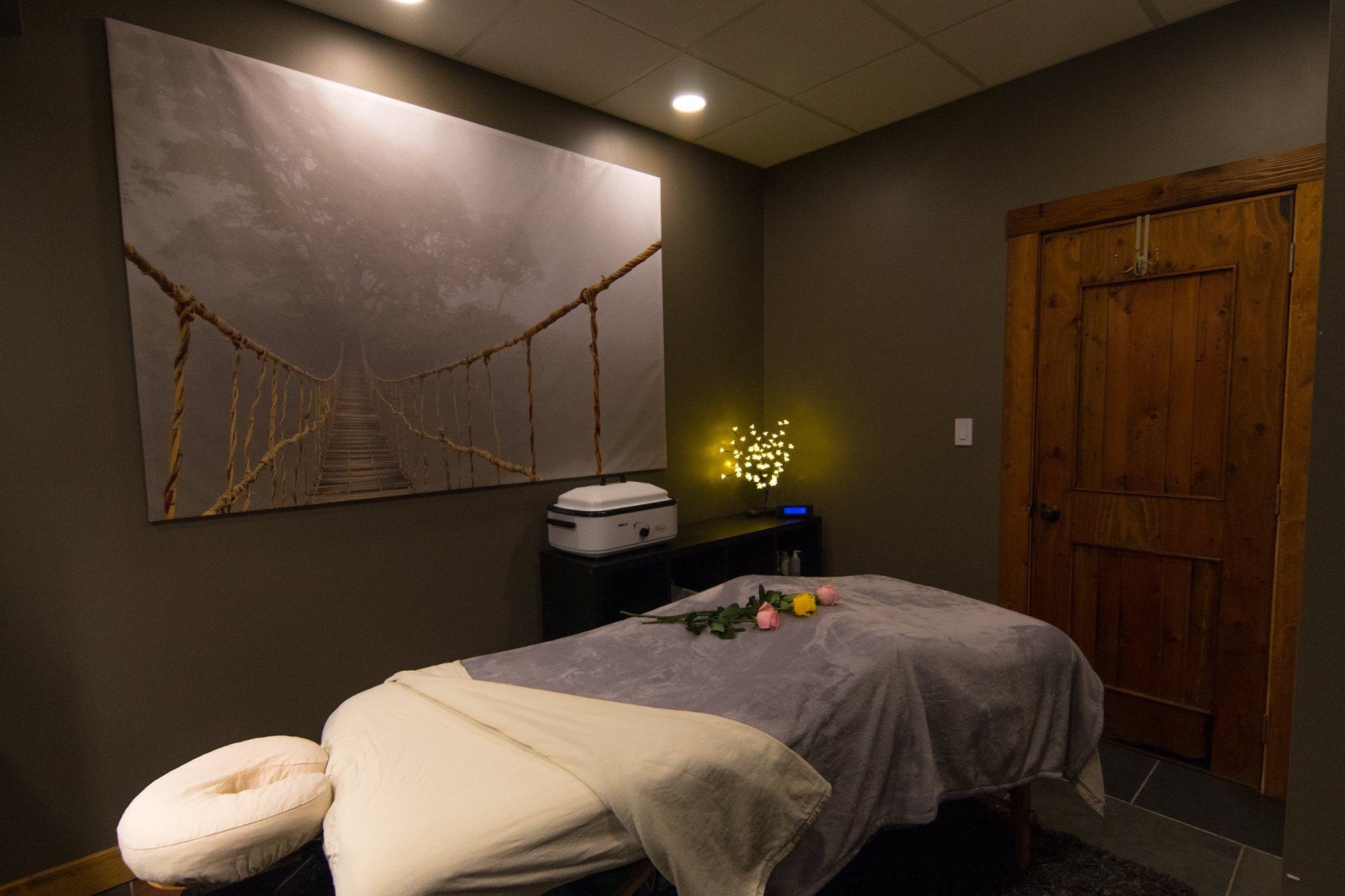
Massage by a registered massage therapist (RMT) is the most familiar option. Studies suggest it can reduce perceived soreness and DOMS, with the effect being moderate and short-lived. A good therapist also finds problems you did not know about, such as a tight hip flexor driving lower back pain.
Typical Edmonton pricing:
- 60 minutes: about $100 to $140
- 90 minutes: about $145 to $190
- Student clinics: sometimes $50 to $80, with supervised practitioners
Many extended health plans cover RMT visits, often with annual caps of $300 to $1,000. Check yours before booking, and ask the clinic about direct billing. Downtown and Oliver clinics are close to LRT stations and pay parkades, while clinics in Windermere and Sherwood Park usually offer free lots. Book evenings in advance. Fall and pre-holiday weeks fill fast.
Ask for deep tissue or sports massage if you want a recovery-focused session. Tell the therapist about your training and what hurts. Drink water afterward and expect a bit of tenderness the next day.
Compression Therapy and Percussion Devices
Pneumatic compression boots squeeze your legs in waves to move fluid toward the heart. A 20 to 30 minute session at a recovery studio costs about $20 to $40. They suit runners and cyclists after long efforts, and evidence suggests mild benefits for perceived soreness and leg heaviness. Buying your own set costs $300 to $900, which only makes sense if you use them several times a week.
Percussion guns (typically $100 to $500) work like a portable self-massage. They help warm up tight areas and ease localized knots. Use them for 30 to 60 seconds per spot. Do not press on bones, joints or areas of sharp pain.
Red Light Therapy
Red and near-infrared light therapy exposes skin to specific wavelengths, usually 630 to 850 nanometres, for 10 to 20 minutes. Small studies show promise for reducing soreness and speeding strength recovery, though protocols vary a lot. Sessions in Edmonton usually cost about $25 to $50, with memberships bringing that down. See Red Light Therapy for Muscle Recovery Explained for details on dosing and what to ask a studio before you buy a package.
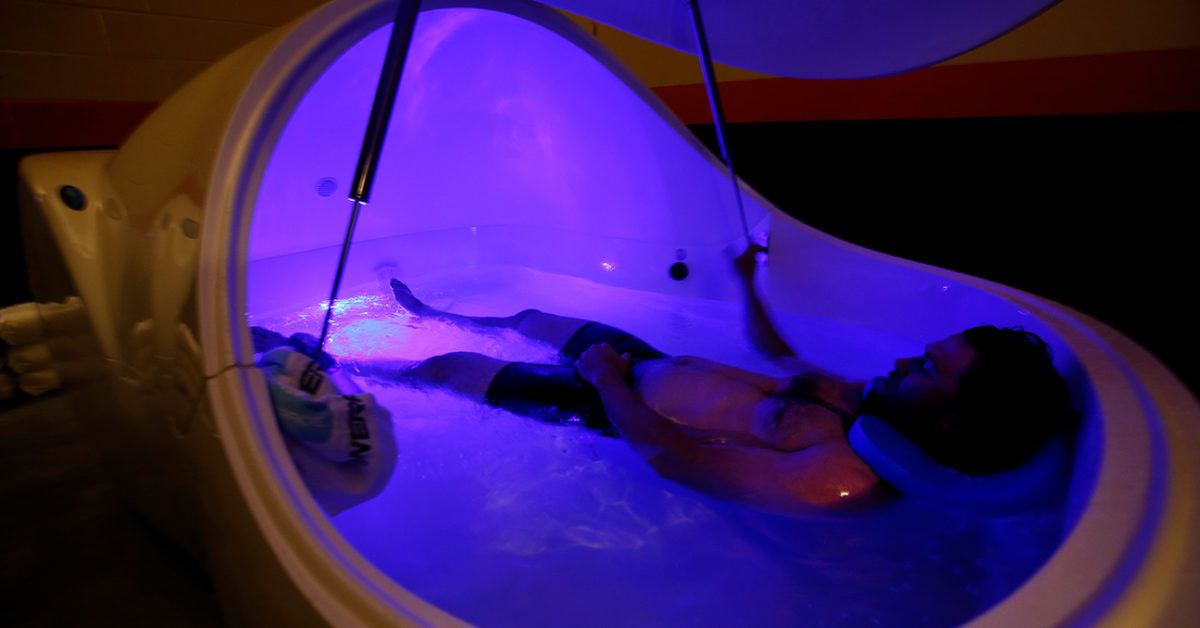
Float Tanks
A float tank holds about 25 centimetres of water saturated with Epsom salt, heated to skin temperature. You lie back and float for 60 to 90 minutes. The weightlessness takes pressure off joints and the quiet environment lowers stress. Direct muscle-repair evidence is thin, but the nervous system benefits are real for many people, and better sleep helps recovery.
Edmonton float sessions generally run $70 to $110, with memberships and multi-packs reducing that. Compare the options in Float Tank Therapy Price Comparison Edmonton Spas. Many float centres offer free parking in their lots, but check before you go. Showers are on site, and hair dryers help in winter so you do not walk to your car with wet hair at -20°C.
Verdict: Massage is the best all-rounder in this group. Compression and red light suit regular trainers. Floating suits stressed, sleep-deprived people who also train.
Side-by-Side Comparison Chart

Here is the quick-reference version. Bookmark this section.
Methods by Cost, Time and Evidence
| Method | Edmonton Cost Per Session | Time | Evidence for Recovery | Best For |
|---|---|---|---|---|
| Sleep (7+ hours) | Free | Nightly | Strong | Everyone |
| Protein and carbs after training | Groceries | Daily | Strong | Everyone |
| Active recovery walk or swim | Free to $10 | 20 to 40 min | Moderate | Day-after soreness |
| Foam rolling | $20 to $50 once | 10 to 15 min | Modest | Perceived soreness, mobility |
| Sauna (rec centre) | $8 to $15 | 15 to 20 min | Modest | Stiffness, relaxation |
| Infrared sauna studio | $25 to $50 | 30 to 45 min | Modest | Relaxation, sleep |
| Cold water immersion | $20 to $65 | 10 to 15 min | Moderate for soreness | Multi-day events |
| Whole-body cryotherapy | $40 to $90 | 3 min | Mixed | Short-term soreness feel |
| Massage (RMT) | $100 to $140 per hour | 60 to 90 min | Moderate | Soreness, tight spots |
| Compression boots | $20 to $40 | 20 to 30 min | Modest | Leg heaviness |
| Red light therapy | $25 to $50 | 10 to 20 min | Emerging | Regular trainers |
| Float tank | $70 to $110 | 60 to 90 min | Limited for muscle, good for stress | Stress and sleep |
Prices are approximate and change by studio, season and package. Always confirm current pricing before booking.
Match the Method to Your Activity
- Long-distance running or cycling: easy movement, compression, massage every 2 to 4 weeks, sauna.
- Strength training and bodybuilding: sleep, protein, foam rolling, massage, sauna. Skip cold plunges right after lifting.
- Hockey and recreation leagues: contrast therapy, massage, hot tub or sauna. Edmonton has a lot of late-night league games, so sleep is the first thing to protect.
- Cross-country skiing and snowshoeing: heat after outdoor sessions, warm fluids, light stretching. See Best Recovery Methods After Outdoor Activities Edmonton for cold-weather specifics.
- Desk workers with weekend training: massage, mobility work, sauna. Stiffness from sitting is half your problem.
Match the Method to Your Budget
- Under $20 per month: sleep, food, foam roller, walks, a rec centre sauna once or twice a week.
- $50 to $150 per month: add a monthly massage or a membership at a sauna or red light studio.
- $200 or more per month: weekly massage plus contrast therapy or float sessions. Make sure your extended health plan covers what it can.
Safety, Timing and Common Mistakes
More is not better. A few ground rules keep recovery from becoming another stressor.
When to Skip a Recovery Session
- Sharp pain, swelling, bruising or a joint that feels unstable.
- Fever, illness or heavy dizziness.
- Pregnancy, heart conditions, low blood pressure, or Raynaud’s. Ask your doctor before using heat or extreme cold.
- Alcohol in your system. Do not combine it with sauna or hot tub use.
Health Canada publishes general health safety information, and your own physician can speak to your conditions.
Timing Relative to Training
Timing matters more than most people think.
- Right after hard sessions: light movement, food, fluids, and gentle heat if you like it.
- Within 24 hours: massage at light to moderate pressure is fine. Very deep work on freshly damaged muscle can feel worse.
- Before a race or big event: avoid anything new. Do not try your first float or deep tissue massage the day before the Edmonton Marathon or a big hockey tournament.
- Strength phase: keep cold plunges at least four to six hours after lifting, or save them for rest days.
Mistakes That Waste Money
- Paying for recovery while sleeping five hours a night.
- Stacking five modalities in one week and not knowing which one helped.
- Buying a 10-pack of anything before trying a single session.
- Ignoring pain that needs a physiotherapist.
- Believing marketing claims. If a studio promises to cut recovery time in half, ask for the research.
A good test: pick one new method, use it for three to four weeks, and track soreness, sleep and training quality in a simple notebook. If nothing changes, drop it.
Building a Recovery Plan for Edmonton’s Seasons

Edmonton’s calendar changes what works. A plan that looks great in July can fall apart in January.
Fall: Restart Season and Spa Season
October is when many people restart structured training. Gym memberships spike, leagues start, and spa calendars fill. Ease in. Add training volume gradually, about 10 percent per week, and expect soreness in the first two to three weeks. Book your first massage before the soreness peaks rather than after. If you are returning from a summer of long river valley rides and trail runs, use the cooler weather for an easy contrast routine: a sauna session followed by a short walk outside in the crisp air.
Winter: Cold, Dark and Dry
From December through February, three things stand out. First, cold muscles take longer to warm up. Spend 10 minutes on a proper warm-up indoors before any outdoor session. Second, dry air and heated rooms dehydrate you. Third, short days hit sleep and mood. Saunas and bright-light exposure both help. Plan recovery that gets you out of a parka and into warmth: a rec centre sauna after a skate at Hawrelak, a hot soak after skiing at Gold Bar or Hermitage Park, or an infrared studio visit on a Sunday evening.
Travel is also a factor. Driving across the city at -30°C for a 30-minute treatment is a poor trade. Pick a studio near home or work. Check for heated underground parking, or LRT proximity downtown and along Whyte Avenue.
Spring and Summer: Outdoor Volume and Smoke Days
Summer brings long days and big outdoor volume. Festival season, river valley rides and long runs mean more mileage and more soreness. Smoke events can push you indoors. On poor air quality days, use the sauna, a float or a massage instead of an outdoor workout. Keep checking the Alberta air quality health index before you head out.
For a longer scheduling template that combines sessions across a week, see How to Build a Weekly Recovery Routine With Edmonton Spas. Browse more local options through Edmonton Wellness Guide.
Related Articles
- What Is Float Tank Therapy and How Does It Work: An Edmonton Guide to Sensory Deprivation
- Best Massage Therapy Clinics in Edmonton by Neighborhood: Your Local Guide to Finding the Right Therapist
- How to Prepare for Your First Acupuncture Appointment: An Edmonton Guide
Sources & References
Find Trusted Wellness Spots in Edmonton
Browse our independent guide to Edmonton’s spas, fitness studios, and wellness services. Local. Honest. Free.
Frequently Asked Questions
What is the best muscle recovery method overall?
Sleep, food and easy movement beat everything else on this list. If those three are in place, add a sauna or a monthly massage. A rec centre sauna such as the one at Kinsmen Sports Centre gives the best value for the price.
How often should I get a massage for muscle recovery?
Most active people do well with one session every two to four weeks. Heavy training blocks or event weeks may justify weekly sessions for a short period. Check your extended health plan first, since many cover several hundred dollars per year.
Are cold plunges better than saunas?
Neither is better in general. Cold helps with soreness during multi-day events, while heat helps with stiffness and relaxation. If you lift for muscle growth, favour the sauna and keep cold plunges away from your post-workout window.
Is cryotherapy worth it in Edmonton?
Maybe, if you enjoy it. Sessions run about $40 to $90 and last only a few minutes, but the evidence for muscle recovery is mixed. A cheaper contrast shower or a rec centre sauna gives you similar feel-good benefits for a fraction of the cost.
How long does muscle soreness usually last?
DOMS commonly peaks one to three days after hard exercise and fades within about a week. If pain is sharp, localized, swollen, or gets worse after a few days, see a physiotherapist or your doctor. Do not keep booking spa sessions for something that may be an injury.