Picking a place to live in Edmonton without checking what’s within walking distance of a gym, a trail, or a decent yoga studio is how people end up driving 25 minutes each way for a spin class in February. Knowing how to choose a neighborhood for active living in Edmonton means looking past the listing photos and checking three things: what you can reach on foot, what’s open when it’s -30°C outside, and what parking or transit actually looks like on a Tuesday at 6 p.m. This guide walks you through that process step by step, whether you’re renting near Whyte Avenue, buying in Windermere, or comparing Sherwood Park against Oliver. Budget two to four weekends to do it properly.
Last reviewed:
- Tools needed: City of Edmonton neighborhood profile maps, a notepad or spreadsheet, Google Maps or ETS’s trip planner, class schedules from a few local studios or gyms, a free weekend for site visits
- Time: 2 to 4 weekends of research and site visits before you sign a lease or make an offer
- Difficulty: Beginner
Step 1: Define What Active Living Actually Means to You
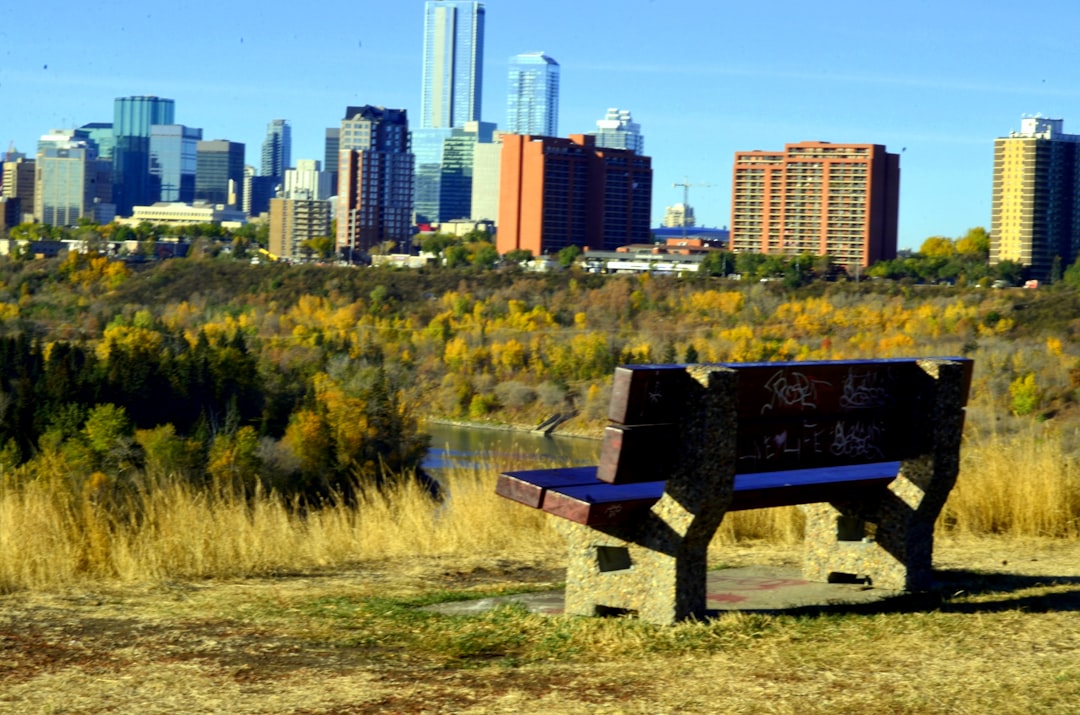
Before you look at a single listing, figure out what “active” means for your actual routine. Someone who runs the river valley trails three mornings a week has different neighborhood needs than someone who wants a 24-hour gym and a hot yoga studio within a 10-minute drive. Write down your top three activities and be honest about frequency, not aspiration.
Identify Your Primary Activities
- List the two or three activities you do at least twice a week now, not the ones you wish you did
- Note whether they’re outdoor (running, cycling, skating) or indoor (weight training, yoga, swimming)
- Flag anything that needs specific infrastructure, like a lap pool, a climbing wall, or a groomed cross-country ski trail
Set Your Budget and Commute Tolerance
Decide your ceiling for rent or mortgage first, then figure out how much commute time you’re willing to trade for proximity to amenities. A 15-minute walk to a studio is worth more than a 20-minute drive, especially once winter hits. Be specific: write down a maximum number of minutes you’ll accept to reach your top activity, in both summer and winter conditions.
Neighborhood Wellness Guides Local Discovery covers this in more detail.
Do a Winter Reality Check
Watch out: a neighborhood that looks perfectly walkable in July can feel impossible in January. Edmonton gets long stretches of -20°C to -30°C weather most winters, and unplowed sidewalks or a windy river valley crossing can turn a 12-minute walk into something you avoid entirely. Ask yourself if you’ll actually walk to that studio when it’s dark by 4:30 p.m. and the wind chill is brutal, or if you need something closer to guarantee you’ll go.
How To Plan A Neighborhood Wellness Tour In Edmonton covers this in more detail.
Step 2: Map Trail Access and Walkability
Edmonton’s biggest active-living asset is the river valley, and access to it should weigh heavily in how you choose a neighborhood for active living. The North Saskatchewan River Valley park system runs more than 160 kilometres of multi-use trails through the city, according to the City of Edmonton’s river valley parks and trails information, and neighborhoods that back directly onto it have a real advantage over ones that don’t.
Free Wellness Resources Edmonton Apps Local Community covers this in more detail.
Check Trail Access From the Front Door
- Pull up a map and measure the actual walking distance from any address you’re considering to the nearest river valley trailhead
- Look for stairs or ramps down into the valley. Oliver and Downtown both have steep access points that get icy and closed in winter
- Note whether the trail segment near you is lit and plowed in winter. Not all of them are
Score Walk Score and Bike Infrastructure
Check a walkability score tool for any address you’re seriously considering, then verify it in person. Old Strathcona and Whyte Avenue score well because groceries, studios, and cafes sit within a few blocks of each other. Windermere and other newer southwest neighborhoods score lower because they’re built around arterial roads and big-box plazas, even though the amenities themselves might be excellent once you drive there.
How To Choose A Wellness Service By Edmonton Location covers this in more detail.
Test Transit Access
Run the ETS trip planner for your actual commute and your actual gym or studio, not just downtown. Old Strathcona sits a short bus ride or a 15 to 20 minute walk from the University or South Campus LRT stations. Downtown and Oliver sit directly on the LRT line, which matters if you want to bike or bus to a fitness class instead of driving and hunting for parking. If you want a broader sense of what’s walkable and bikeable block by block before you commit, our guide on planning a neighborhood wellness tour in Edmonton lays out a route-by-route approach.
Step 3: Inventory Fitness and Wellness Amenities Within 2 Kilometres
Once you know how a neighborhood scores on walkability, get specific about what’s actually there. A 2-kilometre radius is a realistic distance to walk, bike, or drive year-round without it eating your whole evening.
Count Gyms, Studios, and Pools
- Search a 2 km radius around each address for gyms, yoga or pilates studios, climbing gyms, and pools
- Note the type of gym, not just the count. A 24-hour Anytime Fitness serves a different routine than a boutique strength studio
- Check class schedules directly on studio websites. A studio with only three morning classes a week won’t work if you train after 6 p.m.
Check City Recreation Centres
Edmonton’s community recreation centres are some of the best value in the city for active living. Places like the Kinsmen Sports Centre near the river valley, Grand Trunk Fitness and Leisure Centre in Bonnie Doon, and Terwillegar Community Recreation Centre in the southwest offer pools, weight rooms, and drop-in fitness classes for around $12 to $15 a visit or roughly $600 to $700 for an annual pass. Living within a short drive or transit ride of one of these centres can replace a private gym membership entirely.
Plan for Smoke Season and Deep Winter
Edmonton summers now regularly bring smoke advisories that push outdoor activity indoors for days or weeks at a time. A neighborhood with strong indoor options, not just river valley access, holds up better across the whole year. If you want a sense of what’s available without paying for a membership while you’re still deciding where to live, check our roundup of free wellness resources, apps, and local community options in Edmonton.
Step 4: Compare Specific Edmonton Neighborhoods Against Your List
With your priorities and amenity inventory in hand, compare a shortlist of neighborhoods side by side. Don’t skip this step and rely on vibes. Put numbers next to each option.
Build a Side-by-Side Comparison
| Neighborhood | Walkability | River Valley Access | Typical 1-Bed Rent | Parking | Best For |
|---|---|---|---|---|---|
| Old Strathcona / Whyte Ave | High | 10-15 min walk | $1,300-$1,600 | Metered street, some paid lots | Studio-hoppers, runners, U of A crowd |
| Oliver | High | 5-10 min walk | $1,300-$1,700 | Limited, mostly paid | High-rise gyms, downtown-adjacent commutes |
| Downtown / Jasper Ave | High | 10 min walk to valley edge | $1,200-$1,600 | Meters, monthly lots $200+ | LRT commuters, downtown YMCA users |
| 124 Street | Medium-High | 15-20 min walk | $1,200-$1,500 | Free street parking, some meters | Boutique studios, quieter pace |
| Windermere | Low-Medium | Drive required | $1,500-$1,900 (townhomes/condos) | Free, ample | Big-box gyms, families, drivers |
| Sherwood Park | Low-Medium | Drive required | $1,300-$1,600 | Free, ample | Millennium Place, suburban routine, value |
Weigh Cost Against Amenity Density
Higher walkability almost always costs more in rent or purchase price. That’s not a coincidence. You’re paying for proximity. The real question is whether that proximity actually changes your behavior. If you know you’ll skip a workout rather than drive 20 minutes for it, paying more to live near Whyte Avenue or Oliver might save you money on an unused gym membership. If you’re comfortable driving and want more space for your dollar, Windermere or Sherwood Park can make more financial sense without hurting your routine.
Step 5: Test-Drive the Neighborhood Before Committing
Research only gets you so far. Before you sign anything, spend real time in the neighborhood doing the exact things you plan to do once you live there.
Walk the Route in Winter Conditions
If you’re house-hunting between October and March, walk your planned route to the gym, trail, or studio during that visit. See how the sidewalks are cleared, whether the crosswalks feel safe in the dark, and how the wind hits you crossing any open stretch near the river valley. Watch out: a route that looks fine on Google Street View in July can be a sheet of ice by December if the city or the building hasn’t cleared it.
Try the Commute at Rush Hour
- Drive or bus your planned route to your gym or studio between 5 and 6 p.m. on a weekday, not on a quiet Sunday afternoon
- Check actual parking availability at that time, not just the posted rates
- If you’re near Whyte Avenue or Old Strathcona, do this again on a Friday or Saturday night when Old Strathcona’s bar and restaurant crowd fills up street parking fast
For a broader neighborhood-by-neighborhood breakdown of what’s realistic to reach on foot, by bike, or by car across the city, our neighborhood wellness guides and local discovery hub is a good next stop before you finalize a shortlist.
Step 6: Confirm Parking, Transit, and Seasonal Access for Your Top Picks
Once you’ve narrowed things to one or two neighborhoods, get specific about the exact building or block, not just the general area. Amenity access can change block to block.
Confirm Parking Costs at Your Actual Gym or Studio
- Call or check the website for your top two or three fitness spots and ask about parking directly, not just what’s posted online
- Downtown and Oliver locations often charge $15 to $20 a day or $200-plus a month for a stall, on top of your membership
- Suburban locations in Windermere or Sherwood Park usually include free parking, which can offset a longer drive
Verify Winter Maintenance and Trail Grooming
Ask your building manager or check the city’s snow and ice control map to see how quickly your specific block gets cleared after a snowfall. Some river valley trail segments get groomed for cross-country skiing and fat biking in winter, while others don’t get touched until spring. If winter trail use matters to your routine, confirm grooming schedules before you commit rather than assuming every trail behaves the same way.
Step 7: Score Your Final Options and Set a Review Checkpoint
Bring everything together into one simple decision. Don’t overthink this part. A basic weighted checklist beats a gut feeling every time.
Use a Weighted Decision Checklist
- Walk time to your top activity in both summer and winter conditions
- Monthly cost of rent or mortgage plus any parking or membership fees
- Transit or drive time at the hours you’ll actually travel
- Number of indoor backup options for smoke season and deep winter
- How the neighborhood felt during your in-person test visit, especially after dark
Score each finalist neighborhood from 1 to 5 on every item, add it up, and let the number make the call rather than second-guessing yourself for another month. If you’re still weighing a specific type of service, like a physiotherapist, a climbing gym, or a swim club, against location, our guide on how to choose a wellness service by Edmonton location can help narrow that piece separately.
Plan a Six-Month Reassessment
Set a reminder for six months after you move in. Check whether you’re actually using the trail, the gym, or the studio you picked the neighborhood for. Routines change, new studios open, and what worked on paper doesn’t always hold up once real life and real winters set in. Adjust your plan rather than assuming the first decision was permanent.
Common Mistakes to Avoid

- Judging walkability only in summer and forgetting to check the same route in January
- Choosing a neighborhood based on one great studio that could close or move
- Ignoring parking costs, which can add $150 to $250 a month on top of a gym membership downtown or in Oliver
- Skipping the rush-hour test drive and assuming the daytime commute time applies every day
- Overweighting river valley access if you know you won’t use outdoor trails once it’s -20°C outside
- Signing a lease before confirming class schedules actually match your real availability
What’s Next
Once you’ve settled on a neighborhood, the next step is mapping exactly what’s within reach so you’re not guessing later. Our breakdown of what wellness amenities your Edmonton neighborhood actually has is a good way to double-check your new area before your first month’s rent or mortgage payment is due. From there, browse the full Edmonton Wellness Guide directory to start booking classes and building your routine.
Related Articles
- Best Massage Therapy in Whyte Avenue Edmonton: Your Complete Guide to Old Strathcona’s Top Clinics
- Best Yoga Studios Near Oliver Edmonton With Parking: A Local’s Guide to Stress-Free Practice
- Best Salt Caves and Float Therapy Near West Edmonton Mall: A Local’s Guide to Deep Relaxation
Sources & References
Find Trusted Wellness Spots in Edmonton
Browse our independent guide to Edmonton’s spas, fitness studios, and wellness services. Local. Honest. Free.
Frequently Asked Questions
How much does river valley access actually add to rent in Edmonton?
Expect to pay roughly $100 to $300 more a month for a comparable unit in Oliver, Old Strathcona, or Downtown versus a suburban neighborhood like Windermere, largely because of proximity to the river valley and walkable amenities. Whether that premium is worth it depends on how often you’ll realistically use the trails, especially once winter cuts daylight hours short.
Is it better to live near a big gym chain or a boutique studio when choosing a neighborhood for active living in Edmonton?
It depends on your routine, not the neighborhood. Big chains like Anytime Fitness or GoodLife tend to cluster in suburban areas like Windermere with free parking and long hours, while boutique studios cluster in Old Strathcona, Oliver, and 124 Street with better walkability but tighter parking. Pick based on which one you’ll actually attend three times a week, not which one sounds better on paper.
Does Edmonton’s winter really change which neighborhood makes sense for active living?
Yes, and it’s worth planning around directly. A route that’s a pleasant 12-minute walk in July can become a route you avoid once wind chill hits -30°C, according to typical Edmonton winter conditions tracked by Environment and Climate Change Canada. Test any walking route in winter conditions, or build in a closer backup option, before assuming summer walkability will hold up all year.
How close should I live to a gym or studio for it to actually work?
Aim for a 10 to 15 minute walk or a 10 minute drive at most. Physical activity guidelines from Canada’s 24-Hour Movement Guidelines recommend 150 minutes of moderate activity a week, and research on community design summarized by the CDC’s work on the built environment and physical activity consistently shows that shorter distances to amenities correlate with more consistent activity. If your commute to your main activity is longer than 15 minutes, be honest about whether you’ll keep it up past the first few months.
Should I prioritize transit access or driving convenience when comparing neighborhoods?
Base it on your actual commute pattern, not a general preference. Downtown, Oliver, and areas along the LRT line make sense if you’ll bus or train to work and want to skip car costs, while car-dependent neighborhoods like Windermere or Sherwood Park make more sense if you’re driving regardless and want free parking at the gym. Most Edmontonians still commute by car according to Statistics Canada’s data on commuting patterns in Canadian cities, so weigh transit access against your realistic daily habits rather than an ideal you don’t currently practice.