If you have spent any time on Edmonton wellness forums or scrolling through spa menus on Whyte Avenue, you have probably seen “lymphatic drainage massage” listed next to hot stone and deep tissue. It sounds spa-adjacent, almost like a marketing add-on. It is not. Lymphatic drainage massage is a specific, gentle manual technique that moves fluid through your body’s lymphatic system, and it has real clinical applications alongside its use for puffiness, post-travel swelling, and general recovery. This guide covers what lymphatic drainage massage actually does, who benefits most, what it costs across Edmonton, and how to find a qualified provider from Oliver to Sherwood Park. By the end, you will know exactly what to book, what to expect, and what questions to ask before you hand over your credit card.
Last reviewed:
What Is Lymphatic Drainage Massage (and How It Actually Works)
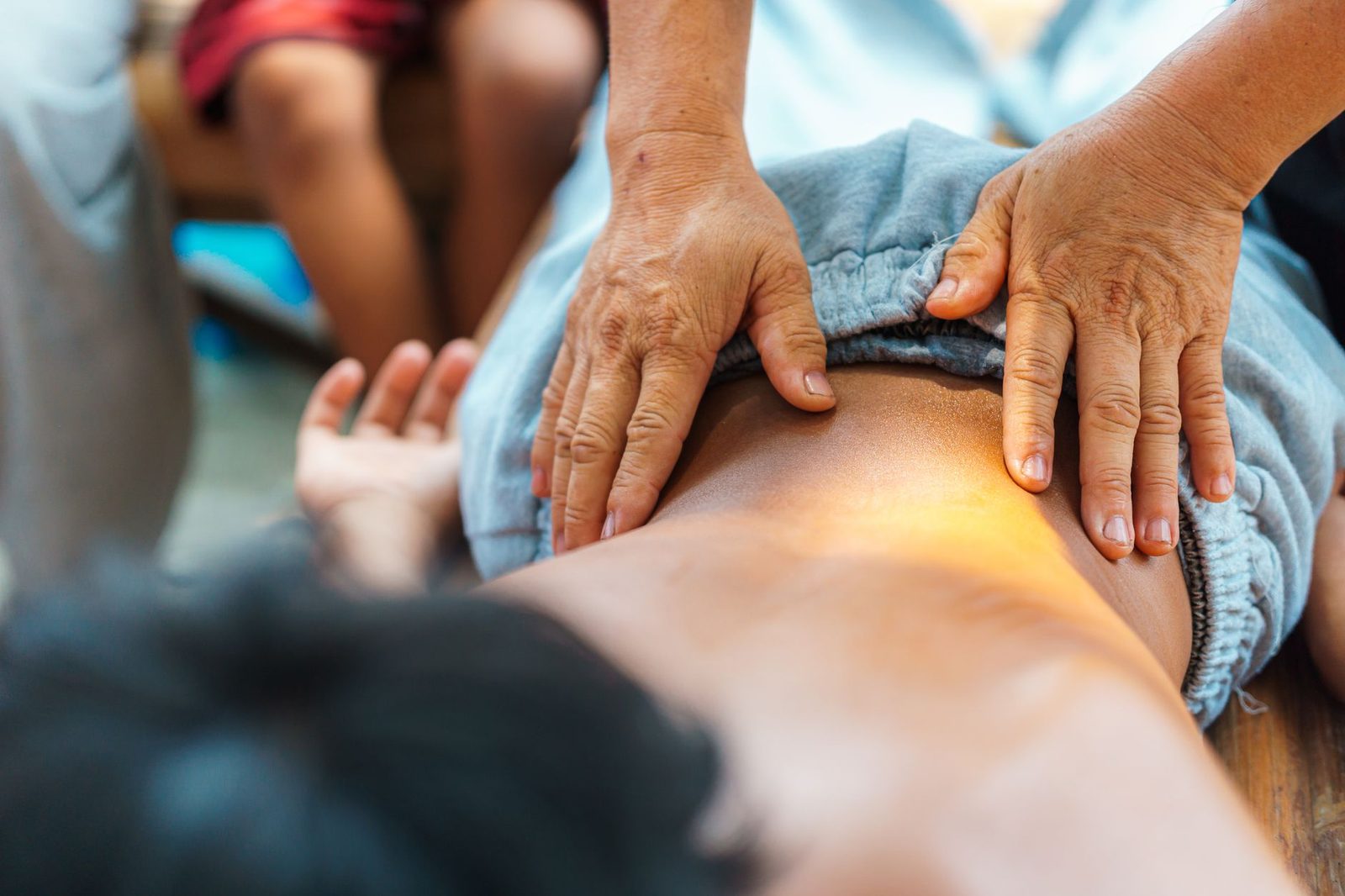
Lymphatic drainage massage, often called manual lymphatic drainage or MLD, is a light-touch technique developed in the 1930s by Danish doctors Emil and Estrid Vodder. Unlike deep tissue work, MLD uses slow, rhythmic, low-pressure strokes designed to move lymph fluid toward the body’s drainage points, mainly the lymph nodes in the neck, armpits, and groin. The pressure is closer to a light sweep across the skin than a squeeze. Therapists often describe the right pressure as “just enough to move a coin under a piece of paper.”
The Lymphatic System, Explained Simply
Your lymphatic system is a network of vessels and nodes that runs parallel to your circulatory system. It collects excess fluid, proteins, and waste products from your tissues and filters them through lymph nodes before returning clean fluid to your bloodstream. Unlike your heart, the lymphatic system has no central pump. It relies on muscle contraction, breathing, and movement to keep fluid flowing. According to the Cleveland Clinic’s overview of the lymphatic system, this network also plays a central role in immune function, since lymph nodes filter out bacteria, viruses, and other pathogens before fluid re-enters circulation. When that flow slows down, from surgery, injury, inactivity, or long-haul flights, fluid can pool and cause visible swelling.
Manual Lymphatic Drainage vs Regular Massage
most people get confused, and it matters if you are booking a session expecting one thing and getting another. Regular Swedish or deep tissue massage works on muscle tissue, using firmer pressure to release tension and improve blood flow. MLD works on the superficial lymphatic vessels sitting just under the skin, which means heavy pressure actually works against the goal. Press too hard and you can collapse the very vessels you are trying to move fluid through. A properly trained MLD therapist follows specific directional sequences, always starting near the neck to clear the main drainage pathways before working outward to the limbs.
| Feature | Lymphatic Drainage Massage | Swedish Massage | Deep Tissue Massage |
|---|---|---|---|
| Pressure level | Very light | Light to moderate | Firm to intense |
| Primary target | Lymphatic vessels, superficial fluid | General muscle relaxation | Deep muscle layers, adhesions |
| Typical use case | Swelling, post-surgical recovery, sluggish circulation | Stress relief, general relaxation | Chronic tension, injury rehab |
| Session length in Edmonton | 45 to 75 minutes | 60 to 90 minutes | 60 to 90 minutes |
| Average price | $95 to $150 | $90 to $130 | $100 to $140 |
The Real Benefits of Lymphatic Drainage Massage (Backed by Research)
The honest answer here is that lymphatic drainage massage benefits are strongest in specific, well-documented situations, and weaker for the vaguer claims you see on Instagram, like “detoxing” your whole body in one session. Here is what the research actually supports.
Post-Surgical and Post-Injury Recovery
the evidence is strongest. MLD is a standard part of post-operative care after procedures like breast cancer surgery, tummy tucks, liposuction, and lymph node removal. A systematic review published on PubMed found that manual lymphatic drainage, particularly when combined with compression bandaging, showed measurable benefit in reducing lymphedema volume in patients recovering from breast cancer surgery, with the clearest improvements occurring during the maintenance phase after initial swelling had already been addressed. A separate meta-analysis of randomized controlled trials found MLD may help prevent early-stage swelling from progressing to chronic lymphedema when started soon after surgery. If you are recovering from a procedure in Edmonton, this is a conversation to have with your surgeon or physiotherapist before booking, not after.
Best Massage Therapy Clinics In Edmonton By Neighborhood covers this in more detail.
Reducing Swelling, Bloating, and Water Retention
For everyday swelling, whether from a long flight home from visiting family, a sprained ankle, or a week of salty festival food at Folk Fest, MLD can noticeably reduce puffiness within a session or two. The mechanism is straightforward: manually pushing stagnant fluid toward working lymph nodes speeds up what your body would eventually do on its own, just faster and more directly. This is also the reason MLD has become popular as a recovery add-on after intense training blocks or long runs along the River Valley trail system, where swollen ankles and heavy legs are common complaints in marathon training season.
How To Find Wellness Services Near Oliver Edmonton covers this in more detail.
Immune Support and Winter Wellness in Edmonton
Because the lymphatic system filters pathogens, keeping it moving is genuinely tied to immune function, not just wellness marketing. This matters more in an Edmonton winter than people realize. Cold weather keeps us indoors, activity drops, and a sedentary lymphatic system moves fluid more slowly. Regular movement is still the single best thing you can do for lymph flow, but MLD is a reasonable supplement during the months when a walk outside means bundling up against minus 30. Alberta Health Services notes that regular physical activity supports circulation and overall immune resilience, which is worth remembering when the days get short and the couch gets tempting, according to Alberta Health Services’ guidance on staying active through the seasons.
Who Should (and Shouldn’t) Get Lymphatic Drainage Massage
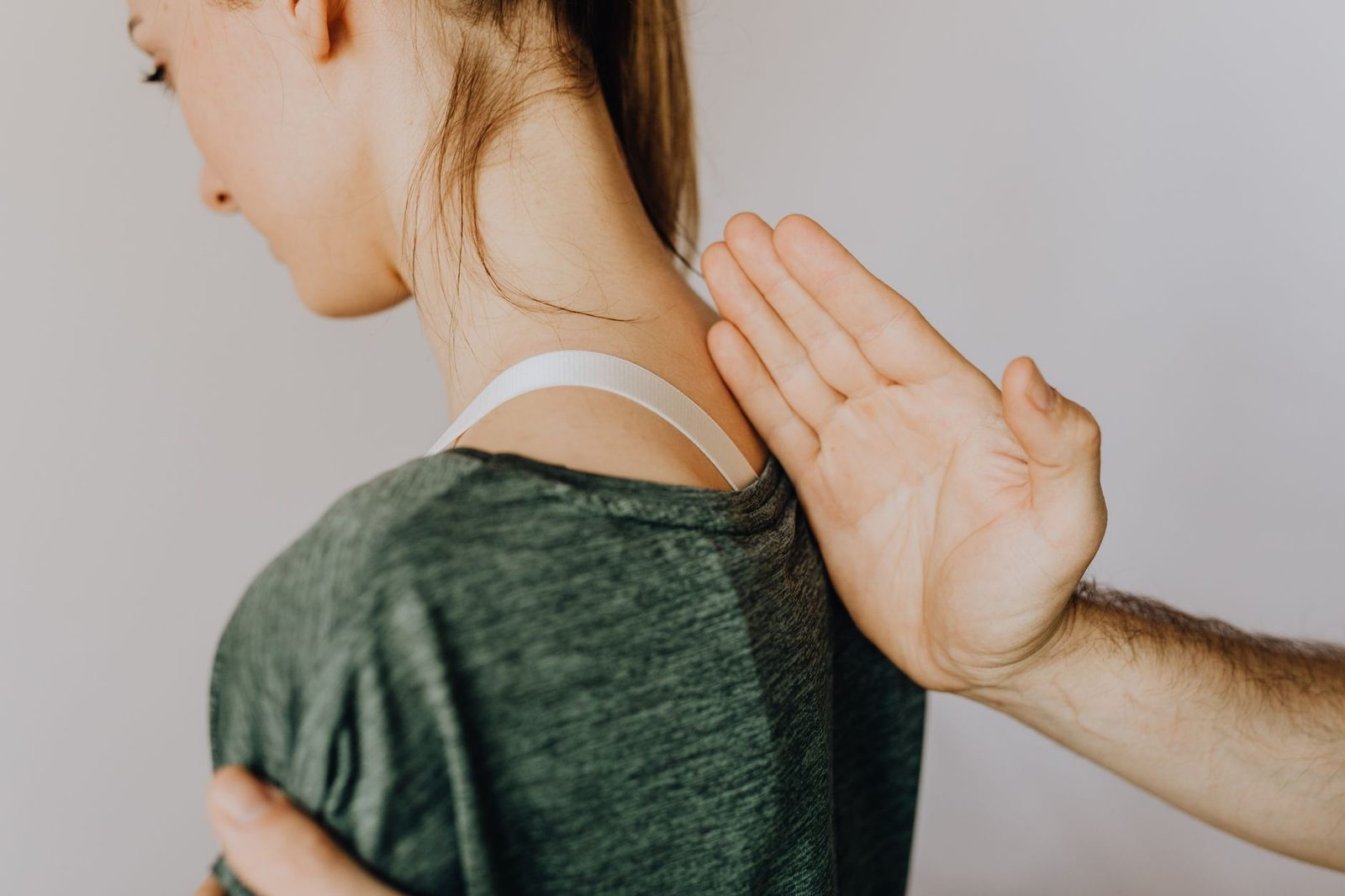
Not everyone is a good fit for this technique, and a reputable Edmonton therapist should be asking you health history questions before your first session, not just handing you a robe.
Good Candidates
- Post-surgical patients cleared by their surgeon, typically several weeks after procedures involving lymph node removal or significant tissue trauma
- People with mild, non-medical swelling from travel, sitting for long shifts, or standing all day at work
- Athletes managing heavy training loads, particularly during marathon or triathlon season in the river valley
- People managing chronic sinus congestion or facial puffiness, especially during Edmonton’s spring pollen season
- Anyone recovering from minor injuries like sprains, once acute swelling has passed the first 48 to 72 hours
When to Skip It or Check With Your Doctor First
MLD is contraindicated in several situations, and a therapist worth trusting will turn you away or refer you out rather than proceed. Skip it, or get medical clearance first, if you have an active infection, a blood clot or history of deep vein thrombosis, congestive heart failure, kidney disease, or active cancer that has not been cleared for massage by your oncology team. According to the Mayo Clinic’s overview of lymphedema treatment, manual techniques should always be coordinated with a medical provider when swelling is related to an underlying condition rather than everyday fluid retention. This is not a treatment to DIY based on a YouTube tutorial if you have any of these conditions. Book with a registered massage therapist (RMT) or physiotherapist who has documented MLD or Vodder technique training, and say so when you call.
What to Expect During a Session
First-timers usually expect either nothing (because the pressure is so light) or something dramatic. The reality sits in between, and knowing what is coming makes the session more useful.
Before You Book
Call ahead and ask two questions: is the therapist specifically trained in manual lymphatic drainage or Vodder technique, and how many MLD-specific sessions have they done. Plenty of Edmonton RMTs list lymphatic drainage on their service menu after a weekend certification course, which is fine for general puffiness but not enough if you are recovering from surgery. Drink water beforehand, wear loose clothing, and skip a heavy meal right before your appointment since some clinics work directly on skin with light oil.
During the Massage
Sessions typically run 45 to 75 minutes. The therapist starts near your collarbone and neck to open the primary lymphatic drainage points, then works outward toward whatever area needs attention, whether that is your face, abdomen, or legs. The pressure is light enough that some people fall asleep, and others find it almost too gentle to register as a “real” massage. That is normal. If a provider is pressing hard enough to leave you sore the next day, that is not proper MLD technique.
After Care
Hydration matters more after MLD than after a typical massage, since you are actively moving fluid through your system. Most therapists recommend water, light movement like a short walk, and avoiding alcohol for the rest of the day. Mild fatigue or an increased need to use the washroom in the hours after a session is common and expected. If you experience new swelling, redness, or pain, contact your therapist or physician, since that is not a typical response.
Lymphatic Drainage Massage Providers in Edmonton (Neighborhood by Neighborhood)
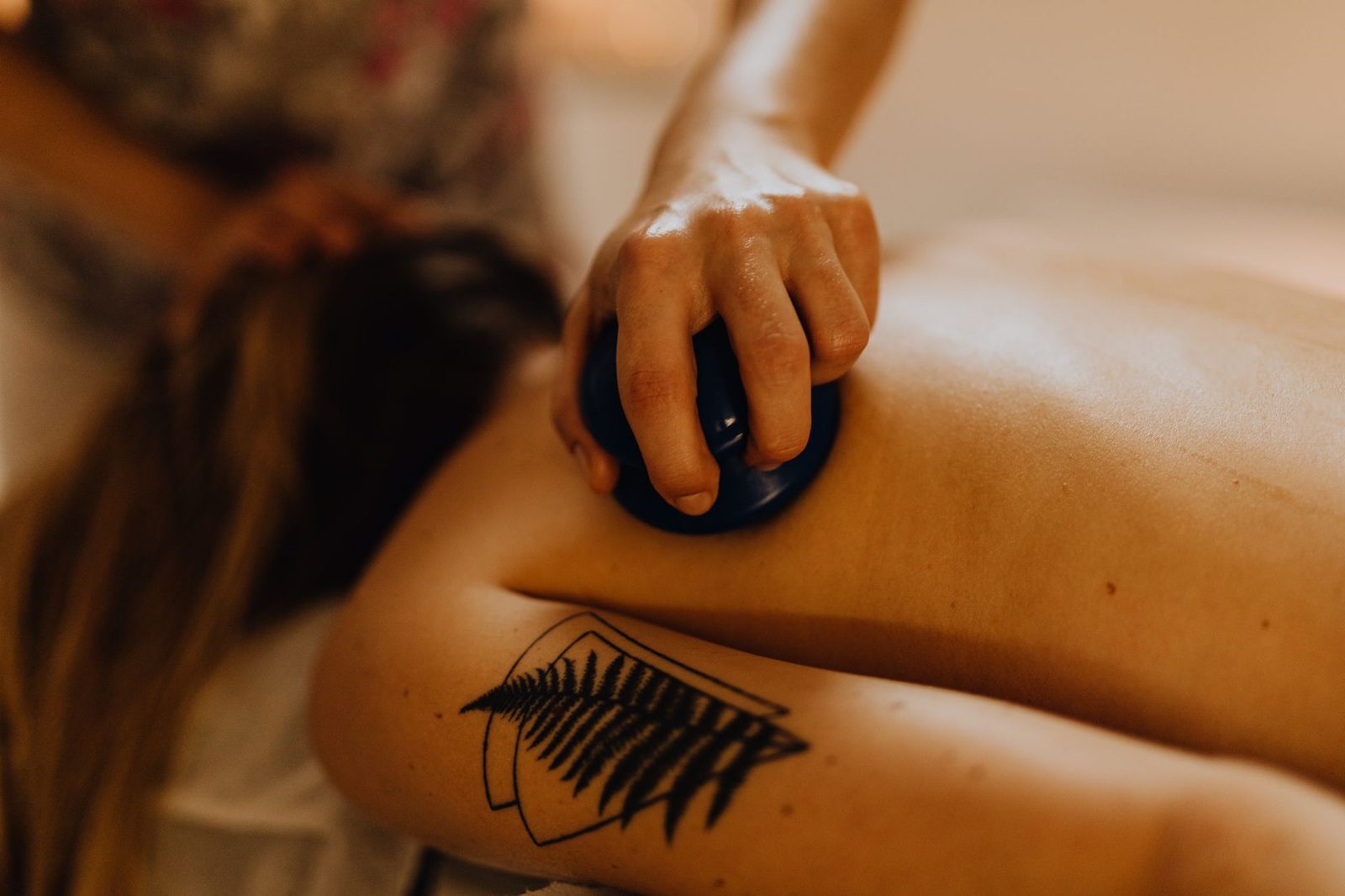
Edmonton has a growing number of clinics offering MLD, split fairly evenly between dedicated massage and wellness studios and multidisciplinary physiotherapy clinics that add it to injury and post-surgical rehab plans. Here is how to think about your options by area.
Whyte Avenue and Old Strathcona
This stretch remains the densest concentration of massage therapy in the city, and several clinics here offer MLD as a standalone service or bundled into a broader recovery plan. Expect street parking that gets tight on weekends and Farmers’ Market days, plus paid lots off Gateway Boulevard as a backup. Transit access is strong, with multiple bus routes and easy access from the Southgate LRT for anyone coming from the south side. For a fuller rundown of options in this corridor, our guide to Edmonton Wellness Guide’s directory of local massage and recovery providers is a good starting point before you commit to a clinic.
Downtown, Oliver, and 124 Street
Downtown and Oliver clinics tend to skew toward the lunch-hour and after-work crowd, with shorter appointment windows and a mix of walk-in and by-appointment massage. Parking here means paid lots or meters, so budget an extra ten minutes and a few dollars if you are driving in from Windermere or the west end. The 124 Street corridor has a smaller but well-regarded cluster of wellness studios, often quieter and easier to park near than the downtown core, with metered street parking and nearby lots.
Windermere, South Edmonton, and Sherwood Park
South Edmonton and Windermere clinics generally offer easier, free parking, which matters a lot in January when circling a downtown block in minus 25 weather is nobody’s idea of self-care. Clinics like Muscle Release Massage Therapy in south Edmonton offer MLD alongside general massage therapy, and Sherwood Park has its own smaller roster of RMT clinics for anyone who does not want to fight Anthony Henday traffic during rush hour. If you live in Sherwood Park or south Edmonton and are building out a broader recovery plan beyond a single massage, it is worth comparing a few clinics for training level and pricing before committing to a package.
Cost, Insurance Coverage, and How Often to Go
Pricing in Edmonton is fairly consistent across neighborhoods, with location affecting convenience more than cost.
What It Costs in Edmonton
- 30-minute focused session (face, neck, or one limb): roughly $65 to $90
- 60-minute full session: roughly $100 to $140
- 90-minute session (common for post-surgical full-body work): roughly $150 to $190
- Package pricing: many clinics offer 4 to 6 session packages at a 10 to 15 percent discount, useful for post-surgical protocols
Prices run slightly higher downtown and on Whyte Avenue compared to south side and Sherwood Park clinics, though the gap is usually only $10 to $15 per session, not enough to justify a long drive on its own.
Does Insurance Coverage Apply
Most extended health plans in Alberta reimburse MLD the same way they reimburse regular registered massage therapy, provided it is performed by a licensed RMT and you have a massage therapy benefit. If MLD is prescribed as part of post-surgical recovery, some plans require a physician referral for reimbursement, so check with your provider before your first appointment rather than after. Clinics that also employ physiotherapists sometimes bill under physiotherapy codes instead, which can affect your annual benefit maximum differently than a massage therapy code would.
Building It Into a Recovery Routine
For general wellness and swelling management, once every two to four weeks is a reasonable cadence for most people, similar to a maintenance massage schedule. Post-surgical patients often follow a much more intensive protocol, sometimes two to three sessions per week in the first month, tapering down as swelling resolves, always under guidance from a surgeon or physiotherapist. If you are trying to figure out how MLD fits alongside other recovery habits, from stretching to compression work, it helps to think about your week as a whole rather than booking one-off sessions reactively.
Lymphatic Drainage vs Other Recovery Options in Edmonton
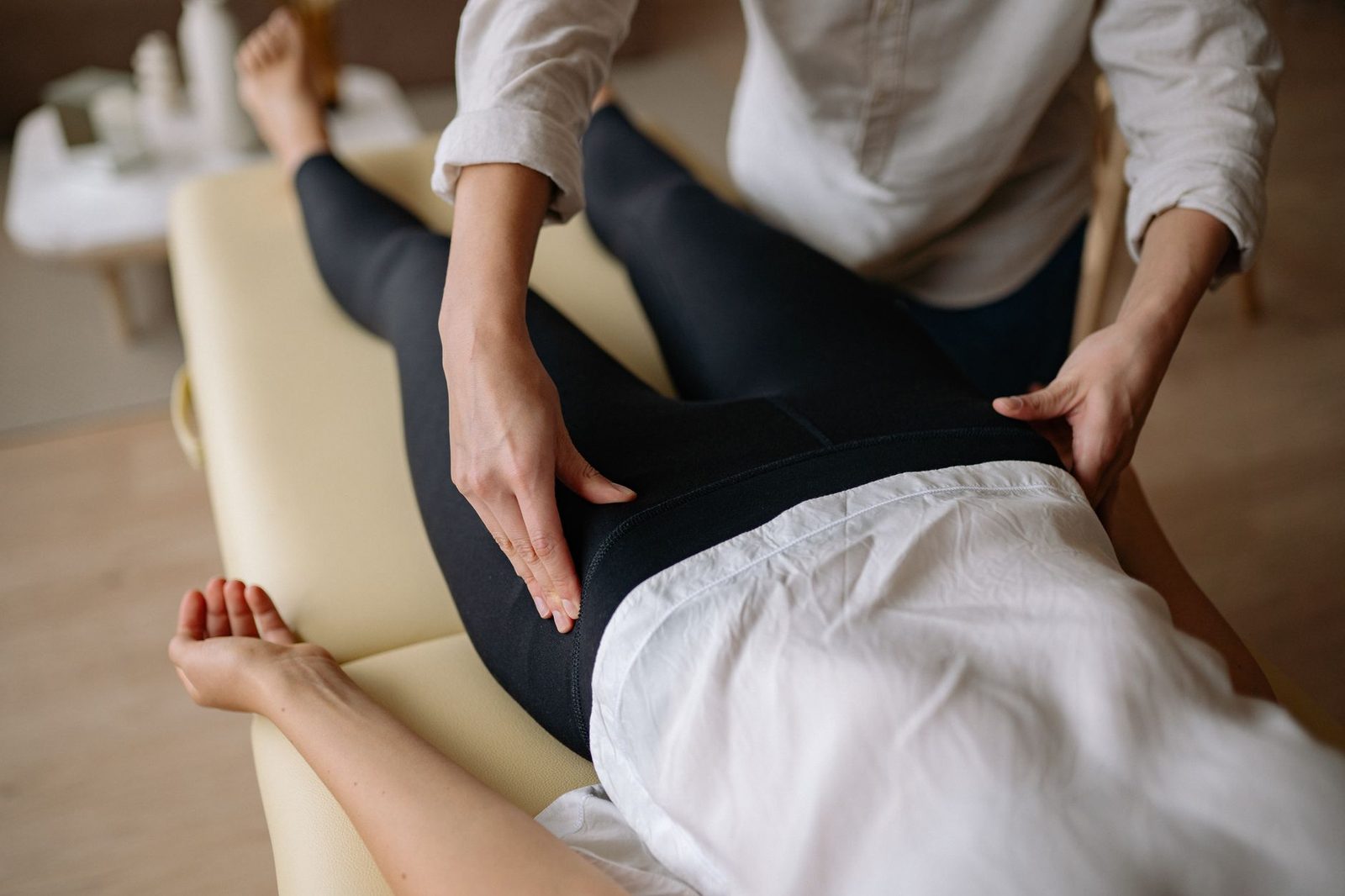
MLD is one tool among several, and it is worth understanding how it compares to other recovery services showing up on Edmonton spa menus right now.
Compression Therapy and Infrared Sauna
Compression boot therapy, the kind you see in athletic recovery lounges, uses air pressure to mechanically push fluid through your legs, which overlaps with what MLD does manually but at a fraction of the price per session, usually $30 to $50 for 20 to 30 minutes. Infrared sauna works differently, raising core temperature to promote sweating and circulation rather than directly moving lymph fluid, and it is not a substitute for MLD if you have documented lymphedema. Combining the two, a compression session followed by light movement, is common among Edmonton athletes training through the summer festival season.
Float Tanks and Cold Plunge
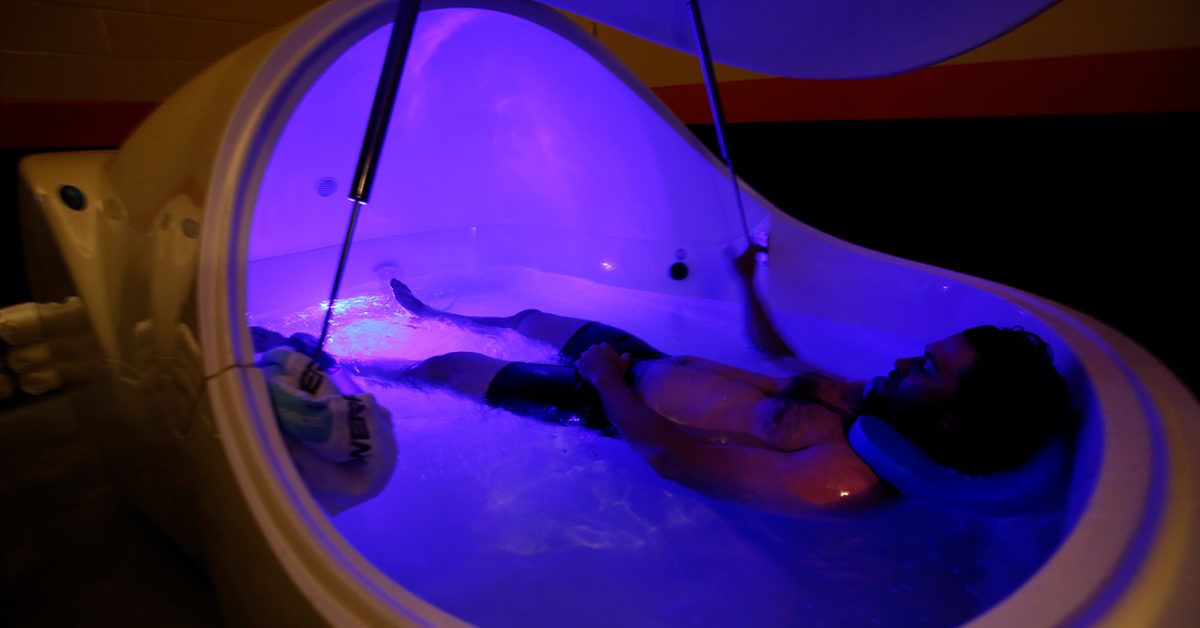
Float tanks address stress and muscular tension through sensory deprivation and Epsom salt buoyancy, which is a completely different mechanism from lymphatic drainage and shouldn’t be confused with it despite both showing up under “recovery” on spa websites. Cold plunge, increasingly popular at Edmonton wellness studios and a few River Valley cold water groups in winter, causes blood vessels to constrict and then rebound, which can support circulation generally but does not replicate the directional, targeted fluid movement of manual lymphatic drainage. If swelling reduction is your actual goal, MLD or compression therapy will get you there faster than a float session will.
Related Articles
- What Is Float Tank Therapy and How Does It Work: An Edmonton Guide to Sensory Deprivation
- How to Prepare for Your First Acupuncture Appointment: An Edmonton Guide
Sources & References
Find Trusted Wellness Spots in Edmonton
Browse our independent guide to Edmonton’s spas, fitness studios, and wellness services. Local. Honest. Free.
Frequently Asked Questions
How is lymphatic drainage massage different from a regular relaxation massage?
Regular massage works on muscle tissue with moderate to firm pressure, while lymphatic drainage massage uses very light, rhythmic strokes on the superficial layer just under the skin to move fluid toward lymph nodes. If your therapist is using deep pressure and calling it lymphatic drainage, ask about their specific MLD or Vodder training before your next session.
Is lymphatic drainage massage covered by insurance in Edmonton?
Most extended health plans cover it under standard registered massage therapy benefits when performed by a licensed RMT, but post-surgical protocols sometimes require a physician referral for reimbursement. Call your insurance provider and the clinic’s front desk before booking to confirm how it will be billed.
How often should I get lymphatic drainage massage for general wellness?
For everyday puffiness or seasonal swelling, once every two to four weeks works well for most people, similar to a maintenance massage schedule. Post-surgical patients typically need a more intensive schedule set by their surgeon or physiotherapist, sometimes multiple sessions per week during the first month.
Can lymphatic drainage massage help with winter bloating and sluggishness in Edmonton?
It can help with fluid retention linked to reduced winter activity, since less movement means slower lymph flow, but it works best paired with actual movement, even short indoor workouts or a walk when temperatures allow. Treat it as a supplement to activity during the coldest months, not a replacement for it.
Are there risks to lymphatic drainage massage?
It is low-risk for most healthy people, but it is not appropriate for anyone with an active infection, blood clots, congestive heart failure, kidney disease, or cancer that has not been cleared for massage by an oncology team. Always disclose your full health history before your first session so the therapist can adjust or decline treatment appropriately.