
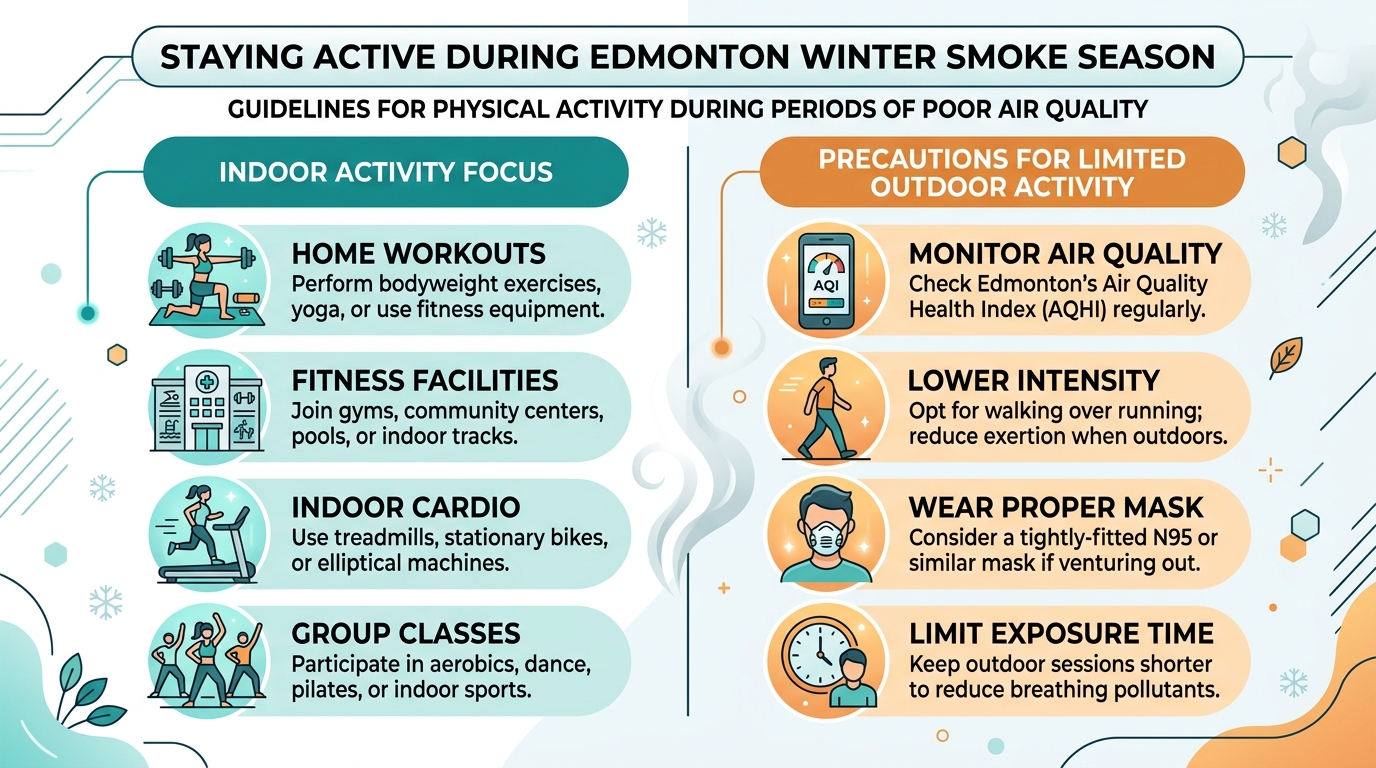
Edmonton’s winter smoke season hits different than summer wildfire smoke. When temperature inversions trap wood stove emissions and vehicle exhaust at ground level between December and February, outdoor fitness plans need a serious rethink. Add in -30°C temperatures and you’re looking at weeks where stepping outside for a run feels downright dangerous.
Last reviewed:
The good news? Edmonton has more indoor fitness options than most cities our size. From the City’s 18 recreation centers to specialized climbing gyms and mall walking routes, you can maintain your fitness through the worst air quality days. This guide maps out exactly how to stay active during Edmonton’s winter smoke season without compromising your health or your training schedule.
For more on this, see our stay active during guide. For more on this, see our stay active during guide.
Understanding Edmonton’s Winter Smoke Season Patterns
When Air Quality Tanks in Winter
Winter smoke season in Edmonton follows predictable patterns. Temperature inversions typically peak between 6-9 AM and again from 6-10 PM. During these windows, cold air trapped near the ground holds pollution from wood stoves, vehicles, and industrial sources. The River Valley acts like a bowl, collecting smoke that would normally disperse.
Check the Alberta Air Quality Health Index before planning any outdoor activity. Readings above 7 mean high-risk conditions. Unlike summer wildfire smoke that can clear quickly with wind, winter inversions often last days. Downtown and mature neighborhoods like Glenora and Westmount see the worst accumulation due to older wood-burning fireplaces.
How To Prevent Seasonal Wellness Routine Breakdowns In Edmonton covers this in more detail.
Health Impacts of Exercising in Poor Air
Exercising outdoors when the Air Quality Health Index hits 7+ multiplies your exposure to fine particulates. During cardio, you breathe 10-20 times more air than at rest. Those PM2.5 particles bypass your nose’s natural filters and lodge deep in your lungs.
Short-term effects include coughing, chest tightness, and reduced performance. Long-term exposure during exercise correlates with increased inflammation and cardiovascular stress. If you’re training for the Hypothermic Half Marathon or maintaining base fitness, those outdoor kilometers during inversions do more harm than good.
Planning Your Indoor Pivot Strategy
Smart winter training in Edmonton means having indoor alternatives ready before you need them. Map out facilities near your home and work. Buy passes or day-use tickets in advance. Download facility schedules and class apps. When Environment Canada issues air quality advisories, you’ll pivot seamlessly instead of skipping workouts.
Consider your typical weekly training load and match it to indoor options. Runners need treadmills or indoor tracks. Cyclists need spin studios or trainers. Strength athletes need well-equipped gyms. Having multiple backup locations prevents overcrowding issues during peak smoke days.
City Recreation Centers: Your Winter Training Base
Best Facilities for Track Running
Kinsmen Sports Centre leads for indoor running with its 200-meter track on the upper level. Open 6 AM weekdays, it draws serious runners doing speed work. The cushioned surface beats concrete, and lane etiquette keeps traffic flowing. Expect crowds 6-8 AM and 5-7 PM.
Commonwealth Recreation Centre offers a 175-meter track that’s less crowded but closes for events. Their schedule changes weekly, so check online. Terwillegar Recreation Centre’s walking track works for easy runs but gets congested. For Sherwood Park residents, Millennium Place has the area’s best indoor track at 210 meters.
Day passes run $8-15 depending on the facility. Annual passes make sense if you’ll use them 3+ times monthly during inversion season. Most tracks alternate direction daily to prevent repetitive strain.
Pool Training Alternatives
Swimming and aqua jogging provide excellent cardio without air quality concerns. Jasper Place Pool offers the best lane swimming schedule with 14 lanes open most mornings. Their 6 AM opening beats the crowds. Hardisty Leisure Centre’s smaller pool works for recovery workouts.
For serious training, the University of Alberta’s pools can’t be beat. Their 50-meter competition pool stays at proper temperatures for hard efforts. Community membership costs more but includes parking. Book lanes online 48 hours ahead during winter smoke season when demand spikes.
Deep water running mimics land running without impact. Use an aqua belt at Commonwealth or Mill Woods facilities. Most instructors can show proper form. One hour equals roughly 45 minutes of land running for training stimulus.
Drop-in Fitness Classes Worth Trying
City recreation centers offer 200+ weekly fitness classes that beat home workouts for intensity. Londonderry Fitness Centre runs excellent HIIT and bootcamp sessions. Their Tuesday/Thursday 6 PM slots fill fast but deliver serious cardio. Instructors know regulars and scale appropriately.
For lower impact options, The Meadows Community Recreation Centre excels at yoga and Pilates programming. Their hot yoga studio maintains proper humidity year-round. Classes run $15 drop-in or cheaper with multi-pass packages. Indoor yoga studios across Edmonton also expand schedules during poor air quality periods.
Specialized Indoor Training Facilities

Climbing Gyms for Full-Body Workouts
Climbing delivers cardio and strength training without repetitive impact. Vertically Inclined Rock Gym on the southside offers 15,000 square feet of climbing terrain. Their bouldering area suits beginners. Auto-belays let you climb solo. Day passes cost $20 with gear rental adding $5.
Boulders Climbing Gym near Whyte Ave attracts a younger crowd but has excellent route setting. They reset sections weekly to prevent boredom. Their strength training area includes campus boards and hangboards. Rock Jungle in St. Albert provides another option for north-side residents.
Climbing 2-3 times weekly maintains cardio fitness and builds functional strength. Most gyms offer intro packages with instruction included. The social aspect helps during isolating winter months.
Indoor Cycling Studios and Options
Dedicated cyclists struggle most during smoke season. YEG Cycle’s two locations (Oliver and Windermere) offer proper bike fitting and power-based training. Their coaches understand serious training needs. Classes run $30 but multi-class packages reduce costs.
Spinco on Jasper Ave provides a different vibe with beat-matched riding and dim lighting. Good for maintaining base fitness but less suitable for structured training. Schedule varies seasonally with more classes added during poor air quality weeks.
For home training, Revolution Cycle on 124 Street rents smart trainers weekly. Pair with Zwift or TrainerRoad for structured workouts. They’ll help with setup and offer local group ride schedules for virtual training together.
CrossFit and Functional Fitness Boxes
CrossFit boxes excel at high-intensity training in climate-controlled environments. CrossFit Onside near the University runs excellent programming for endurance athletes. Their endurance-biased workouts complement running and cycling training. Drop-ins cost $25.
Crossroads CrossFit in Sherwood Park offers more space and equipment variety. They run specific endurance athlete classes Tuesday/Thursday evenings. Coaches understand periodization and can modify workouts to match your training phase.
Most boxes offer a free trial class. Visit several to find the right fit. Community matters more than equipment when you’re training indoors for weeks. Look for boxes with dedicated open gym hours for solo training.
Alternative Indoor Cardio Strategies
Mall Walking Routes and Logistics
Mall walking sounds geriatric but delivers legitimate training stimulus during smoke season. West Edmonton Mall’s 5.3-kilometer perimeter takes 45-60 minutes at a brisk pace. Security opens doors at 6 AM for walkers. Park at entrance 40 or 56 for quick access.
Southgate Centre offers a 2.2-kilometer loop with good sightlines and wide corridors. Less crowded than WEM but shorter. Kingsway Mall works for north-side residents with a 1.8-kilometer route. All malls maintain consistent 20°C temperatures year-round.
For training effect, maintain 6-7 minute per kilometer pace. Use a GPS watch – mall layouts mess with distance accuracy. Bring water and dress in moisture-wicking layers. Early morning sessions avoid shoppers and maintain workout intensity.
Stair Climbing in Edmonton Buildings
Stair climbing torches calories and builds power. Several Edmonton buildings allow public stair access with permission. The Federal Building downtown has 23 floors of consistent stairs. Contact security for access protocols. Early morning works best.
For measured workouts, university parkades offer reliable options. The University of Alberta’s Windsor Car Park has 8 levels with consistent rise. Education Car Park provides 10 levels. Campus security knows about fitness users – be respectful and follow posted rules.
NAIT’s parkade structures also work well, especially the south campus location. Ten trips up equal roughly 1,000 feet of vertical gain. Bring a towel and water. These workouts humble even fit athletes quickly. Start with 5 trips and build gradually.
Hotel Fitness Facilities Day Passes
Several Edmonton hotels sell day passes to quality fitness facilities. The Fairmont Hotel Macdonald’s pool and gym combo costs $25 for non-guests. Their pool maintains lap lanes even during busy periods. Parking adds $15 but includes valet service.
JW Marriott in Ice District offers newer equipment and a 20-meter lap pool. Day passes run $30 with validated parking. Less crowded than public facilities during work hours. Their towel service and quality change rooms justify the price.
Matrix Hotel near the airport seems random but has Edmonton’s best hotel gym. Serious weight equipment plus cardio options. Day passes cost $20 with free parking. Worth the drive for strength-focused athletes during extended smoke periods.
Home Training Setup Essentials
Building an Effective Basement Gym
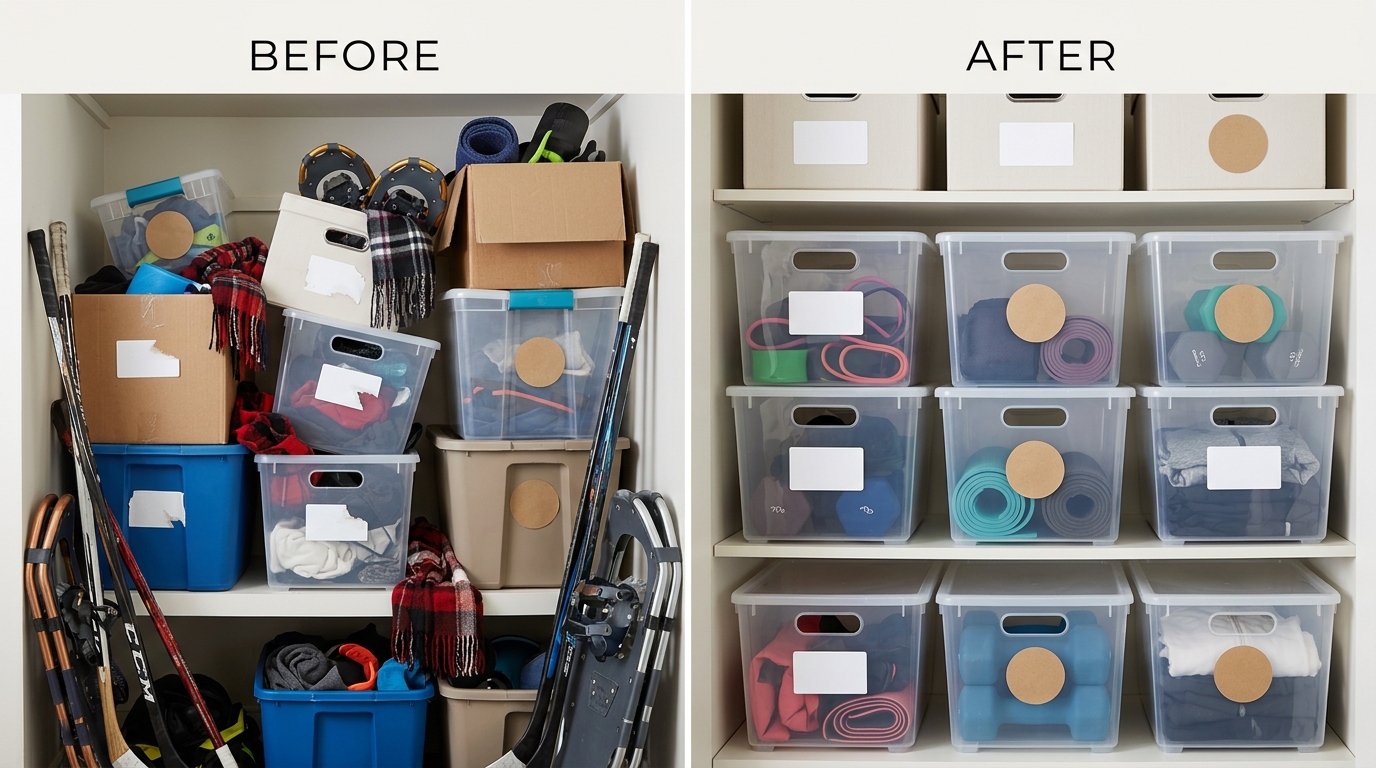
Edmonton’s winter smoke season justifies home gym investment. Start with rubber flooring from Fitness Depot on Calgary Trail. Their 4×6 foot mats cost $70 each and protect concrete while dampening noise. Cover at least 80 square feet for functional training space.
Essential equipment includes adjustable dumbbells (5-50 pounds), a bench, and pull-up bar. Ironwill Fitness in St. Albert offers package deals for basement setups. Budget $1,500 for quality basics that last. Add equipment gradually based on your training needs.
Ventilation matters in basement spaces. Run a dehumidifier year-round to prevent equipment rust. Install a ceiling fan for air circulation during intense sessions. Keep windows cracked when possible – even poor outdoor air beats stagnant basement air during workouts.
Smart Trainer and Treadmill Recommendations
For cyclists, smart trainers change winter training. United Cycle carries Wahoo and Tacx models with local warranty support. The Wahoo Kickr Core ($900) balances features and price. Pair with a fan – you’ll sweat more indoors without airflow.
Treadmill selection depends on your running volume. Horizon and NordicTrack models from Flaman Fitness handle high mileage. Their T101 model ($1,200) suits most runners. Spend more for better deck cushioning if you’ll log serious miles. Used commercial models offer better value than new residential units.
Both require dedicated space and power outlets. Measure doorways before buying – many units won’t fit down typical basement stairs. Factor in delivery and setup costs. Local retailers often include these services while online purchases don’t.
Online Fitness Platforms That Actually Work
Streaming fitness fills gaps in your indoor training arsenal. Peloton Digital ($16.99/month) offers more than cycling – their strength and yoga content rivals studios. Canadian billing avoids currency conversion fees. Download classes for offline use during internet outages.
Apple Fitness+ integrates with Apple Watch for accurate heart rate training. Their treadmill workouts include pace callouts that match Canadian metric preferences. The yoga and mindfulness content helps with winter smoke season mental health challenges.
For strength training, Caliber provides free personalized programming based on available equipment. Their algorithm adapts to your basement gym limitations. The paid version adds video form checks from certified trainers – worth it when training solo for extended periods.
Nutrition and Recovery During Limited Outdoor Time
Vitamin D Supplementation Strategies
Indoor training during smoke season eliminates already minimal winter sun exposure. Edmonton’s winter vitamin D challenges worsen when you can’t even walk outside at lunch. Most adults need 2,000-4,000 IU daily from October through March.
Save-On-Foods’ pharmacy brands offer quality D3 at reasonable prices. Take with fatty meals for absorption. Liquid drops work better than tablets for many people. Get levels tested through your family doctor if experiencing unusual fatigue or frequent illness.
Some Edmonton fitness facilities now offer red light therapy which may help with vitamin D synthesis. The Float House in Old Strathcona includes this in their membership packages. Still experimental but anecdotally helpful for winter wellness maintenance.
Hydration Differences for Indoor Training
Indoor training creates different hydration needs than outdoor winter exercise. Without cold air triggering thirst suppression, you’ll notice dehydration more acutely. Heated indoor spaces dry you out faster. Aim for 500-750ml per hour during hard efforts.
Supplement plain water with electrolytes during sessions over 60 minutes. Remedy Cafe locations sell Nuun tablets cheaper than sports stores. Their Jasper Ave spot opens early for pre-workout shopping. Mix at half strength to avoid stomach issues.
Post-workout hydration matters more indoors where you can’t cool down naturally. Weigh yourself before and after training. Drink 1.5 liters per kilogram lost. This prevents the dehydration headaches common with intense indoor sessions.
Sleep Quality During Smoke Season
Poor air quality disrupts sleep even with windows closed. Microscopic particles infiltrate homes and irritate airways overnight. HEPA air purifiers in bedrooms improve rest quality. Canadian Tire carries Honeywell models sized for bedrooms under $200.
Training indoors often means evening workouts that interfere with sleep. Finish high-intensity sessions 3 hours before bed. The Rec Room’s climbing wall closes at 10 PM – too late for quality sleep. Morning sessions at City recreation centers work better for sleep quality.
Magnesium supplementation helps with indoor training recovery. The increased eccentric stress from treadmill running depletes magnesium faster. Planet Organic on Jasper Ave carries quality chelated magnesium. Take 400mg before bed for better sleep and reduced muscle soreness.
Community Resources and Group Training
Running Groups with Indoor Options
Edmonton running groups adapt programming during smoke season. River Valley Runners meets at various indoor tracks when air quality deteriorates. Check their Facebook group for last-minute location changes. They maintain workout structure regardless of venue.
The Running Room stores organize indoor sessions at nearby facilities. Their Southgate location partners with the Terwillegar Rec Centre for track workouts. Sherwood Park location uses Millennium Place. Free for anyone, not just customers. Show up 10 minutes early for logistics.
November Project Edmonton shifts to indoor venues December through February. Recent sessions used Fort Edmonton Park’s heated buildings for strength circuits. Their Instagram announces locations 24 hours ahead. Free workouts with strong community vibes help beat isolation.
Indoor Cycling Clubs and Groups
Edmonton Road and Track Club organizes indoor trainer sessions at the Kinsmen. Tuesday and Thursday 6 PM slots in the field house. Bring your bike and trainer. Group energy beats solo basement sessions. Annual membership ($85) includes coaching.
Velocity Cycling hosts Saturday morning trainer parties at their southside shop. Free for customers, $10 for others. They provide power outlets and fans. Coffee afterwards builds community. Their coaches offer form tips and workout suggestions between intervals.
United Cycle runs Women’s Only trainer nights Wednesdays at their southside location. Supportive environment for newer cyclists. They’ll help with trainer setup. The adjacent showroom tempts with gear purchases – budget accordingly.
Finding Workout Partners During Smoke Season
Facebook’s Edmonton Fitness Community group has 8,000+ members seeking workout partners. Post your schedule and preferred locations. Specify air quality requirements – many share your concerns. Meeting at facilities provides safety and bail-out options.
City recreation centers’ bulletin boards list partner requests. Old school but effective for finding locals with similar schedules. Commonwealth and Kinsmen see highest traffic. Post contact info and workout preferences. Update when you find partners.
Strava’s local segments show who trains where and when. Message athletes using similar facilities. Most welcome training partners during isolating winter months. Start with one session before committing. Chemistry matters for long-term training partnerships.
Sources & References
Related Reading
- Can You Get Vitamin D in Edmonton During Winter Months: A Local’s…
- Best Hot Springs Near Edmonton for Winter Wellness Escapes: Your…
- Best Running Trails Edmonton River Valley: A Local’s Guide to…
Related Reading
- Why Does Smoke Season Affect Outdoor Fitness Edmonton: The Science…
- Can You Get Vitamin D in Edmonton During Winter Months: A Local’s…
- Summer vs Winter Running Routes in Edmonton: A Year-Round Comparison
Related Reading
Frequently Asked Questions
What Air Quality Index reading should trigger indoor workouts?
Switch to indoor training when Edmonton’s Air Quality Health Index hits 7 or higher. Athletes with asthma or respiratory conditions should move indoors at level 5. The Government of Canada’s air quality page provides hourly updates. Set alerts on your phone for readings above your threshold – during winter inversions, conditions often worsen rapidly after 4 PM.
Which City of Edmonton facilities have the best air filtration?
Newer facilities like Lewis Farms Community Recreation Centre and Terwillegar Community Recreation Centre feature advanced HVAC systems with MERV-13 filters. Commonwealth underwent filtration upgrades in 2019. Older facilities like Oliver Pool still provide cleaner air than outdoors during inversions. Call ahead to confirm their systems are functioning – maintenance sometimes requires temporary closures.
How do I maintain running fitness without a treadmill during smoke season?
Indoor tracks at Kinsmen (200m) or Commonwealth (175m) offer the best treadmill alternative. Pool running at Jasper Place Pool maintains cardiovascular fitness with zero impact. Stair climbing in campus parkades builds similar power to hill repeats. Preventing seasonal fitness breakdowns requires creativity but these alternatives maintain your aerobic base through smoke season.
Are there any 24-hour indoor fitness options in Edmonton?
GoodLife Fitness locations in South Common and Windermere offer 24-hour access to members. Anytime Fitness has multiple Edmonton locations with round-the-clock access. World Health clubs don’t offer 24-hour access but open at 5 AM. For serious athletes needing flexible training times during smoke season, 24-hour access justifies the premium membership costs.
What’s the most cost-effective indoor training setup for winter?
A City of Edmonton annual facility pass ($500-650) provides unlimited access to all recreation centers, pools, and tracks. Combine with a basic home setup of resistance bands ($50) and a yoga mat ($40) for strength work. This covers 90% of training needs for the cost of 3 months at a premium gym. Factor in gas savings from using nearby facilities and the economics improve further.