Edmonton’s River Valley holds North America’s largest urban park system, and runners here know exactly which trails deliver. After logging thousands of kilometers between Mill Creek Ravine and Fort Edmonton Park, I’ve mapped out the routes that work for real life. Some trails freeze solid by November. Others turn into mud baths after one spring rain. The best running trails Edmonton River Valley offers change dramatically with our seasons, and knowing which ones to hit when makes all the difference.
Last reviewed:
This guide covers trails from beginner-friendly paved loops to technical single-track that’ll test your ankles. I’ll tell you where to park without getting towed, which routes stay lit after dark, and why some popular trails aren’t worth the hype. Whether you’re training for the Edmonton Marathon or just trying to survive another smoke-filled August indoors, there’s a trail here that fits.
Our fitness outdoor movement guide covers this in detail.
Top Paved Trails for Year-Round Running
Paved trails save your knees and stay runnable through most of Edmonton’s weather tantrums. These routes see regular maintenance, though expect some icy patches from December through March.
Victoria Park to Kinsmen Loop (4.2 km)
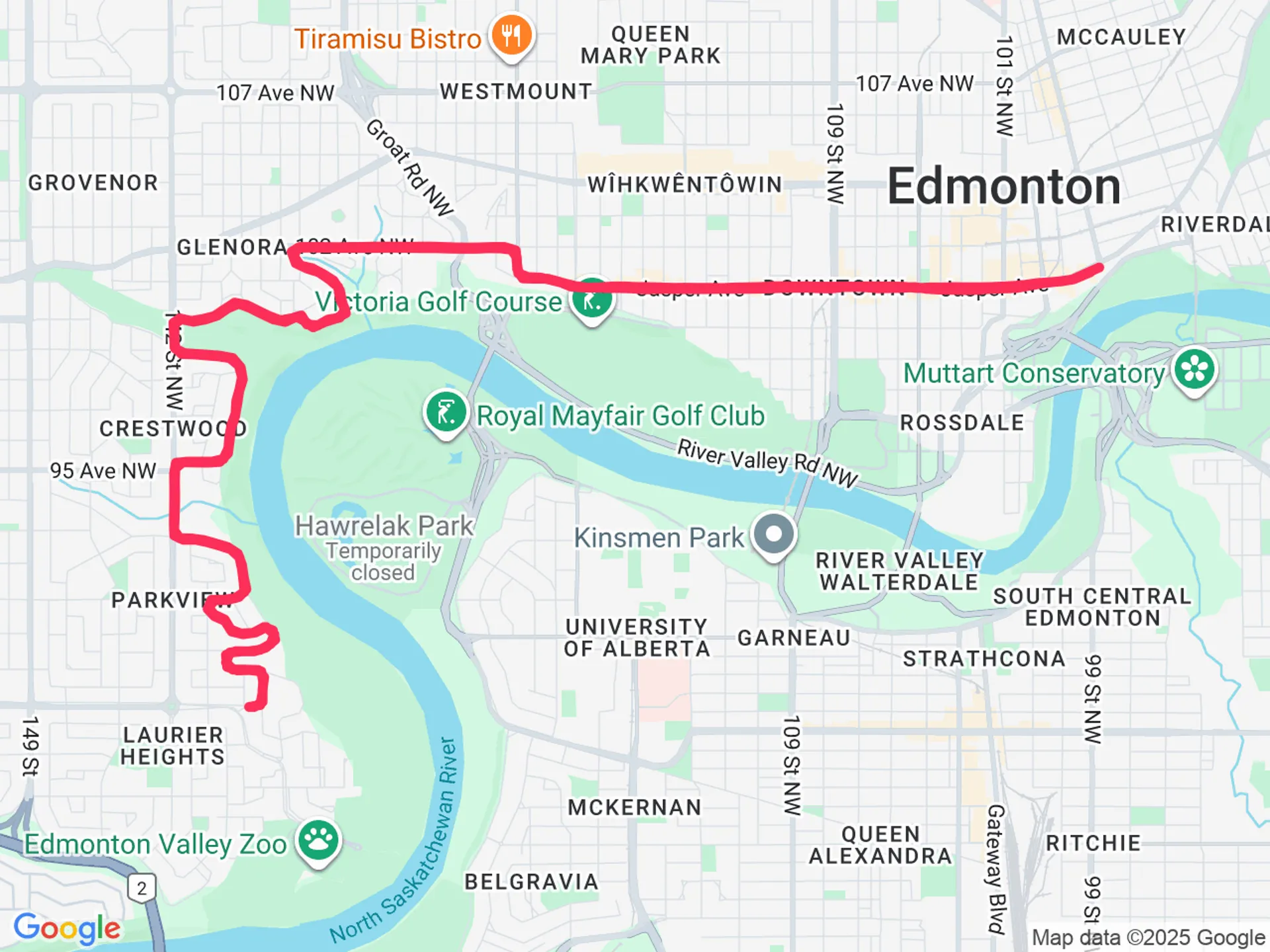
This loop starts at the Victoria Park pavilion and follows the north bank east to Kinsmen Sports Centre before doubling back. The entire route stays paved and lit, making it perfect for those 5:30 PM November runs when darkness hits early. Parking fills up fast at Victoria Park on summer evenings, but you can usually find spots along River Valley Road.
The path width handles two-way traffic well, though you’ll dodge the occasional cyclist who thinks they own the trail. Water fountains work from May through September at both ends. The steady 2% grade heading east builds leg strength without destroying your pace. Most runners complete the loop in 25-35 minutes.
Outdoor Fitness Classes Edmonton Summer covers this in more detail.
Winter maintenance crews hit this trail first after snowfalls, usually clearing it within 24 hours. The Kinsmen Sports Centre offers warm washrooms year-round – a important amenity when it’s -25°C outside. For longer runs, connect to the River Valley Edmonton trails heading west toward Groat Bridge.
Terwillegar Park Multi-Use Trail (8 km)
Terwillegar’s paved loop ranks among Edmonton’s most popular running routes, and parking tells the story. Arrive after 9 AM on weekends and you’ll circle the lot like a vulture. The main trail forms a figure-eight pattern with options to extend into Oleskiw River Valley Park or head north to the footbridge.
Meditation Studios Vs Gyms In River Cree Edmonton Area covers this in more detail.
The southwest section stays shaded through summer afternoons, offering relief during heat waves. Watch for loose dogs despite leash bylaws – enforcement here is basically non-existent. The trail’s gentle rolling hills provide interval training without planning. Most runners tackle the full loop in 45-60 minutes.
Winter changes this trail into a shared space with fat bikers and cross-country skiers. Stick to the designated running lane to avoid conflicts. The parking lot gets plowed regularly, but bring traction aids for your shoes – the first 200 meters from the lot turn into a skating rink after any melt-freeze cycle.
Mill Creek Ravine North Trail (6.5 km)
Mill Creek offers Edmonton’s most accessible ravine running with multiple entry points from Whyte Avenue down to the river. The paved trail follows the creek, providing a gradual elevation change that works different muscle groups than flat river trails. Start at the Mill Creek Pool parking lot for easy access and facilities.
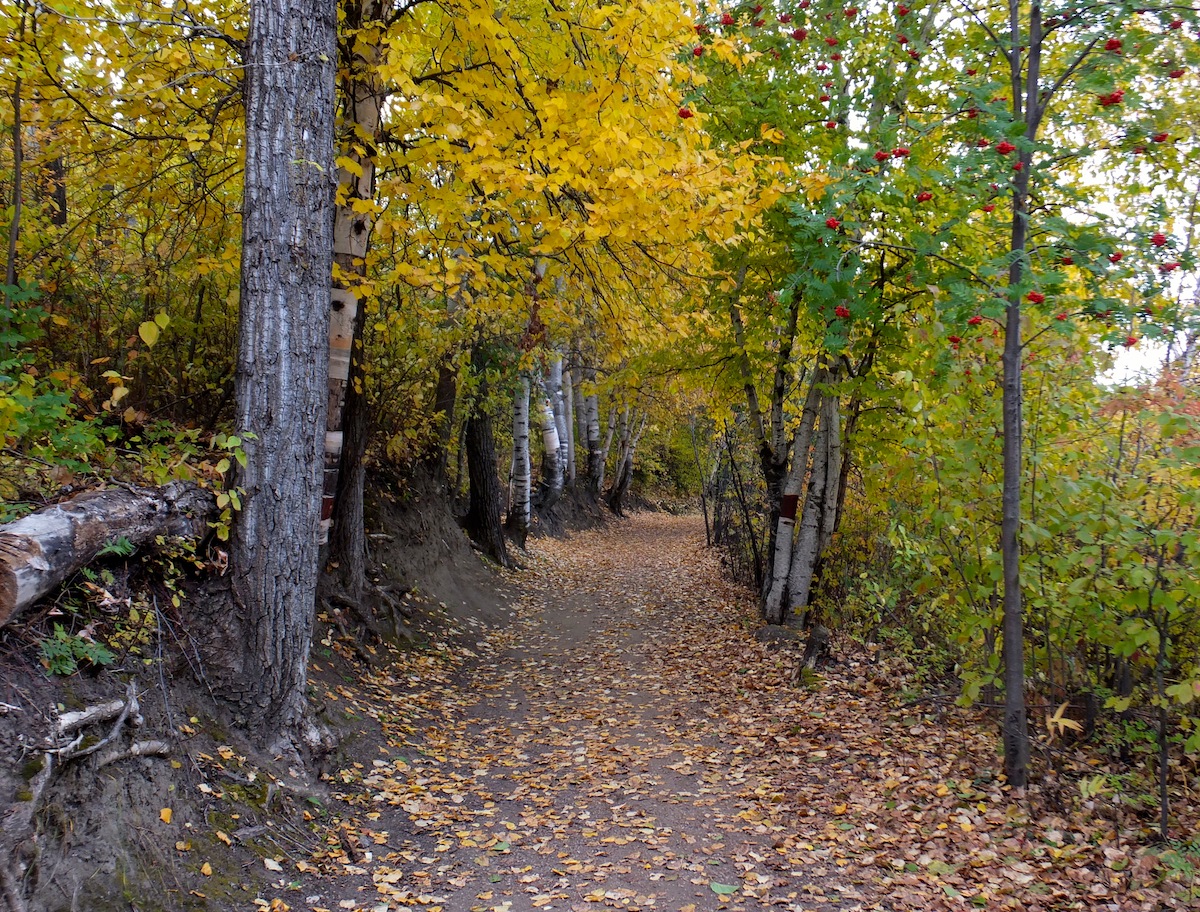
This trail shines in fall when the canopy explodes in golds and reds. The creek babbles alongside most of the route, masking traffic noise from nearby roads. Several wooden bridges cross the creek – they get slippery when wet, so slow down during rain or snowmelt. The trail connects to the river valley system at both ends, allowing for longer route combinations.
Lighting exists only at major intersections, making this a daylight-only option for most of the year. Local running groups meet at the pool parking lot Tuesday and Thursday evenings from May through September. Join them for built-in motivation and route knowledge.
Technical Trails for Experienced Runners

These single-track trails demand attention and proper footwear. Expect roots, rocks, and rapid elevation changes that’ll test your agility.
Goldstick Park to Capilano Bridge (7.2 km)
This technical route follows the north bank’s edge, offering spectacular river views when you dare look up from the trail. Park at Goldstick Park (free, but limited spots) and head west on the narrow dirt path. The first kilometer lulls you into false confidence before the real climbing begins.
Three major hill climbs punctuate this route, each steeper than the last. The trail narrows to shoulder-width in places, with drop-offs that’ll make you grateful for good balance. After rain, sections turn into slip-and-slides. Trail runners or shoes with aggressive tread are mandatory here.
The payoff comes at Capilano Bridge, where you can refill water bottles and catch your breath before the return journey. Round trip takes most runners 60-90 minutes. This trail sees minimal winter maintenance – consider it closed from first snow until spring melt unless you’re comfortable with serious ice climbing.
Emily Murphy Park Hill Repeats (Variable)
Emily Murphy Park’s network of trails offers Edmonton’s best hill training without driving to the mountains. The main climb gains 60 meters over 400 meters – doesn’t sound like much until you’re on repeat number five. Park in the lower lot near the picnic area for immediate access to the hill base.
For more on this, see our hiking trails near guide.
Multiple routes snake up the hillside, from the direct grunt up the ski hill to the switchback single-track through the trees. Mix and match routes to keep your legs guessing. The City of Edmonton’s trail maps show all options, though locals have created several unofficial paths.
These trails dry out faster than valley-bottom routes after rain, making them good shoulder-season options. Winter changes the ski hill into an actual ski hill, but the tree-covered trails often stay runnable with microspikes. Local trail running groups host informal hill repeat sessions Wednesday evenings during summer – look for the crowd of people looking miserable but determined.
Whitemud Creek Ravine Trail (5.8 km)
Whitemud Creek Ravine offers technical running without the crowds of more popular trails. Access points exist at Rainbow Valley, Brookside, and Ogilvie Ridge, though parking at Rainbow Valley works best. This trail demands concentration – exposed roots and sudden turns appear constantly.
The creek crossing at kilometer 3 requires careful foot placement on stepping stones that get slippery when wet. During spring runoff, this crossing becomes impassable – turn back rather than risk it. The trail climbs steadily from the creek, gaining 80 meters over the next kilometer through a series of switchbacks.
Wildlife sightings happen regularly here. I’ve encountered deer, coyotes, and even the occasional moose. Make noise on blind corners and carry bear spray during berry season. The relative isolation means poor cell service – tell someone your route before heading out solo.
Best Seasonal Running Routes

Edmonton’s extreme seasons demand different trail strategies. What works in July might be dangerous in January.
Summer Smoke Season Alternatives
When forest fire smoke blankets the valley, smart runners head for tree cover. The Mactaggart Sanctuary loop provides 5 km of shaded trails that filter some particulates. The dense forest canopy here creates its own microclimate, often 5-10 degrees cooler than exposed areas.
For outdoor fitness classes Edmonton summer offers, many move indoors during smoke warnings. But if you must run outside, early morning provides the clearest air. The River Valley Alliance website posts air quality updates specific to trail areas – bookmark it for August.
Consider the Henday pedestrian bridges during smoke season. These improved routes keep you above the worst valley-bottom accumulation. The Anthony Henday Trail crossing near Terwillegar offers 3 km of running with minimal elevation change and good air flow.
Winter Running Champions
Not all trails survive Edmonton winter. These routes see regular maintenance and stay runnable even at -30°C. The outdoor running routes Edmonton summer vs winter comparison shows dramatic differences in usable trails.
Hawrelak Park’s 2.2 km loop gets cleared within hours of snowfall. The park charges for parking ($3/hour), but heated washrooms and a warm-up shelter justify the cost. Wide paths accommodate both runners and winter walkers without conflict. Ice forms near the lake edge – stick to the middle of the path here.
Government House Park offers 4 km of groomed trails mixing paved and packed snow surfaces. Free parking along the road fills up on sunny winter weekends. The southwest loop stays most protected from wind, important when windchill hits dangerous levels. Many runners use this as their January-February base training ground.
Shoulder Season Hidden Gems
Spring and fall create unique running conditions in the River Valley. Some trails shine during these transitions while others become muddy nightmares. Understanding which is which saves your shoes and sanity.
Rundle Park’s paved trails drain exceptionally well, staying runnable within days of spring melt. The ACT Aquatic Centre provides year-round parking and facilities. The eastern loops see less traffic than central river valley routes, giving you space to find your rhythm. Fall colors here rival anywhere in the city.
Gold Bar Park trails handle freeze-thaw cycles better than most dirt paths. The mixture of gravel and packed earth provides decent traction even during the dreaded November ice-rain events. Multiple route options let you adjust distance from 3-10 km without repeating sections. The wastewater treatment plant sounds unpleasant but actually means better trail maintenance year-round.
Trail Safety and Etiquette
Running Edmonton’s River Valley trails safely requires more than just watching for roots. These guidelines come from thousands of hours on these paths.
Wildlife Encounters
Coyotes patrol the best running trails Edmonton River Valley system year-round. They rarely bother runners, but small dogs trigger their prey drive. If you encounter coyotes, maintain eye contact, make yourself large, and back away slowly. Never run from them – it triggers chase instinct.
Bears occasionally wander into the river valley, particularly during berry season (August-September). Make noise on blind corners and single-track sections. Alberta Health Services recommends carrying bear spray on remote trails. Most bear encounters involve them running away, but preparation beats panic.
Beavers might seem harmless, but they’ve created trail hazards throughout the valley. Their dam-building floods low-lying trails after rain. Watch for fresh beaver activity – pointed stumps and wood chips mean active construction. Flooded trail sections often hide deep holes.
Trail Sharing Protocol
Multi-use trails mean sharing space with cyclists, walkers, and dogs. Runners yield to horses (rare but present), maintain single-file on narrow sections, and announce when passing. “On your left” prevents surprises and collisions.
Headphone users create hazards for everyone. If you must run with music, keep one ear open or use bone conduction headphones. The number of close calls I’ve witnessed from oblivious headphone users would fill a book. Save the noise-canceling for treadmill sessions.
Winter adds complexity with fat bikes and cross-country skiers sharing space. Respect groomed ski tracks – running through them destroys hours of volunteer work. Stick to designated running lanes or trail edges. When in doubt, ask other trail users about current etiquette.
Emergency Preparedness
Cell service drops to nothing in many ravines. Download offline maps before heading out, especially on less-traveled routes. The app Trail Forks covers most Edmonton trails with GPS tracking that works without data.
Tell someone your planned route and expected return time. The River Valley Rangers patrol popular areas but can’t cover everywhere. For solo runs on technical trails, consider carrying a whistle and basic first aid supplies. Twisted ankles happen fast on root-covered paths.
Winter demands extra preparation. Hypothermia kills faster than you’d think. Layer properly, carry emergency heat packs, and know the nearest warm shelter locations. Most River Valley parking lots sit far from heated buildings – plan your routes accordingly.
Hidden Gem Trails Worth Finding
Beyond the popular routes lie lesser-known trails that locals guard jealously. These paths see lighter traffic but require more effort to find and navigate.
Laurier Park to Buena Vista Connection (3.8 km)
This sneaky connector links two neighborhoods via a barely-marked trail system. Start at Laurier Park’s boat launch (free parking, limited spots) and look for the narrow path heading west. The trail hugs the riverbank, offering views usually reserved for mansion owners.
Technically challenging sections include a steep climb near Saskatchewan Drive and several stream crossings. After heavy rain, these streams swell enough to soak your feet. The trail emerges at Buena Vista Park, where you can loop back via roads or continue west to Hawrelak Park.
Few runners know this route exists, giving you solitude minutes from busy Whyte Avenue. The trail sees zero winter maintenance – consider it a three-season option only. Massive elm trees create a natural cathedral through the middle section. Morning light filtering through these giants makes early runs magical.
Dawson Park Single Track (4.5 km)
Dawson Park hides some of Edmonton’s most technical single-track trail running. Park at the Kinnaird Ravine lot and cross the footbridge to access this network. Trails spider-web through dense forest with enough options to create new routes weekly.
Local mountain bikers built many of these trails, evident in the banked turns and optional jump lines. Runners can bypass technical features via chicken lines. The main loop climbs steadily for 2 km before a screaming descent back to river level. Your quads will hate you the next day.
This area floods during spring melt, closing trails for 3-4 weeks. Check recent trip reports on AllTrails before heading out in April or May. When dry, these trails offer the closest thing to mountain running within city limits. Pack extra water – no facilities exist once you leave the parking area.
Forest Heights to Riverside Golf Course Loop (6.7 km)
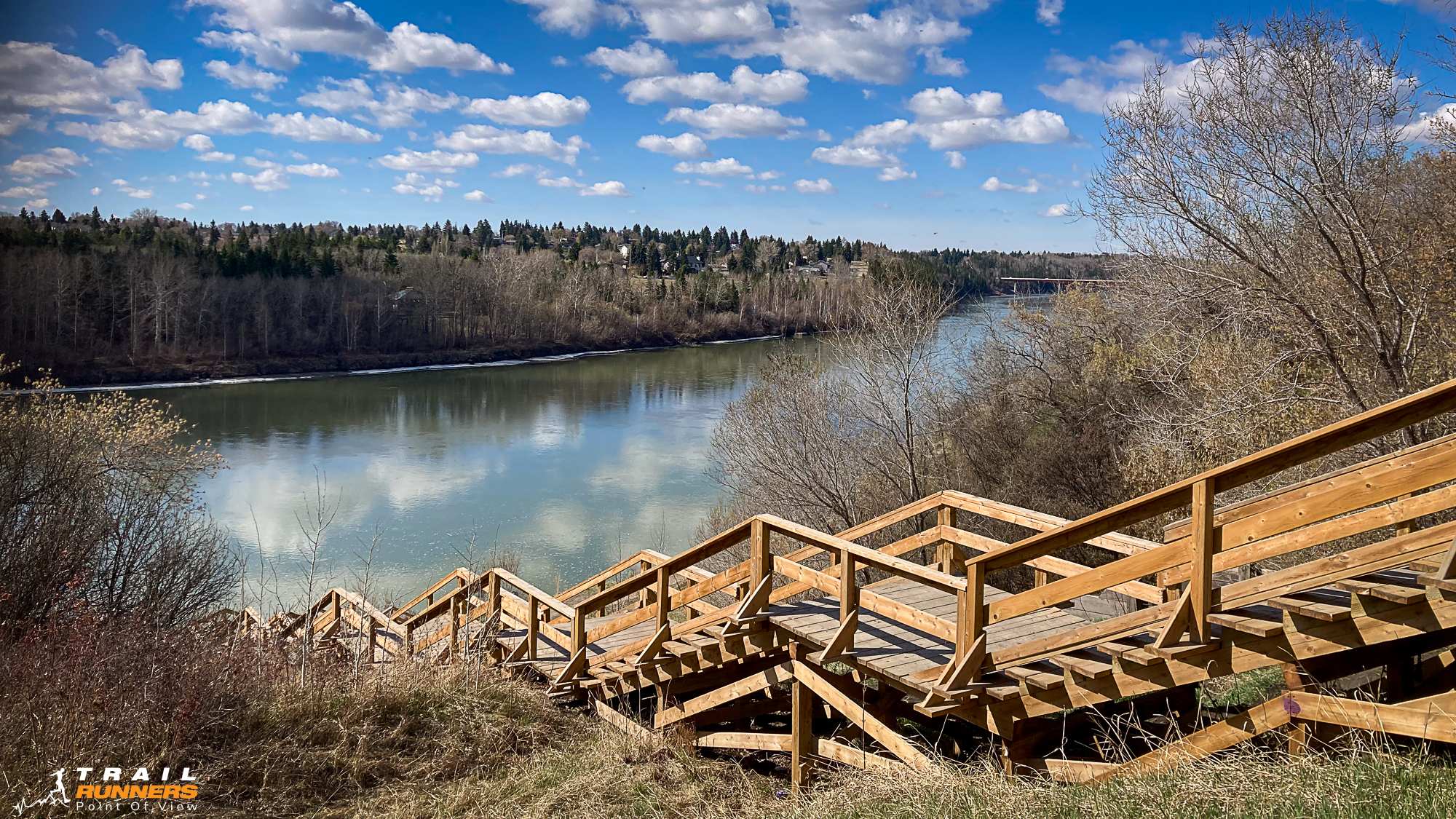
This route combines paved paths, dirt trails, and some light bushwhacking to create a diverse running experience. Start at Forest Heights Park (street parking only) and head down the wooden stairs to river level. Turn east on the dirt trail paralleling the river.
The trail becomes indistinct near Riverside Golf Course – stay close to the river and you’ll find it again. During golf season, respect course boundaries even though the trail technically runs through public land. The route climbs back to neighborhood level via a punishing staircase that counts as hill training.
Best run in fall after golf season ends and before snow flies. The isolation here means carrying emergency supplies – I’ve gone entire runs without seeing another person. Deer congregate near the golf course at dawn and dusk. Watch for fresh tracks in muddy sections.
Connecting Trails for Long Runs
Training for distance events requires routes beyond single trail systems. These connections create 20+ km options without driving between trailheads.
The Grand Valley Loop (32 km)
This epic route connects major trail systems into Edmonton’s ultimate long run. Start at Hawrelak Park, head east to Kinsmen, cross High Level Bridge, follow the south bank to Terwillegar, cross the footbridge, and return via the north bank. Serious runners complete this in 2.5-3.5 hours.
Water access points exist at Kinsmen, Old Timers Cabin, and Terwillegar – plan accordingly in summer. The route includes 400 meters of total elevation gain, mostly in rolling hills rather than sustained climbs. Best running trails Edmonton River Valley combine beautifully here.
Logistics matter for runs this long. Some runners stash water bottles along the route the night before. Others recruit family for support vehicle meetups. The LRT provides bail-out options at several points if you overestimate your fitness. No shame in calling it at 25 km.
Mill Creek to Millwoods Traverse (18 km)
This south-side route escapes the main river valley while maintaining trail running throughout. Start at Mill Creek Pool, follow the ravine south to Argyll, continue on multi-use trails through Millwoods, and loop back via the same route. Less scenic than river trails but excellent for building mileage.
The southern sections pass through residential areas with multiple convenience store options for mid-run fuel. Public washrooms at major parks stay open May through October. Winter changes this into a ski trail – respect the groomed tracks or face the wrath of cross-country skiers.
Trail surface varies from paved to gravel to dirt, keeping your stabilizer muscles engaged. The gradual elevation gain heading south makes for a fast return journey. Many runners use this for tempo runs, pushing hard on the return when legs are warm but not destroyed.
West End Explorer (24 km)
Link Terwillegar, Fort Edmonton, and Oleskiw parks via the trail system for a tour of Edmonton’s western reaches. Park at Terwillegar (arrive early) and head west on mixed trails. This route showcases how much park space Edmonton has preserved while sprawling westward.
The Fort Edmonton footbridge provides the only river crossing, making route planning straightforward. West of the fort, trails become less maintained but more interesting. You’ll run past historic sites, through meadows, and along ridges with valley views.
Carry more supplies than you think necessary – amenities spread far apart out here. Cell service gets spotty west of the Anthony Henday. The isolation rewards you with wildlife sightings and solitude impossible to find on central trails. Allow 2-3 hours for the full loop.
Sources & References
Related Reading
- Beginner-Friendly Bike Paths in Edmonton: Where to Start Cycling…
- How to Prevent Running Injuries in Edmonton’s Climate: A…
- How to Stay Active During Edmonton Winter Months: A Survival Guide…
Frequently Asked Questions
What time do River Valley parking lots open?
Most River Valley parking lots open at 5 AM and close at 11 PM year-round. Hawrelak Park charges $3/hour from April through October but offers free parking in winter. Street parking near trail access points follows standard city bylaws – check signs carefully to avoid tickets.
Which trails stay lit after dark for evening runs?
Victoria Park to Kinsmen loop maintains lighting year-round, as does the Terwillegar Park main loop. Mill Creek Ravine has partial lighting near major intersections only. For safe winter evening runs, stick to well-traveled routes like Hawrelak Park’s main loop or consider indoor alternatives at River Cree area gyms.
Do I need special permits to run organized group runs on River Valley trails?
Groups under 75 people don’t require permits for casual runs on public trails. Organized races or events with timing, aid stations, or course markings need special event permits from the City of Edmonton. Contact River Valley Parks at least 60 days before any organized event.
What’s the best trail for beginners who want to start trail running?
Start with Rundle Park’s paved loops – wide paths, gentle grades, and multiple distance options from 2-8 km. The trails drain well and see regular maintenance. Free parking and washroom facilities make logistics simple while you build trail confidence and endurance.
Are dogs allowed off-leash on River Valley running trails?
Dogs must stay leashed on all River Valley trails except designated off-leash areas. Terwillegar Park and Lauderdale include off-leash zones clearly marked with signage. Fines for off-leash dogs outside these areas start at $250. Many runners have been injured by uncontrolled dogs – respect the rules.