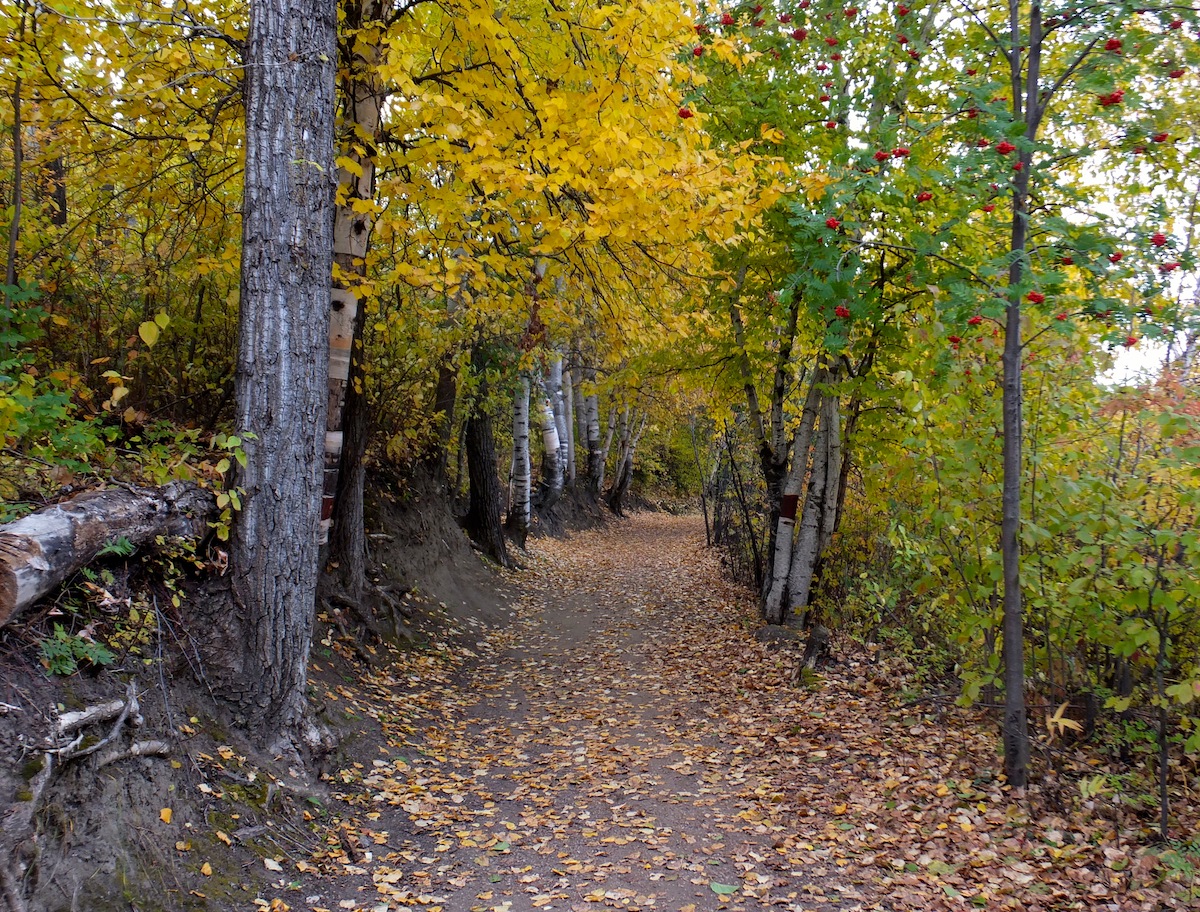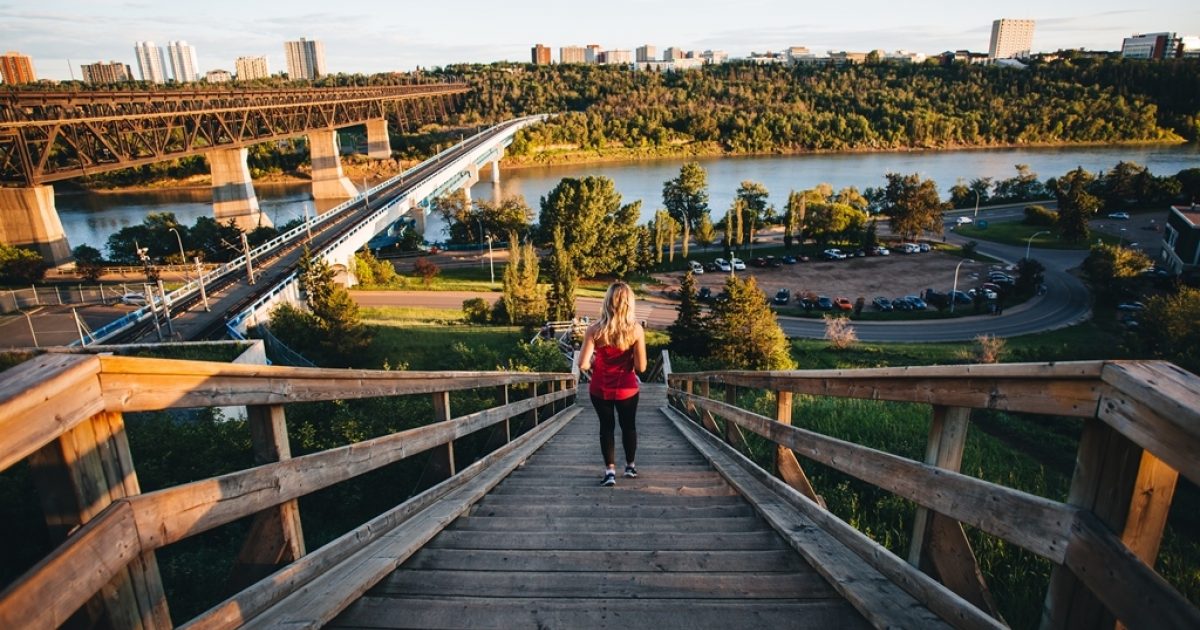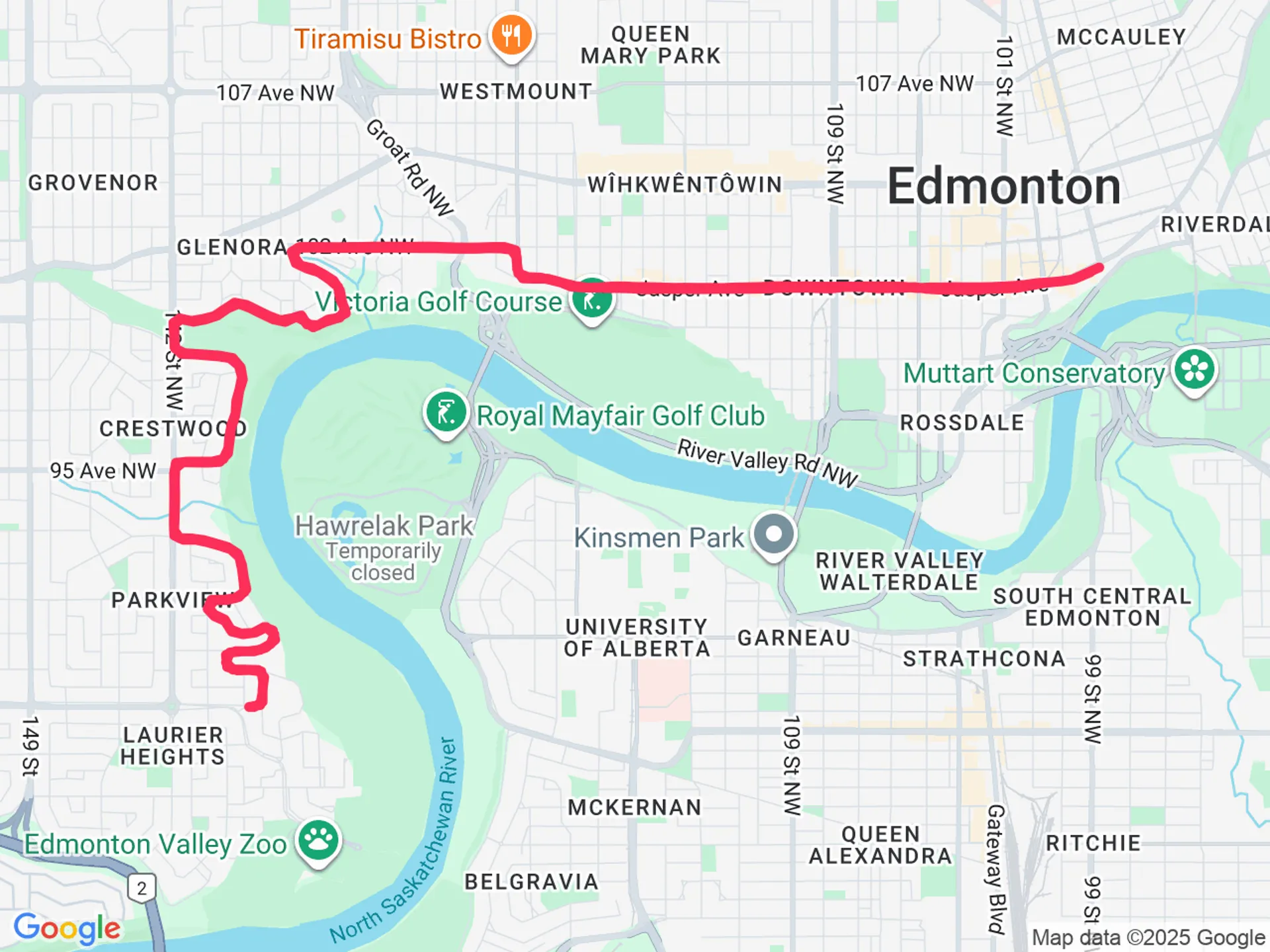
Running 21.1 kilometers through Edmonton requires more than generic training advice. You need a plan that accounts for icy sidewalks in February, smoke-filled skies in August, and the specific terrain of our River Valley trails. This guide walks you through a 16-week training program designed for Edmonton’s unique conditions, complete with local running routes, seasonal adjustments, and recovery spots.
Last reviewed:
Whether you’re targeting the Edmonton Marathon in August, the Hypothermic Half in February, or any race in between, this plan adapts to our city’s distinct seasons. We’ll cover everything from base building on the Mill Creek Ravine trails to speed work at Kinsmen Sports Centre when the mercury drops below -20°C.
Our fitness outdoor movement guide covers this in detail.
Building Your Base: Weeks 1-4 in Edmonton’s Running Scene
Your first month focuses on creating a solid running foundation. Most Edmonton runners make the mistake of ramping up too quickly when spring arrives or when they register for a fall race during summer’s peak. A proper base prevents the injuries that sideline 40% of new half marathoners before race day.
For more on this, see our prevent running injuries guide.
Weekly Mileage Structure for Edmonton Runners
Start with 15-20 kilometers per week if you can currently run 5K without stopping. Edmonton’s varied running routes from summer to winter offer perfect progression opportunities. Here’s your first month breakdown:
Outdoor Fitness Classes Edmonton Summer covers this in more detail.
- Week 1: 3 runs totaling 15km (5km easy runs)
- Week 2: 3 runs totaling 18km (add one 7km run)
- Week 3: 4 runs totaling 22km (include one 8km long run)
- Week 4: 3 runs totaling 20km (recovery week)
Run at conversational pace during base building. You should be able to chat with a running partner without gasping. The Whitemud Creek trails from Rainbow Valley to Snow Valley provide ideal flat terrain for these early weeks. Parking is free at both ends, and the 7.5km one-way distance makes it perfect for out-and-back runs.
Why Edmonton Fall Weather Triggers Fitness Motivation Shifts covers this in more detail.
Essential Gear for Edmonton’s Variable Conditions
Edmonton’s weather demands specific gear choices. United Cycle on Gateway Boulevard stocks everything you need, with staff who understand local running conditions. Fast Trax on 109 Street specializes in gait analysis and can match you with shoes suited to our mix of paved paths and gravel trails.
Your core gear list includes:
How To Transition Outdoor Fitness Indoors During Smoke Season covers this in more detail.
- Two pairs of running shoes: Rotate between them to extend lifespan. Budget $150-250 per pair
- Merino wool base layers: Essential October through March. MEC on 109 Street carries quality options
- Reflective vest or light: Mandatory for our dark winter mornings. Running Room locations stock basic models for $20-40
- YakTrax or similar traction devices: $30-50 investment prevents winter wipeouts
Choosing Your Target Race
Edmonton hosts several half marathons throughout the year. Each presents unique challenges:
| Race | Month | Course Profile | Weather Considerations |
|---|---|---|---|
| Hypothermic Half | February | Flat, paved | -25°C to -5°C typical |
| Edmonton Marathon (Half) | August | Rolling hills | 15°C-30°C, smoke risk |
| Run Wild Half | June | Trail mix | 10°C-25°C, ideal conditions |
| Harvest Half | September | Mostly flat | 5°C-20°C, unpredictable |
Register early for summer races. The Edmonton Marathon half sells out by May most years. Winter races stay open longer but require specific cold-weather training that we’ll cover in later sections.
Increasing Distance: Weeks 5-8 Training Routes
Your second training month introduces longer runs and varied terrain. Edmonton’s River Valley becomes your primary training ground during this phase. The extensive trail network offers everything from flat river paths to quad-burning climbs up to Saskatchewan Drive.
Long Run Progression in the River Valley
Long runs build the aerobic engine needed for 21.1 kilometers. Schedule these for Saturday or Sunday mornings when trails are less crowded. Start from these strategic locations with ample parking:
- Hawrelak Park: Access to 15+ km of connected trails. Free parking on weekends
- Terwillegar Park: Links to Fort Edmonton footbridge for river crossings
- Gold Bar Park: Eastern access to the river trail system
- Louise McKinney Park: Downtown option with LRT access
Your long run distances for weeks 5-8:
- Week 5: 10km at easy pace
- Week 6: 12km with middle 3km at race pace
- Week 7: 14km easy
- Week 8: 11km recovery (step back week)
Carry water on runs exceeding 10km. The River Valley has limited fountains, and most are shut off October through May. Running Room sells handheld bottles ($25-40) and hydration belts ($40-80) at their five Edmonton locations.
Midweek Training Locations
Weekday runs require convenient locations near work or home. These neighborhood options offer safe, well-lit routes:
Oliver/Downtown: Victoria Park loop connects to River Valley trails. The 2.5km paved loop stays plowed all winter. Street parking after 6pm.
Old Strathcona: Mill Creek Ravine offers a 4km out-and-back from the pool. Combine with neighborhood streets for longer distances. Park at the Strathcona Leisure Centre.
West End: Laurier Park to Buena Vista Park creates a 6km loop with good lighting. Free parking at both parks.
South Side: Terwillegar Dog Park has 8km of trails. Less crowded than Hawrelak but watch for off-leash dogs. Massive free parking lot.
Speed Work Introduction
Week 6 marks your first structured speed session. Edmonton runners have several track options:
- Foote Field (U of A): Public access evenings and weekends. Standard 400m track
- Rollie Miles Athletic Field: Well-maintained track in King Edward Park. Free parking
- Clarke Stadium: Often busy with soccer but track usually available
Start with simple intervals: 6 x 400m at 5K race pace with 90 seconds recovery between. This translates to roughly 2 minutes per lap for most beginners targeting a 2-hour half marathon. The Alberta Health Services physical activity guidelines recommend incorporating varied intensities for optimal fitness gains.
Adding Intensity: Weeks 9-12 Advanced Training
The third training month introduces sustained race-pace efforts and hill repeats. Your body needs these harder efforts to prepare for maintaining pace over 21.1 kilometers. Edmonton’s river valley hills provide natural interval training that flat-city runners miss.
Hill Training on Edmonton’s Best Inclines
Hill repeats build strength and mental toughness. These Edmonton locations offer ideal gradient and distance:
Emily Murphy Park Hill: 200m at 8% grade. Park at the top near the pavilion. Run hard up, jog down for recovery. Start with 6 repeats, build to 10.
Connors Hill: 400m steady climb from the river to 98 Avenue. Longer but less steep than Emily Murphy. Good for tempo efforts.
Fort Edmonton Footbridge approach: 300m at 6% grade from both sides. Less traffic than other hills.
Glenora stairs: 150 steps for extreme intensity. Mix one set into regular hill sessions.
Schedule hill work on Tuesdays when possible. This gives you recovery time before weekend long runs. Warm up with 2km easy running before attacking hills. Cool down with another easy 2km.
Tempo Runs and Race Pace Practice
Tempo runs teach your body to clear lactate efficiently. Run these at “comfortably hard” pace – about 15-20 seconds per kilometer slower than your 5K pace. The Mill Creek path from Argyll to Whitemud provides a perfect 8km tempo route with minimal road crossings.
Week 9-12 tempo progression:
- Week 9: 20 minutes at tempo pace
- Week 10: 25 minutes tempo
- Week 11: 30 minutes tempo
- Week 12: 20 minutes recovery tempo
Practice race pace during long runs. Week 10’s 16km run should include 8km at goal half marathon pace. Most beginners target 5:30-6:30 per kilometer for a 2:00-2:20 finish time.
Managing Weather Challenges
Weeks 9-12 often coincide with weather transitions. Spring training means melting ice and puddles. Fall training brings early snow and temperature swings. Summer smoke season might force indoor alternatives.
Indoor backup options when outdoor conditions turn dangerous:
- Kinsmen Sports Centre: 200m indoor track. Drop-in fee $8.50. Gets crowded evenings
- Commonwealth Recreation Centre: Larger track, better ventilation. Same pricing
- Treadmill studios: Orangetheory and F45 offer day passes ($30-40) when you need climate control
The Saville Community Sports Centre at U of A offers the best indoor track in the city – a full 400m at regulation width. Public access costs $10 drop-in or $130 for a 10-visit pass.
Peak Training and Taper: Weeks 13-16
Your final month balances peak mileage with strategic recovery. Many Edmonton runners overtrain during this phase, arriving at the start line exhausted rather than energized. The key is maintaining fitness while allowing your body to adapt to the training load.
Peak Week Structure (Week 13)
Week 13 represents your highest mileage – typically 45-55km total for first-time half marathoners. Here’s an optimal schedule using Edmonton routes:
Monday: Rest or 30 minutes easy yoga (summer outdoor classes at Hawrelak Park)
Tuesday: 8km with 4 x 1km at race pace. Use Victoria Park Golf Course perimeter (exactly 1km)
Wednesday: 6km recovery run. Easy pace through Gallagher Park
Thursday: 10km steady run. Start from Kinnaird Park, follow river path east
Friday: Rest day
Saturday: 18-20km long run at marathon pace (30 seconds slower than half marathon pace)
Sunday: 5km recovery or cross-training
The Art of Tapering
Tapering reduces training volume while maintaining intensity. This allows muscle glycogen stores to replenish and minor tissue damage to heal. Research from the National Institutes of Health shows proper tapering can improve race performance by 2-3%.
Week 14-16 taper structure:
- Week 14: Reduce total mileage by 20%. Keep one tempo run and one set of short intervals
- Week 15: Reduce by 40%. Last long run of 12-14km at easy pace
- Week 16: Race week – 50-60% reduction. Short, easy runs only
Maintain your normal running frequency during taper. If you typically run 5 days per week, continue that pattern with shorter distances. This prevents the restless feeling many runners experience when suddenly inactive.
Final Week Preparation
Race week in Edmonton requires specific preparation depending on season:
Summer races: Start hydrating Wednesday for a Sunday race. Edmonton’s dry climate demands extra attention to fluid intake. Check air quality index daily – smoke can arrive suddenly in August.
Winter races: Test all cold weather gear during week 15. Race morning surprises with new equipment often end badly. Have multiple clothing options ready – February temperatures can swing 20 degrees between 6am and 10am.
Drive the race course if possible. Knowing where hills appear and aid stations sit reduces race day anxiety. Most Edmonton races post detailed course maps online by week 15.
Recovery and Injury Prevention Throughout Training
Half marathon training stresses muscles, joints, and connective tissues in ways casual running doesn’t. Edmonton offers numerous recovery options, from sports massage to physiotherapy clinics specializing in runners. Preventive care costs less than injury treatment and keeps you consistently training.
Essential Recovery Practices
Build these recovery methods into your weekly routine:
Foam rolling: Spend 10-15 minutes daily on major muscle groups. Walmart and Canadian Tire sell basic rollers for $20-40. The Running Room offers workshops on proper technique.
Stretching: Dynamic stretches before runs, static stretches after. Yoga Tree Edmonton (124 Street) offers runner-specific classes Thursdays at 6pm ($20 drop-in).
Sleep: Aim for 7-9 hours nightly. Training adaptations occur during sleep, not during workouts. Blackout curtains help during summer’s 18-hour daylight.
Nutrition: Eat within 30 minutes post-run. Blended smoothies from Juice Box (multiple locations) provide quick recovery nutrition. Budget $8-12 per smoothie.
Ice baths: Fill your tub with cold water and 2 bags of ice from any gas station ($5 total). Soak legs for 10-12 minutes after long runs.
When to Seek Professional Help
These Edmonton practitioners specialize in treating runners:
- Corona Station Physical Therapy: Direct billing, running assessments. Oliver location convenient for downtown runners
- Leadbetter Sports Therapy: Multiple locations, treats many local elite athletes
- ProActive Health: Sherwood Park location popular with Strathcona County Running Club
- River Valley Health: Combines massage, physio, and chiropractic
Book assessments early in training if you have previous injury history. Most clinics charge $100-130 for initial appointments, with follow-ups at $80-100. Many direct bill to insurance.
Warning signs requiring immediate attention:
- Sharp pain that worsens during runs
- Swelling that doesn’t resolve overnight
- Altered gait patterns to avoid discomfort
- Pain that persists at rest
Mental Training Strategies
Half marathon success requires mental preparation alongside physical training. Edmonton’s long winter nights and summer heat waves test mental resilience. Practice these strategies during training runs:
Chunking: Break the 21.1km into smaller segments. Think “4 x 5km plus a victory lap” rather than one overwhelming distance.
Mantra development: Create 3-5 short phrases for difficult moments. “Strong and steady” or “I trained for this” work better than complex affirmations.
Visualization: During easy runs, mentally rehearse race day. Picture yourself running strong past Legislature grounds or pushing through the final kilometers.
Discomfort practice: Use tempo runs to practice managing discomfort. The feeling at kilometer 15 of a half marathon mirrors minute 20 of a 30-minute tempo.
Race Day Execution in Edmonton
Sixteen weeks of training culminate in race morning. Edmonton races typically start early to avoid afternoon heat in summer or warm up frozen roads in winter. Your execution plan should be detailed and practiced during training.
Pre-Race Logistics
Edmonton race mornings follow predictable patterns. Plan these logistics in advance:
Parking: Arrive 90 minutes before gun time. The Edmonton Marathon uses Commonwealth Stadium with extensive parking. Winter races downtown fill meters quickly – consider parkades on 104 Street.
Bag check: Most races offer free bag check. Label your bag clearly. Don’t check anything irreplaceable.
Washroom strategy: Hit portable toilets 45 minutes before start. Lines grow exponentially closer to race time.
Warm-up location: Find a quiet side street for your 10-minute warm-up jog. Stay off the course until directed.
Eat your normal pre-long-run breakfast 2-3 hours before start. Tim Hortons opens at 5am for early summer races. For very early starts, prep breakfast the night before.
Pacing Strategy for Success
Most runners fail by starting too fast. The excitement and adrenaline make race pace feel impossibly easy for the first 5km. Stick to your plan:
- Kilometers 1-5: Run 10-15 seconds per kilometer slower than goal pace
- Kilometers 6-15: Settle into goal pace
- Kilometers 16-21: Maintain pace or slightly increase if feeling strong
Use Edmonton landmarks for mental checkpoints. Passing the Muttart Conservatory pyramids means you’re typically one-third complete. Crossing the High Level Bridge signals the final push.
Post-Race Recovery Protocol
Your actions immediately post-race affect recovery speed:
First 30 minutes: Keep walking. Grab water and provided snacks. Change into dry clothes from your checked bag.
First 24 hours: Eat a full meal within 2 hours. Soak in an ice bath. Sleep extra. No running.
First week: Light activity only. Walking, easy cycling, or swimming. Massage after day 3.
Return to running: Wait one day per mile raced – roughly 2 weeks for a half marathon. Start with 20-minute easy runs.
Celebrate appropriately. Local Sports on Jasper Ave creates custom medal displays ($50-150). Many runners frame their first race bibs.
Beyond Your First Half Marathon
Completing your first half marathon in Edmonton opens new possibilities. The city’s running community welcomes newcomers, and group training enhances motivation for future goals. Consider these next steps:
Joining Edmonton’s Running Community
Local running groups provide structure, accountability, and social connections:
- Edmonton Running Room Groups: Free runs from all locations. Wednesday evenings and Sunday mornings
- November Project YEG: Free workouts Wednesday/Friday 6am. Includes hill work and track sessions
- Strathcona County Running Wild: Trail-focused group for Sherwood Park area
- Run Wild Adventure Club: Paid membership includes coached sessions and races
Most groups welcome all paces. Faster runners circle back to collect the group. Nobody runs alone unless they choose to.
Planning Your Race Calendar
After recovering from your first half marathon, plan future races strategically:
2-3 races per year: Allows proper training cycles and recovery
Vary distances: Mix 10Ks, halfs, and potentially a full marathon
Explore destination races: Calgary, Jasper, and Banff offer scenic alternatives
Consider trail races: Blackfoot Ultra series introduces trail running progressively
Budget $75-150 per half marathon entry. Early registration saves 20-30%. Some races offer volunteer credits – work one race to earn free entry to another.
Improving Your Half Marathon Time
Most runners can improve their half marathon time by 5-10% in their second year. Focus areas for improvement:
Consistency: Run year-round using Edmonton’s winter running strategies
Mileage: Gradually increase weekly volume to 40-60km
Speed work: Add structured track sessions weekly
Strength training: City Rec centres offer affordable weight rooms
Track your progress using free apps like Strava. Edmonton has active Strava segments on popular routes. Competing on segments during regular runs adds motivation without formal races.
Sources & References
Related Reading
- Summer vs Winter Running Routes in Edmonton: A Year-Round Comparison
- Why Does Smoke Season Affect Outdoor Fitness Edmonton: The Science…
- Best Indoor Wellness Activities When Edmonton Air Quality Drops:…
Frequently Asked Questions
What’s the best time of year to train for a half marathon in Edmonton?
Spring training (March-June) for summer races offers the best weather progression. You’ll start in cool conditions and adapt gradually to warmer weather. The Run Wild Half in June or Edmonton Marathon in August make ideal target races. Avoid starting winter training unless you’re already comfortable running in -20°C conditions.
How much does it realistically cost to train for a half marathon in Edmonton?
Budget $500-800 for your first half marathon including shoes ($300 for two pairs), basic gear ($100-200), race entry ($100), and incidentals. Optional costs include gym membership for treadmill access ($50-100/month), sports massage ($100/session), or running group fees. Many runners spend less by using River Valley trails exclusively and buying gear on sale.
Where should I do my long training runs if I live outside central Edmonton?
St. Albert’s Red Willow Trail system connects 30km of paved paths. Sherwood Park’s Broadmoor Lake loops offer measured distances. Spruce Grove has the TransAlta Tri Leisure Centre indoor track for winter. Most suburban communities have sufficient paths for runs up to 15km. Drive to the River Valley for runs exceeding that distance – the weekend parking and trail access justify the trip.
What should I do if wildfire smoke disrupts my summer training schedule?
Monitor the Air Quality Health Index daily during fire season. Move runs indoors when AQHI exceeds 7. City recreation centres offer day passes for $8.50 with track access. Treadmill running at commercial gyms costs more but provides entertainment options. Maintain your training schedule by running early morning when air quality is typically better, but always check current conditions first.
How do I prevent slipping during winter half marathon training?
Invest in proper traction devices like Yaktrax Pro ($40) or Kahtoola Microspikes ($70) from Mountain Equipment Co-op. Choose routes with consistent snow coverage rather than patchy ice. The River Valley trails get priority plowing after snowfalls. Shorten your stride and reduce pace by 30-45 seconds per kilometer on icy days. Consider indoor alternatives when conditions are genuinely dangerous.