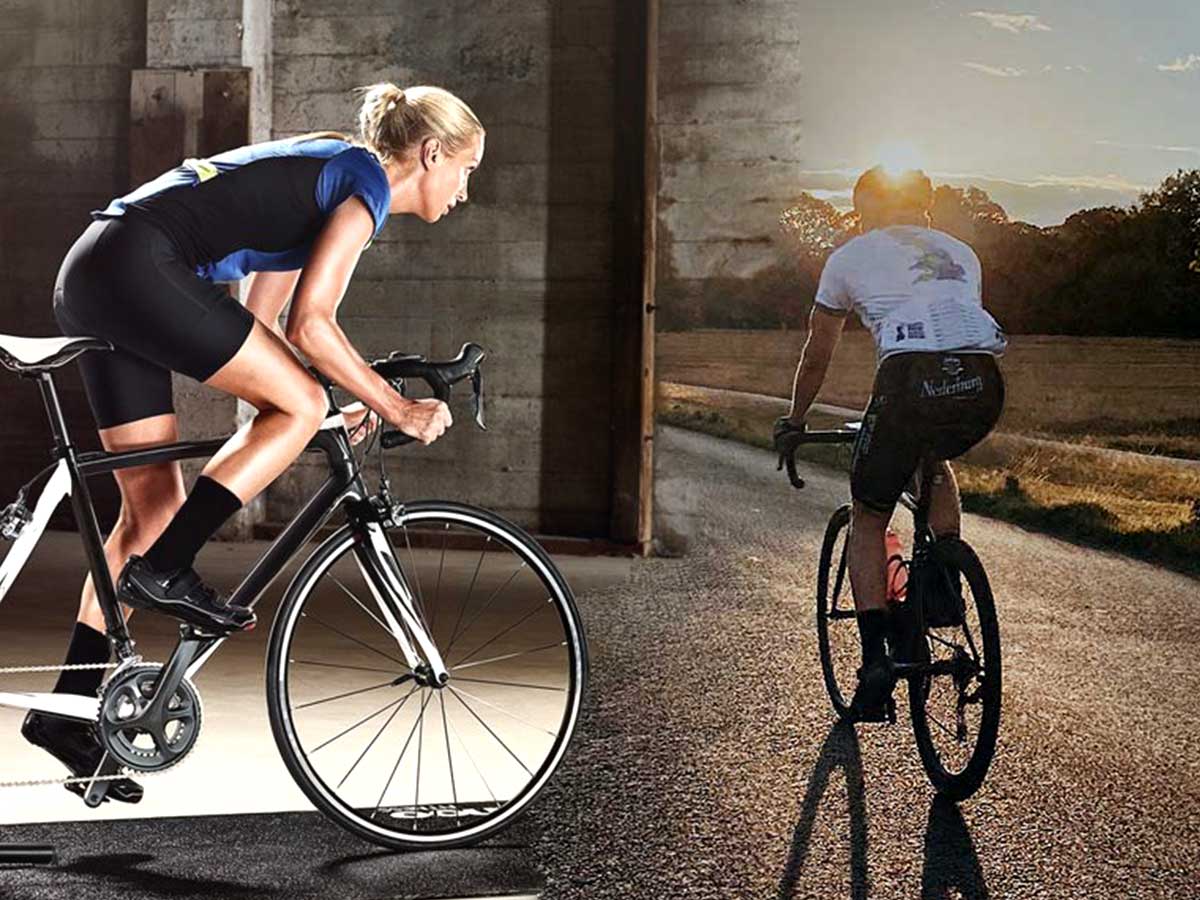
Deciding between indoor cycling and outdoor biking in Edmonton means weighing more factors than just preference. Our winters stretch from October to April, smoke season can derail August plans, and summer construction turns bike lanes into obstacle courses. Both options have their place in a balanced Edmonton fitness routine, but the right choice depends on your schedule, budget, and tolerance for weather surprises.
Last reviewed:
This comparison breaks down the real costs, time commitments, and seasonal realities of indoor cycling vs outdoor biking Edmonton style. We’ll cover specific studios, trail systems, and the gear you actually need to survive both options year-round.
Our fitness outdoor movement guide covers this in detail.
Cost Comparison: Studio Fees vs Gear Investment
Indoor Cycling Studio Pricing in Edmonton
Edmonton’s indoor cycling scene centers around three main players, each with different pricing structures. YEG Cycle in Oliver charges $25 for drop-ins or $160 for unlimited monthly passes. Their intro package offers three classes for $39, which makes sense if you’re testing the waters. Parking runs $2-6 depending on the time, or take the LRT to Corona Station and walk five minutes.
Outdoor Fitness Classes Edmonton Summer covers this in more detail.
Spinco YEG on 124 Street prices similarly at $24 per class, with monthly unlimited at $175. They run frequent promotions for new riders — typically five classes for $50. Street parking is free after 6pm, but finding a spot during evening classes requires patience. The Jasper Ave location has better parking options in the underground lot.
Ride Cycle Club in Windermere takes a different approach with $20 drop-ins and $140 monthly unlimited. Being further south means free parking and less competition for spots. They also offer a lunch-hour express class that works for remote workers in the area.
Why Edmonton Fall Weather Triggers Fitness Motivation Shifts covers this in more detail.
Factor in shoes if you don’t have SPD cleats — studios rent them for $3-5 per class or sell them for $120-150. Most riders buy their own after five classes to avoid the rental fees and hygiene concerns.
Outdoor Running Routes Edmonton Summer Vs Winter Comparison covers this in more detail.
Outdoor Biking Initial Investment
A decent road bike for Edmonton’s paths starts around $800 at United Cycle or Revolution Cycle. You’ll want something with at least 21 speeds to handle River Valley hills. Mountain bikes run higher — expect $1,200 for entry-level full suspension that can handle Terwillegar’s single track without rattling your teeth loose.
Essential gear adds up fast. A quality helmet runs $80-150 (don’t cheap out here). Lights for early morning or evening rides cost $60-100 for a decent set. Add padded shorts ($80), a repair kit ($40), and a good lock ($60) for coffee shop stops. Budget $300-400 beyond the bike purchase for gear that actually lasts.
Winter biking requires fat tires ($800-1,500 for the bike) or studded tires ($150-200 per set) for your existing bike. Plus winter-specific gear: pogies for handlebars ($80), thermal gloves ($60), and a balaclava ($40). The Bike Edmonton community Facebook group has solid used gear listings that can cut costs by 40-50%.
Long-term Cost Analysis
Here’s the five-year breakdown for a twice-weekly fitness routine:
| Option | Year 1 | Years 2-5 (Annual) | 5-Year Total |
|---|---|---|---|
| Indoor Cycling (2x/week) | $2,400 | $2,400 | $12,000 |
| Outdoor Summer Only | $1,500 | $100 | $1,900 |
| Outdoor Year-Round | $2,800 | $200 | $3,600 |
The math shifts if you ride more frequently. Daily indoor cycling runs $2,100 annually with unlimited passes. Daily outdoor biking just requires occasional tune-ups and gear replacement. Most Edmonton cyclists combine both — studios in winter, outdoors May through September.
Seasonal Considerations: Edmonton’s Weather Reality
Winter Cycling Options (November-March)
Indoor cycling wins for consistency during Edmonton winters. Studios maintain 20°C year-round, no ice patches, no frozen water bottles. You show up, clip in, and sweat for 45 minutes without checking weather apps or debating whether -25°C is too cold.
Outdoor winter biking is possible but requires commitment. The city maintains 100km of bike paths through winter, focusing on main commuter routes like the 102 Avenue bike lane and parts of the River Valley multi-use trail. Edmonton’s winter cycling network map shows which paths get priority clearing.
Fat biking opens up more winter options. Mill Creek Ravine and Gold Bar Park groom specific trails for fat bikes December through March. The Edmonton Mountain Bike Alliance posts trail conditions daily on their Facebook page. Expect slower speeds — a summer 20km/hour cruise becomes a 12km/hour winter workout.
Temperature matters less than road conditions. Most winter cyclists draw the line at -20°C, not because of cold but because that’s when bike components start failing. Shifting becomes sluggish, brakes stick, and lubricants thicken. Below -25°C, even dedicated winter riders usually choose indoor alternatives.
Summer Peak Season (May-September)
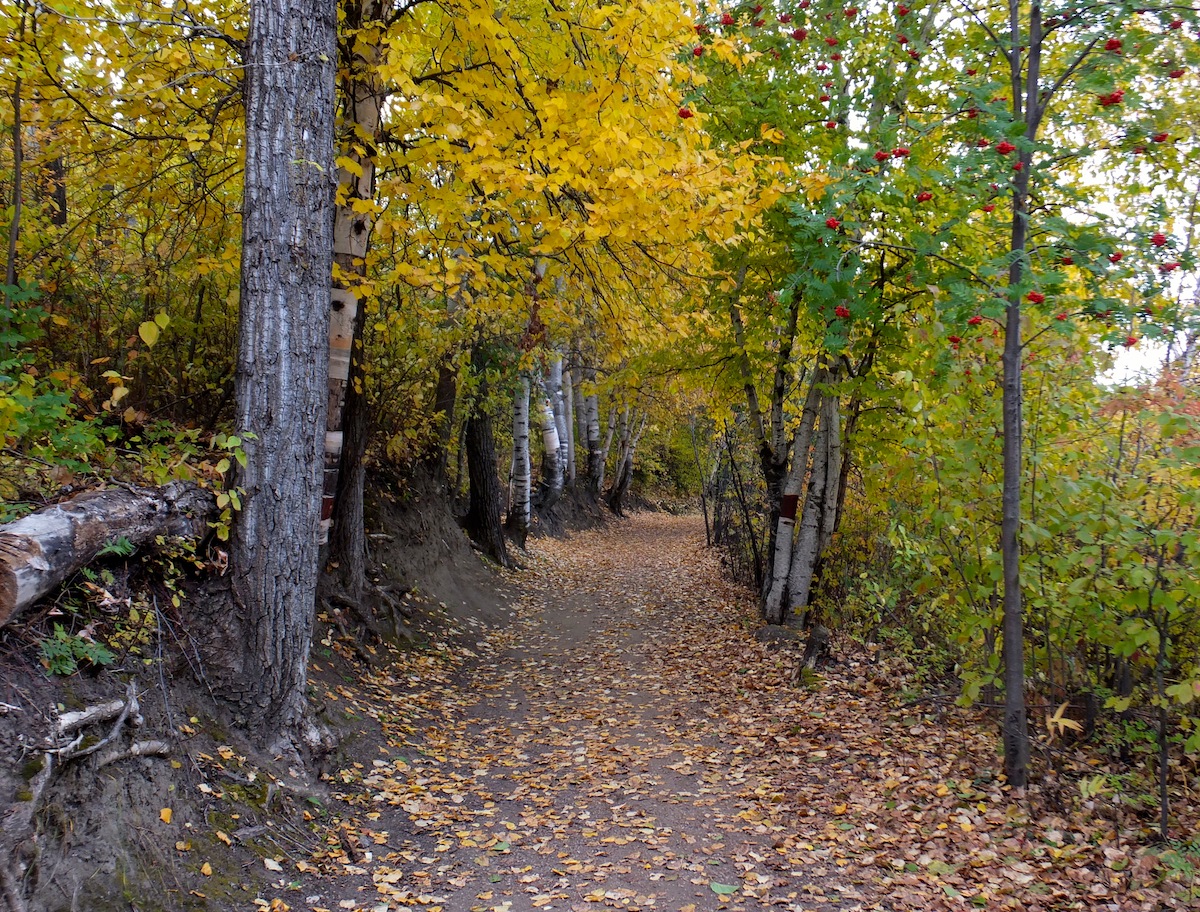
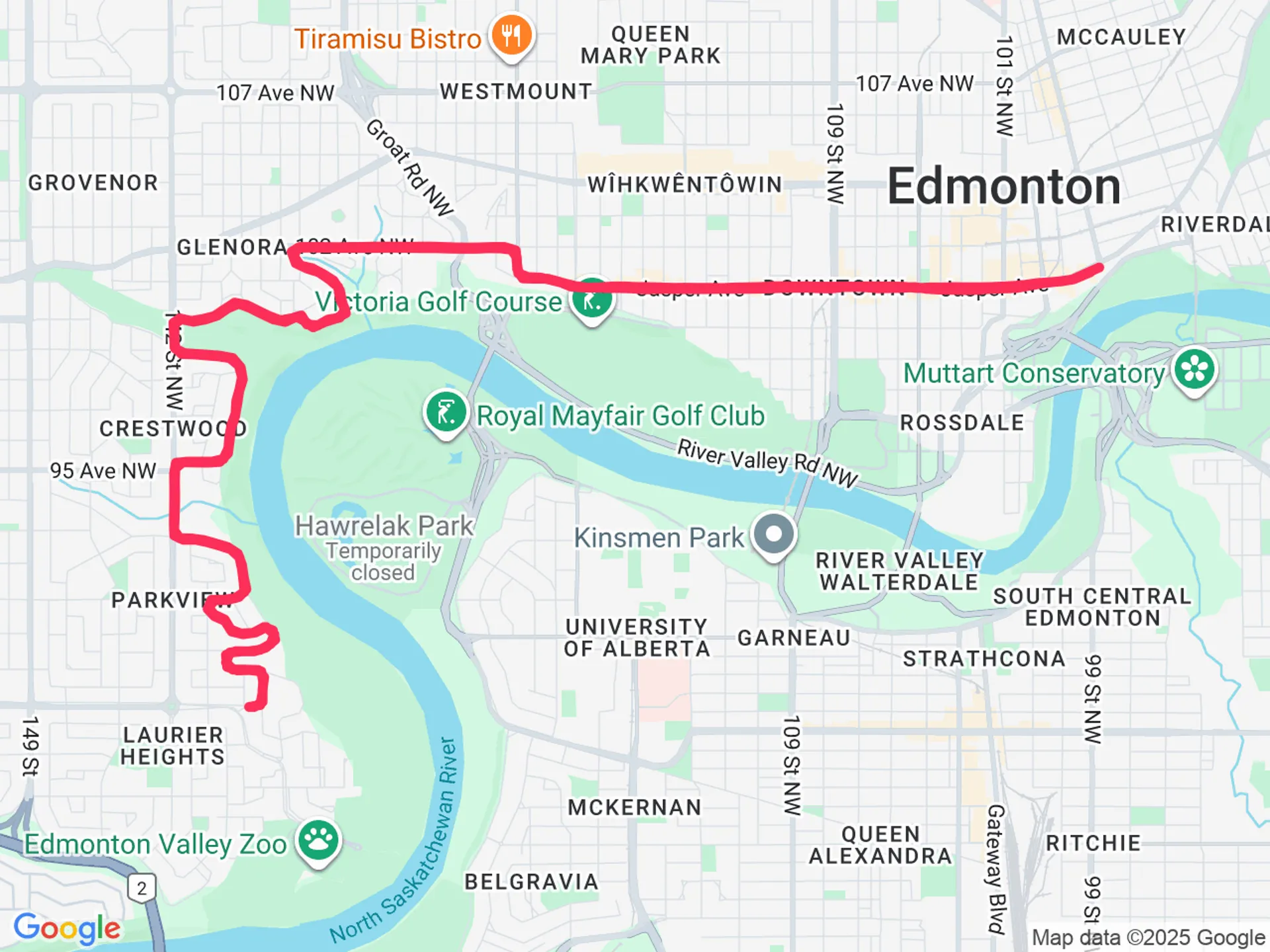
Summer changes Edmonton into a cycling paradise. Sunrise at 5am means pre-work rides without lights. The River Valley trail system connects 160km of paved paths, letting you ride from Terwillegar to Hermitage without touching a road. Popular morning loops include the Hawrelak Park circuit (8km) and the longer Goldbar to Capilano route (15km).
Indoor cycling studios adapt to summer competition. Many add outdoor boot camp sessions or reduce their schedule. YEG Cycle runs “Ride and River” events combining indoor sessions with group rides to local breweries. Spinco offers 6am classes for those avoiding afternoon heat.
Summer outdoor fitness patterns show most Edmontonians abandon indoor workouts entirely June through August. Studios see 40-50% attendance drops, which means easier bike booking but potentially cancelled classes. Check studio Instagram accounts for schedule changes before showing up.
Smoke season throws a wrench in outdoor plans. The 2023 season saw 28 Air Quality Health Index warnings between May and September. Smart cyclists keep indoor backup options during peak wildfire months. Most studios offer drop-in rates for irregular summer riders.
Transition Seasons: Spring Melt and Fall Prep
March and April create unique challenges for outdoor cycling. Freeze-thaw cycles leave paths icy in morning shade but clear by afternoon. Gravel and salt accumulation from winter maintenance turns corners into skid hazards. Many cyclists start the season indoors and transition outside once paths clear — usually mid-April.
Spring tune-ups are mandatory after winter storage. United Cycle and Velocity Cycle charge $80-120 for basic service. Book early — every shop has three-week waits by late April. DIY maintenance saves money if you have basic tools and YouTube patience.
Fall cycling extends through October most years. September and October fitness patterns show increased indoor cycling bookings as darkness creeps earlier. The 7pm sunset in late September means lights for after-work rides. Many cyclists use fall to test winter gear before full commitment.
Location and Accessibility Factors
Indoor Studio Locations and Parking
Studio location impacts your routine more than expected. Downtown options like YEG Cycle work for office workers but require paid parking evenings and weekends. The Oliver location sits on good transit routes — buses 1, 2, and 100 stop within two blocks.
Suburban studios offer easier access but limited class times. Ride Cycle Club in Windermere has abundant free parking but only runs 18 classes weekly versus 35+ at central locations. Their 9:30am weekday classes work for stay-at-home parents and retirees but not traditional workers.
Sherwood Park adds F45 and Orangetheory locations with cycling components. These hybrid studios cost more ($180-220 monthly) but include strength training. The commute from central Edmonton takes 25-30 minutes, negating time savings from a quick workout.
Consider shower facilities if cycling becomes your lunch workout. Spinco’s Jasper Ave location has full change rooms with hair dryers and toiletries. YEG Cycle provides basics but bring your own towel. Most riders pack gym bags the night before to simplify morning routines.
Outdoor Route Networks
The River Valley trail system remains Edmonton’s cycling crown jewel. Five main access points serve different neighborhoods: Emily Murphy Park (central), Terwillegar Park (southwest), Rundle Park (northeast), Hawrelak Park (central-west), and Gold Bar Park (southeast). Each connects to the main trail spine running along both sides of the North Saskatchewan.
Commuter routes follow different patterns. The 83 Avenue bike lane runs east-west through south-central neighborhoods. The 102 Avenue protected lane connects downtown to Oliver and beyond. These routes see heavy morning traffic — expect company 7-9am weekdays.
Single track mountain biking concentrates in three areas: Terwillegar Park, Whitemud Ravine, and across the river at Devon’s Riverside Golf Course trails. Trail difficulty ratings range from beginner green circles to advanced black diamonds. Start with Oldtimers trail in Terwillegar to gauge skill level.
Strathcona County maintains 35km of paved trails connecting to Edmonton’s system. The Wye Road trail links to Sherwood Park’s extensive network, creating loop options exceeding 50km. These paths see less traffic than central routes, ideal for sustained pace training.
Time Efficiency Analysis
Door-to-door time tells the real story. A 45-minute spin class requires:
- Travel time: 15-30 minutes each way (downtown/central neighborhoods)
- Arrival buffer: 10 minutes (parking, changing, bike setup)
- Post-class: 15 minutes (cool down, change, chat)
- Total time: 1.5-2 hours
Outdoor rides offer more flexibility but require preparation:
- Gear up: 10 minutes (checking tires, filling bottles, sunscreen)
- Ride time: 45-120 minutes (your choice)
- Post-ride maintenance: 5-10 minutes (bike cleaning, basic checks)
- Total time: 1-2.5 hours
Living near River Valley access points cuts outdoor prep significantly. Central neighborhoods like Riverdale, Cloverdale, and Rossdale put you on trails within five minutes. Suburban riders face 15-20 minute rides just reaching good paths.
Fitness Benefits and Training Effectiveness
Structured Indoor Workouts
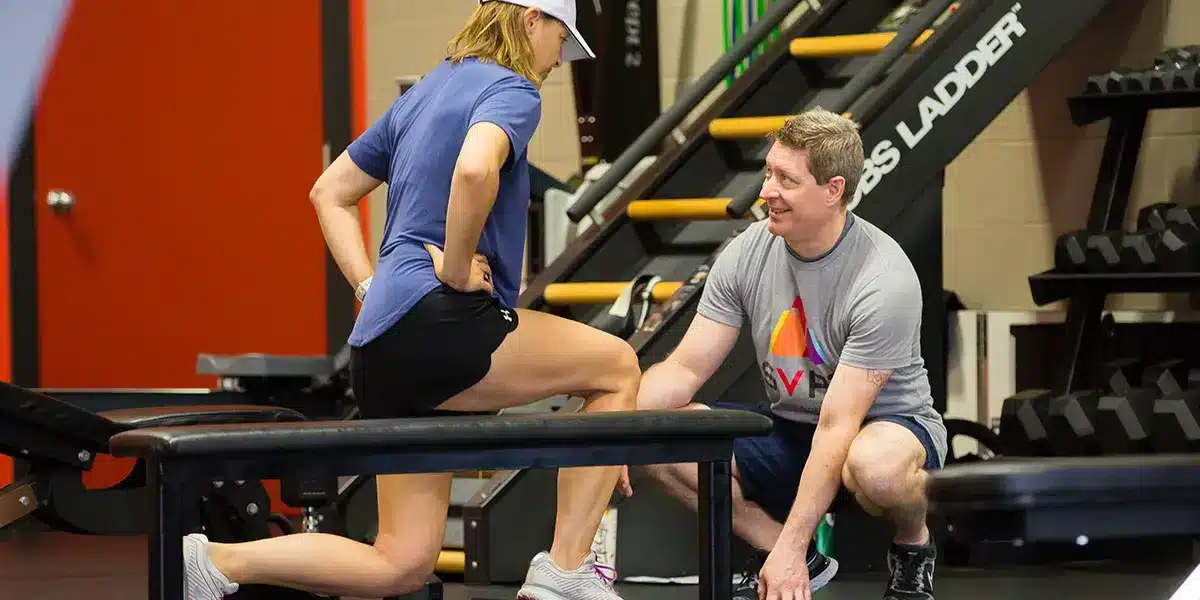
Indoor cycling delivers predictable, measurable workouts. Power meters on studio bikes track exact output, letting instructors design specific training zones. A typical YEG Cycle class alternates between 65-85% maximum heart rate zones, optimizing fat burn and cardiovascular improvement.
Music synchronization drives motivation beyond what solo riding achieves. Instructors time climbs and sprints to beat drops, creating natural interval training. The dark room and loud music eliminate distractions — no checking phones or watching for cars.
Group energy pushes performance. Research on group exercise dynamics shows 20-30% higher sustained effort in class settings versus solo workouts. The person beside you becomes unconscious competition, driving harder efforts than planned.
Indoor cycling suits specific training goals. Preparing for Gran Fondo events? Studios offer power-based training that translates directly to outdoor performance. Recovering from injury? Controlled environment allows precise effort management without terrain surprises.
Variable Outdoor Training
Outdoor cycling builds functional fitness beyond pure cardio. River Valley hills develop power through natural resistance. Technical trails improve balance, coordination, and reaction time. Wind resistance adds 30% more effort at same speeds versus indoor cycling.
Mental health benefits multiply outdoors. Summer outdoor fitness provides vitamin D exposure, nature connection, and exploration rewards that dark studios can’t match. The River Valley’s scenery beats staring at mirrors.
Distance goals feel more achievable outside. Riding to Big Island and back (40km round trip) creates tangible accomplishment. Indoor metrics like “500 kilojoules burned” lack the same satisfaction as reaching physical destinations.
Skill development happens naturally outdoors. Cornering technique, gear selection, and pace management improve through real-world practice. These skills translate to general cycling confidence, whether commuting or touring.
Combining Both for Optimal Results
Smart cyclists leverage both options strategically. Winter base training happens indoors — three spin classes weekly maintain cardiovascular fitness through dark months. Come May, transition one session outdoors, building to full outdoor training by June.
Use indoor cycling for specific workouts within outdoor programs. Tuesday intervals at Spinco, Thursday endurance ride through River Valley, Saturday group ride with ERTC (Edmonton Road and Track Club). This structure provides variety while ensuring consistent high-intensity work.
Recovery weeks work better indoors. After a 160km weekend ride, gentle spin classes allow active recovery without weather variables. The controlled environment prevents over-exertion when tired legs need easy movement.
Track progress across both mediums. Strava records outdoor achievements while studio apps (like Spinco’s branded app) track indoor metrics. Comparing power outputs between settings reveals fitness gains more accurately than single-source data.
Community and Social Aspects
Indoor Cycling Tribes
Each studio develops distinct community personalities. YEG Cycle attracts young professionals who grab post-ride coffee at Transcend. The 6am crew knows each other by bike number, saving spots for regulars. Instructors remember names, goals, and milestone rides.
Spinco builds community through challenges and events. Their annual “Spin for ___” charity rides raise thousands for local causes. Regular riders form WhatsApp groups coordinating class attendance and carpools. The Jasper Ave location’s “Wine Wednesday” rides end with discounted drinks at Kelly’s Pub.
Ride Cycle Club’s suburban location creates neighborhood connections. Parents coordinate childcare for morning classes. The “Ride and Refuel” program partners with local cafes for post-workout meetups. Their Facebook group shares everything from babysitter recommendations to recipe swaps.
Competition drives some studio cultures. Leaderboards display real-time rankings, spurring fierce battles for “Rider of the Month.” Others emphasize personal achievement — instructors call out individual improvements rather than comparing riders.
Outdoor Riding Groups
Edmonton’s cycling community organizes through multiple channels. ERTC (Edmonton Road and Touring Club) runs structured group rides Tuesday/Thursday evenings and Saturday mornings. Membership costs $80 annually, including insurance and organized events. They divide rides by pace — B group averages 25km/hr, A group hits 30km/hr+.
River Valley Cycle offers casual Sunday rides leaving from Mill Creek Cafe. No membership required — just show up at 9am ready to ride 30-40km at conversational pace. The post-ride breakfast tradition builds friendships beyond cycling.
Women’s-specific groups like Dirt Girls Mountain Biking create supportive environments for skill building. They run beginner clinics at Terwillegar teaching technical skills in judgment-free zones. The Facebook group shares trail conditions, organizes impromptu rides, and celebrates achievements.
Bike commuter communities advocate for infrastructure improvements. Edmonton Bike Commuters Facebook group (3,500+ members) shares route advice, winter tips, and theft alerts. Their monthly “Bike and Brews” meetups rotate between local establishments.
Event Participation Options
Indoor studios create internal events year-round. Spinco’s quarterly “Theme Ride Weeks” feature costume contests and special playlists. YEG Cycle’s instructor takeovers bring guest teachers from Calgary and Vancouver. These events sell out fast — book immediately when announced.
Outdoor events follow seasonal patterns. The MS Bike Tour (June) offers 30/60/160km options from Leduc to Camrose. The Velocity Dirt Dash (September) combines road and gravel sections through Strathcona County. Both events raise funds for charities while providing supported ride experiences.
Virtual competitions bridge indoor/outdoor gaps. Zwift racing lets you compete globally from home trainers or studio bikes. Local bike shops host weekly Zwift races through winter, complete with prizes and pizza. Strava segments create year-round competition on popular routes like the High Level Bridge climb.
Equipment and Gear Requirements
Indoor Cycling Essentials
Studios provide bikes, but personal gear improves comfort. Cycling shoes with SPD cleats ($100-180) transfer power better than sneakers. Most Edmonton studios use SPD systems — check before buying Look or Speedplay cleats. MEC and United Cycle let you test shoes on demo pedals.
Moisture-wicking clothing matters in heated studios. Avoid cotton — it stays wet and chafes. Synthetic or merino wool tops ($40-80) dry quickly. Padded shorts help for longer classes, though 45-minute sessions rarely require them. Some riders wear triathlon shorts for minimal padding without bulk.
Heart rate monitors integrate with studio systems for accurate zone training. Chest straps ($80-120) provide better accuracy than wrist-based monitors. YEG Cycle’s bikes sync with Garmin and Polar devices. Spinco uses MyZone belts available for purchase or rent.
Bring your own water bottle — studio fountains get overwhelmed during popular classes. Insulated bottles keep drinks cold through intense sessions. Towels are essential; most studios provide small ones, but serious sweaters bring full size.
Outdoor Biking Necessities
Beyond the bike itself, safety gear tops the list. Helmets are legally required for riders under 18 but smart for everyone. Health Canada’s helmet safety standards guide proper fit and replacement schedules. Replace after any impact or every five years.
Lights become mandatory when riding 30 minutes before sunset or after sunrise. Front white lights need 400+ lumens for path riding. Rear red lights should have multiple flash patterns. The Bike Shop on 124 Street tests lights in their “dark room” to show actual brightness.
Tool kits prevent long walks home. Essential kit includes: tire levers, spare tube, mini pump or CO2, multi-tool, and patch kit. Pre-assembled kits run $40-60. Practice changing a flat at home — roadside repairs stress everyone initially.
Weather-specific gear extends riding seasons. Rain jackets designed for cycling ($150-300) feature longer backs and ventilation. Arm warmers and leg warmers ($30-50 each) adapt to temperature changes without full outfit swaps. Glasses with interchangeable lenses handle varying light conditions.
Technology and Tracking Tools
Bike computers range from basic speedometers ($50) to GPS units with mapping ($300-600). Garmin Edge series dominates the market, offering turn-by-turn navigation and training metrics. Phone mounts ($30-50) work for casual riders using Strava or Komoot apps.
Power meters provide professional-level training data. Pedal-based systems ($600-1,200) transfer between bikes easily. Crank-based options cost more but offer better accuracy. Edmonton’s Total Cyclery runs power meter clinics explaining benefits and setup.
Indoor trainer setups let outdoor bikes work inside. Basic trainers ($200-400) provide resistance while smart trainers ($800-1,500) connect to apps like Zwift or TrainerRoad. Many cyclists buy used trainers each fall when fair-weather riders abandon winter training plans.
Apps consolidate tracking across activities. Strava Premium ($80/year) analyzes both indoor and outdoor efforts. Training Peaks suits serious athletes planning structured programs. Most spin studios have branded apps tracking class attendance and achievements.
Making the Right Choice for Your Lifestyle
Schedule and Consistency Factors
Your work schedule drives the indoor vs outdoor decision more than preference. Shift workers find 24/7 indoor trainer access beats weather-dependent outdoor rides. Standard office workers might combine — morning spin classes on busy weekdays, longer outdoor rides on weekends.
Family commitments shape options differently. Parents of young kids appreciate predictable 45-minute studio classes versus indefinite outdoor rides. Spinco’s childcare for morning classes ($5/child) enables consistent training. Outdoor family rides work once kids hit 8-10 years old.
Consistency beats intensity for fitness gains. Three indoor classes weekly outperform one epic monthly outdoor ride. Studios’ class schedules create accountability — booking fees discourage skipping. Outdoor riding requires more self-discipline, especially when clouds threaten.
Travel schedules favor indoor cycling skills. Most hotels have spin bikes; outdoor riding in unfamiliar cities presents challenges. Regular studio attendance builds technique that transfers anywhere. Download studio apps for guided hotel workouts.
Fitness Goals and Progression
Weight loss goals often succeed better with indoor structure. Studios track calories burned (400-600 per class typically), making deficit planning straightforward. Outdoor rides vary too much — wind, hills, and stops affect burn rates. The consistent indoor environment supports systematic progression.
Endurance events require outdoor miles eventually. You can’t train for the Death Valley Century on a spin bike alone. Use indoor sessions for base building October through March, then transition outdoors for event-specific training. Most Gran Fondo participants follow this pattern.
Cross-training athletes benefit from indoor cycling’s predictability. Runners use spin classes for low-impact cardio maintaining fitness through injuries. The controlled environment prevents overexertion during recovery phases. Yoga studios near cycling venues enable convenient workout stacking.
Performance tracking differs between settings. Indoor bikes measure power precisely; outdoor efforts include too many variables. Use indoor training for specific threshold work, outdoor rides for practical application. Smart athletes track both to see complete fitness pictures.
Budget-Conscious Strategies
Start cheap to test commitment. Borrow a bike for summer riding before investing. Most studios offer intro packages — use them to sample different instructors and times. The Edmonton Public Library loans bike repair tools and hosts free maintenance workshops.
Buy used equipment strategically. September Facebook Marketplace floods with barely-used bikes from abandoned fitness goals. Studio cycling shoes appear constantly as people switch systems or quit. Pinkbike.com specializes in mountain bikes if trails call to you.
Maximize membership values through planning. Unlimited studio passes only make sense attending 8+ times monthly. Class packages suit irregular schedules better. Some employers offer fitness spending accounts — use them for memberships or bike purchases.
Combine resources creatively. Winter trainer + YouTube cycling videos approximate studio experiences cheaply. Summer outdoor rides + winter studio membership spreads costs across seasons. Group rides provide social benefits without membership fees.
Sources & References
Related Reading
- Beginner-Friendly Bike Paths in Edmonton: Where to Start Cycling…
- Why Does Smoke Season Affect Outdoor Fitness Edmonton: The Science…
- Summer vs Winter Running Routes in Edmonton: A Year-Round Comparison
Related Reading
Related Reading
Related Reading
Frequently Asked Questions
What’s the minimum investment to start indoor cycling vs outdoor biking in Edmonton?
Indoor cycling starts at $39 for most studios’ intro packages — three to five classes to test the experience. Add $5-10 for shoe rentals each visit until you buy your own. Outdoor biking begins around $400 for a used bike in good condition from Kijiji or Facebook Marketplace, plus $150 for essential safety gear like helmet and lights.
Can I maintain cycling fitness year-round using only outdoor biking in Edmonton?
Yes, but it requires significant investment and commitment. Fat biking equipment costs $1,500-2,500, plus winter-specific clothing adding another $400. You’ll need studded tires for regular bikes or a dedicated winter bike. Most Edmonton cyclists find combining indoor training December through March with outdoor riding April through November more practical and enjoyable.
Which Edmonton neighborhoods have the best access to both indoor cycling and outdoor bike paths?
Oliver wins for dual access, with YEG Cycle nearby and quick River Valley access via the Victoria Promenade. Strathcona/Whyte Ave area puts you near university paths and the High Level Bridge connection, though lacks dedicated spin studios. Downtown offers multiple studio options plus river path access, but requires navigating traffic to reach good riding.
How do I choose between road biking and mountain biking for Edmonton’s trails?
Start with Edmonton’s paved River Valley paths on any bike to gauge interest. Road bikes excel on these paths and let you explore the entire 160km network efficiently. Mountain bikes open up Terwillegar, Whitemud, and Devon’s single track but move slower on pavement. Most serious Edmonton cyclists eventually own both, starting with whichever matches their primary riding goals.
What’s the best schedule for combining indoor cycling and outdoor biking?
October through April: Two to three indoor cycling sessions weekly maintains base fitness. May and September: Mix formats — one to two indoor sessions plus weekend outdoor rides. June through August: Primarily outdoor with occasional indoor classes during smoke warnings or extreme heat. This schedule aligns with Edmonton weather patterns and studio availability.