Finding the right hiking trail near Edmonton means matching your fitness level to the terrain. Whether you’re walking off winter cabin fever or training for mountain scrambles, the trails within a two-hour drive offer something for everyone. From paved River Valley paths perfect for beginners to technical mountain routes that’ll test seasoned hikers, knowing the difficulty levels saves you from biting off more than you can chew.
For more on this, see our beginner friendly bike guide. For more on this, see our essential river valley guide.
Last reviewed:
Edmonton’s unique position between prairie parkland and the Rocky Mountain foothills creates diverse hiking options. The best hiking trails near Edmonton difficulty levels range from flat riverside strolls to steep elevation gains that rival proper mountain hikes. Most locals don’t realize we have access to over 160 kilometers of maintained trails in the River Valley alone, plus dozens of provincial parks and natural areas within day-trip distance.
Our fitness outdoor movement guide covers this in detail.
This guide breaks down trails by actual difficulty, not marketing fluff. You’ll find honest assessments of elevation gain, trail conditions, and seasonal challenges. Each trail includes parking details, transit options where available, and what to expect throughout our dramatic seasons.
Outdoor Fitness Classes Edmonton Summer covers this in more detail.
Understanding Trail Difficulty Ratings in Alberta
How Alberta Parks Rates Trail Difficulty
Alberta Parks uses a standardized rating system that considers elevation gain, trail surface, and technical features. Easy trails have less than 50 meters of elevation gain over their entire length and maintain wide, stable surfaces. Moderate trails climb 50-150 meters with some uneven terrain and occasional obstacles. Difficult trails exceed 150 meters of elevation gain and include steep sections, loose surfaces, or route-finding challenges.
The Alberta Parks trail rating system also factors in distance and estimated completion time. A 5-kilometer easy trail might take the same time as a 2-kilometer difficult trail due to terrain challenges. Local conditions like spring mud or winter ice can bump a moderate trail into difficult territory.
Many trail apps and websites use their own rating systems, which creates confusion. AllTrails might call a trail “moderate” while Alberta Parks labels it “difficult.” When in doubt, trust the official park ratings and read recent trail reports for current conditions.
Best Salt Caves And Float Therapy Near West Edmonton Mall 2 covers this in more detail.
Seasonal Difficulty Changes Near Edmonton
Edmonton’s extreme temperature swings change trail difficulty throughout the year. Spring brings mud season from late March through May, turning easy trails into slippery challenges. The same Mill Creek Ravine trail that’s perfect for beginners in August becomes a muddy obstacle course in April.
Best Salt Caves And Float Therapy Near West Edmonton Mall covers this in more detail.
Summer smoke season increasingly affects trail difficulty. Poor air quality days make even easy trails feel harder, especially for those with respiratory issues. Check Edmonton’s Air Quality Health Index before heading out between July and September.
Winter adds complexity to every trail rating. Packed snow can make moderate trails easier by smoothing out roots and rocks. But fresh snow, ice patches, and shorter daylight hours bump most trails up a difficulty level from December through March. Factor in wind chill when planning winter hikes — what feels moderate at -5°C becomes difficult at -20°C.
Equipment Requirements by Difficulty Level
Easy trails near Edmonton require minimal gear. Running shoes work fine for River Valley paths and boardwalks. Bring water, even on short walks — our dry climate and elevation changes catch people off guard. A basic first-aid kit fits in any daypack.
For more on this, see our maximize river valley guide.
Moderate trails demand proper hiking boots with ankle support. The rocky sections at Elk Island and uneven terrain at Cooking Lake require stable footwear. Add trekking poles for creek crossings and steep sections. Pack layers year-round — weather changes fast in central Alberta.
Difficult trails need full hiking gear. Sturdy boots, trekking poles, navigation tools, and emergency supplies become essential. The technical sections on trails like Siffleur Falls or mountain approaches near Nordegg require confidence with your equipment. Consider outdoor fitness classes to build skills before tackling challenging routes.
Easy Hiking Trails Perfect for Beginners
River Valley Trail System (Multiple Access Points)
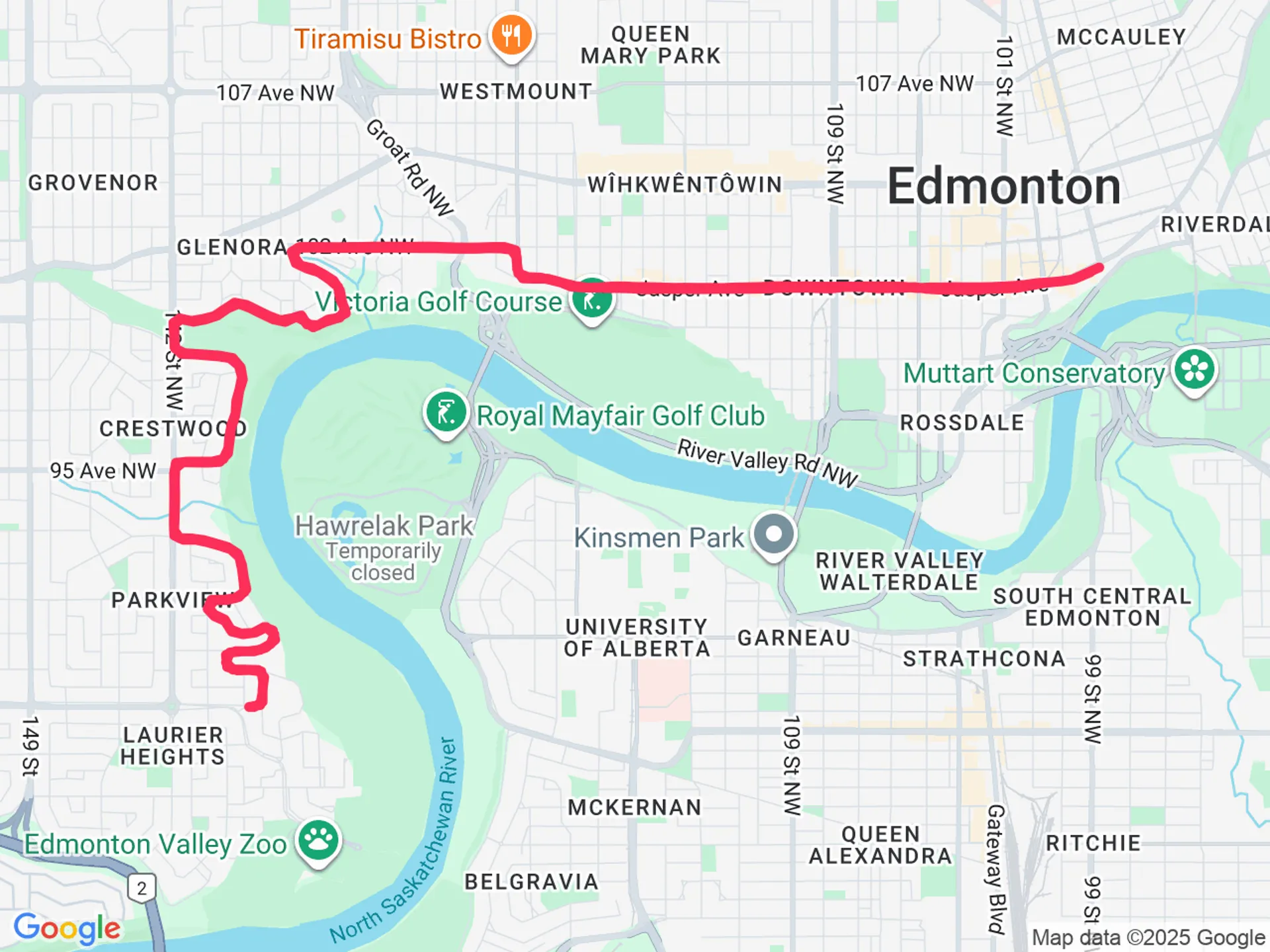
The River Valley trail network offers Edmonton’s most accessible hiking. The paved multi-use paths from Hawrelak Park to the Kinsmen Sports Centre cover 5 kilometers with minimal elevation change. Parking costs $3.50/hour at Hawrelak or free street parking along Saskatchewan Drive.
Best sections for beginners include the Louise McKinney to Henrietta Muir stretch (2.5 km one way) and the Fort Edmonton Park loop (4 km). Both feature washrooms, water fountains in summer, and emergency phones. The wide paths accommodate strollers and wheelchairs.
Transit riders can access the trails via multiple LRT stations. Government Centre and Grandin stations put you steps from the trail system. The Valley Line stops at Quarters and Muttart stations offer newer access points. Winter maintenance keeps main routes clear, though side trails become icy.
For a longer but still easy option, try the full Hawrelak to Terwillegar route (12 km one way). Multiple exit points let you customize distance. The newest section through Oleskiw River Valley Park opened in 2023 with improved signage and rest areas.
Elk Island National Park: Amisk Wuche Trail
The Amisk Wuche Trail at Elk Island delivers an easy 2.7-kilometer loop through aspen forest and wetlands. Located 35 minutes east on Highway 16, the park charges $8.50 per adult or $21 per vehicle. The wide gravel path stays relatively flat with only 20 meters of total elevation change.
This trail shines for wildlife viewing. Early morning or evening hikes often reward visitors with bison, elk, or moose sightings. The floating boardwalk section crosses Astotin Lake’s marsh, perfect for bird watching. Interpretive signs explain the area’s ecology and Indigenous history.
Facilities include flush toilets at the Astotin Lake day use area and pit toilets at the trailhead. No water available November through April. The trail stays open year-round but becomes slippery after rain. Winter changes it into an excellent snowshoe route.
Combine this with the nearby Lakeview Trail (3.8 km) for a longer but still easy day. Both trails start from the same parking area. Arrive before 10 AM on summer weekends to secure parking — the lot fills fast.
Big Lake Environmental Support Society Trails
Big Lake’s trail system in St. Albert offers boardwalks and packed gravel paths ideal for nature walks. The main 3-kilometer loop from the Meadowview parking lot stays completely flat. Free parking and year-round access make this a local favorite.
The improved boardwalks provide wetland views without getting your feet wet. Spring migration brings hundreds of bird species, while summer offers wildflower displays. The trail connects to St. Albert’s Red Willow Park system for extended hiking options.
Winter maintenance varies — call ahead for current conditions. The boardwalks can become icy despite sand applications. Many locals switch to the adjacent Red Willow trails during freeze-thaw cycles.
Public transit serves the area via St. Albert Transit Route 7. The walk from the nearest stop adds 10 minutes each way. Pack bug spray for summer visits — the wetland location means mosquitoes from June through August.
Moderate Trails for Regular Hikers
Cooking Lake-Blackfoot Recreation Area Trails
Cooking Lake-Blackfoot offers genuine moderate hiking 30 minutes southeast of Edmonton. The Blackfoot Lake Loop covers 8.7 kilometers with 75 meters of elevation gain through rolling hills. The mix of meadows, aspen groves, and lake views represents classic central Alberta parkland.
Trail conditions vary significantly by season. Spring thaw creates muddy sections that last into June. Summer brings ideal conditions, though exposed meadow sections get hot by afternoon. Fall delivers spectacular colors but hunting season requires bright clothing. Winter skiing traffic packs some sections while others remain challenging to navigate.
Parking costs $5 per vehicle with self-registration stations. The main staging area includes pit toilets and trail maps. No potable water available — bring at least 2 liters per person for the full loop. Cell service drops out beyond the parking area.
For shorter options, the 4.2-kilometer Islet Lake trail provides similar terrain with less commitment. Both trails share the same trailhead, allowing last-minute distance adjustments based on conditions or energy levels.
Clifford E. Lee Nature Sanctuary
Located near Calmar, this hidden gem offers 5 kilometers of interconnected trails through diverse habitats. The full loop gains about 60 meters of elevation with several short, steep sections. The sanctuary protects rare fescue grasslands alongside typical parkland forest.
The trail system includes three shorter loops that can be combined or hiked separately. The Grassland Loop (1.5 km) stays relatively flat, while the Forest Loop (2 km) includes the main elevation gains. The Wetland Loop (1.5 km) features boardwalks but requires careful footing on connecting sections.
Free parking accommodates about 15 vehicles — arrive early on weekends. No facilities exist on site. The unmarked entrance on Range Road 33 catches many first-timers off guard. Look for the small brown sign 2 kilometers south of Highway 39.
These trails close during spring thaw (typically late March through early May) to prevent damage. Deer ticks are present — check yourself thoroughly after hiking. The varied terrain makes this excellent training for more difficult mountain hikes.
Mill Creek Ravine Trail System
Mill Creek Ravine provides moderate hiking within city limits. The full ravine trail from 76 Avenue to the river valley spans 8 kilometers with 100 meters of total elevation change. Multiple access points let you customize distance and difficulty.
The southern sections near Whyte Avenue stay relatively easy with paved paths. North of Argyll Road, the trail becomes more challenging with stairs, wooden bridges, and natural surfaces. Spring creek crossings can require careful foot placement or short detours.
Parking varies by access point. Free street parking exists near most entrances, but check seasonal restrictions. The Muttart Conservatory parking lot provides paid options for the northern terminus. Multiple bus routes cross the ravine, offering one-way hiking possibilities.
This trail connects seamlessly to the River Valley running trail network, allowing extended adventures. Winter ice makes some sections treacherous — many locals switch to the parallel roadways during freeze-thaw cycles. The ravine’s depth creates its own microclimate, staying cooler in summer but collecting cold air in winter.
Difficult Trails for Experienced Hikers
Siffleur Falls Trail (Near Nordegg)
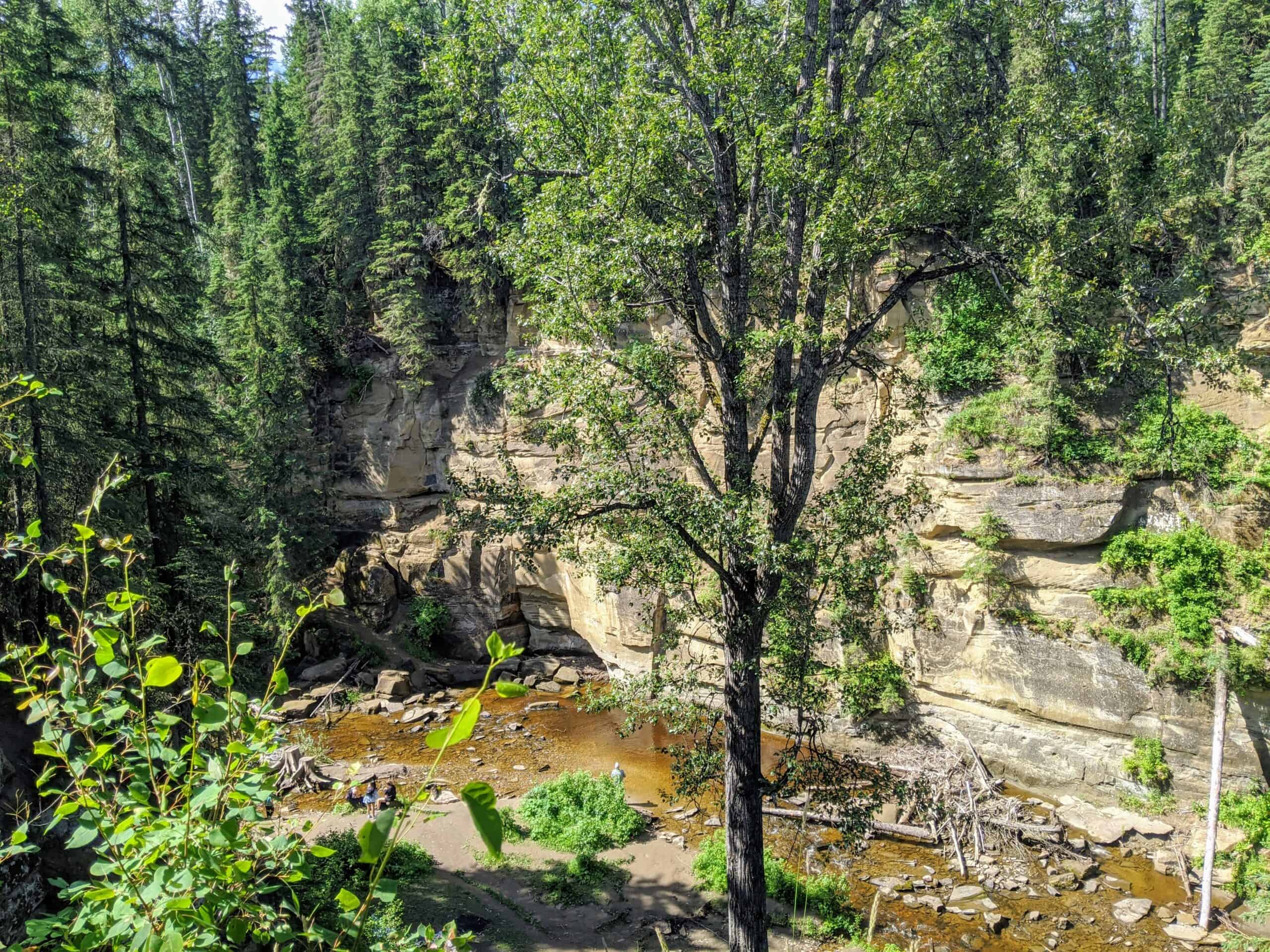
Siffleur Falls ranks among the most challenging day hikes within reasonable driving distance of Edmonton. The 10-kilometer round trip descends 180 meters into a canyon before climbing back out. Located 2.5 hours west on Highway 11, this trail demands fitness and proper gear.
The initial descent follows a wide path before narrowing into steep switchbacks. Fixed ropes assist on the steepest sections, but they’re not safety equipment — just handholds. The canyon bottom requires multiple creek crossings on slippery rocks. Trail markers become sparse near the falls.
The $5 parking fee goes to trail maintenance. Pit toilets exist at the trailhead but no other facilities. Cell service disappears shortly after leaving Nordegg. Start early — the hike takes 4-6 hours depending on fitness and photo stops.
Seasonal hazards include spring avalanche debris, summer thunderstorms, and early snow by late September. The trail typically opens by late May and closes with first significant snowfall. Check Alberta Parks updates for current conditions. Many underestimate the return climb — save energy for the ascent.
Moose Lake Loop (Robson Valley)
This challenging 14-kilometer loop near Jasper pushes experienced hikers with 350 meters of elevation gain. The trail combines steep climbs, technical root sections, and potential wildlife encounters. The 3-hour drive from Edmonton makes this a full-day commitment.
The clockwise route tackles the steep ascent first, climbing through dense forest to alpine meadows. Multiple false summits test mental endurance. The descent follows switchbacks prone to erosion — trekking poles become essential. Moose Lake itself offers a scenic lunch spot at the 8-kilometer mark.
Registration at the Robson Valley Information Centre is mandatory. The $10 trail fee includes parking and basic rescue insurance. Water sources exist but require purification. Afternoon thunderstorms develop quickly in summer — start by 8 AM to avoid lightning risk above treeline.
This trail stays snow-covered into July most years. Even in August, patches of snow linger on north-facing slopes. Grizzly bears frequent the area — carry bear spray and make noise. The loop crosses several avalanche paths that remain unstable through June.
Brazeau Loop Trail System
The Brazeau area southeast of Drayton Valley offers a network of unmaintained trails that challenge navigation skills. Various loops range from 8 to 20 kilometers with elevation gains exceeding 200 meters. These former logging roads and game trails require map and compass skills.
No official trailhead exists. Most hikers park at the gravel pit on Township Road 494 and explore from there. The lack of signage and maintained paths bumps these routes into difficult territory regardless of fitness level. Deadfall and overgrowth obscure sections each spring.
Bring GPS devices with downloaded offline maps. Cell service is non-existent. Water sources appear unreliable — pack everything you need. The area sees minimal traffic, increasing self-rescue responsibilities. Let someone know your planned route and expected return time.
These trails suit hikers wanting backcountry experience without driving to the mountains. The varied terrain includes creek valleys, ridgelines, and meadows. Hunting season brings additional safety concerns — wear bright colors from September through November. Consider hiring a local guide for first visits.
Family-Friendly Trails with Difficulty Options
Chickakoo Lake Recreation Area
Chickakoo Lake northwest of Edmonton provides trails for every family member’s ability. The main 8-kilometer loop circles the lake on mostly flat terrain. Shorter cutoff trails create 2, 4, or 6-kilometer options. The packed gravel surface handles strollers on dry days.
The interpretive trail (1 km) near the day-use area teaches wetland ecology through kid-friendly signs. Boardwalk sections keep feet dry while exploring marsh habitat. Picnic sites with fire pits dot the shoreline — first-come, first-served basis.
Summer parking fills by 11 AM on weekends. The $5 vehicle fee covers day use. Flush toilets operate May through September, with heated outhouses for winter. The beach area provides swimming but no lifeguards. Algae blooms occasionally close swimming in late summer.
Winter changes Chickakoo into a cross-country ski destination. Separate hiking trails stay open but receive no maintenance. Many families switch to snowshoeing the summer hiking routes. Ice fishing adds another activity option from December through March.
Waskahegan Trail (Highway 16 West)
The Waskahegan Trail between Carvel and Wabamun offers flexible distance options from 2 to 10 kilometers. This converted rail line maintains gentle grades suitable for all ages. Multiple access points let families customize their adventure based on energy levels.
The Carvel to Fallis section (5 km one way) passes through farmland and aspen groves. Wide paths accommodate bikes and strollers. Rest areas every 2 kilometers include benches and interpretive signs about railway history. The surface transitions between packed gravel and grass.
Free parking exists at both Carvel and Wabamun access points. No facilities along the trail — plan accordingly. Farm dogs sometimes approach the trail despite fencing. Keep children close and make noise to avoid surprising wildlife in brushy sections.
This trail shines for one-way hikes with vehicle shuttles. Drop one car at Wabamun and start from Carvel for a downhill-trending 10-kilometer adventure. Fall colors peak in mid-September. Winter use depends on snowmobile traffic — packed sections alternate with deep snow.
Ministik Bird Sanctuary
Located 20 minutes southeast of Edmonton, Ministik offers three loop trails ranging from easy to moderate. The Wetland Trail (2 km) stays flat with boardwalks, while the Forest Trail (4 km) includes gentle hills. The combined Upland Trail (6 km) adds moderate climbing sections.
Families appreciate the trail junction system that allows distance adjustments mid-hike. Tired kids can return via the Wetland Trail while others complete longer loops. Bird blinds provide wildlife viewing opportunities without disturbing nesting areas.
The small parking area fills quickly during spring migration. Arrive before 9 AM on May weekends. No fees or facilities — this remains a rustic experience. Mosquitoes reach legendary proportions in June and July. Fall visits avoid bugs while offering mushroom spotting opportunities.
Educational programs run monthly from May through September. Check with Nature Alberta for schedules. The sanctuary closes during spring thaw to protect trail surfaces. Snow cover varies in winter — call ahead for conditions. Many Edmonton schools use these trails for field trips.
Seasonal Trail Recommendations
Best Spring Hiking Trails (March-May)
Spring hiking near Edmonton requires patience and flexibility. River Valley paved trails dry first, making them ideal for March hiking. The Terwillegar Park trails drain well due to sandy soil. By April, Elk Island’s Amisk Wuche trail usually opens, though boardwalk sections may remain icy.
May brings wildflower hikes at Clifford E. Lee Nature Sanctuary and Wagner Natural Area. These properties close during peak mud season but reward patient hikers with prairie crocus displays. Check individual park websites for opening dates — they vary yearly based on conditions.
Spring hazards include sudden weather changes and tick emergence. Pack layers for temperature swings exceeding 20 degrees. Perform thorough tick checks after hiking in tall grass. Many trails remain officially closed to prevent rutting damage — respect these closures to preserve trail quality.
For reliable spring conditions, consider urban trails with good drainage. Mill Creek Ravine’s paved sections, Whitemud Park’s crusher dust paths, and Gold Bar Park’s riverside trails typically stay hikeable. These locations also offer post-hike recovery options nearby.
Summer Trail Choices (June-August)
Summer opens Edmonton’s full trail network, but smoke season increasingly affects plans. Build flexibility into summer hiking schedules. When air quality deteriorates, shift to shaded forest trails like Cooking Lake-Blackfoot or Strathcona Wilderness Centre. Tree cover filters some particulates.
Beat summer heat by starting early. Trails like Siffleur Falls become dangerous in afternoon thunderstorms. The exposed sections at Big Lake and Chickakoo Lake turn uncomfortably hot after 11 AM. Pack extra water — our dry climate and summer heat create dehydration risks even on easy trails.
Bug season peaks in June and early July. Wetland trails at Ministik and Big Lake become nearly unhikeable without bug protection. Focus on windier locations like river valley ridges or higher elevation trails near Nordegg. By August, bug pressure decreases significantly.
Summer also brings trail maintenance and construction. Check City of Edmonton updates for River Valley closures. Provincial parks post trail work schedules online. Have backup plans when heading to popular destinations.
Fall and Winter Hiking (September-February)
Fall delivers ideal hiking conditions from mid-September through October. Bugs disappear, crowds thin, and temperatures stay comfortable. The aspens at Chickakoo Lake and Cooking Lake-Blackfoot peak around September 20th most years. Larch trees near Nordegg turn gold by early October.
Winter hiking requires significant gear upgrades. Microspikes or ice cleats become essential by November. Popular trails like Mill Creek Ravine develop deadly ice flows. Many hikers switch to dedicated winter trails at Gold Bar Park or tracked routes at snow-shoe-specific locations.
Daylight becomes the limiting factor December through February. Plan to finish hikes by 4 PM. Headlamps are mandatory emergency gear. Wind chill changes moderate winter days into survival situations — check forecasts carefully. Consider locations with warm-up options like the Strathcona Wilderness Centre.
For winter hiking beginners, start with maintained park trails. Elk Island grooms specific winter routes. The River Valley trail system receives regular maintenance. Build cold-weather experience gradually before attempting backcountry winter trails. Your body may need professional recovery support as you adapt to winter hiking demands.
Planning Your Hiking Adventure
Essential Gear by Difficulty Level
Easy trail essentials fit in a small daypack: water (1 liter minimum), snacks, basic first aid, sun protection, and a fully charged phone. Add a paper map for areas with poor cell coverage. Even River Valley hikes benefit from emergency supplies — weather changes fast in Edmonton.
Moderate trails require equipment upgrades. Quality hiking boots prevent ankle injuries on uneven terrain. Trekking poles reduce knee strain on descents and improve creek crossing stability. Navigation tools become critical — download offline maps before leaving cell range. Pack capacity increases to handle extra layers, more water, and emergency shelter.
Difficult trails demand complete gear. The 10 essentials become non-negotiable: navigation, sun protection, first aid, knife, fire starter, emergency shelter, extra food, extra water, extra clothes, and illumination. Add bear spray for mountain-adjacent trails. Consider emergency communication devices like InReach for remote locations.
| Difficulty Level | Minimum Gear | Recommended Additions | Typical Pack Weight |
|---|---|---|---|
| Easy | Water, snacks, phone | First aid, map, layers | 2-3 kg |
| Moderate | Above + boots, poles | GPS, extra food, rain gear | 4-6 kg |
| Difficult | Full 10 essentials | Bear spray, satellite device | 7-10 kg |
Weather and Trail Condition Resources
Reliable condition reports save wasted trips. Alberta Parks updates trail conditions weekly during peak season. AllTrails user reports provide recent ground truth but verify dramatic claims. Local hiking Facebook groups share real-time conditions with photos.
Weather forecasting for trails requires location-specific data. Mountain-adjacent trails create their own weather patterns. The Nordegg area forecasts differ significantly from Edmonton despite similar latitude. Check spot forecasts for specific trailheads rather than relying on city weather.
Spring mud season and winter ice conditions change daily. Call park offices directly for current information. Many parks post conditions on social media faster than official websites. Build relationships with park staff — they provide invaluable local knowledge.
Fire bans affect many summer hiking plans. Alberta Fire Bans website shows current restrictions by area. Some trails close entirely during extreme fire danger. Have indoor backup plans during hot, dry periods. Consider recovery and relaxation alternatives when outdoor conditions deteriorate.
Building Hiking Fitness Progressively
Edmonton’s flat terrain makes training for mountain hikes challenging. Use River Valley stairs for elevation training. The Glenora stairs (200+ steps) and Ezio Faraone Park stairs provide quad-burning workouts. Progressive overload prevents injury — add 10% weekly to distance or elevation.
Cross-training improves hiking performance. Swimming builds cardiovascular endurance without impact stress. Yoga increases flexibility for scrambling and balance. Strength training prevents common hiking injuries to knees and ankles. Focus on single-leg exercises that mirror hiking movements.
Practice with full pack weight before attempting difficult trails. Load your daypack with water bottles to simulate real hiking weight. Gradually increase pack weight and distance. Your body needs time to adapt to the additional load, especially on descents.
Recovery matters as much as training. Plan easier hikes after challenging ones. Maintain flexibility and address muscle imbalances. Many hikers develop IT band issues from repetitive motion. Foam rolling, stretching, and professional treatment prevent chronic problems from developing.
Sources & References
Related Reading
- Best Hot Springs Near Edmonton for Winter Wellness Escapes: Your…
- Why Edmonton Fall Weather Triggers Fitness Motivation Shifts:…
- Meditation Studios vs Gyms in River Cree Edmonton: Which Fits Your…
Frequently Asked Questions
What are the easiest hiking trails near Edmonton for complete beginners?
The River Valley multi-use trails offer the gentlest introduction to hiking, with paved surfaces and minimal elevation change. Start with the Louise McKinney to Henrietta Muir section (2.5 km) or explore the boardwalks at Big Lake Environmental Support Society. Both locations provide free parking and year-round maintenance, making them ideal for building basic hiking fitness before attempting natural surface trails.
How do trail difficulties change with Edmonton’s seasons?
Spring mud season (March-May) can bump easy trails to moderate difficulty, while winter ice makes moderate trails genuinely challenging. Summer smoke affects perceived difficulty by making breathing harder, especially on trails with elevation gain. Fall typically offers the most accurate difficulty ratings, with stable trail conditions and comfortable temperatures from mid-September through October.
What hiking trails near Edmonton are suitable for families with young children?
Chickakoo Lake Recreation Area provides the best family options with flexible loop distances from 2-8 kilometers and picnic facilities. The interpretive trail at Elk Island’s Amisk Wuche (2.7 km) engages kids with wildlife viewing opportunities and boardwalks. For city options, the Whitemud Park trails offer short loops with nature play areas and easy emergency exit points.
Which difficult trails near Edmonton best prepare hikers for mountain adventures?
Siffleur Falls trail provides genuine mountain training with 180 meters of elevation loss and gain plus technical terrain. The Brazeau Loop system challenges navigation skills essential for backcountry hiking. For building endurance closer to the city, link multiple River Valley stair climbs — the Glenora and Ezio Faraone stairs combined simulate significant mountain elevation gain.
Where can I find current trail conditions and closure information?
Check Alberta Parks’ website for provincial park trail updates, typically posted weekly during hiking season. The City of Edmonton posts River Valley trail conditions on their website and social media. For real-time conditions, local hiking Facebook groups like “Edmonton Area Hikers” share photos and reports from members’ recent trips, though always verify dramatic claims with official sources.