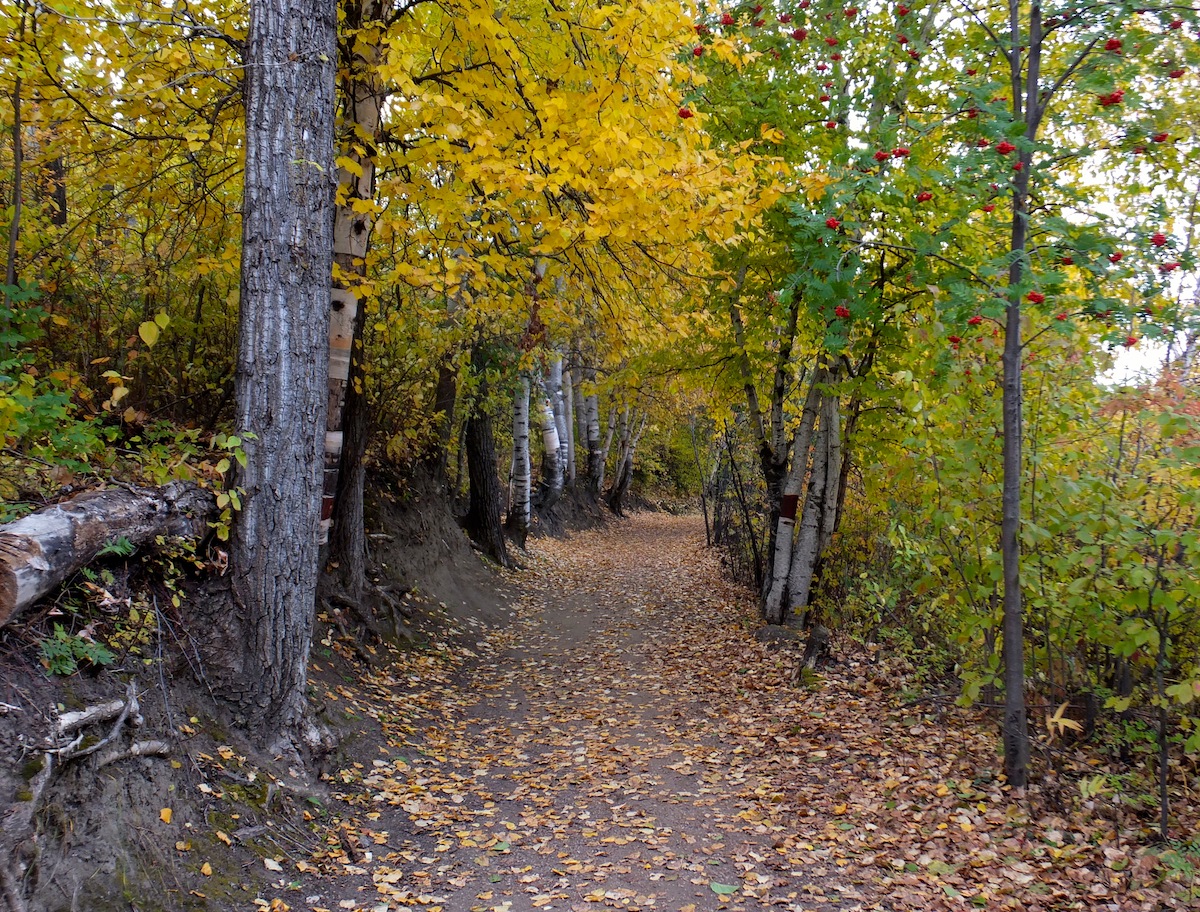
Every summer, just when Edmonton’s outdoor fitness scene hits its stride, the smoke rolls in. You know the drill. One day you’re crushing your morning run along the North Saskatchewan River, and the next day the air tastes like a campfire. The Air Quality Health Index hits 7+, and suddenly that River Valley workout feels more harmful than helpful.
Last reviewed:
Why does smoke season affect outdoor fitness Edmonton athletes so dramatically? The answer goes deeper than just “bad air.” When wildfire smoke blankets our city, it fundamentally changes how your body responds to exercise. Understanding these changes can help you make smarter decisions about when to push through and when to pivot indoors.
Our fitness outdoor movement guide covers this in detail.
How Wildfire Smoke Changes Air Quality in Edmonton
Edmonton’s air quality typically ranks among Canada’s best. But during smoke season — usually July through early September — things shift fast. Wildfire smoke contains a toxic mix of gases and fine particles that travel hundreds of kilometers from northern Alberta and British Columbia fires.
PM2.5: The Invisible Enemy
The real villain in wildfire smoke is PM2.5 — particulate matter smaller than 2.5 micrometers. These particles are 30 times smaller than the width of a human hair. When you exercise outdoors during smoke season, you breathe these particles deep into your lungs.
Normal Edmonton summer air contains 5-10 micrograms of PM2.5 per cubic meter. During heavy smoke events, levels spike to 100-300 micrograms. The Alberta Health Services guidelines recommend avoiding outdoor exercise when PM2.5 exceeds 35 micrograms.
Here’s what different air quality readings mean for outdoor fitness:
| AQHI Reading | PM2.5 Level | Exercise Guidelines |
|---|---|---|
| 1-3 (Low Risk) | <15 μg/m³ | Normal outdoor activities |
| 4-6 (Moderate) | 15-35 μg/m³ | Reduce intensity, shorter workouts |
| 7-10 (High) | 35-100 μg/m³ | Move workouts indoors |
| 10+ (Very High) | >100 μg/m³ | Avoid all outdoor exercise |
Geographic Patterns in Edmonton
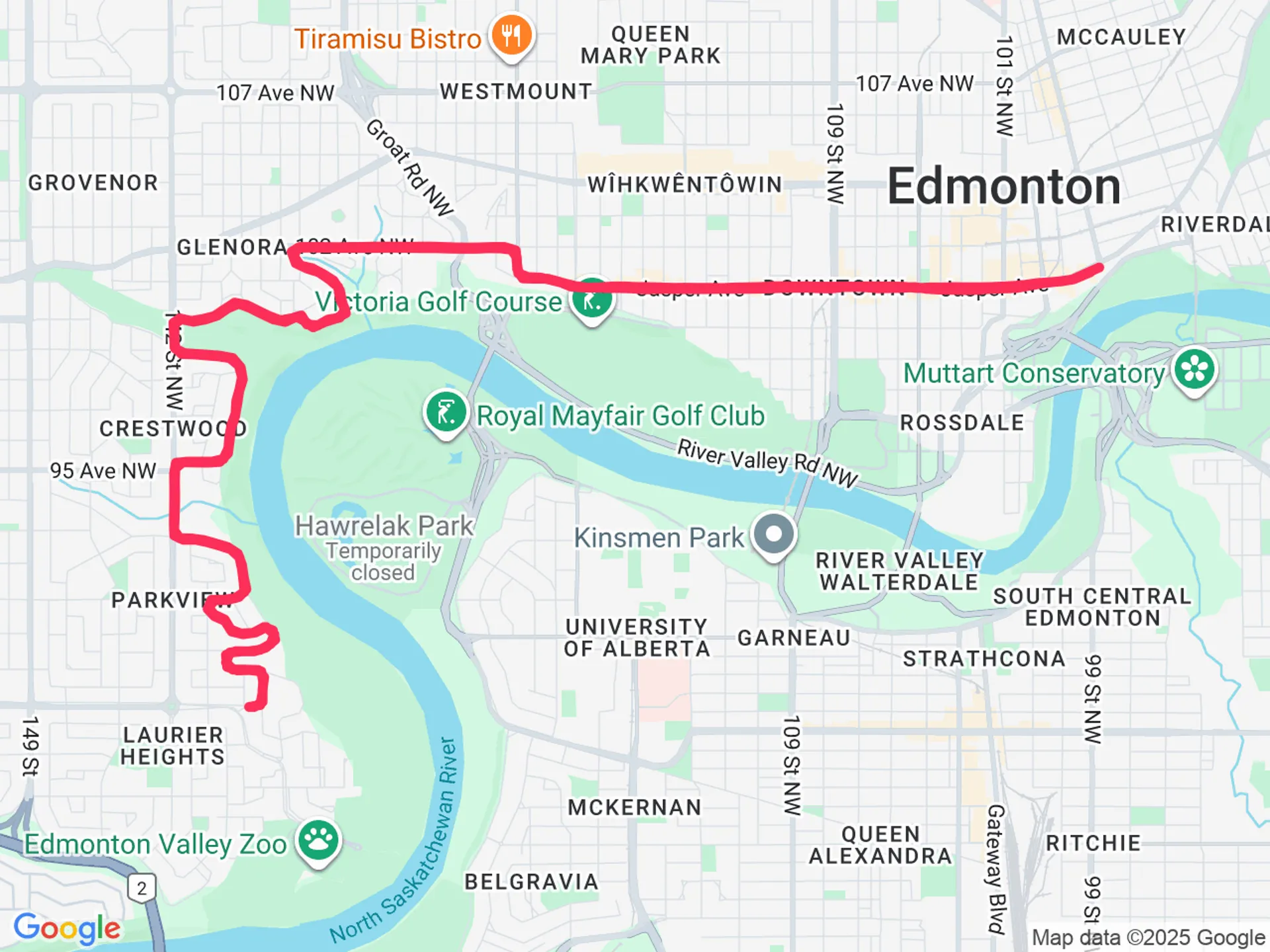
Smoke doesn’t affect all Edmonton neighborhoods equally. The River Valley acts as a collection point for heavier particles, making popular running spots like Emily Murphy Park and Hawrelak Park particularly problematic during inversions. Meanwhile, improved areas like the University of Alberta campus or Windermere often see slightly better conditions.
Why Edmonton Fall Weather Triggers Fitness Motivation Shifts covers this in more detail.
Downtown’s concrete jungle creates its own microclimate. Buildings trap smoke at street level, making Jasper Avenue runs especially harsh. If you must exercise outdoors during moderate smoke days, head to open areas like Rundle Park or the eastern edges of the city where winds clear smoke faster.
Your Body’s Response to Exercise in Smoke

When you exercise, your breathing rate increases 10-20 fold. A casual walk might have you breathing 15 liters of air per minute. During a hard run, that jumps to 150 liters. Every breath during smoke season delivers more pollutants directly to your lungs.
Immediate Physical Effects
Within minutes of starting outdoor exercise in smoky conditions, your body begins responding. The fine particles trigger inflammation in your airways. Your throat burns. Eyes water. Many athletes report a metallic taste that lingers hours after their workout.
More concerning are the cardiovascular effects. PM2.5 particles enter your bloodstream through the lungs. Your heart rate increases beyond normal exercise levels as your cardiovascular system works overtime to manage both exercise stress and pollution exposure. Studies show blood pressure spikes 5-10% higher during smoke-affected workouts.
Common symptoms during smoke-affected outdoor fitness include:
- Persistent cough lasting 2-3 hours post-workout
- Chest tightness or wheezing
- Unusual fatigue beyond normal exercise tiredness
- Headaches starting 30-60 minutes into activity
- Decreased performance despite normal effort levels
Long-Term Health Implications
Repeated exposure to smoke during exercise creates cumulative damage. The inflammation response doesn’t just affect your lungs — it triggers system-wide oxidative stress. Think of it like sunburn for your insides. One day won’t cause permanent damage, but repeated exposure adds up.
Research from the University of Alberta’s Faculty of Kinesiology found that athletes training outdoors during the 2018 smoke season showed measurable decreases in VO2 max that persisted for weeks after air quality improved. The takeaway? Those “tough it out” workouts during heavy smoke days might set your fitness back more than skipping them entirely.
Performance Impact: Why Your Times Tank
Every runner in Edmonton knows the frustration. You’ve been crushing personal records all spring, then smoke season hits and suddenly your easy pace feels like race effort. This isn’t just in your head — smoke exposure creates measurable performance decreases.
Oxygen Delivery Problems
Wildfire smoke contains carbon monoxide, which binds to hemoglobin 200 times more readily than oxygen. Even at relatively low concentrations, this reduces your blood’s oxygen-carrying capacity by 5-10%. For endurance athletes, that’s like training at 8,000 feet elevation without the adaptation benefits.
The math is simple but harsh. If your normal 5K pace requires delivering 3.5 liters of oxygen per minute to working muscles, smoke exposure might drop that to 3.2 liters. Your body compensates by increasing heart rate and breathing rate, but efficiency plummets. That comfortable 6-minute kilometer suddenly requires 7-minute kilometer effort.
Recovery Takes Longer
Post-workout recovery suffers dramatically during smoke season. The inflammatory response triggered by PM2.5 exposure interferes with normal muscle repair processes. Athletes report needing 24-48 hours extra recovery between hard sessions during smoke events.
Local running coach Sarah Chen from the Edmonton Running Room on Whyte Ave puts it bluntly: “I tell my athletes to treat smoke days like altitude training gone wrong. You get all the stress with none of the adaptation. Better to transition your outdoor workouts inside than push through and need a week to recover.”
Vulnerable Populations: Who Needs Extra Caution
While smoke affects everyone, certain groups face higher risks when exercising outdoors. Understanding your risk category helps you make smarter decisions about when to modify or skip outdoor workouts.
High-Risk Athletes
Anyone with pre-existing respiratory conditions needs to take smoke warnings seriously. This includes:
- Asthma sufferers: Even well-controlled asthma becomes unpredictable during smoke events
- Former smokers: Already compromised lung tissue responds poorly to additional irritants
- Athletes over 50: Age-related decline in lung elasticity increases vulnerability
- Pregnant women: Developing fetuses are particularly sensitive to air pollution
Dr. Michael Thompson from the Kaye Edmonton Clinic advises these groups to avoid all outdoor exercise when AQHI readings exceed 4. “The risk-benefit calculation changes completely for vulnerable populations. A missed workout won’t hurt you. Smoke exposure might.”
Children and Teen Athletes
Youth athletes face unique challenges during smoke season. Kids breathe more air per pound of body weight than adults. Their developing lungs are more susceptible to long-term damage from pollution exposure. Yet they’re often the last to complain about discomfort.
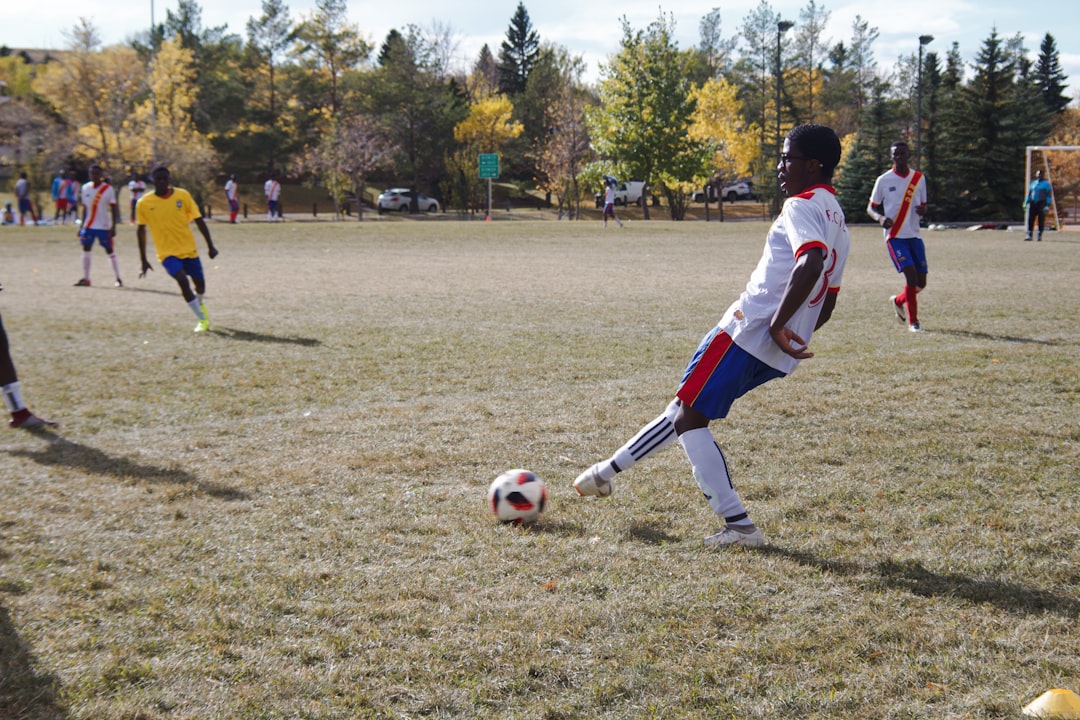
Youth soccer leagues in Millwoods and Sherwood Park now follow strict protocols during smoke season. When AQHI hits 7, all outdoor practices move indoors or cancel. Smart coaches plan indoor alternatives weeks in advance, knowing that August soccer season coincides with peak smoke risk.
Smart Strategies for Smoke Season Fitness
Giving up on fitness for two months isn’t realistic. Edmonton’s smoke season demands adaptation, not abandonment. Here’s how to maintain your training when the air quality tanks.
Timing Your Workouts
Smoke concentrations fluctuate throughout the day. Generally, early morning offers the best air quality before afternoon heat creates thermal inversions that trap smoke at ground level. Check the AQHI at 5 AM, 11 AM, and 5 PM to spot patterns in your neighborhood.
During the 2023 smoke season, air quality data from the Edmonton South monitoring station showed consistent patterns:
- 5-7 AM: Best air quality of the day
- 3-6 PM: Worst readings as heat peaks
- 9-11 PM: Moderate improvement as temperatures drop
Plan accordingly. If you must exercise outdoors on marginal days, that dawn run beats an afternoon session every time.
Modifying Intensity
When AQHI readings hover between 4-6, you don’t necessarily need to skip outdoor exercise entirely. But you do need to adjust. Replace high-intensity intervals with steady-state cardio. Swap your tempo run for an easy jog. Choose walking over running.
The key metric? Breathing rate. If you can maintain nasal breathing throughout your workout, you’re filtering out more particles than mouth breathing. The moment you need to gulp air through your mouth, you’re increasing exposure exponentially.
Strategic Location Selection
Not all outdoor spaces suffer equally during smoke events. Tree-covered areas like the trails around Goldbar Park provide some natural filtration. Open water creates localized air movement — the Terwillegar Park footbridge often has better air quality than inland routes.
Worst spots during smoke season:
- River Valley bottom trails (smoke settles)
- Downtown core (trapped by buildings)
- Near major roads (vehicle emissions compound the problem)
Better alternatives:
- improved neighborhoods like Wolf Willow
- Eastern edges near Sherwood Park
- Open fields at sports complexes
Indoor Alternatives That Actually Work
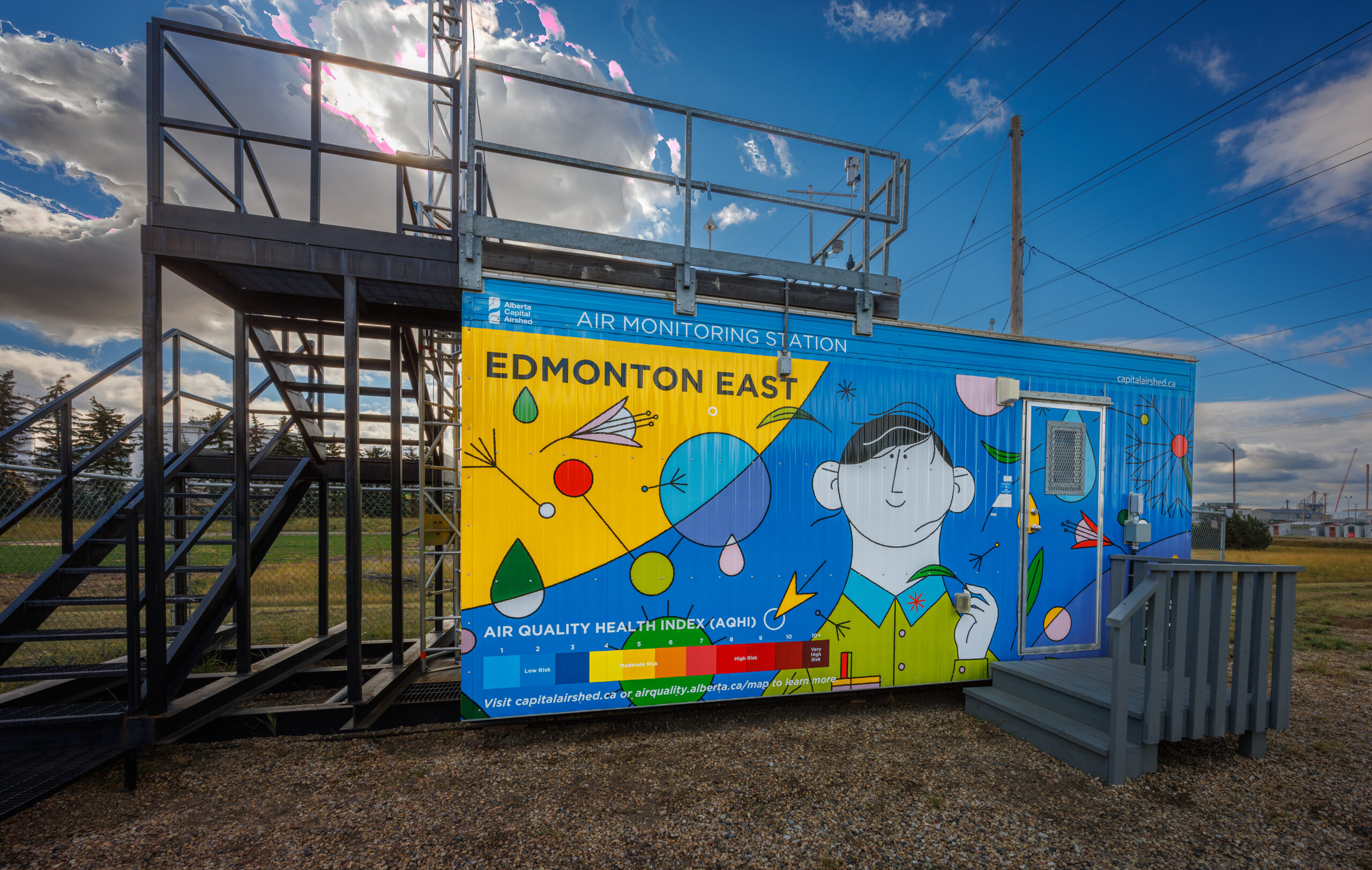
Let’s be honest — treadmill running feels like punishment for most outdoor enthusiasts. But Edmonton’s fitness scene has evolved to offer compelling indoor alternatives during smoke season. The key is finding options that maintain your fitness without crushing your soul.
Facility Options Across Edmonton
The City of Edmonton operates 18 recreation centers with indoor tracks. The Kinsmen Sports Centre offers a 200-meter track that stays busy during smoke season. Show up before 7 AM or after 8 PM to avoid crowds. Day passes run $12, or grab a summer multi-pass for $99.
For cyclists, the Argyll Velodrome provides an unexpected solution. While technically outdoors, its bowl shape and location often trap cleaner air pockets. Check conditions before heading over — when downtown reads AQHI 8, Argyll sometimes sits at 5-6.
Private gyms step up during smoke season too. GoodLife Fitness locations in South Common and Windermere extend track hours when air quality plummets. Orangetheory studios across the city offer free first classes specifically marketed to displaced outdoor runners. Their Whyte Ave location runs “Smoke Season Specials” with flexible membership options.
Home Workout Reality
Building an effective home setup doesn’t require dropping thousands on equipment. Focus on versatility over specialization. A few smart purchases change any basement or garage into a smoke-season training facility:
- Adjustable dumbbells (5-50 lbs): $300-400 at Fitness Town on Calgary Trail
- Resistance bands set: $50-80 at SportChek locations
- Yoga mat: $40-60 for quality that lasts
- Jump rope: $20-30 for weighted handles
- Pull-up bar: $40-50 doorway mount
Total investment under $600 provides endless workout combinations. Add a fan for air movement and you’ve solved smoke season without monthly gym fees.
Planning Ahead: Your Smoke Season Fitness Calendar
Why does smoke season affect outdoor fitness Edmonton athletes year after year? Part of the answer is poor planning. Most of us react to smoke instead of preparing for it. Building a proactive strategy changes everything.
Pre-Season Preparation
Start preparing in May. Yes, May — while the air is still crisp and smoke feels months away. This preparation window lets you:
- Research and test indoor facility options while they’re empty
- Build relationships with indoor fitness communities
- Establish baseline fitness metrics for comparison
- Stock up on home equipment before demand spikes
Join indoor fitness classes in June to establish routines before you need them. The outdoor fitness community in Edmonton is tight-knit — use those connections to find training partners who’ll commit to indoor sessions when needed.
Flexible Training Plans
Traditional training plans assume consistent conditions. Edmonton smoke season laughs at your 16-week marathon program. Build flexibility into any summer training cycle:
Week Structure During Smoke Season:
- Plan A (AQHI 1-3): Full outdoor program
- Plan B (AQHI 4-6): Modified outdoor or indoor substitute
- Plan C (AQHI 7+): Complete indoor alternative
Write all three versions in advance. When Thursday’s long run gets smoked out, you already know Friday means 90 minutes on the Kinsmen track or a spinning class plus strength work. No scrambling. No missed training stimulus.
Smart coaches now build “smoke weeks” into training plans — lower volume weeks that coincide with typical peak smoke periods in early August. Use these for recovery, strength focus, or technique work that translates well to indoor settings.
Sources & References
Related Reading
- Best Outdoor Fitness Classes Edmonton Summer: Where to Train in…
- Why Edmonton Fall Weather Triggers Fitness Motivation Shifts:…
- Indoor Cycling vs Outdoor Biking Edmonton: Which Works Better…
Frequently Asked Questions
At what air quality index should I absolutely avoid outdoor exercise?
Move all workouts indoors when the AQHI hits 7 or higher. At this level, even light outdoor activity delivers harmful amounts of particulate matter to your lungs. The Kinsmen Sports Centre and YMCA locations across Edmonton offer day passes for these high-smoke days.
Can wearing a mask help during outdoor workouts in smoke?
Regular cloth or surgical masks don’t filter PM2.5 particles effectively. N95 masks work better but restrict airflow too much for cardio exercise. Your best bet remains moving workouts indoors at facilities like the Saville Community Sports Centre when smoke levels spike.
How long after a smoke event should I wait to resume outdoor training?
Wait until AQHI readings drop below 4 for at least 12 hours before resuming normal outdoor training. Your respiratory system needs time to clear inflammation. Check real-time readings at edmonton.ca air quality monitoring before heading out.
Do air purifiers in home gyms actually help during smoke season?
Quality HEPA air purifiers significantly improve indoor air quality during smoke events. For a home gym or basement workout space, choose units rated for rooms 20% larger than your actual space. Costco locations in Edmonton typically stock suitable models in the $200-400 range starting in June.
For more on this, see our indoor wellness activities guide.
Should I reduce my overall training volume during extended smoke periods?
Maintain your training volume but shift intensity distribution. Replace two hard outdoor sessions with three moderate indoor sessions to maintain fitness while reducing total stress. The winter training strategies many Edmonton athletes use can adapt well to smoke season with minor modifications.