When the temperature drops to minus thirty and the sun sets at 4:30pm, staying active becomes a mental game as much as a physical one. Edmonton winters test even the most dedicated fitness enthusiasts. But here’s what twenty years of training through prairie winters has taught me: you don’t need perfect conditions. You need the right strategies.
Last reviewed:
Most Edmontonians fall into two camps during winter. The hibernators who abandon all fitness routines until April. And the die-hards who refuse to let weather dictate their training. This guide bridges that gap with practical solutions for how to stay active during Edmonton winter months, whether you prefer the warmth of indoor facilities or the crisp air of our River Valley trails.
For more on this, see our running trails edmonton guide. For more on this, see our stay active during guide. Our fitness outdoor movement guide covers this in detail.
Edmonton offers more winter fitness options than most people realize. From the extensive pedway system connecting downtown gyms to heated outdoor rinks in every neighborhood. The key is knowing where to go and how to prepare.
Indoor Fitness Facilities Worth the Winter Membership
Winter memberships in Edmonton spike between November and March for good reason. When outdoor running becomes treacherous, indoor facilities provide consistency. But not all gyms handle the winter rush equally well.
Downtown and Oliver Gyms with Best Winter Access
Goodlife Fitness Commerce Place (10155 102 Street) connects directly to the pedway system. You can walk from Churchill Station without stepping outside. Monthly rates run $65-85 depending on membership type. The facility stays busy between 5-7pm but mornings before 8am offer plenty of space. Underground parking costs $15 daily or $180 monthly.
YMCA Don Wheaton (10211 102 Avenue) provides the best value for families. Adult memberships start at $58 monthly with free child care included. The track overlooks downtown through floor-to-ceiling windows – important for combating seasonal affective symptoms. Statistics Canada data shows that access to natural light during exercise increases adherence rates by 40% during winter months.
World Health City Centre (10220 103 Avenue) operates 24/7, perfect for shift workers or anyone avoiding peak hours. The facility includes a climbing wall and two pools. Winter rates typically drop to $49 monthly with commitment. The pedway entrance stays snow-free but the main doors often ice up – use the parkade entrance instead.
How To Transition Outdoor Fitness Indoors During Smoke Season covers this in more detail.
Southside Options Beyond Whyte Ave
South Edmonton Common draws winter exercisers with its cluster of fitness options. Anytime Fitness Windermere (4210 South Edmonton Common) stays surprisingly quiet during typical rush hours. The 24-hour access means you can train at 10pm when parking lots clear out. Rates hover around $55 monthly.
Movati Athletic Windermere (1061 Windermere Way SW) feels more like a resort than a gym. The massive facility includes hot yoga studios kept at 40°C – a welcome contrast to outdoor temperatures. Premium memberships cost $99 monthly but include unlimited classes. The kids’ club operates until 9pm weekdays.
For budget-conscious fitness, Fit4Less locations in Mill Woods and South Common offer basic equipment for $10-20 monthly. These facilities lack amenities but maintain equipment well. Peak times run 6-8pm but mornings stay manageable.
Specialized Studios for Winter Training
Traditional gyms don’t suit everyone. Edmonton’s specialized studios provide focused training environments that make winter workouts more engaging.
Spinco YEG (multiple locations) heats their spin studios to 25°C with infrared panels. Classes run $25 drop-in or $180 for unlimited monthly access. The Brewery District location offers underground parking. Arrive 15 minutes early for bike selection – popular instructors fill up fast.
F45 Training operates seven Edmonton locations with identical programming. The 45-minute high-intensity format works well for maintaining fitness through winter. Unlimited memberships cost $180-220 monthly depending on location. The functional movements translate well to spring outdoor activities.
Orangetheory Fitness tracks heart rate data throughout workouts, providing objective progress markers when outdoor benchmarks disappear under snow. Classes run $159 for unlimited monthly access. Book popular time slots a week ahead.
Mastering Outdoor Winter Fitness
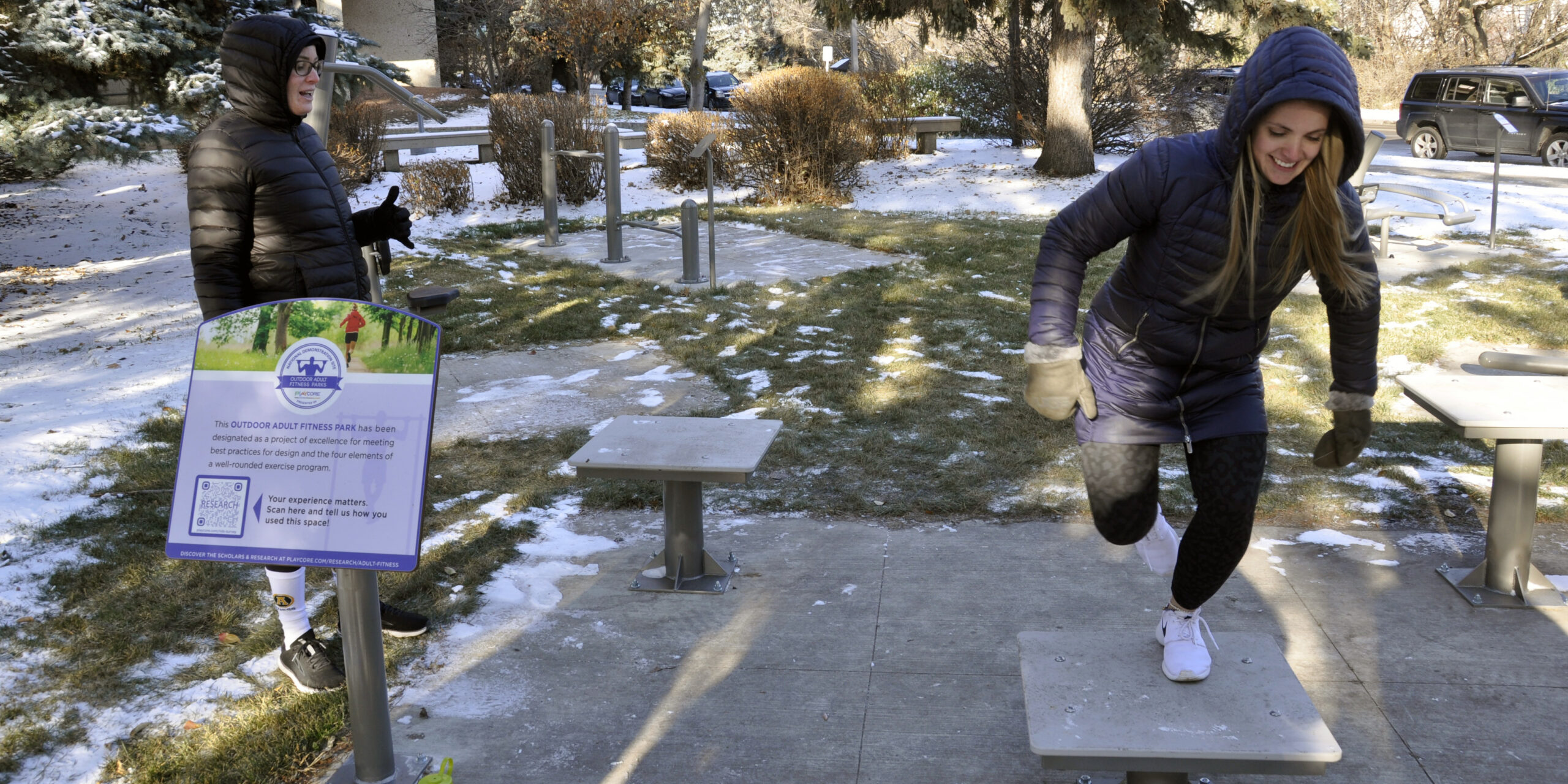
Indoor training keeps you fit, but outdoor winter exercise builds mental toughness you can’t replicate under fluorescent lights. Edmonton’s winter athletes know the satisfaction of completing a River Valley run at minus twenty. The trick is proper preparation and realistic expectations.
Essential Winter Workout Gear
Layering becomes science in Edmonton winters. Your base layer manages moisture – merino wool or synthetic materials only. Cotton kills performance by trapping sweat against skin. Mid-layers provide insulation without bulk. Outer shells block wind while allowing vapor escape.
Head and extremities need special attention. You lose 40% of body heat through an uncovered head. Thin merino beanies fit under helmets for cycling. Buff neck warmers provide versatile coverage. For hands, layer thin liner gloves under insulated mittens. Remove mittens for phone use without exposing skin.
Footwear makes or breaks winter workouts. Running shoes need aggressive tread patterns or traction devices. YakTrax or Kahtoola microspikes grip ice effectively. Local running stores like The Tech Shop (10336 124 Street) and Fast Trax (8115 104 Street) stock winter-specific options. Budget $30-60 for quality traction aids.
Visibility gear becomes mandatory when sunset hits before 5pm. Reflective vests cost under $20. LED armbands provide active lighting. The Running Room locations sell affordable safety gear year-round.
River Valley Trails That Stay Maintained
City of Edmonton maintains select River Valley trails throughout winter. These routes see regular plowing and sanding, though conditions vary daily. Check Edmonton’s winter trail maintenance map for current status.
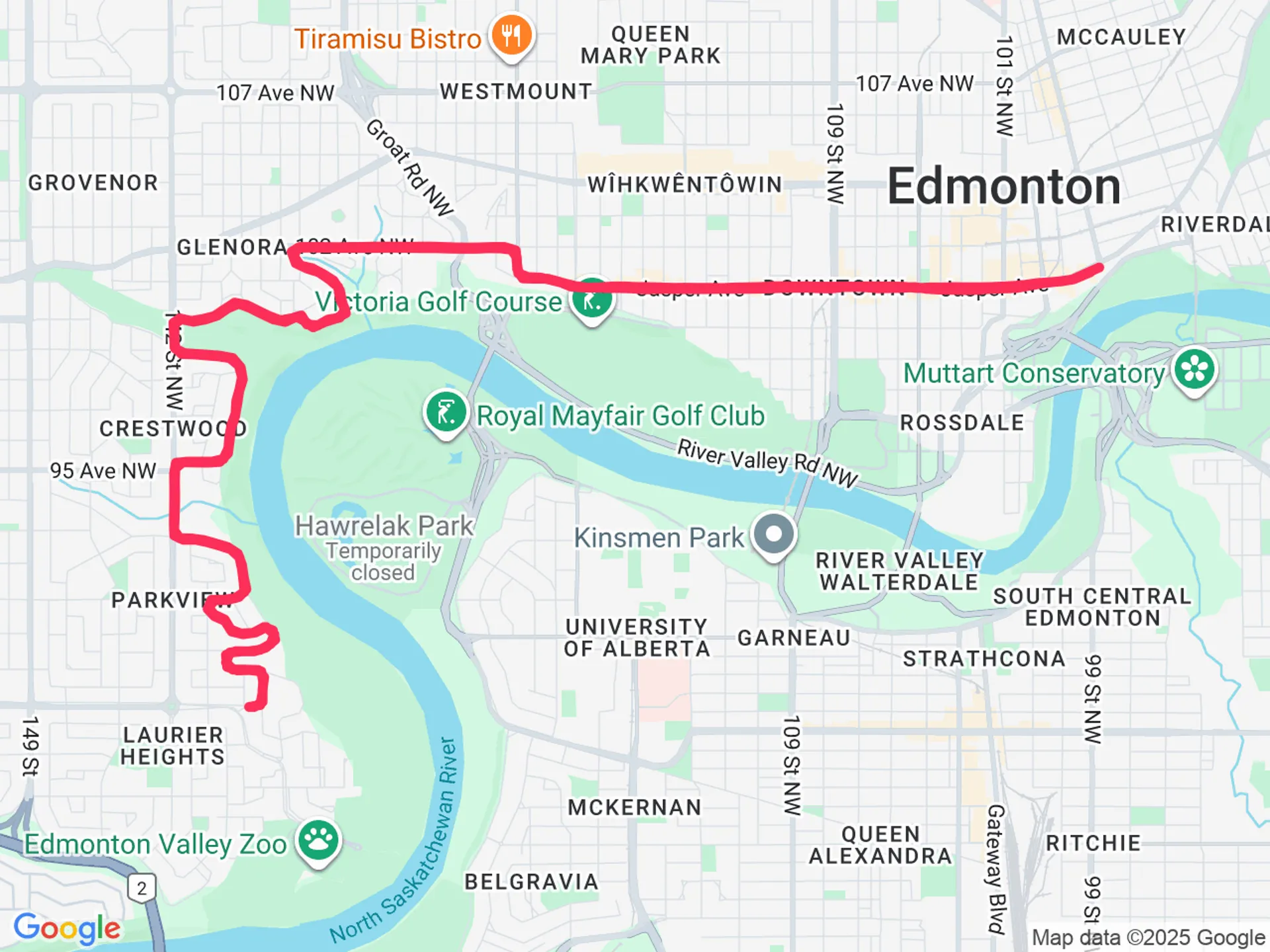
Victoria Park to Kinsmen loop (4.5km) stays most reliable. The path width accommodates both directions without stepping into snow banks. Parking at Victoria Park fills on sunny weekend afternoons. Early mornings offer solitude.
Terwillegar Park trails attract fat bikers and runners equally. The main 5km loop gets groomed for classic skiing when snow depth allows. Side trails become challenging but rewarding for those seeking elevation. The off-leash area stays busy – expect dogs.
Mill Creek Ravine offers shelter from wind. The paved multi-use trail from 82 Avenue to Whyte Ave spans 4km one way. Bridges ice up first – approach with caution. The ravine creates its own microclimate, often 5 degrees warmer than exposed areas.
Alternative Outdoor Activities
Running and cycling don’t appeal to everyone in winter. Edmonton offers numerous alternatives for staying active during winter months without traditional workouts.
Outdoor skating provides excellent cardio with lower impact than running. Hawrelak Park hosts five rinks including a 3km skating trail through the forest. Free admission, skate rentals available. Victoria Park oval spans 400m for speed skating training. Community rinks in Rundle Park and Laurier Park stay less crowded.
Cross-country skiing burns more calories than any other winter sport. Goldbar Park and Capilano Park maintain groomed trails. Equipment rentals run $25-35 daily from Mountain Equipment Co-op or United Cycle. Lessons through River Valley Programs teach efficient technique.
Snowshoeing requires minimal skill and equipment. Any River Valley trail becomes accessible with snowshoes. Budget models cost $100-150 at Canadian Tire or Costco. Higher-end options from Atmosphere provide better flotation and grip.
Home Workout Solutions for Extreme Weather Days
Some days, minus forty windchill makes any outdoor activity dangerous. Home workouts fill the gap when venturing out becomes unreasonable. Building an effective home routine requires minimal equipment and maximum creativity.
Building Your Winter Home Gym
Start with versatility over specialization. Adjustable dumbbells ($200-400) replace entire weight racks. Resistance bands ($30-50 for sets) provide variable tension for strength training. A quality yoga mat ($40-80) creates defined workout space.
For cardio, consider compact options. Jump ropes work in small spaces. Mini trampolines or rebounders provide low-impact alternatives. Stationary bikes fit most condos – check Facebook Marketplace for deals as people abandon New Year’s resolutions by February.
Tech integration keeps home workouts engaging. Fitness apps like Peloton Digital ($12.99/month) offer structured classes without equipment requirements. YouTube channels provide free content but lack progression planning. Apple Fitness+ integrates with watches for real-time feedback.
Effective Bodyweight Routines
Bodyweight training eliminates equipment excuses. Circuit training maintains heart rate while building strength. Try this winter maintenance routine three times weekly:
- Warm-up: 5 minutes of dynamic stretching
- Circuit 1: 40 seconds work, 20 seconds rest
- Burpees
- Mountain climbers
- Jump squats
- Push-ups
- Plank holds
- Rest 2 minutes, repeat circuit 3-4 times
- Cool-down: 5-10 minutes stretching
Progression comes from increasing work periods, decreasing rest, or adding rounds. Track sessions in a notebook – seeing improvement motivates consistency.
Virtual Fitness Classes and Apps
Edmonton fitness studios adapted quickly to virtual offerings. Many maintain online options alongside in-person classes.
YEG Yoga streams daily classes for $15 drop-in or $99 monthly unlimited. Local instructors understand our seasonal challenges. Morning flows help combat winter darkness.
Barre Body Studio offers live Zoom classes matching their studio schedule. The $120 monthly membership includes both online and in-person access. Equipment packages available for rent.
HIIT It YEG posts weekly workout videos focusing on minimal equipment. Their YouTube channel stays free with optional donation model. New content drops Mondays and Thursdays.
Unique Winter Fitness Options in Edmonton
Beyond traditional fitness approaches, Edmonton offers distinctive ways to stay active that embrace rather than endure winter conditions.
Winter Running and Walking Groups
Solo winter training tests motivation. Group accountability changes everything. November Project YEG meets year-round at 6:27am Wednesdays regardless of weather. Free workouts rotate between stairs, hills, and circuits. The community aspect keeps people showing up at minus thirty.
Running Room locations host free group runs Wednesdays (6:30pm) and Sundays (8:30am). Pace groups accommodate all speeds. The Whyte Ave location draws the largest winter crowds. Post-run coffee becomes tradition.
Edmonton Nordic Walking Club meets Saturday mornings at various River Valley locations. Nordic poles provide stability on ice while engaging upper body muscles. Loaner poles available for newcomers. Annual membership costs $25.
Indoor Track and Pool Options
When outdoor running becomes treacherous, indoor tracks provide consistent surfaces. Kinsmen Sports Centre (9100 Walterdale Hill) features a 400m track overlooking the river. Day passes cost $8.75, monthly passes $57. Peak times include lunch hours and 5-7pm weekdays.
Saville Community Sports Centre (11610 65 Avenue) houses a 200m improved track. The facility stays quieter than Kinsmen. Student rates available with valid ID. Parking can challenge during Pandas/Bears games.
For swimming, Commonwealth Recreation Centre offers the most lanes and programs. The 50m pool maintains steady 28°C temperature. Lane swimming schedules vary – check online before arriving. Monthly passes run $57 for adults.
Climbing Gyms and Bouldering
Indoor climbing provides full-body workouts without weather concerns. Edmonton’s climbing scene expanded significantly in recent years.
Vertically Inclined Rock Gym (8523 Davies Road NW) spans 10,000 square feet with routes for all abilities. Day passes cost $20, monthly memberships $75. The facility includes training areas and yoga space. Thursday nights draw crowds for social climbing.
Boulders Climbing Gym (6520 104 Street) focuses on rope-free bouldering. The Strathcona location attracts university students with $65 student monthly rates. Problems reset weekly to maintain variety. Quietest during weekday mornings.
Rock Jungle Fitness (5120 122 Street) combines climbing with fitness classes. Their winter warrior program includes climbing instruction plus strength training. Eight-week programs run $280. Small class sizes ensure personalized attention.
Creating Your Sustainable Winter Fitness Plan
Knowledge without action accomplishes nothing. Staying active during Edmonton winter months requires planning that matches your lifestyle, not someone else’s ideal.
Setting Realistic Winter Goals
Summer fitness goals rarely translate directly to winter. Adjust expectations based on conditions and daylight. Instead of training for spring races, focus on maintaining base fitness and mental health.
Weekly movement targets work better than daily obligations. Aim for 150 minutes of activity across whatever combination suits your schedule. Three gym sessions. Five home workouts. Two long ski sessions. Mix and match based on weather and energy.
Track consistency over intensity. Winter fitness success means showing up, not setting personal records. Use simple tracking – calendar checkmarks or smartphone apps. Visible progress motivates continuation.
Scheduling Around Weather and Daylight
Darkness affects motivation more than cold. Front-load workouts when possible – morning exercise sets positive momentum regardless of sunset time. If mornings don’t work, lunch breaks offer daylight opportunities.
Build weather flexibility into plans. Schedule indoor backup options for outdoor workout days. When extreme cold warnings hit, default to indoor alternatives without guilt. Safety overrides training plans.
Batch prep for efficiency. Keep gym bags packed and ready. Lay out workout clothes the night before. Charge devices and prepare playlists ahead. Remove friction between intention and action.
Staying Motivated Through the Dark Months
February tests everyone. The novelty of winter training wears off while spring feels distant. Combat mid-winter motivation drops with variety and community.
Register for March or April events to maintain training purpose. The Hypothermic Half Marathon provides local winter racing opportunities. Indoor triathlons at Kinsmen offer unique challenges. Having finish lines creates structure.
Find training partners with similar schedules and fitness levels. Social obligation outweighs personal excuses. Local Facebook groups like YEG Run Collective connect runners for group training.
Reward consistency with non-food treats. New workout gear after a month of regular training. Massage therapy at Unity Wellness (17010 90 Avenue) for recovery. Float sessions at H2O Float Spa when you need complete relaxation. Connect to our guide on transitioning between outdoor and indoor fitness for year-round strategies.
Local Resources and Support Systems
Edmonton’s fitness community understands winter challenges. Local resources provide support beyond individual efforts.
Fitness Equipment Stores for Winter Gear
United Cycle (10802 180 Street) stocks the widest selection of winter fitness gear. Staff actually use the equipment they sell. Price match guarantees competitive rates. Their winter clearance in March offers next year’s preparation opportunities.
Fast Trax Run & Ski (8115 104 Street) specializes in winter running gear. Gait analysis helps select appropriate footwear for winter conditions. They maintain demo programs for expensive items like GPS watches.
MEC Edmonton (10951 170 Street) provides quality outdoor gear with knowledgeable staff. Their gear swap events offer budget-friendly options. Membership ($5 lifetime) unlocks member pricing and gear rentals.
Personal Trainers Specializing in Winter Fitness
Professional guidance accelerates progress and ensures safety. Edmonton trainers who understand winter limitations provide realistic programming.
Evolve Strength operates multiple locations with trainers experienced in seasonal programming. They offer specific winter conditioning programs focusing on maintaining muscle mass when outdoor activities decrease. Sessions run $65-85 hourly.
SVPT Fitness & Athletics (10020 101A Avenue) creates individualized programs accounting for limited daylight and weather restrictions. Their small group training ($40 per session) provides cost-effective expert guidance.
Independent trainers often provide better value. Check City of Edmonton recreation centres for certified trainers offering reasonable rates. Many provide online programming for home workout accountability.
Health Services Supporting Winter Activity
Injury prevention becomes important when surfaces turn slippery. Local health providers understand winter-specific concerns.
Leading Edge Physiotherapy (multiple locations) treats common winter injuries from falls to overuse. Direct billing simplifies insurance claims. Their RunLab program analyzes gait for injury prevention.
Corona Station Physical Therapy (8123 102 Street) offers specialized programs for winter athletes. Their infrared sauna aids recovery when outdoor cold water therapy becomes impossible. Coverage varies by insurance plan.
Massage therapy supports winter training recovery. Elements Physical Therapy & Wellness (multiple locations) combines treatment with education. Regular maintenance prevents minor issues from becoming major injuries. If you’re dealing with seasonal mood challenges, check our article on getting enough vitamin D during Edmonton winters.
Making Winter Fitness Work Long-Term
Surviving one Edmonton winter doesn’t guarantee success the next. Building sustainable habits requires understanding patterns and planning accordingly.
Learning from Past Winter Fitness Failures
Most people abandon winter fitness plans by January’s end. Common failure points include unrealistic goals, lack of variety, and inadequate gear. Analyze previous winters honestly – what worked and what didn’t.
Over-committing early leads to burnout. Starting with three weekly workouts beats planning daily sessions you’ll miss. Build momentum gradually rather than shocking your system.
Equipment failures derail motivation quickly. Invest in quality basics rather than quantity. One excellent winter jacket outperforms three mediocre layers. Proper footwear prevents injuries that sideline training completely.
Building Year-Round Fitness Habits
The strongest winter athletes train year-round with seasonal adjustments. Use our guide to summer outdoor fitness classes in Edmonton to maintain momentum when weather improves.
Transition periods matter most. October preparation prevents November shock. March planning enables smooth shifts to outdoor training. Mark calendar reminders for gear checks and goal adjustments.
Document what works for future reference. Simple notes about successful workout times, effective layering combinations, and motivating locations. Your personal data beats generic advice.
Connecting with Edmonton’s Fitness Community
Isolation makes winter fitness harder than necessary. Edmonton’s active community provides support, accountability, and friendship through dark months.
Social media groups connect like-minded athletes. Search Facebook for activity-specific groups: YEG Runners, Edmonton Cycling Community, Edmonton Women Who Walk. Instagram hashtags like #YEGfit and #YEGrun showcase local inspiration.
Strava segments gamify winter training. Local athletes create Edmonton-specific challenges on popular routes. The Strava Edmonton Running Club shares weekly challenges and meetup information.
Workplace wellness programs often subsidize fitness memberships or organize group activities. Check with HR about available benefits. Many Edmonton employers partner with local gyms for corporate rates.
Sources & References
Related Reading
- How to Stay Motivated to Exercise in Edmonton (Yes, Even in February)
- How to Transition Outdoor Fitness Indoors During Smoke Season:…
- How to Prevent Running Injuries in Edmonton’s Climate: A…
Frequently Asked Questions
What temperature is too cold for outdoor exercise in Edmonton?
Environment Canada issues extreme cold warnings when temperatures drop below -30°C. Most fitness professionals recommend moving workouts indoors when windchill hits -25°C or below. Personal tolerance varies, but exposed skin freezes in under 10 minutes at these temperatures. The Kinsmen Sports Centre and Commonwealth Recreation Centre offer affordable drop-in rates for track access during extreme cold snaps.
How do I prevent slipping on ice during winter runs?
Traction devices like Yaktrax Pro ($40) or Kahtoola MICROspikes ($70) provide essential grip on icy surfaces. The Running Room on Whyte Ave stocks multiple options and staff can recommend based on your typical routes. Adjust your running form too – shorter strides, slight forward lean, and arms out for balance. Mill Creek Ravine and maintained River Valley trails receive regular sanding but always assume ice exists.
What’s the best time of day to exercise outdoors in Edmonton winter?
Midday between 11am and 2pm offers peak temperatures and maximum daylight. Weekend mornings after 9am work well as trails get busier and feel safer. Sunset happens as early as 4:15pm in December, so evening workouts require quality lighting. Compare seasonal running routes using our summer versus winter running guide to plan accordingly.
Should I join a gym just for winter months?
Many Edmonton gyms offer flexible monthly memberships without long-term contracts. GoodLife Fitness and Anytime Fitness allow month-to-month options after initial terms. City of Edmonton facilities sell three-month passes at discounted rates. Calculate the cost against drop-in fees – if you’ll visit twice weekly, monthly passes usually save money. The YMCA Don Wheaton includes childcare in membership fees, adding value for parents.
How do I stay motivated when I can’t see fitness progress during winter?
Winter fitness goals should focus on maintenance and mental health rather than performance gains. Track consistency instead of speed or strength improvements. The November Project YEG meets regardless of weather and their community accountability helps many stay consistent. Register for early spring events like the Sinister 7 relay to maintain training purpose. Book regular float therapy sessions or infrared sauna visits as rewards for consistency – both aid recovery while providing mood boosts during dark months.