Can you walk to fitness classes on 124 Street in Edmonton? For most of the corridor between Jasper Avenue and 111 Avenue, yes. You can park the car for the day and get to a workout in under ten minutes on foot. That is not the norm here. Edmonton is built around driving, and most neighborhoods force a car trip for anything beyond the nearest grocery store. 124 Street is one of the exceptions. It is one of the only strips in the city where you can string together a yoga class, a pilates studio, a boutique gym, and a coffee stop into one walkable loop, even in January. This guide breaks down exactly what is walkable, what is not, and how to make it actually work through a real Edmonton winter.
Last reviewed:
What Walkable Actually Means on 124 Street
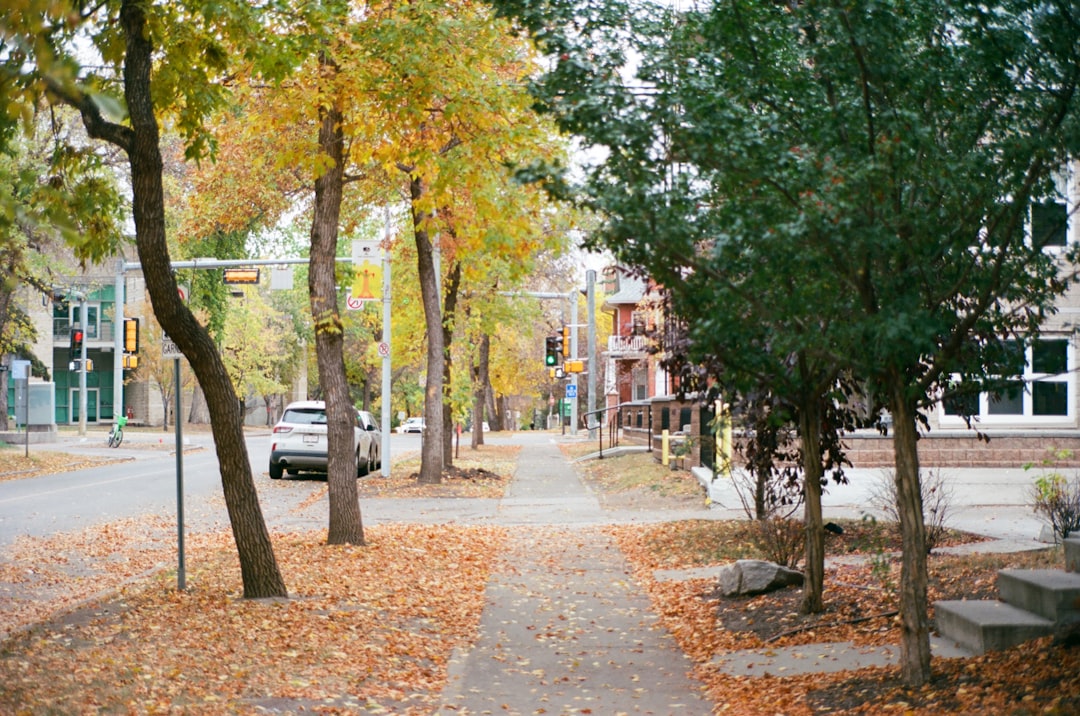
Before mapping out studios, it helps to define the term. Urban planners generally treat a five to ten minute walk, roughly 400 to 800 metres, as comfortable for daily errands. Anything past a 15 minute walk starts to feel like a chore, especially once the temperature drops. 124 Street works because it packs a dense mix of studios, cafes, and shops into a corridor that is short enough to cross end to end without much effort.
The Numbers: Distance, Time, and What Counts as Walkable
124 Street runs roughly 1.5 kilometres from Jasper Avenue north to 111 Avenue, the stretch most people mean when they talk about the 124 Street District. Walked at a normal pace, that whole distance takes about 18 to 20 minutes. In practice, nobody walks the full length just to get to a class. Most residents live within three or four blocks of a studio, which puts the actual walk closer to five to eight minutes. That is short enough to skip the car entirely, even for a 6 a.m. class. The City of Edmonton’s complete streets framework specifically prioritizes corridors like this one, designing streets for pedestrians and cyclists rather than treating cars as the only users worth planning for.
Neighborhood Wellness Guides Local Discovery covers this in more detail.
How Edmonton Winter Changes the Walking Math
An eight minute walk in July is a different animal in January. Edmonton averages daytime highs around -8°C in January, but wind chill on an open avenue like 124 Street can push the felt temperature well below -20°C on a bad day. Alberta Health Services notes that exposed skin can develop frostbite in under 30 minutes at wind chills in that range, and faster if the wind is sustained. That does not make walking to a class impossible. It means you plan for it, dress for it, and accept that a five minute walk in summer might feel like a ten minute ordeal in a January windchill warning. More on that later in this guide.
How To Plan A Neighborhood Wellness Tour In Edmonton covers this in more detail.
Mapping the Studios You Can Actually Walk To
The honest answer to whether you can walk to fitness classes on 124 Street depends on exactly where you live along the strip. Split the corridor into three rough zones and the picture gets much clearer.
The Core Stretch: Jasper Avenue to 102 Avenue
This southern end sits closest to Oliver and downtown, and it carries the highest concentration of options. Expect a mix of boutique studios (think small-group pilates and yoga rooms), a chain gym or two, and martial arts or dance studios tucked into converted storefronts. If you live in one of the newer condo buildings near Jasper Avenue and 124 Street, you are typically a five minute walk from at least two or three fitness businesses. Parking is tighter here because it overlaps with Oliver’s dinner and shopping crowd, which is exactly the kind of trade-off worth understanding before you commit to a membership in this zone.
Free Wellness Resources Edmonton Apps Local Community covers this in more detail.
North of 102 Avenue: The Arts District Blocks Toward 111 Avenue
Keep walking north and the strip shifts into the heart of the arts and culture district, home to the summer 124 Grand Market and most of the independent galleries and boutiques that give the street its identity. Fitness-wise, this stretch tends to skew toward smaller, owner-operated studios rather than big chains. Density is lower per block than the Jasper Avenue end, but the sidewalks are wider, quieter, and generally better maintained in winter because of steady foot traffic and business association upkeep. If you live in Westmount or Grovenor just off the strip, this is your zone.
What Wellness Amenities Does Your Edmonton Neighborhood Have covers this in more detail.
What Sits Just Outside Comfortable Walking Range
Not everything with a 124 Street address is actually walkable from a given point on the strip. Anything north of 111 Avenue toward Kingsway, or businesses that use 124 Street in their name but sit a few blocks off the main line, can turn into a 20 to 25 minute walk. That is still doable in July. In February, with an early sunset and icy side streets, it stops being convenient and starts being a reason to skip the class. For that outer edge, biking or a short transit hop closes the gap better than walking does.
Why 124 Street Became Edmonton’s Most Walkable Fitness Strip
124 Street did not become pedestrian-friendly by accident. It is a product of specific zoning and business decisions that most Edmonton commercial strips do not have.
Mixed-Use Zoning and the Business Association Effect
Unlike suburban power centers such as Windermere or South Edmonton Common, where every business sits behind its own parking lot, 124 Street allows ground-floor retail and studios with residential units stacked above. That mixed-use pattern shortens the distance between where people sleep and where they exercise. The 124 Street Business Association also actively markets the strip as a walkable district, coordinating events, sidewalk maintenance, and lighting in a way that a scattered suburban strip mall simply does not bother with. For a broader look at how neighborhood layout shapes access to wellness services across the city, our guide to what wellness amenities your Edmonton neighborhood actually has breaks down the pattern block by block.
Comparing 124 Street to Whyte Avenue, Oliver, and Downtown
124 Street is not the only walkable strip in the city, but it holds its own against the more famous options. The table below compares it to three other corridors people commonly ask about.
| Corridor | Fitness studio density | Parking difficulty | Transit access |
|---|---|---|---|
| 124 Street | Moderate to high, concentrated in short blocks | Moderate, tighter near Jasper Avenue | Good, multiple ETS routes |
| Whyte Avenue / Old Strathcona | High, but spread over a longer strip | Difficult, especially during Fringe and Folk Fest weekends | Excellent, near University of Alberta |
| Downtown / Jasper Avenue core | High, mostly chain gyms in office towers | Expensive, metered | Excellent, LRT access |
| Windermere | Low, spread across car-oriented power centers | Easy, large surface lots | Limited, infrequent routes |
The takeaway: 124 Street trades some of Whyte Avenue’s sheer volume of options for shorter blocks and less parking chaos. It is not trying to be Old Strathcona. It is a quieter, more residential version of the same walkable idea. For a full neighborhood-by-neighborhood breakdown of how these corridors stack up, see our neighborhood wellness guides and local discovery hub.
The Real Trade-Offs of Walking Versus Driving to Class
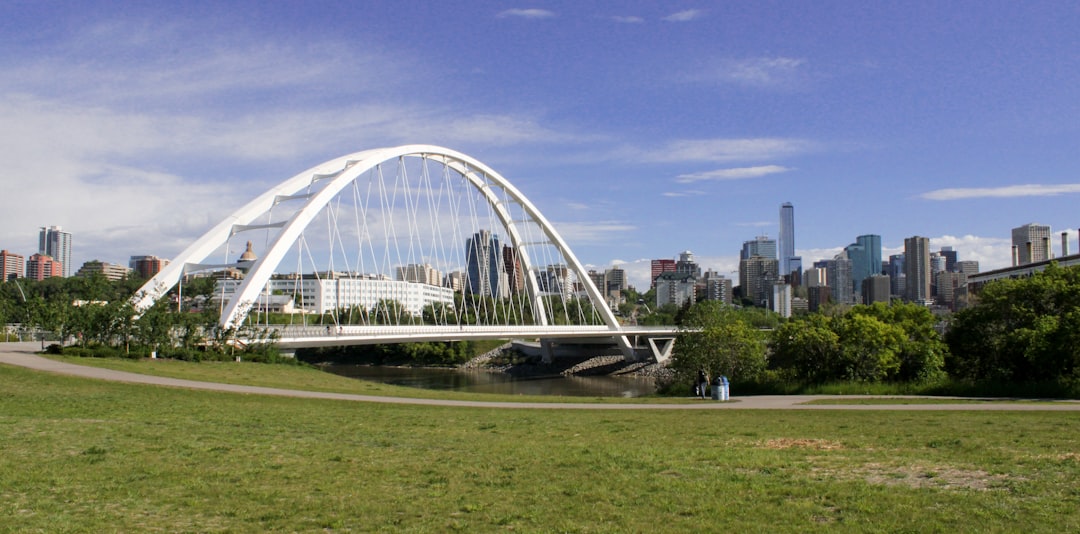
Walking to a fitness class on 124 Street is not automatically the better option every time. It depends on the season, the time of day, and how far off the strip you actually live.
Parking Reality on 124 Street
Street parking along the main strip is mostly metered during business hours, with typical rates in the two to three dollar per hour range depending on the block. Side streets one block off 124 Street often offer free two-hour parking, which works fine for a single class but not for an all-day errand run. Compare that to Whyte Avenue during a festival weekend, where finding any spot within four blocks can eat 15 minutes on its own. On 124 Street, a five minute walk usually beats circling for parking, even before you factor in the meter.
Transit and Biking as the Middle Ground
If you live too far to walk comfortably, Edmonton Transit Service routes run along or near 124 Street, connecting to the broader downtown and Oliver network without requiring a car. The corridor also has marked bike lanes for warmer months, and it connects fairly easily to the river valley trail network via Groat Road, which opens up a longer active commute for anyone training for something bigger than a gym membership. If outdoor training is more your speed once the snow clears, our guide to outdoor fitness classes in Edmonton summer covers where to take that indoor-winter routine outside.
Making Walkable Fitness Work Through an Edmonton Winter
This is the part most guides skip. Anyone can walk to a yoga class in July. The real test of whether 124 Street is actually walkable is whether you will still do it in February.
Sidewalk and Ice Conditions to Expect
Business-district sidewalks in Edmonton generally get cleared faster than residential side streets, since commercial property owners are on a stricter clearing timeline. That said, freeze-thaw cycles are common in an Edmonton winter, and a sidewalk that was clear at 8 a.m. can turn to sheet ice by 4 p.m. once the sun sets. Budget an extra two or three minutes for a short walk in winter and wear boots with actual tread, not the fashion boots that look fine but slide on packed snow.
A Short Winter Walk Checklist
- Check the wind chill, not just the temperature, before you leave
- Layer with a wind-resistant outer shell, even for a five minute walk
- Wear boots with real grip, and consider ice cleats for the worst weeks of January
- Carry your phone somewhere warm, cold kills battery life fast
- Leave a few extra minutes so you are not rushing on icy sidewalks
When It Is Fine to Just Drive
Some days, walking to a class on 124 Street is not worth the hassle. Extreme cold warnings, freezing rain, or a 6 a.m. class before the sidewalks get plowed are all reasonable reasons to drive the six blocks instead of walk them. There is no prize for suffering through a windchill warning to prove a point. Drive, park on the side street, and save the walk for a milder day.
Building a Walkable Fitness Routine on 124 Street

Once you know which studios sit within an easy walk of your specific block, the next step is building a routine that actually uses that proximity instead of defaulting back to the car out of habit.
A Sample Weekly Loop
A realistic week might look like this: an early yoga class Monday, a short walk to the farmers market or a stretch session Wednesday when the 124 Grand Market runs through summer, a pilates or strength class Friday, and a longer weekend session at a gym further up the strip. None of these individual walks needs to exceed ten minutes if you have chosen studios within the core zones described earlier. For a more structured approach to sampling multiple studios across a neighborhood before committing to a membership, our piece on how to plan a neighborhood wellness tour in Edmonton walks through exactly that process.
Combining Studios for Cross-Training Without a Car
Walkability also opens the door to cross-training without adding driving time. A short walk between a strength studio and a yoga room means you can mix modalities across the week instead of sticking to one gym out of convenience. Tracking those walks and workouts is easier with a few free tools rather than another paid app subscription. Our roundup of free wellness resources, apps, and local community options in Edmonton covers a handful worth trying before you pay for anything.
According to the CDC’s physical activity guidelines, adults benefit from roughly 150 minutes of moderate activity a week, and walking counts toward that total the same as a dedicated workout does. A ten minute walk to class and back, done four or five times a week, adds up to real minutes on that ledger without feeling like a separate task on the calendar. Statistics Canada’s ongoing research on active transportation also points to walkable, mixed-use corridors as one of the more reliable ways to increase incidental daily activity, which is exactly the role 124 Street plays for the people who live along it.
Related Articles
- Best Massage Therapy in Whyte Avenue Edmonton: Your Complete Guide to Old Strathcona’s Top Clinics
- Best Yoga Studios Near Oliver Edmonton With Parking: A Local’s Guide to Stress-Free Practice
- Best Salt Caves and Float Therapy Near West Edmonton Mall: A Local’s Guide to Deep Relaxation
Sources & References
Find Trusted Wellness Spots in Edmonton
Browse our independent guide to Edmonton’s spas, fitness studios, and wellness services. Local. Honest. Free.
Frequently Asked Questions
Can you actually walk to fitness classes on 124 Street in winter
Yes, for most of the corridor between Jasper Avenue and 102 Avenue, where blocks are short and sidewalks get cleared quickly. Dress in real winter layers, check the wind chill before you leave, and add a couple of extra minutes for icy stretches. On extreme cold warning days, drive instead. There is no need to prove a point at -30°C.
Which part of 124 Street has the most fitness studios within walking distance
The stretch between Jasper Avenue and 102 Avenue carries the highest density of gyms, boutique studios, and dance or martial arts spaces. North of that, toward the arts district blocks approaching 111 Avenue, studios thin out but sidewalks tend to be quieter and better maintained. Anything past 111 Avenue usually needs a bike or a short bus ride instead of a walk.
Is parking difficult on 124 Street
It is moderate, not brutal. Main-strip parking is metered during business hours at roughly two to three dollars an hour, while side streets one block off often have free two-hour parking. It is nowhere near as competitive as Whyte Avenue during Fringe or Folk Fest weekends, so a short walk from a side-street spot usually beats circling for something closer.
What transit options serve 124 Street for fitness classes
Edmonton Transit Service routes run along and near the corridor, connecting to downtown and the broader Oliver network, which makes transit a reasonable backup for anyone living just outside comfortable walking range. Marked bike lanes also serve the strip for warmer months, with a connection into the river valley trail system via Groat Road for longer active commutes.
Is 124 Street more walkable than Whyte Avenue for fitness classes
They serve slightly different purposes. Whyte Avenue and Old Strathcona have a higher total number of studios spread across a longer strip, but 124 Street packs its options into tighter blocks with less parking competition and a quieter, more residential feel. If you already live within a few blocks of 124 Street, the shorter walk usually wins over Whyte Avenue’s larger but more spread-out selection.