Walking into your first acupuncture appointment in Edmonton can feel like stepping into unknown territory. You’re lying on a table while someone places tiny needles in your skin. It sounds medieval, but thousands of Edmontonians swear by it for everything from chronic pain to stress management. The key to a successful first session isn’t just finding the right practitioner. It’s knowing how to prepare for your first acupuncture appointment so you get the most from your investment.
Last reviewed:
Edmonton has over 200 registered acupuncturists spread across the city, from trendy Whyte Ave clinics to traditional Chinese medicine centers in Chinatown. Prices range from $80 to $150 per session, with many insurance plans covering a portion. But before you book that appointment, there are specific steps you should take to ensure your body and mind are ready for the treatment.
This guide walks you through exactly what to do in the days and hours before your appointment, what happens during the session, and how to maximize the benefits afterward. We’ll cover everything from what to eat (and what to avoid) to parking tips at popular Edmonton clinics.
Understanding What Acupuncture Actually Does

Before diving into preparation, let’s clear up what acupuncture involves. Traditional Chinese Medicine practitioners believe acupuncture balances your body’s energy flow, or qi. Western medicine takes a different view. Mayo Clinic’s acupuncture overview suggests the needles stimulate nerves, muscles, and connective tissue, potentially boosting your body’s natural painkillers.
Best Acupuncture Clinics In Edmonton By Neighborhood covers this in more detail.
Common Conditions Treated in Edmonton
Edmonton acupuncturists see patients for a wide range of issues. The most common include:
guide to services covers this in more detail.
- Chronic pain – especially lower back pain from long commutes or desk work
- Headaches and migraines – often triggered by our extreme temperature swings
- Stress and anxiety – particularly during our long, dark winters
- Digestive issues – IBS and acid reflux are frequent complaints
- Fertility support – many clinics near the University area specialize in this
- Seasonal allergies – prairie grass and poplar fluff season hits hard here
Your specific condition affects how you should prepare. Someone seeking stress relief needs different preparation than someone addressing chronic knee pain from years of River Valley running.
What to Expect During Treatment
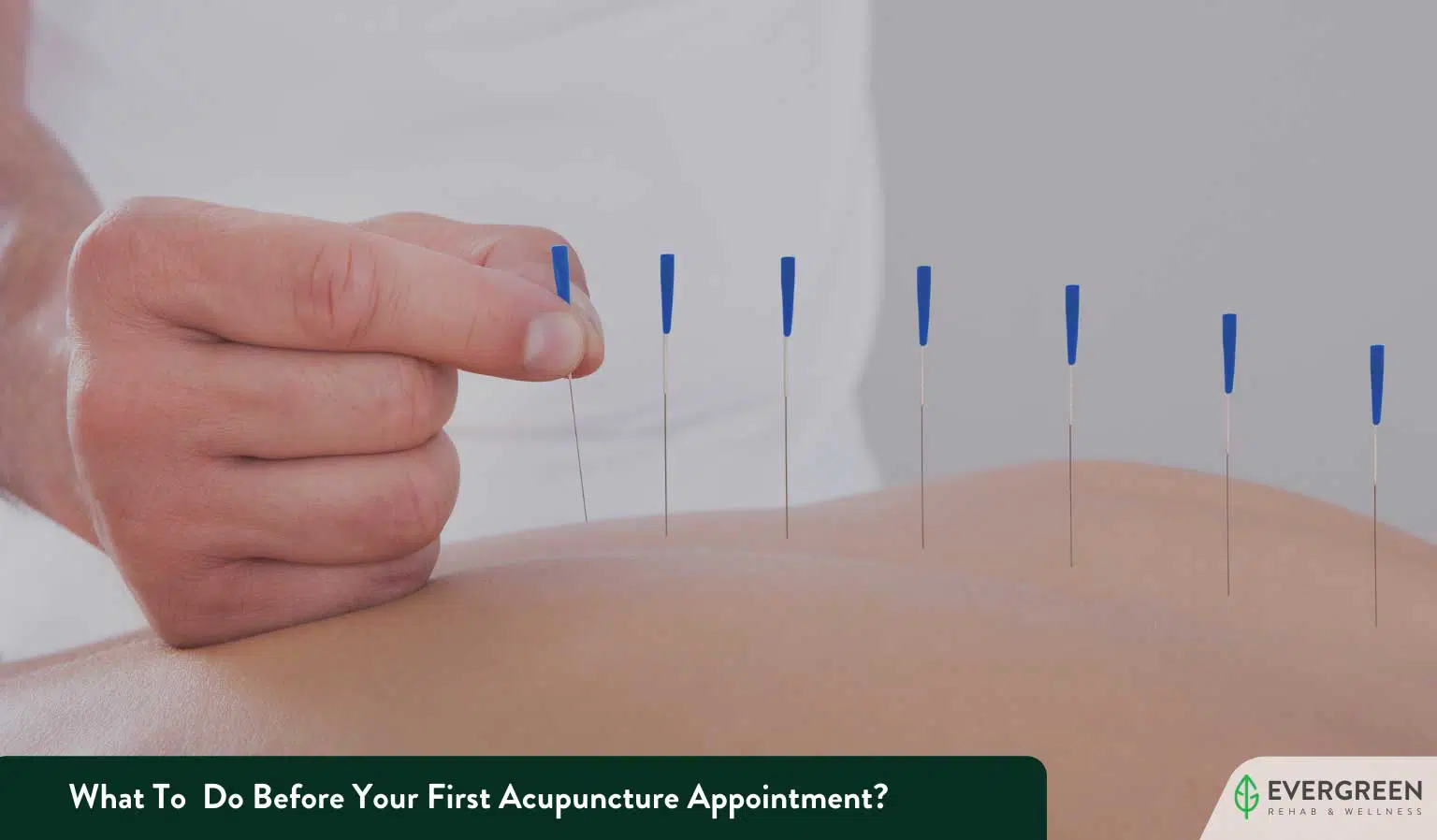
A typical first appointment in Edmonton runs 60-90 minutes. Your practitioner will spend 20-30 minutes discussing your health history and current concerns. They’ll check your tongue and pulse – standard diagnostic tools in Traditional Chinese Medicine. The actual needle insertion takes about 10 minutes, followed by a 20-40 minute rest period while the needles do their work.
Most people feel minimal discomfort. You might experience a dull ache, tingling, or warmth around needle sites. Some clinics play relaxing music or use heat lamps during winter months. Many patients fall asleep during treatment, especially in the cozy rooms at clinics along 124 Street.
Choosing Between Different Acupuncture Styles
Edmonton practitioners use various approaches. Traditional Chinese Medicine (TCM) acupuncture follows classical meridian theory. Japanese-style uses thinner needles and gentler techniques. Dry needling targets trigger points for musculoskeletal issues – popular with sports medicine clinics near Kinsmen Sports Centre.
Some practitioners combine acupuncture with other treatments. Cupping, gua sha, and electro-acupuncture are common add-ons. Ask about these when booking, as they might require different preparation.
Pre-Appointment Preparation: The Week Before
Proper preparation starts several days before your appointment. Your body needs time to adjust, especially if you’re new to acupuncture or dealing with chronic conditions. Edmonton’s variable weather adds another layer – preparing for treatment during a -30°C cold snap differs from preparation during our brief summer.
Hydration and Diet Adjustments
Start increasing your water intake 3-4 days before treatment. Aim for 2-3 liters daily. Well-hydrated tissue responds better to needle insertion and helps your body process the treatment. This is especially important during winter when indoor heating dries us out.
Avoid making drastic diet changes right before treatment. Your practitioner needs to see your baseline state. However, reducing alcohol and caffeine intake 2-3 days prior helps. Many Edmonton acupuncturists report better results when patients limit their Tim Hortons runs before appointments.
Continue taking prescribed medications unless your acupuncturist specifically advises otherwise (with your doctor’s approval). Track any supplements you’re taking – bring a list to your appointment.
Sleep and Stress Management
Aim for 7-8 hours of sleep the nights before treatment. Exhausted bodies don’t respond as well to acupuncture. If you’re dealing with insomnia (common during our long summer days), mention this when booking – morning appointments might work better.
Reduce stressful activities where possible. If you’re preparing for treatment during busy times – like Fringe Festival week or holiday shopping season at West Edmonton Mall – build in extra downtime. Simple walks along the River Valley trails can help calm your system.
Exercise and Physical Activity
Maintain your normal exercise routine but avoid intense workouts 24 hours before treatment. Light activities like yoga or walking are fine. If you’re a regular at the downtown YMCA or GoodLife locations, schedule acupuncture on rest days.
For athletes preparing for events like the Edmonton Marathon, discuss timing with your practitioner. Many work with runners and understand training schedules. Some clinics near Running Room locations specialize in sports acupuncture.
Day-Of Preparation: Getting Ready

The day of your appointment requires specific preparation steps. Following these guidelines helps ensure a comfortable, effective treatment. Edmonton traffic and weather can add stress, so plan accordingly.
What to Eat and When
Eat a light meal 1-2 hours before your appointment. An empty stomach can cause dizziness during treatment, while a heavy meal might make lying down uncomfortable. Good options include:
- Oatmeal with fruit – sustaining without being heavy
- Toast with almond butter – provides steady energy
- Small portion of rice with vegetables – easy to digest
- Smoothie with protein powder – if you prefer liquids
Avoid these foods 3-4 hours before treatment:
- Spicy foods – can affect pulse reading and cause discomfort
- Heavy meats – take longer to digest
- Sugary snacks – cause energy crashes during treatment
- Alcohol or caffeine – interfere with relaxation
Bring a water bottle. Many clinics have water stations, but having your own ensures you stay hydrated, especially if you’re traveling from suburbs like Sherwood Park or Windermere.
Clothing and Personal Care
Wear loose, comfortable clothing that easily rolls up past elbows and knees. Common acupuncture points are on lower legs and forearms. Avoid tight jeans or clothing with complicated fastenings. Layers work well for Edmonton’s temperature swings – you might be cold walking from the parkade but warm in the treatment room.
Skip perfume, cologne, or strongly scented lotions. Many clinics request this to accommodate sensitive patients. Remove jewelry that might interfere with treatment areas – watches, ankle bracelets, and tight rings should come off.
Shower before your appointment but skip heavy moisturizers on areas likely to receive needles. Clean skin helps prevent infection and allows better needle grip.
Timing and Logistics
Plan to arrive 15 minutes early for paperwork. First-time patients typically fill out health history forms. Rushing raises stress levels and blood pressure, potentially affecting treatment.
Consider Edmonton traffic patterns. Appointments during rush hour require extra travel time. Whyte Ave clinics get congested on weekends. Downtown locations might have limited street parking – budget for parkade fees ($3-5 per hour in most areas).
Turn off your phone or switch to airplane mode. The treatment works best when you’re fully relaxed. Let family or work know you’ll be unreachable for 90 minutes.
Winter appointments require extra planning. Allow time to warm up after walking from parking. Remove heavy boots and winter gear – most clinics have storage areas. Some practitioners on Jasper Avenue validate parking to help with winter accessibility.
During Your Appointment: Making the Most of Treatment
Your first acupuncture session sets the tone for future treatments. Knowing what to expect and how to communicate with your practitioner improves outcomes. Edmonton acupuncturists appreciate informed, engaged patients.
Initial Consultation Tips
Be honest and thorough during the intake interview. Your practitioner needs complete information to create an effective treatment plan. Common topics include:
- Current symptoms – describe location, intensity, and triggers
- Medical history – surgeries, chronic conditions, medications
- Lifestyle factors – sleep, diet, exercise, stress levels
- Treatment goals – pain relief, stress reduction, improved energy
Mention any concerns about needles. Experienced practitioners can use thinner needles or fewer points for anxious patients. Many Edmonton clinics see needle-phobic patients and have strategies to help.
Ask questions about the treatment plan. How many sessions might you need? What results should you expect? Are there lifestyle changes that support treatment? Alberta Health Services’ complementary therapy guidelines recommend understanding your treatment timeline.
During Needle Insertion
Communicate throughout the process. Tell your practitioner if you feel sharp pain, extreme discomfort, or dizziness. Mild sensations are normal – sharp, shooting pain isn’t. Most people describe insertion as a tiny pinch or nothing at all.
Common sensations during treatment include:
- Heaviness around needle sites
- Warmth or mild tingling along meridians
- Muscle twitches when points are stimulated
- Deep relaxation or drowsiness
- Emotional release – some people cry or laugh
Focus on breathing slowly and deeply. This helps your nervous system relax and enhances treatment effects. Some practitioners guide breathing exercises, especially at stress-focused clinics in Oliver or Downtown.
Rest Period Protocol
Once needles are placed, you’ll rest for 20-40 minutes. This isn’t passive time – your body is actively responding to treatment. Stay as still as possible. Small movements are fine, but avoid repositioning that might dislodge needles.
Many people fall asleep. This is perfectly normal and often indicates deep relaxation. Practitioners typically check on you periodically. If you need anything – a blanket, pillow adjustment, or bathroom break – speak up or use the call button if provided.
Some clinics enhance the rest period with heat lamps (especially welcome during Edmonton winters), essential oils, or calming music. If these bother you, request adjustments. Your comfort matters.
Post-Treatment Care and Maximizing Benefits

What you do after acupuncture affects how well treatment works. The first 24-48 hours are particularly important. Your body continues processing the treatment long after needles are removed.
Immediate After-Care (First 2-4 Hours)
Take it easy immediately after treatment. Some people feel energized, others deeply relaxed or slightly spacey. Don’t rush back to work or strenuous activities. If possible, schedule treatments when you can go home and rest afterward.
Drink plenty of water – at least 500ml in the first hour. This helps flush metabolic waste released during treatment. Avoid alcohol for 24 hours as it can interfere with your body’s healing response.
Pay attention to how you feel. Some experience immediate relief, others notice gradual changes over several days. Keep notes about your response – this helps your practitioner adjust future treatments. Many Edmonton clinics provide tracking sheets.
Common post-treatment experiences include:
- Mild bruising at needle sites (usually fades in 2-3 days)
- Temporary fatigue as your body adjusts
- Increased urination from improved circulation
- Better sleep the night after treatment
- Emotional shifts – feeling lighter or processing stuck emotions
First 24-48 Hours Guidelines
Avoid extreme temperatures for 24 hours. Skip the hot tub at West Edmonton Mall or sauna at your gym. During winter, dress extra warmly – your body is more sensitive to cold after treatment. In summer, stay out of direct sun during peak hours.
Eat nourishing, easily digestible foods. Soup, steamed vegetables, and whole grains support your body’s healing. Avoid heavy restaurant meals or processed foods. Many patients report craving healthier foods after treatment – listen to these signals.
Gentle movement helps integrate treatment benefits. Light stretching, easy walks along Mill Creek Ravine, or restorative yoga work well. Save your CrossFit class or hockey game for 48 hours post-treatment.
Monitor any prescribed herbs or supplements from your practitioner. Traditional Chinese Medicine herbs are powerful – take them exactly as directed. Some interact with medications, so keep all your healthcare providers informed.
Long-Term Treatment Success
Acupuncture works best as part of a series. Single sessions rarely produce lasting results for chronic conditions. Most Edmonton practitioners recommend 6-8 weekly sessions initially, then spacing out based on improvement.
Track your progress between sessions. Note changes in symptoms, sleep quality, energy levels, and mood. Share these observations at follow-up appointments. Detailed feedback helps practitioners refine treatment.
Consider seasonal factors in treatment planning. Many Edmontonians benefit from increased sessions during winter months for mood support. During smoke season, respiratory-focused treatments might increase. Preparing your body for Edmonton’s extreme temperature changes can complement acupuncture treatment.
Support treatment with lifestyle changes your practitioner recommends. This might include dietary adjustments, stress reduction techniques, or specific exercises. Following through significantly improves outcomes.
Practical Considerations for Edmonton Patients
Edmonton’s unique geography and climate create specific considerations for acupuncture patients. From choosing clinic locations to timing appointments around weather, local factors matter.
Choosing Clinic Locations
Consider commute stress when selecting a practitioner. A highly-rated clinic in Windermere might not be worth the drive if you live in Castle Downs. Traffic anxiety before treatment reduces effectiveness. Our neighborhood guide to Edmonton acupuncture clinics helps you find convenient options.
Parking varies dramatically by area. Downtown and Whyte Ave clinics often require paid parking ($2-5/hour). Strip mall locations in neighborhoods like Bonnie Doon or Capilano usually offer free parking. Factor this into your budget – treatments requiring weekly visits add up.
Transit access matters during winter. LRT-accessible clinics along Jasper Avenue or near University station reduce weather exposure. Several practitioners near Century Park station cater to south-side residents avoiding winter driving.
Some clinics cluster near complementary services. The 124 Street area has acupuncturists near massage therapists and naturopaths. If you’re combining treatments, these locations save time.
Insurance and Payment Planning
Check your coverage before booking. Many Alberta employer plans cover $300-500 annually for acupuncture. Some require referrals or registered practitioner credentials. Direct billing saves upfront costs – ask when booking.
Treatment packages often reduce per-session costs. A series of 6 sessions might drop the price from $120 to $100 each. However, ensure you’re comfortable with the practitioner before committing. Most clinics allow package transfers if you need to switch practitioners.
Student clinics at MacEwan University offer reduced rates ($40-60) with supervised students. Great option for maintenance treatments or trying acupuncture affordably. Sessions take longer due to supervision requirements.
Seasonal Treatment Strategies
Winter appointments require extra preparation time. Allow 10 minutes to remove layers and warm up. Cold muscles respond differently to needles. Some practitioners pre-warm treatment rooms or use heating pads.
Summer brings different challenges. Dehydration from heat affects treatment response. Increase water intake even more during July-August. Sweat can make needle retention difficult – mention if you run hot.
Smoke season (increasingly common in August-September) affects breathing and energy. Treatments might focus more on lung support. Indoor air quality varies by clinic – newer buildings in areas like Windermere often have better filtration.
Seasonal Affective Disorder peaks January-March. Many practitioners offer specific protocols for mood support during dark months. Combining acupuncture with light therapy or vitamin D often helps. The services section of our guide lists practitioners specializing in seasonal wellness.
Maximizing Your Investment in Acupuncture

Acupuncture represents a significant investment – both financial and time. Edmonton sessions average $100-120, with initial appointments sometimes reaching $150. Making the most of this investment requires strategic planning and realistic expectations.
Setting Realistic Treatment Goals
Discuss specific, measurable goals with your practitioner. “Feeling better” is vague. “Reducing headache frequency from 4 per week to 1” gives clear targets. Track these metrics throughout treatment.
Understand treatment timelines. Acute issues might resolve in 3-4 sessions. Chronic conditions often need 10-12 sessions before significant improvement. Some patients continue monthly maintenance indefinitely. Budget accordingly.
Be patient with results. Unlike pharmaceuticals, acupuncture effects build gradually. Some notice changes immediately, others after several sessions. Trust the process but communicate if you see no changes after 4-5 treatments.
Consider combining modalities. Many Edmonton practitioners integrate cupping, herbs, or dietary counseling. These additions might accelerate results but increase costs. Evaluate what fits your budget and goals.
Building a Therapeutic Relationship
Finding the right practitioner matters as much as the treatment itself. Personalities should mesh. Communication styles should feel comfortable. Don’t hesitate to switch if the fit isn’t right – your comfort affects treatment success.
Ask about practitioner experience with your specific condition. Someone specializing in fertility might not be ideal for sports injuries. Many Edmonton acupuncturists have particular expertise – matching this to your needs improves outcomes.
Maintain open communication throughout treatment. Share what’s working and what isn’t. Mention new symptoms or life changes. Your practitioner can only work with information you provide.
Integrating Acupuncture with Overall Wellness
Acupuncture works best within a complete wellness approach. Regular exercise, adequate sleep, and stress management amplify benefits. Many patients report acupuncture motivates other healthy changes.
Coordinate with other healthcare providers. Inform your family doctor about acupuncture treatment. Share relevant test results with your acupuncturist. This integration prevents conflicts and maximizes benefits.
Consider seasonal wellness rhythms. Many Edmontonians increase acupuncture during stressful periods – tax season, holiday preparations, or major life transitions. Proactive treatment often prevents larger issues.
Track your overall wellness spending. Between gym memberships, massage, supplements, and acupuncture, costs add up. Evaluate what provides the best return. Some find acupuncture replaces other interventions, ultimately saving money.
Sources & References
Related Reading
Frequently Asked Questions
How much does acupuncture typically cost in Edmonton?
Initial consultations range from $120-150, with follow-up sessions averaging $85-120. Many clinics offer package deals reducing per-session costs by $10-20. Student clinics at MacEwan charge $40-60, while established practitioners in premium areas like Glenora might charge $130-140 per session.
Should I stop taking medications before my acupuncture appointment?
Never stop prescribed medications without consulting your doctor. Continue all regular medications and supplements unless specifically advised otherwise by both your physician and acupuncturist. Bring a complete list of everything you take to your first appointment.
How do I know if my acupuncturist is properly qualified in Alberta?
Check for registration with the College and Association of Acupuncturists of Alberta (CAAA). Registered acupuncturists display their license number and meet educational standards. Many insurance plans only cover treatments from CAAA-registered practitioners. You can verify registration on the CAAA website.
What’s the difference between acupuncture and dry needling?
Acupuncture follows Traditional Chinese Medicine principles, targeting meridians for overall health. Dry needling focuses on trigger points for musculoskeletal issues, often used by physiotherapists. Several Edmonton sports medicine clinics offer both – dry needling typically costs less but isn’t covered by acupuncture insurance benefits.
Can I get acupuncture if I’m pregnant?
Yes, but inform your practitioner immediately. Certain points are avoided during pregnancy. Many Edmonton acupuncturists specialize in prenatal support, particularly for morning sickness and back pain. Clinics near the Royal Alexandra or Misericordia hospitals often have pregnancy expertise.