Your Guide to Free Fitness Equipment in Edmonton Parks
Edmonton has quietly built one of Canada’s most extensive networks of outdoor workout equipment across its parks system. From basic pull-up bars in neighborhood green spaces to complete calisthenics stations along the river valley, you can find free fitness equipment year-round. Even better? Most of it actually works in winter.
Last reviewed:
The city maintains over 40 locations with outdoor exercise equipment, ranging from simple resistance machines to full bodyweight training areas. Whether you’re in Mill Woods or Castle Downs, you’re probably within a 10-minute drive of free workout gear. The equipment varies widely between locations. Some parks feature modern stainless steel apparatus designed to withstand -40°C, while others have basic painted metal structures that have been serving Edmontonians since the 1980s.
This guide covers every major outdoor fitness location in Edmonton, what equipment you’ll find there, and how to make the most of these free resources throughout our four distinct seasons. We’ll also address the elephant in the room: yes, you can use most of this equipment with gloves on.
Fitness Outdoor Movement In Edmonton covers this in more detail.
Understanding Edmonton’s Outdoor Fitness Infrastructure
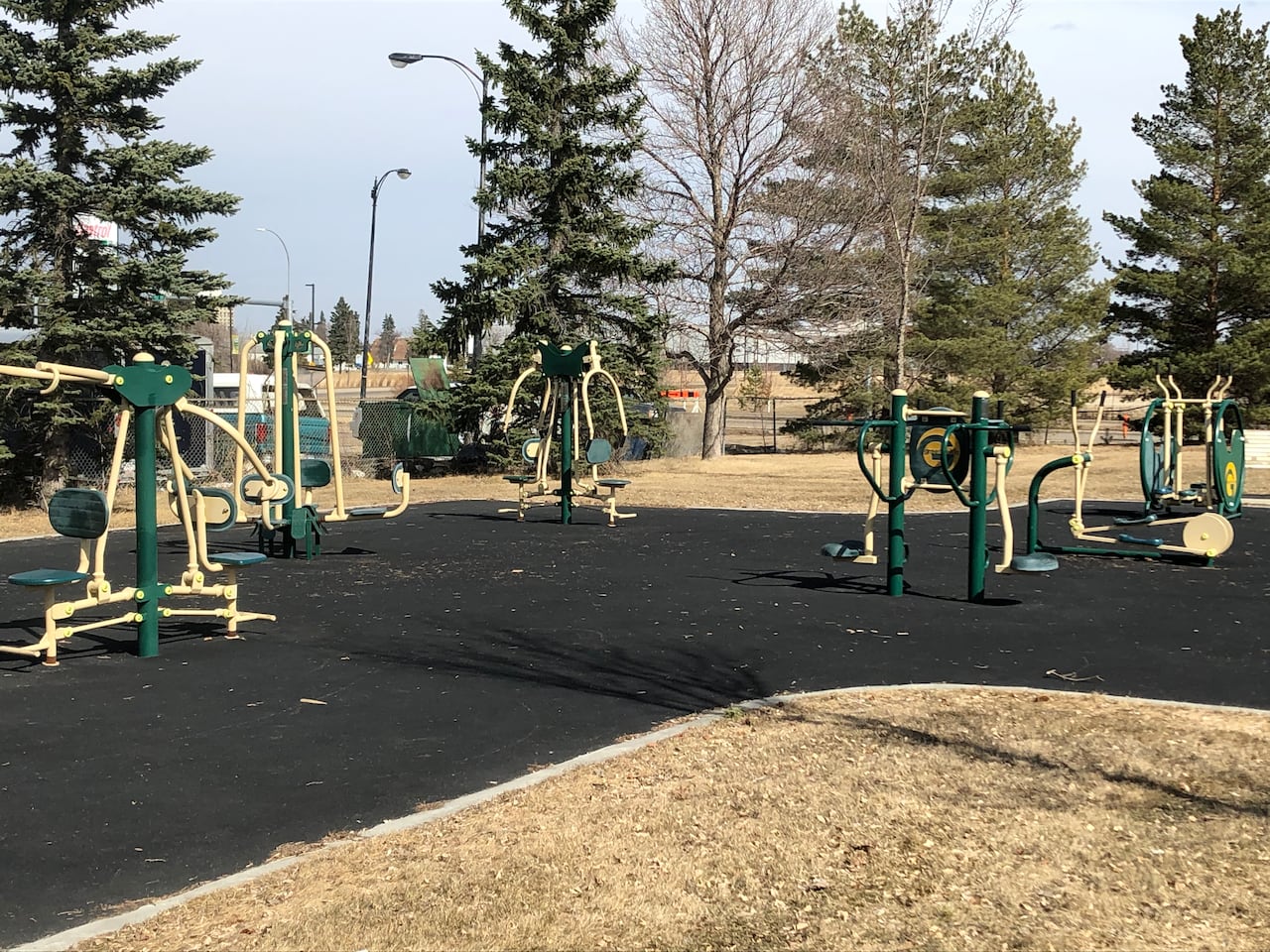
The City of Edmonton categorizes its outdoor fitness equipment into three main types. Fitness parks feature multiple stations designed for circuit training, typically including 8-12 different pieces of equipment. Calisthenics areas focus on bodyweight exercises with pull-up bars, parallel bars, and Swedish walls. Exercise nodes are smaller installations with 2-4 pieces of equipment, usually found along popular walking trails.
Most equipment installations happened between 2015 and 2022, funded through a combination of provincial grants and community league partnerships. The newer equipment uses powder-coated steel that resists rust and stays grippy even when wet. Older installations, particularly those in central neighborhoods, use galvanized metal that can get slippery after rain or snow.
According to Edmonton’s parks data, usage peaks between May and September, but winter warriors keep about 30% of locations active year-round. The river valley locations see the most consistent use, partly because they’re cleared more frequently and partly because runners already brave the cold there.
How To Transition Outdoor Fitness Indoors During Smoke Season covers this in more detail.
Seasonal Considerations for Outdoor Workouts
Winter changes everything about outdoor fitness in Edmonton. From November through March, expect equipment to be cold enough to stick to bare skin. Always wear gloves – mechanic’s gloves work better than winter mitts for gripping bars. The city clears snow around major fitness parks within 48 hours of snowfall, but smaller locations might stay buried for weeks.
Outdoor Running Routes Edmonton Summer Vs Winter Comparison covers this in more detail.
Spring brings its own challenges. April and early May mean muddy approaches to most equipment. The freeze-thaw cycle loosens some older installations, so always test stability before putting your full weight on anything. This is also when you’ll notice which equipment survived the winter – damaged pieces usually get flagged for summer repairs.
Summer is prime time, but smoke season can drive you indoors for days at a time. August often brings air quality warnings that make outdoor exercise risky. Smart locals check the Air Quality Health Index before heading out and have backup indoor plans.
Fall offers the best conditions for outdoor workouts. September and October bring cool temperatures perfect for exercise, minimal bugs, and spectacular river valley colors. Equipment stays dry most days, and you can still work out in shorts and a light jacket. Just watch for wet leaves creating slippery surfaces around equipment bases.
Major Outdoor Fitness Parks by Neighborhood
Edmonton’s outdoor fitness equipment isn’t distributed equally across the city. Some neighborhoods have multiple options within walking distance, while others require a drive to the nearest facility. Here’s where to find the best setups, organized by area.
Central Edmonton Fitness Equipment
Kinsmen Sports Centre hosts Edmonton’s most complete outdoor gym, with 15 stations arranged in a circuit format. Located at 9100 Walterdale Hill Road, the equipment includes lat pulldown, chest press, leg press, and various core stations. Parking is free but fills up during summer fitness classes. The LRT stops at Health Sciences/Jubilee Station, about a 10-minute walk.
Louise McKinney Park features a smaller but well-designed calisthenics area near the Chinese Garden. The location at 9797 Jasper Avenue includes parallel bars, pull-up bars at three heights, and angled benches for core work. Street parking along Grierson Hill Road is usually available. The equipment here gets morning sun, making it one of the first spots to dry after rain.
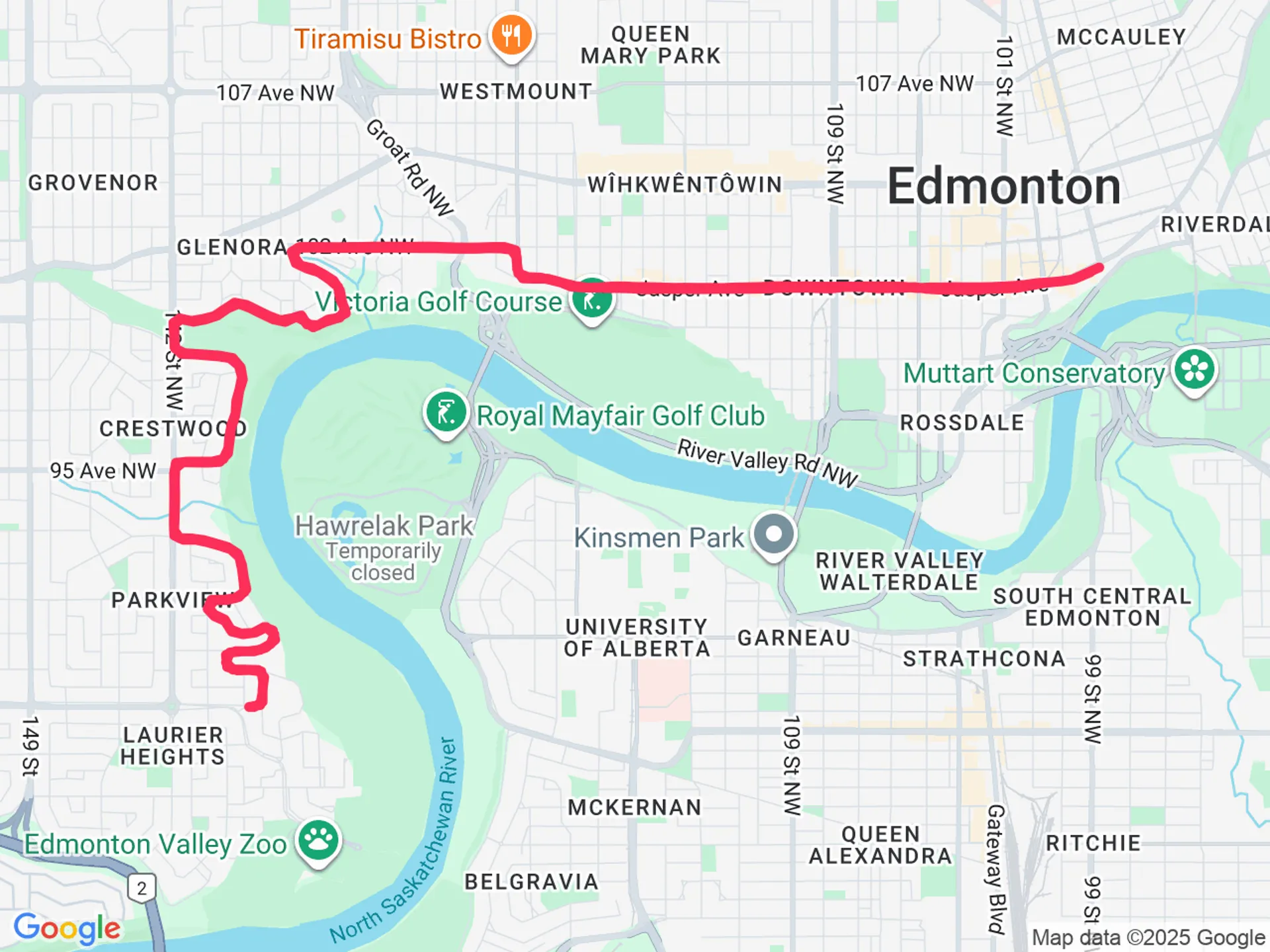
Victoria Park’s fitness equipment sits along the River Valley Road loop, popular with cyclists and runners. The installation includes basic resistance machines and stretching stations. Limited parking means most users run or bike here as part of longer workouts. The equipment is older but well-maintained, though the leg press machine has been out of service since last winter.
South Side Fitness Locations
Mill Creek Ravine Park North surprises many locals with its hidden gym at 8203 95A Street. The equipment includes modern TGO units – those bright blue and yellow machines designed for older adults but perfect for anyone. Free parking at the community league next door. The ravine location means equipment stays shaded and cool even on hot days.
Whitemud Park’s fitness area sits near the Nature Centre at 13204 Keillor Road. This location features wheelchair-accessible equipment and wider spacing between stations. The nearby trails connect to the larger river valley system, making it a popular starting point for longer workouts. Winter access can be challenging when the parking lot isn’t plowed promptly.
Jackie Parker Park added outdoor equipment in 2021 near the 50 Street entrance. The installation focuses on bodyweight exercises with multiple pull-up stations and parallel bars. The equipment here uses textured grips that work well with gloves. Summer crowds from the nearby sports fields mean peak times (evenings and weekends) get busy.
North Side Workout Spots
Rundle Park offers the most extensive north side facility at 2909 113 Avenue. The fitness circuit includes 12 stations with instructional signs in multiple languages. Free parking is plentiful, and the nearby disc golf course makes for a good warm-up walk. The equipment here is newer and includes QR codes linking to exercise demonstrations.
Borden Park’s outdoor gym at 7515 112 Avenue went through a complete renovation in 2022. The new equipment includes Edmonton’s first outdoor stair climber machine and several wheelchair-accessible stations. The location near the Borden Park Pavilion means you have indoor washroom access year-round.
Castle Downs District Park features a modest but functional setup at 11520 153 Avenue. The equipment targets older adults with gentler resistance levels, but the pull-up bars and parallel dips station work for any fitness level. This location stays relatively uncrowded even during peak season.
Equipment Types and How to Use Them
Not all outdoor fitness equipment is created equal. Understanding what each piece does and how to use it safely makes your workouts more effective and reduces injury risk, especially when cold weather affects your mobility.
Bodyweight and Calisthenics Equipment
Pull-up bars remain the most common and versatile equipment in Edmonton parks. Heights typically range from 1.5 to 2.5 meters, accommodating different exercises and user heights. In winter, the cold metal can be brutal on bare hands – always wear gloves. Look for bars with textured grips rather than smooth metal.
Parallel bars for dips come in two styles: fixed and angled. Fixed parallel bars work for standard dips and L-sits. Angled bars allow for easier progression by choosing wider or narrower grips. Check for stability before use – frost heaving can loosen posts over winter.
Swedish walls (also called stall bars) appear in newer installations. These vertical ladder-like structures enable stretching, core work, and gymnastics movements. The multiple rungs mean you can adjust difficulty by changing hand or foot placement. Rain and snow make these particularly slippery, so extra caution is needed.
Balance beams and stepping platforms might seem basic, but they’re excellent for improving stability and coordination. Edmonton’s versions are typically lower to the ground than gymnasium equipment, making them safer for outdoor use but still effective for balance training.
Resistance Machines
Outdoor resistance equipment uses body weight and gravity instead of weight stacks. The chest press machines work like an inclined push-up with foot placement determining difficulty. These machines often accumulate snow in the moving parts, so check range of motion before starting.
Lat pulldown and rowing machines use a seated position with foot braces. Your body weight provides resistance as you pull handles connected to pivoting arms. Heavier users get more resistance automatically. The seats on these machines can be uncomfortably cold in winter – bring a small towel or pad.
Leg press machines vary widely in design. Some use a seated position pushing against foot plates, while others work like a standing squat with shoulder pads. The mechanical advantage means these provide less resistance than you might expect. Focus on controlled movement and higher repetitions.
Core equipment includes various ab benches and twisting stations. The rotating disc stations for oblique work are particularly popular but require careful form to avoid lower back strain. Start with small movements and gradually increase range of motion.
Accessibility Features
Edmonton has made significant strides in accessible outdoor fitness equipment. Many newer installations include wheelchair-accessible stations with extended handles and lower positioning. Rundle Park and Whitemud Park Nature Centre have the most complete accessible options.
Adaptive equipment includes seated elliptical machines that work arms only, wheelchair-height parallel bars, and resistance stations with extended reach handles. These pieces benefit not just wheelchair users but anyone with mobility limitations or recovering from injury.
Signage at accessible locations includes braille on newer installations. QR codes link to video demonstrations showing adaptive techniques for various disabilities. The city’s commitment to inclusive fitness means these features appear in most post-2020 equipment installations.
Creating Effective Outdoor Workouts
Having access to equipment means nothing without a solid workout plan. Edmonton’s outdoor fitness stations work best for circuit training, where you move between stations with minimal rest. This approach keeps you warm in cold weather and provides excellent cardiovascular benefits alongside strength training.
Beginner Circuit Workouts
Start with a simple circuit using 4-6 stations. Spend 30-45 seconds at each station, followed by 15-30 seconds of rest. Complete 3-4 rounds total. A sample beginner circuit at Kinsmen might include: assisted pull-ups, chest press, leg press, ab bench crunches, seated row, and stepping platform step-ups.
Focus on learning proper form before increasing intensity. The instructional signs at most locations show basic technique, but consider recording yourself to check form. Cold weather makes warming up essential – spend 10 minutes walking or jogging before starting your circuit.
Beginners should avoid the most challenging exercises initially. Skip full pull-ups in favor of assisted variations using a foot on a lower bar. Replace full dips with bench dips using the angled bars. Progress gradually as strength improves.
Advanced Training Strategies
Experienced users can create challenging workouts using basic equipment. Combine stations into supersets – pull-ups immediately followed by dips, for example. Use tempo training on resistance machines, taking 3-4 seconds for each phase of movement.
Add plyometric elements between strength stations. Box jumps on stepping platforms, explosive push-ups from angled bars, or sprint intervals on nearby trails. This combination builds power alongside strength and endurance.
Winter training requires adaptation but offers unique benefits. Cold weather workouts burn more calories and can improve mental toughness. Dress in layers you can remove as you warm up. Keep moving between exercises to maintain body temperature. Consider shorter but more frequent sessions when temperatures drop below -20°C.
Create progressive overload by manipulating variables beyond just repetitions. Change grip positions on pull-up bars, adjust foot placement on resistance machines, or add isometric holds at challenging positions. The limited equipment forces creativity that often leads to better overall fitness.
Seasonal Workout Modifications
Spring workouts can incorporate trail running between stations. Use the fitness equipment for strength intervals during longer runs. The mild weather makes this ideal for building base fitness after winter.
Summer allows for longer sessions and more complex movements. Early morning workouts beat both heat and crowds. Bring extra water – no fountains operate at most outdoor fitness locations. Consider locations with shade for midday workouts.
Fall training can focus on building strength for winter sports. Use the equipment to prepare for skiing or hockey with leg-focused circuits. The cool weather allows for harder efforts without overheating.
Winter requires the most adaptation. Shorten rest periods to stay warm. Focus on larger muscle groups that generate more body heat. Keep workouts under 45 minutes when temperatures hit extreme lows. Have an indoor backup plan for days when conditions are genuinely dangerous.
Safety and Etiquette Guidelines
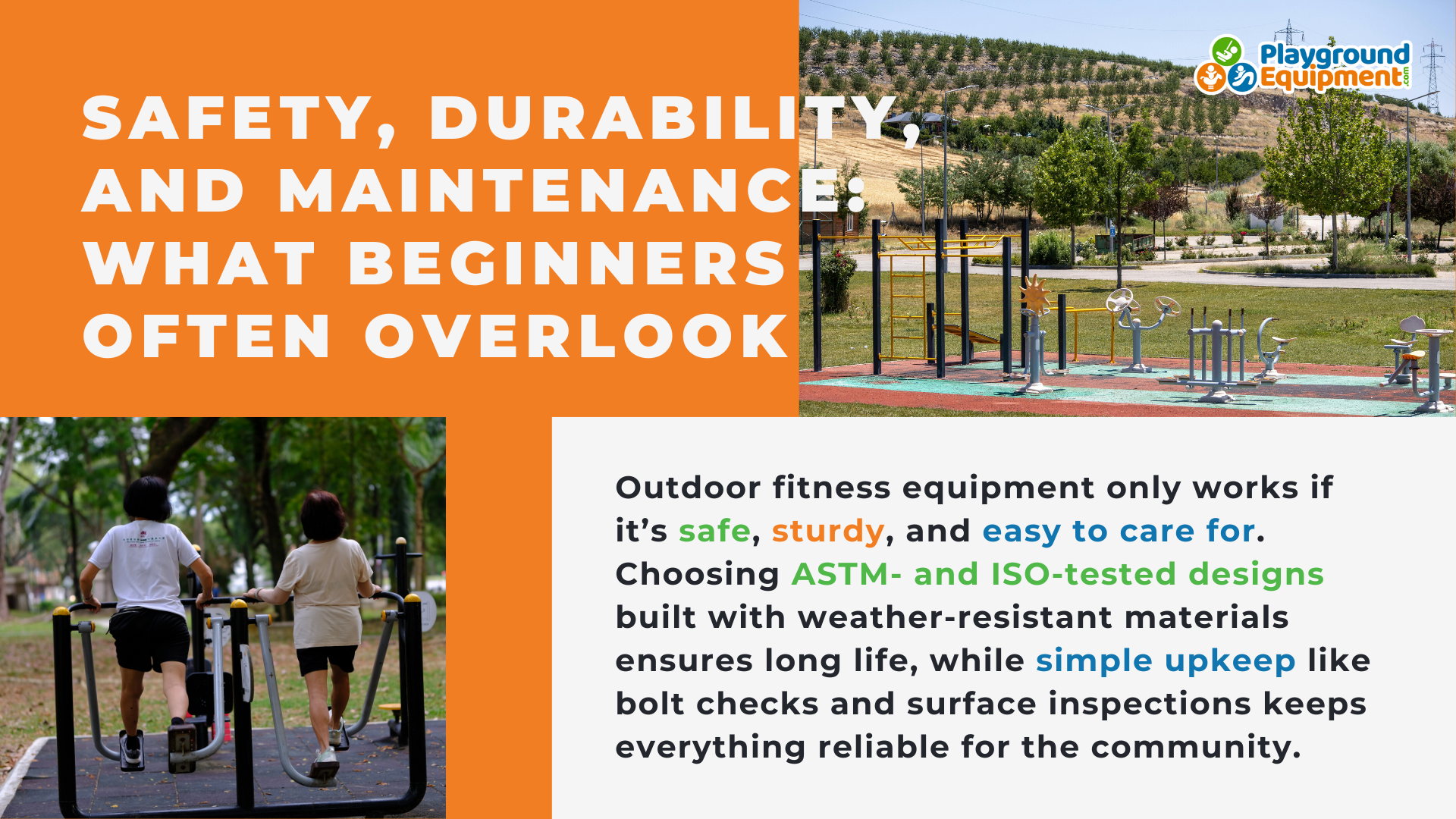
Outdoor fitness equipment might be free, but it still requires responsible use. Edmonton’s growing outdoor fitness community has developed informal rules that keep these spaces functional for everyone.
Equipment Safety Checks
Always inspect equipment before use. Look for loose bolts, rust damage, or cracks in welds. Winter freeze-thaw cycles and summer heat stress equipment in ways indoor gear never experiences. Report damage through the 311 app – the city is generally responsive to safety concerns.
Test stability with partial body weight before committing to full exercises. Pull-up bars should have zero movement when you hang. Resistance machines should move smoothly without catching or grinding. Skip any equipment that feels questionable.
Weather creates specific hazards. Ice can form on equipment even when pathways are clear. Morning dew makes metal surfaces slippery. Wind above 30 km/h can affect balance during certain exercises. Use common sense about when conditions make outdoor workouts unsafe.
Sharing Space with Others
Unlike commercial gyms, outdoor equipment lacks formal rules about sharing. Common courtesy suggests limiting station use to 3-4 sets when others are waiting. Between sets, step completely away from equipment so others know it’s available.
Group fitness classes occasionally use park equipment, especially summer mornings and evenings. These groups should leave some stations available for individual users. If you’re planning to bring a group, consider less popular locations or off-peak times.
Music is acceptable but keep it reasonable. Others are there to enjoy the outdoors too. Bluetooth speakers that blast music across the whole area cross the line. Headphones are always the better choice.
Clean up after yourself. This means removing any tape or chalk (yes, some people bring chalk), picking up water bottles, and wiping down equipment if you’re sick. Winter users: knock snow off equipment when you’re done so it’s ready for the next person.
Maintenance and Seasonal Availability
Understanding Edmonton’s maintenance schedule helps you plan workouts and avoid disappointment. The city follows predictable patterns for equipment upkeep and seasonal preparations.
City Maintenance Schedules
Annual inspections happen in late May or early June. Equipment gets checked for winter damage, loose parts get tightened, and worn components get replaced. This means some equipment might be temporarily unavailable during inspection weeks.
Painting and rust treatment occurs in July and August. The city uses special paint designed for outdoor fitness equipment that provides grip even when wet. Fresh paint needs 48-72 hours to fully cure, so respect any temporary barriers.
Fall preparation includes lubricating moving parts and checking drainage around equipment bases. Poor drainage leads to ice buildup that can make equipment unusable all winter. Report standing water issues before freeze-up.
Winter maintenance is minimal. Snow removal focuses on pathways rather than equipment areas. Only the busiest locations get regular clearing around fitness stations. Most equipment remains accessible but might require you to trample down snow.
Vandalism and Repairs
Unfortunately, outdoor equipment faces occasional vandalism. Graffiti is most common and usually gets removed within two weeks of reporting. More serious damage like cut cables or bent bars can take months to repair due to parts availability.
The 311 app is your best tool for reporting issues. Include photos and specific location details. The city prioritizes safety hazards over cosmetic issues. A loose pull-up bar gets fixed faster than faded instructional signs.
Community leagues sometimes step in for minor maintenance at neighborhood equipment. They might organize volunteer work bees for painting or clearing snow. Check with your local league about getting involved in equipment upkeep.
Comparing Indoor and Outdoor Training Options

Free outdoor equipment is fantastic, but it’s not always the answer. Understanding when to use outdoor facilities versus investing in a gym membership helps you create a sustainable year-round fitness routine.
Cost-Benefit Analysis
Outdoor equipment costs nothing but requires transportation to locations, appropriate clothing for weather, and flexibility about workout timing. A basic Edmonton gym membership runs $30-60 monthly, while premium facilities charge $80-150. For that price, you get climate control, more equipment variety, and consistent availability.
Consider hybrid approaches. Use outdoor equipment during nice weather and maintain a basic gym membership for winter months. Some facilities offer seasonal memberships or punch cards that provide flexibility without full commitment.
Calculate real costs including gas, parking, and weather-appropriate workout gear. If you’re driving 20 minutes each way to outdoor equipment, a neighborhood gym might actually save money. But if you live near good equipment and enjoy outdoor exercise, the savings are substantial.
When to Choose Indoor Facilities
Certain goals require indoor facilities. Progressive overload for powerlifting needs adjustable weights. Rehabilitation from injury often requires specific machines. Technical skills like Olympic lifts need proper flooring and coaching.
Smoke season makes indoor options essential for consistent training. Air quality alerts can last days or weeks during bad fire years. Having an indoor backup prevents training interruptions.
Winter extremes push even dedicated outdoor enthusiasts inside. When temperatures hit -30°C or windchill warnings are issued, outdoor workouts become dangerous. No amount of tough guy attitude makes frostbite worth it.
Social aspects matter too. Outdoor equipment areas rarely build the community you find in gyms or fitness studios. If motivation comes from workout partners or group energy, indoor facilities might serve you better despite the cost.
| Location | Equipment Type | Parking | Best Season | Accessibility |
|---|---|---|---|---|
| Kinsmen Sports Centre | Full circuit (15 stations) | Free lot, often full | Spring/Fall | Partial |
| Rundle Park | 12-station circuit | Ample free parking | Year-round | Full |
| Mill Creek Ravine North | TGO senior equipment | Community league lot | Summer | Full |
| Louise McKinney Park | Calisthenics focus | Street parking | Summer/Fall | Limited |
| Whitemud Park | Mixed equipment | Free lot | Spring/Summer | Full |
| Borden Park | New 2022 equipment | Free lot | Year-round | Partial |
Related Articles
- Best Running Trails Edmonton River Valley: Where Locals Actually Run
- How to Train for a Half Marathon in Edmonton: A 16-Week Local Runner’s Guide
Sources & References
Find Trusted Wellness Spots in Edmonton
Browse our independent guide to Edmonton’s spas, fitness studios, and wellness services. Local. Honest. Free.
Frequently Asked Questions
Can I use outdoor fitness equipment in winter?
Yes, most equipment remains usable year-round, but dress appropriately and wear gloves to prevent skin from sticking to cold metal. Skip workouts when temperatures drop below -25°C or during ice storms. Kinsmen Sports Centre and Rundle Park maintain the best winter access to their equipment.
Is the outdoor gym equipment suitable for beginners?
Absolutely. Most locations include instructional signs and offer modifications for different fitness levels. Start with locations featuring TGO equipment like Mill Creek Ravine North, which is designed for older adults and beginners. These machines use gentler resistance and provide more stability.
What should I bring for an outdoor workout?
Bring water, weather-appropriate gloves, and a small towel for wiping equipment or sitting on cold benches. Hand sanitizer is useful since most locations lack washing facilities. In winter, pack an extra layer you can remove as you warm up.
Are there outdoor fitness classes at these locations?
Several fitness companies run outdoor classes at major equipment locations, especially Kinsmen Sports Centre and Rundle Park during summer months. Check Edmonton Wellness Guide’s fitness section for current class schedules and instructors.
Which locations are best for families with children?
Jackie Parker Park and Borden Park offer the best family options, with playgrounds near fitness equipment so parents can exercise while watching kids. Both locations have equipment suitable for teens learning proper form. Avoid peak evening hours when serious fitness enthusiasts might be less patient with children exploring equipment.