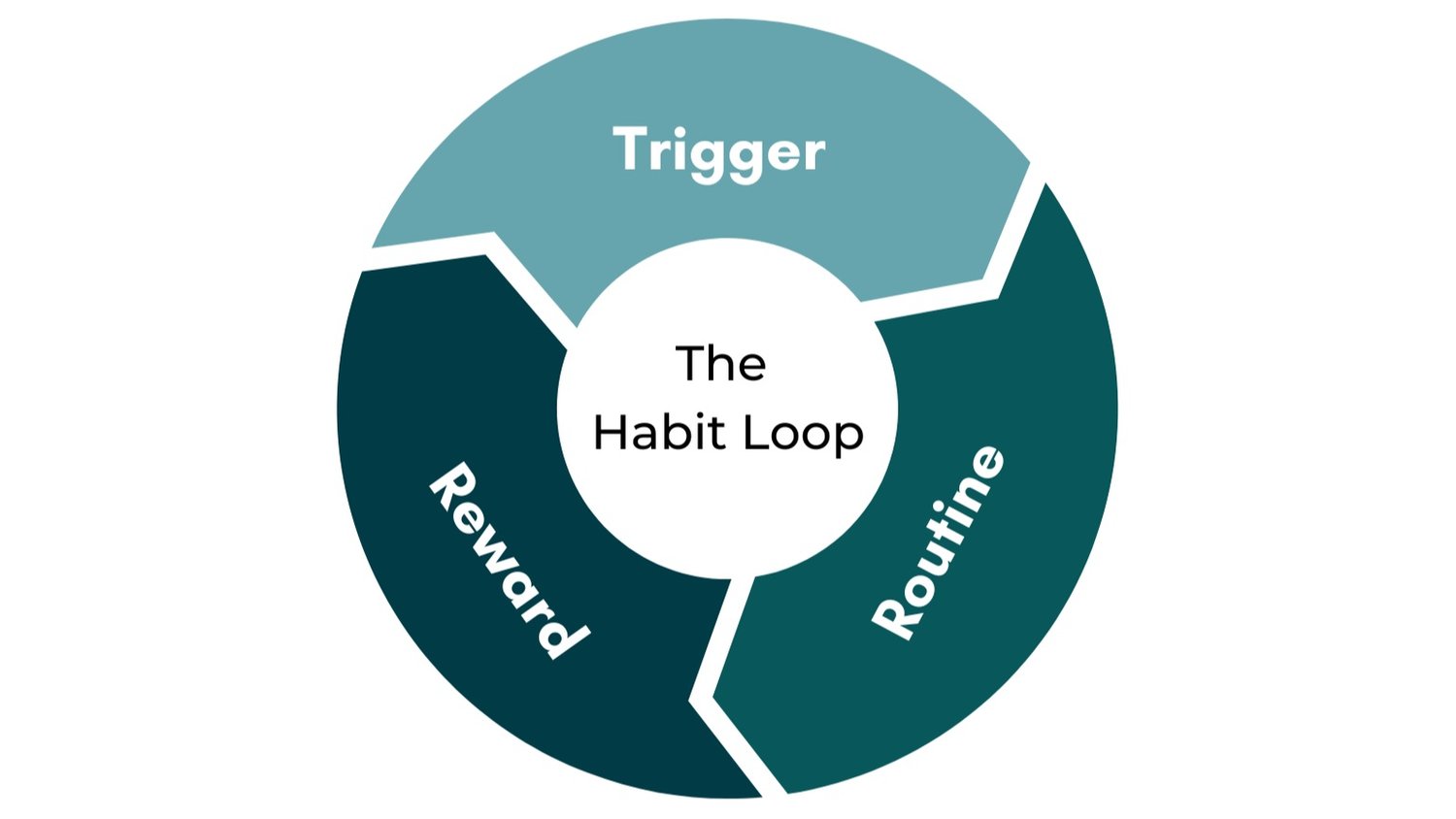
Most Edmontonians abandon their wellness goals by February. Not because they lack willpower, but because they never learned how habit loops actually work. Understanding what a sustainable habit loop is and how it works changes everything about building lasting wellness routines in our challenging climate.
Last reviewed:
A sustainable habit loop consists of three components that create automatic behaviors: a cue that triggers the routine, the routine itself, and a reward that reinforces the pattern. When you understand this framework, you can design wellness habits that survive Edmonton winters, work stress, and life’s inevitable disruptions.
This guide breaks down the science of habit formation and shows you how to apply it to real wellness challenges Edmonton residents face. From morning routines that work at -30°C to stress management techniques you can use during a packed workday downtown.
The Three Components of Every Sustainable Habit Loop
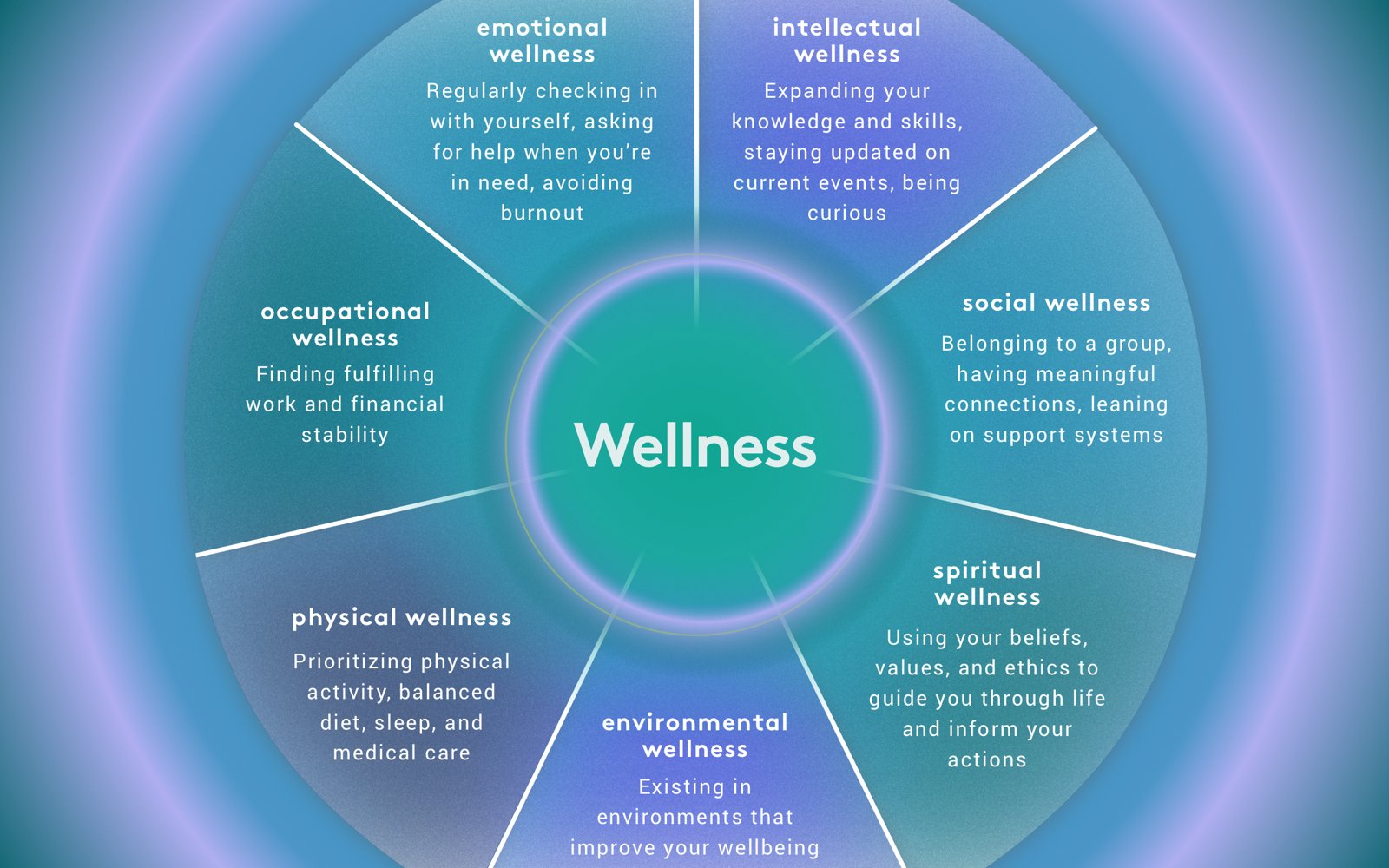
Every habit follows the same neurological pattern. Your brain creates these loops to save energy and automate decisions. Once you understand the mechanics, you can engineer habits that serve your wellness goals.
Health And Wellness Edmonton covers this in more detail.
The Cue: Your Brain’s Starting Signal
A cue is any trigger that tells your brain to initiate a specific behavior. Environmental cues work best because they require zero willpower. Your running shoes by the door. Your yoga mat already unrolled in the living room. Your water bottle on your desk at eye level.
How To Manage Stress At Work covers this in more detail.
Time-based cues also create powerful habits. Morning coffee triggers meditation. Lunch break triggers a walk. The 3 PM energy slump triggers five minutes of desk stretches. Your brain links these existing anchors to new behaviors faster than creating routines from scratch.
Workplace Wellness Program Ideas covers this in more detail.
Location cues leverage your daily movement patterns. Walking past the Muttart stairs triggers a quick climb. Arriving at Southgate Mall early triggers a lap around the indoor walking track. Passing the Bonnie Doon pool on your commute triggers evening swim plans.
Best Indoor Wellness Activities When Edmonton Air Quality Drops covers this in more detail.
The Routine: Making It Ridiculously Easy to Start
The routine is the behavior itself. But here’s what most people get wrong: they make the routine too big. A sustainable habit loop requires a routine so small it feels silly not to do it. Two minutes of stretching beats planning a 60-minute yoga session you’ll skip.
James Clear’s research shows habits must stay below the action line – the point where resistance kicks in. For Edmonton winters, this means indoor options that require minimal prep. Five bodyweight squats in your kitchen. One sun salutation in your bedroom. Three deep breaths at your desk.
Scale matters less than consistency. A two-minute routine done daily for six months creates deeper neural pathways than sporadic hour-long sessions. Your brain doesn’t distinguish between big and small routines when building the habit loop architecture.
The Reward: Why Your Brain Repeats the Pattern
Rewards complete the neurological loop. Without a satisfying endpoint, your brain won’t encode the pattern for automatic repetition. The reward doesn’t need to be elaborate – it needs to be immediate and emotionally satisfying.
Physical rewards work well for movement habits. The endorphin rush after climbing the Glenora stairs. The warm shower after a cold River Valley run. The satisfying stretch in your hamstrings after morning yoga. Your brain links these sensations directly to the routine.
Tracking provides visual rewards that reinforce consistency. A simple calendar X for completing your morning routine. A photo of your water bottle refills throughout the day. A step counter showing your lunchtime walks. These concrete markers satisfy your brain’s need for completion.
Why Most Wellness Habits Fail (And How to Fix Them)
Understanding what makes a sustainable habit loop work means recognizing why most attempts fail. Edmonton’s unique challenges – from extreme weather to seasonal mood shifts – require specific strategies.
The All-or-Nothing Trap
January gym memberships showcase this perfectly. People commit to five workouts per week, miss one due to a snowstorm, then abandon the entire plan. Sustainable habit loops require minimum viable routines – backup plans for imperfect days.
Design three versions of every habit: ideal, realistic, and emergency. Your ideal might be 45 minutes at the YMCA. Realistic could be 20 minutes of YouTube yoga at home. Emergency is five push-ups and a plank. Having options prevents the spiral of missed days that kills momentum.
Research from Stanford’s Behavior Lab shows people who plan for disruption maintain habits 67% longer than those with rigid routines. Edmonton winters guarantee disruption. Build it into your system from day one.
Fighting Your Environment Instead of Using It
Willpower depletes throughout the day. By evening, you have none left for wellness routines. Sustainable habit loops work with your environment, not against it. This means different strategies for different seasons in Edmonton.
Winter habits need zero-friction setup. Keep resistance bands in your TV room. Store healthy snacks at eye level in your pantry. Set your programmable thermostat to warm the house 15 minutes before your morning routine. Remove every possible barrier between you and the behavior.
Summer habits can leverage our long daylight hours and outdoor options. But they need smoke season alternatives built in. Plan River Valley walks with indoor mall walking backups for poor air quality days. Schedule outdoor yoga with home video alternatives.
Ignoring Your Natural Energy Patterns
Your chronotype – whether you’re naturally a morning person or night owl – affects habit success rates by up to 50%. Fighting your biology wastes precious willpower. Work with your natural rhythms instead.
Morning people should front-load wellness routines before work. Evening people need habits that energize rather than exhaust after long days. Track your energy for a week. Note when movement feels easiest and when healthy eating requires the least effort.
Research on circadian rhythms and exercise shows working with your chronotype improves both performance and adherence. Stop copying someone else’s 5 AM routine if you’re not built for it. Design around your actual life.
Building Your First Sustainable Wellness Habit Loop

Start with one habit. Just one. Multi-habit launches have a 92% failure rate according to habit researchers at University College London. Pick the behavior that would create the biggest positive ripple effect in your life.
The 2-Minute Foundation Method
Every sustainable habit loop starts with a two-minute version. This isn’t your end goal – it’s your foundation. Two minutes of movement. Two minutes of meditation. Two minutes of meal prep. Small enough that skipping feels harder than doing.
Map your two-minute habit to an existing anchor. Coffee brewing = wall push-ups. Brushing teeth = calf raises. Waiting for the car to warm up = breathing exercises. You already do these things daily. Add wellness to routines that already exist.
Track only completion, not quality or duration. Your brain needs to encode the pattern first. Performance improvements come after the neural pathway exists. Six weeks of terrible push-ups that happen daily beat sporadic perfect form sessions.
The Edmonton Winter Adaptation Strategy
Winter kills wellness habits because people don’t adapt their loops for cold and darkness. Your September routine won’t survive January without modifications. Plan these adaptations before you need them.
Light cues become critical when sunrise happens during your commute. Wake-up lights simulate dawn for morning routines. Vitamin D lamps during breakfast create energy for movement. Bright workspace lighting maintains afternoon productivity for managing work stress without caffeine crashes.
Temperature transitions need buffer time. Add five minutes to morning routines for warming up cold muscles. Keep workout clothes in the dryer for instant warmth. Set up space heaters in your exercise area 15 minutes early. Comfort enables consistency.
Stacking Habits for Compound Results
Once your first habit loop runs automatically (usually 6-8 weeks), you can stack a second behavior onto it. The established routine becomes the cue for the new habit. This leverages existing neural pathways instead of creating new ones from scratch.
Morning stretches become morning stretches plus water. Lunchtime walks become walks plus podcast learning. Evening tea becomes tea plus gratitude journaling. Each addition takes just 30 seconds to two minutes. Compound interest applies to habits like investing.
Never stack more than one new behavior at a time. Your brain can only encode one new pattern effectively. Master the addition for at least two weeks before considering another stack. Patience prevents system collapse.
Troubleshooting Common Habit Loop Breakdowns
Even well-designed habit loops hit obstacles. Edmonton life throws unique challenges at wellness routines. Having solutions ready prevents permanent derailment.
When Travel or Schedule Changes Disrupt Your Cues
Business trips, shift changes, and holiday schedules wreck location and time-based cues. Portable cues maintain habits during disruption. Pack resistance bands for hotel room workouts. Download meditation apps for airport delays. Prep trail mix portions for conference snacks.
Create identity-based cues that travel with you. “I’m someone who moves daily” works anywhere. “I start my day with water” needs no special equipment. “I take five deep breaths before meals” requires only lungs. These mental cues survive any schedule.
Plan re-entry before you leave. Calendar your first home workout. Pre-book your yoga class. Stock your fridge with easy healthy options. Returning to routines requires more effort than maintaining them. Remove friction from your comeback.
When Stress Makes Everything Feel Impossible
High stress periods reveal whether your habit loop is truly sustainable. If it crumbles under pressure, it needs redesign. Workplace stress management requires habits that provide relief, not additional burden.
Shrink routines during overwhelming times. Your 20-minute meditation becomes three breaths. Your gym session becomes desk stretches. Your meal prep becomes batch-cooking one protein. Consistency matters more than intensity when stress peaks.
Add stress-specific rewards that provide immediate relief. The calm after box breathing. The tension release from shoulder rolls. The mental clarity following a walk around your building. Your stressed brain needs obvious, immediate benefits to maintain patterns.
When You’ve Missed Multiple Days
Missing one day means nothing. Missing two days starts pattern erosion. Missing three days requires intervention. But shame spirals help nothing. You need a restart protocol that bypasses the inner critic.
Do the absolute minimum version immediately. Not tomorrow. Not Monday. Now. One push-up. One minute of stretching. One glass of water. This sends the signal that the habit still exists, even if imperfectly.
Examine what broke the chain without judgment. Did your cue disappear? Did the routine become too complex? Did the reward stop feeling satisfying? Fix the weak link rather than doubling down on willpower. Systems beat motivation every time.
Measuring Habit Loop Success Beyond the Scale
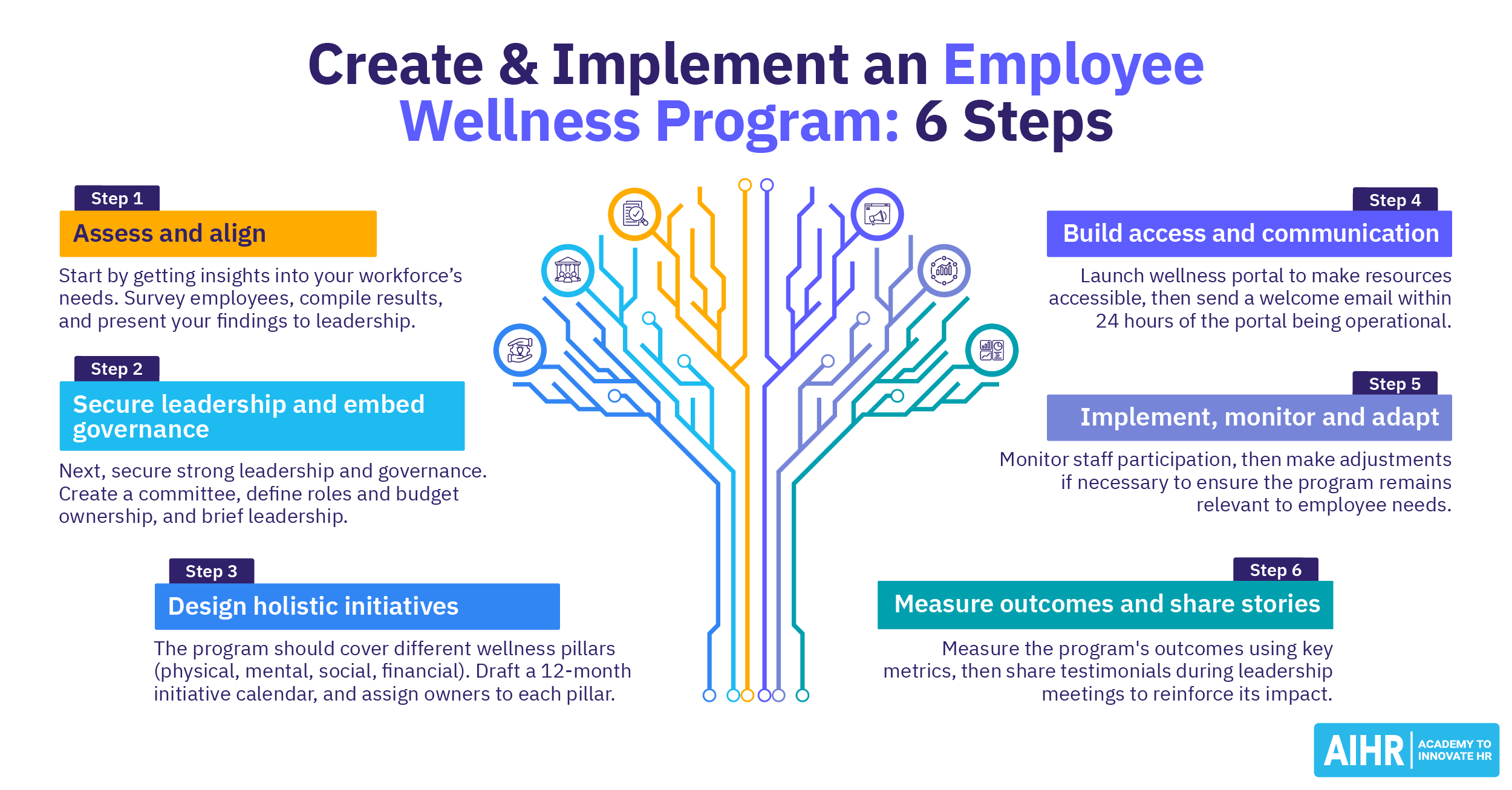
Sustainable wellness habits create changes that scales and fitness trackers miss. Understanding what a sustainable habit loop is and how it works includes recognizing subtle progress markers.
Energy and Mood Shifts
Notice when 3 PM stops feeling like naptime. When Sunday night doesn’t trigger work dread. When you wake up without multiple alarms. These energy improvements happen weeks before visible physical changes.
Mood tracking reveals habit impact better than weight tracking. Rate your daily mood, energy, and stress on a simple 1-10 scale. Watch for upward trends over weeks, not daily fluctuations. Alberta Health Services mood tracking resources provide free templates.
Sleep quality improves before quantity with consistent wellness habits. You might still get seven hours, but they become restorative instead of restless. Morning grogginess fades. Afternoon crashes disappear. Evening wind-down happens naturally.
Behavioral Ripple Effects
One solid habit loop creates unexpected positive changes. Morning exercise leads to better breakfast choices. Lunchtime walks inspire earlier bedtimes. Stress management breathing spreads to traffic patience. Watch for these unprompted improvements.
Social effects multiply impact. Coworkers notice your walking routine and join. Family members try your healthy recipes. Friends ask about your stress management techniques. You become proof that sustainable change works.
Decision fatigue decreases as habits become automatic. Mental energy previously spent debating whether to exercise redirects toward creative projects or relationship building. This cognitive freedom might be the biggest benefit of solid habit loops.
| Habit Stage | Timeline | Success Markers | Common Obstacles |
|---|---|---|---|
| Initiation | Days 1-7 | Completing 2-minute version daily | Forgetting cues, overcomplicating routine |
| Consistency | Weeks 2-4 | Automatic cue response, less resistance | Boredom, wanting to expand too quickly |
| Integration | Weeks 5-8 | Feels wrong to skip, natural part of day | Overconfidence, dropping tracking too early |
| Mastery | Week 9+ | Happens without thinking, identity shift | Taking habit for granted, system breakdown |
Advanced Strategies for Long-Term Habit Success
Once you understand what a sustainable habit loop is and how it works at a basic level, advanced strategies accelerate progress and prevent backsliding.
Seasonal Habit Cycling
Edmonton’s dramatic seasons require flexible habit systems. Rather than forcing year-round consistency, design complementary seasonal routines. Summer River Valley runs become winter treadmill intervals at city rec centres. Fall yoga in the park transitions to hot yoga in Whyte Ave studios.
Map habits to seasonal energy patterns. Winter focuses on maintenance and gentle movement. Spring brings renewed intensity and outdoor options. Summer maximizes long daylight for evening activities. Fall prepares for the inward shift with strength building and immune support.
Document what works each season in a simple journal. Which winter habits actually happened? What summer routines survived smoke season? This personal data beats generic advice for designing next year’s sustainable patterns.
Environmental Design for Automatic Success
Your home environment determines habit success more than motivation. Audit each room for wellness friction. Where do unhealthy snacks live? How many steps to your workout space? What do you see first in the morning?
Create wellness stations throughout your space. Kitchen counter with water bottles and vitamins. Living room corner with yoga mat and foam roller. Bathroom with resistance bands hanging on hooks. Bedroom with meditation cushion and timer. Each zone enables specific habits without searching for equipment.
Remove or hide habit disruptors. Television remotes in drawers require intentional viewing. Junk food in opaque containers on high shelves adds friction. Phone chargers outside bedrooms prevent scroll sessions. Make unhealthy choices require more effort than healthy ones.
Building Support Systems That Actually Help
Solo habit building works, but community accelerates success. Find accountability partners who share similar schedules and challenges. Workplace wellness initiatives create built-in support for office workers.
Virtual check-ins work better than forced gym partnerships for most Edmonton schedules. Daily text threads sharing completion. Weekly video calls discussing obstacles. Monthly in-person activities like Parkrun at Hawrelak or group hikes in the River Valley.
Professional support jumpstarts stalled progress. Nutritionists at Save-On-Foods offer free consultations. City rec centres provide affordable personal training. Local wellness practitioners understand Edmonton-specific challenges like SAD and vitamin D deficiency.
Making Wellness Habits Work in Real Edmonton Life
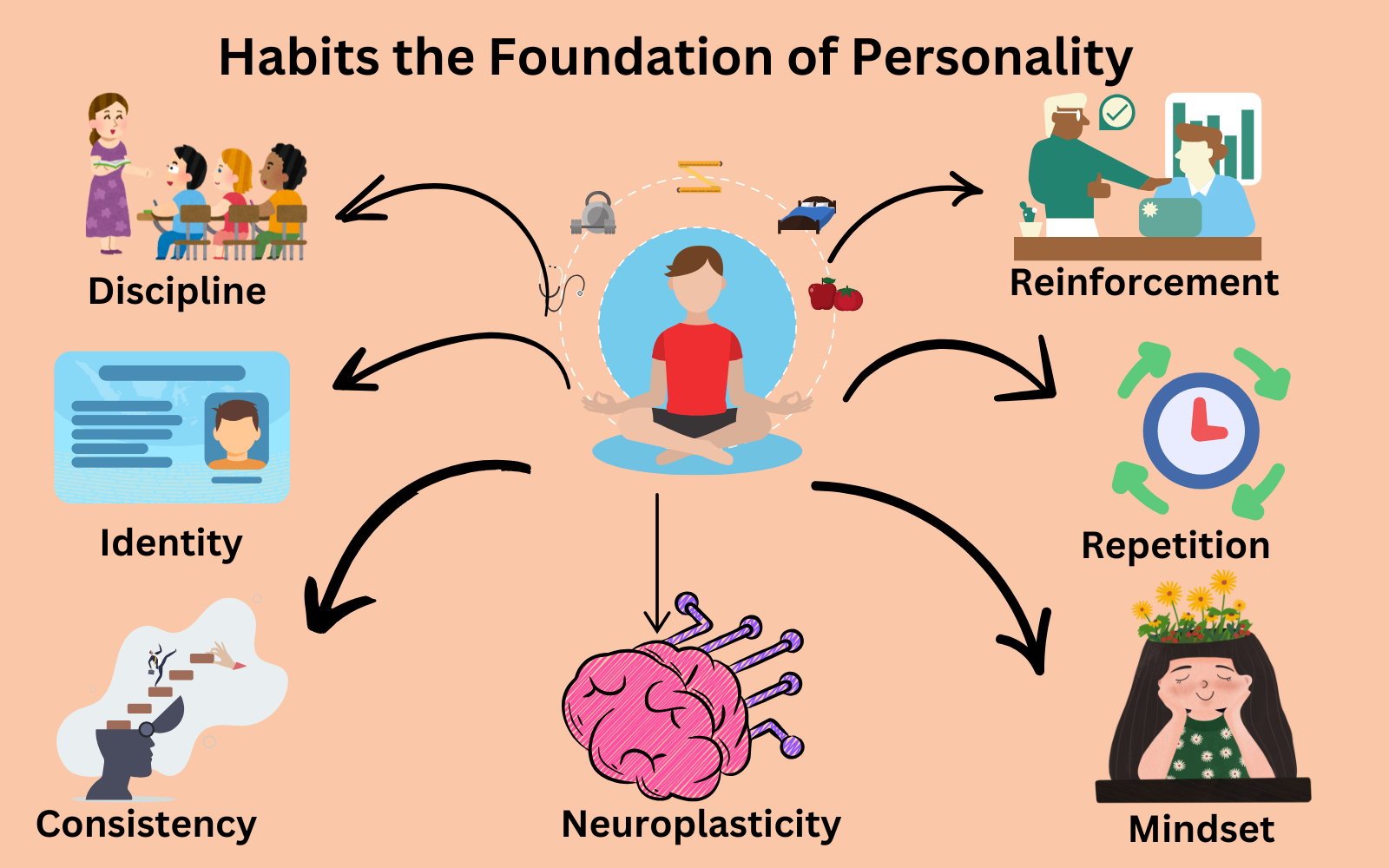
Theory meets reality when you’re standing at your window watching snow blow sideways, knowing your planned run won’t happen. Sustainable habit loops survive because they account for real life from the start.
The Downtown Office Worker’s Habit Playbook
Downtown Edmonton workers face unique challenges: paid parking that discourages lunch errands, plus-15 pedway systems that eliminate outdoor walks in winter, and limited healthy grab-and-go options. Design habits around these constraints.
Morning habits happen before the commute crush. Wake 15 minutes earlier for stretching and water. Prep overnight oats while coffee brews. Do bodyweight exercises during shower warm-up time. Stack wellness onto existing morning anchors.
Workday habits leverage micro-breaks and transitions. Stand and stretch every hour when Outlook reminds you. Take stairs instead of elevators in your building. Walk to the furthest bathroom. Pack lunch the night before to guarantee healthy midday fuel. These tiny choices compound into significant daily movement and nutrition improvements.
The Suburban Parent’s Realistic Routine
Windermere and Sherwood Park parents juggle school drops, activities, and commutes that eat entire days. Traditional gym schedules don’t work. Home-based micro-habits do. Design around the chaos instead of wishing it away.
Kitchen counter push-ups while kids eat breakfast. Squats during homework supervision. Meal prep Sunday afternoons during quiet time. Living room dance parties count as cardio. Park further at Southgate or West Ed for built-in walking.
Involve kids in age-appropriate wellness habits. Family walks after dinner (mall walking in winter). Weekend River Valley bike rides. Cooking healthy snacks together. They learn while you stay consistent. Everyone wins.
The Shift Worker’s 24-Hour Strategy
Hospital workers, first responders, and industrial employees can’t follow standard morning routine advice. Sustainable habit loops for shift work require complete schedule flexibility while maintaining consistency.
Anchor habits to shift transitions rather than clock time. Post-shift shower includes stretching. Pre-shift meal always includes vegetables. First break always includes walking. These patterns work regardless of whether your shift starts at 7 AM or 11 PM.
Maintain separate routines for different shift types. Day shift habits might include outdoor walks. Night shift habits focus on sleep hygiene and stress management. Swing shift needs maximum flexibility. Document what works for each schedule in a simple notebook.
Related Articles
- How to Build a Morning Wellness Routine for Beginners: An Edmonton Guide
Sources & References
Frequently Asked Questions
How long does it take to form a sustainable habit loop?
Research shows habit formation takes anywhere from 18 to 254 days, with an average of 66 days for most people. Simple habits like drinking water form faster than complex ones like exercise routines. Focus on consistency over timelines – doing your two-minute version daily matters more than counting days.
What’s the difference between a regular habit and a sustainable habit loop?
Regular habits often rely on motivation and willpower. Sustainable habit loops use environmental cues and immediate rewards to create automatic behaviors that persist through low-motivation periods. They’re designed to require minimal effort and provide clear benefits, making them maintainable during Edmonton winters or stressful work periods.
Should I track my habits forever or can I stop once they’re established?
Track new habits for at least 12 weeks to ensure the neural pathways are solid. After that, periodic check-ins work better than daily tracking. Many people do monthly audits or track during challenging seasons like January or September when routines need refreshing.
How do I restart a broken habit loop without feeling like a failure?
Start with the absolute minimum version immediately – one push-up, one minute of stretching, one glass of water. Skip the guilt spiral and focus on reestablishing the cue-routine-reward pattern. Most successful habit builders experience multiple restarts before patterns stick permanently.
Can I build multiple habit loops at once or should I focus on one?
Start with one keystone habit that naturally triggers other positive behaviors. Once that habit runs automatically (usually 6-8 weeks), add a second by stacking it onto the established routine. Building one strong habit loop creates better long-term results than attempting multiple changes simultaneously.