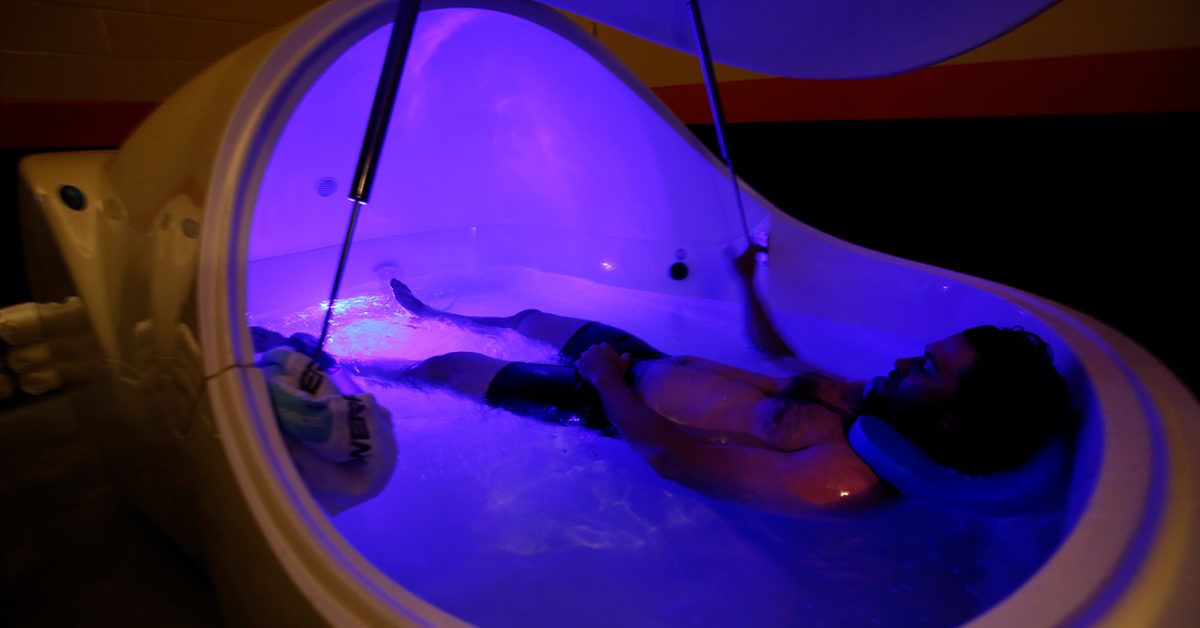
Picture yourself lying in complete darkness, floating effortlessly in water so dense with salt that sinking becomes impossible. No sound reaches your ears except your own heartbeat. No light penetrates the sealed pod. This is float tank therapy, and Edmonton has embraced it as a powerful tool for stress relief and recovery.
Last reviewed:
Float tanks, also called sensory deprivation tanks or isolation tanks, have moved from fringe wellness practice to mainstream therapy option. Edmonton now hosts over a dozen float centers, from downtown spots near Jasper Avenue to suburban locations in Windermere and Sherwood Park. But what is float tank therapy and how does it work to deliver the mental clarity and physical relief that devotees claim?
The science is surprisingly straightforward. By removing external stimuli and creating neutral buoyancy, float tanks allow your nervous system to shift from fight-or-flight mode to deep relaxation. This article breaks down the mechanics, benefits, and practical details of floating in Edmonton’s climate, where winter stress and seasonal affective disorder make relaxation techniques particularly valuable.
The Science Behind Sensory Deprivation
How Float Tanks Create the Perfect Environment
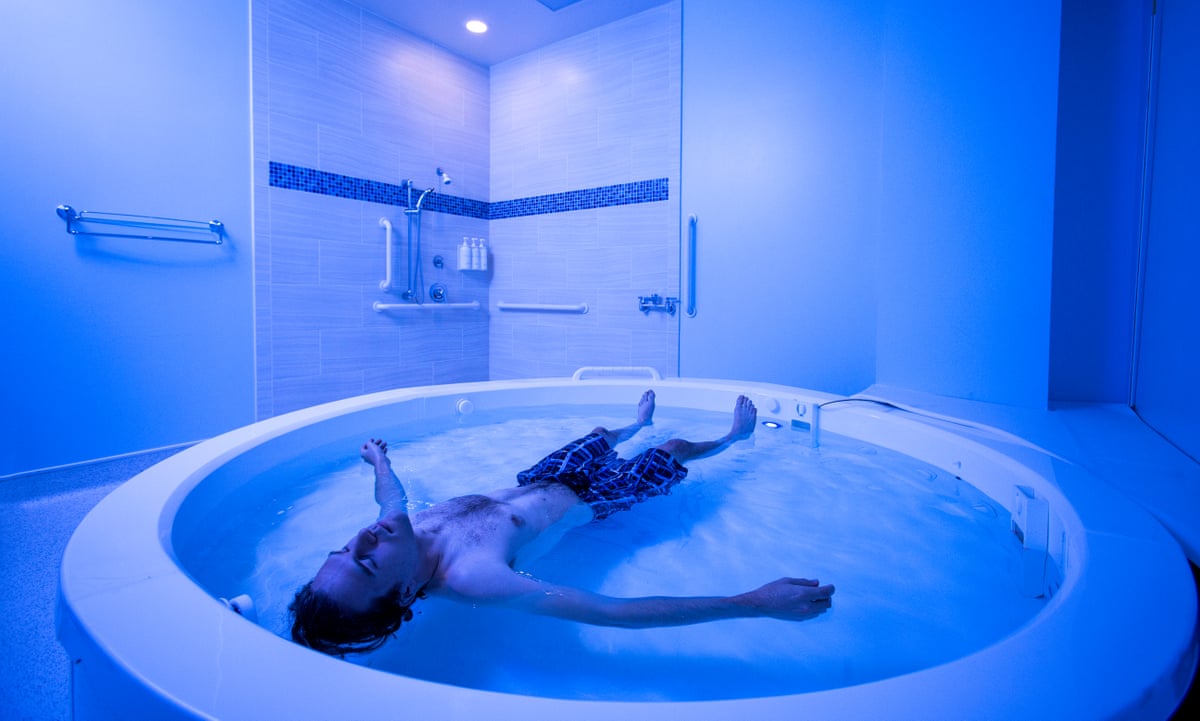
Float tanks work through a carefully calibrated environment. Each tank contains about 10 inches of water heated to skin temperature (93.5°F or 34.2°C). The water holds 850-1000 pounds of Epsom salt (magnesium sulfate), creating a solution denser than the Dead Sea. This extreme salinity makes your body completely buoyant — you float without any effort, with your face above water and your ears submerged.
Best Salt Caves And Float Therapy Near West Edmonton Mall 2 covers this in more detail.
The tanks eliminate external sensory input through several design features. Light-proof construction blocks all visual stimuli. Sound-dampening materials and the water covering your ears reduce noise to near silence. The skin-temperature water creates a sensation where you can’t tell where your body ends and the water begins. Some Edmonton float centers offer pods with optional music or guided meditation for the first few minutes, but true sensory deprivation means complete silence and darkness.
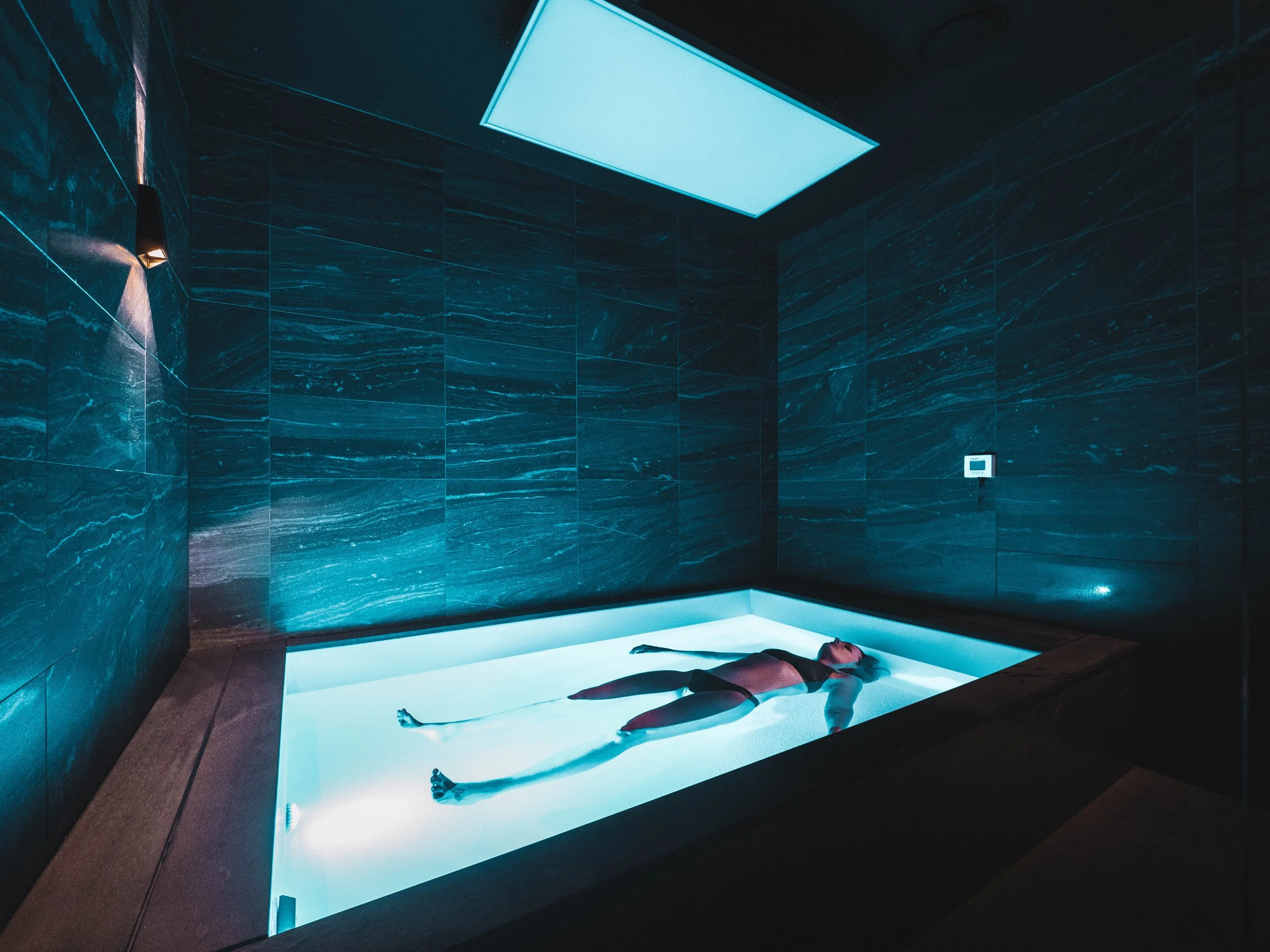
Modern float tanks come in two main styles. Pod-style tanks look like large eggs and can feel more spacious for those worried about claustrophobia. Cabin-style rooms offer standing room and feel like small private saunas. Both achieve the same sensory reduction, though pods typically maintain temperature and humidity more efficiently during Edmonton’s extreme temperature swings.
How To Manage Stress At Work covers this in more detail.
What Happens to Your Brain During Floating
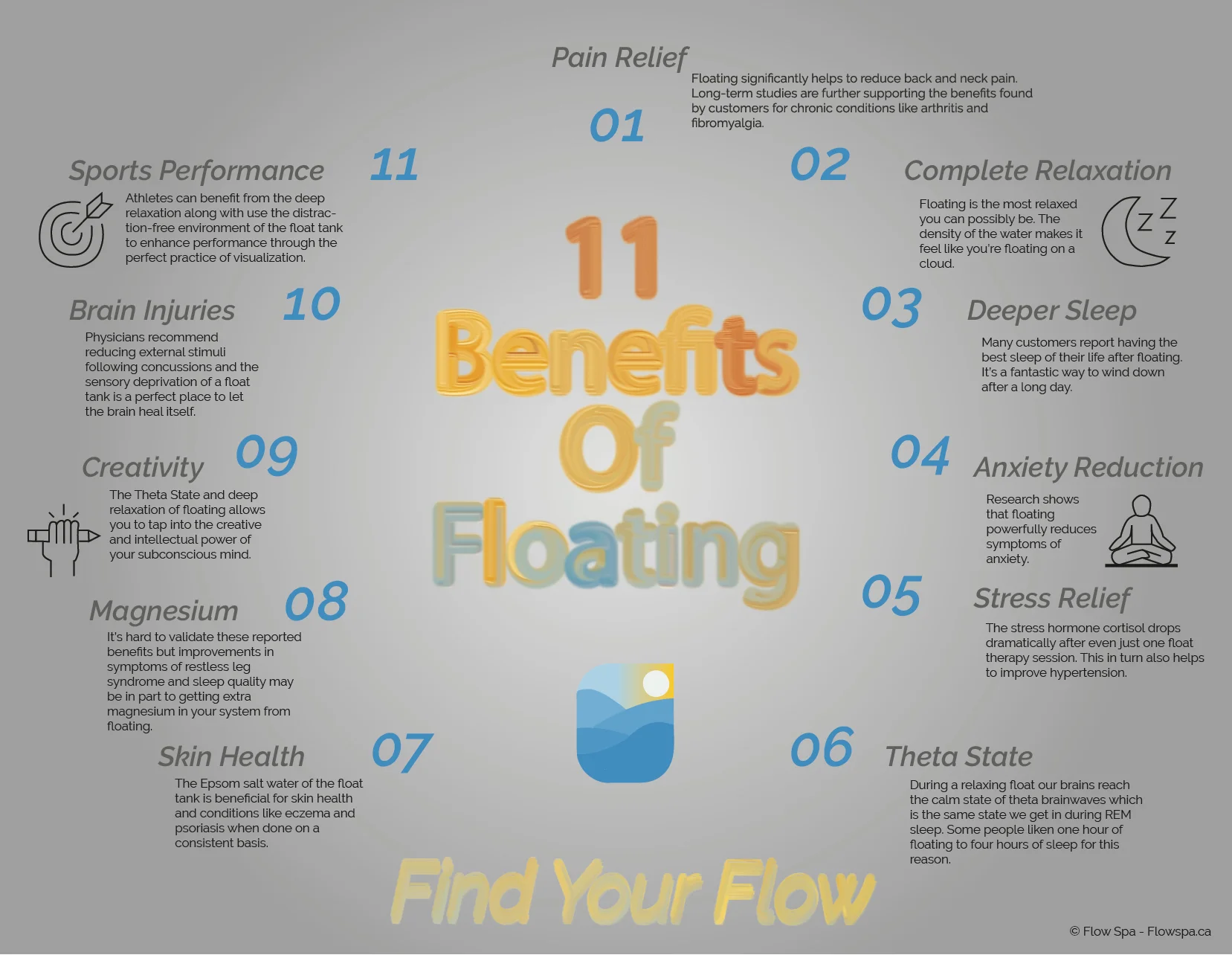
Without constant sensory input to process, your brain shifts into a unique state. Research from the Laureate Institute for Brain Research shows that sensory deprivation reduces activity in the brain’s default mode network — the areas responsible for self-referential thinking and mental chatter. This reduction correlates with the feelings of peace and mental clarity that floaters report.
Best Massage Therapy In Whyte Avenue Edmonton covers this in more detail.
Your brain waves also change during floating. Within 20-40 minutes, most people shift from beta waves (normal waking consciousness) to theta waves (the state between waking and sleeping). Theta state normally occurs briefly during meditation or just before falling asleep. Float tanks can sustain this state for extended periods, which researchers link to enhanced creativity and problem-solving abilities.
The magnesium absorbed through your skin during floating adds another layer of neurological benefit. Magnesium plays a important role in regulating neurotransmitters and can help reduce anxiety and improve sleep quality. Edmonton’s hard water means many residents are magnesium deficient, making the transdermal absorption during floating particularly beneficial.
Physical Effects of Weightlessness
The zero-gravity environment of a float tank removes all pressure points from your body. Your spine decompresses, muscles release chronic tension, and joints experience complete relief from weight-bearing stress. This makes floating particularly popular among Edmonton’s active population who use the River Valley trails year-round or play in recreational hockey leagues.
Blood pressure typically drops 10-15% during a float session as your body shifts into parasympathetic nervous system dominance. Heart rate slows, breathing deepens, and stress hormones like cortisol decrease measurably. The magnesium sulfate solution also acts as a natural muscle relaxant, helping release knots and tension that massage alone might not reach.
Many Edmonton physiotherapists and sports medicine clinics now recommend floating as part of injury recovery protocols. The combination of weightlessness, increased blood flow, and magnesium absorption can accelerate healing and reduce inflammation. Athletes from the University of Alberta and Edmonton’s professional sports teams use floating for both recovery and mental preparation.
Benefits of Float Tank Therapy
Mental Health and Stress Relief
Float tank therapy shows remarkable results for anxiety and depression management. A Mayo Clinic review of relaxation techniques places sensory deprivation among the most effective non-pharmaceutical interventions for stress reduction. In Edmonton’s high-pressure work environment and long winters, these benefits become particularly relevant.
Regular floaters report improved emotional regulation, better stress response, and enhanced mood stability. The theta brain state achieved during floating appears to help process emotional experiences and reduce rumination. Some Edmonton therapists now incorporate float therapy into treatment plans for PTSD, anxiety disorders, and depression, particularly during the difficult months of January and February when seasonal affective disorder peaks.
Sleep improvement represents another major mental health benefit. Many floaters experience deeper, more restorative sleep for several nights after a session. This effect likely comes from the combination of magnesium absorption, stress hormone reduction, and the brain’s shift away from hypervigilance. For shift workers at the Royal Alexandra or University hospitals, floating can help reset disrupted circadian rhythms.
Physical Recovery and Pain Management
The weightless environment of a float tank provides unique benefits for physical recovery. Chronic pain sufferers often find relief that lasts days or weeks after a single session. The combination of zero gravity, muscle relaxation, and endorphin release creates a powerful analgesic effect without medication.
Float therapy particularly helps with back pain, fibromyalgia, arthritis, and tension headaches. The complete spinal decompression achieved during floating can provide relief that chiropractic adjustments and massage struggle to match. Edmonton’s aging population and high rates of physical labor jobs make these benefits especially valuable.
Athletes use floating for faster recovery between training sessions. The increased blood flow and reduced inflammation speed healing of micro-tears in muscle tissue. The magnesium absorption helps prevent cramping and supports energy production at the cellular level. Local CrossFit gyms and running clubs often arrange group rates at float centers for their members.
Creativity and Problem-Solving Enhancement
The theta brain state achieved during floating correlates with enhanced creativity and insight. Without external distractions, your mind can make connections and solve problems that normal consciousness might miss. Many Edmonton entrepreneurs and creative professionals use regular float sessions for breakthrough thinking and strategic planning.
Some float centers report that clients have solved complex work problems, made major life decisions, or had creative breakthroughs during sessions. The combination of deep relaxation and heightened internal awareness creates ideal conditions for insight. Writers, artists, and musicians particularly value this aspect of floating.
The creativity boost often extends beyond the float session itself. Regular floaters report improved focus, clearer thinking, and enhanced productivity for days afterward. This makes floating a valuable tool for anyone facing creative blocks or needing fresh perspective on challenging projects.
What to Expect During Your First Float
Pre-Float Preparation
Preparing for your first float involves several practical considerations. Avoid caffeine for at least 4 hours before your appointment — stimulants make relaxation difficult and can cause anxiety in the tank. Eat a light meal 2-3 hours before floating to avoid hunger or fullness distractions. Shaving or waxing isn’t recommended on float day as the salt water will sting fresh razor burn or waxed skin.
Most Edmonton float centers provide everything you need: towels, earplugs, petroleum jelly for cuts, and makeup remover. You’ll shower before and after floating using provided products. Remove contact lenses before floating — the salt concentration will ruin them if water splashes in your eyes. Some centers offer neck pillows for those with neck tension, though most people find them unnecessary once they relax into floating.
Timing matters for maximizing benefits. Morning floats work well for setting intentions and mental clarity for the day ahead. Evening sessions promote better sleep and help process the day’s stress. Avoid scheduling immediately after work if you’ll be rushed — arriving stressed defeats the purpose. Most first-time floaters book 60-minute sessions, though 90-minute floats allow deeper relaxation states.
During the Float Experience
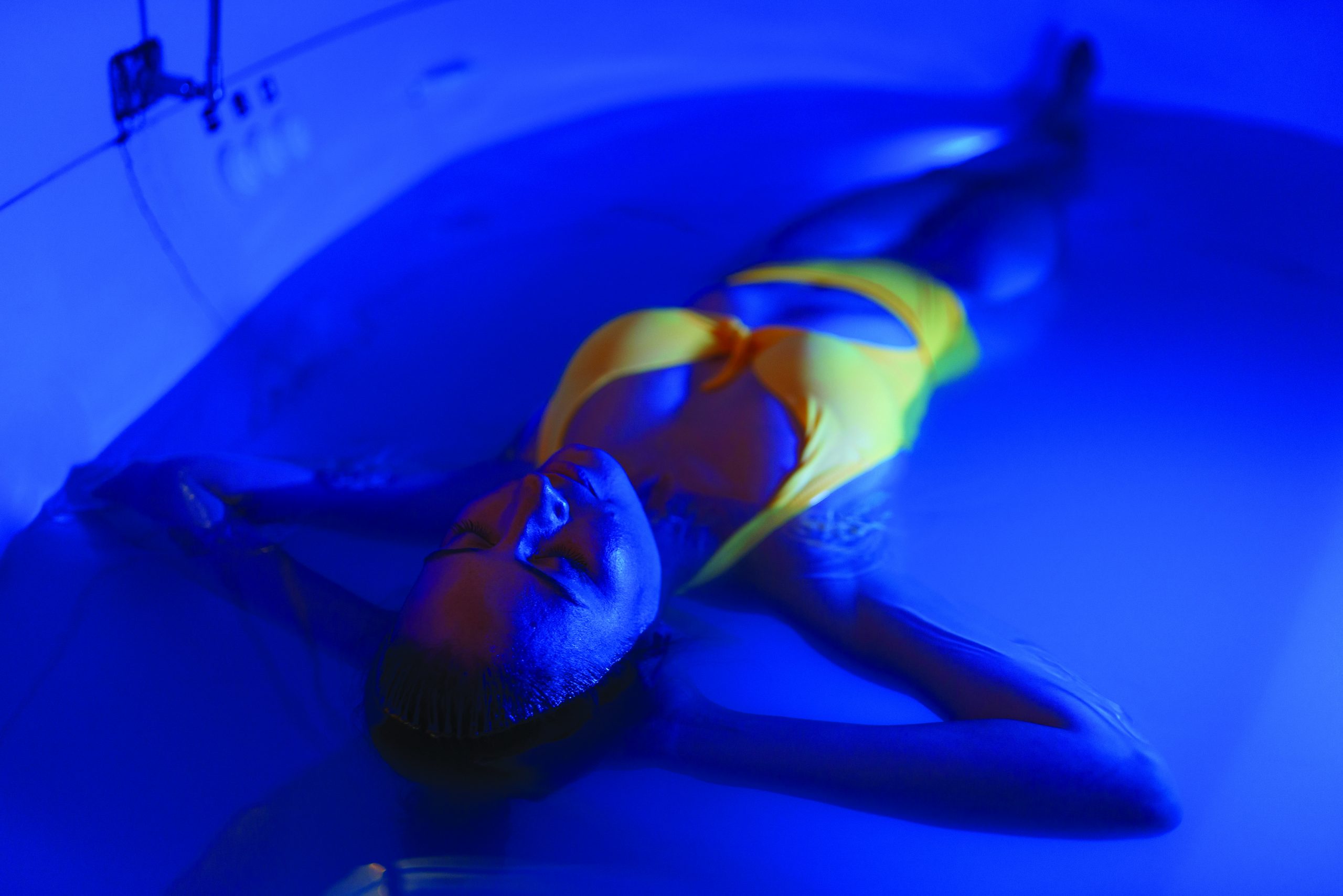
Your float begins with a thorough shower to remove oils, lotions, and perfumes that could affect water quality. You’ll enter the tank nude (swimsuits trap air bubbles and create distracting sensations). The first few minutes involve finding your comfortable position — most people float with arms at their sides or hands behind their head.
Physical sensations dominate the early float experience. The water feels surprisingly thick and supportive. Your body might feel like it’s spinning or moving even though you’re stationary — this vestibular adjustment is normal and passes within 10 minutes. Some people experience mild hallucinations as their brain adjusts to the lack of input. Colors, patterns, or sounds that aren’t really there indicate your brain creating its own stimulation.
The middle portion of a float often brings the deepest relaxation. Time perception shifts dramatically — an hour can feel like minutes or hours. Many floaters report out-of-body sensations or feeling like they’re floating in space. Physical boundaries dissolve as you can’t tell where your body ends and the water begins. This is when the therapeutic benefits peak.
Post-Float Integration
Exiting the tank requires gentle reintegration with the sensory world. Lights gradually brighten in modern tanks, and soft music might play to signal session end. You’ll shower again to remove the salt, which can leave skin feeling soft but will damage hair if not thoroughly rinsed. Most centers provide high-quality shampoo and conditioner specifically formulated for post-float use.
The post-float state often includes heightened sensory awareness. Colors seem brighter, sounds more distinct, and physical sensations more intense. This hypersensitivity usually lasts 30-60 minutes. Many Edmonton float centers offer relaxation lounges with tea and quiet spaces to journal or simply sit before returning to the outside world.
Hydration becomes important after floating. The high salt concentration can be mildly dehydrating despite not drinking the water. Most floaters drink 16-24 ounces of water immediately after their session. Avoiding intense stimulation like loud music or bright screens for the first hour helps maintain the relaxation benefits. Some people schedule floats before massage therapy appointments in Whyte Avenue to enhance the overall relaxation experience.
Float Centers in Edmonton: What’s Available
Downtown and Central Edmonton Options
Downtown Edmonton offers several established float centers within walking distance of major office buildings and LRT stations. These locations cater to the lunch-hour wellness crowd and after-work stress relief seekers. Prices typically range from $65-95 per hour-long float, with packages bringing the per-session cost down to $50-70.
Modern float centers near Jasper Avenue feature multiple tanks, allowing couples or friends to float simultaneously in separate pods. Some offer combination packages with infrared saunas or massage therapy. Parking can be challenging downtown, but most centers validate for nearby parkades or offer street parking tips. LRT accessibility makes these locations popular for car-free Edmontonians.
Oliver and 124 Street area float centers tend toward the boutique end of the spectrum. These smaller operations often provide more personalized service and may offer additional wellness services like meditation classes or breathwork sessions. The neighborhood’s walkability means you can combine floating with a healthy meal at one of the area’s many health-conscious restaurants.
South Side and Suburban Locations
Old Strathcona and Whyte Avenue host some of Edmonton’s original float centers. These established businesses often have loyal followings and experienced staff who can guide nervous first-timers. The area’s alternative wellness culture means float centers here might also offer complementary services like acupuncture, reiki, or naturopathy.
Windermere and south Edmonton locations cater to suburban families and professionals. These newer facilities often feature larger tanks and more modern amenities. Free parking is standard, and evening hours accommodate those commuting from downtown. Some south-side centers offer child care during float sessions, recognizing that parent stress relief benefits the whole family.
Sherwood Park has embraced float therapy with several centers serving the community. These locations often focus on athletic recovery, partnering with local sports teams and fitness facilities. The drive from Edmonton proper takes 20-30 minutes, but devoted floaters find the newer facilities and ample parking worth the trip.
Choosing the Right Float Center
Tank style matters more than most first-timers realize. Claustrophobic individuals should seek centers with cabin-style rooms or pods with non-locking doors. Some facilities offer “float suites” with 7-foot ceilings and space to stand — ideal for those worried about confined spaces. Ask about tank dimensions and door mechanisms during booking.
Cleanliness standards vary between centers. Look for facilities that discuss their filtration systems openly. Modern float centers use UV sterilization, ozone, and multiple filtration passes between each client. The water should be completely filtered 3-4 times between floats. Some centers test and document water quality multiple times daily.
Additional amenities can enhance your experience. Some centers provide meditation apps, guided float sessions for beginners, or aromatherapy options. Others focus on the pure sensory deprivation experience. Consider whether you want extras or prefer a minimalist approach. First-time packages often include orientation sessions that can ease anxiety about the process.
Cost Considerations and Making Float Therapy Affordable
Understanding Float Therapy Pricing
Single float sessions in Edmonton range from $65-95, with premium centers charging up to $120 for extended sessions. This pricing reflects the significant overhead of maintaining float tanks: salt costs, heating, filtration, and the dedicated space required. Compare this to massage therapy at $100-150 per hour or acupuncture at $85-120 per session, and floating becomes competitive for regular wellness maintenance.
Package deals significantly reduce per-session costs. Three-float packages typically offer 15-20% savings, while monthly memberships can bring costs down to $40-50 per float. Some centers offer community nights with reduced rates or off-peak pricing during weekday afternoons. Student discounts through the University of Alberta or MacEwan University can provide 10-15% savings.
Insurance coverage for float therapy remains limited but growing. Some extended health benefits now cover floating under stress management or alternative therapy categories. Check if your provider requires a naturopath or physician referral. Alberta Blue Cross and other major insurers increasingly recognize float therapy’s therapeutic value, particularly for chronic pain and stress-related conditions.
Maximizing Value from Float Sessions
Frequency matters for experiencing float therapy’s full benefits. While a single session provides immediate stress relief, regular floating creates cumulative effects. Most experienced floaters find monthly sessions maintain benefits, while those addressing specific issues might float weekly during acute phases. The nervous system training that occurs during regular floating compounds over time.
Timing your floats strategically maximizes value. Schedule sessions during particularly stressful periods: tax season, major work projects, or family challenges. Some Edmontonians float monthly during winter to combat seasonal affective disorder, then reduce frequency during summer when outdoor activities provide natural stress relief. Floating after air travel helps reset circadian rhythms and reduce jet lag.
Combine floating with other wellness practices for enhanced benefits. Many find floating before therapy appointments leads to breakthrough sessions. Managing work stress becomes more effective when floating supplements other stress-reduction techniques. Some centers offer package deals combining floats with massage, acupuncture, or infrared sauna sessions.
DIY Alternatives and Home Float Options
While true sensory deprivation requires professional equipment, some benefits can be approximated at home. Epsom salt baths provide magnesium absorption and muscle relaxation, though without the weightlessness or complete sensory reduction. Use 2-4 cups of Epsom salt in a standard tub, dim the lights, and use earplugs for partial sensory reduction.
Portable float tents exist but require significant investment ($3,000-5,000) and space. These inflatable units use less water and salt than commercial tanks but still need dedicated space, ventilation, and heating solutions — challenging in Edmonton’s varied climate. Most find the maintenance requirements outweigh the convenience unless floating multiple times weekly.
Meditation and breathwork provide some similar brain state benefits without the equipment. Apps like Insight Timer or Headspace offer guided sessions targeting the theta state achieved during floating. While not equivalent to float therapy, these practices can extend benefits between float sessions and cost nothing beyond the app subscription.
Common Concerns and Considerations
Addressing Claustrophobia and Anxiety
Claustrophobia represents the most common concern for float therapy newcomers. Modern float tanks address this with non-locking doors, interior lighting controls, and the option to float with the door open. Cabin-style float rooms eliminate the enclosed feeling entirely. Most people find claustrophobia disappears once they realize they have complete control over their environment.
Some individuals experience anxiety during initial floats. Without external distractions, suppressed thoughts or emotions might surface. Float centers train staff to support anxious floaters and can provide graduated experiences: starting with lights on, music playing, and shorter sessions. Most anxiety passes after 10-15 minutes as the nervous system shifts to parasympathetic dominance.
Panic attacks during floating are rare but possible. Quality centers brief first-timers on what to do if anxiety arises: focus on breath, remind yourself you can exit anytime, or use the intercom to request assistance. Some people benefit from floating with CBD oil (where legal) or after therapy sessions when feeling emotionally stable. Building comfort through multiple sessions usually resolves float-related anxiety.
Medical Contraindications
Certain medical conditions make floating inadvisable. Epilepsy poses risks due to the disorientation possible during floating. Open wounds or recent surgeries shouldn’t contact the high-salt water. Kidney disease might make processing the absorbed magnesium difficult. Infectious skin conditions could spread through water contact despite filtration. Always disclose medical conditions when booking.
Pregnancy considerations vary by trimester and individual comfort. Many pregnant women find floating provides unique relief from back pain and swelling, especially in later pregnancy when the weightlessness feels particularly welcome. However, first-trimester nausea or third-trimester mobility issues might make floating uncomfortable. Consult your healthcare provider and choose centers experienced with prenatal floating.
Mental health conditions require careful consideration. While floating helps many with anxiety and depression, those with psychosis or severe dissociative disorders should consult mental health professionals first. The sensory deprivation can trigger hallucinations or dissociative episodes in vulnerable individuals. Start with shorter sessions and maintain regular therapy if using floating for mental health support.
Hygiene and Safety Protocols
Water sanitation in float tanks exceeds most pool or hot tub standards. The high salt concentration naturally inhibits bacterial growth. Between clients, the entire water volume filters through UV lights, ozone systems, and particle filters. Alberta Health Services regulations require specific sanitation protocols that reputable centers exceed.
Personal hygiene requirements protect both you and other floaters. Showering removes oils, perfumes, and hair products that compromise water quality. Centers provide or require swim caps for long hair. Remove all jewelry to prevent salt damage. Don’t float if experiencing diarrhea or have used self-tanning products in the past week — both affect water quality.
Safety features in modern tanks include non-slip surfaces, interior lighting controls, and two-way intercoms. The high salt concentration makes drowning virtually impossible — you float even if you fall asleep. Ventilation systems prevent CO2 buildup, and the water’s skin temperature prevents overheating. Emergency releases allow exit from inside even if power fails.
Special Populations and Float Therapy
Athletes and Sports Recovery
Edmonton’s sports community has embraced floating for recovery and performance enhancement. Professional athletes from the Oilers and Edmonton Football Team use floating to accelerate recovery between games. The complete muscle relaxation and increased circulation help clear metabolic waste products faster than passive rest alone.
Endurance athletes training for the Edmonton Marathon or cycling the River Valley trails find floating particularly beneficial. The magnesium absorption helps prevent cramping, while the mental relaxation improves pre-competition anxiety. Some coaches now include floating in training periodization, using it during taper weeks to maintain fitness while promoting recovery.
Mental performance benefits equal the physical advantages for athletes. Visualization during floating feels more vivid and effective than traditional sports psychology techniques. The theta brain state enhances motor learning, helping athletes integrate new movement patterns. Many report improved game-time decision-making after regular floating, likely due to reduced mental clutter and improved stress management.
Seniors and Chronic Pain Management
Edmonton’s aging population finds unique benefits in float therapy. The weightless environment provides complete joint relief without the challenges of pool-based therapy. Arthritis sufferers experience hours or days of reduced pain after floating. The warmth and magnesium absorption also improve circulation and reduce inflammation.
Accessibility varies between float centers. Some tanks require stepping over high sides or climbing into pod-style units. Cabin-style rooms with walk-in entry better serve those with mobility limitations. Several Edmonton centers offer grab bars, shower seats, and staff assistance for seniors. Call ahead to discuss specific accessibility needs.
The cognitive benefits of floating particularly help seniors. Improved sleep quality, reduced anxiety, and enhanced mood can significantly impact quality of life. Some retirement communities now organize group outings to float centers, recognizing the social and therapeutic benefits. The meditation-like state achieved during floating might also support cognitive function maintenance.
Float Therapy During Edmonton’s Seasons
Winter floating addresses unique Edmonton challenges. Seasonal affective disorder responds well to the mood-boosting effects of sensory deprivation. The warm, humid environment provides respite from dry, cold air that aggravates skin and respiratory conditions. Many Edmontonians increase float frequency during January and February’s darkest weeks.
Summer smoke season creates another float therapy opportunity. When wildfire smoke makes outdoor exercise impossible, floating provides stress relief without respiratory exposure. The filtered air inside float centers offers relief from poor air quality. Some centers report increased bookings during smoke advisories as people seek indoor wellness alternatives.
Spring and fall transitions can disrupt sleep patterns and energy levels. Regular floating during these periods helps maintain circadian rhythm stability. The consistent temperature and controlled environment of float tanks provide stability when external conditions fluctuate wildly — common during Edmonton’s dramatic season changes.
Sources & References
Related Reading
Related Reading
Frequently Asked Questions
How often should I float to see benefits?
Most people notice immediate relaxation after one float, but lasting benefits typically emerge after 3-4 sessions. For stress management, monthly floating maintains benefits effectively. Those addressing chronic pain or specific conditions might float weekly initially, then reduce frequency as symptoms improve. Many Edmonton float centers offer starter packages of 3 sessions to establish a baseline.
Can I float if I’ve never meditated before?
Absolutely. Float tanks actually make meditation easier by removing distractions that challenge beginners. You don’t need any special skills or practice — the environment naturally guides your brain into meditative states. Many non-meditators find floating provides their first experience of mental quiet. Several Whyte Avenue float centers offer guided audio for the first portion of beginner sessions.
What if I fall asleep in the tank?
Sleeping during floating is safe and common. The high salt concentration keeps you afloat regardless of consciousness level. Your face remains above water, and the skin-temperature environment prevents overheating. Some people specifically float to catch up on sleep. Most centers near West Edmonton Mall and other locations will gently wake you when your session ends.
Is float therapy covered by insurance in Alberta?
Coverage varies by provider and plan. Some extended health benefits cover floating under naturopathic or alternative therapy categories. You might need a referral from a naturopath or physician indicating floating for stress, chronic pain, or specific conditions. Check with your provider about coverage limits and requirements. Several downtown Edmonton float centers can provide receipts formatted for insurance claims.
How is float therapy different from meditation or massage?
Float therapy combines benefits of both practices while offering unique advantages. Like meditation, it quiets mental chatter and induces theta brain states, but without requiring practice or skill. Similar to massage, it relieves muscle tension and improves circulation, but through weightlessness rather than manipulation. The sensory deprivation aspect and magnesium absorption provide benefits neither meditation nor massage can replicate. For complete stress management, many Edmontonians combine all three practices.