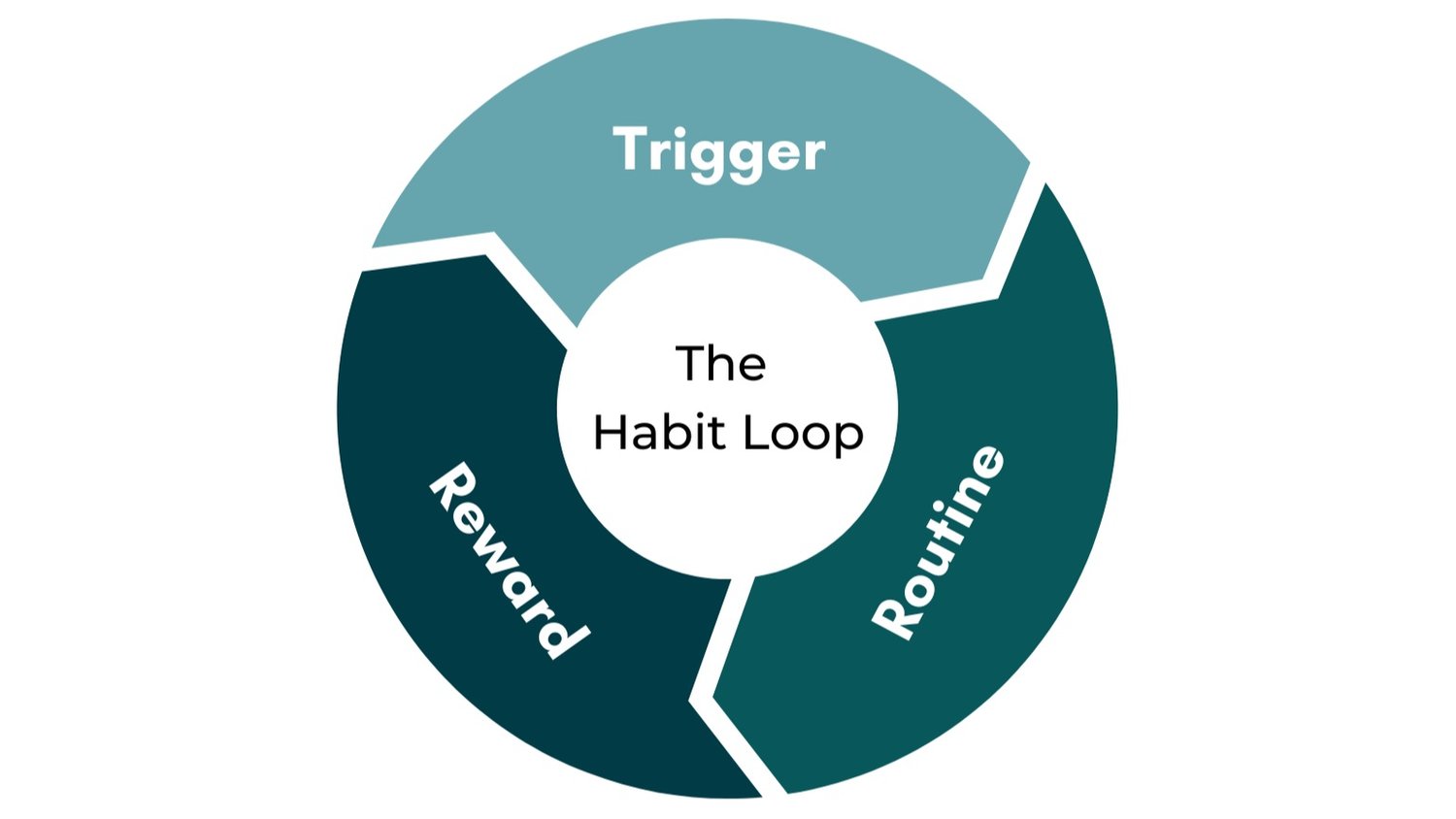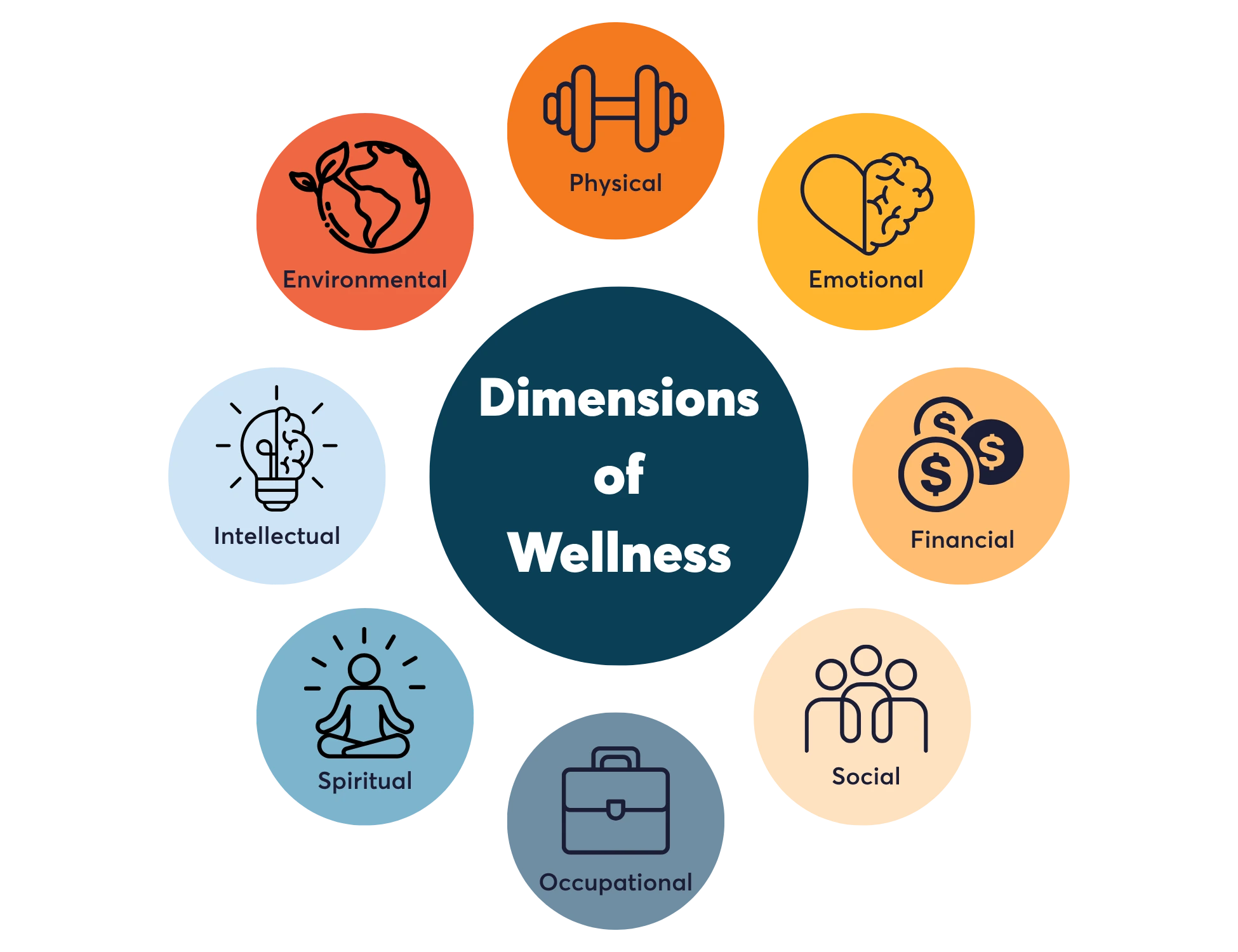
Most corporate wellness programs fail because they ignore what employees actually want. The free gym membership at a facility 20 minutes from the office? Nobody uses it. The noon yoga class when everyone has back-to-back meetings? Empty mat syndrome. After talking with HR directors across Edmonton and surveying employees from downtown towers to Sherwood Park business parks, we’ve identified corporate wellness program ideas that employees actually use.
Last reviewed:
The secret isn’t fancy perks. It’s understanding Edmonton work culture. Our long commutes, brutal winters, and smoke-filled summers create unique challenges. Programs that work in Vancouver or Toronto often flop here. But the ones tailored to our reality? They get genuine engagement.
Walking and Movement Programs That Fit Edmonton’s Climate

Movement programs succeed when they acknowledge our weather reality. Nobody’s doing outdoor walking meetings in January when it’s minus 30. But smart companies have found workarounds that keep employees moving year-round.
Indoor Walking Routes and Pedway Programs
Downtown companies have the ultimate advantage: the pedway system. Several firms now run “Pedway Challenges” where teams compete for daily steps without facing the elements. One energy company near Churchill Square mapped out a 3-kilometer route through connected buildings. Employees walk it during lunch or between meetings.
Health And Wellness Edmonton covers this in more detail.
For offices outside downtown, creating indoor routes works surprisingly well. A tech company in Bell Tower Business Park painted distance markers in their hallways. Their “Lap the Office” program tracks miles walked inside the building. Participation jumped 400% compared to their previous outdoor walking group.
Leisure Access Program Edmonton covers this in more detail.
The City Centre Mall connection makes this especially practical for anyone near 102 Avenue. You can walk from ATB Place to Chancery Hall without stepping outside. Edmonton’s pedway maps show routes most employees don’t even know exist.
Seasonal Outdoor Programs
From May through September, outdoor programs thrive. But timing matters. Early morning walks work better than lunch ones during smoke season. A law firm on Jasper Ave runs 7 AM River Valley walks three days a week. They meet at the Fairmont MacDonald stairs and do the River Valley Road loop.
Edmonton Spring Allergies Wellness Guide For Seasonal Relief covers this in more detail.
Winter programs need different thinking. Snowshoeing groups have surprising staying power. Companies partner with Edmonton’s recreation facilities to borrow equipment. The Mill Creek Ravine and Hawrelak Park trails stay well-maintained for winter walking. Short 20-minute fresh air breaks work better than hour-long frozen marches.
Smart companies also embrace our long summer days. Evening walks at 7 PM still have full daylight in June. A marketing agency near Whyte Ave runs “Walk and Talk” client meetings along the river paths. They report better creative outcomes and stronger client relationships.
Stair Climbing Challenges
Office towers create natural fitness equipment. Stair climbing programs cost nothing and work year-round. The key is making them social, not competitive. A property management company in Commerce Place runs “Coffee Climb Fridays.” Teams walk up 10 floors together, then take the elevator down for coffee in the lobby café.
For shorter buildings, creativity helps. An accounting firm in a 4-story Sherwood Park office does “Vertical Lunch Hours.” Employees climb their stairs repeatedly while listening to podcasts or audiobooks. They track monthly floors climbed on a lobby board. No pressure to participate, but peer momentum builds naturally.
On-Site Fitness Solutions That Actually Get Used
That expensive on-site gym gathering dust? You’re not alone. Most corporate gyms fail because they miss what employees actually need. The successful ones focus on convenience and comfort over impressive equipment.
Micro-Fitness Spaces
Full gyms intimidate many employees. Micro-fitness spaces work better. A software company near 124 Street converted a 200-square-foot storage room into a stretching and bodyweight exercise area. No equipment except yoga mats, resistance bands, and a pull-up bar. It’s booked constantly.
These spaces need three things: privacy, simplicity, and easy booking. Employees want to squeeze in 15-minute sessions without changing clothes or showering. A financial services firm downtown installed three “wellness pods” – small rooms with basic equipment and a booking app. Usage tripled compared to their previous full gym.
Location matters more than size. Put micro-gyms near high-traffic areas, not in basements. Natural light helps. A Windermere office park company placed theirs next to the lunch room with big windows facing green space. Employees actually use it.
Lunchtime Express Classes
Traditional hour-long fitness classes don’t work during work hours. But 20-30 minute express sessions? Different story. The format matters as much as the content. No equipment changes, minimal setup, and exercises that work in office clothes.
A government office near the Legislature runs daily 25-minute classes at 12:15 PM. Monday is desk stretches, Tuesday is standing strength work, Wednesday focuses on back health. They rotate instructors from local studios. Employees can join in dress pants and return to work without showering.
Virtual options expanded since 2020, but hybrid works best. In-person classes three days weekly, with the same sessions streamed for remote workers. An engineering firm with offices in both Edmonton and Calgary runs synchronized sessions. Their Edmonton instructor leads while Calgary joins virtually, then they switch the next week.
Equipment Lending Libraries
Instead of building gyms, some companies create equipment lending programs. Employees borrow items for home use. A utilities company stocks resistance bands, yoga mats, foam rollers, and basic dumbbells. Three-week loans with online booking.
This works especially well for Edmonton’s remote work culture. Employees working from St. Albert or Beaumont can’t use downtown facilities anyway. The lending library serves everyone equally. Track usage to see what’s popular – usually it’s simple items like stability balls and resistance bands, not complex machines.
Winter equipment programs see huge demand. Companies lend out snowshoes, YakTrax, and even SAD lamps. Partnering with local sports retailers for corporate discounts on personal equipment purchases also works well.
Stress Management Programs Designed for Real Work Life
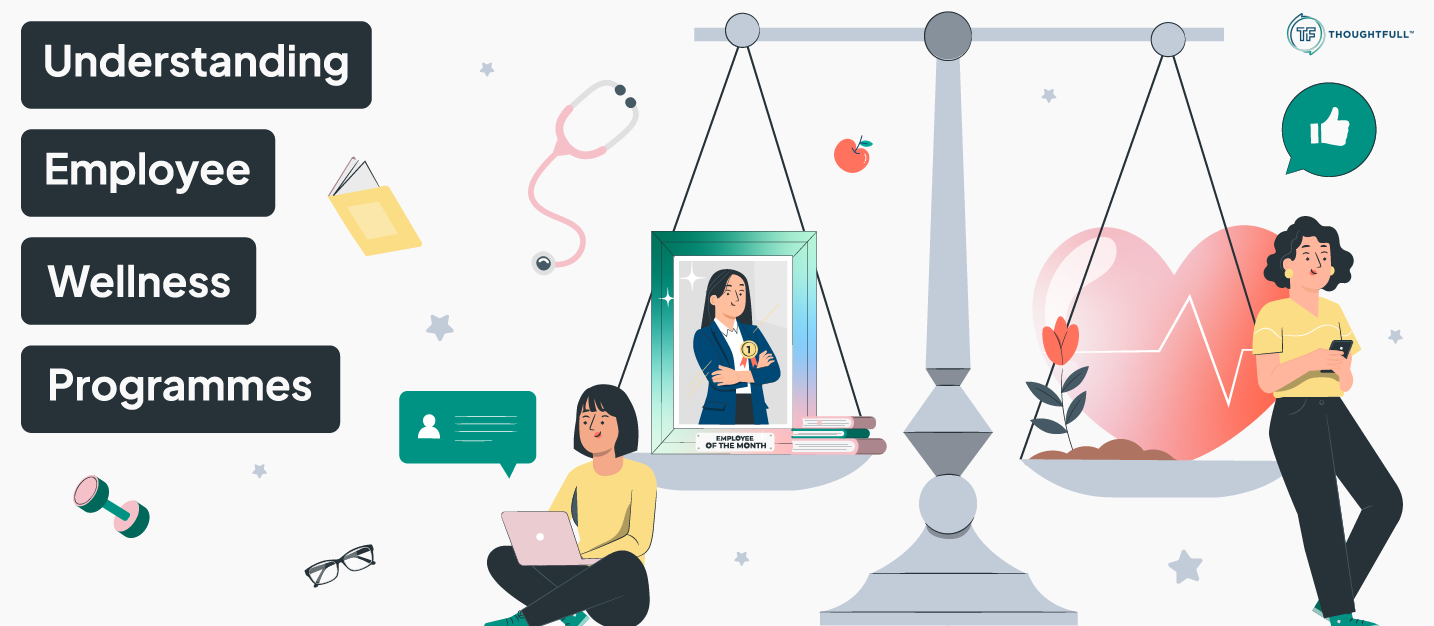
Generic stress management workshops fail because they ignore workplace reality. Telling someone to “just breathe deeply” during a system outage doesn’t help. Effective programs acknowledge actual workplace stressors and provide tools that work in the moment.
Micro-Break Interventions
Forget hour-long meditation sessions. Teach employees two-minute stress interventions they can use between calls or during bathroom breaks. An insurance company near Kingsway Mall trained all staff in the “2-2-2 technique”: two minutes of movement, two minutes of breathing, two minutes of mental reset.
They installed timer lights in quiet spaces. Green means available, red means occupied. Employees book two-minute slots through Slack. No apps, no tracking, just permission to briefly disconnect. Usage data shows people average three micro-breaks daily during high-stress periods.
Physical cues work better than digital reminders. A call center in south Edmonton installed soft chimes that ring every 90 minutes. Not mandatory break time, just a gentle reminder to check in with your body. Stretch, adjust posture, or grab water. Stress-related sick days dropped 30% in six months.
Manager Training for Stress Prevention
Most workplace stress comes from poor management, not workload. Smart companies train managers to prevent stress, not just manage it. A retail head office near South Edmonton Common runs monthly “Stress Prevention Leadership” sessions for all managers.
Topics include workload distribution, meeting management, and communication clarity. They teach managers to spot stress signs early. More importantly, they address systemic issues like unclear expectations and last-minute deadline changes. Fixing these prevents more stress than any wellness program can cure.
Peer support groups for managers work surprisingly well. They meet biweekly to discuss challenges without HR present. An oil and gas company runs these at 7:30 AM with breakfast provided. Managers share what’s working and troubleshoot problems together. It normalizes asking for help.
Quiet Spaces That Actually Stay Quiet
Wellness rooms often become storage closets or impromptu meeting spaces. Successful quiet spaces need fierce protection and clear rules. A downtown law firm installed a booking system with 20-minute maximum slots. No phones, no conversations, no exceptions.Design matters. Avoid couches that encourage napping. Use meditation cushions, comfortable chairs, and soft lighting. Natural elements help – a tech company brought in real plants and a small water feature. White noise machines block office sounds.
Location shouldn’t be an afterthought. Putting quiet spaces next to busy areas defeats the purpose. One company converted a corner office with mountain views into their quiet room. The premier location sends a message: mental health matters as much as executive meetings.
Nutrition Programs That Work With Edmonton’s Food Scene
Corporate nutrition programs often push unrealistic eating habits. Kale smoothie bars in the break room? Good luck competing with the donair shop downstairs. Successful programs work with Edmonton’s food culture, not against it.
Healthy Local Catering Partnerships
Instead of bringing in generic healthy catering, partner with local restaurants that already make nutritious food. A marketing agency on 124 Street rotates between neighborhood spots: Cafe Mosaics for Mediterranean, Noorish for conscious bowls, and The Moth Café for plant-based options.
The key is variety and quality over preaching. Employees eat healthy food when it tastes good. A tech startup near the University partners with campus area health-focused eateries. They subsidize healthy lunch options twice weekly. Participation stays high because the food is actually appealing.
Farmers’ market partnerships work exceptionally well in summer. Old Strathcona Farmers’ Market vendors deliver weekly fruit and vegetable boxes to offices. A financial firm downtown organizes group orders. Employees get local produce at wholesale prices, delivered to their desk.
Practical Nutrition Education
Skip the food pyramid lectures. Teach skills people actually use. A manufacturing company in the Yellowhead corridor runs “Meal Prep Sundays” workshops. They teach batch cooking for shift workers who can’t rely on regular meal times.
Nutrition education works best when tied to local realities. During smoke season, workshops focus on anti-inflammatory foods that help with air quality issues. Winter sessions cover vitamin D and mood-boosting foods. Spring programs address local allergy season challenges.
Invite local nutritionists who understand Edmonton life. They know people need warming foods in winter, that food costs spike in remote areas, and that shift workers face unique challenges. Generic nutrition advice from Toronto-based consultants misses these realities.
Break Room Upgrades That Encourage Healthy Eating
Small break room changes create big impacts. Install proper fridges with enough space for lunch containers. Add microwaves that actually work – nothing pushes people toward fast food like cold leftovers. A consulting firm invested in one high-quality speed oven. Hot meals in two minutes changed lunch habits.
Stock break rooms with basics that make healthy eating easier. Real plates and cutlery encourage bringing leftovers. Hot water dispensers support soup and oatmeal habits. A selection of quality teas provides afternoon alternatives to multiple coffee runs.
Create eating spaces worth using. An accounting firm renovated their lunch room with restaurant-style booths and natural light. People stopped eating at their desks. Social lunch hours naturally encourage better food choices – nobody wants to eat gas station food in front of colleagues.
Mental Health Support That Employees Trust
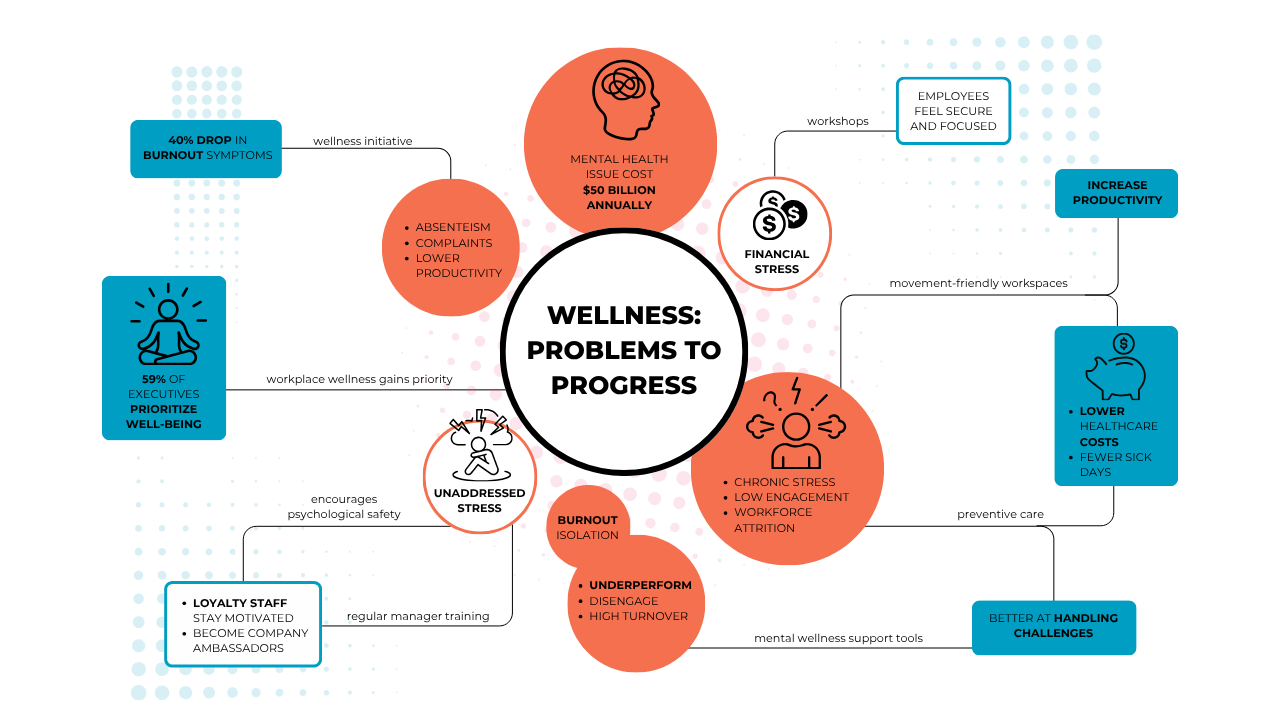
Traditional Employee Assistance Programs (EAPs) see dismal usage rates. Employees worry about confidentiality or find the services too generic. Corporate wellness program ideas that employees actually use for mental health require different approaches.
Embedded Counseling Services
Bringing counselors on-site changes everything. A telecommunications company hosts counselors in their building every Wednesday. Employees book slots like any meeting. No insurance forms, no finding providers, no travel time.
Privacy concerns need addressing upfront. Use offices far from HR. Separate entrance if possible. A retail company’s counselor works from a street-level office with its own door. Employees can claim they’re grabbing coffee.
Specialized support works better than generalists. During tax season, accounting firms bring in counselors experienced with workplace burnout. Tech companies use therapists who understand imposter syndrome and project pressure. Matching counselor expertise to industry challenges increases trust and effectiveness.
Peer Support Networks
Sometimes employees trust colleagues more than professionals. Structured peer support programs provide outlets without clinical overtones. An energy company trains volunteer “Wellness Champions” in active listening and resource referral. They don’t provide therapy – they connect struggling colleagues with help.
These programs need careful structure. Clear boundaries about what peer supporters can and cannot do. Regular debriefing sessions for supporters. An oil services company runs monthly support circles for their champions, led by a professional counselor.
Affinity groups provide natural support networks. Parents dealing with childcare stress, newcomers navigating Edmonton systems, or employees managing chronic conditions. A government agency supports eight different groups. They meet monthly with small budgets for refreshments or speakers.
Flexible Mental Health Days
Rigid sick day policies don’t acknowledge mental health realities. Progressive Edmonton companies now offer true mental health days. No doctor’s note required. No elaborate explanation needed. Just the recognition that sometimes you need a day to reset.
Implementation matters. A consulting firm gives four mental health days yearly, separate from sick time. Use them whenever needed, even last minute. Their only rule: no contact from work that day. Managers receive training on coverage planning so nobody feels guilty about using them.
Some companies tie mental health days to seasons. Extra days during dark January and February. Additional time during spring allergy season when many people struggle. A downtown firm adds “smoke days” when air quality hits dangerous levels – work from home or take the day entirely off.
Team Building Through Wellness Activities
Trust falls and escape rooms are out. Wellness-based team building creates lasting connections while actually benefiting employee health. The successful programs focus on shared experiences over competition.
Cooking Classes With Local Chefs
Edmonton’s culinary scene provides perfect team-building opportunities. A software company books monthly classes at Kitchen by Brad Smoliak. Teams learn knife skills while preparing seasonal dishes. The shared meal afterward builds connections naturally.
Format flexibility helps. Some companies prefer competitive “Chopped”-style challenges. Others want collaborative menus where everyone contributes dishes. NAIT’s culinary program offers corporate workshops tailored to group dynamics. Their teaching kitchens accommodate various team sizes.
Dietary restrictions become connection points, not obstacles. Learning to cook delicious vegan or gluten-free meals together breaks down barriers. A diverse government team bonded over making dishes from their various cultural backgrounds. Now they run monthly potlucks featuring those recipes.
Volunteer Fitness Challenges
Combine fitness with community service for meaningful team building. An engineering firm partners with River Valley Clean Up for monthly walks. Teams collect garbage while getting steps. The environmental impact adds purpose beyond simple exercise.
Habitat for Humanity builds provide intense physical activity with visible results. A construction company sends office staff to build days. Physical labor alongside community benefit creates unique bonding. Plus, desk workers gain appreciation for field crews’ daily efforts.
Local charity runs work when framed correctly. Skip the pressure to run fast or far. An insurance company enters teams in the Terry Fox Run with one rule: everyone moves at the slowest person’s pace. They walk together, sometimes pushing colleagues in wheelchairs. The focus stays on participation, not performance.
Wellness Retreats That Respect Work-Life Balance
Multi-day wellness retreats at mountain resorts sound nice but exclude employees with families or other commitments. Local day retreats work better. A law firm books quarterly sessions at the Fairmont Mac spa. Half-day programs include yoga, healthy lunch, and spa treatments. Everyone’s home by dinner.
Urban retreats eliminate travel barriers. The Matrix Hotel downtown offers corporate wellness packages. Morning yoga, nutritious breakfast, workshop space, and afternoon spa time. Employees feel pampered without leaving the city. Perfect for winter when mountain travel gets sketchy.
For distributed teams, synchronized activities work well. An accounting firm with offices in Edmonton, Red Deer, and Grande Prairie runs simultaneous morning yoga sessions. Each location has local instructors, but they follow the same routine. Teams connect virtually for post-yoga smoothies and conversation.
| Wellness Program Type | Average Participation Rate | Best Season | Typical Cost per Employee |
|---|---|---|---|
| Pedway Walking Groups | 45-60% | Winter | Free |
| On-site Express Fitness Classes | 30-40% | Year-round | $50-75/month |
| Equipment Lending Library | 25-35% | Winter/Spring | $200 setup |
| Embedded Counseling | 15-25% | Year-round | $150-200/session |
| Local Chef Cooking Classes | 70-85% | Fall/Winter | $75-100/class |
| Farmers Market Partnerships | 40-55% | Summer/Fall | Subsidized by company |
Measuring What Actually Matters
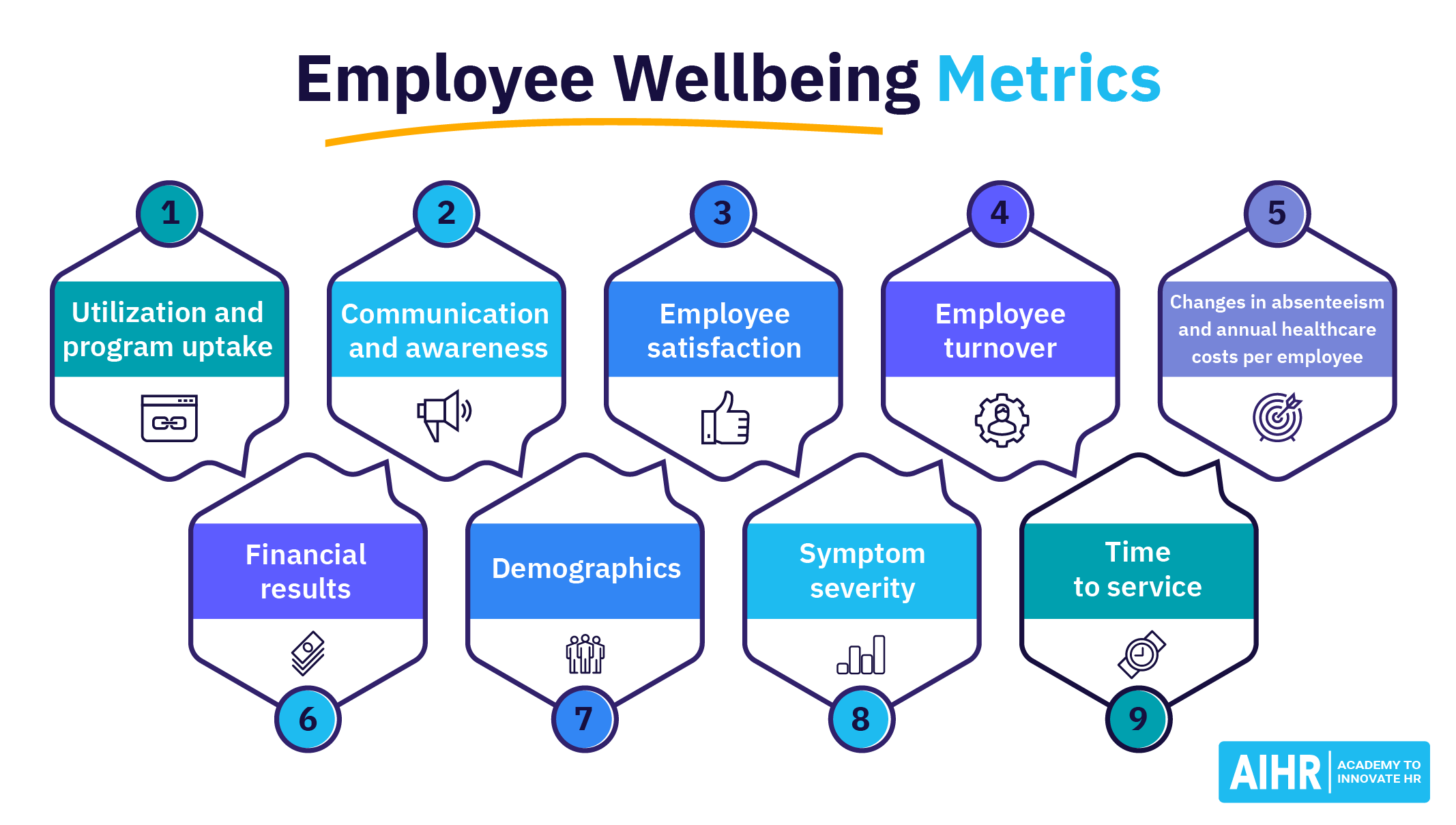
Stop counting gym swipes and yoga class attendance. Real wellness program success shows up in different metrics. Smart Edmonton companies track what matters to their specific workforce.
Engagement Quality Over Quantity
A downtown firm noticed their lunch walking group had only 12 regular participants from 200 employees. Leadership wanted to cancel it. But those 12 people reported significant stress reduction and stronger cross-department relationships. They kept the program.
Survey the right things. Instead of “Did you use wellness programs?” ask “What helped you manage stress this month?” An engineering company discovered their coffee station conversations provided more stress relief than formal programs. They upgraded coffee quality and added comfortable seating.
Track ripple effects. When five employees start bringing healthy lunches, their teammates often follow. A government office measured lunch room fridge usage. When they added better storage and microwaves, healthy lunch-bringers increased from 30% to 65% in one year.
Long-Term Health Indicators
Prescription drug claims tell important stories. Alberta Health Services workplace wellness resources show that companies with complete wellness programs see reduced claims for stress-related medications, back pain treatments, and repetitive strain injuries.
Sick day patterns matter more than totals. Random single sick days often indicate burnout or stress. Clustered days suggest actual illness. A tech company analyzed patterns and found Monday/Friday sick days dropped 40% after implementing flexible work arrangements and mental health supports.
Workers’ Compensation Board claims provide concrete data. Soft tissue injuries from poor ergonomics, stress-related claims, and repetitive strain injuries all decrease with proper wellness support. An industrial company saw WCB premiums drop after implementing stretching programs and ergonomic assessments.
Recruitment and Retention Benefits
Track wellness program mentions in exit interviews and recruitment feedback. A consulting firm found wellness offerings influenced 60% of new hires’ decisions. Not the gym membership – the flexible mental health days and on-site counseling access.
Internal referrals increase when employees feel supported. Companies with strong wellness cultures see more employee referrals. They’re proud to recommend their workplace. An energy company tracks referral sources and found wellness program participants refer twice as many candidates.
Glassdoor and Indeed reviews increasingly mention wellness support. Monitor these platforms for authentic feedback. Employees share honest opinions about which programs actually help versus which ones just look good on paper.
The most successful corporate wellness program ideas that employees actually use share common traits. They respect Edmonton’s unique challenges, from weather to commute distances. They fit into real work schedules. Most importantly, they address what employees actually need, not what looks impressive in HR presentations. Start small, measure honestly, and build programs your people genuinely value.
Related Articles
- How to Build a Morning Wellness Routine for Beginners: An Edmonton Guide
- What Is a Sustainable Habit Loop and How Does It Work: Building Wellness Routines That Stick in Edmonton
- How to Start Yoga at Home in Edmonton: A Winter-Friendly Guide
Sources & References
Frequently Asked Questions
What’s the minimum budget needed to start an effective corporate wellness program in Edmonton?
You can start meaningful wellness initiatives for under $50 per employee monthly. Walking groups using the pedway system cost nothing. Partnering with local fitness instructors for weekly 30-minute sessions runs about $200 per class. Many Edmonton wellness providers offer corporate discounts that make programs surprisingly affordable.
How do we get buy-in from senior leadership who think wellness programs are fluffy?
Present data from similar Edmonton companies showing reduced sick days and WCB claims. A local energy company saved $340,000 annually on prescription drug claims after implementing stress management programs. Focus on productivity metrics like reduced errors and faster project completion. Leadership responds to bottom-line impacts, not wellness philosophy.
Which wellness programs work best for shift workers who can’t attend regular sessions?
On-demand resources work better than scheduled programs for shift workers. Equipment lending libraries let them exercise at home. Recorded stretching videos they can access during breaks help prevent injuries. A Fort Saskatchewan industrial facility installed 24/7 accessible wellness rooms with stretching guides and basic equipment for all shifts.
How do we address privacy concerns about mental health programs?
Use external counselors with offices separate from HR areas. Never require employees to disclose why they’re using services. A Calgary company with Edmonton offices uses a third-party booking system where managers can’t see who schedules appointments. Clear communication about confidentiality rules and legal protections helps build trust over time.
What’s the biggest mistake companies make when launching wellness programs?
Launching too many programs at once without employee input. A Sherwood Park company introduced eight wellness initiatives simultaneously and saw 5% participation. Start with one or two programs based on employee surveys. Build slowly based on what gains traction. The pedway walking group that grows organically beats the expensive fitness center nobody requested.