You’ve tried the fancy habit apps. Downloaded the meditation trackers. Maybe even bought one of those expensive fitness watches during Boxing Day sales at West Edmonton Mall. Two months later, you’re back to square one, wondering why nothing sticks. Sound familiar? Here’s the truth about how to track wellness habits that actually stick in Edmonton’s unique climate and lifestyle.
Last reviewed:
The problem isn’t you. It’s that most habit tracking systems weren’t designed for people who face -30C winters, wildfire smoke in August, and a work culture that means crossing the Henday twice a day. Generic wellness advice falls apart when you’re dealing with darkness at 4:30pm in December or trying to maintain routines during Folk Music Festival week.
After talking with dozens of Edmontonians who’ve successfully built lasting wellness habits, from Oliver yoga practitioners to Sherwood Park runners, one thing becomes clear. The habits that survive our extreme seasons share specific characteristics. They’re flexible enough to adapt to weather changes, simple enough to maintain during busy periods, and connected to local resources that make them easier to sustain.
Health And Wellness Edmonton covers this in more detail.
Understanding Why Most Wellness Habits Fail in Edmonton

Before diving into what works, let’s address the elephant in the room. Why do most wellness tracking attempts crash and burn faster than a July long weekend campfire during fire bans? The answers are surprisingly specific to our city.
The Winter Wall Effect
Every September, Edmonton gyms see the same pattern. New members flood in with ambitious goals. They track every workout, log every meal, monitor sleep patterns religiously. By November, when daylight becomes a precious commodity and the temperature drops below -20C, attendance plummets. The tracking apps gather digital dust.
Edmonton Spring Allergies Wellness Guide For Seasonal Relief covers this in more detail.
Dr. Sarah Chen at the University of Alberta’s Behavioural Health Research Unit studied seasonal wellness patterns in northern Alberta and found that 73% of new wellness habits fail between November and February. The culprit? Rigid tracking systems that don’t account for seasonal reality.
“People set up habits in September when they’re energized and the weather’s perfect,” Chen explains. “Then winter hits, and their entire routine becomes impossible. The 6am River Valley run doesn’t work when it’s dark and icy. The cycling commute stops. Even getting to that Windermere yoga studio becomes a 40-minute winter driving ordeal.”
Does Edmontons Long Summer Daylight Improve Mental Wellness covers this in more detail.
The All-or-Nothing Tracking Trap
Walk into any Whyte Ave coffee shop in January and you’ll overhear the same conversations. “I was doing so well with my meditation app, but I missed three days during the holidays and now I’ve lost my streak.” The perfectionist approach to habit tracking creates brittle systems that shatter at the first disruption.
Local wellness coach Marcus Thompson, who runs workshops at various health and wellness spaces across Edmonton, sees this pattern constantly. “Edmontonians are achievers. We set aggressive goals, track everything meticulously, then beat ourselves up when life gets in the way. A tracking system that doesn’t allow for flexibility is doomed here.”
The statistics back this up. Statistics Canada data shows that Albertans who use rigid daily tracking systems for fitness habits have a 67% abandonment rate within 90 days, compared to 41% for those using flexible weekly targets.
Technology Overload and Decision Fatigue
Visit any Best Buy or London Drugs in town and you’ll see the problem. Dozens of fitness trackers, each promising to revolutionize your wellness journey. Apps that track everything from heart rate variability to REM sleep cycles. The paradox of choice hits hard when you’re already dealing with Edmonton life complexities.
Jennifer Park, who manages corporate wellness programs for several downtown Edmonton companies, observes: “People spend more time researching and setting up tracking systems than actually building habits. They get a Fitbit, download MyFitnessPal, install Headspace, join Strava, and suddenly they’re managing five different platforms. It’s exhausting before they even start.”
This technology overload creates what researchers call “tracking fatigue” – the mental exhaustion from constantly monitoring, logging, and analyzing wellness data. When you’re already navigating winter driving conditions, managing work deadlines, and dealing with everyday stress, adding complex tracking systems becomes one burden too many.
The Five Core Principles of Sustainable Habit Tracking

After analyzing what works for successful long-term wellness practitioners in Edmonton, five principles emerge consistently. These aren’t theoretical concepts from self-help books. They’re practical strategies tested through our winters, construction seasons, and festival summers.
Principle 1: Seasonal Flexibility Built into the Foundation
The most successful wellness trackers in Edmonton don’t fight the seasons – they flow with them. This means creating fundamentally different tracking approaches for winter versus summer, with smooth transition periods built in.
Take Rachel Morrison, a 124 Street area resident who’s maintained consistent wellness habits for eight years. “I track outdoor runs from May to September, focusing on River Valley trail distances. Come October, I switch to tracking indoor activities – spin classes at the university, swimming at Commonwealth, yoga sessions in Oliver. The habit continues, but the specifics change.”
This approach requires planning ahead. In September, successful trackers are already booking winter fitness classes, researching indoor alternatives for smoke season, and adjusting their tracking metrics. They might track “minutes of movement” instead of “kilometers run” to accommodate seasonal shifts.
Key seasonal transitions to plan for:
- October: Shift from outdoor to indoor focus
- December: Reduce expectations during holiday chaos
- March: Gradual return to outdoor options
- May: Full summer routine activation
- August: Smoke season backup plans
Principle 2: Location-Based Anchoring
Generic habit advice tells you to “stack” new habits onto existing ones. In Edmonton, successful trackers take this further by anchoring habits to specific local locations and routines. This creates environmental cues that reinforce the behavior regardless of weather or mood.
Mike Chen commutes from Millwoods to downtown daily. “I track meditation sessions, but only during my LRT ride. Twenty-five minutes each way, perfect for guided sessions. The train becomes my meditation studio. Even when I’m tired or stressed, getting on that train triggers the habit.”
Other successful location anchors include:
- Lunchtime walks in the pedway system (year-round option)
- Morning stretches at specific River Valley viewpoints
- Post-work yoga at studios near major employment centers
- Weekend Farmers’ Market walks as movement tracking
The key is choosing locations that remain accessible year-round or having seasonal alternatives mapped out. A Strathcona resident might anchor summer habits to walks around Mill Creek Ravine but switch to Bonnie Doon Mall walking in winter.
Principle 3: Minimum Viable Tracking
The most sustainable tracking systems in Edmonton follow a “minimum viable” approach. Instead of logging every detail, they focus on one or two key metrics that indicate overall wellness progress. This reduces cognitive load while maintaining accountability.
Lisa Nguyen, a healthcare worker at the Royal Alex, explains her system: “I track exactly two things: did I move for 20 minutes, and did I do my evening wind-down routine. That’s it. No step counts, no calorie logging, no sleep optimization scores. Just two yes/no questions each day.”
This minimalist approach proves especially valuable during high-stress periods like spring allergy season or winter holiday rushes. When life gets complicated, the tracking system remains simple enough to maintain.
Effective minimum tracking metrics used by Edmontonians:
- Binary yes/no for daily movement
- Weekly count of wellness activities (aim for 4-5)
- Monthly check-ins rather than daily logs
- Photo documentation instead of written logs
- Simple tally marks in a physical notebook
Principle 4: Social Accountability with Local Context
While solo tracking works for some, the most resilient wellness habits in Edmonton often include a social component. But not just any accountability partner – someone who understands the unique challenges of maintaining habits here.
The Run Club phenomenon demonstrates this perfectly. Groups meeting at Kinsmen Sports Centre or Starting Block in Old Strathcona don’t just track miles together. They navigate icy paths, share winter gear recommendations, and adjust group runs based on air quality alerts. The shared context makes the accountability meaningful.
Sarah Williams coordinates wellness challenges for her Windermere community league. “We track as a neighborhood group, but with Edmonton-specific rules. Missing a week in February doesn’t break your streak. Having backup indoor options counts as planning, not cheating. We celebrate showing up, not perfect adherence.”
Local accountability structures that work:
- Workplace wellness groups with on-site options
- Neighborhood walking clubs with indoor mall alternatives
- Gym buddy systems at specific local facilities
- Online groups organized by Edmonton area codes
- Community league fitness challenges with seasonal adaptations
Principle 5: Progress Redefinition for Northern Reality
Perhaps the most important principle: redefining what progress looks like in a northern city. Linear improvement – the foundation of most tracking apps – doesn’t align with Edmonton’s seasonal rhythms. Successful long-term trackers embrace a cyclical view of progress.
Tom Anderson, who’s maintained wellness habits through 15 Edmonton winters, puts it best: “I’m fitter in August than February. That’s not failure – that’s adaptation. My tracking reflects this. Winter goals focus on maintenance and mental health. Summer goals push physical limits. Both are progress.”
This might mean:
- Lower step counts in winter, higher in summer
- More meditation tracking during dark months
- Shifting from outdoor sports to strength training seasonally
- Celebrating consistency over improvement during difficult months
- Building in “recovery periods” after seasonal transitions
Practical Tracking Methods That Work in Edmonton
Theory is helpful, but let’s get specific about tracking methods that have proven successful for Edmonton residents across different neighborhoods and lifestyles. These aren’t one-size-fits-all solutions – they’re starting points to customize based on your situation.
The Weekly Check-In Method
Instead of daily tracking, many successful Edmonton wellness practitioners use weekly check-ins. This approach accommodates the reality of variable schedules and weather disruptions while maintaining accountability.
Here’s how Janet Phillips, a teacher in Sherwood Park, structures her weekly tracking:
| Day | Focus Area | Tracking Question |
|---|---|---|
| Sunday | Planning | What are my three wellness priorities this week? |
| Wednesday | Mid-week check | Have I completed at least one priority? |
| Saturday | Weekly review | What worked? What needs adjusting for next week? |
“I don’t stress about Tuesday’s missed workout when Wednesday’s snowstorm kept me home,” Phillips explains. “The weekly view lets me adapt while staying accountable. If I hit two of three priorities, that’s a win.”
This method works particularly well for:
- Parents juggling family schedules
- Shift workers with variable routines
- Anyone who travels frequently for work
- People new to wellness tracking
- Those recovering from all-or-nothing approaches
The Anchor Activity System
Rather than tracking multiple habits, this system focuses on one “anchor” activity that naturally pulls other wellness behaviors along. The anchor should be location-specific and seasonally adaptable.
Marcus Zhou chose morning swimming at Kinsmen as his anchor. “I track one thing: did I make it to the pool? That’s it. But getting there means I pack healthy snacks the night before, go to bed earlier, and start my day with movement. One tracking point creates a cascade of good choices.”
Effective anchor activities in Edmonton include:
- Morning pool sessions (indoor pools year-round)
- Lunchtime gym visits near work
- Evening yoga classes at neighborhood studios
- Weekend Farmers’ Market walks
- Daily pedway walks downtown
The key is choosing an anchor that’s genuinely enjoyable and practically accessible. A Capilano resident might anchor to Riverside Golf Course walks in summer and Bonnie Doon Mall walks in winter. The tracking remains simple: “Did I do my walk?”
The Photo Documentation Approach
Some Edmontonians skip written tracking entirely, using photos as their documentation system. This visual approach reduces friction while creating a meaningful record of progress.
Emma Rodriguez, who lives near Whyte Ave, explains: “Every time I complete a wellness activity, I take one photo. Yoga mat after class. River Valley trail marker on runs. Healthy meal prep on Sundays. My phone becomes a visual wellness journal without any data entry.”
Photo tracking tips:
- Create a dedicated album on your phone
- Include location tags for seasonal pattern recognition
- Weekly photo collages for motivation
- Share in private social media groups for accountability
- Print monthly highlights for tangible reminders
This method particularly suits visual learners and those who find traditional logging tedious. Plus, scrolling through months of wellness photos provides motivation during difficult periods.
Choosing the Right Tools for Edmonton Life

While simple tracking methods often work best, technology can enhance your system when used strategically. The key is choosing tools that complement rather than complicate your Edmonton lifestyle.
Apps and Digital Tools Worth Considering
Not all wellness apps are created equal, especially for northern city living. After testing dozens of options with Edmonton users, certain features prove essential for long-term success here.
Must-have features for Edmonton-friendly tracking apps:
- Offline functionality for basement gyms and poor reception areas
- Flexible goal adjustment without losing historical data
- Weather integration for planning outdoor activities
- Simple interfaces that work with gloves on
- Backup options that don’t require daily streaks
Rather than recommending specific apps (which change constantly), focus on these evaluation criteria. Test any app for a week during typical Edmonton conditions before committing. Can you use it quickly while wearing winter gloves? Does it guilt-trip you for missing days during blizzards? Does it accommodate your seasonal activity shifts?
Many successful trackers use basic tools creatively. The iPhone’s built-in Reminders app, for instance, can create location-based habit prompts. Set a reminder to “log workout” that triggers when you arrive at your gym. Simple, free, effective.
Analog Tools That Beat Digital Complexity
Don’t underestimate the power of physical tracking tools. Many long-term wellness practitioners in Edmonton prefer analog methods that don’t require charging, updating, or troubleshooting.
David Kim keeps a simple notebook at his Oliver apartment: “Each day gets one line. ‘Gym. Walk. Meditation.’ That’s a great day. ‘Walk.’ That’s still a good day. The physical act of writing creates more accountability than tapping a screen.”
Popular analog tracking tools include:
- Wall calendars with sticker systems
- Bullet journals with monthly wellness spreads
- Whiteboard trackers in high-traffic home areas
- Index cards for weekly planning
- Physical tokens moved between jars
The advantage? No notifications, no battery life issues, no subscription fees. Plus, physical trackers become visual reminders in your living space. A calendar by the door reminds you to grab gym gear. A whiteboard in the kitchen prompts healthy meal choices.
Hybrid Approaches for Maximum Flexibility
The most resilient tracking systems often combine digital and analog elements. This redundancy prevents total system failure when technology glitches or motivation wanes.
Anna Petersen uses what she calls the “backup method”: “My main tracking happens in a simple spreadsheet I can access anywhere. But I also keep a pocket notebook for quick notes when I’m out. Every Sunday, I consolidate everything. If I miss a day of digital tracking, the notebook catches it.”
Other hybrid approaches:
- Digital calendar for planning, paper for daily tracking
- Fitness watch for automatic data, journal for reflections
- App for social features, notebook for private goals
- Photos for activities, written logs for feelings
- Automated tracking (steps) plus manual notation (wellness activities)
Building Your Personal Tracking System
Now let’s put it all together. Building a tracking system that actually sticks requires thoughtful planning that considers your specific circumstances in Edmonton. This isn’t about finding the perfect system – it’s about creating one that works for your life.
Step-by-Step System Design
Week 1-2: Observation Phase
Before implementing any tracking, spend two weeks observing your current patterns. Note when you naturally think about wellness, which locations trigger healthy behaviors, and what obstacles consistently appear. This baseline understanding prevents designing a system that fights your natural rhythms.
Keep a simple note in your phone. When do you actually have time for wellness activities? Is it easier to fit in movement before work or after? Do weekends offer more flexibility, or are they packed with family obligations? Understanding your real schedule, not your ideal one, sets the foundation for sustainable tracking.
Week 3-4: Minimum Viable Test
Start with the absolute simplest tracking method possible. Choose one wellness habit and one tracking method. If you’re aiming for regular movement, track only “Did I move for 20+ minutes today?” Binary yes/no. No duration details, no intensity levels, no category specifications.
Test your tracking trigger too. Will you log immediately after the activity? During your commute? Before bed? The timing matters more than the method. Many Edmontonians find success with transition moments – logging while the coffee brews, during the LRT ride, or while waiting for the car to warm up.
Week 5-6: Location and Season Proofing
Now stress-test your system against Edmonton realities. How does tracking work when you’re at West Edmonton Mall with the kids all Saturday? What happens during a week of -35C temperatures? Can you maintain the system during Folk Music Festival or K-Days?
many tracking attempts fail. They work perfectly in ideal conditions but crumble under real-life pressure. Adjust your system based on what you learn. Maybe tracking needs to be even simpler during busy periods. Maybe you need location-based reminders. Maybe weekly tracking suits your lifestyle better than daily.
Week 7-8: Sustainable Expansion
Only after proving your basic system works should you consider adding complexity. If daily movement tracking has become automatic, maybe add a weekly strength training goal. If morning meditation is locked in, perhaps track evening wind-down routines too.
But expansion should be gradual and tested. Add one element at a time. Ensure each addition remains sustainable for at least two weeks before adding more. Many successful trackers find their sweet spot at 2-3 tracked items and stay there for years.
Customization for Different Edmonton Lifestyles
Your tracking system should reflect your unique situation. A downtown condo dweller has different opportunities and constraints than a St. Albert family or a University district student.
For Downtown Professionals:
Leverage the pedway system for year-round walking tracking. Use lunch hours for wellness activities at nearby facilities. Track using work calendars that you’re already checking constantly. Consider workplace wellness groups for accountability. Focus on stress management metrics during busy seasons.
For Suburban Families:
Build tracking around family activities – sledding counts as movement, community league activities provide structure. Use visual tracking methods kids can participate in. Focus on weekly rather than daily goals to accommodate unpredictable schedules. Plan seasonal transitions as a family.
For Students and Young Professionals:
Take advantage of campus facilities and their consistent schedules. Use study breaks for movement tracking. Leverage social accountability through roommates or classmates. Focus on budget-friendly tracking methods. Build habits around the academic calendar.
For Shift Workers:
Create multiple tracking templates for different shift patterns. Focus on weekly totals rather than daily consistency. Use transition rituals between shifts for wellness activities. Track sleep quality as a priority metric. Build location-based habits that work regardless of schedule.
Troubleshooting Common Obstacles
Even well-designed systems hit snags. Here’s how successful Edmonton trackers overcome common obstacles.
“I forgot to track for a week”
This happens to everyone. The solution isn’t to backfill data or abandon the system. Simply restart from today. Many successful trackers build in “amnesty weeks” – planned breaks from tracking every few months. This prevents the guilt spiral that kills habits.
“Winter destroyed my routine”
If your tracking system can’t survive Edmonton winter, it needs redesigning. Consider winter-specific wellness activities that actually become more appealing in cold weather. Hot yoga, indoor pools, mall walking, and home workouts often track better in winter than forced outdoor activities.
“I’m tracking but not seeing progress”
Redefine progress for your current season of life. A new parent maintaining any wellness routine is winning. Someone managing chronic illness who tracks symptom-free days is succeeding. Progress isn’t always linear improvement – sometimes it’s preventing decline during difficult periods.
“The tracking feels like another chore”
Simplify immediately. Reduce tracked items to one. Switch to weekly check-ins. Try photo documentation. The moment tracking becomes burdensome, it’s failing its purpose. The goal is supporting wellness, not perfect data collection.
Maintaining Long-Term Momentum

The real test of any tracking system isn’t the first month or even the first year. It’s whether the system can evolve with your changing life while maintaining its core purpose. Edmonton’s successful long-term trackers share strategies for maintaining momentum through life’s inevitable changes.
Seasonal Rhythm Planning
Instead of fighting Edmonton’s dramatic seasons, build them into your tracking expectations from the start. This means planning your wellness year in quarters, not days or weeks.
Winter Quarter (December-February):
Focus tracking on maintenance and mental health. Track indoor activities, vitamin D supplementation, mood indicators, and social connections. Lower physical activity expectations but increase consistency rewards. Many successful trackers use this period for establishing meditation or stretching habits that require minimal equipment.
Spring Quarter (March-May):
Transition tracking gradually. March might still be winter mode, but by May you’re fully outdoor focused. Track the transition itself – first outdoor run, first bike ride, first River Valley hike. Use increasing daylight as motivation for expanding wellness activities.
Summer Quarter (June-August):
Maximize outdoor tracking opportunities while planning for smoke season interruptions. Track festival season wellness (steps at Folk Fest count.), outdoor swimming, trail exploration. Build in flexibility for vacation periods and visiting friends/family.
Fall Quarter (September-November):
The golden period for establishing new tracking habits. Weather’s still decent, routine returns after summer, motivation runs high. Use this quarter to test new tracking methods or add complexity to existing systems. Plan and book winter activity alternatives.
Life Change Adaptations
Your tracking system must be flexible enough to survive major life changes – job switches, moves, relationship changes, health challenges. The most resilient trackers plan for adaptation.
When Sarah moved from Oliver to Sherwood Park, her entire wellness routine needed restructuring. “My tracking system saved me. I could see patterns – I’m a morning person who needs group accountability. So I found a Sherwood Park gym with 6am classes and rebuilt around that anchor.”
Build change protocols into your system:
- Monthly reviews to assess if tracking still serves you
- Permission to pause during major transitions
- Simplified “survival mode” tracking options
- Regular system updates based on life circumstances
- Focus on principles over specific practices
The Evolution Mindset
Perhaps most importantly, successful long-term trackers in Edmonton view their systems as living documents, not fixed rules. They evolve naturally over time, becoming simpler and more intuitive.
Robert Chang has tracked wellness habits for twelve years: “My current system looks nothing like when I started. Back then, I tracked eight different metrics daily. Now? I note whether I moved, whether I ate vegetables, and how I slept. That’s it. But those three things tell me everything about my wellness state.”
This evolution happens naturally when you:
- Regularly review what tracking data you actually use
- Eliminate metrics that don’t drive behavior change
- Consolidate similar tracked items
- Automate what can be automated
- Focus on leading indicators, not lagging ones
Related Articles
- How to Build a Morning Wellness Routine for Beginners: An Edmonton Guide
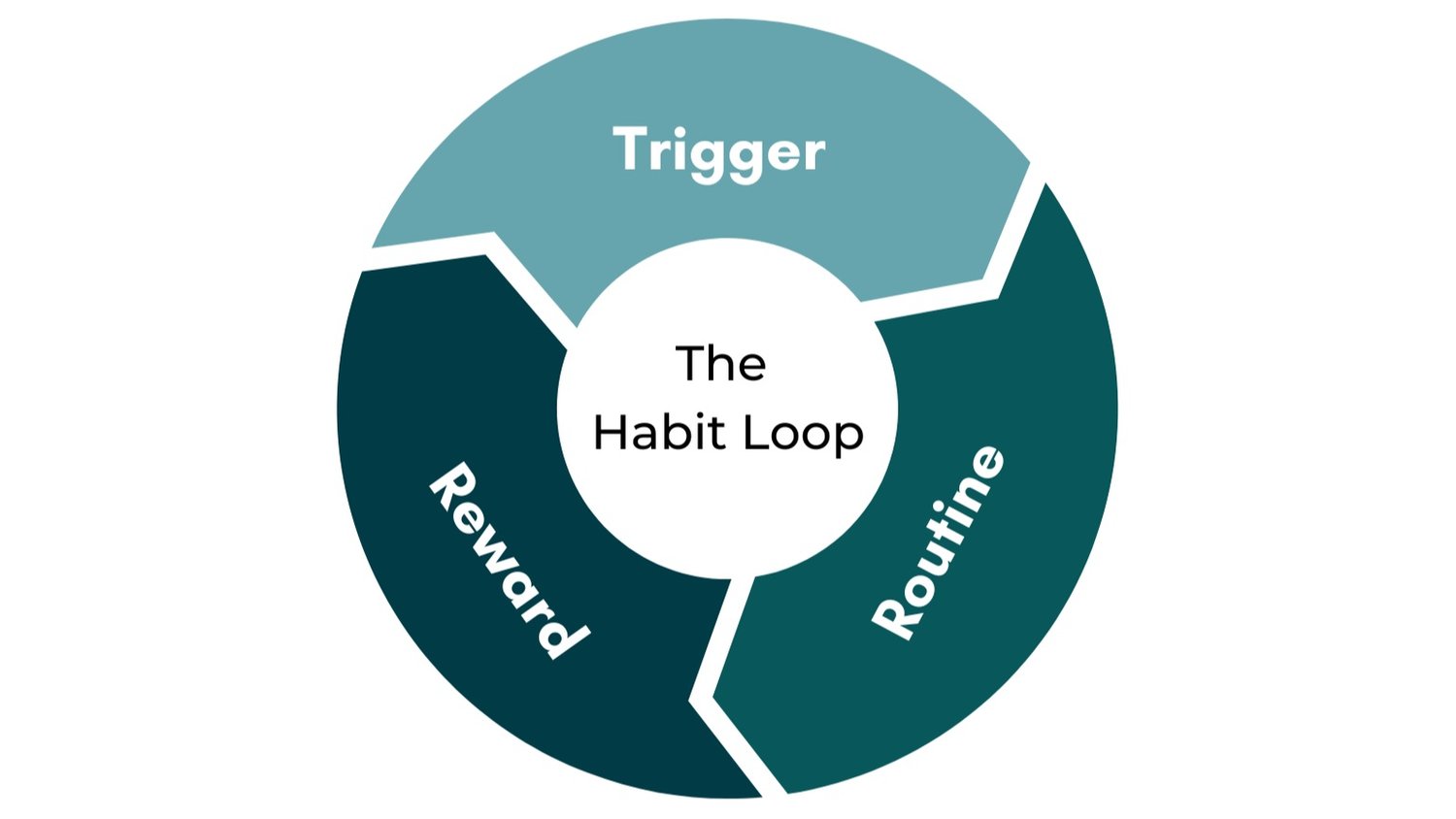
- What Is a Sustainable Habit Loop and How Does It Work: Building Wellness Routines That Stick in Edmonton
- How to Start Yoga at Home in Edmonton: A Winter-Friendly Guide
Sources & References
Frequently Asked Questions
What’s the best app for tracking wellness habits in Edmonton?
The best tracking tool is the one you’ll actually use consistently through all seasons. Many Edmontonians find simple solutions work better than complex apps. Try basic methods like calendar stickers or phone notes for two weeks before investing in specialized apps. If you need digital tools, prioritize ones with offline functionality and flexible goal adjustment.
How do I maintain workout tracking during Edmonton winters?
Shift your tracking focus from outdoor distances to indoor consistency. Track “movement sessions” rather than specific activities, allowing flexibility between gym visits, mall walks, or home workouts. Many successful winter trackers book recreation centre passes in October and track attendance rather than performance metrics through the cold months.
Should I track daily or weekly wellness habits?
Weekly tracking often works better for Edmonton’s variable weather and busy lifestyles. It allows you to miss a Tuesday workout due to a snowstorm but catch up on Saturday. Start with weekly totals (“4 movement sessions” rather than “daily exercise”) and only add daily tracking if weekly becomes automatic.
What’s the minimum I should track to see real results?
Track one to three core behaviors maximum. Most successful Edmonton wellness practitioners track just movement frequency and one other metric like sleep quality or vegetable servings. The key is consistency over complexity – tracking one habit for a full year beats tracking ten habits for a month.
How do I restart tracking after falling off during the holidays or summer festivals?
Simply begin again with no guilt or backtracking. Mark a “fresh start” in your tracking system and move forward. Many Edmontonians build in planned breaks around Christmas and Folk Festival specifically to prevent the abandon-guilt-quit cycle. Consider these breaks as system features, not failures.