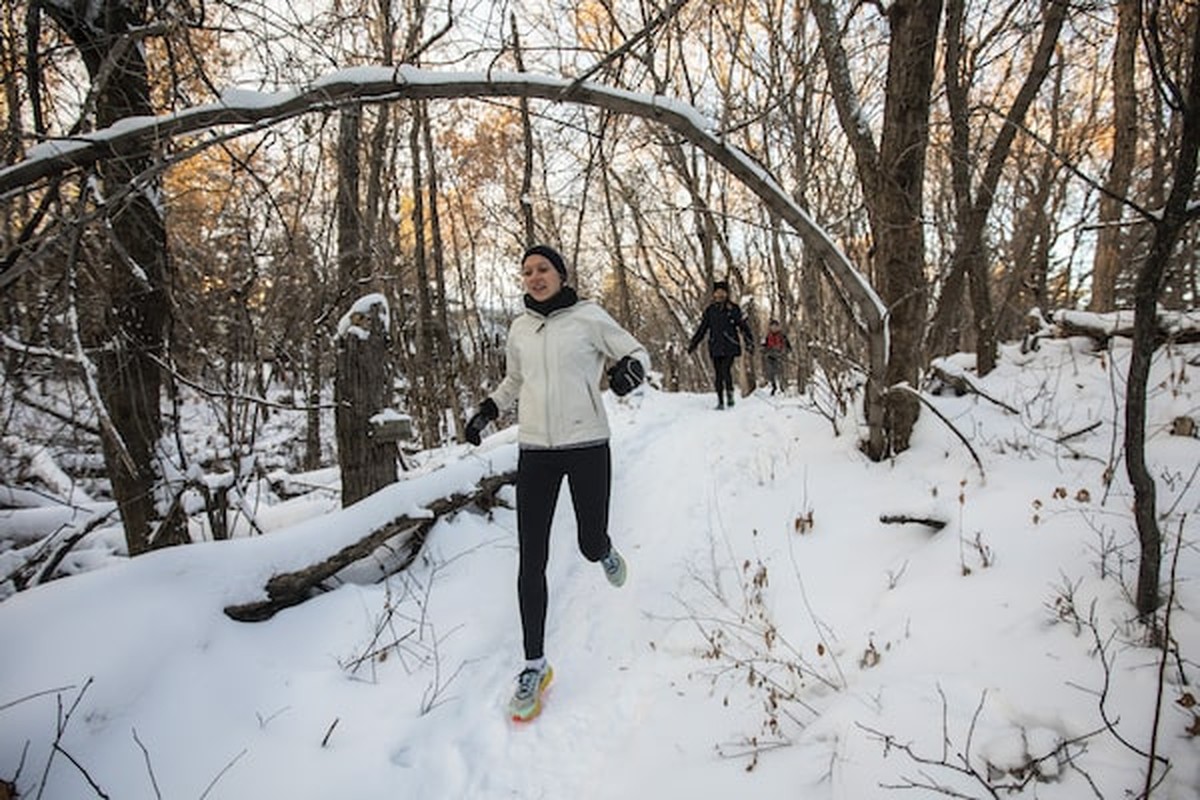
Understanding Winter Running in Edmonton’s Climate
Running outside in Edmonton winter is possible down to about -25°C with proper gear and preparation. Below that, even experienced winter runners should consider indoor alternatives. The real challenge isn’t just temperature — it’s the combination of cold, wind, ice, darkness, and variable conditions that make Edmonton winters particularly demanding for outdoor exercise.
Last reviewed:
Most Edmonton runners maintain outdoor training through November to March, though the coldest weeks in January and February often force everyone indoors. Our local fitness community has developed specific strategies for dealing with temperatures that would stop runners in milder climates.
Temperature Thresholds for Safe Running
According to Alberta Health Services cold weather exercise guidelines, these temperature ranges affect running safety:
Fitness Outdoor Movement In Edmonton covers this in more detail.
- 0°C to -10°C: Ideal winter running conditions. Regular running gear with winter modifications works fine.
- -10°C to -20°C: Requires full winter running kit. Most runners comfortable at these temps with experience.
- -20°C to -25°C: Advanced territory. Need excellent gear and reduced exposure time.
- Below -25°C: Indoor recommended. Risk of frostbite increases significantly with wind.
Wind chill changes everything. A -15°C day with 20 km/h winds feels like -24°C. Check both actual temperature and wind chill before heading out. The Weather Network app shows both readings for Edmonton.
Unique Edmonton Winter Challenges
Edmonton’s winter running conditions differ from other Canadian cities. Our dry cold penetrates differently than humid cold in Vancouver or Toronto. Ice forms in unpredictable patterns due to our freeze-thaw cycles, especially in November and March. Darkness is another factor — sunrise at 8:45 AM in December means most morning runners need reflective gear and headlamps.
Why Does Smoke Season Affect Outdoor Fitness Edmonton covers this in more detail.
The biggest hazard is black ice on residential sidewalks. Unlike cities with consistent snow cover, Edmonton’s chinooks create melt-freeze cycles that turn sidewalks into skating rinks. Mill Creek Ravine and other popular summer routes become treacherous without ice grippers.
Outdoor Fitness Classes Edmonton Summer covers this in more detail.
Snow clearing varies wildly by neighborhood. Downtown and Oliver see prompt clearing. Older neighborhoods like Bonnie Doon or Forest Heights might wait days after a snowfall. This creates a patchwork of runnable and dangerous routes that changes daily.
Winter Light A Practical Guide To Managing Sad In Edmonton covers this in more detail.
Physical Effects of Cold Weather Running
Your body works differently at -20°C than at +20°C. Heart rate increases about 5-10 beats per minute in extreme cold as your cardiovascular system works to maintain core temperature. Breathing cold air can trigger exercise-induced asthma even in people without respiratory issues. Many runners develop a persistent cough after runs below -15°C.
Muscles take longer to warm up in cold weather. What feels like a gentle pace in summer becomes moderately hard in winter gear. Most runners slow their pace by 30-60 seconds per kilometer in full winter conditions. This is normal and necessary for safety.
Dehydration happens faster than you’d expect. Cold air is dry air, and you lose moisture with every breath. The sensation of thirst decreases in cold weather, making it easy to under-hydrate. Carry water in an insulated bottle or plan routes past open businesses.
Essential Winter Running Gear for Edmonton
Proper gear makes the difference between a miserable slog and an enjoyable winter run. Edmonton runners have tested every possible combination, and certain items consistently prove essential for our specific conditions.
Layering System for Different Temperatures
The key to Edmonton winter running is adaptable layering. Here’s what works at different temperature ranges:
| Temperature | Base Layer | Mid Layer | Outer Layer | Accessories |
|---|---|---|---|---|
| 0°C to -5°C | Long-sleeve tech shirt | Light vest (optional) | Wind jacket | Light gloves, headband |
| -5°C to -15°C | Thermal base layer | Fleece or soft shell | Wind-proof jacket | Insulated gloves, toque, buff |
| -15°C to -25°C | Merino wool base | Insulated mid-layer | Winter running jacket | Mittens, balaclava, double socks |
Base layers matter most. Merino wool beats synthetic for odor control and warmth when damp. Brands like Icebreaker and Smartwool make running-specific base layers that regulate temperature better than cotton or basic polyester.
Footwear and Traction Devices
Regular running shoes won’t cut it on Edmonton’s icy sidewalks. You need either winter-specific running shoes or traction devices. Popular options among local runners include:
- Salomon Speedcross: Built-in lugs handle packed snow well. Not waterproof but quick-drying.
- Icebug shoes: Carbide studs built into sole. Expensive ($200+) but grip everything.
- Yaktrax Run: Slip-on traction device. Works with regular shoes. About $40 at MEC.
- Kahtoola Nanospikes: More aggressive than Yaktrax. Better for true ice conditions. $50-60.
Waterproof shoes seem logical but often cause problems. Your feet generate heat and moisture when running. Waterproof membranes trap that moisture, leading to cold, wet feet. Better to use water-resistant shoes with wool socks that insulate when damp.
Protecting Extremities
Fingers, toes, ears, and nose are most vulnerable to frostbite. Edmonton runners have learned specific strategies for each:
Hands: Mittens beat gloves below -15°C. The shared air space keeps fingers warmer. Many runners use a liner glove inside a mitten for versatility. The Running Room on 109 Street stocks cold-weather mitts specifically designed for running.
Head and face: A balaclava becomes essential below -20°C. The Buff brand makes convertible options that work as neck warmer, face mask, or full coverage. Some runners apply Vaseline to exposed skin for wind protection.
Feet: Double-sock systems work well — thin moisture-wicking liner with wool outer sock. Toe warmers (chemical heat packs) help on extreme days. Make sure shoes have room for thicker socks without constraining circulation.
Safe Winter Running Routes in Edmonton

Not all Edmonton running routes work in winter. The best winter routes combine good snow clearing, adequate lighting, and protection from wind. Here are proven options by neighborhood.
River Valley Trails
The River Valley trail system offers protected routes with less wind exposure. However, maintenance varies significantly:
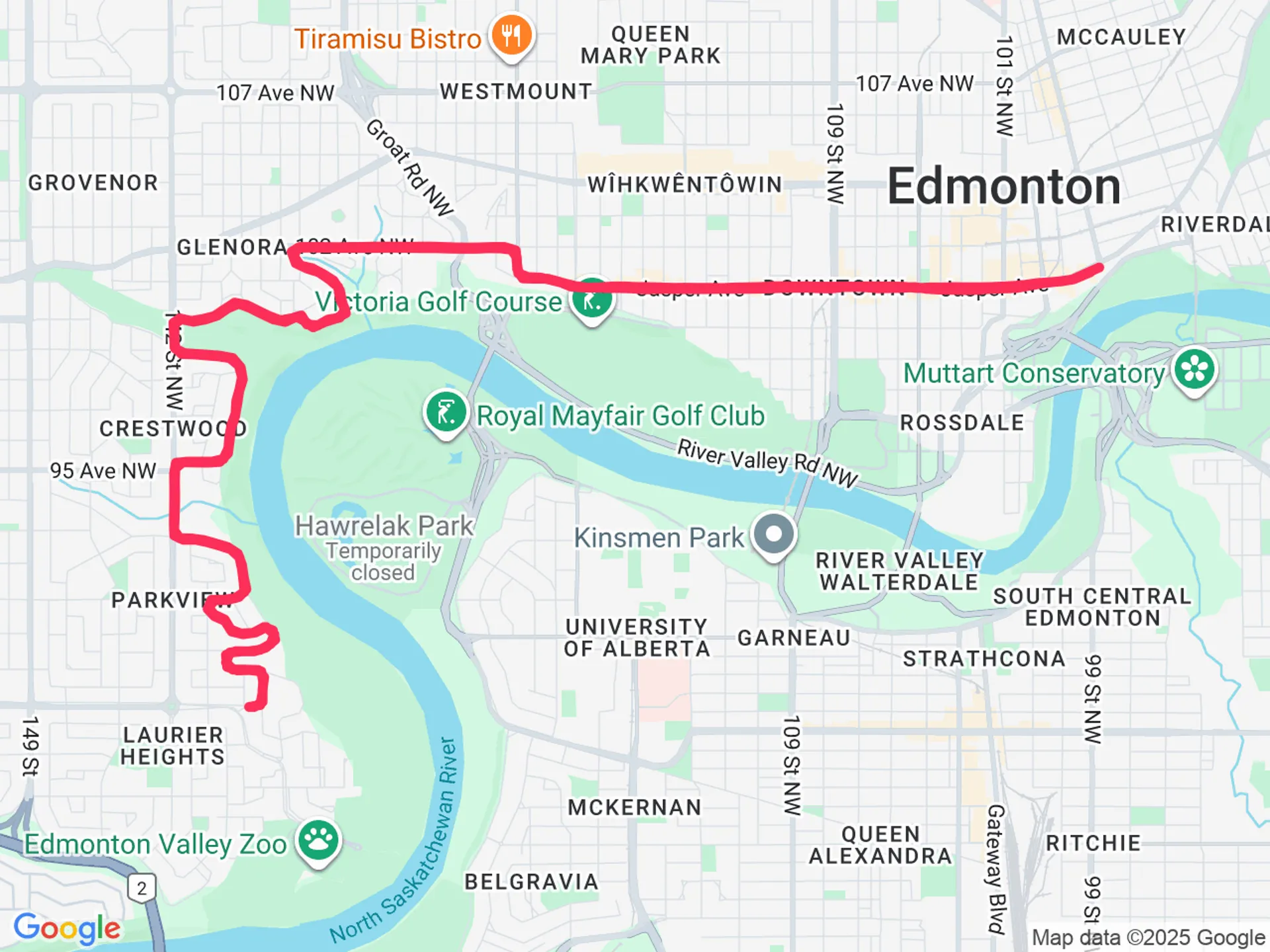
- Victoria Park Loop: Generally well-maintained. The hill provides good traction even when icy. Parking at the golf course lot off River Valley Road.
- Hawrelak Park: Hit or miss for snow clearing. Beautiful when maintained but can be impassable after heavy snow.
- Kinsmen to High Level Bridge: Usually cleared within 48 hours of snowfall. Well-lit for evening runs.
- Terwillegar Park: Often neglected in winter. Better for fat biking than running.
Check the City of Edmonton’s trail condition reports before heading to the valley. They update status after major snow events.
Neighborhood Routes
Residential routes offer more consistent maintenance and easy bail-out options if conditions deteriorate:
- Whyte Avenue corridor: Businesses keep sidewalks clear. Good for evening runs with plenty of light and warm-up spots.
- Downtown pedway system: Not scenic but climate-controlled. Connect buildings for a 5-10km route.
- University of Alberta campus: Excellent snow clearing. Mix of indoor pedways and outdoor paths.
- Strathcona/Garneau: Tree-lined streets provide wind protection. Active community means better sidewalk clearing.
Avoid residential areas in Millwoods or newer suburbs during winter. Sidewalk clearing is inconsistent and wind exposure is brutal without mature trees.
Indoor Alternatives
When outdoor running becomes dangerous, Edmonton offers several indoor options:
- Kinsmen Sports Centre: 200m indoor track. Drop-in rate $8. Gets crowded evenings.
- Running Room indoor runs: Free Wednesday night treadmill sessions at various locations.
- University of Alberta Butterdome: 400m track. Public hours limited but worth checking.
- Terwillegar Rec Centre: Indoor track plus treadmills. Day pass $15.
Many runners join a gym just for January and February. GoodLife Fitness and World Health offer short-term memberships. Check our fitness facility guide for detailed comparisons of track and treadmill options.
Winter Running Technique Adjustments
Running form changes in winter conditions. These adjustments prevent injuries and improve efficiency on snow and ice.
Modifying Your Stride
Shorten your stride on winter surfaces. A longer stride increases slip risk and reduces control. Think quick, light steps directly under your center of gravity. This feels unnatural at first but becomes automatic with practice.
Keep your core engaged more than summer running. This improves balance and helps recover from small slips. Many runners describe winter running as a constant micro-adjustment of balance.
Avoid sudden direction changes. Plan corners wide and slow down before turns, not during. The Strathcona Farmers Market loop is good for practicing controlled turns on various surfaces.
Pacing and Effort Management
Forget about pace goals in winter. Running at 5:30/km pace on clear pavement might translate to 6:30/km on packed snow with same effort. Heart rate or perceived effort gives better training feedback than pace.
Build in longer warm-ups. Start with 10-15 minutes of easy movement before attempting regular pace. Cold muscles plus slippery surfaces equal pulled hamstrings. Many runners do dynamic warm-ups indoors before heading out.
Plan shorter routes with multiple loops rather than long out-and-backs. This gives bail-out options if conditions worsen or gear fails. The Oliver square (104 Ave to Jasper, 116 St to 124 St) makes a good 5km loop with coffee shop options.
Breathing Techniques for Cold Air
Cold air can trigger breathing issues even in healthy runners. Several techniques help:
- Breathe through a buff or balaclava to pre-warm air
- Focus on nose breathing when possible (limits air volume but warms it)
- Slow down if breathing becomes painful
- Use prescribed inhalers preventively if you have exercise-induced asthma
Some runners develop a persistent cough after cold-weather runs. This usually resolves within an hour. If it persists, see a doctor — you might need an inhaler for winter running only.
Health and Safety Considerations

Winter running carries unique risks beyond summer hazards. Understanding these keeps you safe through Edmonton’s long winter.
Recognizing Frostbite and Hypothermia
Frostbite can develop in under 30 minutes at -25°C with wind. Watch for these warning signs:
- Numbness or tingling in extremities
- Skin color changes (pale, red, or blue-tinged)
- Hard or waxy-looking skin
- Clumsiness due to joint stiffness
If you suspect frostbite, get inside immediately. Warm affected areas gradually with warm (not hot) water. Seek medical attention for anything beyond mild symptoms. The Misericordia Hospital emergency is closest to many running routes.
Hypothermia is less common in runners but possible if you get wet or injured. Symptoms include uncontrolled shivering, confusion, slurred speech, and drowsiness. This is a medical emergency requiring immediate help.
Hydration and Nutrition
Winter dehydration is real. You lose significant moisture through breathing in dry air. Carry fluids even on shorter runs. Options include:
- Handheld bottles with neoprene covers (prevents freezing)
- Hydration vests worn under jacket
- Planning routes past open Tim Hortons or gas stations
Fuel needs increase in cold weather. Your body burns extra calories maintaining temperature. Eat something 30-60 minutes before heading out. Many runners keep emergency gels in pockets — they might freeze but still work.
Visibility and Road Safety
Darkness and poor weather make visibility critical. Edmonton drivers struggle with winter conditions too. Make yourself obvious:
- Reflective vest over all layers
- Headlamp plus rear blinking light
- Light-colored outer layer
- Avoid noise-cancelling headphones
Run facing traffic when possible. Assume cars can’t stop quickly on ice. The City of Edmonton Vision Zero data shows pedestrian incidents spike in November and March when conditions are most variable.
Training Plans and Winter Running Programs
Maintaining fitness through Edmonton winter requires adjusted expectations and creative planning. Local running groups have developed strategies that work with our climate.
Adapting Summer Training Plans
Standard training plans assume consistent conditions. Edmonton winters demand flexibility. Key adjustments include:
- Replace time-based workouts with effort-based training
- Move speed work indoors or to cleared tracks
- Accept 10-20% reduction in weekly mileage
- Build in contingency days for extreme weather
Many runners train for spring races through winter. The Hypothermic Half Marathon in February gives a local goal race. Training through winter for the Edmonton Marathon means you’re ready for any weather come race day.
Local Running Groups and Communities
Running with others improves winter safety and motivation. Edmonton groups active through winter include:
- River Valley Runners: Meet Wednesdays at Running Room Southgate. All paces welcome.
- Edmonton Running Club: Structured workouts year-round. Check their Facebook for updates.
- November Project YEG: Free workouts Wednesday and Friday mornings. Hardcore but supportive.
- Run Wild: Women-focused group with winter programs. Meet at various locations.
Running Room stores organize free group runs several times weekly. The Whyte Avenue location has strong winter turnout. Groups provide safety, route knowledge, and post-run coffee traditions.
Building Mental Resilience
Winter running is 50% physical, 50% mental. Edmonton runners develop specific mental strategies:
- Focus on effort and time rather than distance or pace
- Celebrate showing up — getting out the door is the victory
- Keep a winter running journal to track progress
- Set process goals (run 3x/week) not outcome goals (specific race times)
The darkness affects many runners’ mental health. Managing seasonal mood changes becomes part of winter training. Morning runs provide light exposure, even on cloudy days.
Alternatives When Outdoor Running Isn’t Safe
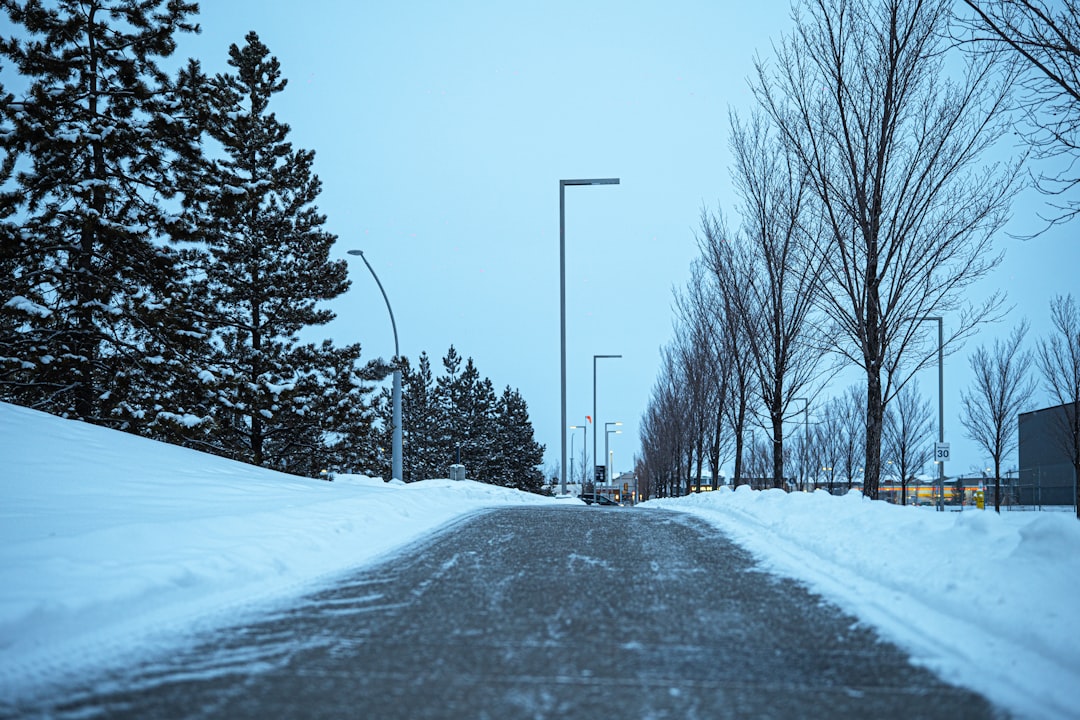
Some winter days, outdoor running is genuinely unsafe. Smart runners have backup plans ready.
Indoor Track Options
Edmonton’s indoor tracks vary in quality and accessibility:
- Kinsmen Sports Centre: Best public option. 200m track, $8 drop-in. Busy 5-8 PM weekdays.
- Terwillegar Rec Centre: improved track above gym. Good views but only 190m. $15 day pass.
- Commonwealth Rec Centre: Walking track only but works for easy runs. Senior discount available.
- YMCA locations: Small tracks but included in membership. Castle Downs has best option.
Track etiquette matters more indoors. Faster runners use inner lanes. Pass on the left. No more than two people side-by-side. Most tracks alternate direction daily to prevent repetitive stress.
Treadmill Running Strategies
Treadmills aren’t ideal but beat missing workouts entirely. Make them bearable with:
- 1-2% incline to simulate outdoor effort
- Interval workouts to break monotony
- Entertainment (Netflix downloads, podcasts, audiobooks)
- Virtual running apps like Zwift or Peloton
Quality treadmills make a difference. World Health Ellerslie has the best selection. GoodLife South Common upgraded their cardio section recently. Anytime Fitness locations offer 24-hour access for early morning runners.
Cross-Training Options
Winter opens other fitness opportunities that complement running:
- Cross-country skiing: Excellent cardio with less impact. Goldbar Park and Kinsmen have groomed trails.
- Snowshoeing: Running-specific models available. Terwillegar Park has dedicated trails.
- Indoor cycling: Maintains fitness without weather stress. YEG Cycle offers running-specific classes.
- Swimming: Commonwealth Pool has lane swimming from 5:30 AM.
Summer outdoor fitness transitions to indoor alternatives but maintains the community aspect many runners value.
Sources & References
Find Trusted Wellness Spots in Edmonton
Browse our independent guide to Edmonton’s spas, fitness studios, and wellness services. Local. Honest. Free.
Related Reading
Related Reading
Related Reading
Frequently Asked Questions
What temperature is too cold to run outside in Edmonton?
Most runners draw the line at -25°C actual temperature or -30°C with windchill. Below these temperatures, frostbite risk increases significantly even with proper gear. Always check both readings before heading out.
Do I need special winter running shoes?
You need either winter-specific running shoes or traction devices for your regular shoes. Yaktrax Run ($40 at MEC) or Kahtoola Nanospikes ($50-60) work well for most conditions. True winter running shoes like Salomon Speedcross cost $150-200 but last multiple seasons.
Where can I find indoor running tracks in Edmonton?
Kinsmen Sports Centre offers the best public indoor track at $8 drop-in. Terwillegar Recreation Centre ($15 day pass) and various YMCA locations also have tracks. University of Alberta Butterdome has limited public hours but offers a full 400m track.
How do I prevent my water bottle from freezing during winter runs?
Use insulated bottles with neoprene covers, carry bottles inside your jacket, or mix sports drink stronger than usual (sugar lowers freezing point). Many runners plan routes past open Tim Hortons or gas stations instead of carrying water.
What should I wear for running at -15°C in Edmonton?
At -15°C, wear a thermal base layer (merino wool ideal), insulated mid-layer, wind-proof outer jacket, insulated gloves or mittens, thermal tights, warm socks, toque, and neck buff. Adjust layers based on wind and your personal cold tolerance.