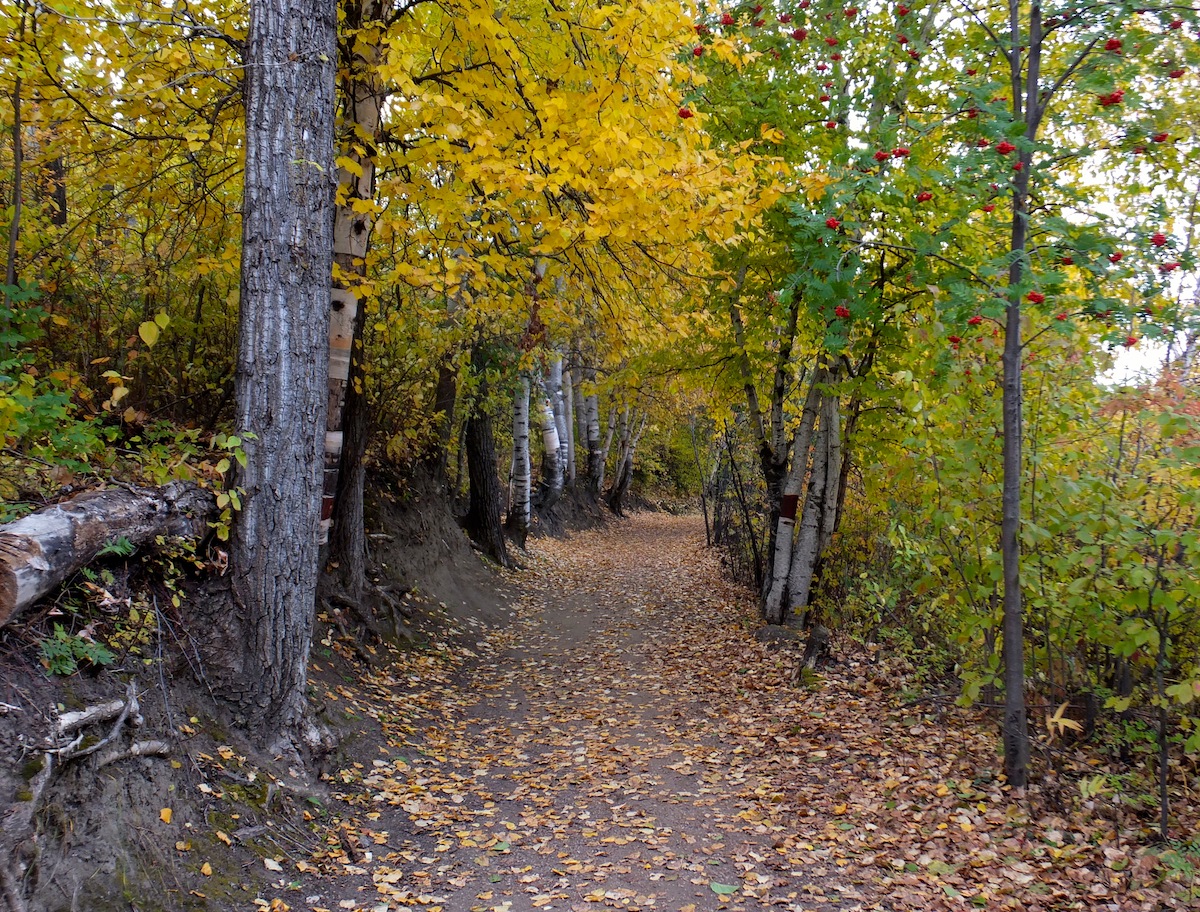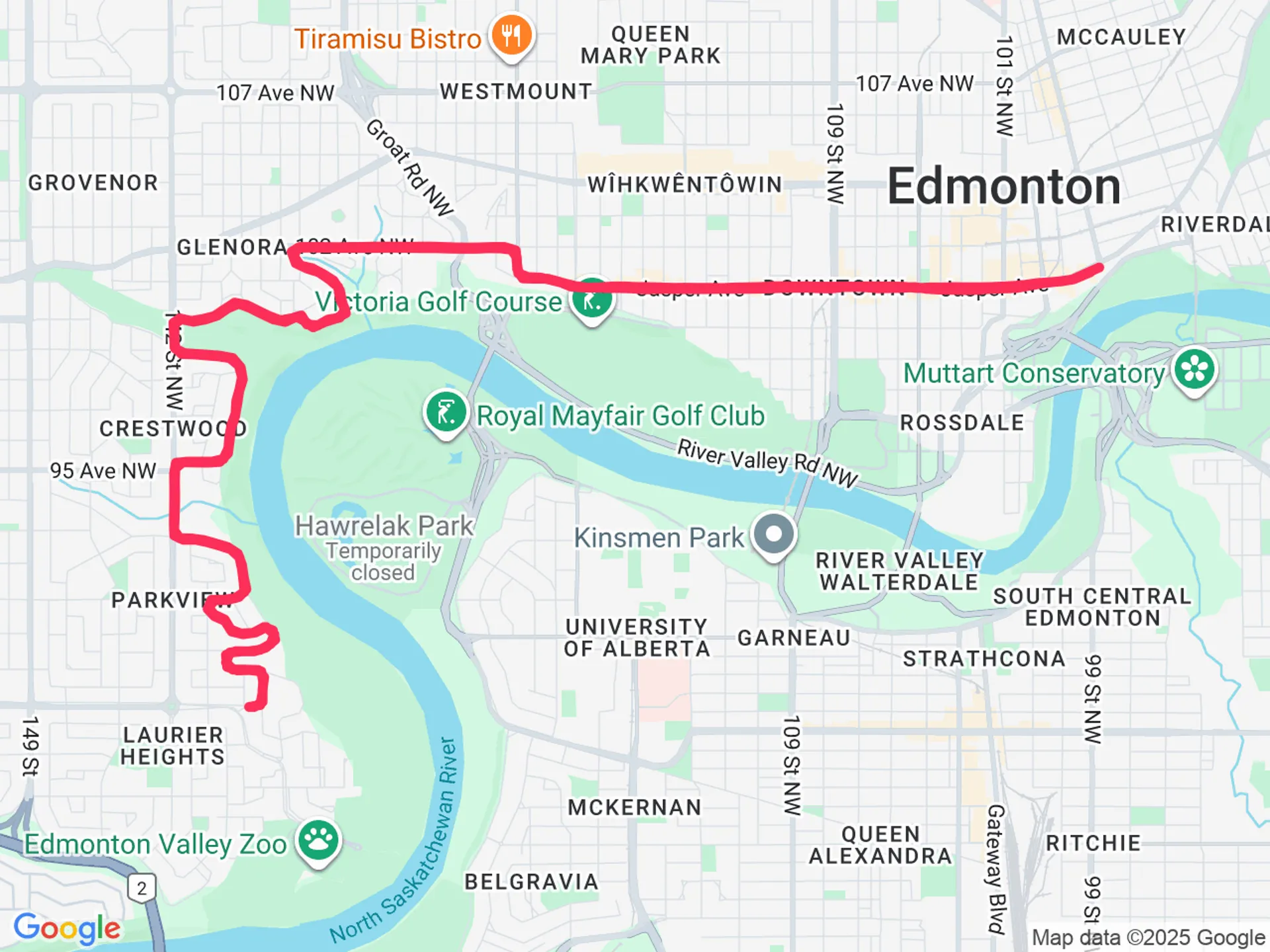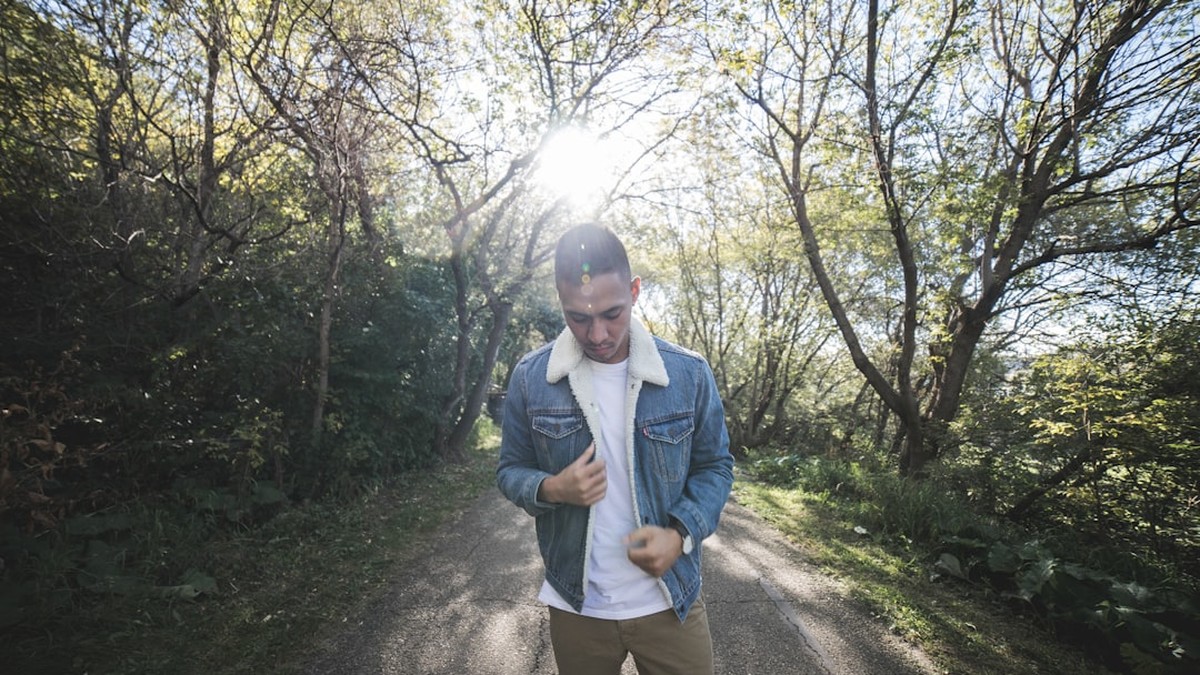
Spring running in Edmonton means dressing for two different seasons in the same week, sometimes in the same run. One Tuesday you are on the Whitemud Ravine trail in a toque and shell jacket at -9°C. By Saturday you are on Jasper Ave in a t-shirt at 16°C, sweating more than you expected. Figuring out what to wear for spring running in Edmonton is less about owning the right jacket and more about understanding how fast this city’s weather actually swings between March and May, and building a small, flexible gear rotation that covers all of it. This guide breaks down exactly what to wear by temperature range, what your feet need on thawing river valley trails, how to handle the pollen that shows up right when the snow finally clears, and which neighborhoods offer the best routes once the ice is gone. By the end, you will have a practical, no-nonsense system instead of a closet full of guesswork, whether you are running from a downtown condo or driving in from Sherwood Park for a river valley loop.
Last reviewed:
Why Edmonton Spring Weather Wrecks a Simple Running Wardrobe
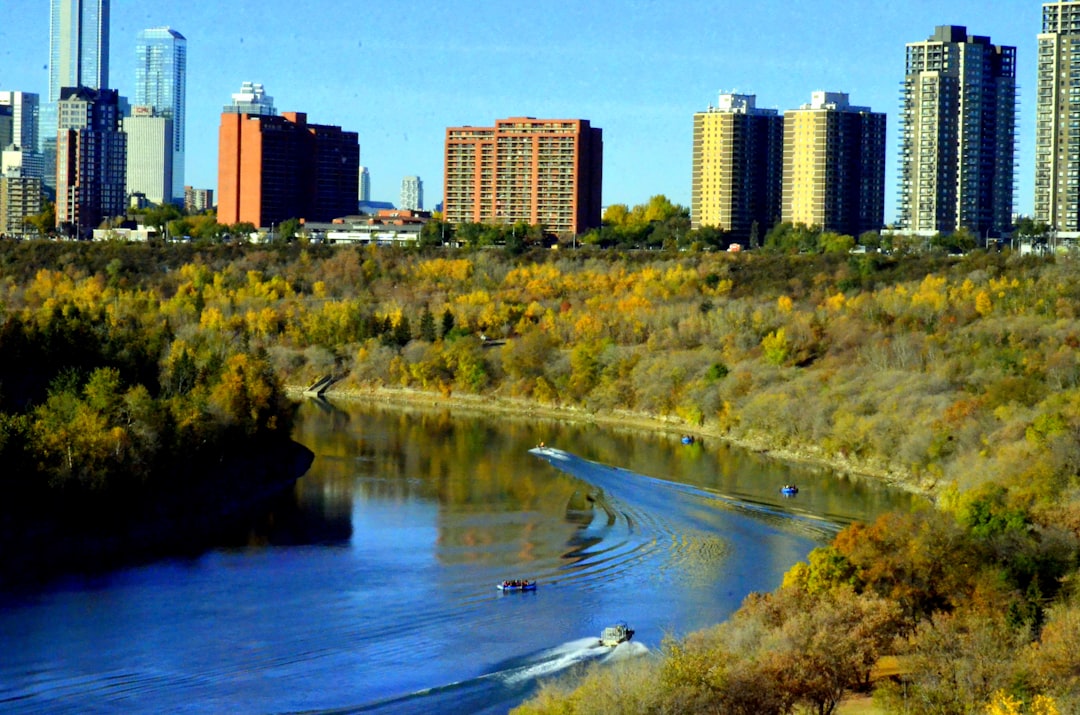
Edmonton does not have a gentle spring. It has a six-to-eight week stretch where winter and summer trade punches, and your gear has to survive both. Runners who move here from milder cities usually overdress for weeks before they figure out the local rhythm. Locals know better, but even longtime Edmontonians get caught out by a morning that starts at -6°C and climbs 20 degrees by early afternoon. Researchers at the University of Alberta who study cold-weather physiology have noted that exercising in fluctuating spring temperatures raises the risk of both cold stress early in a run and overheating later, which is exactly why a fixed outfit fails so often in this city.
Temperature Swings From -10°C to +20°C in the Same Week
March and April are the most volatile months on the Edmonton calendar. It is common to see a low of -12°C on a Monday morning run and a high of 18°C by that Friday afternoon, based on typical seasonal patterns tracked in Environment and Climate Change Canada’s historical climate data for Edmonton. That is not an outlier year. That is a normal spring week. A single running outfit cannot handle that range, which is why the layering system in the next section matters more than any individual piece of gear you buy.
Edmonton Wellness Reset Guide Spring Outdoor Activities Checklist covers this in more detail.
Wind Chill Along the River Valley Trails
The river valley creates its own microclimate. Down in the Whitemud or Mill Creek Ravine, you are sheltered from wind and the air feels 3 to 5 degrees warmer than up on the surrounding streets. Climb back up to street level near Connors Road or the top of the Capilano stairs, and an open wind corridor can knock the felt temperature down fast. Plan your layers for the exposed sections of a route, not the sheltered ones, because you can always unzip a shell but you cannot conjure one out of nowhere at kilometer 6. This same microclimate effect is why a route that starts sheltered near the Kinsmen Sports Centre can feel like a completely different run once it climbs out toward Groat Road.
The Freeze-Thaw Cycle and What It Does to Trail Surfaces
Spring in Edmonton is really one long freeze-thaw cycle. Trails that are solid ice at 7 a.m. turn to standing water and mud by 2 p.m., then refreeze into ruts overnight. This matters for gear as much as for footwear, because a splash from a slush puddle on Buena Vista Road can soak through cheap shoes and cotton socks in minutes. Anything you wear near ground level in April needs to handle wet, not just cold.
The Layering System That Actually Works for Edmonton Spring Runs
Three layers, each doing one job, beats one heavy jacket every time. This is the same logic Mayo Clinic’s guidance on cold-weather exercise relies on: a base layer for moisture, a mid layer for warmth, and an outer layer for wind and wet. Get this right and you can run comfortably from -10°C up to about 12°C just by adding or removing pieces, which covers most of an Edmonton spring.
Base Layer: Moisture-Wicking, Not Cotton
Cotton is the enemy of spring running. It soaks up sweat, stays wet, and then chills you the second you slow down or hit a shaded section of trail. A polyester or merino wool base layer moves moisture away from skin and dries fast. Expect to pay $35 to $70 for a decent long-sleeve base layer at a shop like Running Room on Whyte Avenue or the Fresh Air Experience near Old Strathcona. This layer stays on for almost every spring run below 10°C.
Mid Layer: The Piece You Tie Around Your Waist
A light fleece or thermal quarter-zip is your adjustable layer. Below 0°C, keep it on the whole run. Between 0°C and 10°C, plan to take it off around kilometer 2 or 3 once your body warms up, and tie it around your waist or stash it in a running vest. This is the layer most people skip, then regret when the wind picks up crossing the High Level Bridge or the open stretch near Rundle Park.
Outer Layer: Wind and Precipitation Shells
A packable wind shell, not a heavy winter coat, is the outer layer that earns its keep in April. Look for something under 200 grams that packs into a pocket, priced around $80 to $150 at outdoor retailers like MEC’s Edmonton location on Gateway Boulevard. You want wind resistance and light water resistance, not insulation, since insulation is already handled by your mid layer. On drier, calmer days above 8°C, you can often skip this layer entirely.
Rain and Wet-Weather Layer Considerations
April in Edmonton brings more rain than people expect, especially compared to the dry cold of January and February. A fully waterproof shell is overkill for most runs and traps sweat, which defeats the point of the base layer underneath. Instead, look for a water-resistant shell with taped seams at the shoulders, priced similarly to a standard wind shell, and accept that you will get a little damp on a genuinely wet day. A ball cap or running visor under the hood keeps rain off your glasses or sunglasses, which matters more on Edmonton’s open, low-tree-cover routes near Windermere than in the more sheltered river valley.
What to Wear by Temperature Range: A Quick Reference Chart
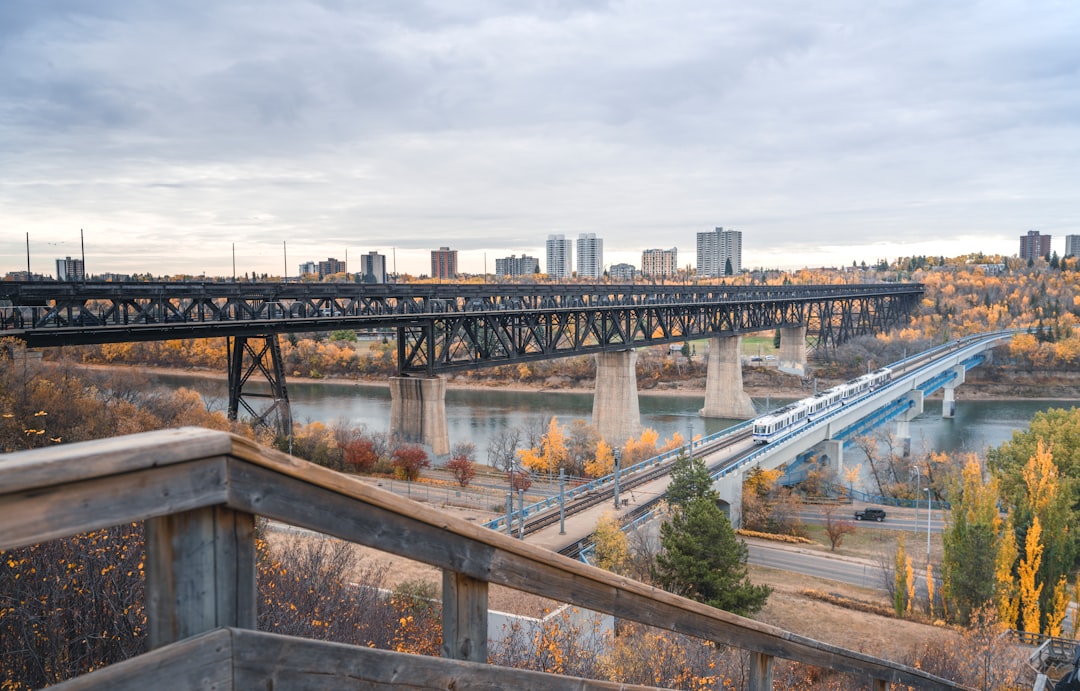
Bookmark this section. It is the fastest way to answer what to wear for spring running in Edmonton weather without checking three weather apps before you walk out the door.
| Temperature | Top | Bottom | Extremities |
|---|---|---|---|
| -15°C to -8°C | Base layer, fleece mid layer, wind shell | Thermal running tights, wind-brief layer | Toque, buff over mouth, insulated gloves |
| -8°C to -2°C | Base layer, light fleece | Thermal running tights | Toque or ear band, mid-weight gloves |
| -2°C to 4°C | Long-sleeve base layer, vest optional | Running tights | Light gloves, ear band |
| 4°C to 10°C | Long-sleeve tech shirt, light shell if windy | Tights or capris | Thin gloves, no hat needed most days |
| 10°C to 16°C | Short-sleeve tech shirt | Shorts or capris | Sunglasses, no gloves |
| 16°C to 22°C | Singlet or short-sleeve shirt | Shorts | Sunglasses, hat for sun |
-10°C to 0°C: Late Winter Holdover Runs
Early March in Edmonton is really still winter. Treat these runs like January: full base and mid layer, wind shell, thermal tights, and a buff you can pull up over your nose. Exposed skin frostbites fast at these temperatures if wind chill is added on top, so check the wind chill value specifically, not just the air temperature, before a long run.
0°C to 10°C: The Trickiest Range to Dress For
This band causes the most overdressing mistakes. Runners feel the cold at the start and pile on layers, then overheat by kilometer 3. The rule of thumb from most running coaches: dress as if it is 10 degrees warmer than the thermometer reads, because your body generates heat fast once you are moving. If you are comfortable standing still at the start line, you have overdressed.
10°C to 20°C: True Spring Days
These are the days Edmonton runners wait all winter for. Shorts, a light tech shirt, sunglasses. The only real risk here is sunburn and dehydration, since April sun reflecting off remaining snow patches in the river valley can be more intense than people expect. Sunscreen matters even on a 12°C day if the sky is clear.
Footwear and Traction for Edmonton’s Spring Trail Conditions
Spring is the hardest season on running shoes in this city. Between mud, slush, standing water, and the occasional patch of black ice still hiding in shaded corners of the river valley, your feet need a strategy separate from your upper body layers.
Trail Shoes vs Road Shoes for River Valley Routes
If most of your spring running happens on paved paths, like the Victoria Park loop or the paths through Hawrelak Park, road shoes with a durable outsole are fine. But if you are running Mill Creek Ravine, the Whitemud trails, or anything unpaved, switch to a trail shoe with deeper lugs starting in March. The extra grip matters far more on a muddy incline than any amount of upper-body gear.
When to Still Use Ice Cleats or Traction Devices
Do not put away your traction cleats the first warm week. Shaded sections of river valley trail, especially north-facing slopes near Government House Park and stretches under the tree canopy in Mill Creek, hold ice into April most years. Keep a pair of slip-on traction devices in your gear bag through at least mid-April. A $30 to $45 pair of cleats is cheap insurance against a sprained ankle on a patch of ice you did not see coming.
Sock Strategy for Wet, Muddy Trails
Switch to a wool-blend or synthetic sock built for wet conditions once trails start thawing. Cotton socks in a slush puddle mean blisters by kilometer 4. Some runners carry a spare pair of socks in a small dry bag for longer river valley runs, changing at the halfway point if a route crosses wet sections like the low spots near the Fox Drive underpass.
Spring Allergy Season and Running Gear Considerations

Edmonton’s tree pollen season typically ramps up through April and into May, right when the weather finally invites you outside more. Gear choices can meaningfully reduce how much pollen you breathe in and carry home with you. For a deeper breakdown of triggers and timing, the Edmonton Spring Allergies Wellness Guide for Seasonal Relief covers this in more depth, but here is what matters for your running kit specifically.
Pollen Counts and Timing Your Runs
Pollen counts are generally highest in late morning and lowest right after rain or in early morning hours, according to guidance from Alberta Health Services on seasonal allergy management. If tree pollen affects you, shifting a run to 6 or 7 a.m., or heading out after a spring shower washes the air, can cut your exposure noticeably without changing anything about your route.
Sunglasses, Buffs, and Reducing Airborne Irritant Exposure
Wraparound sunglasses do double duty in spring: cutting glare off melting snow and keeping pollen out of your eyes. A buff pulled up over the nose and mouth on high-pollen days works the same way it does for cold wind in January, just for a different reason. Neither piece of gear is specialized or expensive, usually $15 to $40, but both make a real difference if you already deal with itchy eyes or a runny nose on spring runs.
Post-Run Gear Care to Reduce Allergen Buildup
Pollen clings to running clothes and hair the same way it clings to a jacket left on a porch. Change out of running gear and rinse off soon after a spring run rather than lounging in sweaty, pollen-covered clothes on the couch. Wash running hats and buffs more frequently in spring than you would in winter, since these sit closest to your face and nose.
Edmonton-Specific Routes and Gear Considerations by Neighborhood
What you wear should shift slightly depending on where you are running. A route through Windermere feels different underfoot than a loop through Old Strathcona, even at the same temperature. Even runners commuting in from Sherwood Park for a river valley loop notice the difference the moment they cross into the tree-covered sections west of the Capilano Bridge.
River Valley Trails: Whitemud and Mill Creek Ravine
These trails hold snow and ice longer than street-level routes because of tree cover and north-facing slopes. Budget an extra two to three weeks of trail shoes and traction devices here compared to open, sun-exposed routes elsewhere in the city. Parking is free and plentiful at most river valley access points, including the lot at Fox Drive and the Keillor Road access, which makes this an easy add-on to a regular routine once the mud season passes.
Whyte Avenue, Old Strathcona, and Downtown Jasper Avenue
Street-level running through Old Strathcona and along Whyte Avenue clears up faster than river valley trails since sun and city plows deal with ice quickly. Sidewalks here can still ice over overnight in March, so check conditions before an early morning run. Street parking is metered on Whyte Avenue itself, but the side streets around Gazebo Park are usually free and an easy staging spot before a run. Downtown and Oliver runners get a similar advantage along Jasper Avenue and the riverfront promenade near the Oliver Farmers’ Market site, where wide, plowed sidewalks clear early. A quieter option a few blocks over is 124 Street, which has less foot traffic than Jasper Avenue and a strip of cafes if you want a coffee reward at the end of a cold-weather run.
Windermere and Southwest Edmonton Suburban Routes
Newer neighborhoods like Windermere have wider, more exposed sidewalks with less tree cover, meaning less ice lingers but also less wind protection. A wind shell matters more out here on a breezy April day than it would tucked into the river valley. Most of these routes connect easily to walking-path networks, so a shell you can stash in a zip pocket without slowing your pace is worth the investment.
Building a Complete Spring Running Gear Checklist
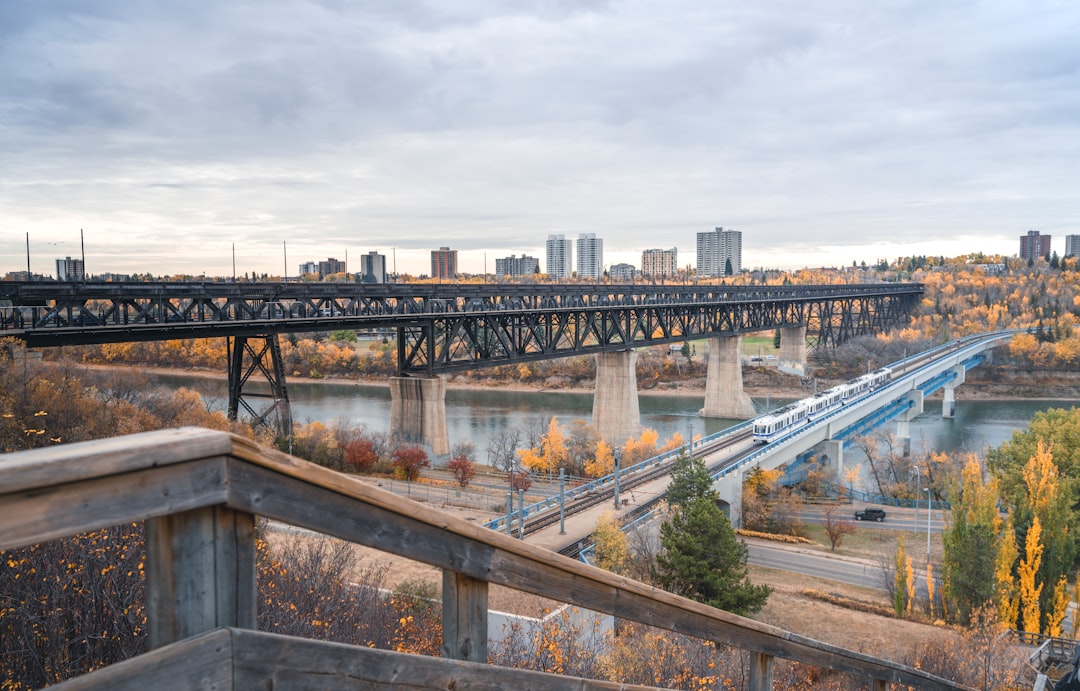
Use this as a starting inventory. You do not need every item, but this covers what most consistent Edmonton spring runners keep in rotation. For a broader seasonal checklist beyond just running gear, the Edmonton Wellness Reset Guide Spring Outdoor Activities Checklist covers hiking, biking, and other outdoor movement alongside running.
Essential Gear List
- Moisture-wicking base layer (long and short sleeve), $35 to $70
- Light fleece or thermal quarter-zip, $50 to $90
- Packable wind shell, $80 to $150
- Thermal running tights and lighter capris, $50 to $100 each
- Trail running shoes, $140 to $200
- Traction cleats, $30 to $45
- Wool-blend running socks, $15 to $25 per pair
- Buff or neck gaiter, $15 to $30
- Wraparound sunglasses, $20 to $60
Nice-to-Have Upgrades
- A small hydration vest with pockets for stashed layers on longer river valley runs
- A reflective vest or clip-on light for early morning runs when spring daylight is still limited
- A dry bag for spare socks on wet trail days
- A lightweight running hat for glare once the sun gets stronger in May
Where to Actually Buy This Gear in Edmonton
You do not need to order everything online and wait. Running Room has multiple Edmonton locations, including Whyte Avenue and the west end, and staff there are used to fitting layers for local weather rather than generic advice. MEC on Gateway Boulevard covers shells, base layers, and trail shoes in one stop. If you are coming from Sherwood Park, the Running Room location on the east side saves the drive into the core for basics like socks, gloves, and buffs.
What to Retire From Winter Rotation
Heavy insulated winter running jackets, thick balaclavas, and bulky mittens can go back in storage once overnight lows consistently stay above -10°C, usually by mid to late March most years. Keep them accessible, though. Edmonton has produced more than one surprise snow squall in April, and a heavy jacket you put away too early just means an uncomfortable run when winter makes a brief encore appearance.
How Spring Gear Choices Connect to Your Broader Fitness Routine
Dressing right for spring running is one piece of a bigger seasonal shift in how Edmontonians move outdoors. The same freeze-thaw patterns that dictate your shoe choice also affect cycling, hiking, and outdoor class schedules across the city.
From Indoor Winter Training to Outdoor Spring Movement
Most Edmonton runners spend December through February on treadmills or indoor tracks, then push back outside as soon as trails clear. That transition goes more smoothly with the right gear, since a bad first outdoor run in wet, cold conditions can undo months of consistency. The broader Fitness Outdoor Movement in Edmonton guide covers this seasonal transition across running, cycling, and trail use if you want the fuller picture beyond just running gear.
Comparing Spring Motivation to Fall Motivation Shifts
Interestingly, spring and fall pull Edmonton runners in opposite directions. Spring gear questions are mostly about shedding layers and regaining confidence outdoors, while fall is about the opposite adjustment. The article on why Edmonton fall weather triggers fitness motivation shifts is worth a read if you want to understand the full annual cycle rather than just the spring stretch.
Planning Ahead for Smoke Season Indoor Backups
Spring gear planning is also a good time to think a few months ahead. Wildfire smoke has disrupted outdoor training in past Edmonton summers, sometimes with little warning. Knowing your indoor backup options now, before smoke season arrives, means one less scramble later. The guide on why smoke season affects outdoor fitness in Edmonton breaks down air quality thresholds and indoor alternatives worth bookmarking alongside this one.
Sources & References
Find Trusted Wellness Spots in Edmonton
Browse our independent guide to Edmonton’s spas, fitness studios, and wellness services. Local. Honest. Free.
Related Reading
Related Reading
Related Reading
Related Reading
Frequently Asked Questions
What should I wear for a 10°C run in Edmonton?
A long-sleeve tech shirt with a light wind shell if it is breezy, running tights or capris, and thin gloves usually works well at 10°C. Skip the toque and heavy layers, since you will warm up fast once moving. Check wind conditions specifically, since 10°C with a strong wind off an open field near Windermere feels noticeably colder than 10°C sheltered in the river valley.
Do I still need ice cleats in April in Edmonton?
Yes, especially on river valley trails like Mill Creek Ravine or shaded sections of the Whitemud. North-facing slopes and tree-covered stretches can hold ice into mid-April most years even when street-level routes have cleared completely. Keep a pair of slip-on traction cleats in your gear bag through at least the third week of April as a safety margin.
How do I avoid overheating during unpredictable spring runs?
Dress as if it is about 10 degrees warmer than the actual temperature, since running generates enough body heat to make that difference. If you feel comfortable standing still at the start of your run, you are likely overdressed. Bring a mid layer you can tie around your waist rather than committing to one fixed outfit for the whole route.
What running shoes work best for Edmonton’s spring mud and slush?
Trail running shoes with deeper lugs handle river valley mud and slush far better than standard road shoes once trails start thawing in March and April. If most of your running stays on paved paths like Hawrelak Park or the Victoria Park loop, durable road shoes are still fine. Pair either option with wool-blend socks to manage the wet conditions.
Do I need gloves for spring running in Edmonton?
Below 4°C, yes, a light or mid-weight pair keeps fingers functional, especially on windy stretches near Windermere or along the open top of the river valley. Above 10°C most runners go without, though some keep a thin pair on for early morning starts even in May. Hands cool faster than the rest of the body during a run, so err on the side of a thin glove you can stuff in a pocket once you warm up.
When does allergy season start affecting spring runners in Edmonton?
Tree pollen typically becomes noticeable through April and builds into May as trees bud out across the city, including along river valley running routes with heavy tree cover. Running earlier in the morning or right after rain reduces exposure noticeably. The Edmonton Spring Allergies Wellness Guide for Seasonal Relief has a fuller breakdown of timing and symptom management for runners who deal with seasonal allergies.