What Is Cryotherapy, Actually
Cryotherapy means exposing your body to extreme cold for a short burst, usually two to four minutes, to trigger a physical stress response that some athletes and weekend warriors swear speeds up recovery. If you have ever jumped into the North Saskatchewan River in March on a dare, you have already done a rough version of it. The real question Edmontonians are asking, especially anyone training through another long winter, is what is cryotherapy and does it work for muscle recovery, or is it just an expensive way to feel briefly heroic. The honest answer sits somewhere in the middle, and it depends on which type of cryotherapy you mean.
Last reviewed:
Whole-Body Cryotherapy vs Localized Cryotherapy
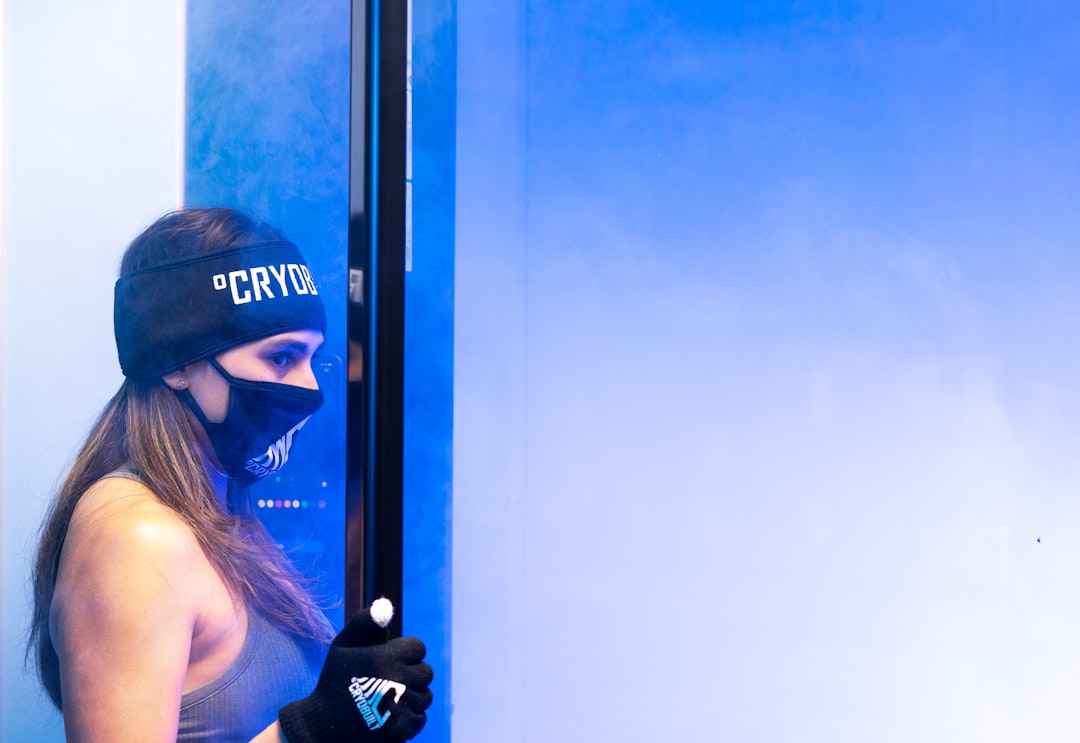
Whole-body cryotherapy involves standing in an enclosed chamber cooled with liquid nitrogen or refrigerated air, typically between minus 110°C and minus 140°C, for two to three minutes. You wear gloves, socks, and slippers to protect your extremities, but otherwise the cold hits your skin directly. Localized cryotherapy is different. It targets one area, like a knee or shoulder, with a handheld device that blasts cold air at the joint for five to ten minutes. Physio clinics around Edmonton have used localized cold therapy for decades, usually as an ice pack alternative after an injury.
What Happens to Your Body in the Cold
The cold triggers vasoconstriction, meaning your blood vessels narrow to protect your core temperature. Once you step out of the chamber and warm back up, blood rushes back to your muscles in a process called reactive vasodilation. Proponents argue this flushing action helps clear metabolic waste and reduce inflammation. Your body also releases norepinephrine and endorphins in response to the cold stress, which explains why people often report a mood lift right after a session, similar to the buzz some Edmontonians describe after a winter walk through the river valley at minus 20.
A Short History (Ice Baths Aren’t New)
Cold exposure for recovery is not a new idea. Athletes have used ice baths since at least the 1970s, and Scandinavian cultures have paired sauna heat with cold plunges for generations. Whole-body cryotherapy chambers came later, developed in Japan in the late 1970s to treat rheumatoid arthritis before crossing over into sports recovery in Europe during the 1980s. What is new is the marketing. Cryotherapy studios have popped up across North America over the past decade, often bundled with infrared saunas and IV therapy, and Edmonton has followed that trend on a smaller scale.
How To Manage Work Stress covers this in more detail.
Does Cryotherapy Work for Muscle Recovery? What the Research Says
the marketing and the science start to pull apart. Does cryotherapy work for muscle recovery in a way that is measurably better than cheaper alternatives? The research is mixed, and it depends heavily on what outcome you are measuring.
How To Manage Stress At Work covers this in more detail.
The Case For Cryotherapy
Several small studies have found that cold exposure, including whole-body cryotherapy, can reduce perceived muscle soreness in the 24 to 72 hours after intense exercise, the window known as delayed onset muscle soreness or DOMS. A systematic review published through the National Center for Biotechnology Information found that cryotherapy modestly reduced self-reported soreness compared to passive rest, though the effect size was small and inconsistent across studies. Athletes in these trials often say they feel less sore, and that subjective relief matters if it gets someone back to training sooner.
The Case Against (or At Least, Not Proven)
Here is the part the marketing usually skips. A widely cited Cochrane-style review found that whole-body cryotherapy has not been shown to meaningfully outperform simpler recovery methods like cold water immersion for reducing muscle damage markers in the blood. Some research on repeated cold exposure after strength training has even suggested it can blunt the muscle-building adaptations you are trying to achieve, because the inflammation you are icing away is part of how muscle repairs and grows stronger. Mayo Clinic notes that while cryotherapy is generally considered low-risk for healthy adults, evidence supporting big recovery claims remains limited and more rigorous trials are needed. In plain terms: it might take the edge off soreness, but it is not a guaranteed shortcut to faster muscle repair.
Recovery Options Edmonton Massage Physio Stretching covers this in more detail.
Cryotherapy vs Ice Baths vs Cold Plunges: How They Compare
People often assume these are interchangeable. They are not quite the same, and the differences matter for your wallet and your schedule.
| Method | Typical Temperature | Duration | Approx Cost (Edmonton) |
|---|---|---|---|
| Whole-body cryotherapy chamber | -110°C to -140°C (dry air/nitrogen) | 2 to 3 minutes | $45 to $65 per session |
| Localized cryotherapy | -30°C to -60°C, targeted area | 5 to 10 minutes | $25 to $50 per session |
| Cold plunge or ice bath | 3°C to 12°C water | 2 to 10 minutes | $20 to $40 drop-in, or free at home with a stock tank |
The takeaway from most comparison research: cold water immersion, the kind you get in a plunge tub or an ice bath, produces recovery outcomes that are roughly on par with whole-body cryotherapy chambers for a fraction of the cost. Water conducts heat away from your body far more efficiently than air, so a 5°C bath for five minutes can create a similar physiological stress response as a much colder, but drier, chamber session.
Where to Try Cryotherapy in Edmonton
Cryotherapy is still a niche offering here compared to Toronto or Vancouver, but it has been showing up more in the last few years, usually tucked inside medspas, recovery-focused gyms, and physio clinics rather than as standalone shops.
Whole-Body Cryotherapy Studios and Medspas
Most whole-body chambers in the city are located inside medical spas or integrative wellness clinics, concentrated around Windermere, south Edmonton near Ellerslie, and a handful downtown near Jasper Avenue. Expect to pay $45 to $65 for a single session, with package pricing dropping that to roughly $35 to $45 per visit if you buy a block of five or ten. Parking is usually easier at the suburban locations, since downtown spots often mean a parkade or a metered spot along Jasper Avenue. Call ahead, because chamber-based cryotherapy is capacity-limited and appointment slots fill up fast after Crossfit competitions or the Edmonton Marathon in August.
Cold Plunges and Ice Baths Around the City
Cold plunge tubs have become a more common add-on at recovery studios and some yoga and fitness centers around Old Strathcona and 124 Street, often paired with an infrared sauna for a contrast therapy setup. A single plunge session usually runs $20 to $40, though some gyms include plunge access with a monthly membership. If you already have a strong cold tolerance from Edmonton winters, this is often the more practical and cheaper entry point than a full cryo chamber.
What Your First Session Actually Feels Like
Walking into a cryotherapy chamber for the first time is disorienting mostly because of how fast it happens. You will typically be asked to:
- Remove all jewelry and change into dry clothing, since any moisture on your skin increases frostbite risk in extreme cold.
- Put on gloves, socks, and slippers provided by the studio to protect fingers, toes, and ears.
- Stand in the chamber for two to three minutes while a technician monitors you through a window and talks you through the countdown.
- Move around gently, shifting weight foot to foot, which helps circulation and makes the cold more tolerable.
- Step out and get moving right away. Most studios recommend a short walk or light stretching immediately after to help your body rewarm.
The sensation is intense but short. Most first-timers say the last 30 seconds are the hardest, and that it is genuinely over before you expect. If chamber cryotherapy is not available near you, a good local physio can walk you through localized cold therapy or point you toward other recovery options around Edmonton, including massage, physio, and stretching, that might suit your goals better.
Who Cryotherapy Is Good For (and Who Should Skip It)
Good Candidates
Cryotherapy tends to suit people already training hard, like recreational hockey players, runners training for the Edmonton Marathon, or CrossFit athletes dealing with regular DOMS after heavy lifting sessions. It also appeals to people looking for a quick mood or energy boost, since the norepinephrine release after a cold session can feel similar to a strong cup of coffee. If part of what is driving you toward cold therapy is chronic tension from a demanding job, it is worth stepping back and looking at the root cause too. A cryo session will not fix a schedule that never lets you recover, and pairing it with real strategies for managing work stress tends to produce better long-term results than cold exposure alone.
Who Should Avoid It
Cryotherapy is not for everyone. People with cardiovascular conditions, uncontrolled high blood pressure, Raynaud’s disease, cold urticaria, or a history of frostbite should avoid whole-body chambers entirely, since the sudden vasoconstriction puts real strain on the heart and circulation. Pregnant people and anyone with an open wound or active skin infection should also skip it. According to Alberta Health Services, extreme cold exposure of any kind carries real risk for people with underlying circulatory conditions, and that guidance applies just as much inside a cryo chamber as it does outside during a January cold snap. If you have any of these conditions or take heart medication, talk to your doctor before booking a session.
Winter-Specific Safety Notes for Edmontonians
Here is something specific to living here: Edmontonians already spend months exposed to genuinely dangerous cold, and it is worth knowing the difference between a controlled three-minute cryo session and standing at a bus stop at minus 30. A cryo chamber is dry, monitored, and time-limited, so frostbite risk is low when protocols are followed correctly. Real outdoor cold, especially with wind chill, can cause frostbite on exposed skin in under 30 minutes at extreme temperatures. Do not treat a cryotherapy session as training for tolerating the cold outside, and always warm up gradually afterward rather than stepping straight into a frigid parking lot in damp clothes.
What Cryotherapy Costs in Edmonton
Single Sessions vs Packages
Expect a single whole-body cryotherapy session in Edmonton to run $45 to $65. Studios almost always push package pricing, since the real revenue is in repeat visits. A five-pack often lands around $200 to $250, working out to roughly $40 to $50 per session, while a ten-session package can bring the per-visit cost down closer to $35. Localized cryotherapy targeting a single joint tends to run cheaper, often $25 to $50 per session, since it requires less equipment and less nitrogen.
How It Stacks Up Against Other Recovery Options
For context, a 60-minute registered massage therapy session in Edmonton typically runs $110 to $140, a float tank session runs $60 to $90, and an infrared sauna drop-in runs $25 to $40. Cryotherapy sits in the middle of that range for a much shorter time commitment. If you are curious how it compares to other passive recovery tools people are trying around the city right now, it is worth reading up on what float tank therapy is and how it works or how red light therapy works for muscle recovery before committing to a package. Both are lower-intensity options that some people find easier to stick with regularly than repeated cold exposure.
Building Cryotherapy Into an Actual Recovery Routine
Timing It Around Training
If you are using cryotherapy for muscle recovery after a hard training block, timing matters more than most people realize. Using it within a couple hours of a heavy strength session may blunt some of the muscle-building signal your body needs, based on the research discussed above, so many coaches now suggest saving cold exposure for the day after a big lift, or for endurance events like a half marathon where soreness reduction matters more than muscle growth. If your goal is simply to feel less wrecked before a Monday morning at the office, timing is more flexible and comes down to personal preference.
Pairing Cold Therapy With Other Recovery Tools
Cryotherapy works best as one tool in a bigger rotation, not a standalone fix. Sleep, hydration, and actual rest days do more for long-term recovery than any single treatment, cold or otherwise. Chronic stress also undermines recovery in ways cold exposure cannot touch, so if you are constantly sore and constantly wired, it is worth reading through practical approaches to managing stress at work alongside whatever physical recovery routine you build. A reasonable rotation for someone training hard through an Edmonton winter might look like a massage or physio session every few weeks, a cold plunge or cryo session once or twice a week during peak training, and a few nights of real sleep prioritized above everything else. For a broader look at what is available around the city, edmontonwellnessguide.com’s directory of recovery services is a decent starting point if you want to compare studios before booking anything.
Related Articles
- Best Massage Therapy Clinics in Edmonton by Neighborhood: Your Local Guide to Finding the Right Therapist
- How to Prepare for Your First Acupuncture Appointment: An Edmonton Guide
Sources & References
Find Trusted Wellness Spots in Edmonton
Browse our independent guide to Edmonton’s spas, fitness studios, and wellness services. Local. Honest. Free.
Frequently Asked Questions
Does cryotherapy actually reduce muscle soreness?
Research suggests it can modestly reduce perceived soreness in the 24 to 72 hours after intense exercise, though the effect is small and not dramatically better than a cold water immersion at home. If soreness is your main concern, a $30 cold plunge session often delivers similar relief to a $60 whole-body cryo session.
Is cryotherapy the same as an ice bath?
No. Whole-body cryotherapy uses cold dry air or nitrogen gas in a chamber, usually between minus 110°C and minus 140°C for two to three minutes, while an ice bath uses cold water, typically 3°C to 12°C, for several minutes. Water pulls heat from your body faster than air, so an ice bath can produce a comparable physiological response despite the much warmer number.
How much does cryotherapy cost in Edmonton?
A single whole-body cryotherapy session generally runs $45 to $65, with package pricing bringing that down to roughly $35 to $50 per visit. Localized cryotherapy targeting one joint is usually cheaper, in the $25 to $50 range per session.
Is cryotherapy safe if I have a heart condition?
People with cardiovascular conditions, uncontrolled high blood pressure, or circulatory disorders like Raynaud’s disease should avoid whole-body cryotherapy chambers, since the sudden cold exposure stresses the heart and blood vessels. Talk to your doctor before booking a session if you have any underlying heart or circulation issues.
How often should I do cryotherapy for muscle recovery?
Most studios recommend one to three sessions per week during heavy training blocks, tapering off during lighter weeks. There is no strong evidence that daily sessions produce better results than a couple of well-timed sessions around your hardest training days.
Can cryotherapy help with stress, not just sore muscles?
Many people report a short-term mood lift after a session, likely tied to the norepinephrine and endorphin release triggered by the cold. It should not replace addressing the underlying causes of chronic stress, so pairing it with actual changes to your routine tends to work better than relying on cold exposure alone.