How to Choose Between Massage Therapy Types in Edmonton: A Step-by-Step Guide
Picking a massage in Edmonton isn’t as simple as booking whatever slot pops up first on Google. Swedish, deep tissue, therapeutic, sports, myofascial release, prenatal, hot stone. Each one does something different, and guessing wrong means paying $90 to $150 for an hour that doesn’t fix what’s actually bothering you. This guide walks through how to choose between massage therapy types in Edmonton, step by step, starting with figuring out why your shoulders are locked up and ending with booking a Registered Massage Therapist who treats that specific problem. Budget about 30 minutes to work through the steps below, plus time for your first appointment. It’s built for anyone booking a massage in this city for the first time, or anyone who’s been getting the wrong type for years without realizing it.
Last reviewed:
- Tools needed: Your extended health benefits statement (or a note of your annual massage coverage), a short list of symptoms or goals, access to your insurer’s provider lookup or the therapist’s registration number, and about 15 minutes for a phone call or online booking.
- Time: Roughly 30 minutes of research and one phone call to narrow your choice, plus a 60 to 90 minute first appointment.
- Difficulty: Beginner
Step 1: Identify Your Primary Reason for Getting a Massage
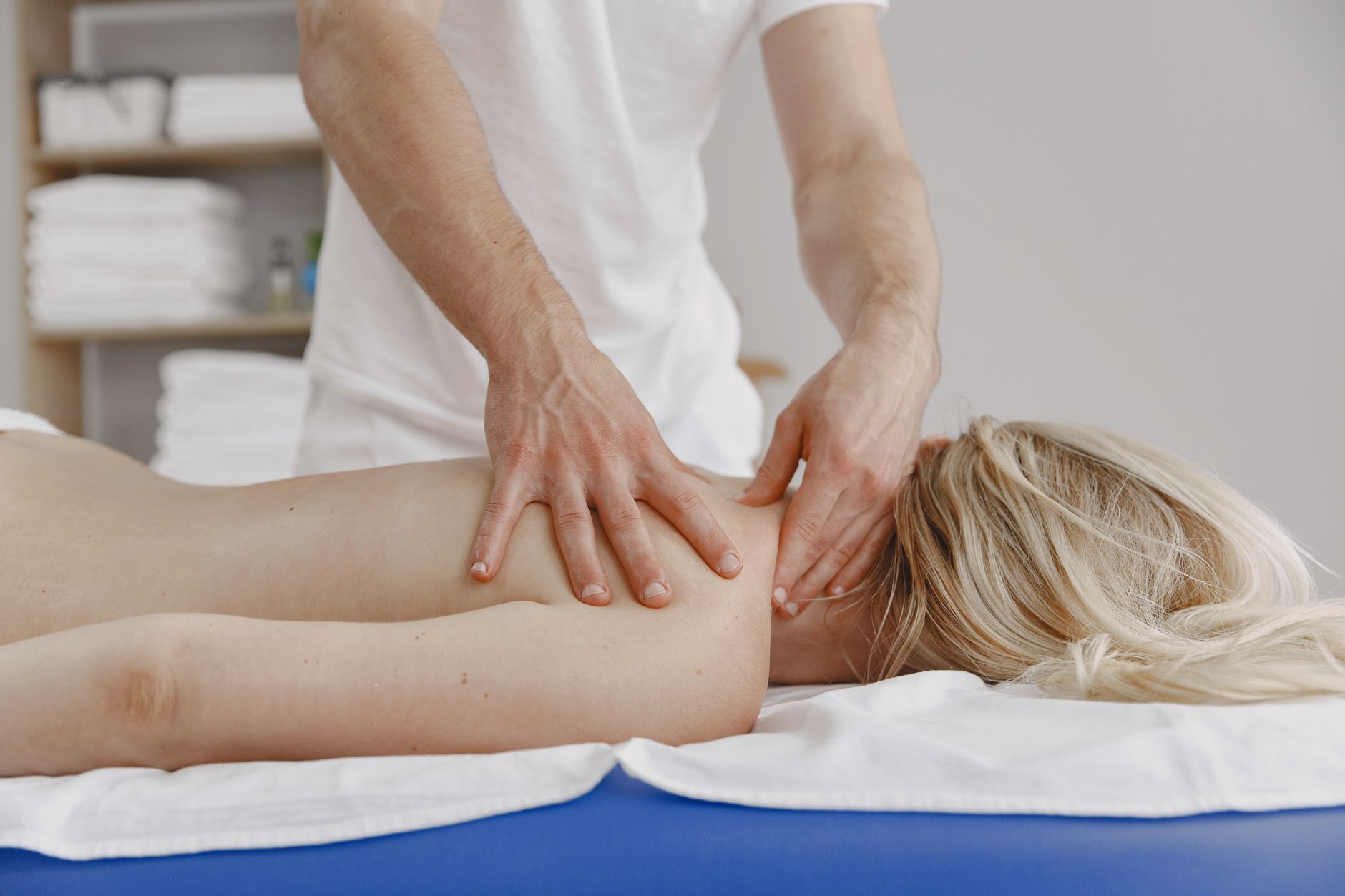
Before you look at a single clinic website, name the actual problem. Massage therapists in Edmonton treat wildly different things, and the type of session that helps a stress headache will do almost nothing for a torn rotator cuff. Start by writing down one or two clear goals. Are you dealing with chronic low back pain from sitting at a desk in Downtown or Oliver all day? Recovering from a running injury picked up on the River Valley trails? Or just trying to survive another dark, cold Edmonton winter without your shoulders living up around your ears? Mayo Clinic’s overview of massage therapy notes that massage can ease muscle tension, lower stress, and support recovery from soft tissue injury, but the technique matters as much as the fact that you booked something at all.
- Pain in a specific joint or muscle group (low back, neck, shoulder, hip)
- General stress, tension headaches, or trouble sleeping
- Recovery from a sports injury or overuse from training
- Pregnancy-related discomfort
- Pure relaxation with no specific complaint
Watch out: “I just want to relax” and “I have a nagging injury” are two different appointments. Booking a relaxation-style massage for an actual injury usually means the therapist works too lightly to make a difference, and you leave feeling nice but still hurting the next day.
Step 2: Learn What Each Massage Therapy Type Actually Does
Edmonton clinics use a lot of overlapping terminology, so it helps to know what you’re actually asking for before you call. Below is a quick-reference breakdown of the massage therapy types you’ll see most often across the city, from spa menus in Windermere to clinical practices near the University of Alberta.
Recovery Options Edmonton Massage Physio Stretching covers this in more detail.
| Type | Best For | Pressure | Typical Edmonton Price (60 min) |
|---|---|---|---|
| Swedish | General relaxation, mild tension, first-timers | Light to medium | $85 to $110 |
| Deep Tissue | Chronic muscle tightness, knots, postural pain | Firm to intense | $100 to $135 |
| Therapeutic (RMT) | Diagnosed injuries, insurance claims, targeted rehab | Varies by assessment | $110 to $150 |
| Sports Massage | Athletes, pre/post event, training recovery | Medium to firm | $100 to $140 |
| Myofascial Release | Fascia restrictions, long-standing stiffness | Slow, sustained | $110 to $140 |
| Prenatal | Pregnancy-safe tension and swelling relief | Light to medium | $100 to $130 |
| Hot Stone | Deep relaxation, add-on to Swedish | Light to medium | $120 to $160 |
Deep Tissue Versus Therapeutic Massage
People mix these up constantly. Deep tissue describes the pressure and technique. Therapeutic massage describes the intent, which is to treat a specific, assessed problem, often with a treatment plan across multiple visits. A therapist can do deep tissue work within a therapeutic session, but not every deep tissue massage counts as therapeutic for insurance purposes.
Best Massage Therapy Clinics In Edmonton By Neighborhood covers this in more detail.
Myofascial Release and Why It Feels Slower
Myofascial work targets the connective tissue wrapping your muscles, not the muscle itself. Sessions move slowly, sometimes with almost no visible motion, and can feel less satisfying in the moment than a deep tissue rubdown. The Cleveland Clinic’s explanation of myofascial release describes it as sustained gentle pressure meant to release restrictions built up over months or years, which is why one session rarely solves a long-standing problem.
Step 3: Understand RMT Regulation and What “Registered” Actually Means
In Alberta, massage therapy isn’t a title-protected profession the way physiotherapy or chiropractic care is. That means technically anyone can call themselves a massage therapist. What actually matters for you is registration with a recognized professional association, since that’s what your insurance provider checks before reimbursing a claim.
Why This Matters for Your Wallet
- Ask directly whether the therapist is a Registered Massage Therapist (RMT) with a recognized Alberta association
- Get their registration number before your first visit if you plan to submit a claim
- Confirm whether the clinic offers direct billing, which saves you from fronting the full cost
Watch out: Some spa-style “massage” services are run by estheticians or wellness staff without RMT credentials. That’s completely fine for a relaxation treatment, but it won’t qualify for extended health coverage and won’t help with an actual injury.
When to See a Doctor First
If you’re dealing with a fresh injury, sharp pain, numbness, or swelling that showed up in the last 48 hours, get it checked before booking a deep tissue or sports massage. Alberta Health Services is a useful starting point for figuring out whether you need imaging or a physician assessment before manual therapy makes sense.
Step 4: Match the Therapy Type to Your Specific Condition
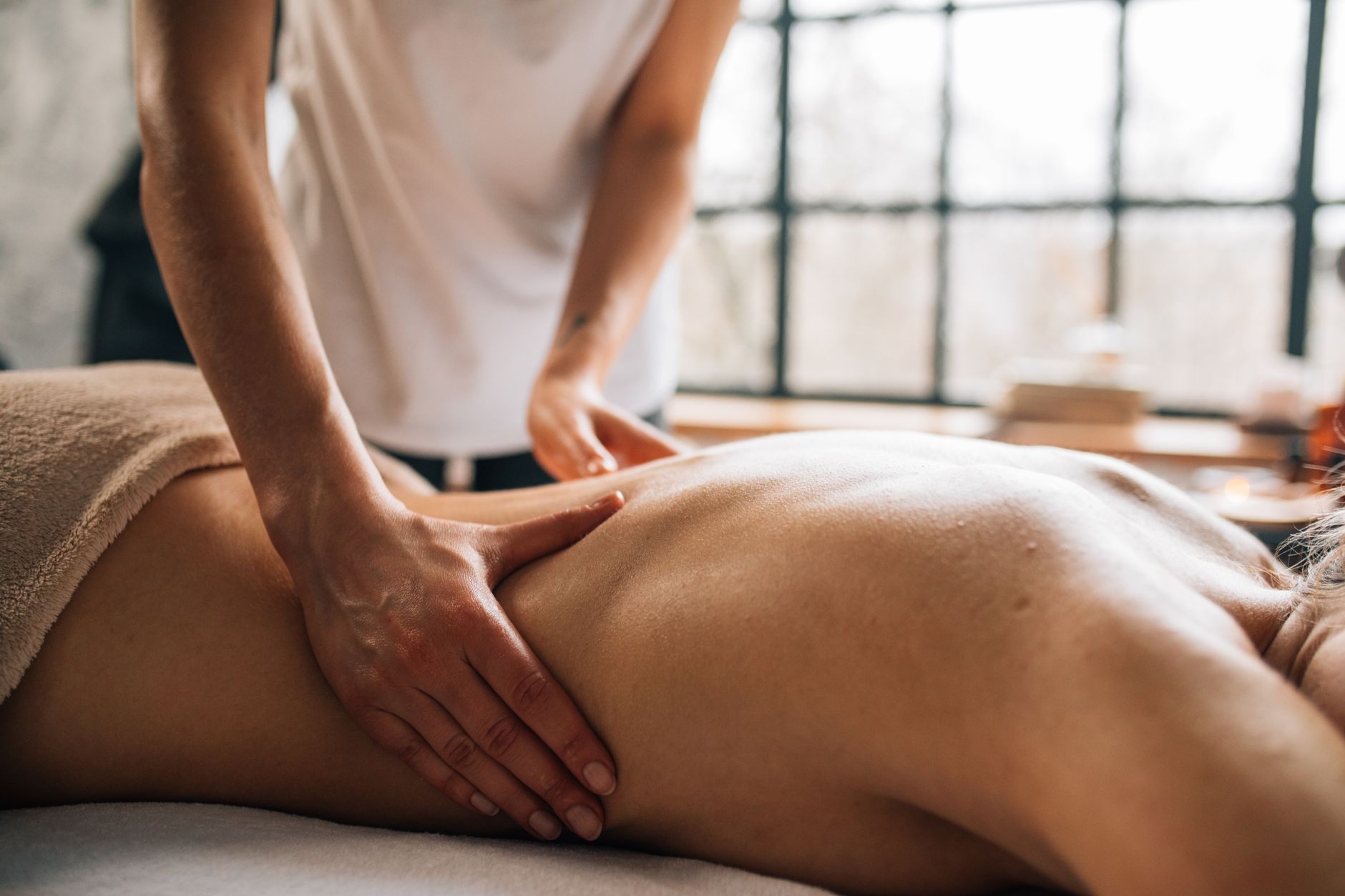
Once you know your goal from Step 1 and understand the categories from Step 2, matching becomes a lot easier. This is the core decision point in choosing between massage therapy types in Edmonton, so take your time here.
- Tension headaches or a stiff neck from screen time: Swedish or light deep tissue focused on the upper traps and suboccipitals
- Chronic low back pain from a desk job: Deep tissue or myofascial release, ideally with a therapist who also gives you stretches to do at home
- Running or cycling injuries from River Valley trail season: Sports massage, timed a day or two before or after heavy training
- Pregnancy discomfort: Prenatal massage specifically, not a general Swedish session adapted on the fly
- General winter stress and low energy: Swedish or hot stone, paired with other supports since massage alone won’t fix seasonal low mood
For Athletes and Regular Gym-Goers
If you’re training seriously, whether that’s hitting the gym in Windermere or doing hill repeats along the river valley, timing matters as much as technique. Sports massage before an event should stay lighter to avoid soreness on the day. After an event or a hard training block, firmer work helps with recovery. If you’re still figuring out where to train in the first place, our guide on how to choose between gyms and outdoor fitness in Edmonton covers that decision, and massage recovery fits neatly alongside either choice.
Step 5: Check Your Insurance Coverage and Set a Real Budget
Most extended health plans cap massage therapy at somewhere between $300 and $1,500 a year, and many require an RMT with a specific credential to pay out. Before you book anything, log into your benefits portal or call your provider and confirm three things.
- Your annual massage therapy maximum and how much you’ve already used this year
- Whether a doctor’s referral is required for reimbursement
- Which associations your plan recognizes for RMT registration
If you don’t have coverage, budget realistically. A single 60-minute session runs $85 to $150 depending on the type and clinic, and if you’re managing a chronic issue, one visit won’t cut it. Ask about package pricing, since many Edmonton clinics discount a 5 or 10-session bundle by 10 to 15 percent.
Combining Massage With Other Recovery Services
Massage rarely works best alone if you’re dealing with a real injury. Pairing it with physiotherapy or a structured stretching routine tends to get better results than massage by itself. Our breakdown of recovery options in Edmonton covering massage, physio, and stretching walks through how to build that combination without blowing your whole benefits year on one modality.
Step 6: Narrow Down Edmonton Clinics by Neighborhood and Logistics
Edmonton is spread out, and driving across the city in January to save $10 on a massage rarely makes sense once you factor in the cold and the parking. Pick a neighborhood that fits your routine.
- Whyte Avenue and Old Strathcona: Dense with clinics, walkable if you’re already in the area, metered street parking plus a few lots
- Downtown and Oliver: Convenient for a lunch-hour appointment if you work nearby, but expect paid parkades
- 124 Street: Boutique studios mixed in with shops, good for a slower weekend visit
- Windermere and West Edmonton: More parking, often attached to larger spa or fitness facilities
- Sherwood Park: Worth it if you live east and want to skip the Anthony Henday during rush hour
Check Transit and Winter Access
If you’re relying on ETS, confirm the clinic is near a bus route or LRT stop you’d actually use in February, not just in July. A clinic that’s a pleasant 10-minute walk in summer can be a miserable 10 minutes at minus 25.
Read a Neighborhood Guide Before You Commit
If you want a shortcut instead of cold-calling clinics one by one, our neighborhood guide to Edmonton’s best massage therapy clinics breaks down specific options by area. For a deeper look at one of the city’s densest clusters of studios, see our roundup of the best massage therapy on Whyte Avenue.
Step 7: Call or Book Online and Ask the Right Questions

Once you’ve got two or three clinics in mind, don’t just book blind. A five-minute call or a message through their booking system saves you from a mismatch.
- “Does the therapist have experience treating [your specific issue]?”
- “Do you offer direct billing to [your insurance provider]?”
- “What’s your cancellation policy, and is there a fee?”
- “Can I request firmer or lighter pressure during the session?”
Watch out: Clinics that dodge the direct question about a therapist’s actual experience with your condition, and just say “they’re great, you’ll love them,” are giving you a sales answer, not useful information.
New Clients Should Ask About Intake Forms
A good clinic sends or hands you an intake form before the session starts, asking about injuries, surgeries, medications, and pregnancy status. If nobody asks, bring it up yourself. It’s a decent signal of how seriously the clinic treats the clinical side of massage versus the purely relaxation side.
Step 8: Prepare for Your First Appointment
Show up 10 to 15 minutes early for paperwork, especially at a new clinic. Wear something comfortable that’s easy to get in and out of, and skip the heavy meal beforehand.
- Bring your insurance card or benefits info if you’re direct billing
- Hydrate beforehand, since dehydrated muscles are harder to work through
- Mention any recent injuries, surgeries, or medications during intake, even minor ones
- Speak up early if the pressure is wrong, don’t wait until the session’s over to mention it
What to Expect in the Room
You’ll typically undress to your comfort level and get draped with a sheet, with only the area being worked on exposed. This is standard practice across Swedish, deep tissue, and therapeutic sessions. If a clinic skips draping norms or makes you uncomfortable in any way, that’s a reason to leave and find a different provider.
Step 9: Evaluate After the Session and Adjust
How you feel the next day tells you a lot. Mild soreness after a deep tissue or sports massage is normal and usually fades within 24 to 48 hours, similar to soreness after a hard workout. Pain that gets worse, or a session that left you feeling nothing changed at all, means it’s time to reconsider the type or the therapist.
- Track how you feel 24 hours later, not just immediately after
- If a chronic issue isn’t improving after 3 to 4 sessions, ask your therapist to reassess or refer you elsewhere
- Switch therapy types before switching clinics entirely, since the mismatch might just be technique, not the provider
According to the National Center for Complementary and Integrative Health’s overview of massage therapy research, evidence supports massage for short-term relief of conditions like low back pain, but ongoing benefit usually depends on a consistent schedule rather than a single visit. Budget for at least a few sessions before judging whether a type is working.
Common Mistakes to Avoid

- Booking a relaxation-style Swedish massage for a diagnosed injury that actually needs therapeutic or sports massage
- Not confirming RMT registration before the appointment, then finding out afterward it won’t qualify for insurance
- Choosing a clinic based only on distance without checking whether the therapist treats your specific issue
- Skipping the intake conversation and hoping the therapist just figures out what’s wrong
- Judging a single session as a failure instead of giving a therapy type 3 to 4 visits to show results
- Driving across the city in winter conditions to save a few dollars instead of booking somewhere closer with reasonable parking
What’s Next
Once you’ve settled on a massage therapy type that actually works for you, look at what else fits around it. If chronic tension keeps coming back between sessions, complementary options like float therapy or salt cave sessions can help with stress on the weeks you’re not booked in for massage. Our guide to the best salt caves and float therapy near West Edmonton Mall covers that side of recovery if you want to round out your routine.
Sources & References
Find Trusted Wellness Spots in Edmonton
Browse our independent guide to Edmonton’s spas, fitness studios, and wellness services. Local. Honest. Free.
Related Reading
Related Reading
Frequently Asked Questions
How do I know if I need deep tissue or Swedish massage?
If you have a specific area of chronic tightness, pain, or a diagnosed muscle issue, deep tissue is usually the better fit. If you just want to unwind after a stressful stretch with no particular pain complaint, Swedish massage is the gentler, more relaxation-focused option. When in doubt, tell the front desk your goal when booking and ask them to match you with a therapist who specializes in that area.
Is massage therapy covered by insurance in Edmonton?
Most extended health plans in Alberta cover massage therapy when it’s performed by a Registered Massage Therapist recognized by your specific insurer, usually up to an annual maximum between $300 and $1,500. Confirm your plan’s requirements before booking, since some require a doctor’s referral and others don’t. Clinics that offer direct billing make this much easier, since you only pay the difference at the counter.
How much does a massage cost in Edmonton?
Expect $85 to $110 for a 60-minute Swedish massage, and $100 to $150 for deep tissue, sports, or therapeutic sessions, depending on the clinic and neighborhood. Downtown and Windermere clinics tend to sit at the higher end of that range, while smaller independent studios near Whyte Avenue or 124 Street sometimes come in lower. Package pricing for 5 or 10 sessions usually knocks 10 to 15 percent off the per-visit cost.
Can I switch massage therapy types if the first one doesn’t help?
Yes, and it’s common. If deep tissue isn’t resolving chronic tightness after 3 to 4 sessions, ask about myofascial release or a therapeutic assessment instead. Most Edmonton clinics are used to clients adjusting their approach, and a good therapist will suggest the switch themselves if they’re not seeing progress.
Do I need a massage therapist who specializes in sports injuries if I’m training for a race?
If you’re training seriously for a River Valley race or regular long-distance running, a therapist experienced in sports massage will time pressure and technique around your training calendar better than a general Swedish-only practice. They’ll typically go lighter before an event and firmer afterward to support recovery. Mention your training schedule when booking so the clinic can match you appropriately.