Edmonton has more free wellness resources than most people realize. Between city recreation programs, library classes, community leagues, and a handful of genuinely useful apps, you can build a full wellness routine here without spending a dollar on memberships. This guide rounds up the best free wellness resources in Edmonton, apps included, so you know exactly where to look before you sign up for another paid subscription. By the end, you will know which local programs are worth your time, which apps actually get used past week two, and how to stack these free resources into a routine that survives a Prairie winter instead of falling apart by February.
Last reviewed:
None of this replaces professional care when you need it. But for the day-to-day work of staying active, sleeping better, and managing stress, Edmonton’s free wellness resources cover more ground than the ads for downtown studios would have you believe. For a broader look at paid and free options side by side, see our overview of health and wellness services across Edmonton.
What Actually Counts as a Free Wellness Resource in Edmonton

“Free” gets used loosely in wellness marketing. A free trial week at a Whyte Avenue studio is not a free wellness resource. It is a sales funnel. The resources in this guide are actually free, ongoing, and open to residents without a credit card on file. Most fall into four buckets: city-run programs, library programming, community league drop-ins, and digital tools backed by a government or health authority rather than a startup trying to upsell you.
City of Edmonton Recreation Passes and Programs
The City of Edmonton runs a Leisure Access Program that covers registration fees for recreation centres, swimming pools, and fitness classes for households that qualify based on income. It is not widely advertised, but it is one of the most useful free wellness resources in the city if your budget is tight. Beyond the income-based program, most Edmonton recreation centres, including Terwillegar, Grand Trunk, and Clareview, offer free public skating times and free drop-in gym hours on rotating schedules throughout the week. Parking is free at most suburban centres. Downtown and river valley facilities like the Kinsmen Sports Centre have paid lots, but bus and LRT access is solid if you want to skip the parking question entirely.
Health And Wellness Edmonton covers this in more detail.
Edmonton Public Library Wellness Programming
The Edmonton Public Library is quietly one of the best wellness resources in the city, and almost nobody treats it that way. Branches across the city, from Stanley A. Milner downtown to the Strathcona and Mill Woods branches, run free yoga, meditation, and stress-management sessions throughout the year, often tied to seasonal themes like winter mental health in January. A library card also gets you free access to Libby and hoopla, which carry wellness titles, guided meditation audio, and cookbooks you would otherwise pay for. Stanley A. Milner sits a two-minute walk from Churchill LRT station, which makes it an easy stop after work without hunting for parking on a weekday downtown.
Edmonton Spring Allergies Wellness Guide For Seasonal Relief covers this in more detail.
Free Wellness Apps Worth Downloading in Edmonton
App stores are full of wellness apps that ask for a subscription after a seven-day trial. A smaller number are genuinely free, ad-supported at most, and backed by organizations with no incentive to overstate what they do. These are the free wellness apps worth keeping on your phone if you live in Edmonton.
How To Create A Winter Wellness Checklist For Edmonton covers this in more detail.
Government and Health-Authority Apps
Alberta Health Services offers free digital resources through its own platforms, including symptom-checking tools and mental health self-assessment resources tied to the Alberta Health Services website. These are not flashy, but they are accurate and free, which puts them ahead of most commercial wellness apps by default. Health Canada also maintains free physical activity and nutrition guidance through its own digital tools, useful if you want government-reviewed advice instead of an influencer’s supplement routine.
Best Nutrition Habits For Busy Edmonton Professionals covers this in more detail.
Free Fitness and Mindfulness Apps for Winter
A handful of apps offer genuinely free tiers worth using through Edmonton’s dark months. Nike Training Club dropped its paywall entirely and offers full workout programming for free, which matters here because a -25°C morning makes an indoor bodyweight routine the only realistic option some weeks. Insight Timer offers thousands of free guided meditations, which beats paying for a subscription just to access a five-minute breathing exercise before bed. For step tracking, most phones already include a free built-in pedometer that works fine for the basic goal of hitting a daily step count during months when outdoor walking drops off.
Step Challenges and Community Trackers
Some Edmonton workplaces and community leagues run informal step challenges using free shared spreadsheets or basic app leaderboards rather than paid corporate wellness platforms. If your employer does not run one, community leagues sometimes organize informal walking groups with shared step goals during the winter, which does more for accountability than any app alone. The free version of Strava works well for this if your group leans toward running or cycling along the river valley trails in warmer months.
Free Outdoor Wellness Resources in the River Valley

Edmonton’s river valley park system is the single biggest free wellness resource in the city, and it is easy to forget that because it does not have a sign-up form. It is also seasonal in a way that changes what counts as usable, so this section splits by what actually works in each stretch of the year.
The River Valley Trail System and Maps
Edmonton maintains one of the largest connected urban park systems in North America along the North Saskatchewan River, with maintained trails running from Terwillegar Park in the southwest through Hawrelak Park, Government House Park, and out past Gold Bar in the east. Trail maps and seasonal maintenance updates are available through the City of Edmonton’s parks and trails pages, which also list which sections get plowed in winter. That last detail matters more than people think. A trail that looks great in July can be an ice sheet by December, and knowing which stretches near Whyte Avenue or Government House Park are actually maintained through winter saves you a twisted ankle.
Free Community Yoga and Fitness Pop-Ups
Through spring and summer, free outdoor yoga and fitness pop-ups show up regularly in parks like Hawrelak and Louise McKinney Riverfront Park, often organized by local instructors building a following rather than a formal city program. These come and go by season, so check community boards or neighborhood Facebook groups in Oliver, Old Strathcona, and Windermere before assuming a weekly class is still running. Once smoke season hits in July or August, these outdoor sessions are the first thing to cancel, so keep an indoor backup in mind rather than losing your routine entirely.
Walking Groups and Off-Leash Areas
Edmonton has more than 40 off-leash dog parks, and several double as informal walking meetup spots, particularly Hermitage Park and the off-leash area near Terwillegar. If you are managing seasonal allergies during the spring reset, our guide to Edmonton’s spring allergy season covers which weeks and trail types tend to be worse for pollen exposure, which is worth checking before you commit to an outdoor walking group in May.
Community Leagues and Neighborhood Wellness Programs
Edmonton has more than 150 community leagues, and most people only think of them for skating rinks and summer barbecues. That undersells them badly as wellness resources.
What a Community League Membership Actually Gets You
A community league membership typically runs $30 to $50 per household per year, which is not technically free but is close enough to belong in this conversation, since it often unlocks genuinely free programming on top of the fee. That single membership can get you access to discounted or free fitness classes, seasonal skating, community gardens, and drop-in programs that would cost far more at a private studio on 124 Street or in Windermere. Leagues also post free seasonal events, walking groups, and mental health check-in sessions on their community boards and social pages, which rarely show up in a general search.
Drop-In Programs by Neighborhood
Programming varies a lot by league. Old Strathcona and Oliver leagues tend to run more free outdoor fitness and yoga sessions given their density and park access. Suburban leagues in areas like Windermere and out toward Sherwood Park lean more toward family programming, skating, and seasonal fitness challenges. Worth checking directly with your local league office, since a lot of this programming is not indexed well online and gets shared through community newsletters instead.
Free Mental Health and Stress Support in Edmonton

Physical wellness gets most of the attention in roundups like this, but stress management is where free local resources matter most, especially given how long and dark Edmonton winters run.
Alberta Health Services Help Lines and Clinics
Alberta Health Services runs a 24-hour mental health help line and connects residents to community-based counselling through its addiction and mental health program, all free and accessible without a referral in most cases. This is the resource to know before a crisis, not during one, so it is worth saving the number in your phone now. Details and current contact information are maintained on the Alberta Health Services site.
University of Alberta and Community Counselling
The University of Alberta operates low-cost and sometimes free counselling clinics staffed by supervised graduate students, open to the public in some programs, not just students. It is a genuinely underused resource for Edmontonians who want talk therapy without the wait times or cost of private practice. Check current intake availability directly through the University of Alberta’s website, since capacity shifts by semester.
Peer Support Groups and Winter-Specific Resources
Peer support groups for grief, addiction recovery, and general mental health run free across the city through community health centres and nonprofit organizations, many meeting in church basements or community league halls rather than clinical settings. If winter darkness is the main driver of your stress, our guide on maintaining wellness habits during Edmonton’s winter darkness goes deeper into light exposure timing and routine adjustments that pair well with these support resources.
Free Wellness Events and Seasonal Programming
Edmonton’s wellness calendar shifts hard by season, and a lot of free programming only exists for a few weeks at a time. Missing the window means waiting a full year.
Farmers’ Markets and Free Fitness Pop-Ups
The Old Strathcona Farmers’ Market and the City Market downtown both host occasional free fitness demonstrations and wellness vendor booths through the warmer months, alongside produce that makes a genuinely free nutrition upgrade easier than a supplement aisle ever will. These are seasonal and irregular, so check market schedules directly rather than assuming a program runs weekly.
Festival Season Wellness
Folk Fest and other summer festivals in Gallagher Park occasionally include free morning yoga or stretching sessions for ticket holders, and the broader festival season tends to nudge people toward more outdoor movement generally, which is worth leaning into given how short Edmonton’s warm season actually is. Long summer daylight hours also make early morning or late evening outdoor workouts realistic in a way they simply are not in December.
Winter-Specific Free Programming
Winter is when free programming actually needs to work hardest, since it is the season most people drop their routines entirely. Community leagues and recreation centres add free warm-up stations, extended indoor walking track hours, and skating programming through the coldest months specifically to keep people moving. Our winter wellness checklist for Edmonton lays out a season-by-season plan for using these resources before the cold actually sets in, rather than scrambling for options in the middle of a cold snap.
Building Free Resources Into an Actual Routine

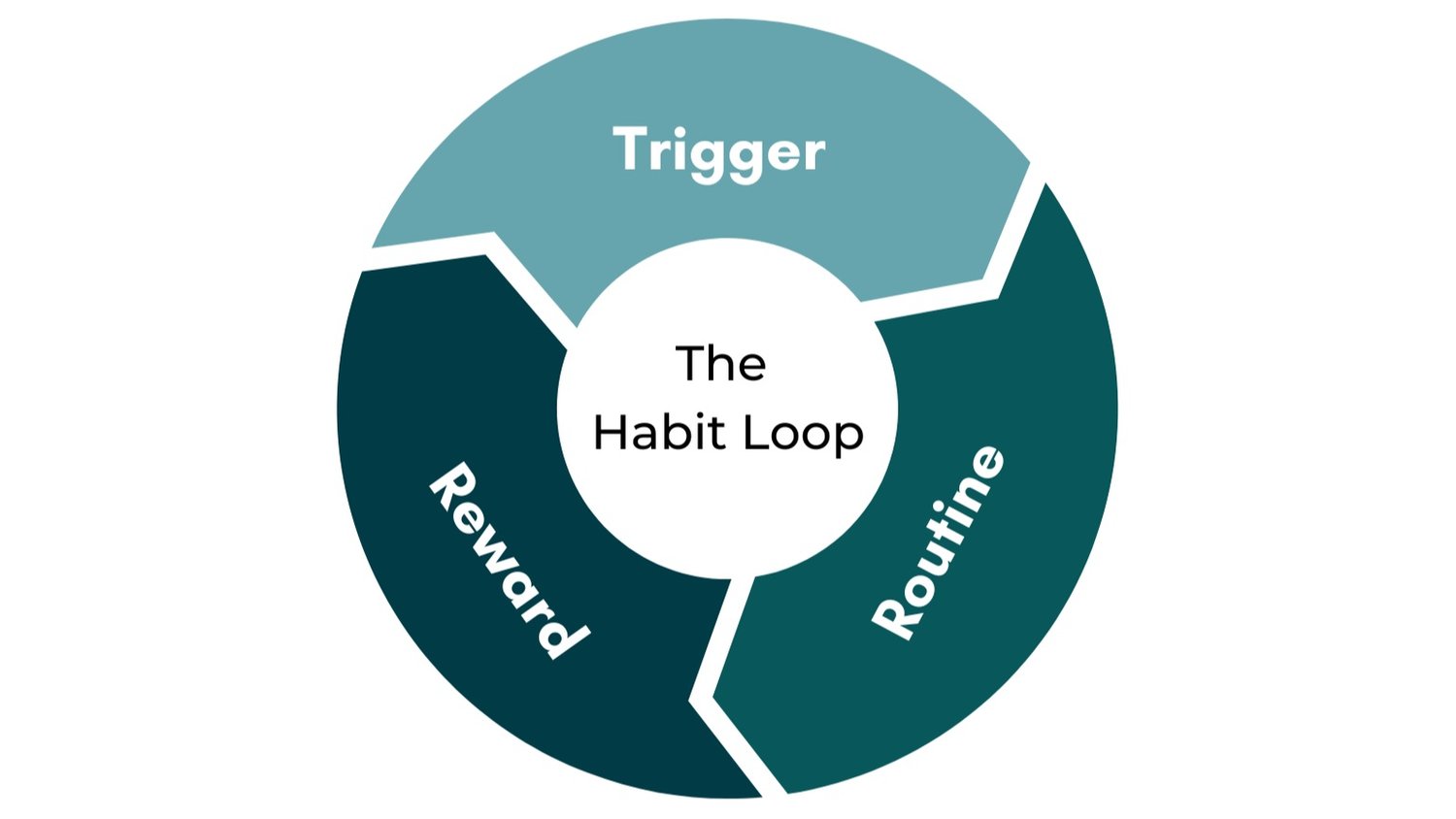
Access to free resources does not automatically produce a routine. Most people who try to use everything in this guide at once burn out by week three. The resources that stick are the ones stacked deliberately into a schedule that survives a bad week.
Stacking Free Resources Into a Weekly Schedule
A workable pattern looks like this: one library wellness class per week, two or three river valley walks or trail sessions when weather allows, a free app-guided workout on the days you cannot get outside, and one community league or peer support touchpoint per month. That is a full routine built entirely from free wellness resources in Edmonton, without a single paid membership. Nutrition matters just as much as movement in this stack, and our guide to nutrition habits for busy Edmonton professionals covers how to keep food prep realistic on the same weeks you are also trying to fit in workouts and mental health check-ins.
Tracking Progress Without Paying for an App
A basic spreadsheet or the free tier of any habit tracker does the same job as a $10 monthly subscription for most people. According to Statistics Canada’s data on physical activity levels, consistency matters more than intensity for most health outcomes, which means a simple free tracker that you actually check beats a sophisticated paid one you abandon after two weeks.
When Free Resources Aren’t Enough
Free resources cover a lot of ground, but they are not a substitute for clinical care when symptoms are serious, persistent, or affecting daily functioning. If a stress-management app or a peer support group is not moving the needle after a few weeks, that is the signal to loop in a doctor or the Alberta Health Services help line rather than trying another app. Free is a starting point, not a ceiling.
| Resource Type | Example | Cost | Best For | Parking or Transit |
|---|---|---|---|---|
| City recreation | Leisure Access Program, drop-in gym hours | Free (income-based) or included | Fitness, swimming, skating | Free lots at suburban centres, LRT access downtown |
| Library programming | Free yoga and meditation classes, Libby and hoopla access | Free with library card | Stress management, learning | Churchill LRT next to Stanley A. Milner |
| River valley trails | Terwillegar Park, Hawrelak Park, Gold Bar | Free | Walking, running, cycling | Free lots at most access points |
| Community leagues | Old Strathcona, Oliver, Windermere leagues | $30-50 annual membership | Local drop-ins, family programming | Street parking, varies by league |
| Mental health support | AHS help line, U of A counselling clinic | Free | Crisis support, talk therapy | U of A accessible via LRT to University station |
| Apps | Nike Training Club, Insight Timer | Free (ad-supported) | Indoor workouts, meditation | N/A |
For a wider directory of local wellness options beyond the free tier, the Edmonton Wellness Guide homepage is a good next stop once you have worked through what is available for free.
Related Articles
- How to Build a Morning Wellness Routine for Beginners: An Edmonton Guide
- What Is a Sustainable Habit Loop and How Does It Work: Building Wellness Routines That Stick in Edmonton
- How to Start Yoga at Home in Edmonton: A Winter-Friendly Guide
Sources & References
Find Trusted Wellness Spots in Edmonton
Browse our independent guide to Edmonton’s spas, fitness studios, and wellness services. Local. Honest. Free.
Frequently Asked Questions
What is the single best free wellness resource in Edmonton?
The river valley trail system is the strongest single free resource, since it works for walking, running, and cycling across most of the year at no cost. Pair it with a free app like Nike Training Club for the months when trail conditions are too icy to use safely.
Are Edmonton community league memberships actually free?
Not entirely. Most run $30 to $50 per household per year, but that fee often unlocks free or heavily discounted classes and events that would cost far more through a private studio. Check with your specific league, since programming varies a lot by neighborhood.
What free wellness apps actually work for Edmonton winters?
Nike Training Club and Insight Timer both have fully free tiers that work well when outdoor options are limited by cold. Government-backed tools through Alberta Health Services are also worth using for symptom checks and mental health self-assessments, since they are free and reviewed rather than commercially driven.
Where can Edmontonians get free mental health support?
Alberta Health Services runs a free 24-hour mental health help line and connects residents to community counselling without needing a referral in most cases. The University of Alberta also runs low-cost and sometimes free counselling clinics through supervised graduate programs, open beyond just students.
Do free wellness resources in Edmonton work in winter, or only summer?
Most of the outdoor-dependent resources slow down significantly in winter, but recreation centres, library programming, and community league indoor drop-ins pick up the slack. Planning ahead with a resource like a winter wellness checklist makes it much easier to keep a routine going once temperatures drop below -20°C.