Edmonton trains hard and recovers poorly. That is not an insult, it is just what happens when a city runs the River Valley trails all summer, plays beer league hockey all winter, and then treats recovery as an afterthought. A proper recovery day checklist covering float tanks, saunas, and stretching is not indulgence. It is maintenance, the same way you would not skip an oil change because your car still starts. By the end of this guide you will know exactly what order to do things in, what it costs around the city, which neighborhoods have the best options, and how to adjust the whole plan once it hits minus 30 in January or the smoke rolls in from BC in August.
Last reviewed:
What a Recovery Day Actually Means Around Here

A recovery day is a planned block of time, usually two to four hours, built around lowering muscle tension, calming the nervous system, and restoring range of motion after hard training or a physically demanding week. It is not a day off the couch. It is active, structured, and usually involves heat, water, and stretching in a deliberate sequence.
Who Actually Needs a Recovery Day in Edmonton
If you run the Victoria Park loop three times a week, ski Nordic at Snow Valley, curl in a Sherwood Park league, or spend your winters shovelling a Windermere driveway, your body is under more repetitive load than you probably give it credit for. Recovery days matter most for endurance athletes training for events like the Edmonton Marathon or the Blackfoot Ultra, for weekend warriors in adult hockey and ringette leagues, and for anyone doing physical labour on top of a regular workout routine. Desk workers count too. Sitting eight hours a day and then squeezing in a lift at the gym creates its own tightness pattern, especially through the hips and upper back.
Active Recovery vs Total Rest: The Real Difference
Total rest means doing nothing. Active recovery means doing something low-intensity that increases blood flow without adding training stress: heat exposure, float sessions, light stretching, an easy walk along the river. Mayo Clinic’s overview of stretching and flexibility notes that gentle movement and stretching after exercise helps maintain joint range of motion and can reduce the risk of injury over time. A recovery day checklist built around float tanks, saunas, and stretching is active recovery. It is doing less, on purpose, in a way that actually helps.
How Often You Should Actually Schedule One
Most Edmontonians training three to five times a week benefit from one structured recovery day every seven to ten days. If you are marathon training or doing two-a-days, bump that to once a week. If your training load is lighter, once every two to three weeks is plenty. The point is consistency, not frequency. A recovery day squeezed in randomly whenever you feel sore does less than one that is actually on the calendar.
Float Tanks: The Anchor of Any Recovery Day
Float therapy is usually where a recovery day starts or ends, and for good reason. It does the most with the least physical effort, which makes it the anchor piece around which you build the sauna and stretching portions.
What Actually Happens Inside the Tank
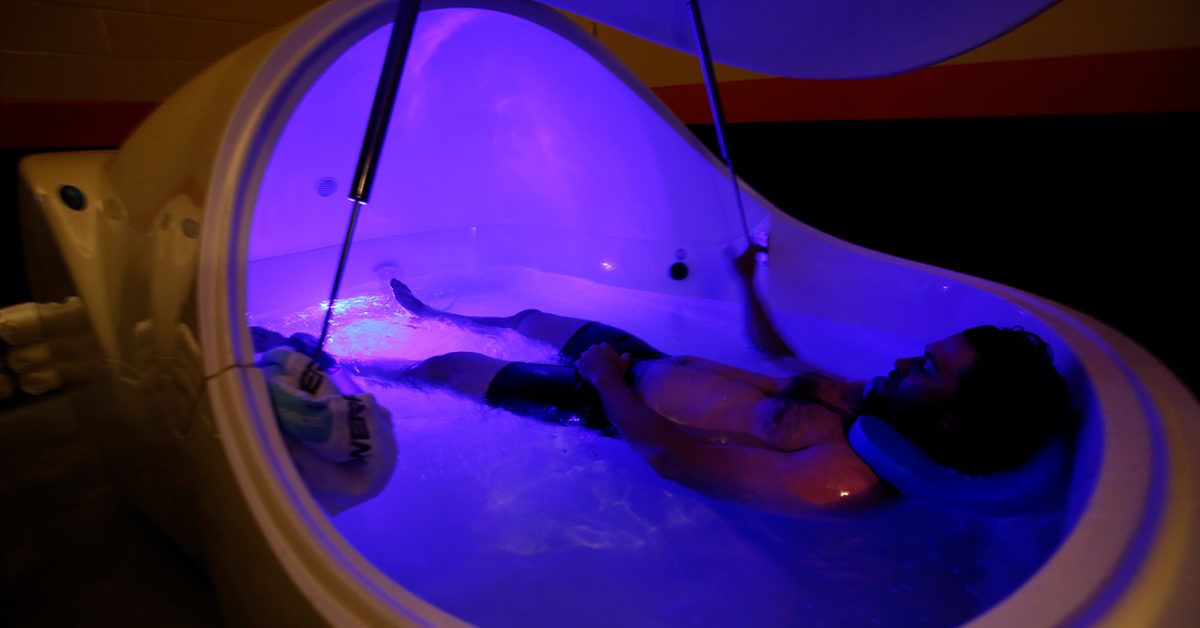
A float tank holds roughly 1,000 pounds of Epsom salt dissolved in about 10 inches of water, heated to skin temperature (around 35°C). The salt concentration makes the water dense enough that you float effortlessly on your back, taking almost all load off your spine and joints. Sessions typically run 60 to 90 minutes in a dark, quiet, temperature-neutral pod. Some people use the time to sleep. Others just let their mind wander. Either way, the magnesium sulfate in the water is absorbed through the skin, which some people find helps with muscle soreness, though the research on transdermal magnesium absorption is still limited and mixed.
What a Float Session Costs in Edmonton
Expect to pay $65 to $85 for a single 60-minute float in Edmonton, with 90-minute sessions running closer to $90 to $110. Most spas offer package pricing that brings the per-session cost down to $55 to $65 if you buy in bulk of four or more. First-timers often get a discounted intro rate, usually somewhere around $50 to $60, so it is worth asking before you book a full-price session anywhere in the city.
Where to Float Around the City
Float studios cluster in a few predictable pockets: Old Strathcona and Whyte Avenue for the University of Alberta crowd, a handful of spots near West Edmonton Mall for anyone out that way already, and a few scattered through Sherwood Park and the north side. Parking is usually free or metered street parking near Whyte Avenue, and most of these studios sit close to a bus route if you are coming from Downtown or the university without a car. For a full breakdown of the float and salt cave options specifically clustered around the west end, it is worth comparing notes on the best salt caves and float therapy near West Edmonton Mall before you commit to a membership.
Saunas and Heat Therapy for Recovery
Heat is the second pillar of the recovery day checklist, and in a city where outdoor temperatures spend four months below freezing, it does double duty as both muscle therapy and a genuine mood boost.
Traditional Sauna vs Infrared: Which One Actually Helps More
Traditional Finnish-style saunas run hot, usually 70°C to 90°C, heating the air around you. Infrared saunas run cooler, typically 45°C to 60°C, and heat your body directly with infrared light rather than the surrounding air. Traditional sauna delivers a more intense sweat faster. Infrared tends to feel more tolerable for longer sessions, which is why a lot of Edmonton studios have shifted toward infrared cabins over the last several years. Neither is objectively better for recovery. Traditional sauna wins on cardiovascular stress response, infrared wins on comfort and accessibility for people who find dry heat hard to sit in.
What Heat Does to Sore Muscles
Heat exposure increases blood flow to soft tissue and triggers the production of heat shock proteins, which help repair damaged muscle cells. A frequently cited study published through the National Center for Biotechnology Information found regular sauna use is associated with reduced muscle soreness and improved recovery markers in athletes, alongside broader cardiovascular benefits. That is the science behind why heat almost always comes before stretching on a recovery day. Warm muscle tissue stretches further and with less resistance than cold tissue, which is exactly why nobody should be doing deep static stretching as the first thing in a cold studio in January.
Where to Sweat It Out in Edmonton
Look for infrared and traditional sauna studios concentrated in Oliver, along 124 Street, and scattered through Downtown fitness clubs that include sauna access with membership. A drop-in sauna session runs $25 to $45 for 30 to 45 minutes, and many spas bundle it into a float-and-sauna combo package for $100 to $140. If you belong to a gym with a sauna already included, like several of the larger fitness centers Downtown or in Windermere, you are already halfway to a free recovery day. Just bring a stretch routine to finish it off.
Stretching and Mobility: The Part Most People Skip
Float and sauna get the attention because they feel like treats. Stretching gets skipped because it feels like homework. That is a mistake, because stretching is what actually locks in the range-of-motion gains from the heat and water portion of the day.
Static Stretching After Heat and Float (Why Order Matters)
Static stretching, holding a position for 30 to 60 seconds, works best on warm muscle tissue. Doing it right after a sauna session or a float, when your muscles are already loose and your nervous system is calm, gets you a bigger range-of-motion gain than stretching cold ever will. Hit the hips, hamstrings, calves, and lower back first. Those are the areas that tighten up fastest from Edmonton’s combination of long car commutes, winter boot wear, and hard training surfaces.
Foam Rolling and Self-Myofascial Release at Home
A foam roller costs $25 to $50 and pays for itself in a couple of months compared to regular massage. Roll each major muscle group for 60 to 90 seconds, moving slowly rather than fast, and stop on any spot that feels especially tight for an extra 20 to 30 seconds. This is a good addition to a recovery day at home on weeks when you cannot make it to a studio, especially through a stretch of minus 30 days when nobody wants to leave the house.
When to Book a Stretch Therapist or Physiotherapist Instead
If tightness in one specific area keeps coming back no matter how much you stretch or foam roll it, that is a signal to see a professional rather than keep self-treating. A physiotherapist or registered massage therapist can identify whether the issue is muscular, postural, or something that needs actual rehab work. For a broader look at how massage, physiotherapy, and assisted stretching fit into an ongoing plan, the deeper dive on recovery options across Edmonton’s massage, physio, and stretching providers is a useful next stop before booking anything.
Building the Actual Checklist: Order of Operations
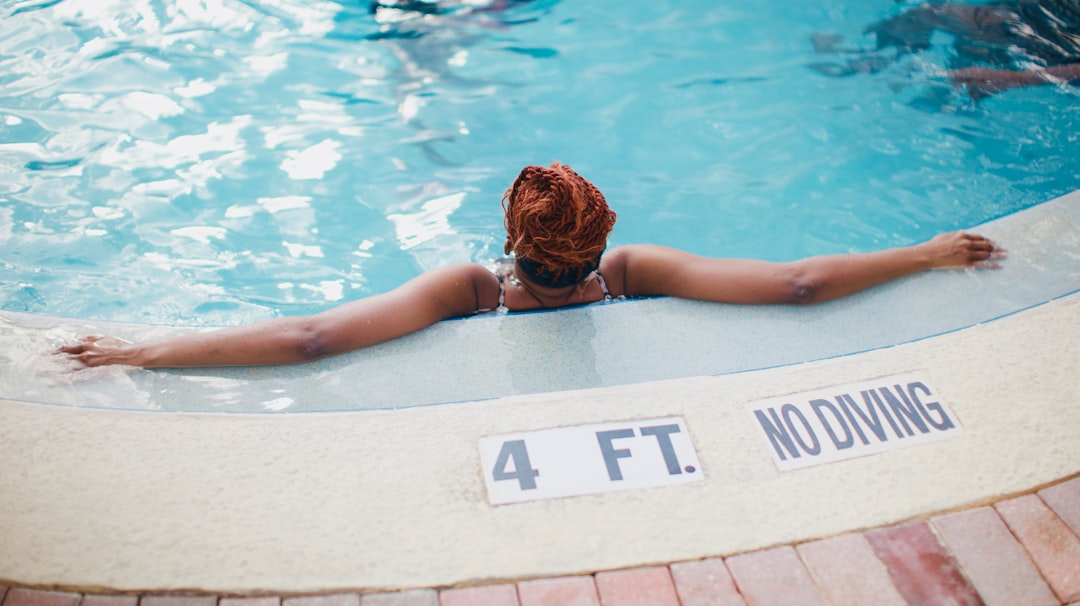
Here is where the three pieces come together. The sequence you do them in matters more than most people realize.
The Sequence That Works: Heat, Float, Stretch
Start with sauna or another heat source to loosen tissue and get blood moving. Move into the float tank next, since your body is already warm and relaxed, which makes the effortless stillness of floating easier to settle into. Finish with 10 to 15 minutes of static stretching while your muscles are still warm from both the heat and the float. Doing it in reverse order, stretching cold muscles first, gets you a worse result for the same time investment.
Hydration and Food Before and After
Heat exposure and floating both cause fluid loss through sweat and mild dehydration, even though you might not notice it in a float tank. Drink water before you start and again after you finish, and skip a heavy meal right before sauna or float since digestion and heat stress compete for blood flow. Alberta Health Services recommends steady hydration throughout activities involving heat exposure, which applies just as much to a sauna session as it does to a summer hike. A light snack with protein and carbs afterward helps close out the recovery loop.
A Sample Recovery Day Itinerary
Use this as a starting template and adjust the timing to whatever a specific Edmonton studio offers.
| Time | Activity | Duration | Approx. Cost |
|---|---|---|---|
| 10:00 am | Traditional or infrared sauna | 30-40 minutes | $25-$45 |
| 10:45 am | Float tank session | 60-90 minutes | $65-$110 |
| 12:15 pm | Static stretching and foam rolling | 15-20 minutes | Free (own equipment) |
| 12:45 pm | Light meal and hydration | 30 minutes | $10-$20 |
Total time investment lands around two and a half hours, and total cost usually falls between $100 and $175 depending on which studio and package you use. If red light panels are available at your studio, adding a 10-minute session after stretching is worth considering. The mechanics of that treatment are covered in more depth in the guide to red light therapy for muscle recovery.
Seasonal Recovery: Why Edmonton Winters Change Everything
A recovery day checklist that works in July does not automatically work in January. Edmonton’s climate forces real adjustments to the plan.
Recovery Days at Minus 30: Keep It Indoors and Close to Home
When it is minus 30 outside, do not plan a recovery day that involves driving across the city between three different studios. Pick one location that offers sauna and float under the same roof, or stick to a neighborhood close to home. Cold exposure between a warm sauna and a cold car is genuinely hard on your cardiovascular system, so minimize the transitions. This is also peak season for sauna demand, since heat therapy doubles as a legitimate mood lift during the shortest, darkest stretch of the year.
Smoke Season Adjustments for Outdoor Athletes
Wildfire smoke rolling in from BC or northern Alberta in July and August pushes River Valley runners and cyclists indoors, which actually makes recovery days more important, not less. If you cannot get your usual outdoor active recovery walk along the river, a longer float session or an extra sauna day fills that gap. Watch the air quality health index before deciding whether even a short walk to a studio makes sense on the worst smoke days.
Recovering After Local Races and Festivals
The 48 hours after the Edmonton Marathon, the Melissa’s Road Race, or a long day on your feet at Folk Fest is exactly when a full recovery day checklist earns its cost. Book the float and sauna appointment before race day if you can, since the good time slots fill up fast the week after major local events. Muscle soreness from a marathon typically peaks 24 to 48 hours post-race, so timing the float and stretch session for the day after, rather than the same evening, usually gets better results.
Cost, Frequency, and Making It a Routine
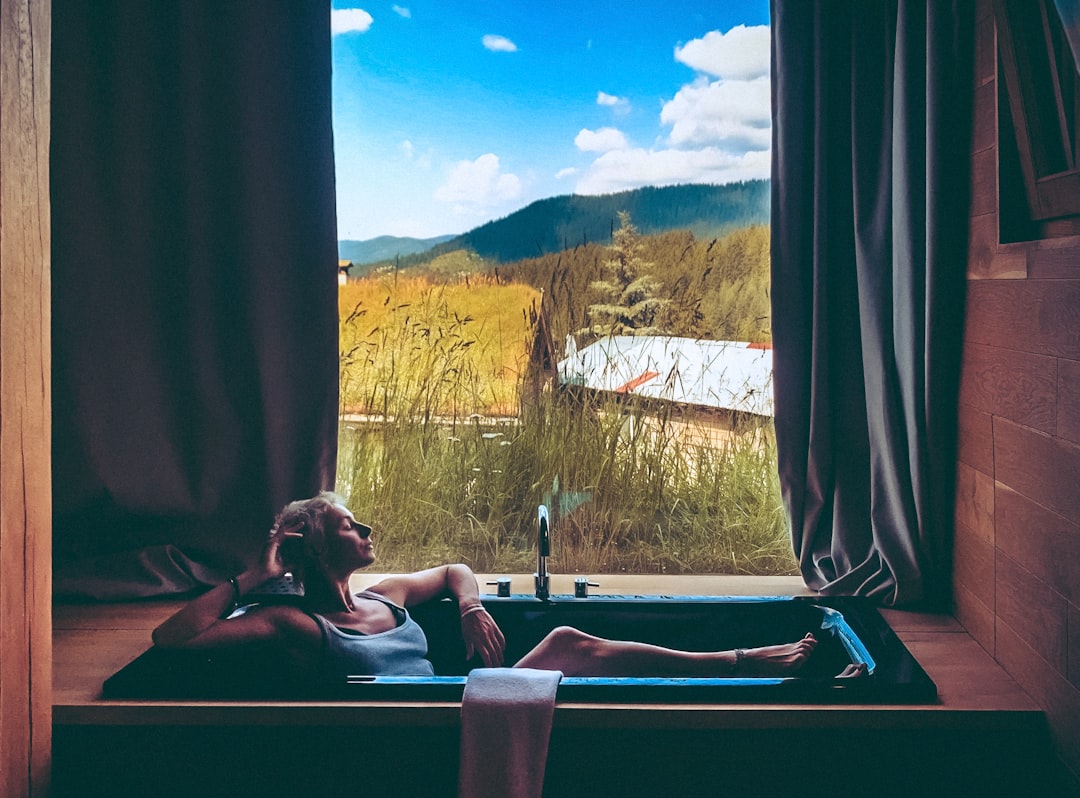
The biggest reason recovery days do not stick as a habit is cost creep. Here is how to keep it sustainable.
Weekly, Biweekly, or Monthly: What’s Realistic on a Budget
A weekly full recovery day at $100 to $175 a pop adds up to $400 to $700 a month, which is not realistic for most people. Biweekly is the sweet spot for most Edmontonians training seriously, and monthly works fine for anyone using recovery days more as maintenance than as a training tool. Scale the frequency to your budget rather than skipping it entirely.
Membership and Package Pricing Compared
| Package Type | Typical Price | Best For |
|---|---|---|
| Single float session | $65-$85 | Trying it out once |
| Float 4-pack | $220-$280 | Monthly recovery habit |
| Float + sauna combo (single) | $100-$140 | Full recovery day, one visit |
| Monthly unlimited sauna membership | $99-$149 | Frequent sauna users, cold months |
| Gym membership with sauna included | $50-$90/month | Combining fitness and recovery |
Budget-Friendly vs Premium Recovery Days
A budget version of this checklist still works: home foam rolling, a gym sauna you already pay for, and a single float session once a month as the treat item. A premium version adds red light therapy, a professional stretch session with a registered therapist, and weekly float access through a membership. Neither version is wrong. If you are not sure which modality actually fits your body and your budget, the comparison guide on how to choose the right recovery modality for your needs walks through the tradeoffs in more detail, and there is a full breakdown on how to build a weekly recovery routine using Edmonton spas if you want to turn this into an ongoing schedule rather than an occasional treat.
Related Articles
- What Is Float Tank Therapy and How Does It Work: An Edmonton Guide to Sensory Deprivation
- Best Massage Therapy Clinics in Edmonton by Neighborhood: Your Local Guide to Finding the Right Therapist
- How to Prepare for Your First Acupuncture Appointment: An Edmonton Guide
Sources & References
Find Trusted Wellness Spots in Edmonton
Browse our independent guide to Edmonton’s spas, fitness studios, and wellness services. Local. Honest. Free.
Frequently Asked Questions
What order should I do float tanks, saunas, and stretching in?
Start with sauna or another heat source, move to the float tank while your body is still warm, then finish with 10 to 15 minutes of static stretching. Stretching warm muscle tissue after heat and float gets a noticeably better range-of-motion result than stretching cold muscles first.
How much does a full recovery day cost in Edmonton?
A single sauna and float combo runs roughly $100 to $175 depending on the studio and session length, before food or a stretch therapist visit. Package pricing on floats brings the per-visit cost down to $55 to $65 if you buy a four-pack or more.
How often should I actually do a recovery day?
Most people training three to five times a week do well with one structured recovery day every seven to ten days. Marathon training or two-a-day schedules justify a weekly recovery day, while lighter training loads are fine with once every two to three weeks.
Is float therapy or sauna better for sore muscles after training?
They target different things. Sauna increases blood flow and raises tissue temperature, which helps muscle repair directly, while float therapy takes weight off joints and calms the nervous system, which helps with overall stress and perceived soreness. A full recovery day checklist uses both together rather than picking one over the other.
Do recovery days still make sense during an Edmonton winter?
Yes, and arguably more so. Sauna and float sessions double as a legitimate mood lift during the shortest days of the year, and choosing one indoor location instead of driving between studios in minus 30 weather keeps the whole plan practical rather than miserable.