What Cold Plunge Therapy Actually Is (and Why Edmonton Winters Change the Rules)
Cold plunge therapy means deliberately immersing your body in cold water, usually between 3°C and 10°C, for a short, controlled period of time. It sounds simple. In Edmonton, it isn’t quite that simple, because our winters do half the work for you whether you want them to or not. Cold plunge therapy Edmonton winter safety is a different conversation than the one happening in Vancouver or California, where a cold plunge is a lifestyle accessory. Here, the outdoor air alone can hit minus 30°C, and that changes everything about how you prepare, how long you stay in, and how you warm back up.
Last reviewed:
The Physiology of Cold Water Immersion
When your body hits cold water, your blood vessels near the skin constrict almost immediately. This is called vasoconstriction, and it pushes blood toward your core to protect important organs. Your heart rate spikes. Your breathing goes shallow and fast. Research on cold water immersion shows this initial reaction, known as cold shock, peaks in the first 60 to 90 seconds and is responsible for most cold-water drowning deaths, not hypothermia itself, according to peer-reviewed research on cold water immersion and cold shock response. Once your body adjusts past that first minute, the intense gasping response usually settles and you’re left with the deep, cold ache that most plungers describe.
Why Winter Changes the Equation for Edmonton Plungers
In July, a cold plunge is a contrast to a hot day. In January, you’re stepping from a heated car or a warm house directly into cold water, then back out into air that might be colder than the water itself. That reversal is the part people underestimate. Wet skin in minus 20°C air loses heat through evaporation far faster than dry skin does, so the walk from the tub to the towel can be more dangerous than the plunge itself. Anyone building a winter routine around cold exposure needs to think about the whole sequence, not just the minute in the water. If you haven’t already, it helps to work from a broader winter wellness checklist for Edmonton so cold plunging fits into a plan instead of standing alone as a one-off stunt.
Edmonton Spring Allergies Wellness Guide For Seasonal Relief covers this in more detail.
The Real Risks: Cold Shock, Hypothermia, and Afterdrop
Most of the internet treats cold plunging like it’s risk-free because athletes do it on camera. It isn’t risk-free, and treating it casually is how people end up in emergency rooms. Understanding the actual mechanisms of risk is the foundation of cold plunge therapy Edmonton winter safety.
How To Create A Winter Wellness Checklist For Edmonton covers this in more detail.
Cold Shock in the First 60 Seconds
The gasp reflex is real and it’s strong. It’s an involuntary inhale triggered by sudden cold exposure, and if your face or airway goes under water during that gasp, you can inhale water without meaning to. This is why solo winter plunging in open water, rivers, or unsupervised backyard tubs carries real drowning risk even for strong swimmers. Your heart rate and blood pressure also spike hard during this window, which is the main reason people with cardiovascular conditions are told to avoid cold plunging without medical clearance.
How To Prevent Seasonal Wellness Routine Breakdowns In Edmonton covers this in more detail.
Hypothermia and the Afterdrop Effect
Hypothermia sets in when your core body temperature drops below 35°C. It doesn’t take long in cold water. Alberta Health Services notes that cold exposure and hypothermia risk rise sharply once skin and core temperatures drop in tandem, and confusion, slurred speech, and loss of coordination are early warning signs, not late-stage ones. Here’s the part that catches winter plungers off guard: afterdrop. Your core temperature can keep falling for 10 to 20 minutes after you get out of the water, because cold blood from your extremities is still circulating back toward your core. People feel fine stepping out, then feel worse ten minutes later. That’s afterdrop, and it’s why the warm-up phase matters as much as the plunge itself.
Best Sauna Practices For Winter Wellness Edmonton covers this in more detail.
Who Should Skip Cold Plunging Entirely
Cold plunging isn’t for everyone, and no amount of enthusiasm changes that. Mayo Clinic’s overview of hypothermia risk factors flags heart disease, uncontrolled high blood pressure, and Raynaud’s syndrome as conditions that raise danger significantly during cold exposure. Pregnancy, epilepsy, and open wounds or active infections are also reasons to sit this one out or get a doctor’s sign-off first. If in doubt, that’s a conversation for your family doctor, not a wellness blog.
Where Edmontonians Are Cold Plunging This Winter
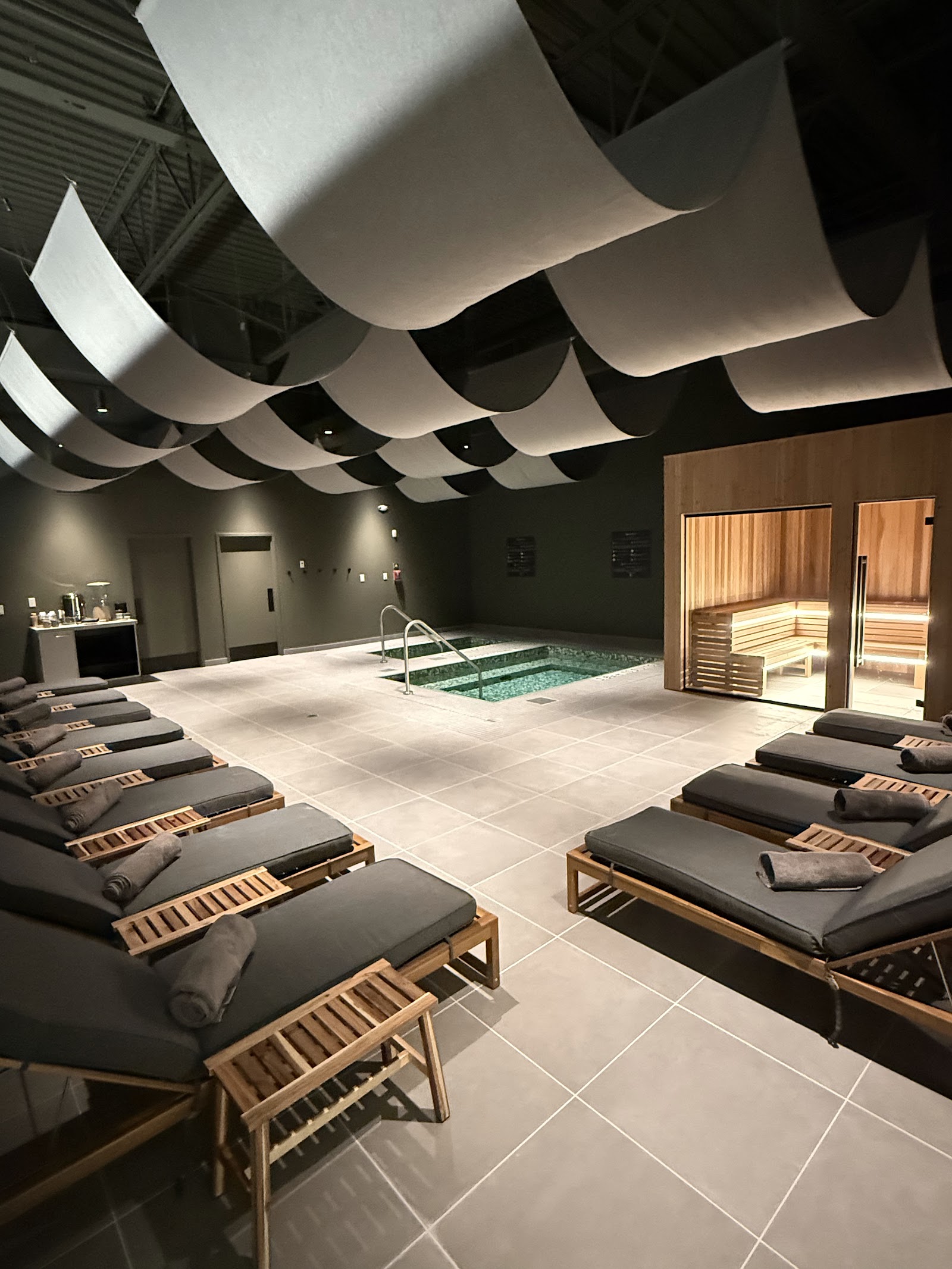
You’ve got three realistic options in this city: a studio or spa with a proper cold plunge setup, a home tub, or open water. Only two of those are genuinely safe options once temperatures drop.
Studio and Spa Options Across the City
A growing number of Edmonton recovery studios, med spas, and fitness clubs have added cold plunge tubs alongside infrared saunas over the past few years, particularly in Oliver, Old Strathcona, and along the 124 Street corridor. These setups use chillers to hold water at a consistent 3°C to 8°C year-round, which takes the guesswork out of temperature and gives you a controlled environment with staff nearby. Expect to pay $25 to $45 for a single drop-in session, with punch passes bringing the per-visit cost down to $15 to $25, and monthly memberships landing somewhere between $120 and $180 depending on how much sauna and recovery-room access is bundled in. Parking is usually the deciding factor between two otherwise similar studios, so check whether a location has dedicated lot parking or relies on street meters before you commit to a membership.
Home Cold Plunge Setups
A lot of Edmontonians have gone the DIY route: a stock tank or a purpose-built plunge tub in the garage or on the deck. In winter, this actually works in your favor, since outdoor water left uncovered will naturally sit near freezing without a chiller. The trade-off is control. Without a thermometer and a plan, it’s easy to end up in water that’s colder than intended, and there’s no staff around if something goes wrong. If you’re plunging at home, treat it with the same seriousness as an ice fishing trip: know the temperature, know your limits, and don’t do it alone.
The River Valley Temptation (and Why to Resist It)
Every winter, someone posts a video of themselves cutting a hole in the North Saskatchewan River for a plunge. Don’t do this. River ice thickness varies wildly across the City of Edmonton’s river valley trail system, with moving water, open channels near weirs, and thin spots that aren’t visible from the surface. Add a current underneath the ice, and a river plunge goes from a wellness practice to a rescue call fast. If you want a cold, outdoor, river-valley-adjacent experience, stick to a supervised facility near the valley rather than the river itself.
Winter-Specific Safety Protocols
This is the practical core of cold plunge therapy Edmonton winter safety. None of it is complicated, but all of it matters.
Water Temperature and Session Length
For most healthy adults, 3°C to 10°C water for 1 to 5 minutes is the standard range used by recovery studios and researchers alike. Beginners should start at the warmer end, closer to 10°C, for 30 to 60 seconds, and build up gradually over several weeks. There’s no prize for going straight to the coldest, longest option on day one. Your tolerance builds with repeated, controlled exposure, not with bravado.
| Setting | Typical Water Temp | Control Level | Approx. Cost | Best For |
|---|---|---|---|---|
| Studio or spa plunge | 3°C to 8°C, chiller-controlled | High, staff on site | $25 to $45 per session | Beginners, consistency |
| Home tub (outdoor, winter) | 0°C to 6°C, weather-dependent | Medium, self-managed | $300 to $2,000+ setup | Frequent plungers with a buddy |
| Open water (river, lake) | Near 0°C, unpredictable | Low, no supervision | Free, high risk | Not recommended in winter |
Never Plunge Alone
This is the single most important rule and the one most often ignored. Cold shock can cause disorientation or involuntary gasping within seconds, and if that happens alone in a tub, there’s no one to notice. Studios solve this automatically since staff are present. At home, plunge with a partner who stays dry and nearby, not one who’s also in the water.
The Warm-Up Protocol That Actually Works
Skip the hot shower immediately after a plunge. Jumping straight into very hot water after cold exposure can cause blood pressure to swing and makes some people lightheaded. Instead, towel off, get into dry clothes, and let your body rewarm gradually with movement, like walking around indoors, for the first 10 to 15 minutes. Once the shivering eases and you feel steady, a warm, not hot, shower is fine. This slower approach accounts for afterdrop instead of fighting against it.
Building a Sustainable Cold Plunge Routine Through an Edmonton Winter
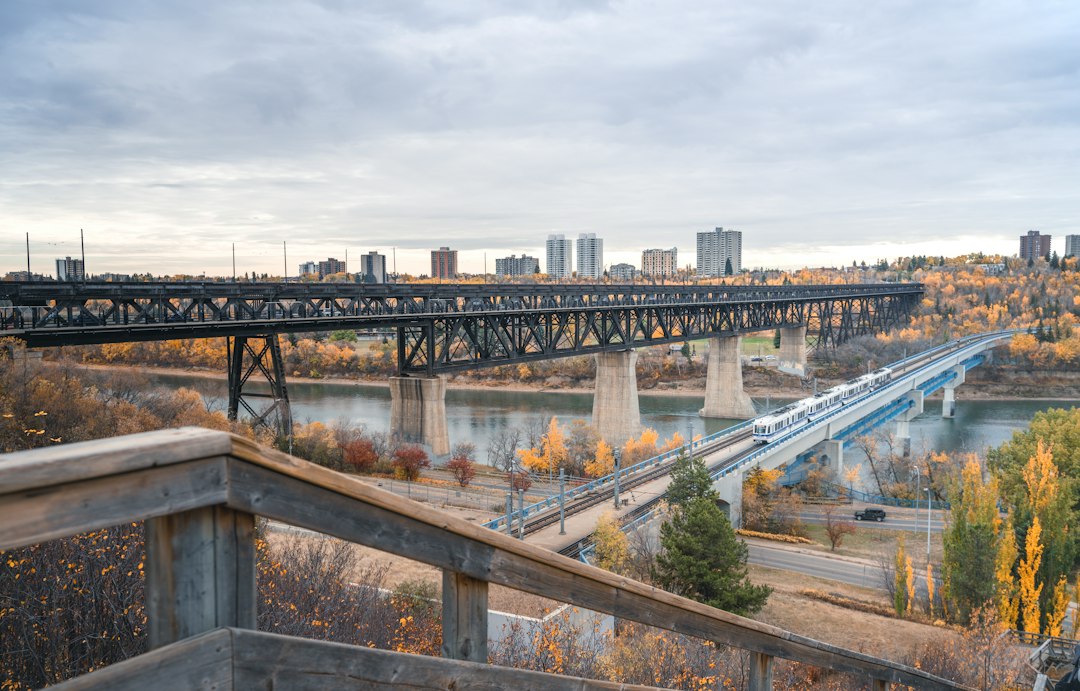
A lot of people start cold plunging in January with big enthusiasm and quietly stop by February. That pattern isn’t unique to cold plunging. It’s the same seasonal routine collapse that hits New Year’s fitness resolutions and home yoga practices across this city every winter.
Frequency and Progression
Two to three sessions a week is a realistic, sustainable cadence for most people, rather than daily plunging, which raises both the time commitment and the physical demand. Track how you feel the day after a session, not just the minutes right after. If you’re constantly fatigued or your resting heart rate is improved the next morning, you’re overdoing it. Progression should be slow: an extra 15 to 30 seconds every week or two is plenty.
Pairing Cold Plunge With Sauna
Contrast therapy, alternating heat and cold, is popular for a reason. The sauna widens blood vessels and relaxes muscles, and the cold plunge afterward tightens them back up, which a lot of people find genuinely helps with recovery and mood on a dark winter afternoon. If you’re new to this pairing, it’s worth reading up on sauna practices built for Edmonton winters before combining the two, since the order and timing matter more than people expect. For anyone dealing with the low mood that comes with short winter days, some Edmontonians pair cold plunge and sauna sessions with broader spa treatments aimed at seasonal affective disorder rather than relying on cold exposure alone. And if you want your routine to actually survive past February, it helps to plan around the common reasons Edmonton wellness habits fall apart, which is covered in this guide on preventing seasonal wellness routine breakdowns.
Gear, Setup, and Costs
You don’t need much to plunge safely, but the few things you do need aren’t optional.
Home Tubs and What They Cost
A basic stock tank setup with no chiller runs $300 to $600 in Alberta, and relies entirely on outdoor temperatures to stay cold, which works well from November through March but not much else. A purpose-built chiller tub that holds a set temperature year-round runs $1,500 to $4,000 depending on size and insulation. Factor in the electrical cost of running a chiller through an Edmonton winter, since it’s working against ambient cold too, not just heat.
What to Wear and Bring to a Session
Bring more than a swimsuit. A few essentials make the difference between a safe session and a miserable one:
- Neoprene booties and gloves to protect extremities, which lose heat fastest
- A thick, dry towel staged within arm’s reach before you get in
- A full change of warm, dry clothes, including a toque, ready to put on immediately
- Insulated boots for the walk from tub to car in winter
- A thermometer if you’re plunging at home, so you know the actual water temperature
- A phone kept dry and accessible in case you need to call for help
When to Skip It: Medical Red Flags
Some days, the right call is to skip the plunge entirely. That’s not weakness, it’s judgment.
Health Conditions That Raise the Risk
Uncontrolled hypertension, a history of heart arrhythmia, cold urticaria (an allergic reaction to cold), and poor circulation are all reasons to talk to a doctor before starting. People on beta blockers or blood pressure medication should also check in, since these drugs can blunt or exaggerate the cardiovascular response to cold shock.
Warning Signs to Get Out Immediately
Stop the session and get out right away if you notice numbness that doesn’t ease, chest tightness, dizziness, or uncontrollable shivering that doesn’t settle once you’re dressed and moving. Confusion or slurred speech after getting out is a sign of hypothermia progressing, and that warrants medical attention, not a warm blanket and a wait-and-see approach.
Related Articles
- How to Stay Active During Edmonton’s Winter Smoke Season: Indoor Fitness Options That Work
- Best Indoor Wellness Activities When Edmonton Air Quality Drops: Your Complete Guide
- Why Does Edmonton Summer Daylight Affect Sleep Schedules: Understanding Our 17-Hour Days
Sources & References
Find Trusted Wellness Spots in Edmonton
Browse our independent guide to Edmonton’s spas, fitness studios, and wellness services. Local. Honest. Free.
Frequently Asked Questions
Is cold plunge therapy safe in Edmonton winters?
Yes, when it’s done in a controlled setting with proper warm-up protocols and, ideally, another person present. The risk isn’t the cold water itself, it’s skipping the safety basics: knowing the water temperature, limiting session length, and warming up gradually afterward instead of jumping straight into a hot shower.
How cold does the water need to be for a cold plunge to work?
Most studios and researchers use a range of 3°C to 10°C. Beginners should start near the warmer end for 30 to 60 seconds and build tolerance over several weeks rather than aiming for the coldest possible water on the first try.
Can I cold plunge in the North Saskatchewan River?
It’s not recommended. River ice thickness is inconsistent, there are open channels near weirs and moving water under the ice, and there’s no supervision if something goes wrong. A studio with a controlled, chiller-cooled tub gives you the same cold exposure without the drowning and ice-safety risk.
How often should I cold plunge during winter?
Two to three sessions a week is a realistic pace for most healthy adults. Daily plunging raises the physical demand without adding much extra benefit for most people, and it makes the routine harder to sustain through a full Edmonton winter.
What should I do immediately after a cold plunge in winter?
Towel off, change into dry clothes right away, and walk around indoors for 10 to 15 minutes before considering a shower. Avoid a hot shower immediately after, since the temperature swing combined with afterdrop can cause lightheadedness.