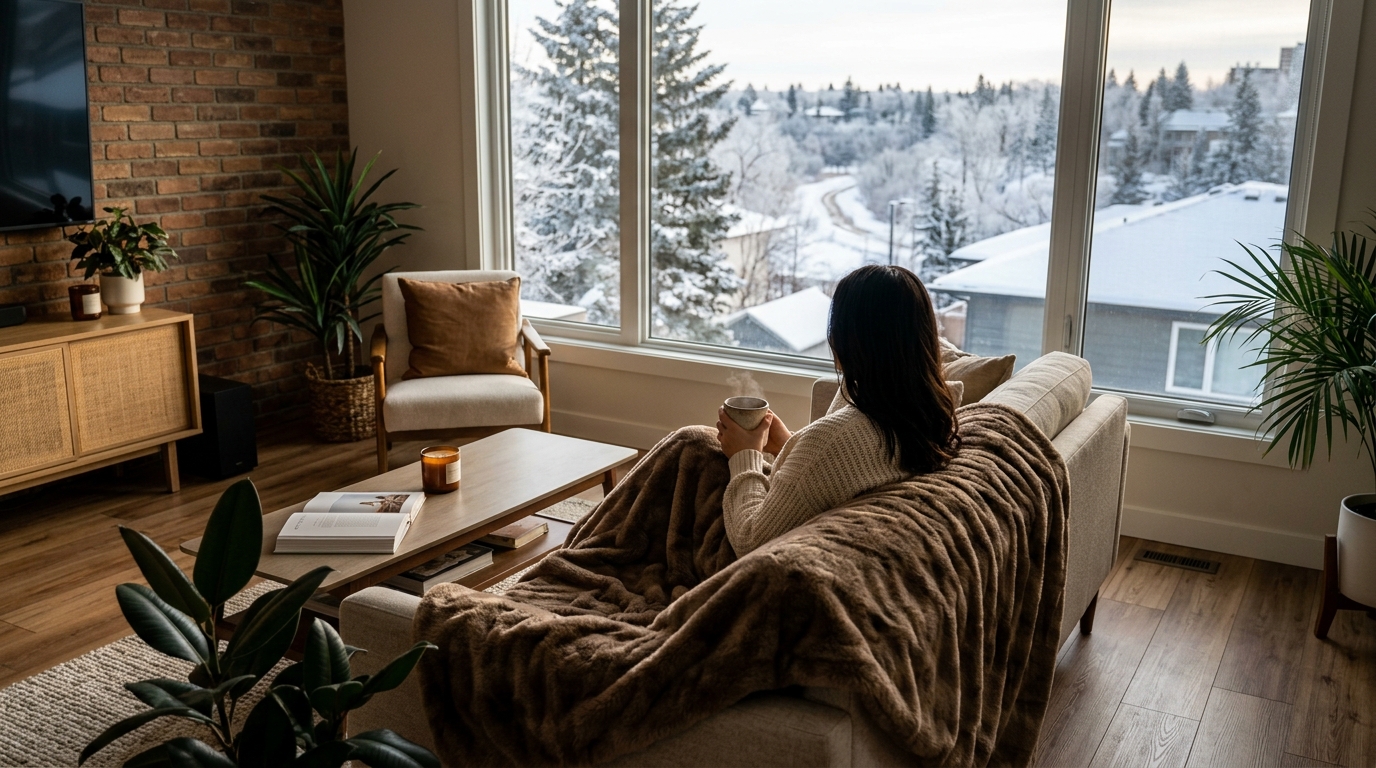
By late November, most Edmontonians have stopped noticing the cracked knuckles and static-shocked doorknobs. What’s harder to ignore is the cough that won’t clear, the nosebleeds that show up out of nowhere, or the sinus headache that sets in the moment the furnace kicks on. Dry air respiratory health in Edmonton winter is not a minor seasonal inconvenience. It’s a measurable physiological stress that builds for roughly five months a year, and understanding why it happens is the first step to actually fixing it. This guide covers the science behind Edmonton’s brutally dry winter air, who’s most vulnerable to its effects, and the specific indoor and outdoor strategies that make a real difference between now and spring.
Last reviewed:
Why Edmonton Winter Air Is So Dry (and What It Does to Your Airways)
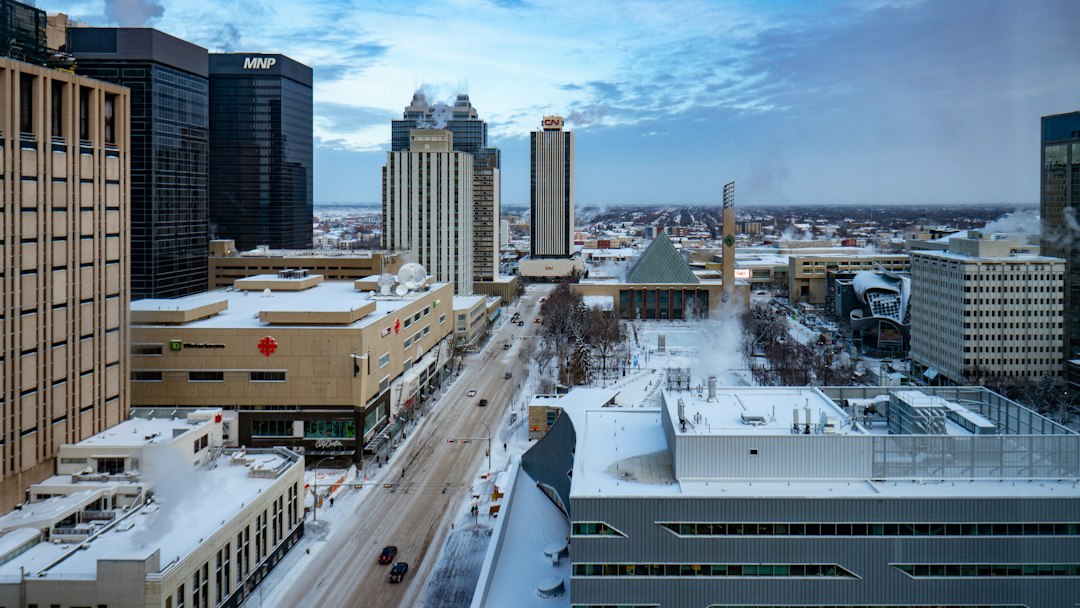
Cold air is dry air. That’s not a saying, it’s basic atmospheric physics: air at -20°C can hold only a fraction of the water vapor that air at 20°C can hold. Edmonton spends a good chunk of winter well below -15°C, which means the air coming through your furnace vents started out nearly bone dry before your house made things worse. This is the root cause behind most dry air respiratory health Edmonton winter complaints, from Windermere to Old Strathcona.
The Humidity Numbers That Explain Everything
Outdoor relative humidity readings in an Edmonton winter often look deceptively normal, sometimes 60 to 70 percent. But relative humidity measures moisture relative to what the air can hold at that temperature, and cold air holds almost nothing. According to Mayo Clinic’s explanation of dry air and health, when that cold outdoor air gets heated to a comfortable 21°C indoors without adding moisture back, relative humidity can crash to 10 to 15 percent. For comparison, the Sahara Desert averages around 25 percent. Most health authorities recommend indoor relative humidity between 30 and 50 percent for comfort and respiratory health, a target that’s genuinely hard to hit in an Edmonton house in January without deliberate effort.
Health And Wellness Edmonton covers this in more detail.
Indoor Heating Makes It Worse
Forced-air furnaces, the standard in most Edmonton homes from Sherwood Park to the river valley, don’t add moisture. They just heat air. The drier that heated air gets, the more aggressively it pulls moisture from everything it touches, including your skin, your sinuses, and the wood trim in your house. Baseboard heaters and electric furnaces do the same thing. This is why so many people notice symptoms specifically indoors during winter, not outdoors, even though outdoor air is technically the driest air of all. The heating cycle concentrates the problem inside the four walls where you spend 90 percent of your day.
Edmonton Spring Allergies Wellness Guide For Seasonal Relief covers this in more detail.
What Happens Inside Your Nose and Lungs
Your respiratory tract relies on a thin layer of mucus to trap dust, allergens, and viruses before they reach your lungs. That mucus layer needs moisture to function. In dry air, it thickens, dries out, and stops moving the way it should. Nasal cilia, the tiny hairs that sweep debris out of your airway, slow down when they’re dehydrated. The result is a nose and throat that are both more irritated and less able to defend themselves. Research summarized in a widely cited study published through the National Institutes of Health’s PubMed Central archive found that low absolute humidity is strongly associated with increased influenza virus survival and transmission, which partly explains why cold and flu season lines up so precisely with Edmonton’s dry months.
How To Create A Winter Wellness Checklist For Edmonton covers this in more detail.
The Respiratory Symptoms Dry Air Triggers (and How to Tell What’s Causing Them)
Not every winter cough is a cold. A lot of what Edmontonians chalk up to “just being sick again” is actually a direct reaction to dry indoor air, and it’s worth knowing the difference because the fixes are completely different.
How To Prevent Seasonal Wellness Routine Breakdowns In Edmonton covers this in more detail.
Nosebleeds, Congestion, and Sinus Pain
Dry nasal passages crack more easily, and cracked capillaries bleed. Pediatric nosebleeds spike every winter in Edmonton clinics, and the cause is rarely dramatic. It’s usually a dry house combined with a kid who picks their nose. Sinus pain and pressure follow a similar pattern: dried-out mucus can’t drain properly, sinuses back up, and pressure builds behind the eyes and cheekbones. If symptoms ease noticeably on humid days or after a shower, dry air is almost certainly the driver.
Dry Cough and Throat Irritation
A cough that’s worse first thing in the morning, has no mucus behind it, and comes with a scratchy or raw throat is a classic dry-air cough. It tends to improve within minutes of stepping into a steamy bathroom. This is different from a productive cough with colored mucus, fever, or body aches, which points toward an actual infection rather than environmental dryness.
When It’s More Than Dryness: Asthma and COPD Flare-Ups
For people with asthma, dry cold air is a well-documented trigger on its own, separate from any allergen or virus. Airways react to the rapid temperature and humidity change by narrowing, which can bring on wheezing, chest tightness, and shortness of breath within minutes of exposure. Alberta Health Services flags cold, dry air as a common asthma and COPD trigger alongside more typical culprits like smoke and pollen. If a person with a diagnosed respiratory condition notices symptoms worsening specifically on the coldest, driest days, that’s a pattern worth discussing with a physician rather than managing alone.
Who’s Most at Risk in Edmonton’s Dry Winter Air
Dry air affects everyone to some degree, but the severity varies a lot depending on age, existing health conditions, and how much time someone spends outdoors in the cold.
Kids and Older Adults
Children have smaller, more reactive airways, and they’re also more likely to breathe through their mouths while sleeping, which bypasses the nose’s natural humidifying function entirely. Older adults tend to produce less mucus and have thinner nasal tissue, making them more prone to nosebleeds and irritation. Both groups benefit disproportionately from consistent indoor humidity control, not just occasional fixes on the worst days.
People with Asthma, COPD, or Allergies
This group needs the most deliberate winter planning. Cold, dry air is a direct trigger independent of allergens, so even someone whose asthma is well controlled in summer can find themselves reaching for a rescue inhaler more often between December and February. If you’re already managing seasonal sensitivities, it’s worth reading through the Edmonton Spring Allergies Wellness Guide for Seasonal Relief for strategies that carry over into year-round airway management, since the underlying principles of reducing irritant exposure apply in both seasons.
Anyone Who Works Outside or Commutes Long Distances
Tradespeople, delivery drivers, and anyone walking any real distance to a bus stop or LRT station is getting a much heavier daily dose of cold, dry air than someone working from a downtown office. Repeated exposure without protection adds up. Even a five-minute wait at an LRT platform in -25°C air is enough to dry out exposed nasal passages and irritate the throat, especially if you’re breathing harder than usual.
Humidity Solutions That Actually Work Indoors
This is the section that matters most, because indoor air is where Edmontonians spend the vast majority of their winter hours. Getting relative humidity into the 30 to 50 percent range is achievable, but it takes more than a single tabletop humidifier running in the corner of the living room.
Humidifiers: Types, Placement, and Maintenance
Not all humidifiers perform the same in a house this size and this dry. A single-room humidifier in a 1,500-square-foot bungalow is fighting a losing battle. Whole-home units tied into the furnace system are the most effective option for larger houses, though they run $400 to $800 installed. Console and tower humidifiers cover a single large room reasonably well for $150 to $300. Cheap tabletop ultrasonic units help a bedroom but do little for the rest of the house, and they need daily cleaning to avoid mineral dust and mold growth, a real problem when Edmonton’s water is on the harder side.
| Humidifier Type | Best For | Approximate Price | Maintenance Needed |
|---|---|---|---|
| Whole-home (furnace-integrated) | Entire house, consistent year-round control | $400 to $800 installed | Annual filter/pad replacement |
| Console/tower | Large single room, open-concept living areas | $150 to $300 | Weekly tank cleaning |
| Tabletop ultrasonic | Bedroom, nursery, small office | $40 to $100 | Daily rinse, weekly deep clean |
| Evaporative wick | Anyone worried about mineral dust | $60 to $150 | Wick replacement every 1 to 2 months |
Houseplants and Other Small Fixes (What They Can’t Do)
Houseplants release moisture through transpiration, the process by which water moves from roots to leaves and evaporates into the air. It’s real, but it’s small. A single plant might add a negligible amount of humidity to a room. You’d need dozens of large, actively transpiring plants to shift a room’s humidity meaningfully, which isn’t practical for most homes. Boiling water on the stove, air-drying laundry indoors, and leaving the bathroom door open after a shower all help marginally, but they’re supplements to a real humidifier, not replacements for one.
The Ideal Indoor Humidity Range and How to Measure It
A basic hygrometer costs $10 to $20 and takes the guesswork out entirely. Aim for 30 to 45 percent relative humidity in winter. Go much higher than 50 percent and you risk condensation on cold windows, which invites mold growth, especially in older Edmonton homes with single-pane or poorly sealed windows. The Health Canada indoor air quality guidance recommends keeping winter indoor humidity below 55 percent specifically to prevent condensation-related mold issues while still protecting respiratory comfort. Check the hygrometer weekly and adjust humidifier output as outdoor temperature swings, since a -30°C week demands more humidification than a -10°C one.
Protecting Your Respiratory System Outdoors
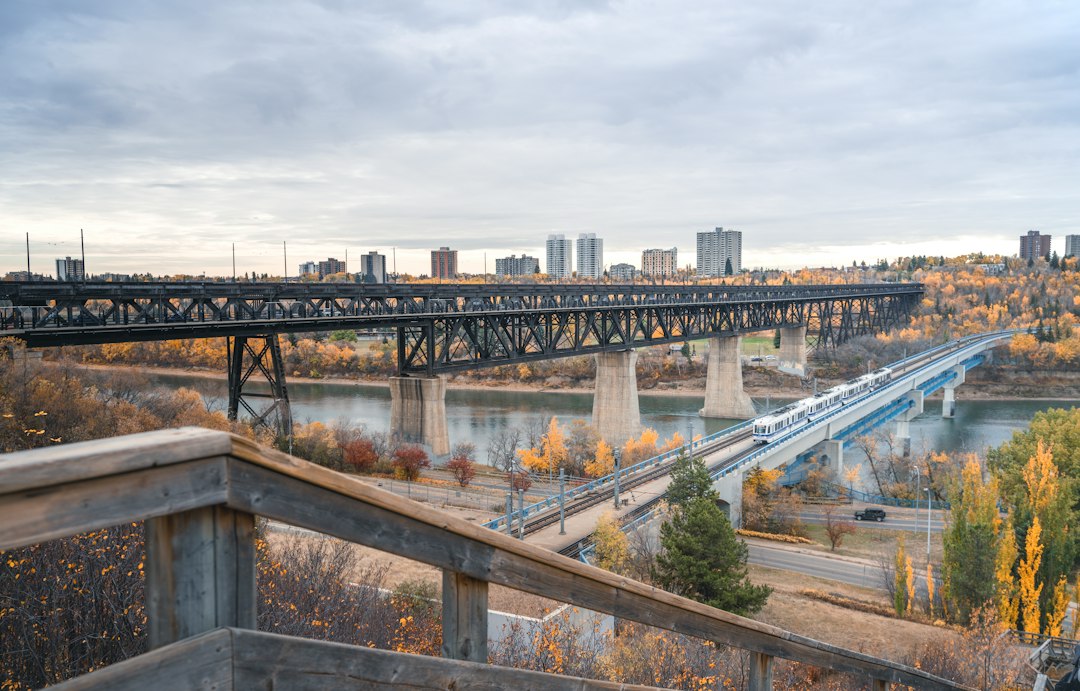
You can’t humidify the outdoor air, so outdoor protection is about limiting direct exposure and timing activity around the conditions rather than trying to fix the air itself.
Breathing Through a Scarf or Mask in Extreme Cold
A scarf or neck gaiter pulled over the nose and mouth does two things: it warms the air slightly before it hits your airway, and it traps a bit of the moisture in your own exhaled breath, recycling it back into your next inhale. This is a genuinely effective, low-cost fix, and it’s why you’ll see runners and dog walkers along the river valley trails with their faces covered even when it’s not that windy. Below -25°C, covering up isn’t optional if you’re planning to be outside for more than a few minutes.
Timing Outdoor Workouts Around Temperature and Air Quality
Cold, dry air hitting the lungs hard during vigorous exercise is a known asthma trigger, sometimes called exercise-induced bronchoconstriction. If you’re running or cross-country skiing, a five to ten minute walking warm-up before picking up the pace gives airways time to adjust. On days below -20°C, consider shifting hard cardio indoors, whether that’s a gym in Oliver or a home workout, and saving outdoor sessions for milder afternoons. This kind of seasonal shuffling is exactly the sort of adjustment covered in more detail in the guide on How to Prevent Seasonal Wellness Routine Breakdowns in Edmonton, since weather-proofing a fitness routine and weather-proofing your lungs rely on the same planning.
River Valley Trails in Winter: What to Watch For
The City of Edmonton’s river valley trail system stays open and well used through winter, and cold, clean river valley air is genuinely easier on the lungs than idling traffic near Jasper Ave or Whyte Avenue. Just watch two things: wind chill, which dries and cools exposed skin and airways faster than still air, and exertion level on icy or hilly sections, which can push breathing rate up before your airways are warmed up. A brisk walk on a calm -15°C day along the river valley is genuinely pleasant. The same walk at -25°C with a 30 km/h wind is a different proposition entirely.
Building a Winter Respiratory Health Routine
None of this works as a one-time fix. Dry air respiratory health in Edmonton winter is a five-month problem, which means it needs a routine, not a single humidifier purchase in December that gets forgotten by February.
Daily Habits (Hydration, Saline Rinses, Nasal Care)
Drinking enough water helps keep mucus membranes functional from the inside, since dehydration compounds what dry air is already doing to your airways. A saline nasal spray or rinse, used once or twice a day, keeps nasal passages moist and clears out the dust and dander that indoor heating stirs up. A thin layer of unscented nasal gel or balm at the nostril entrance can prevent the cracking that leads to nosebleeds, especially for kids. None of these cost more than a few dollars and they make a bigger daily difference than most people expect.
When to See a Doctor
Occasional dry-air irritation is normal and manageable at home. See a doctor if nosebleeds are frequent or hard to stop, if a cough persists for more than two to three weeks, if you’re using a rescue inhaler more than twice a week, or if breathing difficulty comes on suddenly and doesn’t ease with rest. These are signs the issue has moved past simple dryness into something that needs proper diagnosis. Chronic dry-air exposure has also been linked to broader seasonal mood and energy effects, which the guide on Why Does Edmonton Winter Affect Mental Health covers in more depth, since poor sleep from nighttime congestion and general winter malaise often overlap.
Local Resources for Respiratory Support
Edmonton has no shortage of clinics, pharmacies, and wellness providers who deal with winter respiratory complaints constantly, from walk-in clinics in Oliver to family physicians in Windermere and Sherwood Park. For a broader look at building out a seasonal health routine beyond just the lungs, the Health and Wellness Edmonton overview is a good starting point, and the How to Create a Winter Wellness Checklist for Edmonton guide walks through building these habits into a system you’ll actually stick with instead of abandoning by January.
Quick Reference: Dry Air Respiratory Health Checklist for Edmonton Winter
- Test your indoor humidity with a $10 to $20 hygrometer and aim for 30 to 45 percent.
- Match your humidifier to your space. A tabletop unit won’t cut it for an open-concept main floor.
- Clean humidifiers weekly to avoid mineral dust and mold, especially with Edmonton’s harder tap water.
- Cover your nose and mouth with a scarf or gaiter below -25°C or on windy river valley walks.
- Warm up gradually before hard outdoor cardio to reduce exercise-triggered airway tightening.
- Use saline rinses daily during the driest stretches, typically December through February.
- Track your symptoms. If a cough or congestion improves indoors on humid days, dry air is likely the cause, not illness.
- See a doctor for frequent nosebleeds, a cough lasting over two weeks, or increased inhaler use.
Related Articles
- How to Stay Active During Edmonton’s Winter Smoke Season: Indoor Fitness Options That Work
- Best Indoor Wellness Activities When Edmonton Air Quality Drops: Your Complete Guide
- Why Does Edmonton Summer Daylight Affect Sleep Schedules: Understanding Our 17-Hour Days
Sources & References
Find Trusted Wellness Spots in Edmonton
Browse our independent guide to Edmonton’s spas, fitness studios, and wellness services. Local. Honest. Free.
Frequently Asked Questions
Why does my nose bleed so much in an Edmonton winter?
Furnace-heated indoor air often drops below 15 percent relative humidity in Edmonton winters, which dries and cracks the delicate capillaries lining the nose. Running a humidifier to keep indoor humidity between 30 and 45 percent, along with a nightly dab of unscented nasal gel, resolves most cases within a week or two. If nosebleeds continue daily despite these steps, see a doctor to rule out other causes.
What humidity level should I keep my Edmonton house at in winter?
Aim for 30 to 45 percent relative humidity. Anything much lower irritates airways and skin, while anything above 50 to 55 percent risks window condensation and mold in older Edmonton homes, a concern the Health Canada indoor air quality guidance specifically addresses. A basic hygrometer makes tracking this simple and costs less than a coffee at a shop on 124 Street.
Can dry winter air actually trigger asthma symptoms?
Yes. Cold, dry air is a documented asthma trigger independent of allergens or infection, and Alberta Health Services lists it alongside smoke and pollen as a common flare-up cause. People with asthma should warm up gradually before outdoor exercise in cold weather and keep indoor humidity consistently controlled through the coldest months.
Do houseplants actually help with dry indoor air in Edmonton?
A little, but not enough on their own. Plants release moisture through transpiration, but it takes dozens of large, healthy plants to meaningfully shift a room’s humidity, which isn’t realistic for most Edmonton homes. Treat plants as a small bonus alongside a proper humidifier, not a replacement for one.
Is river valley air better for my lungs than staying indoors in winter?
Cold outdoor air in the river valley is often cleaner than indoor air loaded with dust and heating-system particulates, but it’s also drier and colder, which has its own respiratory effects during hard exertion. Moderate walks on calm days are generally fine and even beneficial, while high-wind or extreme cold days call for covering your nose and mouth or shifting exercise indoors.
How long does it take a humidifier to fix dry air symptoms?
Most people notice less nasal irritation and cracked skin within three to five days of consistent humidifier use, once indoor humidity stabilizes in the 30 to 45 percent range. Full relief from a chronic dry cough or sinus pressure can take one to two weeks, especially if the humidifier is undersized for the space or isn’t cleaned regularly enough to run efficiently.