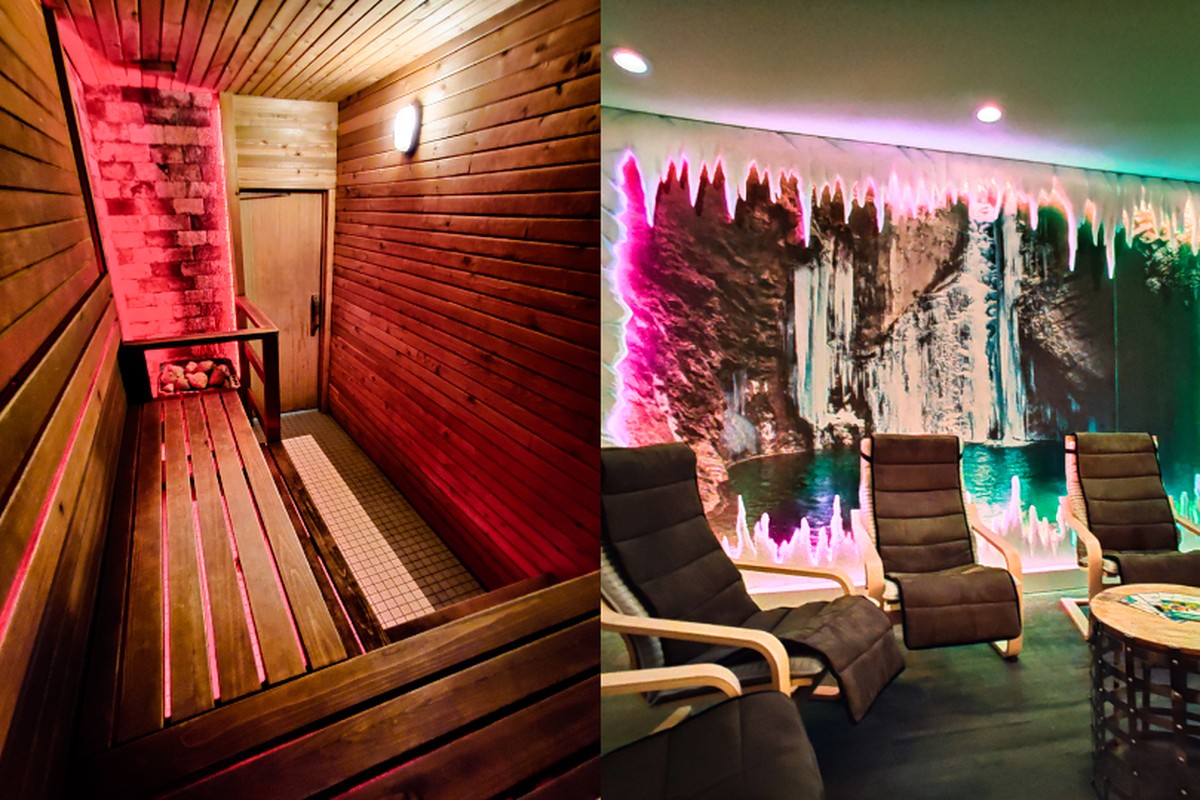
Every Edmonton neighborhood hides at least one wellness spot that never shows up on a Google search or a glossy directory. Maybe it is a physiotherapist working out of a converted house near Bonnie Doon, or a 6 a.m. yoga class held in the back room of a bike shop on 124 Street. Learning how to discover hidden wellness spots in your neighborhood takes some legwork, but it is not complicated. This guide walks through the exact process, from mapping your walkable radius to vetting a business before you book. Plan for two to three hours spread across a week, plus a five-minute check-in each season. The process works whether you live in Oliver, Windermere, Ritchie, or Sherwood Park.
Last reviewed:
- Tools needed: smartphone with a maps app, the Edmonton Transit Service (ETS) trip planner, a notes app or notebook, and access to Facebook or your community league newsletter
- Time: 2 to 3 hours for the initial search, then about 15 minutes a month to keep your list current
- Difficulty: Beginner
Step 1: Map Your Neighborhood’s Wellness Radius
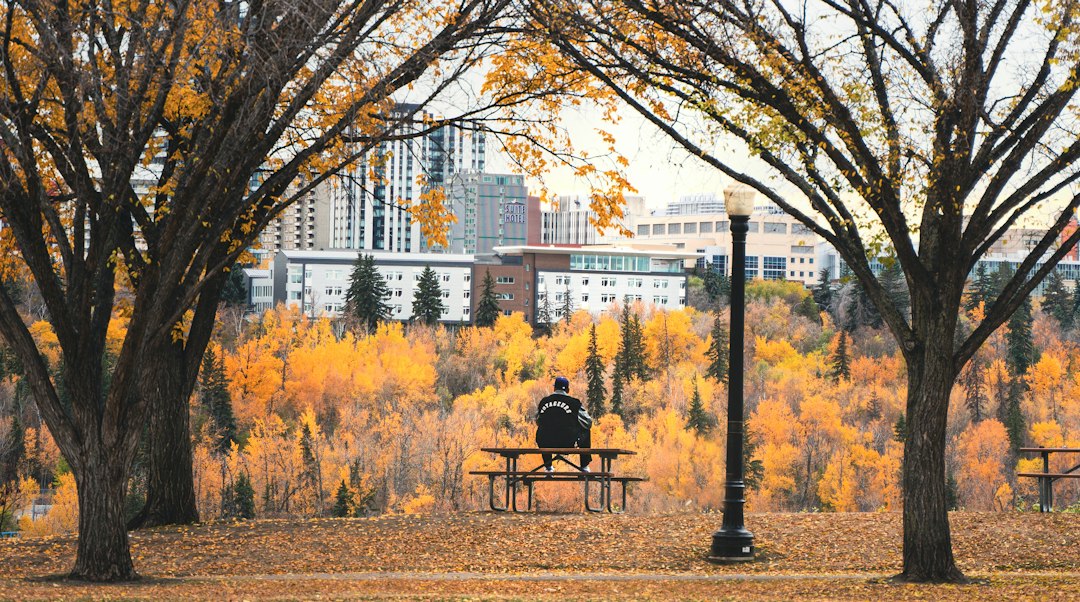
Before searching for anything, define the area you are actually willing to travel. Most people overestimate how far they will drive for a massage on a Tuesday night and underestimate how much is available within a 15-minute walk. Start here, because the whole point of learning how to discover hidden wellness spots in your neighborhood is finding what is genuinely close, not what ranks highest on a review site.
Define Your Walkable Zone
Open your maps app and drop a pin at your front door. Draw a rough circle with a 1.2 km radius, which is about a 15-minute walk for most adults. That circle is your primary search zone. If you live in Garneau or Belgravia near the University of Alberta, that radius probably covers two or three strip malls and a handful of side-street businesses you have walked past a hundred times without noticing. If you are further out in Terwillegar or Windermere, the radius might only cover a big-box plaza, so widen it to a 10-minute drive instead.
Check Transit and Parking Options First
Before you fall in love with a spot two neighborhoods over, check how you will actually get there in February. Use the ETS trip planner to see if a bus or LRT connection exists, and note whether the route runs late enough for an evening class. Downtown and Oliver spots often mean metered parking at $3 to $5 an hour, while strip mall locations in Sherwood Park or south Edmonton usually offer free lots. Community league buildings almost always have free parking attached, which matters more than it sounds once the temperature drops below minus 20.
How To Plan A Neighborhood Wellness Tour In Edmonton covers this in more detail.
Watch out: a place that looks 10 minutes away on a map can be 25 minutes away once you factor in a bus transfer or a blocked river valley crossing during spring flooding season.
Free Wellness Resources Edmonton Apps Local Community covers this in more detail.
Step 2: Search Beyond the First Page of Google
Generic searches surface the same five businesses that already spend money on advertising. To actually find the smaller operators, you need to search the way a local searches, not the way an algorithm expects.
Use Neighborhood-Specific Search Terms
Swap generic terms like “massage near me” for specific phrasing: “registered massage therapist Ritchie Edmonton” or “yoga studio 124 Street Edmonton.” Search Instagram and Facebook by neighborhood hashtag too. Small studios that cannot afford SEO consultants still post regularly on social media, and a geotagged search on Whyte Avenue or Old Strathcona often turns up a pop-up class or a home-based practitioner that never appears in search results. This is one of the more useful low-effort ways to discover hidden wellness spots in your neighborhood, because it relies on the business’s own posting habits instead of paid placement.
How To Find Affordable Wellness Services In Your Edmonton Neighborhood covers this in more detail.
Check City of Edmonton and Community League Listings
The City of Edmonton runs drop-in fitness, aquafit, and seniors’ wellness programming through community recreation centres, and pricing is usually far below private studio rates. Community leagues also publish quarterly newsletters listing local instructors who rent league hall space for yoga, Pilates, or meditation sessions. A community league membership typically costs $40 to $60 a year and often unlocks discounted access to these programs. If you have not checked what your own community league offers, our guide to what wellness amenities your Edmonton neighborhood actually has is a good place to start before you go searching block by block.
Step 3: Talk to People Who Already Know

Search engines index businesses. They do not index the trainer who works out of a garage gym in Highlands or the acupuncturist who only takes clients by referral. For that information, you need people, not pages.
Ask at Your Local Farmers’ Market or Coffee Shop
Markets like the Old Strathcona Farmers’ Market on 83 Avenue and the 124 Street Grand Market attract wellness vendors selling everything from herbal tinctures to massage oils, and the people staffing those booths usually know every practitioner in a five-block radius. Ask the barista at your regular coffee shop too. Independent cafes in neighborhoods like Highlands, Parkallen, or Forest Heights tend to post flyers for local instructors on a corkboard by the door, which is still one of the most reliable low-tech ways to discover hidden wellness spots in your neighborhood.
Join Community League Facebook Groups and Local Forums
Nearly every Edmonton community league has an active Facebook group, and residents post recommendations constantly: “anyone know a good physio near Bonnie Doon that takes evening appointments” gets answered within an hour in most of these groups. Search the group’s history before posting your own question, since the same recommendations tend to resurface every few months. For a broader list of digital tools, our roundup of free wellness resources, apps, and local community groups in Edmonton covers several groups worth joining beyond just your own community league.
Step 4: Walk or Bike the Actual Blocks
Online research gets you most of the way, but nothing replaces physically walking your neighborhood. Small wellness businesses often operate out of second-floor units, converted houses, or the back corner of a strip mall where a main-floor pharmacy or grocery store dominates the signage.
Scout Side Streets and Strip Malls
Strip malls along 99 Street, Calgary Trail, and Stony Plain Road each hide two or three wellness businesses behind bigger anchor stores. Walk the full plaza, not just the storefronts visible from the parking lot. Look for hand-painted signs, second-floor buzzers, and hours posted on the door rather than online, since these are strong signals of a business that relies on foot traffic and word of mouth rather than marketing budget.
Note Seasonal Access (Winter vs Summer Conditions)
Edmonton’s climate changes which spots are realistically reachable depending on the month. A studio accessible by a quick walk through Mill Creek Ravine in July might require a 15-minute detour in January once the unpaved sections ice over. Check whether the City of Edmonton’s river valley trail network, which spans more than 160 km, is maintained for winter walking on the route you plan to use, and always have a car or transit backup plan for December through March. During smoke season in July and August, prioritize indoor-access spots over anything requiring an outdoor approach path, since air quality can shift within a day.
Step 5: Vet the Spot Before You Book
Once you have a shortlist, do not book blind. A five-minute phone call saves you from showing up to a studio that closed its evening class or a spa that requires a deposit they never mention online.
Check Reviews for Consistency, Not Just Star Rating
A 4.8-star average with only nine reviews tells you less than a 4.3-star average with 80 reviews spanning two years. Read for patterns: repeated mentions of a specific instructor, consistent comments about cleanliness, or recurring complaints about scheduling. One bad review rarely matters. Three reviews mentioning the same issue usually does.
Call Ahead About Parking, Pricing, and Wait Times
Confirm three things before your first visit: exact price (massage therapy in Edmonton generally runs $90 to $130 an hour, drop-in yoga runs $18 to $22, and float sessions run $65 to $85), parking situation, and how far out they are currently booking. Some of the best small operators book two to three weeks out because they run a one-person practice, which is exactly why they stay under the radar.
| Discovery Method | Best For | Typical Time Cost | Edmonton Example |
|---|---|---|---|
| Walkable radius mapping | Finding what’s actually close | 20 minutes | Garneau, Ritchie, Forest Heights |
| Neighborhood-specific search terms | Small studios with no ad budget | 30 minutes | 124 Street, Old Strathcona |
| Community league newsletters | Budget-friendly drop-in classes | 10 minutes a month | Any community league area |
| In-person block walking | Strip mall and side-street finds | 45 to 60 minutes | Stony Plain Road, Calgary Trail |
| Asking locals directly | Referral-only practitioners | Ongoing, low effort | Farmers’ markets, coffee shops |
Step 6: Build a Rotation and Track What Works
A one-time search is not enough. Businesses close, hours shift, and new operators open in spaces that sat empty six months ago. Treat this as a light ongoing habit, not a one-week project.
Create a Simple Neighborhood Wellness List
Keep a basic list in your notes app with four columns: business name, neighborhood, price range, and a one-line note on parking or transit access. Update it whenever you try somewhere new. This list becomes genuinely useful after about three months, once you have enough entries to compare against each other instead of relying on memory.
Revisit Seasonally as Businesses Change
Check your list every season. A patio yoga class that ran all summer near Jasper Avenue might move indoors in October, and a hot yoga studio that felt unbearable in July can feel perfect by December. If you want a more structured version of this process, our guide on how to plan a neighborhood wellness tour in Edmonton walks through mapping out a full afternoon of visits across two or three neighborhoods at once.
Step 7: Time Your Visits to Edmonton’s Seasonal Rhythms
September and October mark the start of what a lot of Edmonton spas and studios quietly call their busiest stretch of the year, right after the Folk Fest crowds thin out and people start thinking about winter again.
Fall Spa Season and the Post-Summer Restart
Spa bookings tend to spike in September as people restart routines after a summer of patio nights and festival weekends. This is also when new instructors and seasonal pop-ups tend to launch, since studios use the fall restart to test new class formats. Check your shortlist again in late September specifically for this reason.
Smoke Season and Winter Indoor Backups
Every summer now includes some stretch of wildfire smoke that makes outdoor fitness a bad idea for days at a time. Keep at least two indoor backups on your list year-round, ideally one within walking distance and one accessible by transit, so a smoky July or a minus 30 February does not derail your routine entirely. Seasonal affective symptoms are common in northern cities like Edmonton, and Mayo Clinic’s overview of seasonal affective disorder notes that reduced daylight hours are a primary trigger, which is one more reason to have a reliable indoor wellness spot lined up before December arrives.
Common Mistakes to Avoid

- Searching only by generic keywords instead of neighborhood-specific terms, which buries small operators under paid ad results
- Ignoring parking and transit access until after booking, then discovering a $5-an-hour meter or a 20-minute walk from the nearest bus stop
- Trusting a single five-star review instead of reading for patterns across dozens of reviews
- Forgetting to check winter accessibility for a spot you only visited in July
- Never revisiting your list, so it goes stale within a year as businesses close or relocate
- Booking a first appointment without calling ahead to confirm current pricing and wait times
What’s Next
Once you have a working list, the next move is turning it into an actual outing instead of a spreadsheet nobody opens. Start with our broader neighborhood wellness guides and local discovery hub for a full breakdown by area, then check how to find affordable wellness services in your Edmonton neighborhood if budget is the deciding factor between two spots on your shortlist. Nationally, Statistics Canada’s data on physical activity participation shows that proximity and convenience are consistently among the top reasons Canadians stick with a fitness routine, which is exactly why this whole process starts with a walkable radius instead of a search for “the best” anything.
Related Articles
- Best Massage Therapy in Whyte Avenue Edmonton: Your Complete Guide to Old Strathcona’s Top Clinics
- Best Yoga Studios Near Oliver Edmonton With Parking: A Local’s Guide to Stress-Free Practice
- Best Salt Caves and Float Therapy Near West Edmonton Mall: A Local’s Guide to Deep Relaxation
Sources & References
Find Trusted Wellness Spots in Edmonton
Browse our independent guide to Edmonton’s spas, fitness studios, and wellness services. Local. Honest. Free.
Frequently Asked Questions
How long does it actually take to discover hidden wellness spots in your neighborhood?
Budget two to three hours for the initial pass: about an hour of online searching and community league checking, and an hour or two walking your actual blocks. After that, keeping your list current takes about 15 minutes a month.
What is the best neighborhood in Edmonton to start this kind of search?
Areas with a mix of strip malls and older residential streets tend to hide the most, including Ritchie, Bonnie Doon, Highlands, and the stretch around 124 Street. If you live somewhere newer like Windermere, widen your search radius since density is lower.
Are hidden wellness spots actually cheaper than well-known studios?
Often, yes. Smaller operators without a storefront lease on Whyte Avenue or Jasper Avenue tend to charge less, since their overhead is lower. That said, always confirm pricing by phone, since some small practices charge premium rates precisely because they are in high demand and only take referrals.
How do I find wellness options that work during Edmonton winters?
Prioritize spots with free or covered parking and confirm they stay open through minus 20 stretches, since some seasonal operators reduce hours in January and February. Community recreation centres are a reliable winter fallback since the city maintains consistent hours year-round regardless of weather.
Should I trust online reviews when searching for hidden wellness spots?
Use reviews as one data point, not the deciding factor. Look for consistent themes across at least 15 to 20 reviews rather than an overall star rating, and weigh a phone call and a first visit more heavily than anything written online.