
Indoor vs Outdoor Summer Workouts in Edmonton: The Quick Verdict
Edmonton summers do not stay in one lane. One week you get 27°C and clear sky over the River Valley. The next week a wildfire smoke advisory rolls in from northern Alberta or BC and the whole city smells like a campfire. That whiplash is exactly why the question of indoor vs outdoor summer workouts in Edmonton heat comes up every single June through August. Neither option wins outright. Outdoor training wins on cost, daylight, and the mental lift of actually seeing the sun after eight months of short winter days. Indoor training wins on consistency, heat safety, and protection from smoke season, which now shows up most summers according to the Government of Canada’s Air Quality Health Index. This guide breaks down both options across seven practical categories, with real Edmonton pricing, parking notes, and neighborhood specifics, so you can build a routine that actually survives the season instead of falling apart the first time it hits 30°C or the sky turns orange.
Last reviewed:
If you already know your routine tends to collapse the moment the weather turns, our guide on how to prevent seasonal wellness routine breakdowns in Edmonton pairs well with this one. Here is the side by side before we get into the details.
| Category | Outdoor Summer Workouts | Indoor Summer Workouts |
|---|---|---|
| Cost | Free to $25 per drop in class | $45 to $90 per month for most Edmonton gyms |
| Heat exposure risk | High on days above 28°C, especially 1pm to 6pm | Low, climate controlled year round |
| Smoke season safety | Poor, unsafe above moderate AQHI readings | Strong, especially with HEPA filtered facilities |
| Parking and access | Mostly free at River Valley lots, limited spots on peak days | Paid or metered downtown, easier in Windermere and Sherwood Park |
| Daylight advantage | Excellent, up to 17 hours of daylight in June | Not a factor |
| Consistency | Weather dependent, cancels easily | Reliable, same conditions every visit |
| Social and community factor | Strong through group runs and festivals | Strong through classes and studios |
| Best months in Edmonton | Late May, June, early September | July, August, and any smoke advisory day |
Heat and Sun Exposure: How Each Option Handles Edmonton’s Summer Extremes
Edmonton does not hit Phoenix numbers, but 30°C with direct prairie sun and almost no tree cover on the open river valley plateau feels harder than the thermometer suggests. Humidity is usually low here, which helps, but UV exposure at Edmonton’s latitude during peak summer sun hours is still significant. This is the core tension behind indoor vs outdoor summer workouts in Edmonton heat. One option controls the environment. The other does not.
Edmonton Spring Allergies Wellness Guide For Seasonal Relief covers this in more detail.
Outdoor Training in July and August Heat
Running or cycling the River Valley trail system between noon and 6pm in late July is rough. Exposed sections along Whitemud Park and the Quesnell Bridge stretch have almost no shade. Heat exhaustion symptoms, including heavy sweating, dizziness, nausea, and a fast weak pulse, can show up faster than most people expect, according to Mayo Clinic’s overview of heat exhaustion. The fix is not avoiding outdoor workouts entirely, it is timing them. Early morning sessions before 9am and evening sessions after 7pm take advantage of cooler temperatures and lower UV index while still using the daylight Edmonton gets in summer. Mill Creek Ravine has more tree canopy than most river valley segments and stays a few degrees cooler on hot afternoons.
How To Prevent Seasonal Wellness Routine Breakdowns In Edmonton covers this in more detail.
Indoor Climate Control and Consistency
A gym floor stays at roughly the same temperature whether it is 15°C or 32°C outside. That consistency matters more than people give it credit for. Studios in Oliver and along Jasper Ave keep classes at a controlled temperature specifically so instructors do not have to adjust intensity for heat. For anyone training for a fall race or trying to hit a strength goal, that predictability removes one more variable. The tradeoff is obvious too, you lose the sensory reset that comes from being outside after a long Edmonton winter.
Best Indoor Wellness Activities When Edmonton Air Quality Drops covers this in more detail.
Air Quality and Smoke Season: The Wildcard Edmonton Summers Always Throw In

Smoke season is no longer a rare event here. Alberta and BC wildfire smoke has pushed Edmonton’s Air Quality Health Index into high risk territory multiple times in recent summers, sometimes for a week or more at a stretch. This is the single biggest factor tipping the indoor vs outdoor summer workouts Edmonton heat decision toward indoor training in peak summer.
When Smoke Rolls In From Northern Alberta and BC
Fine particulate matter from wildfire smoke penetrates deep into the lungs and irritates the respiratory system even in otherwise healthy adults, according to Health Canada’s guidance on climate related health risks. Exercising outdoors on a smoke advisory day increases your breathing rate, which pulls more of that particulate matter into your lungs than normal daily activity would. Edmonton’s AQHI can swing from a 2 to an 8 or higher within 24 hours during a bad smoke event, so checking the index the morning of an outdoor workout is not optional anymore, it is basic prep, the same way you would check for a heat warning.
Indoor Alternatives That Keep You Moving
indoor training earns its keep. HEPA filtered gyms, most studios in strip malls along 124 Street, and recreation centers like the Kinsmen Sports Centre give you a way to keep training without breathing smoke. We cover this in more depth in our guide to the best indoor wellness activities when Edmonton air quality drops, which lists specific studios and their air filtration setups. Swimming at an indoor pool, lifting at a gym, or taking a hot yoga class in Old Strathcona all keep your lungs out of the smoke while still getting a real workout in.
Cost and Value Comparison
Money matters here more than most wellness content admits. Edmonton is not a cheap city for fitness anymore, and the cost gap between indoor and outdoor summer workouts is one of the clearest differences in this whole comparison.
What Outdoor Workouts Actually Cost
Running, cycling, or bodyweight training in the River Valley is free once you own decent shoes. Group running clinics through local run stores usually run $10 to $20 per session or are free with a shoe purchase. Outdoor bootcamp classes held in Hawrelak Park or Rundle Park typically cost $15 to $25 per drop in class, cheaper than most indoor equivalents. Parking at most River Valley lots is free, though the Hawrelak Park lot fills up fast on Folk Fest weekend and during summer festival season.
What Indoor Memberships and Classes Cost
A standard gym membership in Edmonton runs $45 to $90 per month depending on the chain and location, with Downtown and Windermere locations trending toward the higher end. Yoga studio drop in classes sit around $18 to $22, with monthly unlimited packages in the $140 to $180 range. A YMCA membership, which includes pools and multiple locations across the city, runs roughly $60 to $75 per month for an adult. None of these prices are outrageous on their own, but stacked against free River Valley access, the cost difference adds up fast over a summer.
Parking, Transit, and Convenience Across Edmonton Neighborhoods
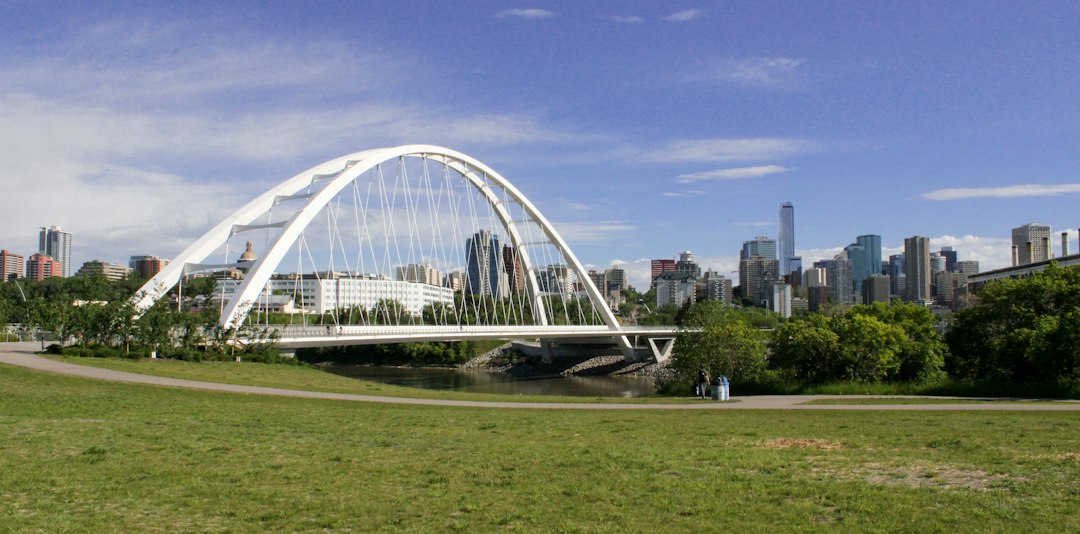
Getting to your workout matters as much as the workout itself. A great outdoor route or a great gym does you no good if you spend 20 minutes circling for parking first.
Getting to River Valley Trails and Outdoor Spots
Most River Valley access points have free parking, including lots at Hawrelak Park, Rundle Park, and Mill Creek Ravine. The tradeoff is capacity. On a hot Saturday morning, the Hawrelak Park lot fills before 9am, especially during festival weekends. Transit access to most trailheads is decent but not great, ETS routes serve the edges of the valley but rarely drop you right at a trailhead. If you are coming from Sherwood Park, plan for a 20 to 25 minute drive to the closest river valley access points.
Getting to Gyms and Studios Downtown, Oliver, Whyte Ave
Downtown and Oliver gyms mean metered street parking, usually around $4 per hour, or a monthly parkade rate if you go often. Whyte Ave and Old Strathcona studios have a mix of metered spots and small free lots behind buildings, but weekend patio traffic eats into availability fast. Suburban locations in Windermere or Sherwood Park almost always have free surface lot parking, which is a real reason people choose a slightly farther gym over a closer downtown one. Transit access is strongest along the Whyte Ave and Jasper Ave corridors, where LRT and frequent bus routes make a car unnecessary for a lot of members.
Variety, Motivation, and Social Factors
Workouts you actually enjoy are the ones you keep doing. This category is less about hard numbers and more about what keeps people showing up through a whole Edmonton summer.
Outdoor Options: Trails, Festivals, Group Runs
Summer in Edmonton means Folk Fest, farmers markets, and long light evenings that make an 8pm run feel normal instead of dark and cold. Group runs through Old Strathcona and along Whyte Avenue draw a real crowd in June and early July, and outdoor yoga classes pop up in parks across the city during peak season. If patio style movement appeals to you, our breakdown of whether you can do outdoor yoga in Edmonton during the summer months covers specific parks and class schedules worth checking before you commit to a mat outside.
Indoor Options: Classes, Equipment, Community
Indoor studios offer something outdoor training cannot easily replicate, structured progression. A strength program, a reformer pilates series, or a spin class builds week over week in a way that is hard to match with unstructured trail running. Studios also run through the smoke days and the rare summer hailstorm without missing a session, which matters for people training toward a specific goal rather than just staying active casually.
Long Daylight Hours: Edmonton’s Unique Summer Advantage

This is the category outdoor training wins outright, and it deserves its own section because Edmonton’s daylight swing is genuinely unusual for a North American city.
Early Morning and Late Evening Outdoor Windows
Edmonton gets close to 17 hours of daylight around the summer solstice in late June. That means a 5:30am trail run or a 9pm bike ride are both fully lit options, not shadowy compromises. This daylight window is exactly why outdoor training makes the most sense in the shoulder hours of a hot day, catching the cool morning air or the softer evening light instead of the midday peak. For a deeper comparison of how trail conditions and daylight change across the year, see our piece on outdoor running routes in Edmonton, summer vs winter, which maps out specific routes by season.
When Indoor Still Wins Despite the Daylight
Daylight does not cancel out a smoke advisory or a 32°C afternoon. If your only available training window is midday, because of work or family schedule, indoor training is still the safer call regardless of how much daylight is left in the evening. Daylight is an advantage for outdoor training, not a guarantee that outdoor training is safe on any given day.
Verdict: Which Should You Choose
Best for budget: Outdoor training wins clearly here. Free River Valley access and $10 to $20 group runs beat a $45 to $90 monthly gym membership for anyone watching their spending this summer.
Best for smoke season and heat safety: Indoor training wins without much debate. HEPA filtered gyms and climate controlled studios protect your lungs and keep your training consistent when the AQHI spikes or the temperature climbs past 30°C.
Best for beginners rebuilding a routine: Indoor training tends to work better here because the environment stays predictable. If you have struggled to stick with a routine before, our guide on preventing seasonal wellness routine breakdowns in Edmonton has specific strategies for building consistency through weather swings.
Best for mental health and seasonal reset: Outdoor training wins. After a long winter, the sensory value of sun, moving water in the North Saskatchewan River, and green trail canopy is hard to replace indoors, even with the best equipment. The realistic answer to indoor vs outdoor summer workouts in Edmonton heat is not picking one permanently. It is switching based on the AQHI reading and the forecast each morning. Check the air quality index before you lace up, plan outdoor sessions for early morning or evening on hot days, and keep an indoor backup ready for the days smoke or heat make outdoor training a bad call.
Related Articles
- How to Stay Active During Edmonton’s Winter Smoke Season: Indoor Fitness Options That Work
- Why Does Edmonton Summer Daylight Affect Sleep Schedules: Understanding Our 17-Hour Days
Sources & References
Find Trusted Wellness Spots in Edmonton
Browse our independent guide to Edmonton’s spas, fitness studios, and wellness services. Local. Honest. Free.
Frequently Asked Questions
Is it safe to run outdoors in Edmonton during a heat warning?
Only if you shift your timing. Run before 9am or after 7pm, carry water, and skip the exposed sections of the river valley like the Whitemud Park stretch during peak afternoon heat. If the forecast includes a heat warning alongside high humidity, moving the session indoors to a climate controlled gym is the safer call.
What temperature is too hot for outdoor exercise in Edmonton?
Most trainers treat 28°C to 30°C as the point where intensity should drop and hydration breaks should increase, especially for longer sessions. Above 32°C, particularly with direct sun and no shade, moving training indoors or to early morning is the more practical choice for most people.
Where can I check Edmonton’s air quality before an outdoor workout?
Check the Government of Canada Air Quality Health Index before heading out on any day with visible haze or a wildfire smoke report nearby. An AQHI of 7 or higher is a clear signal to move your workout indoors, regardless of how the temperature looks on its own.
Are indoor gyms busier in summer in Edmonton?
Generally no. Most Edmonton gyms see a dip in traffic through June and July as members shift to outdoor training, which means shorter waits for equipment and easier class bookings. That changes fast on smoke advisory days, when indoor locations near Downtown and Whyte Ave can get noticeably busier within hours.
What’s the best time of day for outdoor workouts during Edmonton summer heat?
Early morning, ideally before 9am, is the strongest window because temperatures are lower and UV index is weaker than midday. Late evening after 7pm is the second best option, and Edmonton’s long summer daylight makes both windows fully usable without needing a headlamp.