- Tools needed: A phone timer, a water bottle (750 mL or larger), a pair of walking shoes kept at your desk, winter layers, and a notes app or paper calendar
- Time: About 60 minutes to set up, then 20 to 30 minutes of added activity spread across each workday
- Difficulty: Beginner
Knowing how to create an office worker wellness routine in Edmonton comes down to one problem. You sit for eight hours, and the weather often gives you a good excuse to stay put. At -30°C, a lunch walk feels like a bad idea. In August smoke season, it can be one too. This guide is for anyone with a desk job downtown, in Oliver, at the University of Alberta, or in a Sherwood Park office park. You will build a working routine in six steps. Setup takes about an hour. After that, the routine fits into time you already spend at work.
Last reviewed:
Step 1: Audit Your Current Workday
Do not buy anything or sign up for anything yet. First, find out where your day actually goes. Most office workers overestimate how much they move and underestimate how long they sit without a break.
Track one normal workday
Pick a regular Tuesday or Wednesday. Skip Mondays and Fridays, which tend to run unusual. Set a timer for every hour and write down three things each time it goes off.
How To Create A Winter Wellness Checklist For Edmonton covers this in more detail.
- Have you stood up in the last 60 minutes?
- What was your last drink of water?
- Rate your energy from 1 to 5.
Keep it rough. You are not looking for precision. You are looking for the pattern. Most people find a long stretch from 9:00 to noon with no break, a rushed desk lunch, and an energy crash between 2:00 and 3:30.
How To Track Wellness Habits That Actually Stick covers this in more detail.
Sitting too long has a documented cost. The Mayo Clinic’s overview of the health risks of prolonged sitting links long sedentary stretches to higher risks of cardiovascular disease and metabolic problems, even in people who exercise. A single gym session does not cancel out eight hours in a chair. Movement has to be spread through the day.
Map your Edmonton commute and weather constraints
Your commute shapes your routine more than your motivation does. List how you get to work and what that means for movement.
Why Do Wellness Habits Fail And How To Prevent It covers this in more detail.
- LRT or bus riders: You already walk to the stop. Add one stop of walking at either end and you gain 10 to 15 minutes of activity with no extra time.
- Drivers: Park farther away on purpose. Downtown parkades run roughly $15 to $25 a day, so a cheaper surface lot 10 minutes from your building pays for itself and gives you a walk.
- Remote or hybrid workers: Your commute is gone, which means your movement is gone too. You need to schedule a replacement walk.
Next, check what indoor routes your building offers. Downtown workers can use the pedway system to walk between buildings without a coat. University of Alberta staff can walk the long campus corridors. Know your options before February arrives.
How To Build A Morning Wellness Routine For Beginners covers this in more detail.
Watch out: Do not skip the audit because you think you already know your habits. People who track for even one day usually find at least two surprises.
Step 2: Set Three Small Targets
Most wellness plans fail because they ask for too much on day one. A new gym membership plus meal prep plus meditation is three habits at once, and it collapses by the third week. Read why wellness habits fail and how to prevent it if you have a stack of abandoned plans behind you.
Pick targets that fit a desk schedule
Choose three targets only. Make each one measurable and tied to a specific time of day.
- Move for 3 minutes every hour. Stand, walk to the far washroom, refill your water, stretch your hips.
- Walk for 15 minutes at lunch. Outdoors in good weather, indoors in bad.
- Drink 1.5 to 2 litres of water by 4:00 pm. One 750 mL bottle refilled twice does the job.
That is it. Total added time is under 30 minutes a day, and most of it replaces scrolling or standing around.
For general activity goals, the CDC’s physical activity basics recommend adults get at least 150 minutes of moderate activity a week. Your lunch walk alone gives you 75 minutes across five workdays. Add a couple of evening or weekend sessions and you reach the target.
Anchor each target to something you already do
Habits stick when they attach to an existing cue. Your cue can be a meeting ending, the coffee machine, or the kettle boiling.
- After every meeting, stand and stretch for 60 seconds before opening your laptop.
- When you refill coffee, refill your water bottle too.
- When your 12:00 calendar block starts, put on your shoes.
If mornings are your weak point, building a morning wellness routine for beginners gives you a simple anchor to start the day with before the desk takes over.
Watch out: Do not add a fourth target in week two because the first three feel easy. Easy is the point. Let them run for at least 21 days before you add anything.
Step 3: Build Your Desk Setup and Movement Breaks
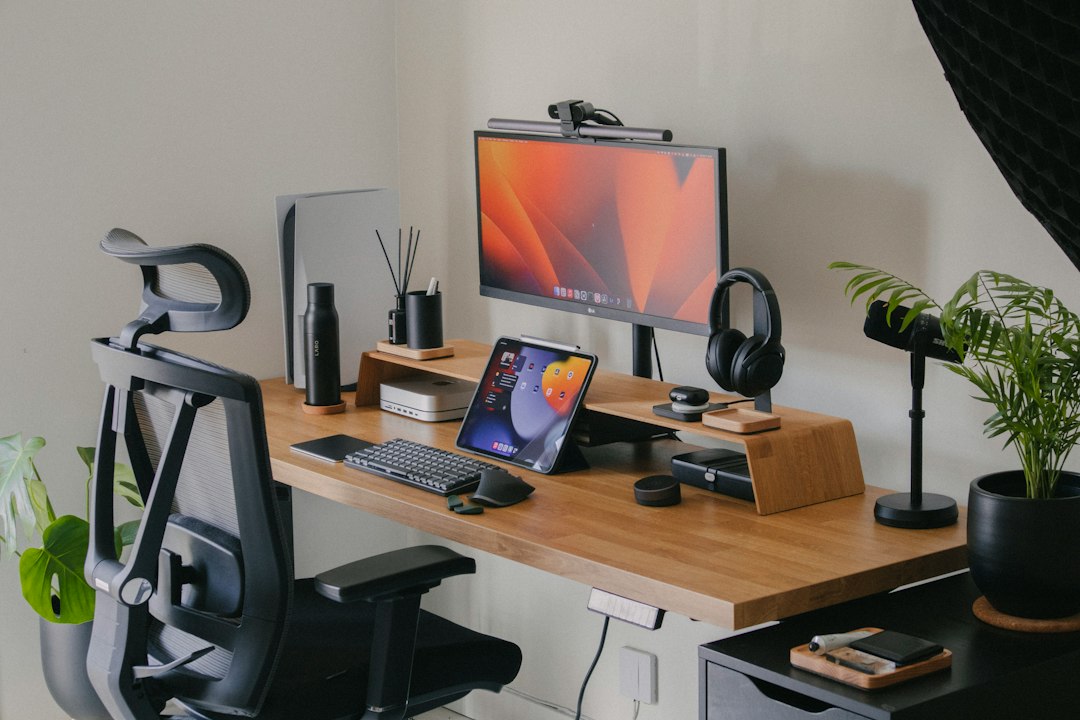
Your desk is where you spend most of your waking hours, so small adjustments here pay off every day. You do not need a $1,000 standing desk. You need a few specific changes.
Adjust your workstation in 10 minutes
Do this once, then recheck monthly. Work through the list from the floor up.
- Feet: Flat on the floor, knees at roughly 90 degrees. Use a footrest or a box if your feet dangle.
- Chair: Lower back supported. A rolled towel works if your chair lacks lumbar support.
- Screen: Top of the monitor at or just below eye level, about an arm’s length away. Prop a laptop on books and use a separate keyboard.
- Elbows: Bent at about 90 degrees, shoulders relaxed, wrists straight.
- Lighting: Angle the screen away from window glare. Winter sun in Edmonton sits low, so glare hits hardest around 3:00 pm from November to January.
If your employer offers an ergonomic assessment, ask for one. Many Edmonton workplaces provide them through health and safety or HR, and the request costs you nothing.
Use a simple hourly movement menu
Rotate through these so you never repeat the same thing twice in a row. Each takes under three minutes.
- Hour 1: Stand and do 10 slow shoulder rolls and 10 neck tilts each side.
- Hour 2: Walk a full lap of your floor, then 10 bodyweight squats beside your desk.
- Hour 3: Doorway chest stretch for 30 seconds each side, then a standing hip flexor stretch.
- Hour 4: Wall push-ups, 12 reps, plus calf raises, 15 reps.
Set a recurring calendar reminder labelled “move” rather than relying on willpower. If a meeting overlaps, stand during the call. Taking calls while walking the hallway counts too.
Watch out: Stretching for 20 seconds while staring at your inbox does not count. Actually leave the chair.
Step 4: Plan Your Lunch Hour Around the Season
Lunch is the biggest block of time you control. A 45-minute lunch can hold a meal and a 15 to 20 minute walk. The trick is having a plan for each Edmonton season so weather never becomes the deciding factor.
Fall and winter: indoor and layered options
It is October now, which means you have a few weeks left before the cold sets in. Use them to scout your options. Once it hits -25°C, you will not want to experiment.
- Pedway loops: Downtown workers can link buildings through the pedway system for a 15 to 20 minute indoor walk. Plot a loop in advance so you do not wander.
- Dress for it: A proper winter walk at -15°C is comfortable with insulated boots, a windproof outer layer, and a toque. Below -25°C, shorten the walk to 10 minutes or go indoors.
- Mall walking: West Edmonton Mall has free parking and long, flat corridors. It suits workers in the west end who can get there in a short drive.
- Recreation centres: City facilities like City of Edmonton recreation centres offer drop-in swimming, walking tracks, and fitness rooms. Expect roughly $8 to $12 for an adult drop-in, with cheaper multi-visit passes.
Winter is the season where routines break first. Read how to create a winter wellness checklist for Edmonton and set yours up before the first deep freeze.
Spring and summer: use the river valley
From May to September, the River Valley is your best lunch-hour asset. Edmonton’s trail network is one of the longest urban park systems in North America, and several access points sit within a 10 minute walk of a downtown or Oliver office.
- Downtown and Oliver: Walk down to Louise McKinney Park or along the Rossdale trails. Transit access is simple. Most downtown offices sit within a block or two of an LRT station or a major bus line.
- Old Strathcona: Access the river valley near the High Level Bridge and walk the south bank.
- University of Alberta: Campus sits right next to the valley. Hawrelak Park is a short walk or bike ride from many buildings.
On Saturdays, the Old Strathcona Farmers’ Market and the downtown City Market on 104 Street work well for stocking up on fresh lunch ingredients for the week.
August can bring wildfire smoke. Check the Air Quality Health Index before you head out. When it climbs past a moderate rating, move your walk inside. The Alberta Health Services site carries guidance on smoke and outdoor activity.
Eat lunch away from your desk
Sit somewhere other than your workstation for at least 15 minutes. Eat before you walk or after, not while checking email. Aim for a plate with protein, fibre, and some fat. A grain bowl with chicken or chickpeas, vegetables, and olive oil will hold you through the afternoon far better than a sandwich and chips.
Watch out: Skipping lunch to catch up on work almost always backfires. By 3:00 pm your focus drops, and you end up working slower for the rest of the day.
Step 5: Add Stress and Energy Management
Movement handles the physical side of office work. Stress and energy need their own plan, especially in Edmonton, where short winter days make the afternoon slump worse. In December, the sun sets before 4:30 pm. Many office workers commute in the dark both ways.
Use a 5 minute reset twice a day
Pick one in late morning and one at about 2:30 pm. Both take five minutes.
- Box breathing: Inhale for 4 counts, hold for 4, exhale for 4, hold for 4. Repeat for 2 minutes.
- Eyes off the screen: Look at something 6 metres away for 20 seconds, every 20 minutes. A window works best.
- Light exposure: Step near a window or outside for 5 minutes. In winter, this matters more. A light therapy lamp at your desk (typically $60 to $150) can help if your office has little natural light. Check with your doctor first if you have a history of seasonal depression.
For clinical background on seasonal mood changes, the Mayo Clinic’s page on seasonal affective disorder lists symptoms and when to seek help.
Book recovery outside the office
Desk workers carry tension in the neck, shoulders, and hips. A weekly or bi-weekly session can keep it from building up. Options across the city include:
- Yoga classes: Studios along Whyte Avenue and on 124 Street offer after-work classes. Drop-ins run about $18 to $25, and class packs bring the per-visit price down to $15 or so.
- Massage therapy: Registered massage therapists across Oliver, Downtown, and Old Strathcona typically charge $100 to $140 for 60 minutes. Many extended health plans cover a portion, so check your benefits.
- Swimming: A lunch-hour swim at a city pool is a low-impact reset and costs under $10 at most facilities.
Parking at most Whyte Avenue and 124 Street studios is street-based and limited in the evening. Transit often works better. Check the studio’s website before booking.
Watch out: Do not wait for pain before booking recovery. By then, the routine is already late.
Step 6: Track, Adjust, and Protect the Routine

A routine you do not measure drifts. A routine you never adjust breaks the first time the season changes. This last step keeps the whole system running.
Run a weekly five minute check-in
Pick a fixed time, such as Friday at 4:30 pm. Answer four questions in your notes app.
- How many days did I hit my hourly movement breaks?
- How many lunch walks did I complete?
- What was my average energy level from 1 to 5?
- What got in the way?
You are looking for patterns, not perfect scores. Four out of five days is a success. For methods to make this stick, how to track wellness habits that actually stick covers simple tracking systems and how to avoid over-complicating them.
Plan for seasonal breakdowns before they happen
Routines tend to fail at predictable points in Edmonton. The first -30°C cold snap. The week after the holidays. The first smoky day in summer. A deadline crunch in March. Write down your backup plan for each one now.
- Cold snap: Switch to the pedway loop or a 10 minute indoor stair walk.
- Smoke day: Move the lunch walk to a mall or rec centre track.
- Deadline crunch: Drop to the minimum. Three minutes of movement per hour, nothing else.
- Holiday disruption: Restart on the first working day. Skip the guilt and the catch-up.
More strategies live in how to prevent seasonal wellness routine breakdowns in Edmonton. Read it before January.
Quick-Reference Weekly Schedule
Use this table as a starting template. Adjust the times to fit your own calendar.
| Time | Action | Duration |
|---|---|---|
| Arrival | Fill water bottle, adjust desk setup | 3 min |
| Every hour | Movement menu break | 3 min |
| Late morning | Breathing reset and eye break | 5 min |
| Lunch | Seated meal away from the desk, then walk | 15 min eating, 15 to 20 min walking |
| 2:30 pm | Light exposure and second reset | 5 min |
| After work, 2 days a week | Yoga, swim, or gym session | 45 to 60 min |
| Friday, 4:30 pm | Weekly check-in | 5 min |
Common Mistakes to Avoid
- Starting too big. Three small targets beat a full lifestyle overhaul. Add more only after 21 days of consistency.
- Relying on willpower instead of cues. If the routine depends on remembering, it will fail. Use calendar reminders and existing habits as triggers.
- Having no winter plan. Many office workers build a routine in September and lose it in December. Write your cold-weather backup now.
- Treating lunch as optional. Eating at your desk while working cancels the main recovery window of your day.
- Counting only gym time. A 60 minute workout does not offset 8 hours of sitting. Short, frequent breaks matter just as much.
- Skipping the weekly check-in. Without a review, small slips grow until the routine is gone.
What’s Next
Run Steps 1 and 2 this week. Next week, add the desk adjustments and the hourly movement menu. In week three, lock in the lunch walk and the two daily resets. By week four, you will have a working office worker wellness routine that holds up through an Edmonton winter. Browse more local options and guides at Edmonton Wellness Guide when you are ready to add yoga, massage, or a rec centre membership.
Related Articles
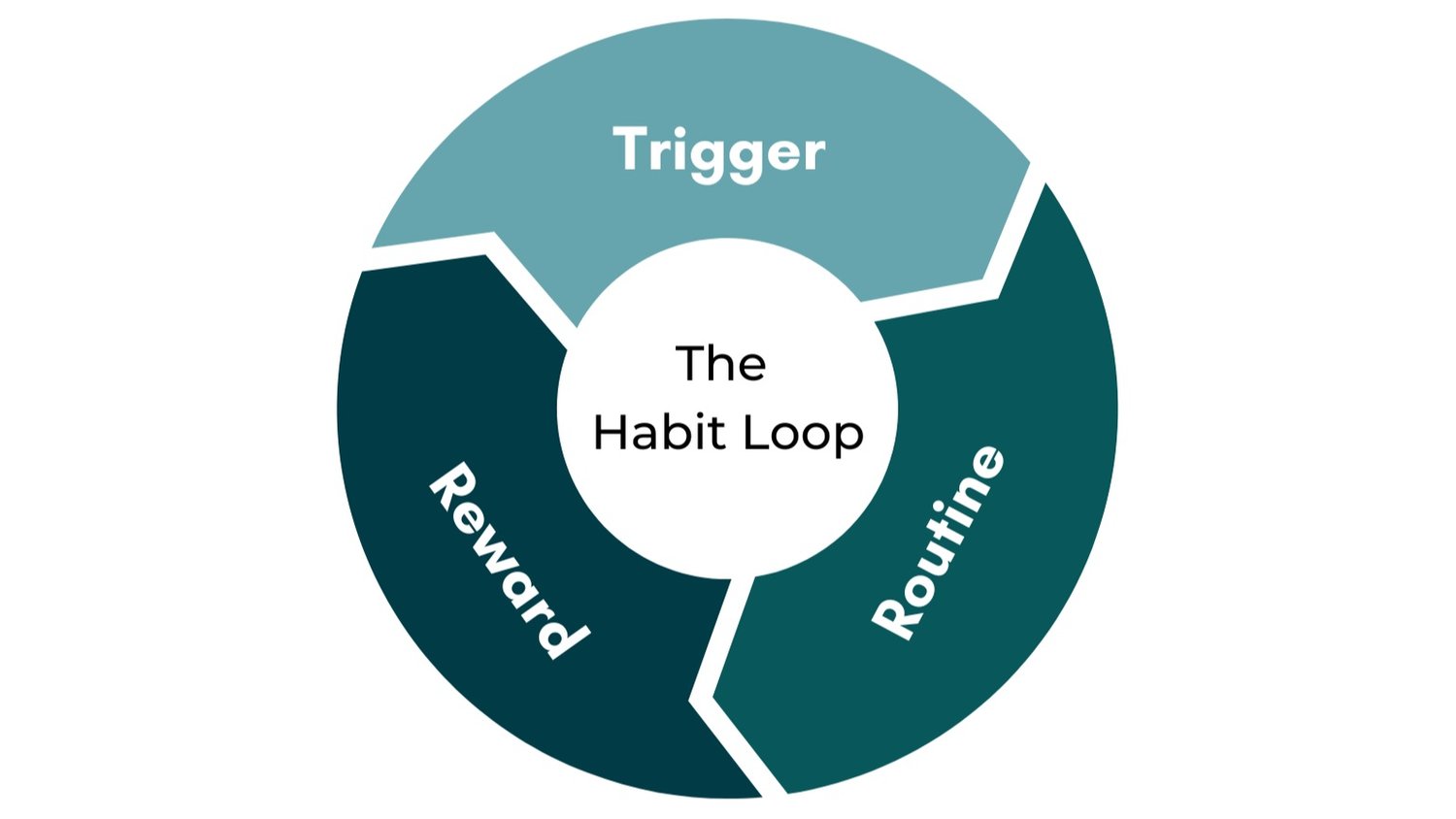
- What Is a Sustainable Habit Loop and How Does It Work: Building Wellness Routines That Stick in Edmonton
- How to Start Yoga at Home in Edmonton: A Winter-Friendly Guide
Sources & References
Find Trusted Wellness Spots in Edmonton
Browse our independent guide to Edmonton’s spas, fitness studios, and wellness services. Local. Honest. Free.
Frequently Asked Questions
How long does it take to build an office worker wellness routine?
Plan on about an hour of setup and three to four weeks before the habits feel automatic. Start with three small targets and run them for 21 days before adding more. Most people who stick with it past week three keep going.
What can I do at my desk when it is too cold to walk outside?
Use the hourly movement menu at your desk, and walk indoors. Downtown workers can use the pedway system, and west-end workers can walk the corridors at West Edmonton Mall. Even 10 minutes of indoor walking at lunch beats skipping it.
How much should I budget for a wellness routine on a desk worker’s schedule?
The core routine costs nothing beyond a water bottle and decent footwear. If you add outside support, expect about $8 to $12 for a rec centre drop-in, $18 to $25 for a yoga drop-in, and $100 to $140 for a registered massage. Check your workplace benefits first, since many plans cover massage and some cover gym fees.
What should I do on smoke days in summer?
Check the Air Quality Health Index before you leave the building. If it is high, move your walk indoors to a mall, a rec centre track, or your building’s stairwells. Save the River Valley walk for a clear day.
Can I do this if I work from home?
Yes, and you need it more. Without a commute, you lose built-in walking. Schedule a 10 minute walk before your first task and another after your last one to replace it, and keep the same hourly movement breaks.