An evening wind down routine for better sleep is a fixed sequence of low-effort steps in the 2 to 3 hours before bed. It lowers light, noise, stimulation and body temperature so your brain gets a clear signal that the day is done. By the end of this guide, you will have a seven-step routine with exact timings, a printable checklist, a 60-minute sample schedule, and adjustments for Edmonton’s -30°C nights, wildfire smoke and midsummer sunsets after 10 pm.
Last reviewed:
This is not a list of 25 tips to try at once. Pick the steps that fit your evenings, run them for two weeks, and adjust. Adults need seven or more hours of sleep a night, according to the CDC’s overview of sleep and sleep disorders. Most people lose that time in the last hour of the evening, not in the bedroom.
What an Evening Wind Down Routine Is and Why Edmonton Makes It Harder

The Short Definition
A wind down routine is a repeated pattern, not a single product or trick. Think of it as a runway. A plane does not go from 800 km/h to a stop in one second, and your nervous system does not go from inbox to deep sleep in one minute either.
How To Track Wellness Habits That Actually Stick covers this in more detail.
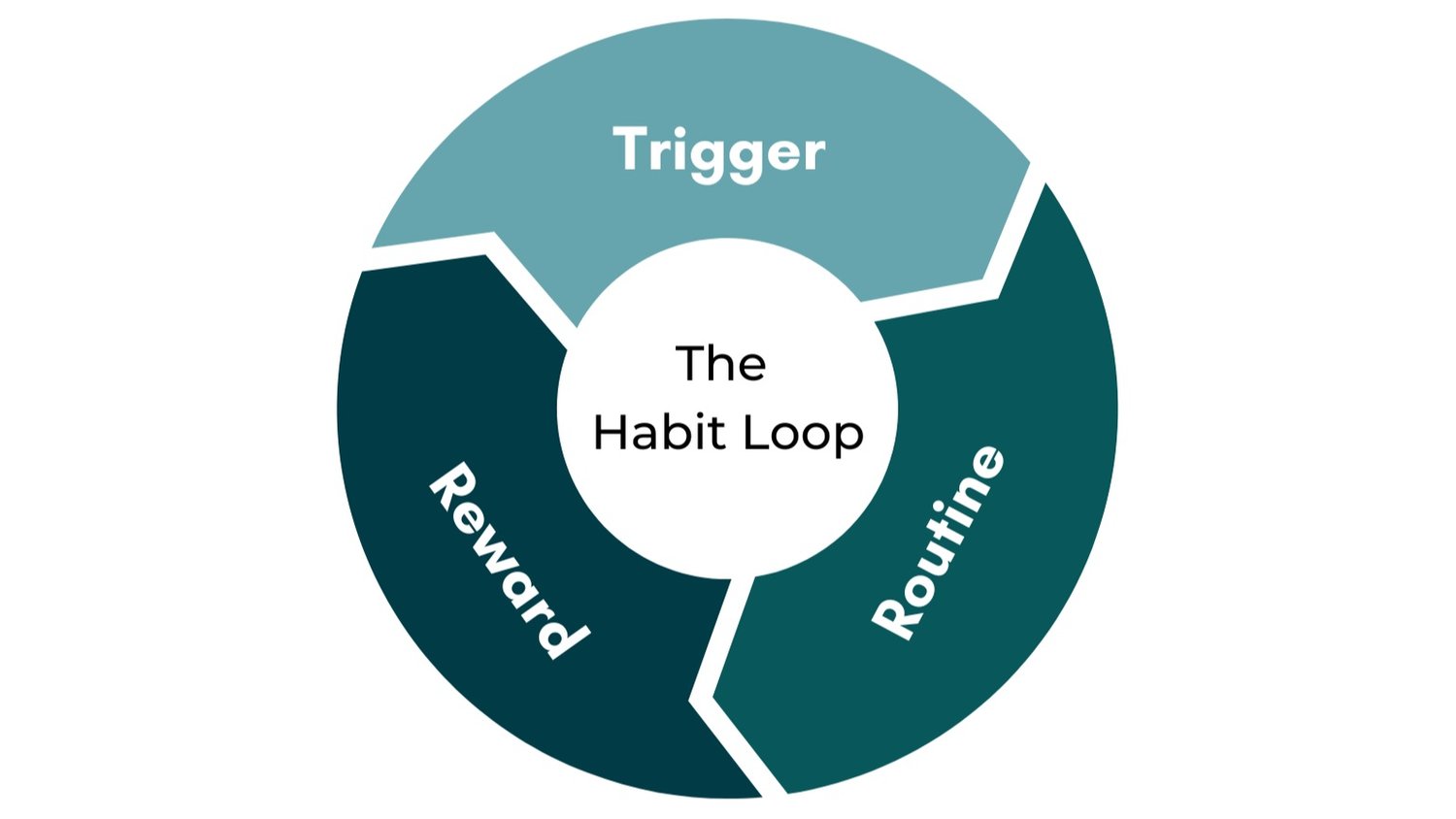
A working routine has three parts:
How To Prevent Seasonal Wellness Routine Breakdowns In Edmonton covers this in more detail.
- A trigger. Something that starts it every night, such as the dishwasher running or a phone alarm at 9:15 pm.
- A sequence. The same 4 to 7 steps in roughly the same order.
- A finish line. Lights out at a consistent time, within about 30 minutes either way.
The repetition matters more than the content. Your brain learns the pattern and starts producing drowsiness on cue. That takes time. Expect 10 to 14 nights before it feels automatic.
Why Do Wellness Habits Fail And How To Prevent It covers this in more detail.
The Edmonton Problem
Edmonton throws unusual light at your body clock. In late December, the sun sets before 4:30 pm. You leave work in the dark, drive home in the dark, and sit under bright kitchen LEDs until midnight. By contrast, in late June the sky is still light after 10 pm, and your bedroom may be bright when your body wants to sleep.
How To Build A Morning Wellness Routine For Beginners covers this in more detail.
Then there is smoke season. Some summers, wildfire smoke keeps windows shut for days. A stuffy bedroom runs warm, and warm rooms wreck sleep. Add the cold-snap habit of cranking the furnace to 24°C, and many Edmonton bedrooms sit well above the ideal range most of the year.
Beginner Wellness Routine Checklist For January In Edmonton covers this in more detail.
None of this is fixable by willpower. It is fixable by controlling the 2 to 3 hours before bed, which is what the steps below do.
What to Expect and How to Start
Start small. Do not try all seven steps on night one. People who overbuild a routine usually drop it by day five. The reasons are covered in why wellness habits fail and how to prevent it, and the short version is that big plans collapse on busy nights.
Here is a realistic ramp:
- Nights 1 to 3: Fix your bedtime and stop caffeine by noon.
- Nights 4 to 7: Add dim lights and a screen cutoff.
- Nights 8 to 14: Add the warm shower, stretching and brain dump.
Already working on your mornings? The two routines support each other. A steady wake time anchors your evening, and the steps in how to build a morning wellness routine for beginners pair well with everything below.
Steps 1 and 2: Set Your Anchor Times and Close Out the Day

Step 1: Pick One Fixed Bedtime and Wake Time
Choose a wake time first. Work backward. If you wake at 6:30 am and want 7.5 hours of sleep, your lights-out time is 11:00 pm. Your routine starts at 8:00 pm.
The Mayo Clinic’s sleep tips put a consistent schedule near the top of the list, including weekends. A rule of thumb that works: keep weekend wake times within one hour of weekday wake times. A Saturday sleep-in until 10 am feels good, but it shoves your body clock back and makes Sunday night harder.
Write the times on a sticky note and put it on the bathroom mirror. Three numbers: routine start, screens off, lights out.
Step 2: Set Your Last Caffeine, Last Drink and Last Meal
This step happens hours before bed, which is why most people skip it.
- Caffeine: Stop by noon, or 8 to 10 hours before bed. Mayo Clinic notes in its caffeine guide that the effects can take up to six hours to wear off. That afternoon Transcend or Credo latte is still active at bedtime.
- Alcohol: Finish your last drink at least 3 hours before bed. It helps you fall asleep and then fragments the second half of the night.
- Dinner: Finish eating 2 to 3 hours before lights out. A heavy meal at 9:30 pm means your body is digesting when it should be cooling down.
- Fluids: Taper after 8 pm so you are not up at 3 am.
A small snack is fine. Think a banana with peanut butter or a few crackers and cheese, around 150 to 200 calories. Going to bed hungry wakes some people at 4 am.
Exercise Timing in an Edmonton Winter
Evening workouts are fine for most people if they end at least 90 minutes before lights out. Hard intervals at 8:30 pm for an 11 pm bedtime are a poor match.
In winter, many people can only train after work, and the gym is the only reasonable option. A 6 pm lift or spin class is workable. After that, switch to easy movement. If you like a gentle evening option, many studios on Whyte Avenue and around 124 Street run restorative or yin classes in the early evening, typically $20 to $25 per drop-in, or $12 to $18 per class on a multi-class pass. Check current schedules before you go. Whyte Avenue street parking fills quickly on weekend evenings, so a Route 8 or 9 bus ride or the nearby parkades can save you 15 minutes of circling.
Steps 3 and 4: Dim the House and Shut Down Screens (90 to 45 Minutes Before Bed)
Step 3: Cut the Light
Light is the strongest signal your brain gets about the time of day. Bright overhead light at 10 pm tells it to stay alert. Here is a simple fix, and it costs little:
- Switch off overhead lights 90 minutes before bed.
- Use 2 or 3 table lamps with warm bulbs (2700K or lower). A 4-pack of warm LED bulbs runs about $12 to $20.
- Put a lamp in the bathroom if you can. Harsh vanity lighting at 10:30 pm undoes the work.
- Close blinds early in winter. Bare windows at night also let heat out, which matters when it is -25°C outside.
Dimming should feel like a campfire, not a cave. You should still be able to read a paper book.
Step 4: Set a Screen Curfew
Screens do two things. The light is bright and blue-heavy, and the content keeps your brain engaged. The second part matters more. A calm show is better than a stressful news feed, but even a calm show keeps you up.
Aim for screens off 45 to 60 minutes before lights out. If that sounds impossible, use a ladder:
- Week 1: Phone charges outside the bedroom. Screens off 20 minutes before bed.
- Week 2: Screens off 40 minutes before bed.
- Week 3: Screens off 60 minutes before bed.
Buy a $15 to $25 plug-in alarm clock so the phone does not need to be on your nightstand. This single change fixes more evenings than any app. If you must use your phone, switch on night mode, lower the brightness, and stay away from email and social feeds.
Set Up the Bedroom
Your bedroom needs three things: cool, dark and quiet.
- Temperature: Aim for 16 to 19°C. In winter, turn the bedroom thermostat down before dinner. Heat pumps and forced-air systems often leave bedrooms at 22°C or higher.
- Darkness: Blackout curtains cost $40 to $120 for a standard window and are the best answer to a 10 pm June sunset. A $10 sleep mask works if curtains are not an option.
- Noise: Apartment dwellers near Jasper Avenue, Whyte Avenue or the Henday know the problem. Foam earplugs ($5 for a pack) or a basic white noise machine ($25 to $40) take the edge off.
During smoke season, run a HEPA air purifier in the bedroom if you have one. Check current air quality on the Government of Canada’s air quality health index before you decide whether to open windows.
Steps 5 and 6: Downshift the Body (45 to 15 Minutes Before Bed)

Step 5: Take a Warm Shower or Bath
A warm bath or shower 60 to 90 minutes before bed helps because your core temperature rises, then drops after you get out. That drop mimics the natural cooling that happens before sleep. Aim for 10 to 15 minutes in water around 38 to 40°C.
Winter bonus: nothing beats a hot bath after shovelling the driveway. If you want more, add 1 to 2 cups of Epsom salts (about $6 to $10 for a large bag at most pharmacies). The evidence for magnesium absorbed through skin is thin, so treat it as a pleasant ritual, not medicine.
No bathtub? A hot shower works. Finish with a lukewarm rinse if you tend to overheat.
Step 6: Stretch and Breathe for 10 Minutes
Keep this easy. You are not training. You are telling your muscles it is over.
A simple 10-minute sequence:
- Child’s pose: 1 minute.
- Seated forward fold: 1 minute.
- Supine twist: 1 minute each side.
- Legs up the wall: 3 minutes.
- Slow breathing: 3 minutes. Inhale for 4 counts, exhale for 6 counts.
The longer exhale is the key. It slows heart rate for most people within a few minutes. If breathing exercises make you anxious, skip them and focus on the stretches.
When to Get Help From a Class or Professional
Home routines cover most people. A class helps if you want structure. Many Edmonton recreation centres and studios offer evening yoga or relaxation sessions, and City of Edmonton leisure centres list schedules on the City of Edmonton website. Drop-in rates at city facilities are usually cheaper than boutique studios, often under $10 for a single visit, and most are on ETS bus routes with free parking lots.
If you still lie awake for 30 minutes or more most nights after four weeks, talk to your family doctor. Chronic insomnia and sleep apnea need real diagnosis. Alberta Health Services lists sleep resources and referral information at albertahealthservices.ca. Call 811 for Health Link if you are unsure where to start.
Step 7: Brain Dump, Read, and Hit Lights Out (Last 15 Minutes)
The Brain Dump
Racing thoughts at 11 pm are usually unfinished tasks. Put them on paper. Keep a notebook by the couch and spend 5 minutes writing three things:
- Tomorrow’s top three tasks.
- Anything you are worried you will forget.
- One thing that went fine today.
Close the notebook. The goal is to move the loop from your head to the page. You are not solving anything. You are parking it.
Read Something Dull
Paper books beat tablets. The best bedtime book is one you like but do not need to finish. Skip the thrillers. Try a familiar novel, short essays, or a field guide to river valley birds.
Edmonton Public Library cards are free for residents, and most branches let you borrow physical books for three weeks. It is the cheapest part of this routine. Read for 10 to 20 minutes under a warm lamp, then turn it off when your eyes get heavy.
What to Do If You Cannot Sleep
Do not lie there for an hour. If you have been awake for what feels like 20 minutes, get up and go to a dim room. Read, stretch or sit quietly. Return to bed when sleepy. Avoid checking the clock and avoid the phone.
On supplements: melatonin is common, but Mayo Clinic’s melatonin guidance suggests it is best used short-term and at low doses. Check with a pharmacist or doctor first, especially if you take other medications. Magnesium glycinate (about $20 to $35 for a month) is popular, but the evidence is mixed. A wind down routine should work without any supplement.
A 60-Minute Sample Schedule and Quick-Reference Checklist
The 60-Minute Version
This is the compact routine for people with a tight evening. It assumes an 11:00 pm lights-out.
| Time | Step | Duration |
|---|---|---|
| 10:00 pm | Overhead lights off, lamps on, phone on charger outside the bedroom | 5 min |
| 10:05 pm | Warm shower or bath | 15 min |
| 10:20 pm | Stretch and slow breathing | 10 min |
| 10:30 pm | Brain dump in notebook | 5 min |
| 10:35 pm | Herbal tea (caffeine-free) | 10 min |
| 10:45 pm | Read a paper book in bed | 15 min |
| 11:00 pm | Lights out | – |
The Full 3-Hour Version
Use this when you have more time. It works best on weekends and in deep winter, when evenings feel long.
- 8:00 pm: Finish dinner cleanup. Set the thermostat for the bedroom to 17°C.
- 9:00 pm: Dim lights to lamps. Start a low-key activity such as a puzzle or a card game.
- 9:45 pm: Screens off. Charge the phone outside the bedroom.
- 10:00 pm: Warm bath.
- 10:30 pm: Stretch, breathe, brain dump.
- 10:45 pm: Read in bed.
- 11:00 pm: Lights out.
The Nightly Checklist
- Caffeine stopped by noon
- Last drink 3 hours before bed
- Dinner finished 2 to 3 hours before bed
- Overhead lights off 90 minutes before bed
- Screens off 45 to 60 minutes before bed
- Bedroom at 16 to 19°C
- Warm shower or bath done
- 10 minutes of stretching and breathing
- Brain dump written
- Paper book, lights out within 30 minutes of target
Adjusting Your Wind Down Routine for Edmonton Seasons
Winter: Dark Afternoons and Dry Heat
November through February is when sleep falls apart for many Edmontonians. Short days push the body clock off track. Morning light helps. Get outside within an hour of waking, even on a grey -20°C morning, and get 15 to 30 minutes of daylight. A walk along the river valley trails near Hawrelak Park or Mill Creek Ravine, or even a loop around your block, counts.
For the evening, the furnace is the main enemy. Dry heat leaves you dehydrated and congested. Run a humidifier in the bedroom at 35 to 45 percent humidity. Under that, it helps with scratchy throats and dry noses. Over that, you risk window condensation and mold.
Winter is also when the January restart happens. If you are building habits after the holidays, the beginner wellness routine checklist for January in Edmonton covers how to stack this routine with exercise and meals.
Summer and Smoke Season
June and July bring sunsets after 10 pm. Close blackout curtains by 9:30 pm and use the fan for white noise. Do not skip the cool bedroom just because it is light outside.
When smoke rolls in, the plan changes:
- Keep windows shut and run the HEPA purifier.
- Skip the evening walk. Do indoor stretching instead.
- Use a damp cloth along the window seals if smoke leaks in.
- Cool the bedroom with a fan, not an open window.
It is annoying, but a smoke-free bedroom for 8 hours is worth more than a patio evening that wrecks your throat.
Keeping the Routine Going
Routines fail when life changes. A trip to Jasper, a new baby, a night shift or a bad cold knocks things out of sync. Plan for that. Have a 10-minute backup version: lights down, phone away, brain dump, read, bed.
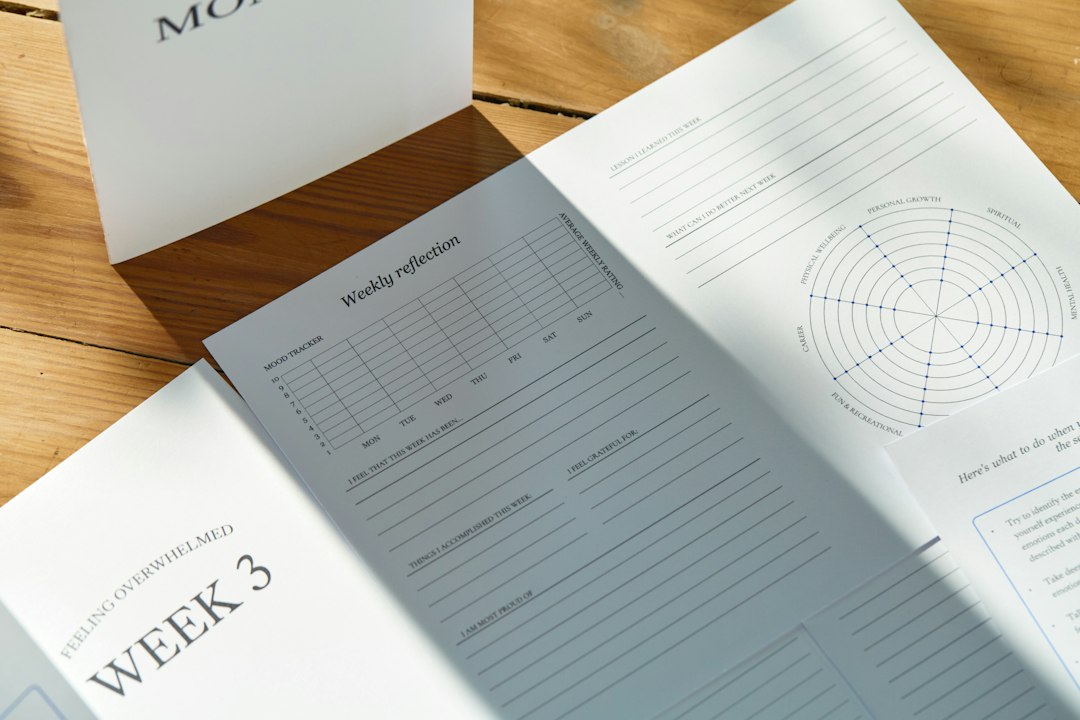
Track the basics for two weeks. Note bedtime, wake time, and a quick 1 to 5 rating of how rested you feel. If you want a simple system, read how to track wellness habits that actually stick. For preparing for the season shifts that tend to break routines, see how to prevent seasonal wellness routine breakdowns in Edmonton.
Browse more local options and guides at Edmonton Wellness Guide. Start tonight with one step. Fix your caffeine cutoff and move your phone charger out of the bedroom. Add the next step on Sunday.
Related Articles
- What Is a Sustainable Habit Loop and How Does It Work: Building Wellness Routines That Stick in Edmonton
- How to Start Yoga at Home in Edmonton: A Winter-Friendly Guide
Find Trusted Wellness Spots in Edmonton
Browse our independent guide to Edmonton’s spas, fitness studios, and wellness services. Local. Honest. Free.
Frequently Asked Questions
How long does it take for a wind down routine to work?
Most people notice small changes within the first week, such as falling asleep faster. A settled routine usually takes 2 to 3 weeks. Keep your bedtime within 30 minutes of the target every night, including weekends, so your body clock can lock in.
How long should an evening wind down routine be?
Aim for 60 to 90 minutes. A 30-minute version is better than nothing on busy nights. If you only have time for three things, dim the lights, put the phone away and read a paper book for 15 minutes.
What if I work night shifts or late evenings?
Use the same routine, but anchor it to your sleep time, not the clock. Wear sunglasses on the drive home, keep the bedroom fully dark with blackout curtains, and run a fan or white noise machine to cover daytime noise. Keep the sequence identical each day so your body recognizes it.
Do I need supplements like melatonin or magnesium?
Most people do not. Fix light, caffeine, temperature and timing first. If you are still struggling after 3 to 4 weeks, ask a pharmacist or your doctor before starting melatonin or magnesium, particularly if you take other medications.
What helps most during Edmonton’s winter?
Morning daylight and a cool, humidified bedroom make the biggest difference. Get outside within an hour of waking, even for 15 minutes, and set the bedroom to 16 to 19°C with a humidifier running at 35 to 45 percent humidity. A weekend walk through the river valley adds extra daylight when the sun is out.