Edmonton runners face unique injury risks that runners in Vancouver or Toronto never think about. Between ice-covered sidewalks from November to March, extreme temperature swings, and summer smoke that forces you indoors for weeks, our climate creates specific challenges that standard running advice doesn’t address. After talking with physiotherapists at Capilano Rehab Centre and longtime River Valley runners, I’ve compiled the preventive strategies that actually work in our city.
Last reviewed:
Understanding Edmonton’s Climate-Specific Running Hazards
Most running injury prevention guides assume you’re dealing with rain or mild winters. Edmonton runners face different challenges entirely. Our injury patterns shift dramatically with the seasons, and understanding these patterns helps you stay ahead of problems.
Our fitness outdoor movement guide covers this in detail.
Winter Running Hazards (November to March)
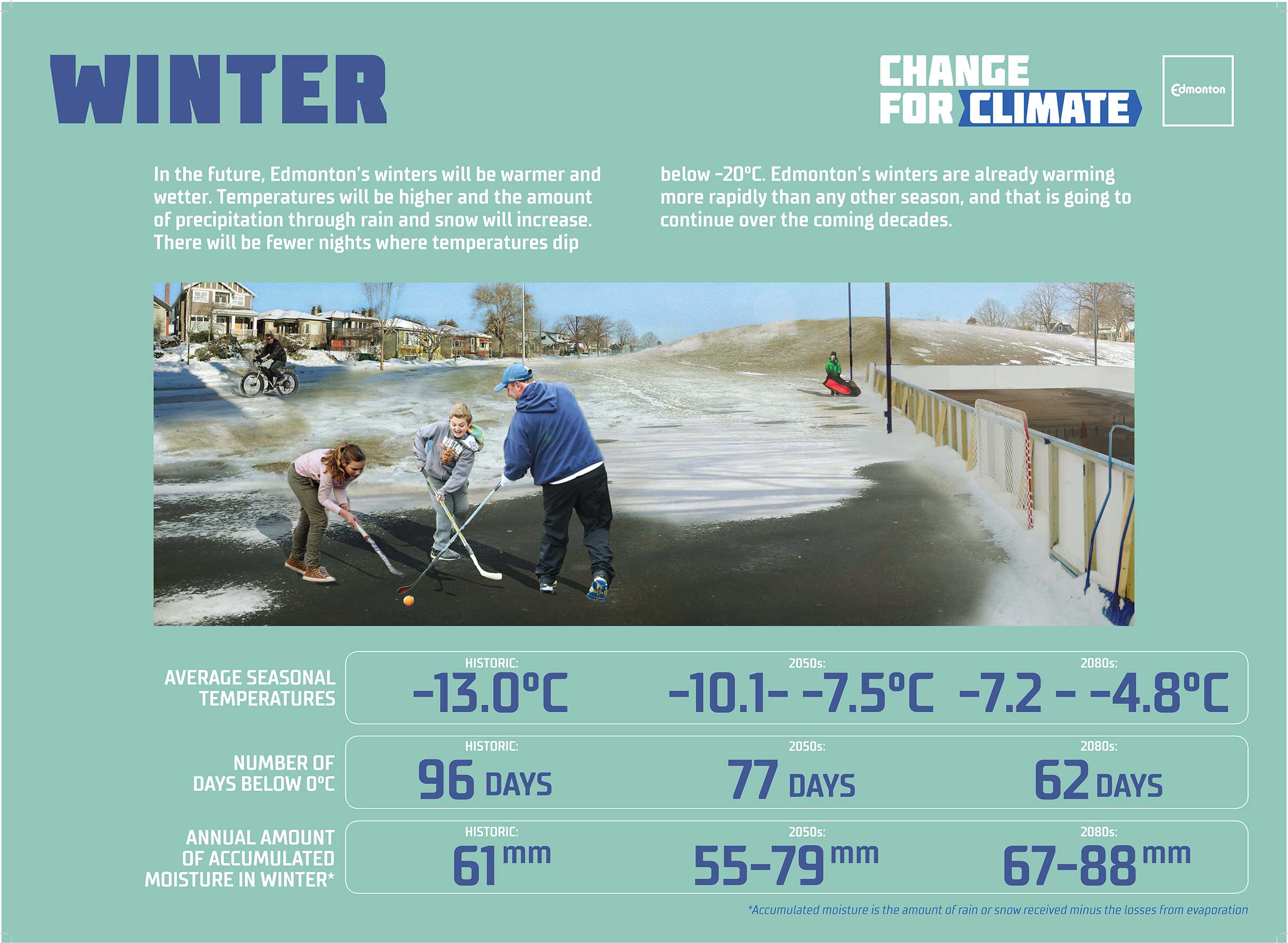
Winter running in Edmonton means dealing with temperatures that can drop to -40C with windchill. But the cold itself isn’t the biggest injury risk. The real problems come from:
Outdoor Fitness Classes Edmonton Summer covers this in more detail.
- Black ice under fresh snow – causes ankle sprains and hip injuries from sudden slips
- Uneven snow ruts – creates biomechanical stress on knees and IT bands
- Shortened stride patterns – runners unconsciously shorten their stride on ice, leading to calf and Achilles problems
- Cold muscle starts – muscles take 15-20 minutes to warm up properly at -20C versus 5 minutes at +10C
Dr. Sarah Chen at River Valley Sports Medicine reports seeing 40% more IT band injuries in January compared to September. The culprit? Runners maintaining summer training volumes while navigating winter terrain that forces constant lateral movements.
Spring Transition Injuries (March to May)
Spring brings its own injury risks as runners transition from treadmill or limited winter running back to regular road running. The freeze-thaw cycle creates particularly treacherous conditions.
- Puddle jumping stress – avoiding melting snow pools creates asymmetric loading patterns
- Gravel and debris – winter road sand causes unstable footing until street sweepers arrive in May
- Too much too soon syndrome – runners increase mileage by 50-100% once trails clear, overwhelming unprepared tissues
The seasonal differences in Edmonton’s running routes mean your body needs 4-6 weeks to adapt when switching from winter to spring running surfaces.
How To Prevent Seasonal Wellness Routine Breakdowns In Edmonton covers this in more detail.
Summer Heat and Smoke Challenges (June to August)
Summer in Edmonton brings two distinct challenges: extreme heat (we hit 30C+ regularly in July) and wildfire smoke that can make outdoor running hazardous for weeks at a time.
Why Edmonton Fall Weather Triggers Fitness Motivation Shifts covers this in more detail.
- Dehydration-related muscle cramping – leads to compensatory movement patterns and strain
- Indoor treadmill transitions – smoke days force runners inside, changing biomechanics
- Hard-packed trail surfaces – dry conditions create impact forces 20% higher than spring’s softer trails
According to Alberta Health Services air quality guidelines, runners should move indoors when the Air Quality Health Index exceeds 7. In August 2023, Edmonton had 18 days above this threshold.
Essential Gear Adaptations for Each Season
The right gear prevents more injuries than any stretching routine. Edmonton’s climate demands specific equipment choices that change with the seasons.
Winter Running Gear Essentials
Your winter injury prevention starts with your feet. Standard running shoes become skating rinks on packed snow. Here’s what actually works:
- Ice cleats or winter running shoes – Yaktrax Run ($35) from Mountain Equipment Co-op on 124 Street or dedicated winter running shoes with carbide studs
- Compression base layers – maintains muscle temperature during -20C runs
- Headlamp – winter means running in the dark; seeing ice patches prevents falls
- Shorter laces – long laces collect ice balls that throw off your gait
Running Room on Calgary Trail South stocks winter-specific running gear year-round. Their staff actually run through Edmonton winters and give honest advice about what works.
For more on this, see our year round fitness guide.
Transition Season Gear (Spring/Fall)
Spring and fall require versatile gear that handles wet conditions and temperature swings from -5C to +15C in the same run.
- Trail shoes with aggressive tread – handles gravel, mud, and wet leaves
- Moisture-wicking mid-layers – prevents chafing from wet cotton during spring snow squalls
- Visibility gear – drivers don’t expect runners during spring storms
Summer Heat Management
Summer gear focuses on heat dissipation and hydration. Edmonton’s dry heat demands different strategies than humid climates.
- Hydration vest or belt – water fountains shut down in many parks during drought restrictions
- Electrolyte replacement – Nuun tablets from Safeway prevent cramping better than water alone
- UV protection clothing – our northern latitude means intense UV exposure during long summer days
Building Climate-Adapted Running Form
Your running form needs to adapt to surface conditions. The biomechanics that work on dry pavement can cause injuries on ice or gravel.
Winter Running Form Adjustments
Winter running requires specific form modifications to prevent slips and reduce joint stress:
- Shorter stride length – reduces slip risk and maintains balance
- Higher cadence – aim for 170-180 steps per minute versus summer’s 160-170
- Upright posture – leaning forward increases fall risk on ice
- Flat foot landing – heel striking on ice causes slips; mid-foot landing provides stability
Practice these form changes on clear pavement before taking them to icy trails. The Mill Creek Ravine paved trail stays relatively clear and offers a good practice surface.
Trail Running Adaptations
Edmonton’s extensive River Valley trail system requires different biomechanics than road running:
- Increased knee lift – clears roots and uneven terrain
- Active arm swing – provides balance on technical sections
- Variable pace acceptance – forcing road pace on trails causes overuse injuries
The Terwillegar Park trails offer graduated difficulty levels perfect for building trail-specific strength and form.
Treadmill Transition Strategies
Smoke season forces many runners indoors. Transitioning between outdoor and treadmill running requires gradual adaptation:
- Start with 50% normal volume – treadmill running uses different muscle patterns
- Set 1-2% incline – mimics outdoor running resistance
- Vary speed every 5 minutes – prevents repetitive stress that outdoor terrain naturally provides
Season-Specific Strength Training Programs

Injury prevention requires targeted strength work that addresses seasonal demands. Generic strength programs miss Edmonton-specific needs.
Winter Stability Training (November-March)
Winter running demands exceptional lateral stability and proprioception. Focus on:
- Single-leg exercises on unstable surfaces – mimics ice running demands
- Lateral band walks – strengthens hip abductors that prevent slips
- Calf raises with holds – builds strength for shortened winter strides
- Core rotation work – manages constant micro-corrections on ice
GYMVMT in Oliver offers specific “Winter Runner Conditioning” classes that address these needs. Drop-in rate is $25, or get a 10-class pass for $200.
Spring Power Development (April-May)
Spring training shifts focus to rebuilding power and elasticity after a winter of cautious running:
- Box jumps and bounds – restores explosive power
- Hill repeats – builds strength for summer trail running
- Dynamic stretching routines – increases range of motion restricted by winter running
The Glenora Stairs provide perfect hill training once snow clears. Start with 5 repeats and build to 10-15 by June.
Summer Endurance Support (June-August)
Summer training emphasizes endurance support and heat adaptation:
- High-rep, low-weight circuits – builds muscular endurance without bulk
- Yoga or stretching – maintains flexibility when muscles tighten from heat
- Pool running – provides recovery while maintaining fitness
Commonwealth Recreation Centre offers pool running lanes specifically for runners. Annual pass costs $650 and includes access to all city facilities.
Recovery and Injury Management Strategies
Recovery needs change dramatically with Edmonton’s seasons. What works in July fails in January.
Cold Weather Recovery Protocols
Winter recovery requires immediate attention to prevent cold-related muscle damage:
- Indoor cool-down mandatory – never stretch cold muscles outside
- Warm shower within 20 minutes – prevents delayed muscle stiffness
- Compression gear for 2-4 hours post-run – maintains circulation
- Indoor foam rolling – cold muscles don’t respond to outdoor stretching
Pure Form Physio in Windermere specializes in runner assessments. Their gait analysis ($175) identifies biomechanical issues before they become injuries.
Heat Stress Recovery
Summer recovery focuses on rehydration and temperature regulation:
- Electrolyte replacement within 30 minutes – prevents delayed cramping
- Cool (not cold) shower – gradual temperature reduction prevents shock
- improved legs for 10-15 minutes – promotes venous return
The City of Edmonton outdoor pool schedule shows which pools offer lane swimming for recovery sessions.
Managing Minor Injuries
Early intervention prevents minor issues from becoming major injuries:
| Injury Type | Warning Signs | Immediate Action | Professional Help Threshold |
|---|---|---|---|
| IT Band Syndrome | Lateral knee pain after 5-10 minutes | Reduce mileage 50%, foam roll daily | Pain persists after 1 week reduced training |
| Plantar Fasciitis | Heel pain first steps in morning | Freeze water bottle for rolling, calf stretches | No improvement after 2 weeks |
| Achilles Tendinitis | Stiffness that improves with movement | Eccentric calf raises, avoid hills | Pain during daily activities |
| Runner’s Knee | Pain around or behind kneecap | Strengthen quads, check shoe wear | Swelling or pain walking stairs |
Nutrition Adaptations for Edmonton’s Climate

Your nutritional needs shift dramatically between -30C winter runs and +30C summer training. Standard sports nutrition advice doesn’t account for these extremes.
Winter Fueling Strategies
Cold weather increases caloric needs by 10-15% for the same effort level. Your body burns extra energy maintaining core temperature.
- Pre-run calories essential – running fasted in winter depletes glycogen faster
- Warm fluids post-run – herbal tea or warm water aids recovery better than cold drinks
- Increase healthy fats – provides sustained energy for long cold runs
- Vitamin D supplementation – Health Canada recommends 1000 IU daily for adults during winter months
Blush Lane Organic Market in Aspen Gardens stocks energy bars that don’t freeze solid at -20C. Their staff can recommend options tested by local winter athletes.
Summer Hydration Planning
Edmonton’s dry heat creates dehydration risks different from humid climates. You’ll lose more electrolytes through sweat without feeling as wet.
- Pre-hydrate 2-3 hours before – drink 500ml water with electrolytes
- During-run needs – 150-250ml every 20 minutes for runs over 45 minutes
- Post-run recovery – weigh yourself; drink 150% of weight lost as fluid
- Natural options – coconut water with added salt works as well as commercial drinks
Smoke Season Adaptations
Wildfire smoke creates oxidative stress requiring specific nutritional support:
- Increase antioxidants – berries, dark leafy greens, green tea
- Support lung function – omega-3 supplements may reduce inflammation
- Hydration becomes critical – smoke exposure increases fluid needs by 20-30%
Creating Your Seasonal Training Plan
Successful injury prevention requires planning that acknowledges Edmonton’s seasonal realities. Here’s how to structure your year:
Winter Base Building (December-February)
Winter isn’t the time for speed work or high mileage. Focus on maintaining fitness while preventing injury:
- Week structure: 3-4 runs per week, supplemented with indoor cross-training
- Long run adjustments: Cap at 90 minutes in extreme cold
- Speed work alternatives: Treadmill intervals or indoor track at Kinsmen Sports Centre ($8 drop-in)
- Monthly mileage: 70-80% of summer peak
Join the Edmonton Running Room’s winter group runs for motivation and safety. Groups meet regardless of weather.
Spring Rebuild (March-May)
Spring allows gradual building toward summer goals while navigating unpredictable conditions:
- Mileage progression: Increase weekly total by 10% maximum
- Surface variety: Mix road, trail, and track to prevent overuse
- Weather flexibility: Have indoor backup plans for spring storms
- Race preparation: Target late May races when conditions stabilize
The Edmonton Marathon training groups start in February, providing structured build-up through spring challenges.
Summer Peak Training (June-August)
Summer offers ideal conditions interrupted by heat waves and smoke:
- Early morning runs: Start by 6 AM to avoid peak heat and UV
- Flexible scheduling: Move key workouts based on air quality
- Heat adaptation: Allow 10-14 days to adjust to temperatures above 25C
- Race strategy: Target early summer races before smoke season
Check Environment Canada’s Air Quality Health Index daily during fire season.
Fall Transition (September-November)
Fall running offers perfect conditions but requires managing the psychological and physical shifts toward winter:
- Maintain summer fitness: Don’t drastically reduce volume until November
- Layer experimentation: Test winter gear combinations before you need them
- Surface transitions: Practice form adjustments on wet leaves and early frost
- Mental preparation: Set winter goals to maintain motivation
October offers the last reliable month for long runs on clear trails. The annual River Valley Ultra uses this window for good reason.
Sources & References
Related Reading
- How to Stay Active During Edmonton Winter Months: A Survival Guide…
- How to Train for a Half Marathon in Edmonton: A Season-by-Season Guide
- How to Stay Active During Edmonton’s Winter Smoke Season: A…
Frequently Asked Questions
Should I run outside when it’s -25C or colder?
Running at -25C is safe with proper gear and preparation, but many runners draw the line at -30C. The Terwillegar Rec Centre indoor track ($8 drop-in) provides a warm alternative. If you do run in extreme cold, limit exposure to 45 minutes and cover all skin to prevent frostbite.
How do I maintain running fitness during smoke season?
When air quality exceeds safe levels, move training indoors immediately. The Kinsmen Sports Centre has the city’s best indoor track at 400m, while Millennium Place in Sherwood Park offers a 200m track. Many runners also use this time for pool running at Commonwealth Rec Centre, which maintains cardiovascular fitness without air quality exposure.
What’s the best surface for injury prevention in Edmonton?
The groomed trails in Hawrelak Park and along Saskatchewan Drive offer the best injury-prevention surfaces year-round. They’re maintained regularly, provide good drainage, and have less camber than roads. The crushed granite reduces impact by 15-20% compared to concrete while remaining stable enough to prevent ankle rolls.
When should I replace my winter running shoes?
Winter running shoes wear differently than summer shoes due to salt, gravel, and moisture exposure. Track mileage carefully and inspect the carbide studs or cleats monthly. Most winter runners need replacement after 600-800km, compared to 800-1000km for regular shoes. The Running Room offers free gait analysis to assess wear patterns.
How can I prevent the January running injury spike?
January injuries often result from New Year’s resolution enthusiasm combined with challenging conditions. Start with just 3 runs per week at 60% of your usual pace, focusing on time rather than distance. Book a movement screen at Leading Edge Physiotherapy in December to identify weaknesses before increasing winter training. Their RunSafe assessment ($150) catches problems before they become injuries.