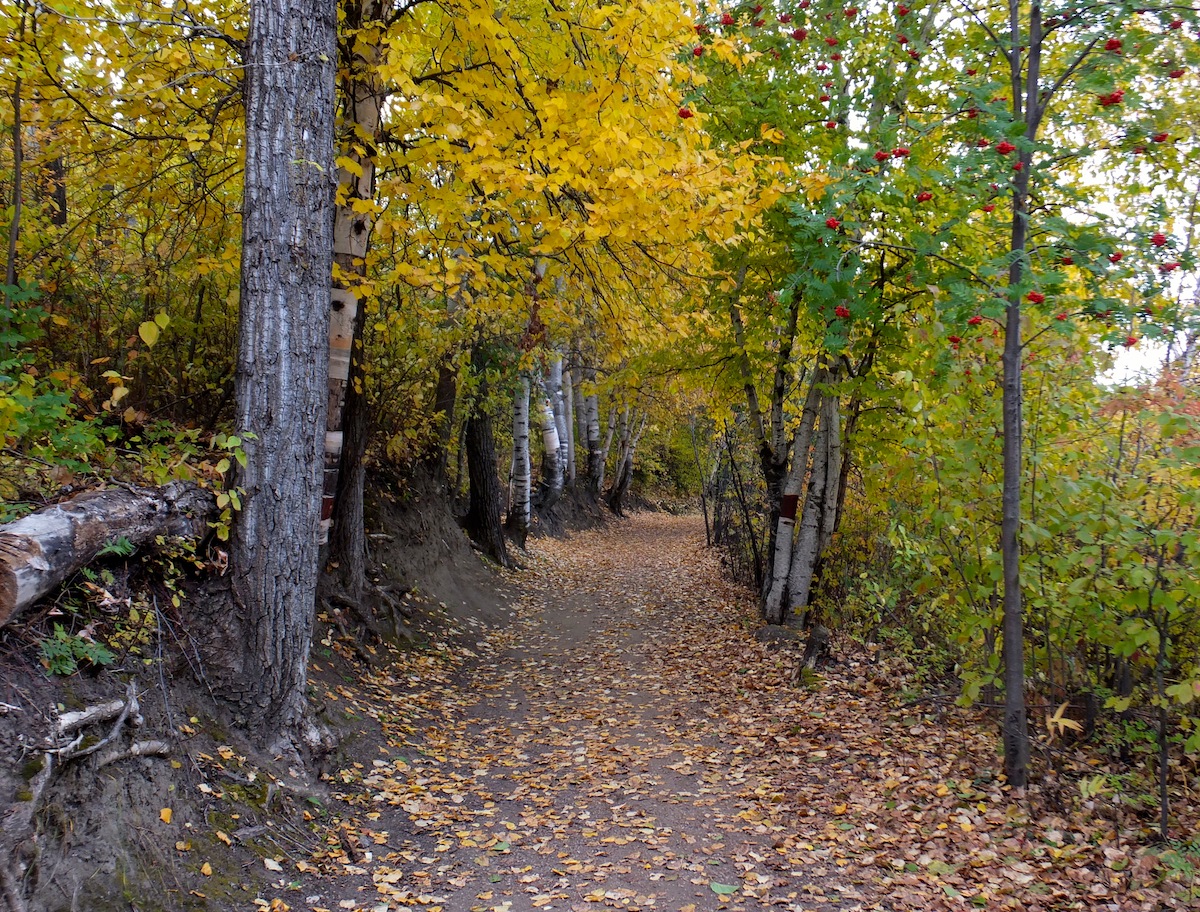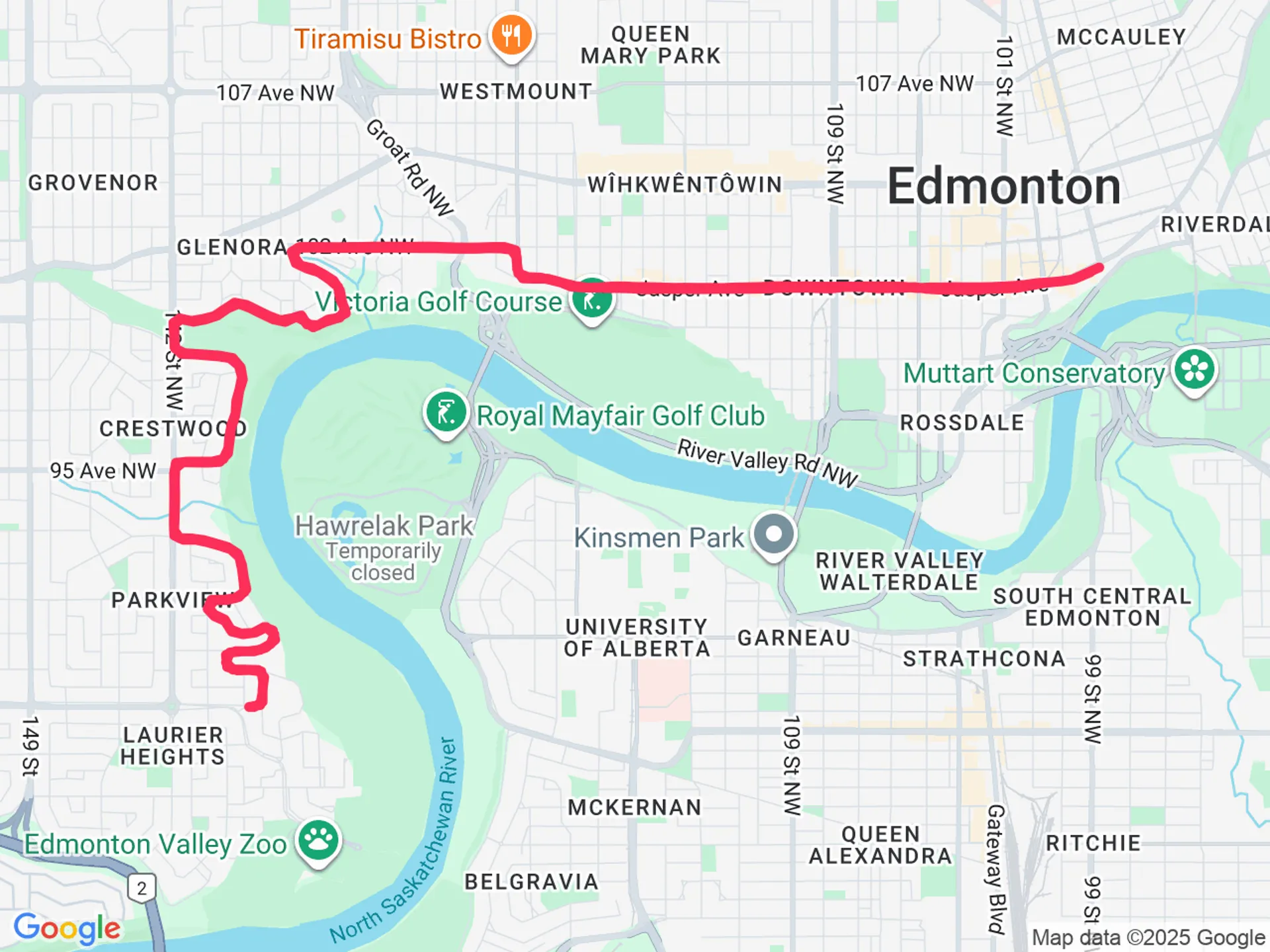
You just finished a 12-kilometre run through Mill Creek Ravine, or a hard ride out to Sherwood Park and back, and your legs feel like they belong to someone else. This is the exact moment most Edmontonians get recovery wrong. They stretch for ninety seconds, drink half a glass of water, and call it done. The best recovery methods after outdoor activities in Edmonton actually depend on the season, the intensity of what you just did, and how your body handles this city’s specific mix of dry air, cold snaps, and river valley humidity. This guide walks through every practical recovery option available in the city right now, what it costs, where to find it, and when it actually makes sense to use it.
Last reviewed:
By the end, you will know the difference between active and passive recovery, which cold plunge and sauna spots in Edmonton are worth your money, how massage and float therapy fit into a weekly routine, and how to adjust all of it once the temperature drops to -30°C or the smoke rolls in from wildfire season. This isn’t a list of generic stretches. It’s a local, practical breakdown built for people who actually train outdoors here.
What Recovery Actually Means for Edmonton’s Outdoor Athletes
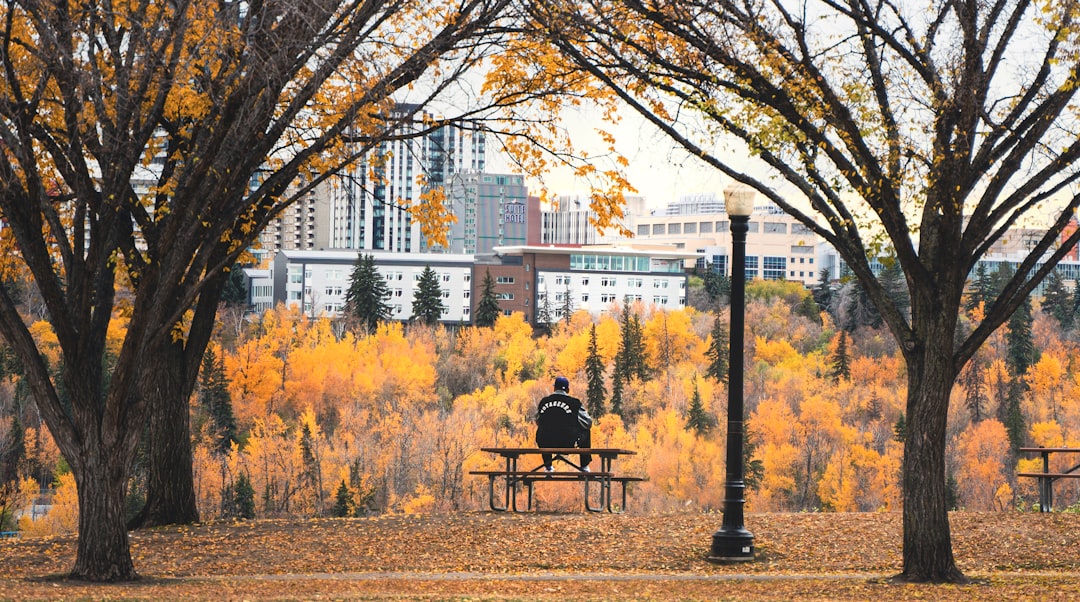
Recovery is the process your body uses to repair muscle tissue, replenish energy stores, and reset your nervous system after physical effort. It happens whether you help it along or not. The question is whether you speed it up or leave it to chance. For people running, cycling, or hiking through Edmonton’s river valley trail system, recovery needs are different than for someone training in a climate-controlled gym year-round, because outdoor conditions here add extra stress on top of the workout itself.
Why Northern Climate Changes the Recovery Equation
Cold air is dry air. When you run outside in January at -20°C, you lose more fluid through respiration than you’d expect, because your lungs have to humidify every breath before it reaches your airway. That moisture loss adds to the fluid you’re already losing through sweat, even in winter. In summer, long daylight hours mean people push training volume higher than they would elsewhere in Canada, since Edmonton gets close to 17 hours of daylight in late June. More volume means more accumulated fatigue, and more need for structured recovery instead of just winging it. Mayo Clinic’s guidance on delayed onset muscle soreness notes that soreness typically peaks 24 to 72 hours after unfamiliar or intense activity, which lines up with why a lot of Edmontonians feel fine the day after a long trail run, then can barely climb stairs two days later.
Active Recovery vs Passive Recovery
Active recovery means light movement that keeps blood flowing without adding training stress, like a slow walk along the river valley or an easy spin around Hawrelak Park. Passive recovery means letting your body rest through tools like massage, heat, cold, or sleep, without adding any movement at all. Most people need both, not one or the other. A smart weekly pattern mixes active recovery days after moderate efforts with passive recovery tools like sauna or massage reserved for after your hardest sessions. If you’re just starting to structure your training around this city’s outdoor options, the guide on how to build an outdoor fitness routine in Edmonton covers how to balance hard days and easy days before recovery tools even enter the picture.
How To Build An Outdoor Fitness Routine Edmonton covers this in more detail.
Active Recovery: Moving Just Enough to Speed Things Up
Active recovery is free, it’s local, and it’s the most underused tool in most people’s routine. The goal isn’t to burn calories or build fitness. It’s to keep blood moving through tired muscle tissue so metabolic waste clears faster than it would if you just sat on the couch.
River Valley Walks and Easy Rides
Edmonton has one of the largest connected urban park systems in North America, with more than 160 kilometres of maintained trails running through the river valley parks system. A 30 to 45 minute walk through Mill Creek Ravine, Whitemud Park, or the trails around Hawrelak Park the day after a hard run does more for stiff legs than sitting still. In summer, an easy bike ride on the shared paths from Old Strathcona down through the valley toward the Legislature grounds works the same way, at a pace where you could hold a full conversation the entire time. In winter, the same trails get packed down and are walkable in good boots, though you’ll want microspikes after a freeze-thaw cycle turns packed snow to ice.
How To Choose Between Gyms And Outdoor Fitness Edmonton covers this in more detail.
Restorative and Yin Yoga Classes
Studios across the city run restorative or yin yoga classes specifically aimed at people coming off hard training blocks, not people trying to build strength. These classes hold gentle stretches for two to five minutes at a time, which gives connective tissue more time to actually release than a quick static stretch does. Expect to pay somewhere between $18 and $25 for a drop-in class at studios in Oliver, Old Strathcona, or along 124 Street, with most offering monthly unlimited passes in the $130 to $160 range if you go more than twice a week. If you’re weighing whether a studio membership or outdoor movement makes more sense for your budget and schedule, the breakdown on choosing between gyms and outdoor fitness in Edmonton is worth a read before you commit to a package.
Cold Therapy: Cold Plunges and Cryotherapy Around the City
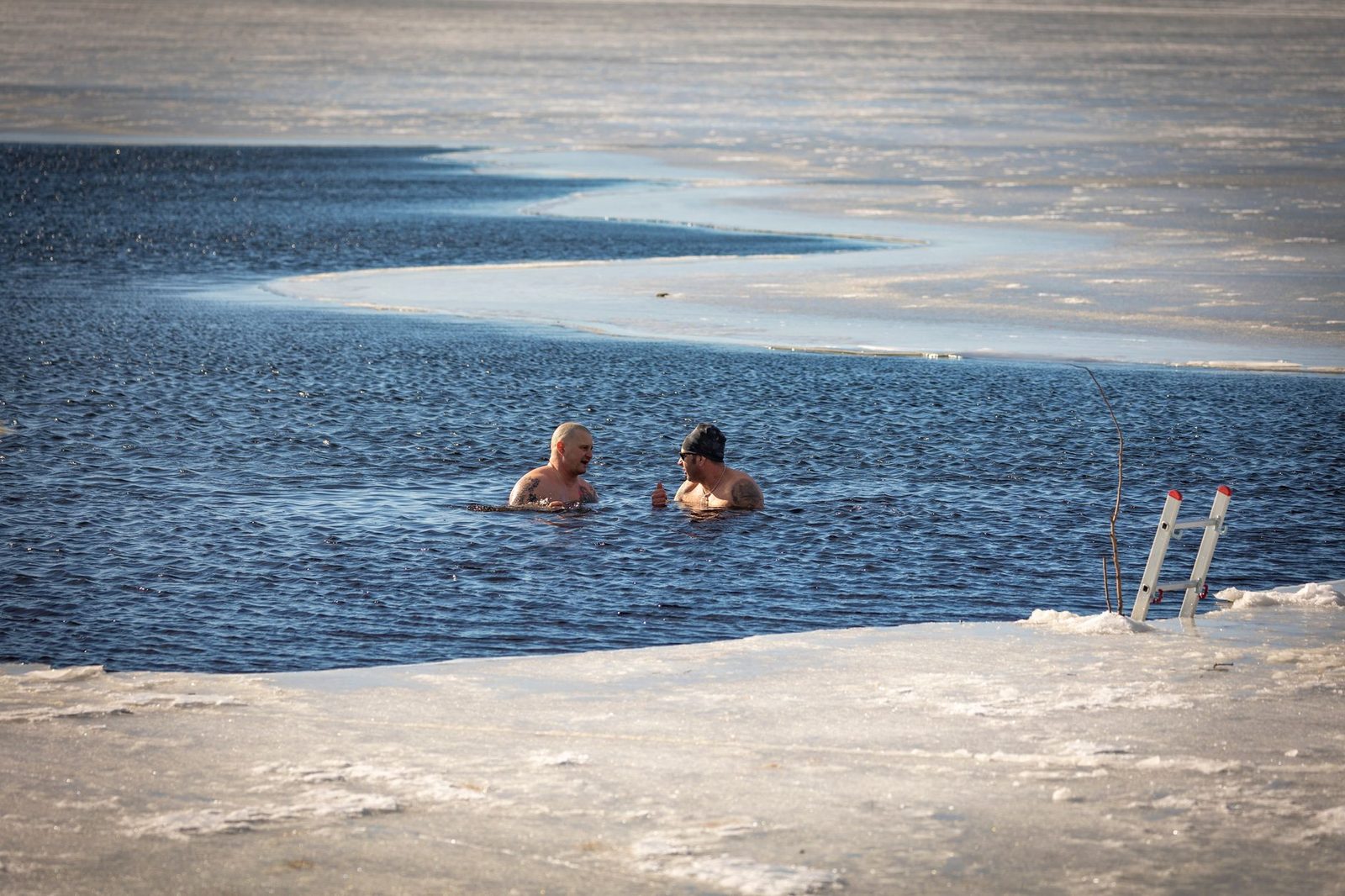
Cold exposure is probably the most talked-about recovery trend right now, and Edmonton has more options for it than most people realize. The idea is that cold constricts blood vessels, which can reduce swelling and the sensation of soreness, then blood flow rebounds once you warm back up.
Where to Try a Cold Plunge in Edmonton
Arc by Pivotal, part of the Athletic Development & Recovery Centre on 102 Avenue, runs a dedicated recovery space with cold plunge pools alongside cryotherapy and physiotherapy under one roof, aimed squarely at athletes coming off hard training. Movenetics runs a Recovery Room pairing sauna heat with cold plunge tubs in a contrast setup, and Elemental Recovery & Spa offers a similar hot-pool-to-cold-plunge combination. Expect single-session pricing in the $40 to $65 range at most of these spots, with multi-visit packages bringing the per-session cost down if you’re going weekly through a training block. None of these require a membership to try once, which makes them a reasonable way to test whether cold exposure actually helps your particular body before committing to a package.
Cryotherapy Chambers vs Cold Plunge Pools
Whole-body cryotherapy chambers use extremely cold air for a short burst, usually two to three minutes, while cold plunge pools use cold water for a longer stretch, typically five to ten minutes. Water conducts heat away from your body far faster than air does, so a cold plunge at 10°C often feels more intense than a cryotherapy chamber at negative temperatures that sound scarier on paper. Remedial Wellness in Edmonton positions cryotherapy as a clinical recovery tool for inflammation and pain management rather than a general wellness trend, which is a more honest framing than most marketing around this treatment. If you’re deciding between the two, cost is often the deciding factor: cryotherapy sessions tend to run shorter and slightly cheaper per visit than a full cold plunge and sauna circuit.
What the Research Actually Says
The evidence on cold water immersion is more mixed than the marketing suggests. A number of controlled studies reviewed on PubMed’s database of exercise recovery research show cold water immersion can reduce perceived soreness in the day or two after intense exercise, but the effect on actual muscle repair and long-term strength adaptation is less clear, and some research suggests frequent cold exposure right after strength training may blunt muscle-building gains over time. The practical takeaway for Edmonton’s outdoor crowd: cold plunges are a reasonable tool after a long endurance effort like a half marathon or century ride, when the goal is feeling better fast, but probably not something to do after every single strength session if your goal is building muscle.
Heat-Based Recovery: Saunas and Contrast Therapy
Heat therapy does the opposite of cold: it dilates blood vessels and increases circulation, which can loosen tight muscles and ease tension after a long day of movement. It also happens to be one of the more pleasant ways to deal with an Edmonton winter.
Infrared Sauna Studios Worth Booking
Wellness on Whyte, tucked into Roots on Whyte in Old Strathcona, runs infrared sauna sessions for around $45 for a 30-minute block, with extra time built in for a quick rinse afterward. Soul2Sole on 124 Street pairs infrared sauna with massage and physiotherapy services, useful if you want to book both in one trip instead of driving across town twice. Infrared saunas run cooler than traditional Finnish saunas, typically 45°C to 60°C compared to 70°C to 90°C, which makes longer sessions more tolerable for people who find a traditional steam room overwhelming. Parking is generally easy at both locations, either street parking along Whyte Avenue or the lot behind Roots on Whyte.
Contrast Therapy: Hot and Cold Together
Contrast therapy alternates hot and cold exposure, usually a few minutes in a sauna followed by a short cold plunge, repeated two or three times. The theory is that the rapid vessel constriction and dilation acts like a pump for circulation, clearing metabolic waste faster than either heat or cold alone. Movenetics and Elemental Recovery both build their recovery rooms around this exact format. A typical session runs 45 to 60 minutes and costs somewhere between $50 and $80 depending on the studio and whether you’re using a drop-in rate or a package. Winter is actually a great time to try this, since walking from a 90°C sauna into a cold plunge feels dramatically different than the same contrast in July, and Edmontonians tend to report it as more mentally bracing during the darker months when a jolt of stimulation helps with mood as much as muscle recovery.
Massage Therapy and Manual Bodywork
Massage remains the most requested recovery tool in Edmonton, and it’s one of the few options that’s often at least partially covered by extended health benefits, which matters when you’re weighing it against out-of-pocket options like float therapy or cryotherapy.
Sports Massage Clinics Near Old Strathcona and Mill Creek
Athlete’s Choice in Old Strathcona specifically markets its registered massage therapists around sports massage for muscle recovery, injury prevention, and performance, and offers free onsite parking, which is a genuine convenience in a neighbourhood where street parking near Whyte Avenue fills up fast on weekends. Alberta Momentum Massage runs a south-side clinic close to Mill Creek, convenient if your long runs already end near that part of the river valley. Expect to pay roughly $110 to $140 for a 60-minute registered massage therapy session in Edmonton, with most clinics offering direct billing to extended health plans so you’re not paying the full amount out of pocket and waiting on a reimbursement. Book sports massage 24 to 48 hours after a hard effort rather than immediately afterward, since deep tissue work on freshly stressed muscle can sometimes increase soreness rather than reduce it.
Self-Massage Tools for Between Appointments
Not every recovery day needs a clinic visit. A foam roller, a lacrosse ball, or a percussion massage gun handle the day-to-day maintenance between professional sessions. Foam rolling for 60 to 90 seconds per muscle group, focused on calves, quads, and the IT band, is enough to reduce the sensation of tightness without turning it into a second workout. Percussion guns run anywhere from $80 for a basic model to $400 for professional-grade units, and they’re a reasonable investment if you’re training outdoors year-round and can’t get to a clinic every week. None of this replaces hands-on massage therapy for chronic issues, but it fills the gap on weeks when a $120 appointment doesn’t fit the budget.
Float Therapy and Other Passive Recovery Tools
Float therapy involves lying in a shallow pool of water saturated with roughly 1,200 pounds of dissolved Epsom salts, which creates enough buoyancy that you float effortlessly on your back in complete darkness and silence. It’s more of a nervous system reset than a targeted muscle treatment, but plenty of Edmonton athletes swear by it after high-mileage weeks.
Float Spas Across the City
Float House Edmonton sits just south of Whyte Avenue on 102 Street, an easy walk from the Old Strathcona bus routes if you’d rather not drive right after a float session leaves you a little groggy. Float Zone operates out of the west end near West Edmonton Mall, convenient if you’re already out that way. Modern Gravity and Float Wellness round out the city’s options, with Float Wellness combining float therapy with massage and infrared sauna under one membership. A single 60-minute float typically runs $60 to $75, with most studios offering discounted packages if you book three or more sessions at once. The magnesium in Epsom salt is absorbed through skin in only small amounts according to most clinical reviews, so treat the relaxation benefit, not a magnesium boost, as the actual draw.
Compression Boots, Foam Rolling, and Mobility Work
Pneumatic compression boots use inflating air chambers to squeeze the legs in a wave pattern from foot to hip, mimicking the muscle pump action that normally happens when you walk. Several recovery-focused studios in Edmonton now offer standalone compression sessions for $25 to $40 for 20 to 30 minutes, often bundled into a larger recovery package alongside cold plunge or sauna time. Mobility work, meaning deliberate joint range-of-motion drills rather than static stretching, matters more than most people think for anyone logging serious kilometres on Edmonton’s trail network, since tight hips and ankles from hours of pavement or packed snow running tend to show up as knee pain before anything else does.
Nutrition, Hydration, and Sleep: The Recovery Basics Most People Skip
None of the tools above matter much if the basics are ignored. This is the section people skip past looking for something more exciting, and it’s the section that actually moves the needle most.
Refueling After Long Outdoor Efforts
Muscle glycogen stores get depleted after anything longer than 60 to 90 minutes of sustained effort, and the window to start replenishing them efficiently is within the first 30 to 60 minutes after you finish. A combination of carbohydrate and protein, roughly a 3-to-1 or 4-to-1 ratio, works better than either alone. That can be as simple as chocolate milk and a banana, or a proper meal if you’re heading home right after a long trail session. It doesn’t need to be complicated or expensive, and it doesn’t need to come from a supplement aisle.
Hydration in Edmonton’s Dry Climate
Edmonton’s average relative humidity drops well below 50 percent for long stretches of winter, and even summer air here is drier than coastal Canadian cities. That means fluid losses through breathing and skin are higher than most people account for, on top of sweat losses during actual exercise. Health Canada’s guidance on daily fluid intake puts baseline needs at roughly 2.7 litres a day for women and 3.7 litres for men from all sources including food, and outdoor activity pushes that number higher. A practical rule for Edmonton: drink enough that your urine runs pale yellow by the end of the day, and add electrolytes on any outdoor session longer than 90 minutes, especially in summer heat or dry winter cold.
Sleep Debt and Recovery
Growth hormone release, the hormone most responsible for tissue repair, peaks during deep sleep in the first half of the night. Cutting sleep short after a hard training day doesn’t just make you tired, it directly limits how much repair happens overnight. Seven to nine hours is the standard target for most adults, and outdoor athletes logging high mileage should aim for the higher end of that range rather than the lower one, particularly during peak summer training blocks when long daylight hours tempt people into early morning sessions on too little rest.
Building a Recovery Routine by Season
Recovery in Edmonton isn’t a fixed routine you set once and repeat all year. What works after a July trail run doesn’t necessarily work after a February one, and building a plan around Edmonton’s actual seasonal swings is covered in more depth in the guide to fitness and outdoor movement in Edmonton, but here’s the short version.
Winter Recovery Adjustments
Cold outdoor training already stresses your body before you even add a recovery tool on top of it. In deep winter, lean toward heat-based recovery like sauna or contrast therapy over standalone cold plunges, since your body has already spent the workout fighting to stay warm. Active recovery walks still work in winter, but keep them shorter, 20 to 30 minutes rather than 45, since cold exposure on already-fatigued muscles adds unnecessary stress. This is also the season to prioritize sleep and indoor mobility work, since daylight is short and outdoor active recovery options are more limited.
Smoke Season and Summer Adjustments
Wildfire smoke has become a predictable feature of Edmonton summers, and on days when the Alberta Health Services air quality health index reads high, outdoor active recovery like a river valley walk should move indoors instead. A full breakdown of exactly why smoke hits outdoor training so hard is covered in the piece on why smoke season affects outdoor fitness in Edmonton, but the short version for recovery purposes is this: skip the outdoor walk, take a studio yoga class or a sauna session instead, and save your cold plunge or float session for a smoke-free day since heavy breathing in an outdoor cold plunge area on a bad air day defeats the purpose. Spring and early summer, by contrast, are the easiest season for recovery, with long daylight hours supporting easy evening walks and patio-adjacent stretching, a good time to reset your whole routine using the spring outdoor activities checklist as a starting point.
| Recovery Method | Typical Cost | Best Season | Best After |
|---|---|---|---|
| River valley walk or easy ride | Free | Spring through fall | Moderate runs, rides |
| Restorative yoga class | $18 to $25 drop-in | Year-round | High-mileage weeks |
| Cold plunge or cryotherapy | $40 to $65 per session | Summer, shoulder seasons | Long endurance efforts |
| Infrared sauna | $45 per 30 minutes | Winter | Cold-weather training |
| Sports massage | $110 to $140 per hour | Year-round | Chronic tightness, injury prevention |
| Float therapy | $60 to $75 per session | Year-round, especially winter | Mental fatigue, nervous system reset |
| Compression boots | $25 to $40 per session | Year-round | Heavy leg days, race recovery |
Sources & References
Find Trusted Wellness Spots in Edmonton
Browse our independent guide to Edmonton’s spas, fitness studios, and wellness services. Local. Honest. Free.
Related Reading
Frequently Asked Questions
How soon after a run or ride should I start recovery?
Start refueling with carbohydrate and protein within 30 to 60 minutes of finishing, since that’s when your muscles absorb glycogen most efficiently. Save deeper interventions like massage or a cold plunge for later that day or the next, since jumping straight into intense cold exposure right after a hard effort can interfere with the natural inflammation process your body needs to start repairing tissue.
Are cold plunges actually worth it for casual runners?
For a casual runner doing 20 to 30 kilometres a week, cold plunges are a nice-to-have rather than a necessity. They’re most useful after unusually long or hard efforts, like a first half marathon, where reducing perceived soreness quickly matters more than optimizing long-term strength gains. A $45 infrared sauna session or a simple river valley walk does nearly as much good for far less cost if your training load is moderate.
What’s the cheapest effective recovery option in Edmonton?
An easy walk through Mill Creek Ravine or Whitemud Park costs nothing and does more for stiff legs than most people expect. Pair it with proper hydration and 7 to 9 hours of sleep, and you’ve covered the three factors that matter most, all without spending a dollar on a studio or clinic.
Should I do sauna or cold plunge first in a contrast session?
Most Edmonton recovery studios like Movenetics and Elemental Recovery start with heat, typically 8 to 10 minutes in a sauna, then move to a shorter 1 to 3 minute cold plunge, repeating the cycle two or three times, always finishing on cold. That sequence maximizes the circulation-boosting effect of alternating vessel constriction and dilation without leaving you overheated at the end of the session.
Does massage therapy get covered by insurance in Edmonton?
Most extended health benefit plans in Alberta cover registered massage therapy, often with an annual limit somewhere between $300 and $1,000 depending on the plan. Clinics like Athlete’s Choice in Old Strathcona and Alberta Momentum Massage near Mill Creek offer direct billing, so you typically only pay the difference at the time of your appointment rather than submitting a claim yourself.