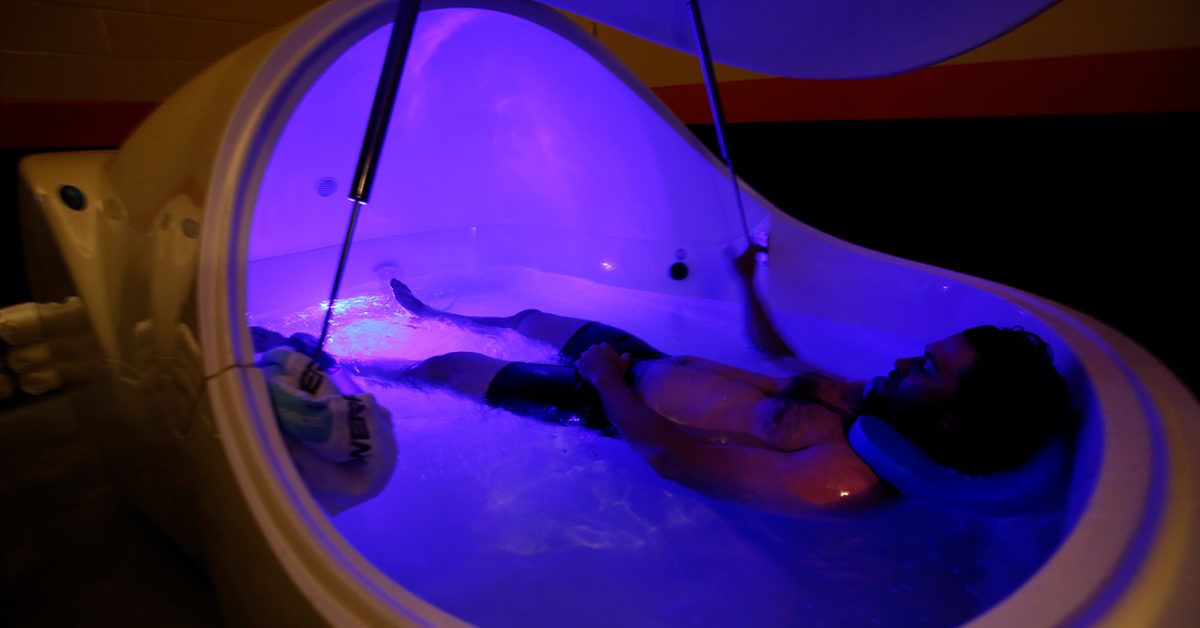
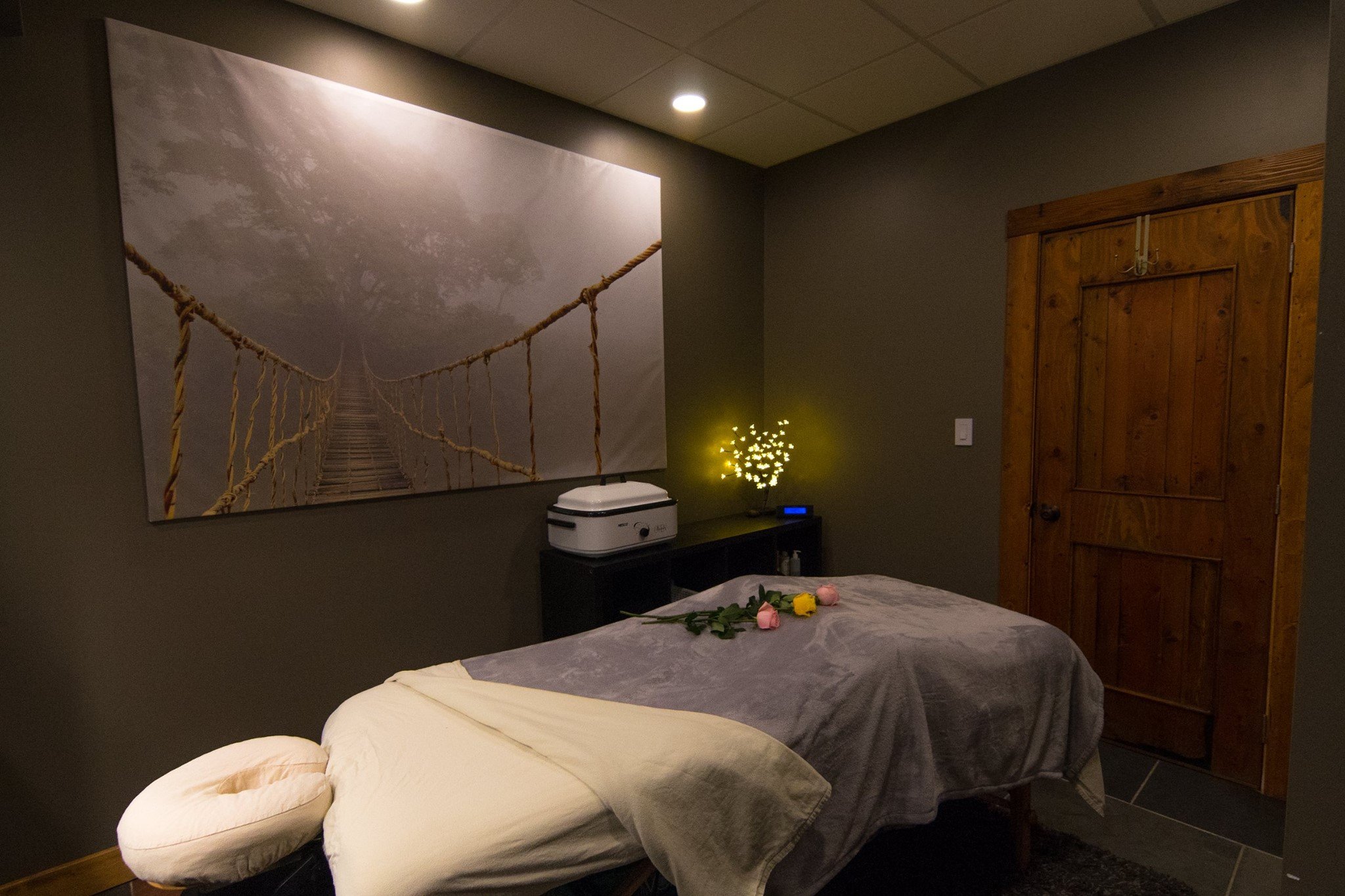
Edmonton winters run five to six months long, and by January most of us are running on short daylight and low body temperature most of the day. That combination is exactly why sauna use has become one of the most practical winter wellness tools available in this city. Done right, a regular sauna habit can ease joint stiffness from the cold, help you sleep better through the darkest months, and give you a reason to leave the house when it is minus 25 outside. This guide walks through the best sauna practices for winter wellness Edmonton residents actually use, from how often to go and how long to stay in, to where to find a sauna in every part of the city and what mistakes to avoid when the mercury drops.
Last reviewed:
What Sauna Actually Does for Your Body in an Edmonton Winter
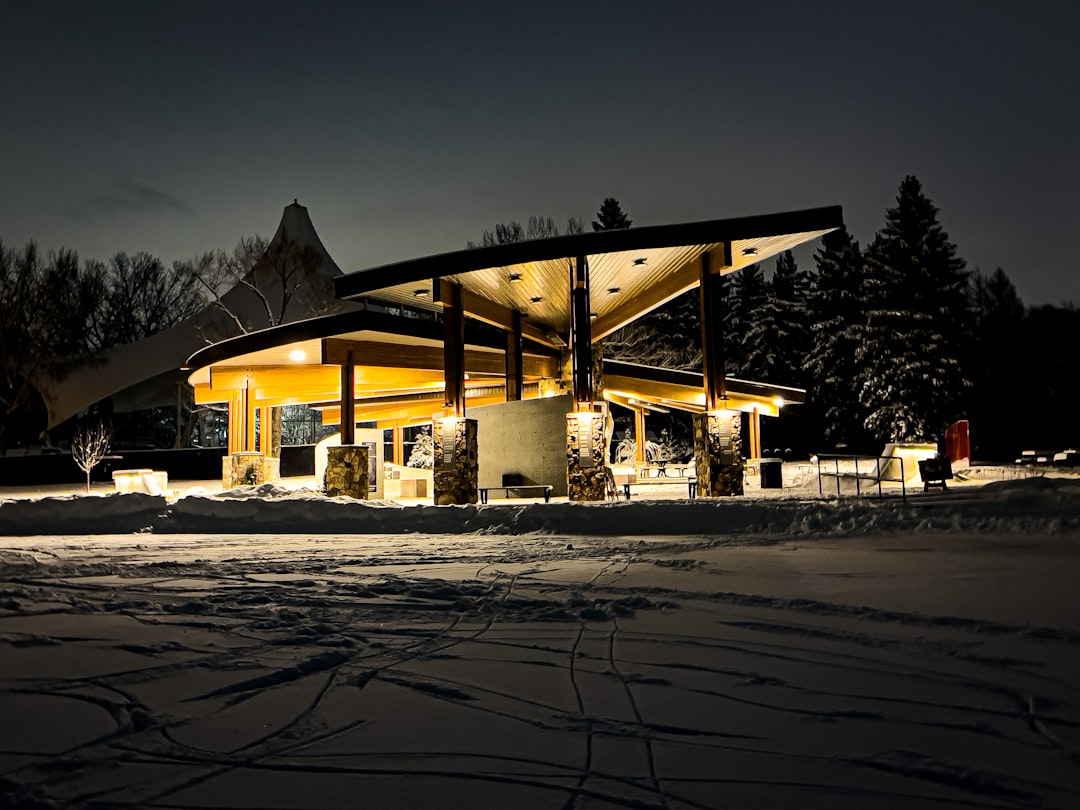
Before getting into routines and venues, it helps to know what is actually happening physiologically. Heat exposure raises your core temperature, dilates blood vessels, and increases heart rate in a way that mimics moderate cardiovascular exercise. That matters more in winter, when outdoor activity naturally drops and a lot of Edmontonians spend weeks at a time without breaking a sweat.
The Science of Heat Exposure and Cold Adaptation
A typical sauna session pushes your skin temperature up several degrees and can raise heart rate to 100-150 beats per minute, similar to a brisk walk or light jog. Research on regular Finnish-style sauna users, including a long-running cohort study published through NIH’s PubMed database, has linked frequent sauna bathing with lower rates of cardiovascular events. That is not a guarantee of results for everyone, but it is a strong reason sauna has stuck around as a winter habit rather than a passing trend.
Why Winter Is the Best Season to Start a Sauna Habit
Cold exposure and heat exposure are two sides of the same coin. When you step from a 80-90°C sauna room into a -25°C parking lot, your body runs through a full vasodilation-to-vasoconstriction cycle in under a minute. Edmontonians get this contrast for free just by walking to their car in January, which is part of why local sauna users report faster recovery from the “always cold” feeling that sets in by December. It is also simply easier to build a habit when the alternative is another grey, short day. Pair a sauna session with the ideas in our winter wellness checklist for Edmonton and you have a routine that actually holds up through February.
Traditional Finnish vs Infrared: What’s Different
Traditional Finnish saunas run hot, usually 70-100°C, with low humidity and the option to add water to the rocks for a burst of steam (löyly). Infrared saunas run cooler, typically 45-60°C, and heat the body directly rather than the air, which some people find easier to tolerate for longer sessions. Edmonton recreation centres and most hotel spas run traditional dry saunas. Private recovery studios around Whyte Avenue and 124 Street are more likely to offer infrared cabins alongside cold plunge tubs. Neither type is objectively better. Traditional saunas deliver a faster, more intense heat load in a shorter window, while infrared suits people who want a longer, gentler session or who find very high heat uncomfortable.
How To Maintain Wellness Habits During Edmonton Winter Darkness covers this in more detail.
How to Build a Weekly Sauna Routine for Winter Wellness
A sauna habit only works if it fits your week. Edmonton’s cold snaps and short daylight hours make consistency harder than it sounds, so the routine has to be realistic, not aspirational.
Step 1: Set Your Frequency and Session Length
For most healthy adults, two to four sessions per week is the sweet spot for winter wellness benefits without overtaxing the body. Each session should run 10-20 minutes per round, with beginners starting at the shorter end. If you are new to sauna, start with a single 10-minute round twice a week for your first two weeks, then build to three rounds of 12-15 minutes as your tolerance improves. Trying to do 30-minute sessions in week one is the most common reason people quit after a bad experience.
Edmonton Spring Allergies Wellness Guide For Seasonal Relief covers this in more detail.
- Beginner: 2 sessions/week, 1-2 rounds of 8-10 minutes
- Intermediate: 3 sessions/week, 2-3 rounds of 12-15 minutes
- Experienced: 3-4 sessions/week, 3 rounds of 15-20 minutes
Step 2: Time Your Sessions Around Your Day
Evening sessions, roughly two to three hours before bed, tend to work best for sleep because the drop in core body temperature after you leave the heat mimics the natural temperature dip that triggers sleep onset. Morning sessions work well before a workday if you need an energy boost during the darkest stretch of winter, since the heat exposure raises alertness similarly to a hard workout. Avoid sauna within an hour of a heavy meal. Digestion pulls blood flow to your gut, and combining that with heat stress can leave you lightheaded.
Step 3: Track Your Progress Through the Season
Keep it simple. A notes app entry with date, duration, and how you felt afterward is enough. By late February you will have a clear pattern of which days and times actually get used versus which ones you keep skipping. Adjust the plan to match reality rather than forcing a schedule that is not working. This same tracking habit pairs well with the approach outlined in our guide to maintaining wellness habits during Edmonton’s winter darkness, where consistency matters more than intensity.
Best Sauna Practices for Winter Wellness Edmonton Residents Use Inside the Room
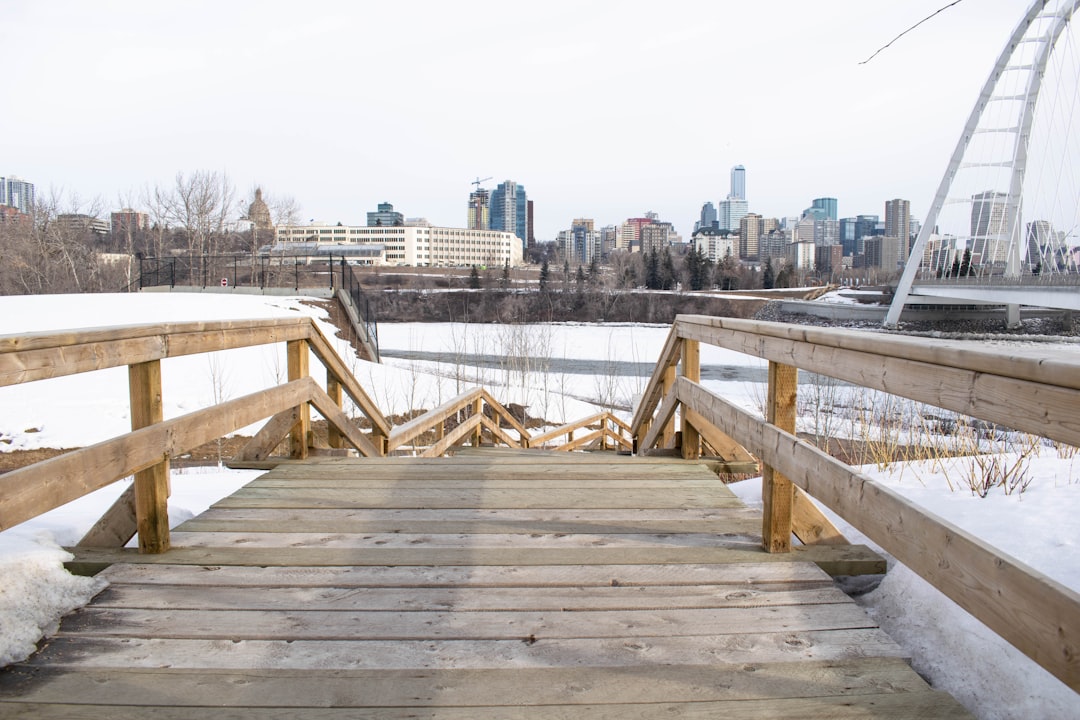
Once you are in the sauna, a few habits separate a session that leaves you refreshed from one that leaves you dizzy in the change room.
Pre-Sauna Prep: Hydration and Food Timing
Drink 500 mL of water in the hour before your session. You will lose fluid through sweat, and starting dehydrated is the fastest route to a headache. Health Canada’s hydration guidance recommends adults get roughly 2.5-3.5 litres of total fluids daily, and sauna days should sit at the higher end of that range. Eat a light meal or snack one to two hours beforehand rather than sauna-ing on a completely empty stomach or right after a big dinner.
Inside the Sauna: Temperature, Position, and Rounds
Sit or lie on the upper bench where the heat is strongest if you want a more intense session, or stay lower if you are still building tolerance, since heat rises and the temperature difference between the top and bottom bench can be 15-20°C. Breathe through your nose if the air feels sharp. Three rounds with cool-down breaks in between is the standard structure at most Edmonton facilities, and it gives your body time to reset between heat exposures rather than accumulating stress in one long sitting.
The Cool-Down: Why It Matters as Much as the Heat
The cool-down phase is not an afterthought. It is half the practice. Step out, let your heart rate settle for 5-10 minutes, and drink water before going back in for another round. In a Finnish-style setup, some Edmontonians alternate with a cold shower or a short walk in the changeroom rather than heading straight back into the heat. This contrast is what drives a lot of the circulation benefits associated with sauna use, and it is worth doing properly rather than rushing to round two.
Where to Sauna in Edmonton: A Neighborhood Guide
Edmonton has more sauna access than people realize once you look past the big-name spas. Here is a realistic map of where to find one, organized by area.
Downtown, Oliver, and Jasper Ave
Several downtown hotel spas and fitness clubs include dry saunas as part of gym membership, typically running $60-120 per month for full access. Underground parking is the norm downtown, expect $10-18 for a couple of hours, though a few Oliver locations offer free surface lots. LRT access along Jasper Avenue makes this the easiest zone if you do not want to drive in winter conditions.
Whyte Avenue and Old Strathcona
you will find most of the private recovery studios offering both traditional and infrared saunas alongside cold plunge tubs, usually priced $30-45 per drop-in session or $150-220 per month for unlimited access. Street parking near Whyte Avenue gets tight on weekend evenings, so look for a lot off the main strip or take the bus if you are coming from south Edmonton or the University of Alberta area.
Windermere, Sherwood Park, and Suburban Recreation Centres
City-run recreation centres are the best value in town. Several Edmonton community recreation centres include a sauna or steam room as part of general admission, which runs roughly $10-15 per visit or is included in a recreation pass, according to City of Edmonton recreation facility listings. Availability and amenities change, so confirm sauna hours before you drive out, especially during maintenance closures in shoulder seasons. Sherwood Park’s Millennium Place offers a similar setup for anyone east of the city limits, with free surface parking.
| Area | Typical Price | Sauna Type | Parking/Transit |
|---|---|---|---|
| Downtown/Oliver | $60-120/month (club access) | Traditional | Paid underground, LRT nearby |
| Whyte Ave/Old Strathcona | $30-45 drop-in, $150-220/month | Infrared and traditional | Street parking limited, bus routes strong |
| City recreation centres | $10-15/visit | Traditional/steam | Free surface lots |
| Sherwood Park/Windermere | $10-15/visit | Traditional | Free surface lots |
Safety Rules Every Edmonton Sauna-Goer Should Know
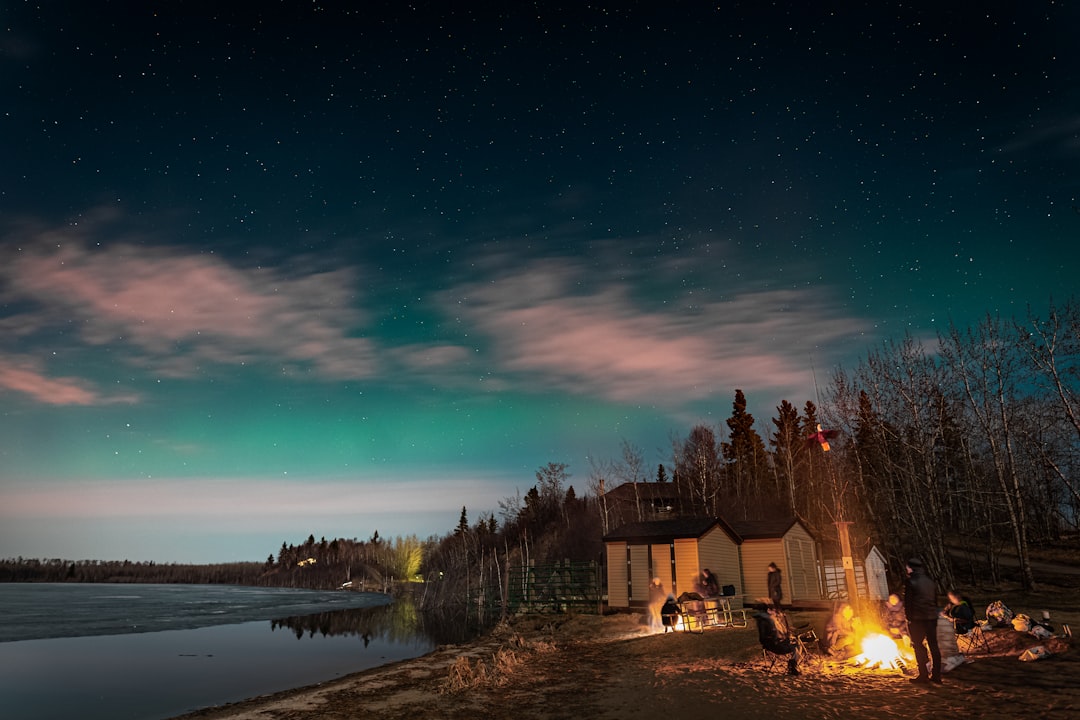
Sauna is low-risk for most healthy adults, but winter conditions in Edmonton add a few local wrinkles worth planning around.
Who Should Check With a Doctor First
Pregnant people, anyone with uncontrolled high or low blood pressure, and people with certain heart conditions should talk to a doctor before starting sauna use. Mayo Clinic’s guidance on sauna use and heart health notes that while sauna is generally safe for most people, those with recent cardiac events or unstable blood pressure need individualized advice before adding heat exposure to their routine.
Alcohol, Hydration, and the Walk to Your Car
Never combine sauna with alcohol. Both dehydrate you and both lower blood pressure, and the combination has been linked to fainting and worse outcomes in cold climates specifically because of what happens next: stepping outside into deep cold while lightheaded. Alberta Health Services’ cold weather safety information is worth a read every winter, since going from a hot sauna into a -30°C parking lot with wet hair or damp clothing is a fast way to develop frostbite on exposed skin within minutes. Dry off completely and dress in real layers, including a hat, before you leave the building.
Recognizing Overheating Signs
Dizziness, nausea, a pounding headache, or seeing spots means it is time to leave the sauna immediately, not push through one more minute. Exit, sit down, and drink water. These symptoms usually resolve within 10-15 minutes once you cool down, but if they do not, treat it as a medical issue and get help. This is also where our guide on the Edmonton health and wellness resource page can point you toward other local recovery options if sauna turns out not to be the right fit for your body.
Pairing Sauna With Other Winter Recovery Practices
Sauna works well on its own, but a lot of Edmontonians build it into a broader winter recovery stack.
Sauna and Cold Plunge Contrast Therapy
Alternating three minutes of heat with 30-60 seconds of cold water, whether that is a cold plunge tub, a cold shower, or simply stepping outside briefly in appropriate footwear, is one of the most popular combinations at Old Strathcona recovery studios. Two to three rounds of contrast is typical. It is more intense than sauna alone, so build up your straight sauna tolerance first before adding the cold side.
Sauna Before or After a Workout
Sauna after a workout, once your heart rate has come back down, supports muscle recovery and can ease the stiffness that comes from training in cold, dry indoor air during winter. Sauna before a workout is less common because it can leave you dehydrated and fatigued right when you need energy. If your gym is on the way to a River Valley trail run in the shoulder seasons, save the sauna for the return trip.
Building Sauna Into a Full Winter Wellness Routine
Sauna is one piece of a bigger winter puzzle that includes light exposure, movement, and getting outside when the weather actually allows it. If you want a getaway version of the same heat-and-cold principle, our roundup of the best hot springs near Edmonton for winter wellness escapes covers weekend trip options within a few hours of the city. For the daily version, a consistent sauna schedule paired with a short outdoor walk during daylight hours does more for winter mood than either habit alone.
Common Mistakes That Ruin Winter Sauna Sessions
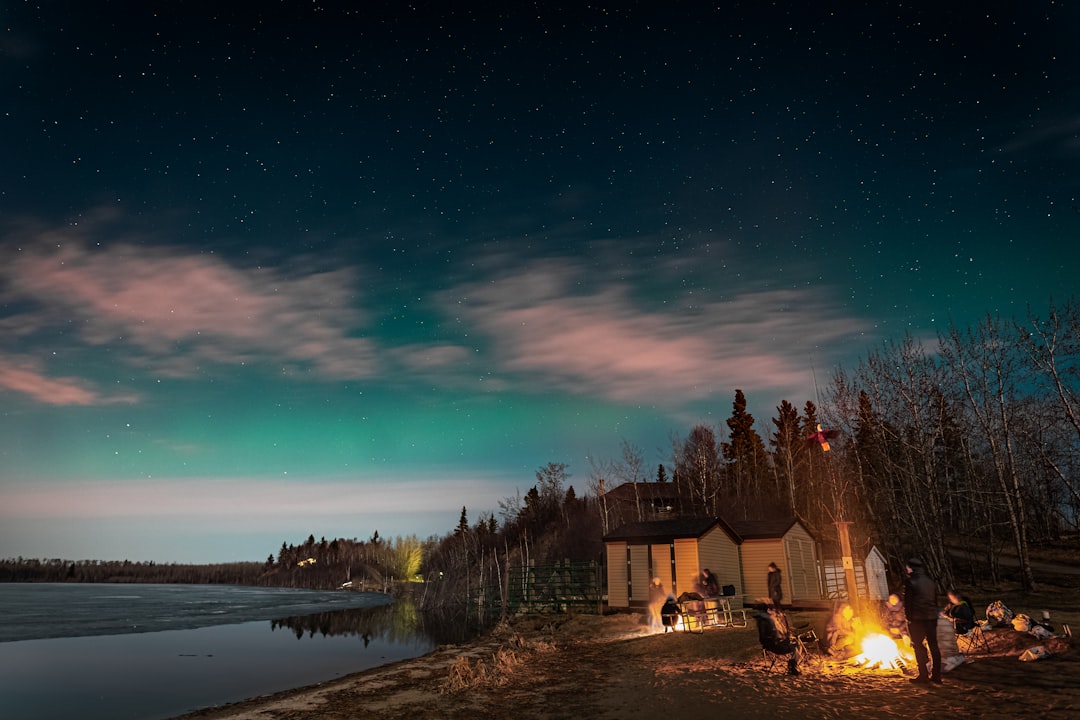
Most bad sauna experiences in Edmonton trace back to one of three avoidable mistakes.
Overdoing It in the Coldest Months
January enthusiasm leads people to book five sessions a week right out of the gate. That is too much too soon for almost everyone, and it usually ends with a skipped week rather than a sustained habit. Build up gradually using the beginner-to-experienced progression outlined earlier in this guide.
Skipping the Layers for the Parking Lot Walk
Rushing out in a t-shirt because you are still warm from the sauna is a common local mistake. That warmth fades fast at -25°C, and wet hair freezes within a couple of minutes of exposure. Dry off, put on your coat, hat, and gloves, every single time, even if it feels unnecessary for a 90-second walk to the car.
Treating Sauna as a Replacement for Other Seasonal Care
Sauna helps, but it is not a cure-all for every winter health concern, and it will not fix a vitamin D deficiency or replace a proper light therapy routine on its own. It also is not a year-round substitute for outdoor time. Once spring arrives, many people should shift focus toward things like our spring allergies wellness guide for seasonal relief as pollen becomes the bigger issue and sauna sessions naturally taper off in favor of outdoor activity.
Sources & References
Find Trusted Wellness Spots in Edmonton
Browse our independent guide to Edmonton’s spas, fitness studios, and wellness services. Local. Honest. Free.
Related Reading
Frequently Asked Questions
How often should I sauna during an Edmonton winter?
Two to four sessions per week works for most healthy adults, with each session running 10-20 minutes per round across two to three rounds. Start at the lower end in your first two weeks and increase gradually as your tolerance builds.
Is it safe to sauna every day in winter?
Daily sauna use is common in Finland and can be safe for healthy adults, but most Edmontonians do better with rest days built in, especially early on. Watch for signs of overdoing it, like persistent fatigue or trouble sleeping, and scale back to three or four sessions a week if that happens.
What should I wear in an Edmonton public sauna?
Most City of Edmonton recreation centres require a swimsuit in shared sauna and steam areas, while private single-use infrared cabins around Whyte Avenue often allow a towel setup instead. Bring a towel to sit on regardless of the venue, since it is both more comfortable and more hygienic.
Can sauna help with seasonal affective disorder in Edmonton?
Sauna is not a clinical treatment for seasonal affective disorder, but the heat exposure, routine, and time away from screens can support mood alongside proven approaches like light therapy and regular daylight exposure. Pair it with the strategies in our guide on maintaining wellness habits during Edmonton’s winter darkness rather than relying on sauna alone.
How much does a sauna membership cost in Edmonton?
City recreation centre access with sauna included runs about $10-15 per visit or is bundled into a broader recreation pass. Private recovery studios near Whyte Avenue and downtown fitness clubs typically charge $30-45 per drop-in or $150-220 per month for unlimited sessions.
Should beginners try traditional or infrared sauna first?
Infrared is usually easier for first-timers since it runs cooler, around 45-60°C, and allows for longer, gentler sessions. Traditional Finnish-style sauna at 70-100°C delivers a more intense heat load faster, so it suits people who already have some tolerance built up or who want a shorter, more efficient session.