Can acupuncture help with chronic pain? Edmonton clinics get this question daily, usually from someone who has already tried physio, painkillers, and a heating pad through another -30°C February. The short answer is yes, for a meaningful number of people, though not for everyone and not as a stand-alone fix. This guide walks through what the research actually shows, which conditions respond best, what a first visit looks like, what it costs across Edmonton neighborhoods, and how to tell a well-run clinic from one you should skip. By the end you will know whether it is worth booking, what to ask before you do, and how acupuncture fits alongside the other recovery tools already available in this city.
Last reviewed:
What Acupuncture Actually Does for Chronic Pain

Acupuncture involves inserting thin, sterile needles into specific points on the body. In traditional Chinese medicine, the explanation is about restoring flow along energy channels called meridians. In a Western physiology lab, the explanation looks different, and it is the version most Edmonton clinics now lead with when they talk to new patients.
The Neuromodulation Explanation
Needle insertion triggers small, localized tissue trauma. That prompts the release of endorphins, activates A-delta nerve fibers, and appears to change how the spinal cord and brain process pain signals. Research summarized by the National Institutes of Health’s PubMed Central archive points to measurable changes in blood flow and neurotransmitter activity following treatment, which is a more testable claim than “energy flow” and one reason acupuncture has moved into mainstream pain clinics rather than staying on the fringe.
What the Research Actually Shows
The evidence is strongest, not universal. Mayo Clinic’s overview of acupuncture notes it can be effective for chronic low back pain, neck pain, osteoarthritis of the knee, and tension headaches, with effect sizes that are modest but real compared to sham treatment. That last point matters. Some of the benefit in any given patient is likely a placebo response, and researchers have had a hard time separating true needle effect from the ritual of a 45-minute quiet appointment with a practitioner’s full attention. Either way, patients report less pain and better function, and for chronic pain that has resisted other treatment, that is worth something.
Conditions With the Strongest Track Record
Lower back pain has the largest body of research behind it. Knee osteoarthritis, migraines, and tension-type headaches follow close behind. Fibromyalgia and neuropathic pain show more mixed results, meaning some patients respond well and others see little change. Acute injury, in contrast, usually responds faster to conventional treatment first, with acupuncture added later once the initial inflammation has settled.
Who Chronic Pain Acupuncture Actually Helps in Edmonton
Edmonton’s population skews toward physically active people dealing with the wear and tear of long winters, icy sidewalks, and a lot of desk work between shifts outdoors. That combination shows up in local acupuncture caseloads.
The Most Common Local Cases
- Low back pain from shoveling, slipping on ice, or years at a desk near Jasper Ave or downtown office towers
- Knee and hip osteoarthritis in people over 50 who kept running the River Valley trails through their 30s and 40s
- Tension headaches and migraines, often worse during the darkest stretch of winter
- Shoulder and neck pain tied to hockey, curling, or repetitive strain from trades work
- Fibromyalgia-type widespread pain, where results vary more person to person
Who Should Be Cautious
Acupuncture is not a good first step for a new or undiagnosed pain. If you fell on the ice outside a Whyte Avenue bar last week and your knee is swollen, see a doctor or physio first to rule out a structural injury. People on blood thinners, pregnant patients, and anyone with a pacemaker need to flag that at intake, since needle placement changes around those conditions. A reputable Edmonton clinic will ask about this before your first treatment, not after.
Combining Acupuncture With Other Treatment
Acupuncture rarely works best alone for chronic pain. Most Edmonton practitioners will ask whether you are also seeing a physiotherapist or getting regular bodywork, and for good reason. Manual therapy addresses different mechanisms than needling does. If you are weighing your options, it is worth reading a breakdown of whether massage therapy can help with chronic pain relief before deciding which modality to start with, since some people get more mileage from one than the other, and some need both running in parallel.
What to Expect at an Edmonton Acupuncture Clinic

Walking into your first appointment without knowing what happens is the biggest reason people put it off for years. Here is the realistic version.
The First Visit
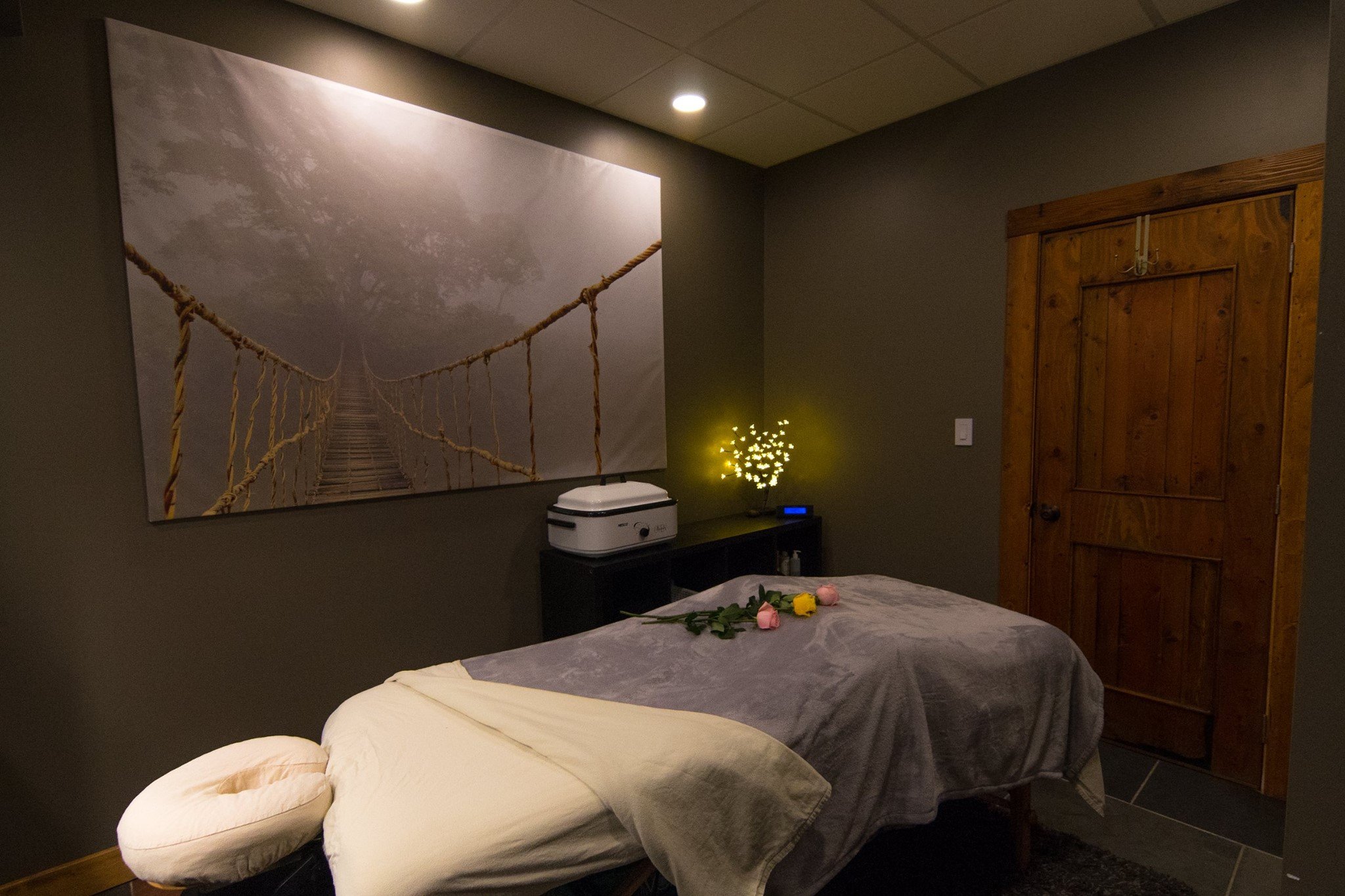
Expect 60 to 75 minutes for an initial consultation. A licensed practitioner will ask about your pain history, medications, sleep, stress levels, and any prior imaging or diagnoses. Then comes a physical assessment specific to your complaint, followed by the first treatment, usually 20 to 30 minutes with needles in place. Most clinics dim the lights and leave you alone in the room, which catches some first-timers off guard. That quiet stretch is part of the treatment, not an oversight.
What the Needles Actually Feel Like
Acupuncture needles are hair-thin, nothing like the needle used for a flu shot. Most people feel a brief pinch on insertion, then a dull ache, heaviness, or tingling around the point once it is in. That sensation is called “de qi” in traditional theory, and practitioners often take it as a sign the point is activated. It should not be sharp or lingering pain. If something feels wrong, say so immediately. Needles get removed just as quickly as they go in.
How Many Sessions Before You Know It Is Working
Most Edmonton clinics recommend a trial of 6 to 8 weekly sessions before deciding whether it is helping. Chronic pain rarely resolves after one visit, and judging the treatment on session one is a common reason people give up too early. A reasonable check-in point is after session 4. If you have seen zero change in pain or function by then, it is a fair conversation to have with your practitioner about whether to continue, adjust the approach, or try something else. For a wider comparison of what is available locally, the guide to the best acupuncture clinics in Edmonton by neighborhood breaks down options by area so you are not driving across the city for every appointment.
What Acupuncture Costs in Edmonton
Pricing is fairly consistent across the city, with small variations by neighborhood and practitioner experience.
Typical Per-Session Pricing
| Service | Typical Price Range | Notes |
|---|---|---|
| Initial consultation and first treatment | $90 to $130 | Longer appointment, includes full intake |
| Follow-up treatment (30 to 45 min) | $65 to $95 | Standard rate at most clinics |
| Combined acupuncture and cupping or TCM massage | $95 to $140 | Common add-on for muscular pain |
| Package of 6 to 10 sessions | 10 to 15 percent discount | Offered by most multi-practitioner clinics |
Insurance and Extended Health Coverage
Most extended health plans in Alberta cover acupuncture when it is performed by a practitioner registered with the College of Acupuncturists of Alberta, which regulates the profession provincially. Coverage typically ranges from $300 to $750 per year depending on the plan, and many clinics direct-bill so you are not paying out of pocket and waiting on reimbursement. Alberta’s public health system, through Alberta Health Services, does not generally cover acupuncture outside of specific hospital-based pain programs, so most patients are relying on workplace benefits or paying directly.
Package Deals Versus Pay-As-You-Go
If you are trying acupuncture for the first time, book single sessions rather than a prepaid package. Commit to a package only after your 4 to 6 session trial shows real improvement. Clinics that pressure new patients into a 20-session prepaid bundle before a single treatment are a warning sign, not a good deal.
Choosing a Clinic by Edmonton Neighborhood

Where you book matters more than most people expect, mostly because of parking and how often you will realistically show up for weekly appointments.
Downtown, Oliver, and 124 Street
Clinics in this corridor tend to serve office workers who can walk over on a lunch break. The trade-off is downtown parking, which runs $3 to $6 an hour at meters or $15 to $20 a day in a lot near Jasper Ave. 124 Street clinics usually have easier street parking and a more relaxed, boutique feel, which suits people who want a slower appointment rather than a lunch-hour rush.
Whyte Avenue and Old Strathcona
This area has a dense cluster of wellness practitioners near the University of Alberta, which means good transit access on the LRT and bus routes, but weekend parking gets tight during Farmers’ Market hours and Fringe Festival season. Students and university staff make up a big share of the clientele here, and some clinics offer discounted student rates worth asking about directly.
South Side, Windermere, and Sherwood Park
Suburban clinics in Windermere and Sherwood Park almost always have free surface parking, which matters a lot in January when you do not want to feed a meter at -25°C. These clinics tend to run slightly later hours to catch commuters heading home, and they are a practical choice if you already live south or east of the river and do not want to fight downtown traffic twice a week for a course of treatment.
Building Acupuncture Into a Winter Pain Management Routine
Edmonton winters are not gentle on chronic pain. Cold weather tightens muscles, reduces circulation to joints, and keeps people indoors and less active, all of which can worsen arthritis and back pain between November and March.
Why Pain Often Flares in Winter
Barometric pressure drops before snowstorms are a documented trigger for joint pain in arthritis patients, and reduced outdoor activity through the darkest months means muscles supporting an already-injured area get weaker rather than stronger. Add reduced daylight and its effect on mood, and winter becomes the season when chronic pain and low mood often show up together. If pain is compounding with symptoms of seasonal depression, it is worth also looking at the list of mental health clinics in Edmonton, since treating the mood component often makes the physical pain more manageable too.
Pairing Acupuncture With a Broader Recovery Routine
Acupuncture works best as one piece of a weekly routine rather than a once-a-month emergency visit. Some Edmonton patients pair a biweekly acupuncture session with a monthly massage and a weekly stretching or mobility class. If you are not sure how to structure that without burning out your schedule or your budget, the guide on how to build a weekly recovery routine with Edmonton spas lays out a realistic weekly cadence that does not require daily appointments to see results.
When Acupuncture Alone Is Not Enough
If pain persists despite 8 to 10 sessions with no change, that is the point to loop in a physiotherapist or your family doctor for a broader look at the problem. Edmonton has a range of recovery options combining massage, physio, and stretching under one roof, which can be a more efficient stop than bouncing between separate clinics across the city. Chronic pain that does not respond to any single modality often needs a combined approach, and that is a normal outcome, not a failure of any one treatment.
How to Vet an Edmonton Acupuncture Clinic Before Booking

Not every clinic advertising acupuncture is staffed by a fully licensed practitioner, and the difference matters for both safety and results.
Credentials Worth Checking
- Registration with the College of Acupuncturists of Alberta, searchable on their public registry
- Whether the practitioner is a Registered Acupuncturist (R.Ac) or holds additional Traditional Chinese Medicine Practitioner (TCMP) credentials
- Years in practice and whether they specialize in pain versus general TCM or cosmetic acupuncture
- Clear, upfront pricing without pressure to buy a large package on the first call
Questions to Ask Before Your First Appointment
Ask how many chronic pain patients with your specific condition they typically treat, what a realistic timeline for improvement looks like, and whether they coordinate with physiotherapists or doctors when needed. A practitioner who gives a vague, one-size-fits-all answer is less reassuring than one who says plainly that some conditions respond in four sessions and others need twelve.
When to Skip Acupuncture as a First Step
New, undiagnosed pain, suspected fractures, or any pain accompanied by fever, unexplained weight loss, or numbness spreading down a limb needs medical assessment first, not a needle. Acupuncture is a strong tool for established, diagnosed chronic pain. It is not a substitute for ruling out something more serious.
Related Articles
- What Is Float Tank Therapy and How Does It Work: An Edmonton Guide to Sensory Deprivation
- Best Massage Therapy Clinics in Edmonton by Neighborhood: Your Local Guide to Finding the Right Therapist
- How to Prepare for Your First Acupuncture Appointment: An Edmonton Guide
Sources & References
Find Trusted Wellness Spots in Edmonton
Browse our independent guide to Edmonton’s spas, fitness studios, and wellness services. Local. Honest. Free.
Frequently Asked Questions
Can acupuncture help with chronic pain, or is it mostly placebo?
Research summarized by Mayo Clinic shows real, measurable benefit for conditions like low back pain and knee osteoarthritis beyond placebo, though the effect is moderate rather than dramatic. Most Edmonton practitioners recommend a 6 to 8 session trial to judge your own response rather than relying on general research alone.
How much does acupuncture cost in Edmonton?
Expect $90 to $130 for an initial visit and $65 to $95 for follow-up sessions, with many clinics offering a modest discount on prepaid packages. Extended health benefits usually cover treatment from a Registered Acupuncturist, and most clinics direct-bill major insurers.
How many acupuncture sessions does it take to feel a difference?
Most people need 4 to 8 weekly sessions before deciding whether it is working, since chronic pain rarely shifts after a single treatment. If there is no change at all by session four, that is a fair point to reassess with your practitioner or consider a different approach.
Does acupuncture hurt?
Acupuncture needles are hair-thin and typically cause a brief pinch on insertion followed by a dull, heavy, or tingling sensation, not sharp pain. If something feels genuinely painful, tell your practitioner immediately, since that is not a normal part of treatment.
Is acupuncture covered by insurance in Alberta?
Most extended health plans cover acupuncture performed by a practitioner registered with the College of Acupuncturists of Alberta, typically up to $300 to $750 a year. Alberta’s public health system generally does not cover it outside specific hospital pain programs, so check your workplace benefits before assuming out-of-pocket cost.