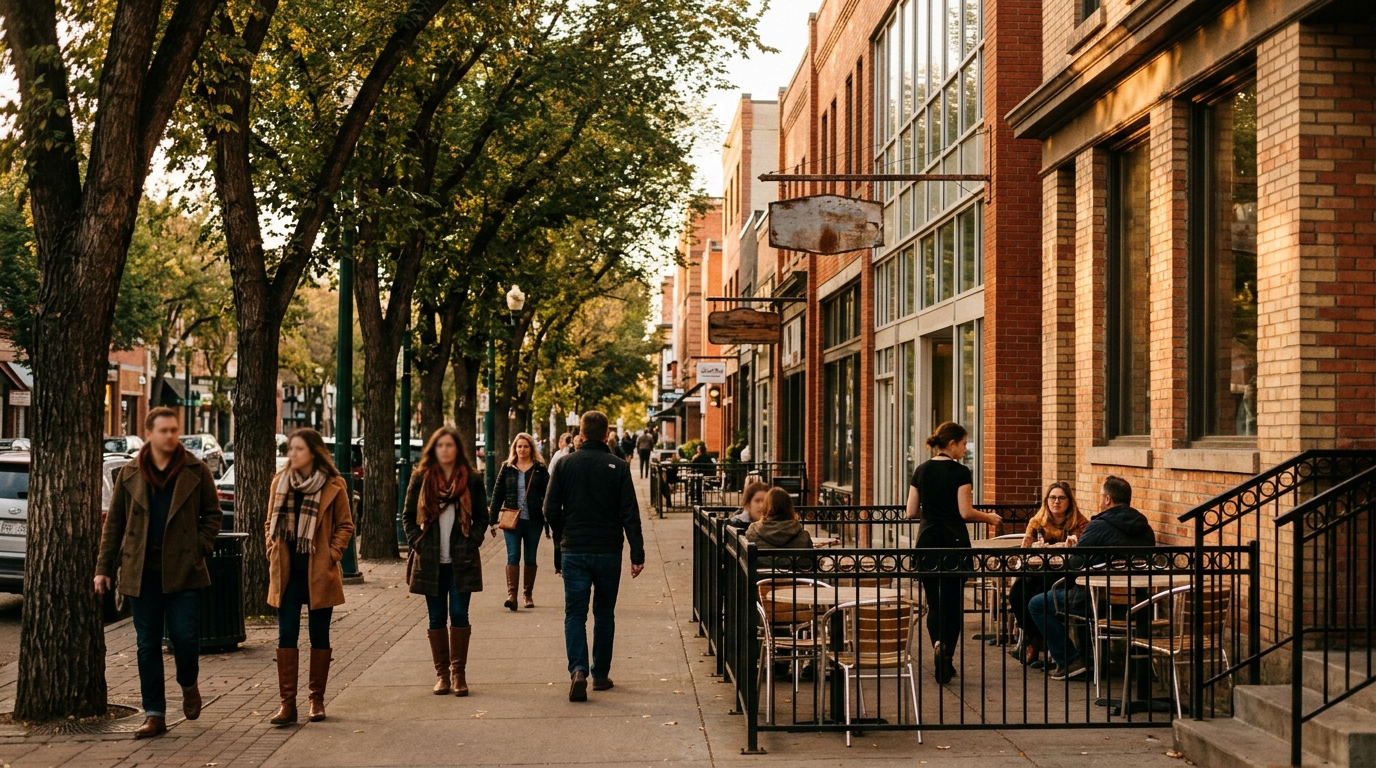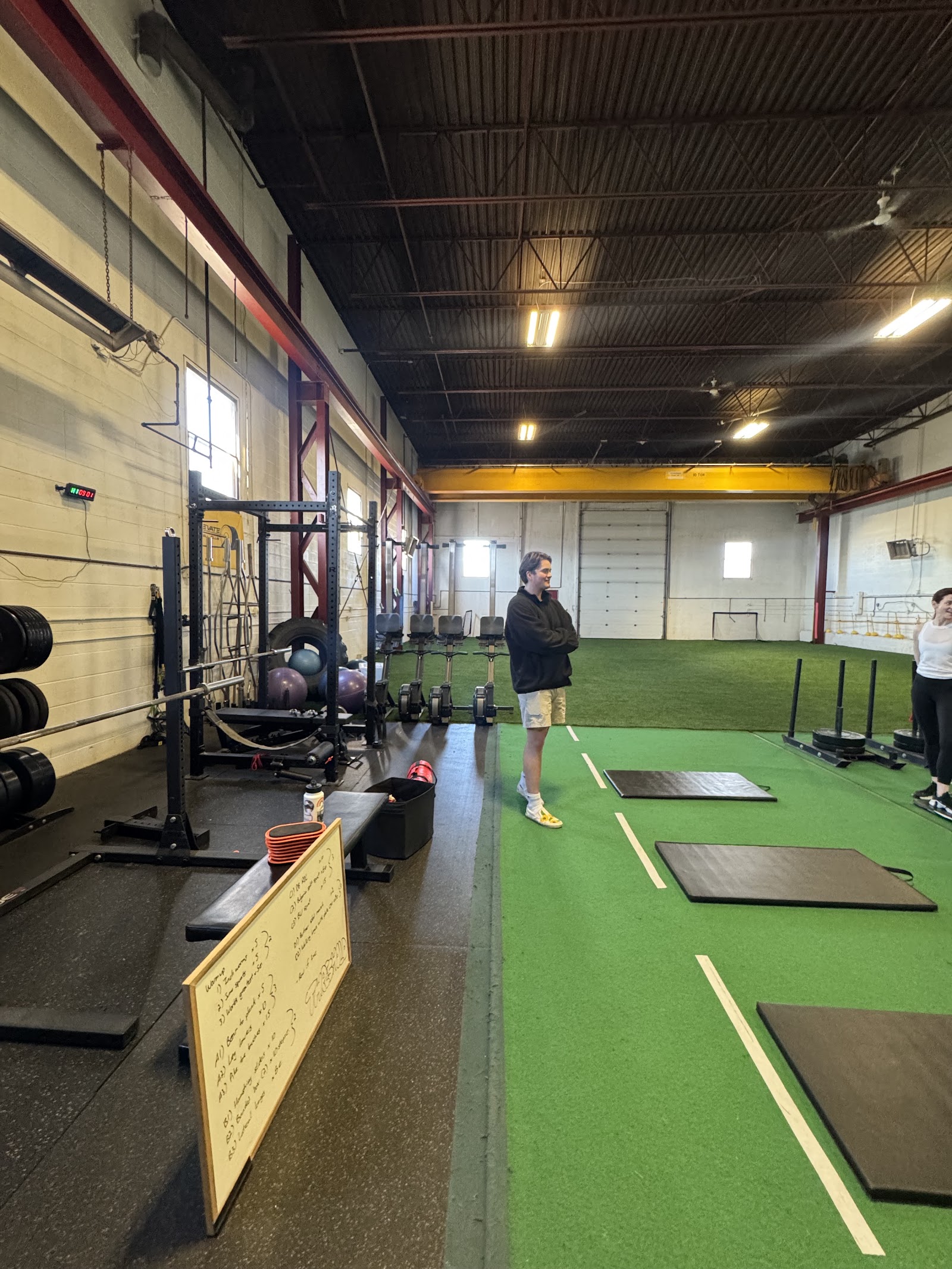
Edmonton sits at roughly 645 metres above sea level, lower than Calgary, Canmore, or Denver. That single fact answers most of the questions people ask about Edmonton altitude and fitness performance: elevation here is not the reason your long run feels harder in January, and it is not why your 10K time drops off in August. This guide compares what altitude actually does to the body, where Edmonton lands on that scale, and which climate factors, cold air, dry air, and wildfire smoke, are doing the real work when your performance dips. By the end, you will know exactly what to blame when a workout feels off, and what to actually train around.
Last reviewed:
Edmonton’s Actual Elevation: Why Altitude Isn’t the Story You Think It Is
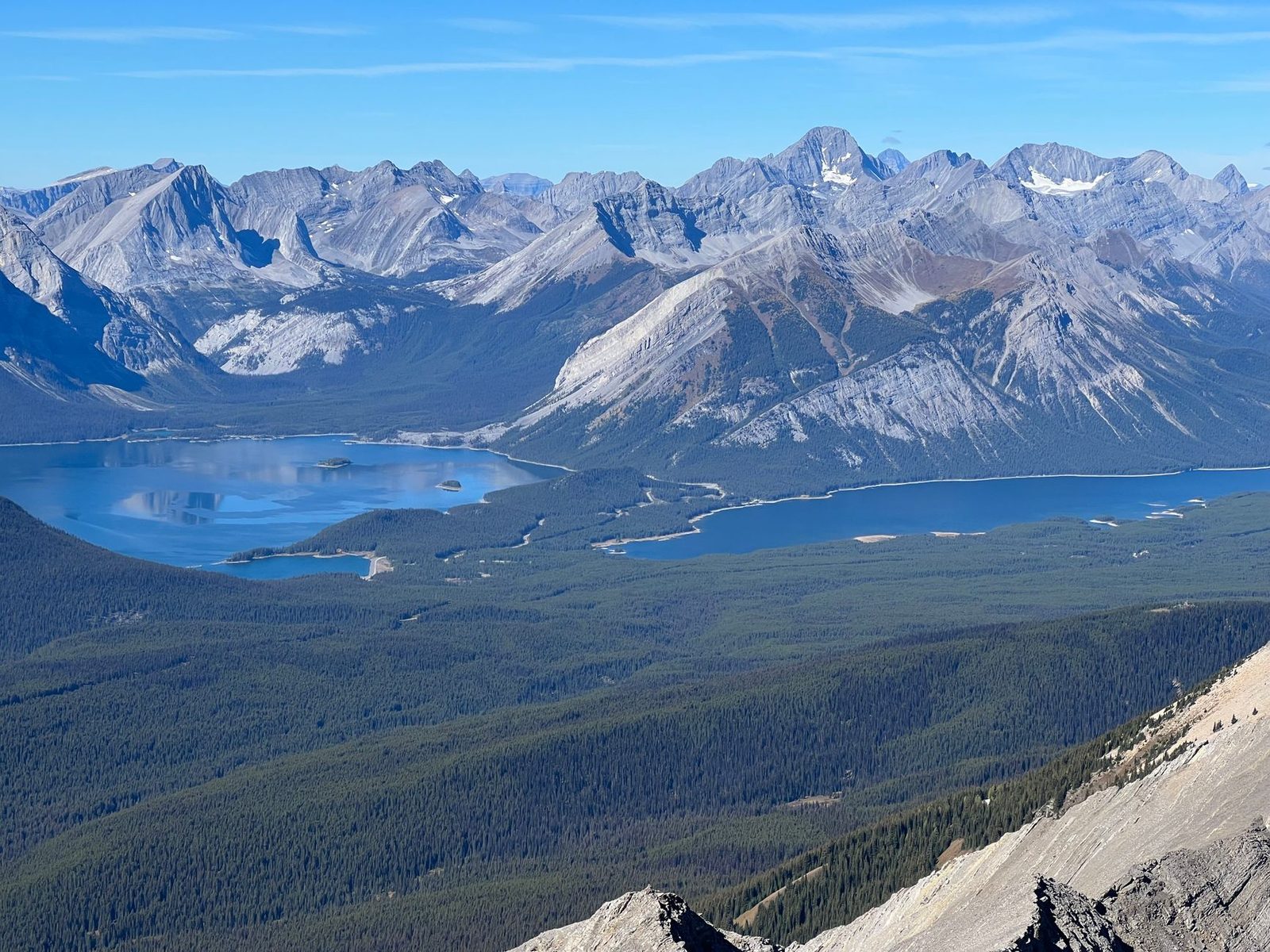
Every few months someone at a Whyte Avenue running store repeats the same line: “Edmonton is basically a high-altitude city, that’s why training here is tough.” It is not true, and it is worth clearing up before anything else.
How High Is Edmonton, Really
Edmonton sits at about 645 to 670 metres above sea level, depending on which part of the city you measure from. Downtown and the river valley sit lower than neighborhoods like Windermere or the airport lands to the south. For context, exercise physiologists generally place the threshold where altitude starts measurably affecting endurance performance at around 1,500 to 1,600 metres. Edmonton does not come close to that line. Edmonton is a prairie city built along a river valley, not a mountain town, and its elevation profile reflects that.
Edmonton Spring Allergies Wellness Guide For Seasonal Relief covers this in more detail.
Comparing Edmonton to Calgary, Denver, and Other Training Cities
Calgary sits at roughly 1,045 metres, already well above Edmonton and closer to the range where light physiological effects begin. Denver, the famous “Mile High City,” sits at 1,609 metres, right at the threshold researchers use as a starting point for altitude adaptation. Canmore and Banff, both popular training bases for Alberta’s endurance athletes, sit between 1,300 and 1,400 metres. Mexico City, one of the most extreme high-altitude race and training venues in the world, sits above 2,200 metres. Edmonton is not in the same conversation as any of these places, and that matters more than most local gyms let on.
How To Prevent Seasonal Wellness Routine Breakdowns In Edmonton covers this in more detail.
What Low Altitude Means for Your Lungs and Blood
At sea level and at Edmonton’s elevation, blood oxygen saturation sits close to 97 to 99 percent in a healthy adult during normal activity. Above roughly 1,500 to 2,000 metres, oxygen saturation starts to drop measurably during exertion, forcing the heart and lungs to work harder to deliver the same amount of oxygen to working muscle. Edmonton athletes do not experience this effect in any meaningful way just by living here. If your chest feels tight on a January run, the cause is almost never thin air. It is cold, dry air hitting your airway, which is a completely different mechanism covered further down.
Seasonal Wellness Edmontons Climate covers this in more detail.
What Altitude Actually Does to Fitness Performance
To understand why Edmonton altitude and fitness performance are mostly unrelated, it helps to know what real altitude exposure changes in the body, and at what elevation those changes start to show up.
Health And Wellness Edmonton covers this in more detail.
VO2 Max and Oxygen Saturation at Different Elevations
VO2 max, the maximum rate at which your body can use oxygen during intense exercise, drops as elevation increases because the air contains fewer oxygen molecules per breath. Research on endurance athletes has shown measurable VO2 max reductions starting around 1,500 metres, with more significant drops above 2,000 metres. Below that range, the effect on performance is negligible for almost everyone, including competitive athletes. This is the core reason Edmonton altitude and fitness performance rarely belong in the same sentence when you are talking about pure elevation. The city simply does not sit high enough to trigger the mechanism.
Edmonton Alberta Climate covers this in more detail.
The Altitude Threshold Where Performance Actually Drops
Sports scientists generally agree that elevations under 1,000 metres produce no meaningful performance penalty for most people. Between 1,000 and 1,500 metres, mild effects can appear in elite endurance athletes chasing personal bests, but recreational exercisers rarely notice anything. Past 1,500 to 1,600 metres is where the physiological cost becomes consistent and measurable, which is why serious altitude training camps are usually built at 2,000 metres or higher. Edmonton’s 645 metres puts it firmly in the “no effect” category. If you have ever wondered why a marathon runner training in Edmonton does not need an oxygen tent, this is why.
Why Athletes Still Travel to Canmore and Banff to Train
Alberta does have real altitude training options, they are just a three-hour drive west of Edmonton. Canmore’s Nordic Centre and the trails around Banff sit high enough to trigger the body’s adaptation response, where the body increases red blood cell production over two to three weeks of exposure to compensate for lower oxygen availability. Athletes training for endurance events sometimes do short blocks out there specifically to chase that adaptation, then return to Edmonton to race at what is effectively a lower, easier elevation. That is actually an advantage for Edmonton-based competitors: race day here offers more oxygen than training day in the mountains, not less.
The Real Performance Factor: Edmonton’s Climate, Not Elevation
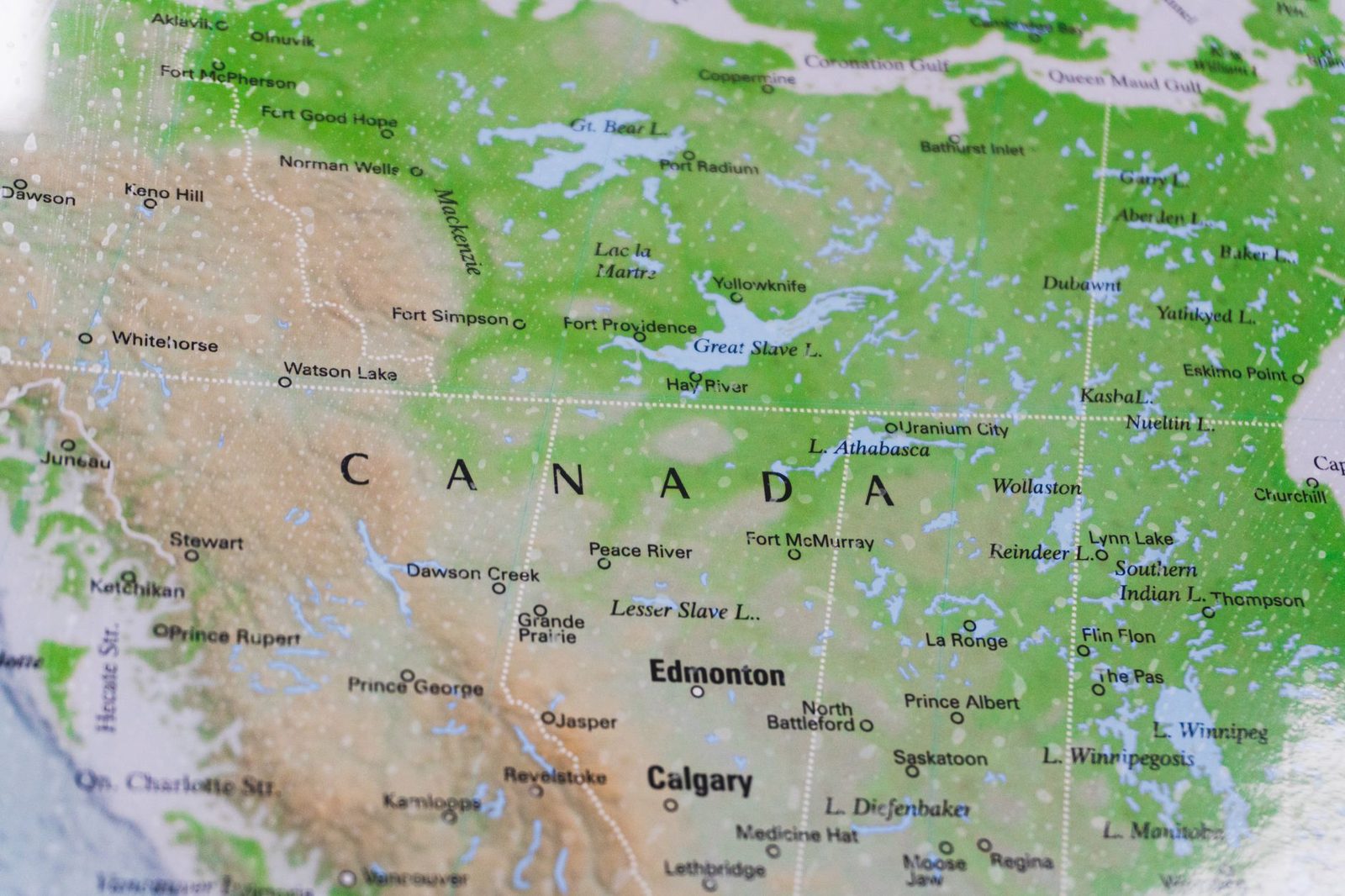
If elevation is not the culprit behind a rough training session, something else is. In Edmonton, that something else is almost always climate. Understanding Edmonton’s Alberta climate tells you far more about your workout performance than any elevation chart does.
Cold Air and Lung Function Below -20C
Cold, dry air irritates the airway and can trigger exercise-induced bronchoconstriction, a temporary narrowing of the airways that makes breathing during exercise feel harder and can cause coughing or chest tightness. Mayo Clinic’s overview of exercise-induced asthma notes this reaction gets worse in cold, dry conditions, exactly what Edmonton delivers from December through February. Below minus 20 degrees Celsius, most trainers recommend moving hard cardio indoors entirely, not because of thin air, but because cold air moving fast through your lungs during heavy breathing is genuinely harder on your respiratory system than mild elevation ever would be.
Dry Air, Dehydration, and Endurance Output
Edmonton’s winter air is dry, often sitting well below 30 percent relative humidity indoors once the furnace kicks in for the season. Dry air increases fluid loss through respiration, meaning you can become dehydrated on a winter run without sweating heavily enough to notice it. Dehydration of even 2 percent of body weight is enough to measurably reduce endurance performance. This is a bigger, more consistent drag on Edmonton athletes than elevation will ever be, and it is one reason winter workouts feel harder even when the distance and pace match a summer session.
Smoke Season and Air Quality Index Impacts
Summer brings its own climate obstacle: wildfire smoke drifting in from British Columbia and northern Alberta, sometimes pushing the Air Quality Health Index into high-risk territory for days at a time. The Government of Canada’s Air Quality Health Index explicitly recommends reducing or rescheduling outdoor exertion when readings climb into the higher risk categories, since fine particulate matter irritates the lungs in a way that mimics altitude-related breathlessness without any elevation involved. This is the closest Edmonton gets to a genuine oxygen-delivery problem for athletes, and it has nothing to do with how high the city sits. For a deeper look at how these seasonal swings affect training year round, the seasonal wellness guide to Edmonton’s climate breaks down each season in more detail.
Altitude vs Climate: A Side-by-Side Comparison
Laid out side by side, the gap between Edmonton’s near-zero altitude effect and its very real climate effects becomes obvious.
Quick Reference Table: What Actually Slows Edmonton Athletes Down
| Factor | Effect at Edmonton’s Elevation (645m) | Typical Onset | Practical Impact |
|---|---|---|---|
| Altitude / oxygen availability | Negligible | Effects start around 1,500m and up | None for the vast majority of exercisers |
| Cold, dry air (winter) | Significant | Below roughly -15C to -20C | Airway irritation, bronchoconstriction risk, need for indoor pivot |
| Low humidity (year round, worse in winter) | Moderate to significant | Ongoing, worse November through March | Faster dehydration, harder pacing on longer sessions |
| Wildfire smoke / poor AQHI | Significant when present | July and August, variable by year | Reduced lung efficiency, recommended outdoor exertion limits |
| Long summer daylight | Positive | May through August | Extended training windows, more consistent outdoor sessions |
Reading Your Own Warning Signs
If a workout feels harder than usual, run through a quick mental checklist before blaming altitude, because it is almost never the cause here. Check the temperature and wind chill first. Check the humidity and how much water you drank in the last 24 hours. In July and August, check the current Air Quality Health Index reading before heading outside. Nine times out of ten in Edmonton, one of those three factors explains the rough session, not elevation.
Seasonal Training Adjustments for Edmonton’s Climate
Once you accept that climate, not altitude, drives most performance swings in Edmonton, the fix becomes practical rather than mysterious. It is about adjusting to the season in front of you.
Winter Indoor Pivot Strategies
From November through March, shift hard interval work and long endurance sessions indoors when temperatures drop past minus 20. Facilities along 124 Street and in Old Strathcona offer indoor track and studio options, and the University of Alberta’s Van Vliet Complex is a solid option if you are near campus. Indoor drop-in fees typically run $10 to $18 per visit at city-run facilities, with monthly memberships in the $60 to $90 range at most Edmonton gyms. Keep outdoor sessions short and easy on cold days, and save the big efforts for the treadmill or indoor track.
Spring Transition and Allergy Season
Late March through May brings its own complication: pollen counts climb right as the weather finally warms up enough to want to train outside again. Anyone whose breathing gets worse on spring runs should rule out seasonal allergies before assuming fitness has slipped, since the two can feel similar. The Edmonton spring allergies wellness guide covers pollen timing and practical relief options for exactly this stretch of the calendar.
Summer Long Daylight and Smoke Season Alternatives
Edmonton gets close to 17 hours of daylight around the summer solstice, which is one of the real performance advantages of training here compared to cities farther south. Use that window from May through early July before smoke season typically arrives. When the Air Quality Health Index spikes in July and August, move sessions indoors or shift them to early morning, when particulate levels are often lower. Staying consistent through these swings, rather than skipping weeks entirely, is the bigger challenge most Edmontonians face. The guide on preventing seasonal wellness routine breakdowns in Edmonton has a practical framework for staying on track through these transitions.
Where to Train in Edmonton for Real Performance Gains
None of this means Edmonton is a bad place to train. It means the gains available here come from terrain, consistency, and smart facility choices rather than elevation.
River Valley Trail Training and Natural Elevation Gain
Edmonton’s river valley system is the city’s single best free training resource. Trails through Gold Bar Park, Rundle Park, and the Capital Line stretch near downtown all include real elevation change, with valley walls dropping 50 to 60 metres from the top of the bank to the riverbank in several spots. Hill repeats on these trails build the same leg strength and cardiovascular demand that altitude training targets, without needing a drive to the mountains. Parking is free at most river valley access points, and the trail network connects to Old Strathcona and Downtown, making it easy to combine a run with a coffee stop on Whyte Avenue afterward.
Indoor Facilities With Altitude Simulation and Hypoxic Training
For athletes who genuinely want the physiological benefits of altitude without leaving the city, a small number of Edmonton performance labs and physiotherapy clinics offer hypoxic training chambers or altitude simulation masks, typically priced between $30 and $60 per session or bundled into performance-testing packages. These setups mimic elevations of 2,000 to 3,000 metres by reducing the oxygen percentage in the air you breathe, which is the only way to get a genuine altitude training effect while staying in Edmonton. This is a niche tool best suited to competitive endurance athletes, not something the average gym-goer needs to chase.
Gyms and Studios With Performance Programming
Beyond specialty labs, Edmonton has a solid base of performance-focused gyms in Oliver, Windermere, and along Jasper Ave that run structured strength and conditioning programs, generally priced from $120 to $220 per month for coached programming. For a broader rundown of what the city offers across spas, studios, and fitness centers, the Edmonton health and wellness guide is a useful starting point before committing to a membership.
Building an Edmonton-Specific Performance Plan
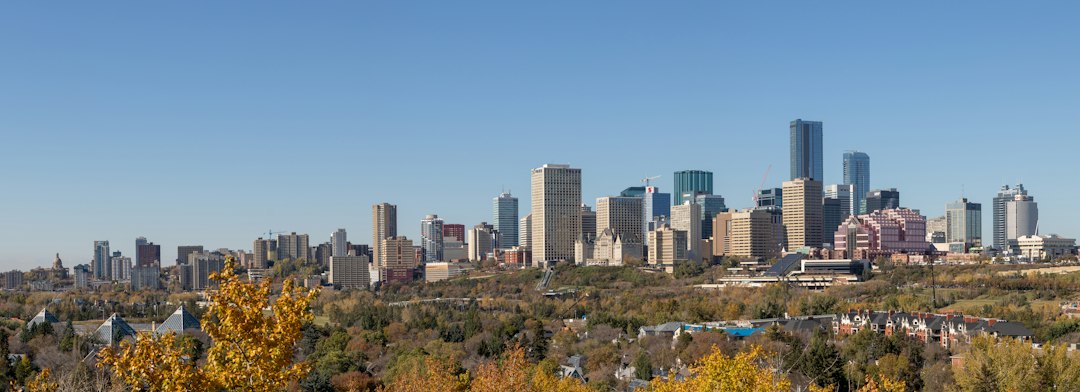
Once altitude is off the table as a real concern, the plan for Edmonton athletes gets simpler. Build around climate, terrain, and daylight instead.
What to Prioritize Over Altitude Concerns
- Hydration in winter: dry indoor and outdoor air increases fluid loss even when you are not sweating visibly.
- Airway protection below -20C: a neck gaiter or balaclava over the mouth warms and humidifies inbound air before it hits your lungs.
- AQHI monitoring in July and August: check the reading before an outdoor session, not after you start coughing.
- Hill repeats in the river valley: a practical, free substitute for the muscular demand of altitude training.
- Daylight-driven scheduling: front-load harder outdoor sessions into the long-daylight window from May to early July.
A Weekly Adjustment Checklist
Before each outdoor session, check three things in this order: temperature and wind chill, current humidity and your fluid intake over the last day, and, from June through September, the local Air Quality Health Index. If any one of those three is flagged, adjust the session rather than pushing through it, whether that means moving indoors, shortening the distance, or dropping intensity for an easy effort instead. That three-step check catches almost every real performance risk Edmonton throws at you, and it does not involve altitude at all.
Related Articles
- How to Stay Active During Edmonton’s Winter Smoke Season: Indoor Fitness Options That Work
- Best Indoor Wellness Activities When Edmonton Air Quality Drops: Your Complete Guide
- Why Does Edmonton Summer Daylight Affect Sleep Schedules: Understanding Our 17-Hour Days
Sources & References
Find Trusted Wellness Spots in Edmonton
Browse our independent guide to Edmonton’s spas, fitness studios, and wellness services. Local. Honest. Free.
Frequently Asked Questions
Does Edmonton’s elevation actually affect my workouts?
No, not in any meaningful way. Edmonton sits at about 645 metres, well below the roughly 1,500-metre threshold where altitude starts to measurably affect endurance performance. If a workout feels harder than usual here, cold air, dry air, or wildfire smoke is almost always the real cause.
Is Calgary’s higher altitude a real advantage for Calgary athletes over Edmonton athletes?
Calgary’s roughly 1,045 metres is closer to the altitude-effect threshold than Edmonton’s 645 metres, but it is still below the range where most research shows consistent performance changes. Any edge is small and mostly relevant to elite endurance athletes, not recreational exercisers.
Should I train differently in Edmonton because of the cold instead of worrying about altitude?
Yes. Below about minus 20 degrees Celsius, move hard cardio and interval sessions indoors and cover your mouth and nose to warm incoming air on easier outdoor days. This protects your airway far more effectively than anything related to elevation.
How does wildfire smoke season compare to altitude in terms of affecting performance?
Smoke season has a bigger and more measurable effect on Edmonton athletes than elevation ever will. When the Air Quality Health Index climbs into higher risk categories in July and August, reduce or move outdoor exertion indoors until readings improve.
Are altitude simulation or hypoxic training sessions worth it in Edmonton?
They can help competitive endurance athletes chase a specific training adaptation, since they are the only way to get a genuine altitude effect without leaving the city. For most recreational exercisers, the cost, typically $30 to $60 per session, is better spent on consistent river valley hill training and proper winter airway protection.