Home recovery tools vs professional spas is a real budget question in Edmonton, especially when it is -30°C and the car takes ten minutes to warm up. This comparison is for Edmontonians who train, sit at a desk all day, or just carry tight shoulders through a long winter. The short verdict: home tools win on cost and consistency, and professional spas win on hands-on treatment, heat and cold exposure at full strength, and true downtime. Most people get the best result from a small home kit plus a spa visit once or twice a month. The details below show where each option earns its price.
Last reviewed:
Quick Comparison: Home Recovery Tools vs Professional Spas
Prices are typical Edmonton ranges and shift between businesses and retailers. Check current rates before you book or buy.
| Criteria | Home Recovery Tools | Professional Spas |
|---|---|---|
| Upfront cost | $30 to $60 foam roller, $100 to $400 percussion massager, $200 to $600 red light panel | $0 to start. Pay per visit |
| Cost per session | Under $1 after the first few months of regular use | $30 to $50 infrared sauna, $80 to $120 float, $100 to $150 for a 60 minute RMT massage |
| Hands-on skill | None. You are the therapist | Registered massage therapists can assess and adjust in real time |
| Heat and cold access | Limited. Blankets, small saunas, inflatable tubs | Full size saunas, cold plunges, float tanks |
| Convenience in winter | Zero travel. Use at 10 pm in your living room | Warm-up, drive, parking, check-in |
| Relaxation quality | Depends on how well you can switch off at home | High. Phone away, someone else runs the clock |
| Best for | Daily maintenance and tight budgets | Injury support, stress relief and special occasions |
Cost: What You Actually Pay Over a Year
Home Recovery Tools: Cheap Per Use, Pricey If They Gather Dust
A foam roller runs $30 to $60. A decent percussion massager lands between $100 and $400. Compression boots sit around $200 to $600. A red light panel varies widely, and a sauna blanket often costs several hundred dollars.
How To Build A Weekly Recovery Routine With Edmonton Spas covers this in more detail.
The math works only if you use the tool. A $250 massager used four times a week costs pennies per session after a few months. The same massager sitting in a closet costs $250 for nothing. Be honest about your habits. If you never stretched in the past year, a foam roller will not change that on its own.
- Low commitment: foam roller, lacrosse ball, resistance bands. Under $80 combined.
- Mid commitment: percussion massager, compression sleeves. $150 to $500.
- High commitment: red light panel, infrared sauna blanket, home cold tub. $400 to $1,500 or more.
Professional Spas: Pay as You Go, Costs Climb with Frequency
Spa pricing in Edmonton follows a rough pattern. An infrared sauna session often costs $30 to $50. A float session usually runs $80 to $120, and our Float Tank Therapy Price Comparison for Edmonton Spas breaks down where the range sits. A 60 minute registered massage therapy session runs about $100 to $150 depending on the clinic and the therapist’s experience. Cryotherapy sessions tend to fall around $40 to $70.
Float Tank Therapy Price Comparison Edmonton Spas covers this in more detail.
Visit twice a month and you spend roughly $2,000 to $3,500 a year if you pair a massage with a float. That is a real number. Memberships and packages cut the per-visit price, often by 10 to 25 percent, so ask before you book a single session.
How To Start Yoga At Home In Edmonton covers this in more detail.
The Hybrid Budget That Works for Most People
A practical middle path: spend $150 to $300 once on home basics, then book one professional session every four to six weeks. Annual cost lands around $1,000 to $1,800. Check whether your employer health plan covers registered massage therapy. Many Alberta plans do, which changes the comparison in favour of the clinic.
Cost winner: home tools, by a wide margin. The exception is anyone whose benefits plan covers RMT visits.
Muscle Recovery Results: What Each Option Actually Does
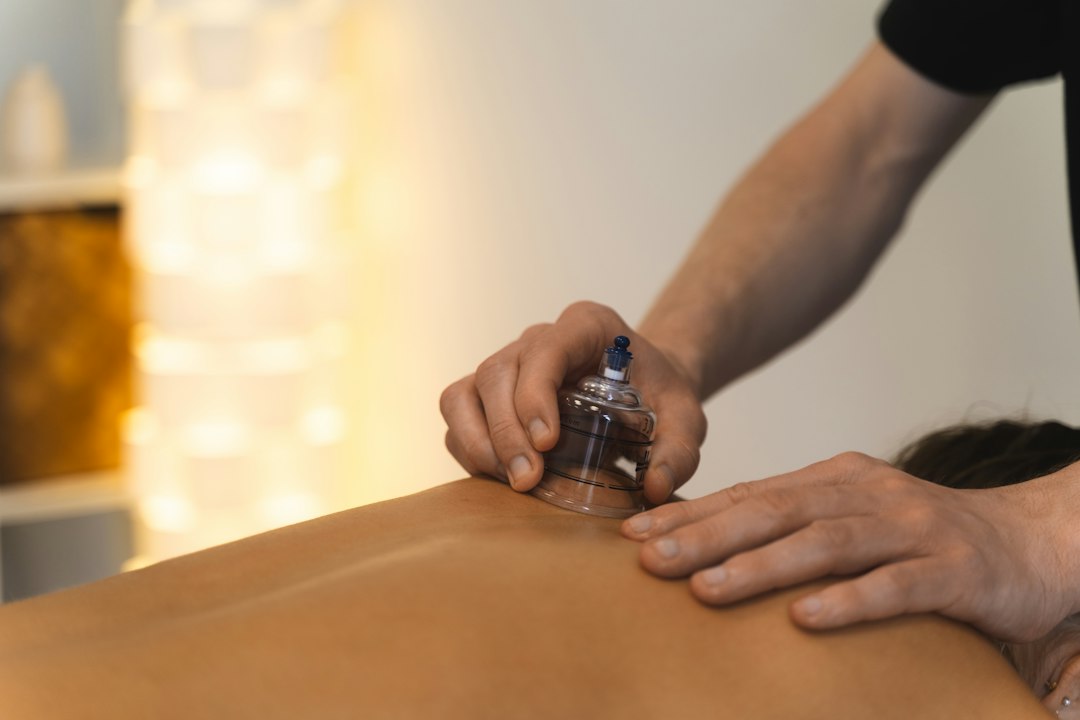
Mechanical Work: Foam Rolling and Massage Guns vs a Trained Therapist
Self-massage tools help with short-term soreness and range of motion. Research reviews on foam rolling and similar self-myofascial release, which you can search on PubMed’s database of peer-reviewed studies, generally show small, short-lived benefits for flexibility and perceived soreness. That is useful after a hard run on the river valley trails. It is not a fix for a nagging injury.
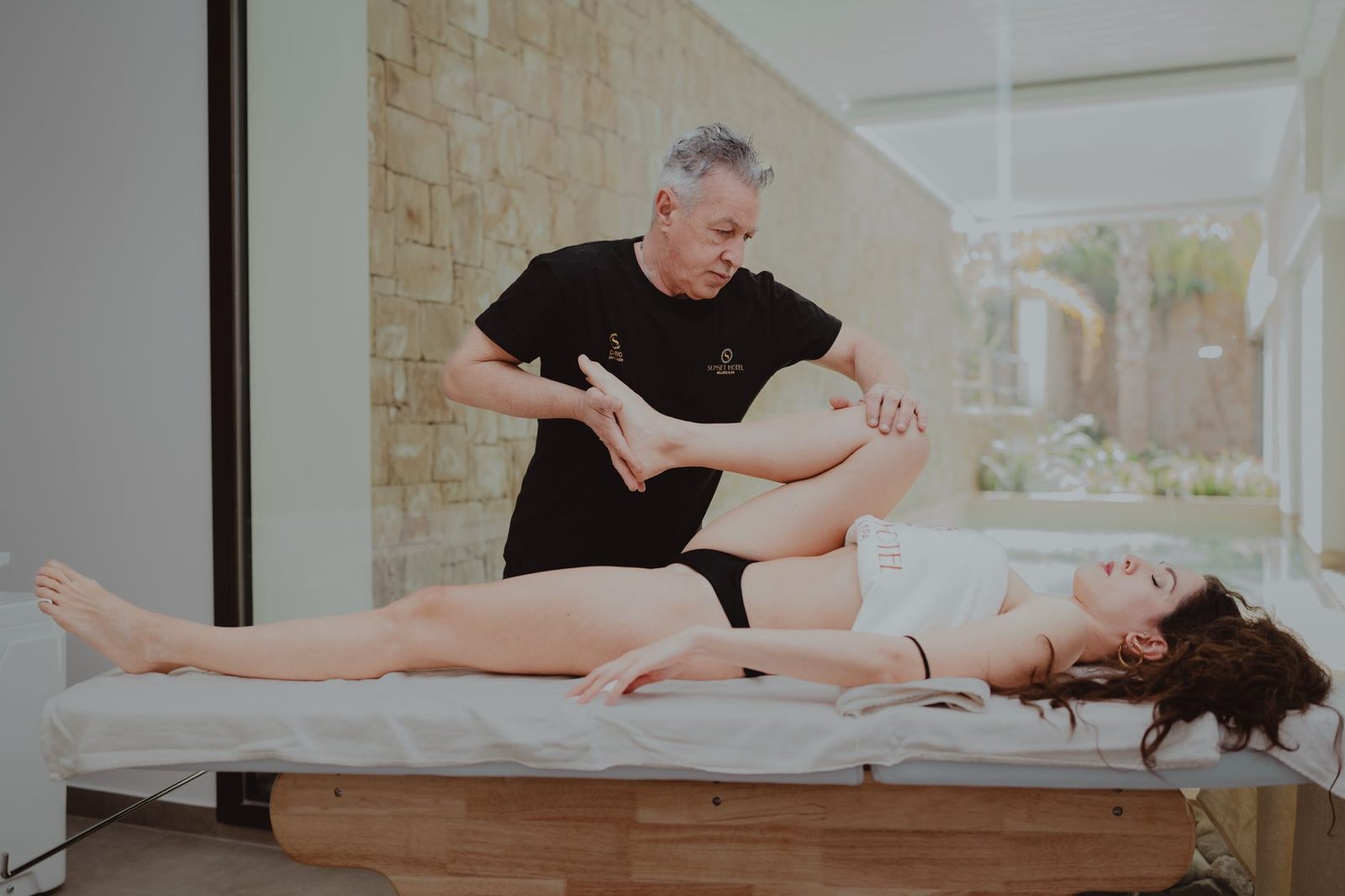
A registered massage therapist does something a roller cannot. They find the cause. If your left calf is tight because your hip is weak, they notice. A massage gun cannot. For recurring pain, one or two clinic visits to get a diagnosis often save months of guessing at home.
- Home wins: daily upkeep, warm-ups, post-workout soreness.
- Spa or clinic wins: recurring pain, deep tension patterns, post-injury work.
Heat, Light and Cold: Where Home Equipment Falls Short
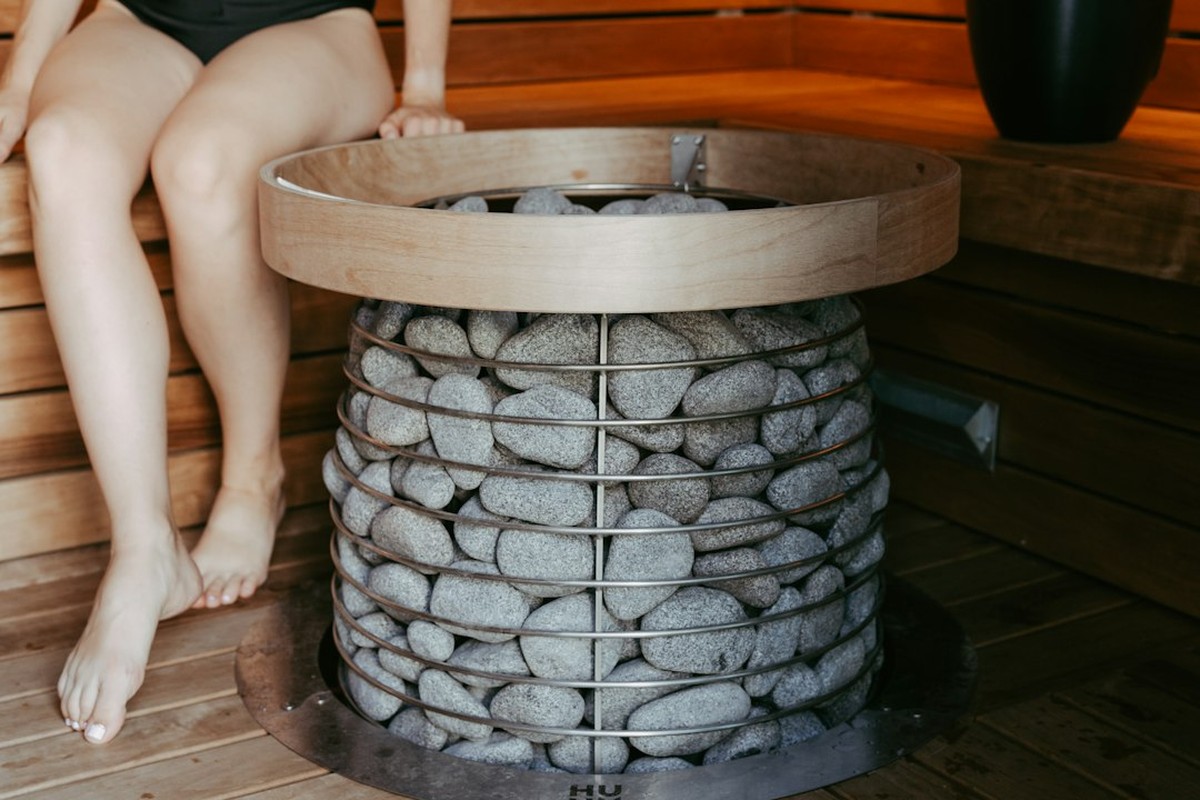
Heat therapy has a size problem at home. A sauna blanket warms you, but a full infrared or traditional sauna surrounds you evenly and holds a steady temperature. Cold plunges and cryotherapy face the same gap. A small tub at home gives you cold water. A pro setup gives you controlled temperatures and a safe, supervised setting.
Red light therapy is the exception. Quality home panels can deliver similar wavelengths to clinic units if you buy a legitimate device and use it consistently. Our explainer on Red Light Therapy For Muscle Recovery Explained covers the evidence and what to look for in a panel. For cold, read What Is Cryotherapy And Does It Work For Muscle Recovery before you spend $50 a visit.
Float Tanks: Nothing Replicates Them at Home
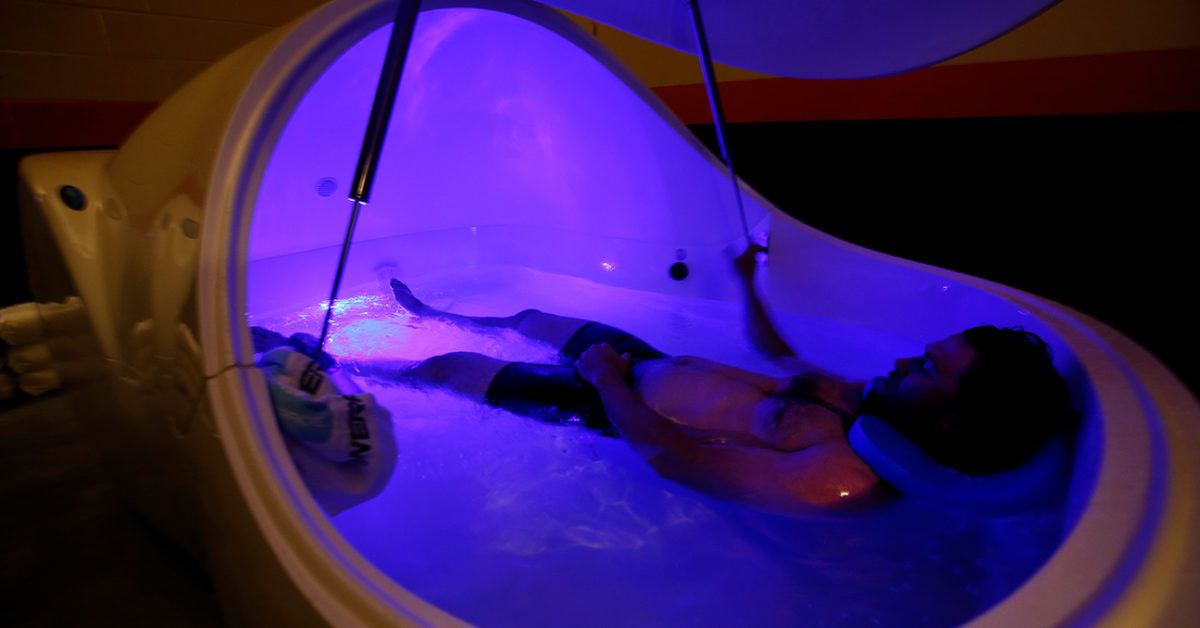
Floating in a tank holds roughly 500 kilograms of Epsom salt in about 25 to 30 centimetres of water at skin temperature. You cannot build that in a bathtub. If sensory reduction and weightlessness are what you want, the professional option is the only real option. Home attempts, like a long bath with salts, give mild relaxation but not the same effect.
Recovery winner: tie. Home tools handle daily maintenance. Spas handle everything that needs equipment, scale or professional judgment.
Convenience and Winter Logistics
Edmonton Winters Tilt the Scale Toward Home
Let’s be practical. Driving to a spa at -30°C costs more than the session fee. Cold start, scraped windshield, slow roads. By the time you arrive, you are stiff and tense again. A foam roller in the living room has no commute. For consistency from November to March, home tools have a real advantage.
Summer is different. Long days, patios and River Valley walks make a trip to Whyte Avenue or 124 Street easy. A spa visit becomes part of an evening rather than a chore.
Parking, Transit and Time Cost
Location matters more than people expect. Downtown and Oliver mean paid parking, usually a few dollars an hour, but strong LRT and bus access. Old Strathcona has street parking that fills up on weekends and festival days. Suburban spas near Windermere or Sherwood Park usually offer free lots and easy in-and-out. Always check the venue’s parking details and transit routes on the City of Edmonton site before you commit.
- Time per spa visit: 90 minutes to 2 hours door to door for a 60 minute service.
- Time per home session: 10 to 20 minutes, no travel.
- Booking lead time: popular massage slots fill 1 to 2 weeks out, especially in late fall.
Habit Building: Why Easy Access Beats Better Gear
People who recover well do small things often. A 10 minute roll after a workout beats one big massage per month. If you want to set up a rhythm, read How To Build A Weekly Recovery Routine With Edmonton Spas. It shows how to split work between home and professional sessions.
Convenience winner: home tools. No contest in January.
Safety and Quality Control
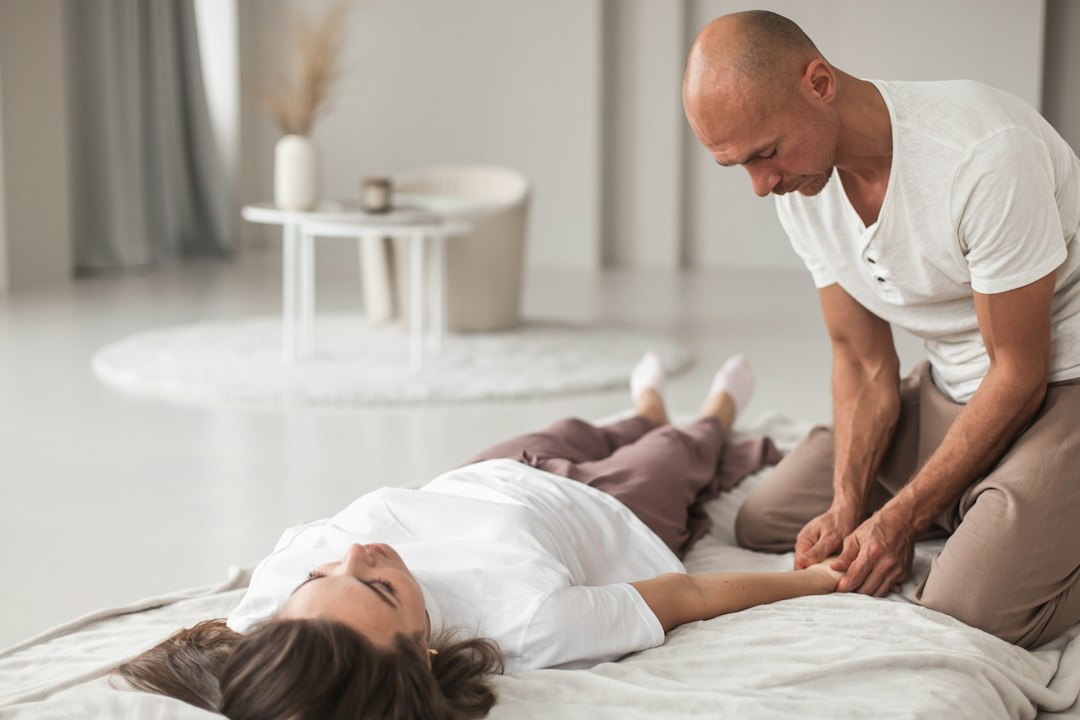
Risks with Home Devices
Home gear comes with no supervision. Percussion massagers used over bony areas, the front of the neck or an injured muscle can cause bruising or aggravate the problem. Heat blankets used too long cause burns or dehydration. Cheap red light panels and unregulated imports vary a lot in actual output. Check whether a device is licensed in Canada. Health Canada lists guidance on medical device safety and licensing that applies to many therapeutic gadgets.
- Skip percussion tools over varicose veins, fresh injuries or numb areas.
- Limit heat exposure to 15 to 20 minutes for beginners.
- Drink water before and after any heat session.
- Buy from sellers that provide wavelength specs and clear return policies.
Risks and Standards at Professional Spas
Spas carry their own risks, though a good one manages them. Registered massage therapists in Alberta work under professional regulation. Saunas and tanks should follow cleaning and water-quality practices. Alberta Health Services publishes public health information on facility standards that you can read before choosing a venue.
Ask direct questions. How often do you filter and test tank water? Who trained the therapist? Is there a screening form? A good business answers without hesitation. A vague answer is a reason to go elsewhere.
Who Should Check with a Doctor First
Anyone who is pregnant, has heart disease, low or high blood pressure, diabetes, or takes medication that affects temperature tolerance should talk to a doctor before any heat or cold exposure. The Mayo Clinic’s patient resources are a decent starting point for general questions on sauna and heat safety. For unexplained pain, see a physician before you treat it with a gadget or a spa.
Safety winner: professional spas, assuming you pick a reputable one. Home tools are safe with basic common sense, but nobody is watching.
Relaxation and Experience
Mental Downtime Is Harder to Create at Home
Here is the honest weakness of home recovery. Your living room has laundry, notifications and the kids. Even a good session on the couch gets interrupted. A spa removes all of that. Someone else watches the clock. Your phone sits in a locker. Sixty minutes of quiet is a different product than 20 minutes of rolling with the TV on.
For stress relief, especially around the holidays or a heavy work stretch, the environment does half the job.
Home Rituals That Do Work
You can build decent downtime at home if you set the rules. Pick one room. Turn off notifications. Use a timer. Pair a short stretch with breath work. If you want a starting point, How To Start Yoga At Home In Edmonton walks through a simple setup that fits a small apartment.
- Hot shower followed by 10 minutes of stretching before bed.
- Foam rolling while listening to a podcast, not scrolling.
- A weekly Epsom salt bath, 20 minutes, phone out of reach.
Seasonal Timing: Fall and Smoke Season
October is when spa season restarts. Daylight drops, schedules fill, and people want warmth. Book early, because the best weekday evening slots go quickly. In smoke season, outdoor recovery like a long river valley walk becomes a poor choice for a few days. Indoor options, either a spa or home setup, fill that gap. A quiet bath at home or a sauna visit works well when the air quality is poor.
Experience winner: professional spas. Home can come close with discipline.
Verdict: Home Recovery Tools vs Professional Spas
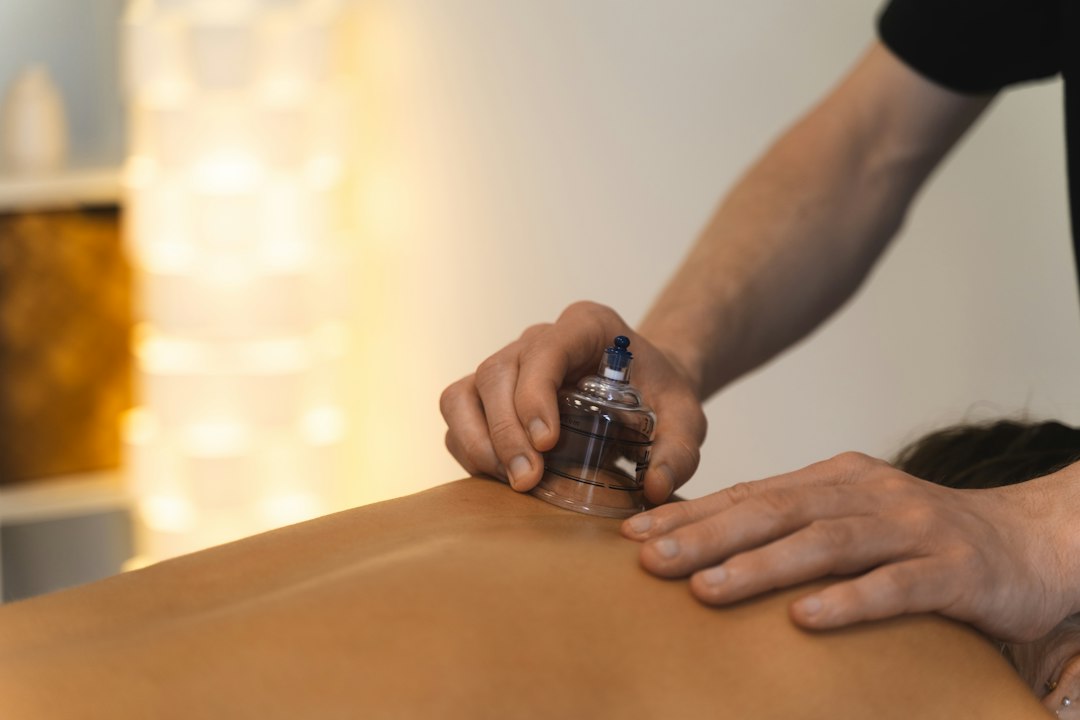
Neither side wins everything. Home recovery tools vs professional spas is really a question of what job you need done. Here is the plain breakdown.
Best for Budget
Home recovery tools. Spend $100 to $200 on a foam roller, a lacrosse ball and bands. Add a percussion massager later if you use the basics three or four times a week. You will break even against spa pricing in a couple of months. Keep one professional session in reserve for when something hurts for more than a week.
Best for Athletes and Regular Exercisers
A hybrid setup. Use home tools daily after training. Book a registered massage therapist every three to six weeks and add sauna or cold exposure sessions during heavy training blocks. If you run the river valley trails or train for a spring race, this combination handles both maintenance and problem solving.
Best for Stress Relief and Deep Relaxation
Professional spas. A float, a massage or a long sauna session gives you an environment you cannot rebuild at home. Plan one visit a month through winter. Pick a location with easy parking, such as a suburban spot near Windermere or Sherwood Park, if driving downtown in cold weather is a barrier.
Best for Chronic or Recurring Pain
Start with a professional. Get an assessment from an RMT or physiotherapist, then use home tools for the exercises and self-care they recommend. Do not rely on a gadget to solve a problem nobody has diagnosed.
Sources & References
Find Trusted Wellness Spots in Edmonton
Browse our independent guide to Edmonton’s spas, fitness studios, and wellness services. Local. Honest. Free.
Related Reading
Frequently Asked Questions
Can home recovery tools fully replace a professional spa?
Not fully. Foam rollers, massage guns and bands handle daily soreness well, but they cannot match a trained therapist’s assessment or the equipment at a float spa. Use home tools for upkeep and book one professional session when pain lingers or you need real downtime.
How much does a home recovery setup cost compared with spa visits in Edmonton?
A basic home kit costs $100 to $300 once. Spa visits run roughly $30 to $50 for an infrared sauna and $100 to $150 for a one hour massage. If you visit monthly, a home kit pays for itself within a few months.
Is a home infrared sauna blanket as good as a spa sauna?
It warms the body, but it does not heat the surrounding air or allow you to move around, so the experience is different. It suits short, regular sessions in winter when travel is a hassle. For longer, more intense heat exposure, try a full sauna session at a local spa first and decide if the experience justifies the cost of a blanket.
What is the best way to combine home tools with spa visits?
Use home tools 3 to 5 times a week for 10 to 15 minutes, then schedule one professional visit every 4 to 6 weeks. Rotate between massage, sauna and float depending on your needs. Our weekly routine guide lays out a sample schedule.
Are there safety concerns with using recovery gadgets at home?
Yes. Avoid massage guns on injuries, bony areas or the front of the neck, and limit heat sessions to 15 to 20 minutes while staying hydrated. Check with a doctor first if you have a heart condition, are pregnant, or take medication that affects blood pressure.