Knowing what to do after massage therapy decides whether the benefits last two hours or two days. The short version: drink water, move gently, keep your muscles warm, skip the hard workout and the second drink, and book your next session before the effects fade. This guide covers what happens in your body after a session, a timeline for the first hour through the first 48 hours, Edmonton-specific advice for winter, smoke season and river valley weather, what to avoid, and how to pair massage with other recovery tools. It is written for fellow Edmontonians who have just stepped out of a treatment room and are wondering what comes next.
Last reviewed:
What Actually Happens in Your Body After a Massage
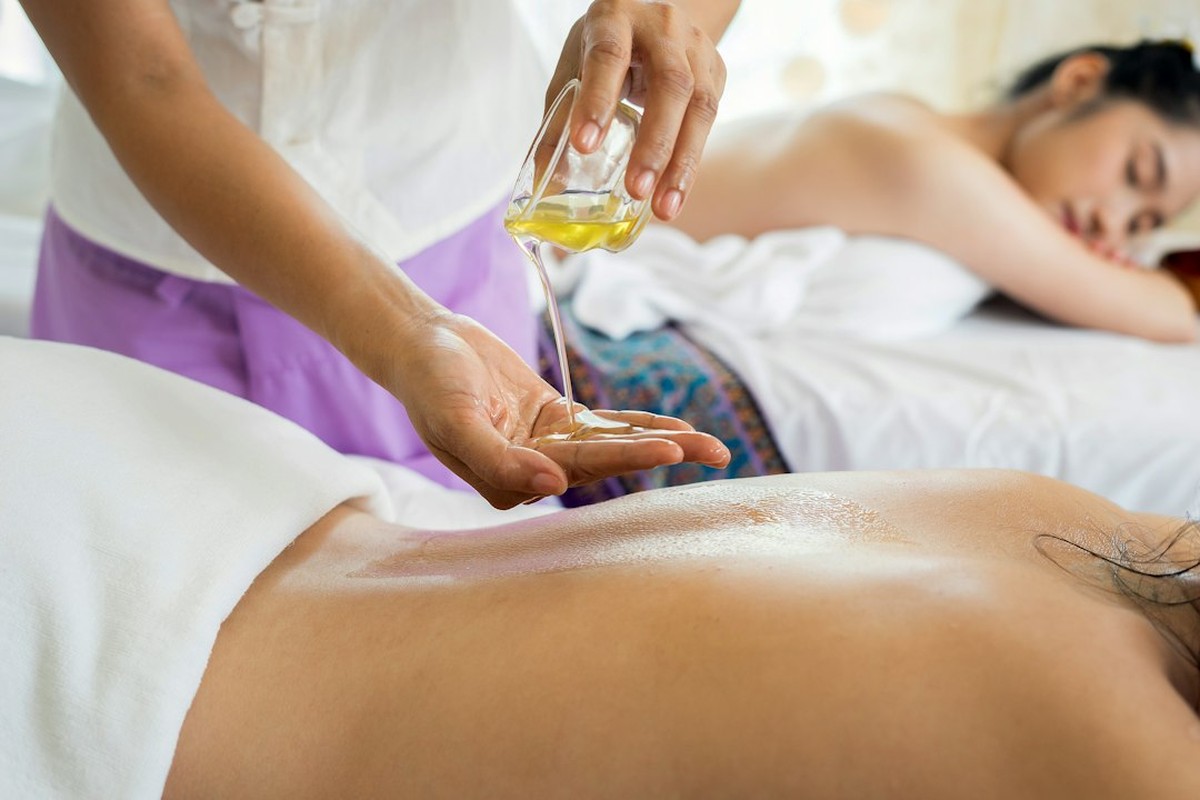
A massage is not a passive event. Your therapist presses, stretches and compresses soft tissue for 60 to 90 minutes. Your body then spends hours responding to that input. Aftercare works best when you understand what is going on underneath.
Muscle, Fascia and Circulation Changes
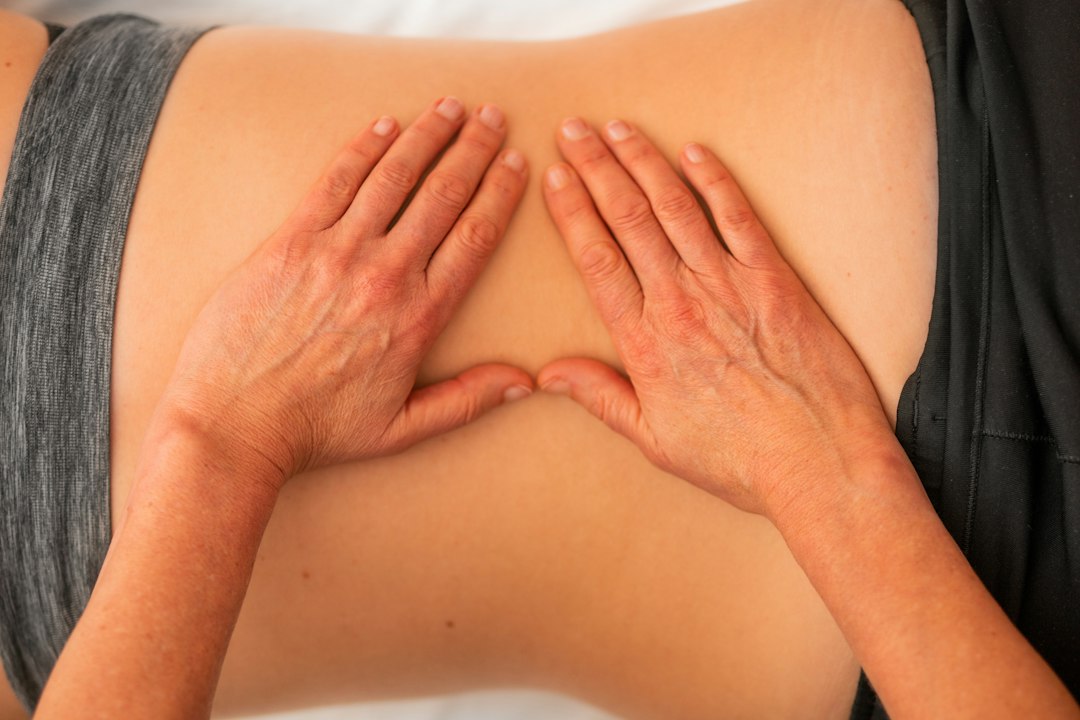
Pressure on muscle and fascia (the connective tissue wrapped around muscle) changes how tissue feels and moves. Blood flow to the treated area increases, and tight bands of muscle often release enough to give you more range of motion. The Mayo Clinic’s overview of massage benefits describes how massage is used for stress, anxiety, and muscle tension, and notes that it is generally considered safe for most healthy people.
That relaxed, loose feeling is real. It is also temporary if you walk out and immediately sit hunched over a laptop for eight hours. Your nervous system will happily return to its old holding patterns.
Your Nervous System Shifts Gears
Slow, steady pressure nudges the body toward its rest-and-digest state. Heart rate often drops. Breathing slows. You may feel spacey, sleepy or oddly emotional. Some people get light-headed when they stand up too fast. All of this is normal, and it is the reason the first hour matters so much.
Best Massage Therapy Clinics In Edmonton By Neighborhood covers this in more detail.
- Drowsiness: common, and a good reason not to drive at highway speed straight away if you feel foggy.
- Low blood pressure feeling: sit up slowly at the end of the session and sit on the table edge for a minute.
- Emotional release: uncommon but harmless. Tension and mood are linked, and deep work on the hips, chest and neck sometimes brings feelings to the surface.
Why Soreness Shows Up Later
Deeper work can leave tissue tender for 24 to 48 hours. Think of it as mild post-workout soreness without the workout. Pressure that was strong enough to change tissue can leave minor irritation behind. Soreness that is dull, achy and gradually improving is typical. Sharp pain, numbness, bruising that keeps spreading, or tingling down a limb is not typical. Call your therapist or a doctor if you notice those.
Soreness also depends on how often you get treated. A first session after a year away from the table will likely feel rougher than the fifth session in a regular monthly rhythm.
Best Recovery Methods After Outdoor Activities Edmonton covers this in more detail.
The First Hour: What to Do Right Away
The first 60 minutes sets the tone for the rest of the day. Treat the time between the treatment room and your car like the end of a hard training session. You are not done yet.
Drink Water and Take Your Time
Have a glass of water before you leave the clinic. Most Edmonton clinics keep a cooler or tea station near the front desk. Plan to drink water over the next few hours too. You do not need to chug a litre. Steady sipping is enough.
You may have heard that massage releases toxins and that water flushes them out. That claim is overstated. Massage does not dump meaningful toxins into your bloodstream. Hydration still helps for plain reasons. Edmonton air is dry for much of the year, especially from November to March when indoor heating pulls humidity below 30 percent in many homes. Tissue that is well hydrated feels better and recovers more comfortably. That is the whole case for water, and it is a good enough case.
- Drink 250 to 500 mL of water in the first hour.
- Choose water or herbal tea over coffee for the first two hours.
- If you were sweating in a hot-room session or a sauna beforehand, add an electrolyte drink.
Get Out the Door Without Undoing the Work
Edmonton gets in the way. A warm, loose body and a -30°C parking lot do not mix well. Cold air causes muscles to tighten fast, and tension you just worked out can creep back within minutes if you shiver all the way to your car.
- Bring a warm layer. A down jacket, scarf and toque go on before you step outside, not after.
- Warm the car first. If you have a remote starter, use it from the waiting room.
- Pick a clinic with easy access. Whyte Avenue and Old Strathcona have street parking that is metered during the day, plus paid lots. Downtown clinics usually mean paid parkades. Suburban clinics in Windermere and Sherwood Park generally offer free surface lots right at the door.
- Transit riders: check City of Edmonton transit information before you go. A short walk to a bus stop at -25°C is a lot less pleasant when you are relaxed and underdressed.
If you rely on the LRT, consider booking a clinic within a block or two of a station. Downtown, Oliver and the Strathcona area have several within a few minutes’ walk.
Eat Something Light
You do not need a special post-massage diet. A light meal or snack within an hour or two keeps blood sugar steady. Skip the heavy fried lunch and the large pour of wine. Soup is hard to beat in an Edmonton fall. A bowl of something warm, with protein and vegetables, gives your body what it needs and keeps you warm at the same time.
The Next 24 to 48 Hours: A Practical Timeline
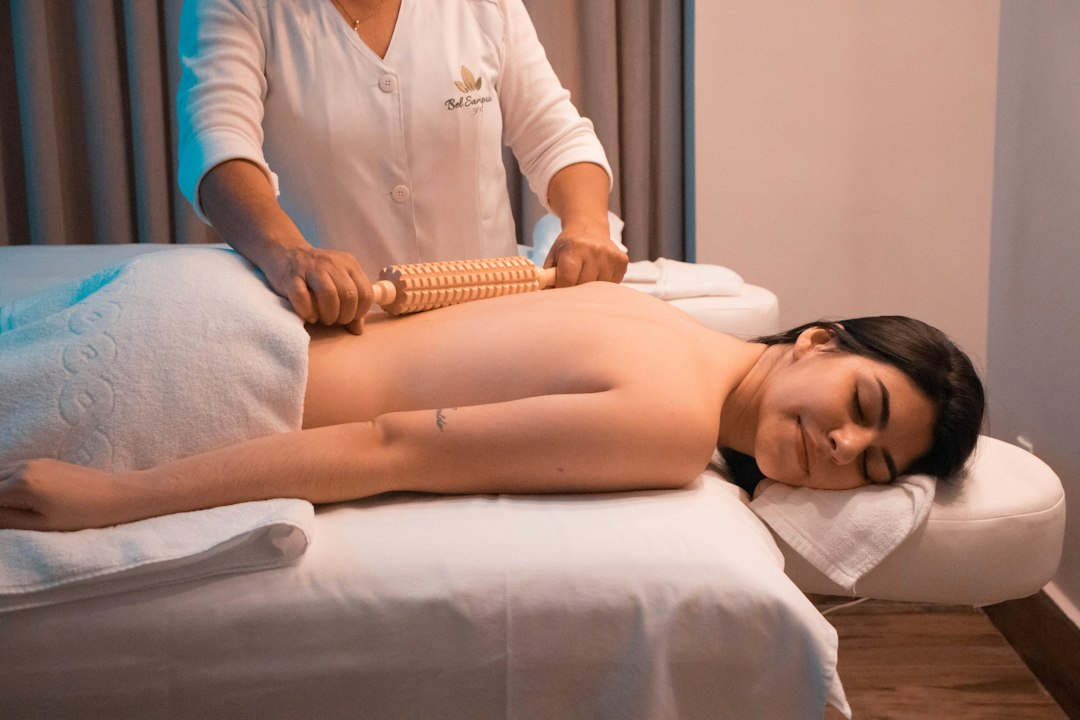
Think of the 48 hours after your session in three stages. Each one has its own priorities.
| Window | What to do | What to skip |
|---|---|---|
| 0 to 1 hour | Water, warm layers, slow exit, light snack | Rushing into traffic, caffeine overload, skipping a jacket |
| 1 to 6 hours | Easy walk, gentle stretching, warm shower or bath | Heavy lifting, intense cardio, alcohol |
| 6 to 24 hours | Quality sleep, regular meals, light movement, heat on sore spots | Hard training, long hours sitting still, ice on already tight areas |
| 24 to 48 hours | Return to normal activity gradually, note how you feel, book next visit | Pushing through persistent sharp pain |
Moving Your Body Gently
Light movement keeps blood flowing and stops stiffness from setting in. A 20 to 30 minute walk is ideal. In October, the river valley trails are at their best. Try the Mill Creek Ravine or the stretch along the North Saskatchewan near Whyte Avenue, where fall colour peaks and the surface is mostly flat. By late November, that same walk needs ice cleats, so a mall loop or indoor track is the safer choice. West Edmonton Mall has long, flat corridors that work well for a slow cool-down walk on a bad day.
Gentle stretching also helps. Hold each stretch for 20 to 30 seconds without bouncing. Focus on the areas your therapist worked. Ask them for two or three specific stretches before you leave. Therapists are usually happy to write them down or show you a quick demo.
Heat, Ice and Soaking
Heat is usually the better choice after massage. A warm bath or shower relaxes muscle and feels good on a dry-skinned winter body. An Epsom salt soak is popular. The evidence that magnesium absorbs through skin in meaningful amounts is thin, but a warm bath on its own is worth doing.
Ice is for acute injuries and swelling. If you have tenderness at a specific spot after deep work, a cold pack for 10 minutes may help, but most people find heat more comfortable. When in doubt, follow your therapist’s advice, because they know what they did and where you might be sore.
Save very hot options like a sauna or steam room for later in the day, or the next day. Intense heat right after a deep session can leave you light-headed. If you want to add a hot soak, keep it gentle and short.
Sleep Matters More Than Any Product
Many people sleep unusually well after massage. Take advantage. Aim for a normal bedtime and avoid screens in the last hour. Sleep is when your body repairs tissue, and a good night after treatment extends the benefits more than any cream or gadget.
If you notice your sleep is worse after a session instead of better, tell your therapist. Pressure that was too intense may have left you wound up. A lighter touch next time can fix that.
Edmonton Seasons and Aftercare
Aftercare advice written for Phoenix does not help much in Edmonton. Our weather changes the plan every few months.
Winter: Protect the Work from the Cold
From November to March, the biggest threat to your massage results is cold exposure. Dress in layers before you leave the treatment room. Put on warm boots, not fashion shoes. Avoid long waits at an exposed bus stop. If your session ran late in the day, go straight home. Evening sessions work especially well in winter because you can walk out, drive home, eat, bathe and go to bed without a long stretch of cold exposure.
Dry air is the other winter issue. Your skin may feel tight or itchy after oil or lotion is worked in. Ask what product your therapist used if you react to it. A fragrance-free moisturizer afterward helps. A humidifier in the bedroom, set between 30 and 40 percent, also makes the night more comfortable.
Smoke Season and Poor Air Days
Wildfire smoke can settle over Edmonton in summer and early fall. On bad air days, skip the outdoor walk. Heavy breathing of smoky air when your body is relaxed is a poor idea. Check the Air Quality Health Index before you plan any outdoor post-massage activity. Health Canada publishes guidance on protecting yourself during wildfire smoke events, including how to use the AQHI. On those days, stay inside, use a mall loop or a quiet indoor space for gentle movement, and keep your windows closed.
Summer and Fall: Use the River Valley
Long summer evenings are the best time to recover. A session in the late afternoon followed by an easy walk through Hawrelak Park, Louise McKinney Riverfront Park or the Mill Creek Ravine fits the pattern well. If you live near Whyte Avenue, you can even walk home from the clinic. Fall is the same, only with shorter light. Aim to finish your post-massage walk before sunset, since river valley trails get dark and chilly fast in October.
If your massage followed a hard day outdoors, such as a long hike, run or cycling session, read this guide on the best recovery methods after outdoor activities in Edmonton to plan the rest of your recovery.
What to Avoid After a Massage
Knowing what to skip is as important as knowing what to do. Most of these mistakes are easy to make because the session leaves you feeling great.
Hard Workouts and Heavy Lifting
Do not hit a high-intensity class or a heavy lifting session within a few hours. Muscles that have been worked deeply may be a little fatigued even if they feel loose. Loose does not mean stable. Joints can feel more flexible than normal, and that can lead to overreaching in a lift or a stretch.
If you train regularly, schedule massage on a rest day or after your last hard session of the week. Many Edmonton runners who train for the Servus Edmonton Marathon book a session a few days before the race, not the day before. That gives soreness time to clear.
- Skip for the rest of the day: heavy squats, deadlifts, sprints, hot yoga, high-intensity intervals.
- Fine to do: walking, easy cycling, restorative yoga, light swimming.
Alcohol and Heavy Caffeine
Alcohol dehydrates you and can worsen soreness. It also dulls your ability to notice if something feels off. A glass of wine with dinner will not undo your session, but a night out on Whyte Avenue probably will. Keep coffee to your normal amount. Several large coffees right after a relaxing session fight the calm state you just reached.
Sitting Still for Hours
This one catches office workers. If you booked a lunchtime massage and went back to a desk, set a timer to stand up every 30 minutes. Sustained posture is what tightened your neck and shoulders in the first place. If your job involves long drives or desk time, ask your therapist for a simple posture and desk setup plan. Even a small change, like raising your monitor by a few centimetres, helps.
Making the Results Last: Follow-Ups and Pairing Treatments
One massage feels good. A pattern of massage changes how your body copes with stress and strain. The right schedule depends on your goals.
How Often to Book
There is no universal rule. A rough guide based on common practice among registered massage therapists:
- General stress and tension: every 4 to 6 weeks.
- Active training or physical job: every 2 to 4 weeks.
- Acute injury or flare-up: weekly or every two weeks for a short block, as your therapist advises.
- Chronic pain: a plan built with your therapist and, ideally, your doctor.
In Edmonton, a 60-minute session from a registered massage therapist typically runs about $100 to $150, with 90-minute sessions higher. Many extended health plans cover a set number of visits per year, often with an annual cap. Check your benefits booklet in October, since many plans reset on January 1 and unused coverage may expire at year end. That makes now a good time to use up what you have left.
If you live with ongoing pain, read whether massage therapy can help with chronic pain relief. For research on the topic, you can search peer-reviewed studies through PubMed. The research is mixed in quality, so treat strong claims with caution.
Pairing Massage with Other Recovery Tools
Massage works well alongside other recovery methods when you space them sensibly.
- Red light therapy: a short session the day after massage can fit into a recovery routine. See this explainer on red light therapy for muscle recovery for what the research does and does not show.
- Sauna or steam: best 24 hours after deep tissue work, or later the same day only if the session was light.
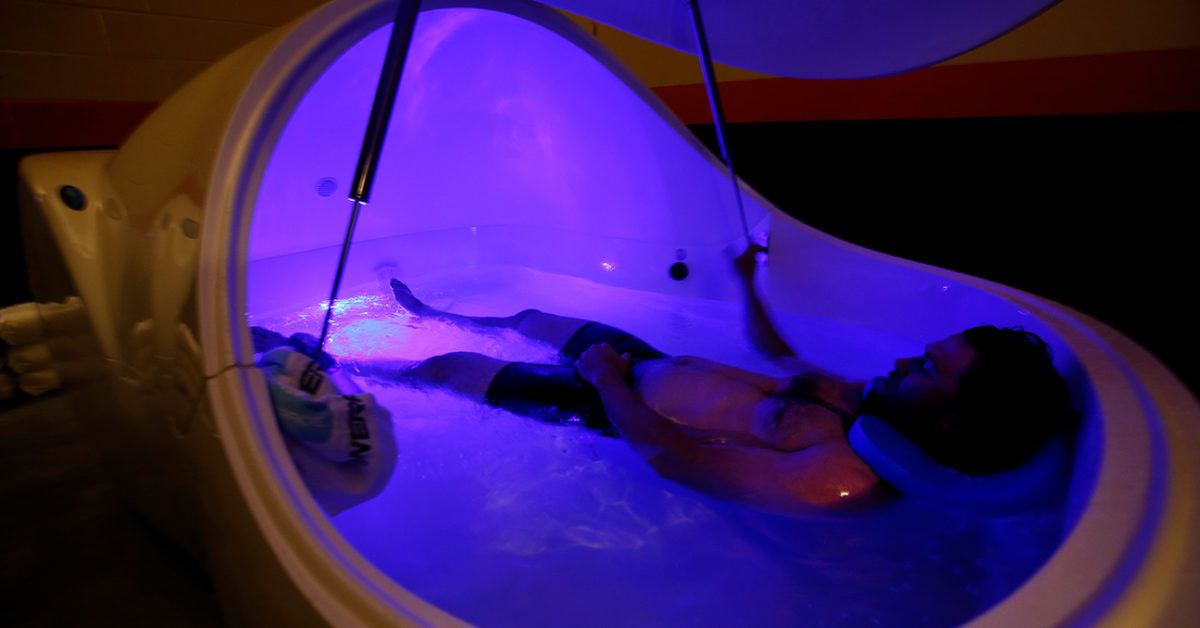
- Float tank: a good fit after a relaxation massage, since both emphasize calm. Skip it right after very deep work if you are sore.
- Acupuncture: often booked in the same week for stubborn tension, though not the same day for most people.
Avoid stacking too many treatments in one afternoon. Three treatments in four hours sounds relaxing and often just leaves you tired and dehydrated.
Choosing the Right Clinic Next Time
Aftercare starts with the session itself. A good therapist asks about your goals, adjusts pressure, and gives specific advice at the end. If you leave without any instructions, ask for some. If pressure was too strong or too light, say so. Therapists cannot read your mind.
For clinics near the university and Old Strathcona, see the guide to the best massage therapy on Whyte Avenue. If you want a clinic closer to your home or workplace, the neighborhood guide to Edmonton massage therapy clinics covers areas from downtown to Windermere and Sherwood Park. Browse more local options on the Edmonton Wellness Guide homepage.
When Something Does Not Feel Right
Most post-massage reactions are mild. A few are not. Know the difference.
Normal Reactions
- Mild tenderness in worked areas for up to 48 hours.
- Tiredness or drowsiness for the rest of the day.
- Feeling emotional or tearful.
- Slight headache, usually linked to dehydration or tension release.
- Light, temporary skin redness where pressure was applied.
Reactions That Need a Call
Contact your therapist if soreness is worse after 48 hours or if you feel more pain than you did before the session. Seek medical attention for sharp or severe pain, swelling, warmth or redness in one calf, numbness, pins and needles that do not clear, shortness of breath, or chest pain. Calf swelling and pain can signal a blood clot, which is a medical issue. Massage is not suitable for some people, including those with certain clotting conditions, so always report your full health history on the intake form.
In Alberta, call Health Link at 811 for nurse advice if you are unsure whether symptoms are serious. Alberta Health Services has information on Health Link and local care options.
Telling Your Therapist What You Noticed
Feedback improves your next session. Note three things after each visit: how sore you were, how long the benefit lasted, and how you slept. Share those details at your next appointment. A therapist who knows you felt wrecked for two days will lighten up. One who knows the effects faded in a day might suggest closer spacing or a longer session.
Related Articles
- What Is Float Tank Therapy and How Does It Work: An Edmonton Guide to Sensory Deprivation
- How to Prepare for Your First Acupuncture Appointment: An Edmonton Guide
Sources & References
Find Trusted Wellness Spots in Edmonton
Browse our independent guide to Edmonton’s spas, fitness studios, and wellness services. Local. Honest. Free.
Frequently Asked Questions
Should I shower right after a massage?
You can, but it is not required. If oil was used, a warm shower afterward is fine and usually feels good. Skip very hot water for the first hour, and moisturize afterward since winter air in Edmonton dries skin quickly.
Is it okay to exercise after a massage?
Light activity is fine. A 20 to 30 minute walk on the river valley trails or a mall loop is a good choice. Save intense workouts and heavy lifting for the next day, especially after deep tissue work.
How much water should I drink after a massage?
There is no fixed amount. A practical target is a glass before you leave and steady sipping over the next few hours. Water supports general comfort in Edmonton’s dry air, though it does not literally flush toxins out of your muscles.
Why do I feel sore or tired after a massage?
Deep pressure can leave muscles tender for 24 to 48 hours, similar to mild post-workout soreness. Fatigue is common because your nervous system shifts toward rest. Rest, a warm bath and a walk usually help. If soreness is sharp or lasts beyond two days, contact your therapist.
Can I get a massage and then go to a sauna or hot tub?
Wait a few hours at least, and preferably until the next day after a deep session. Intense heat right afterward can make you light-headed or dehydrated. A warm bath at home is a gentler alternative on the same day.