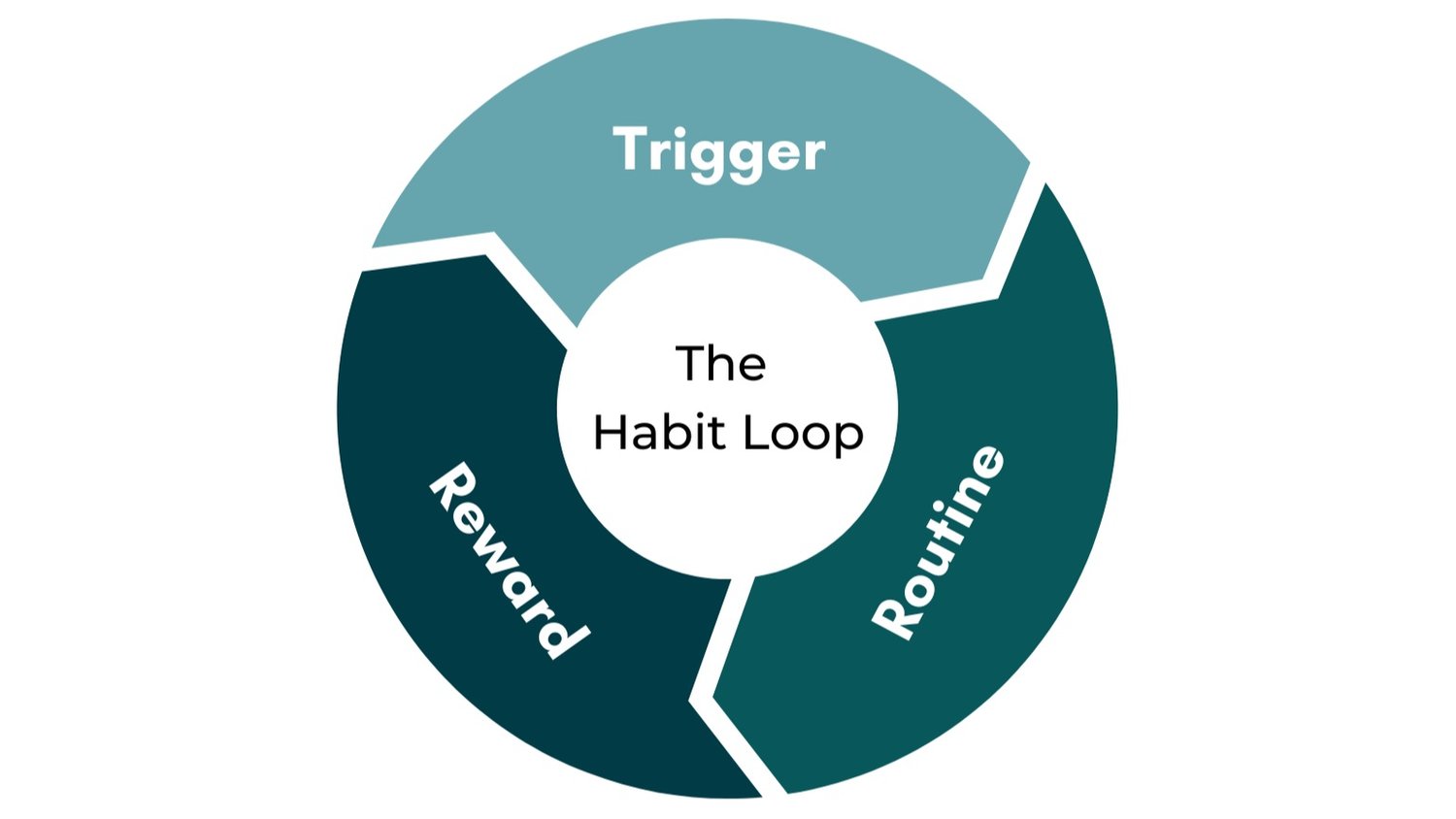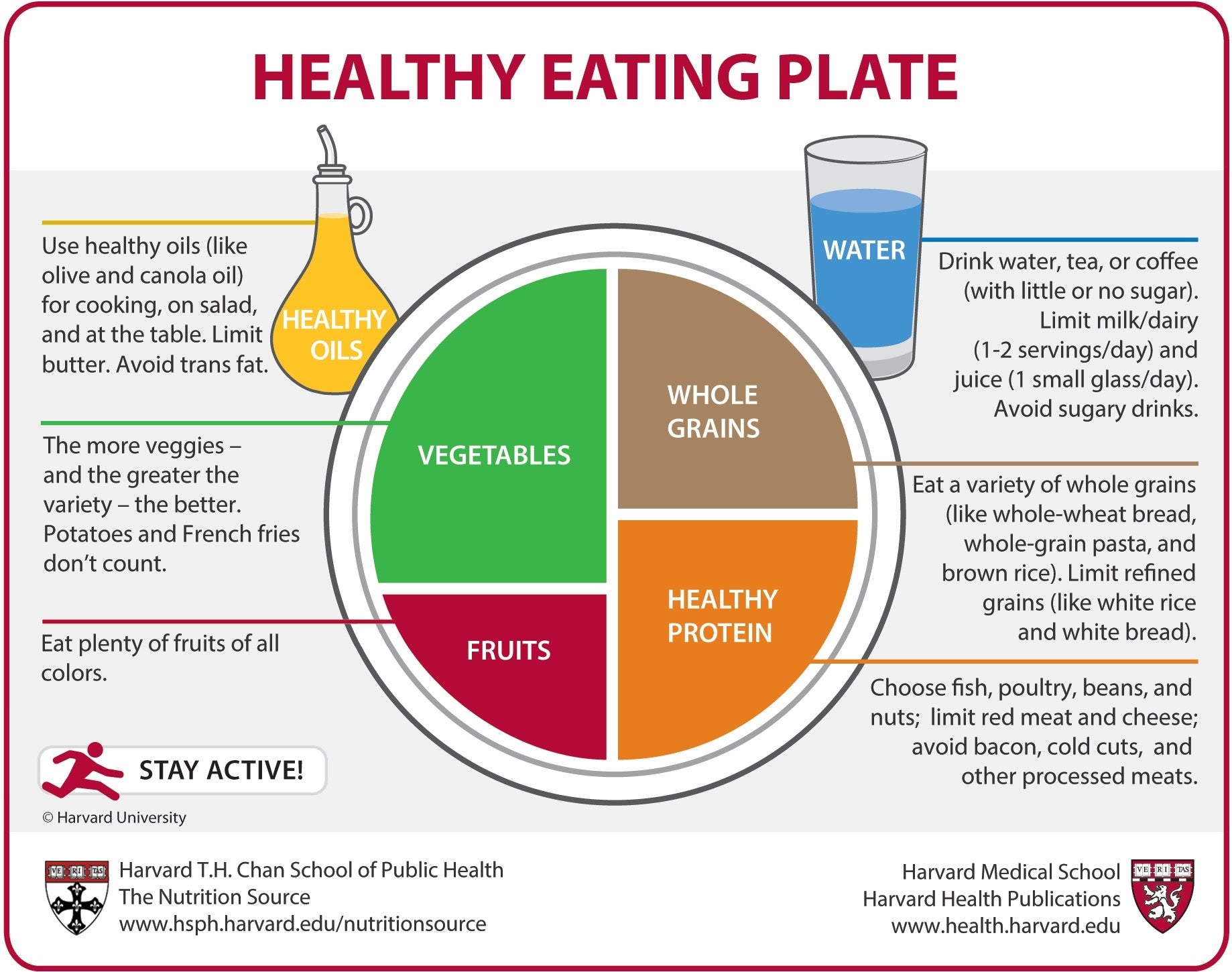
You’ve tried the diets. The meal plans. The calorie counting apps. And here you are, still fighting the same battle with food. most Edmontonians don’t need another diet. They need a better relationship with food that works through winter comfort-eating season, summer BBQ months, and everything in between. Building healthy eating habits without strict dieting means creating sustainable patterns that fit your actual life in this city.
Last reviewed:
Understanding Why Diets Fail in Edmonton’s Climate

The Winter Weight Cycle
Edmonton’s seven-month winter creates unique challenges for maintaining consistent eating habits. When it’s -30°C outside and dark by 4:30 PM, your body craves comfort foods. That’s biology, not weakness. Health Canada’s seasonal eating guidelines acknowledge that northern climates affect appetite and food preferences.
Most restrictive diets ignore this reality. They demand you eat salads when your body wants stew. They expect portion control when your metabolism literally slows down in winter. This disconnect between diet rules and seasonal needs explains why so many New Year’s resolutions fail by February in Edmonton.
Health And Wellness Edmonton covers this in more detail.
The solution isn’t fighting your body’s natural rhythms. It’s working with them. That means planning heartier, nutrient-dense meals in winter and lighter fare when the sun finally returns in May.
The All-or-Nothing Trap
Strict dieting creates a mindset where you’re either “on” or “off” your plan. Miss your meal prep Sunday because you’re at a weekend tournament at West Edmonton Mall? Diet’s blown. Have poutine at the Folk Music Festival? Might as well give up until Monday.
Best Indoor Wellness Activities When Edmonton Air Quality Drops covers this in more detail.
This black-and-white thinking doesn’t match real life in Edmonton. You’ll have Oilers game nights. Stampede breakfasts. Holiday parties at work. A sustainable approach to healthy eating accepts these realities instead of pretending they don’t exist.
Edmonton Spring Allergies Wellness Guide For Seasonal Relief covers this in more detail.
Building habits means creating flexible guidelines, not rigid rules. It’s the difference between “I try to eat vegetables with most meals” and “I must eat exactly 5 servings of vegetables daily.” One approach bends with life. The other breaks.
Best Hot Springs Near Edmonton For Winter Wellness Escapes covers this in more detail.
Why Habits Beat Willpower
Willpower is finite. Habits are automatic. When you’re exhausted from your commute on the Henday, willpower won’t help you choose carrots over chips. But if you’ve built the habit of keeping pre-cut vegetables at eye level in your fridge, the healthy choice becomes the easy choice.
Research published in the European Journal of Social Psychology shows it takes an average of 66 days to form a new habit. Not 21 days like the myth suggests. That’s over two months of consistent practice. In Edmonton terms, that’s starting a habit in January and having it locked in by March.
The key is starting small enough that you can maintain consistency through our weather extremes, work schedules, and social commitments. One new habit at a time beats trying to overhaul your entire diet overnight.
Start With Your Kitchen Environment
The Strategic Fridge Setup
Your fridge layout directly impacts what you eat. Put healthy options at eye level. Hide the less nutritious stuff in the crisper drawers or back corners. This simple reorganization leverages what behavioral scientists call “choice architecture” – making the healthy choice the convenient choice.
Here’s the Edmonton-tested fridge setup that works:
- Eye level shelves: Pre-cut vegetables, hummus, Greek yogurt, leftovers in clear containers
- Second shelf: Proteins ready to cook, pre-marinated options from Save-On-Foods
- Bottom shelf: Raw meats, items that need cooking (creates a barrier to impulse eating)
- Crisper drawers: Whole vegetables and fruits that keep longer
- Door: Water bottles, hot sauce, condiments (not juice or pop)
This setup works because after a long day, you’ll grab what you see first. Make that first thing something that supports your health goals.
Pantry Organization That Promotes Better Choices
Apply the same visibility principle to your pantry. Store chips and cookies on high shelves or in opaque containers. Keep nuts, whole grain crackers, and dried fruit at eye level in clear jars. When you’re hunting for a snack, you’ll naturally reach for what’s visible and accessible.
Stock your pantry with versatile basics that make healthy cooking easier:
- Canned beans (black, chickpea, kidney) – protein without planning
- Quinoa and brown rice – cooks in 20 minutes
- Canned tomatoes – base for countless healthy meals
- Olive oil and coconut oil – healthy fats for cooking
- Spices and herbs – flavor without calories
- Nut butters – satisfying protein and healthy fats
These shelf-stable items mean you always have healthy meal components available, even when you can’t make it to the grocery store because of a snowstorm.
Tools That Actually Help
Skip the gadgets that promise miracles. Invest in tools that remove friction from healthy cooking:
- Good knives: Sharp knives make vegetable prep faster and safer
- Glass storage containers: See your leftovers, use your leftovers
- Sheet pans: Roast vegetables and proteins together for easy meals
- Instant Pot or slow cooker: Set it before work, come home to dinner
- Salad spinner: Wash greens once, eat all week
You can find quality versions of these basics at Winners, Canadian Tire, or London Drugs without breaking the budget. The goal is making healthy cooking convenient enough to compete with Skip The Dishes on busy weeknights.
Building Sustainable Meal Planning Habits

The Two-Meal Planning Method
Full weekly meal planning sounds great in theory. In practice, most people abandon it within a month. Instead, try the two-meal method: plan just two healthy dinners per week. Cook double portions. Now you have four nights covered with leftovers.
This approach works because it’s realistic. You’re not trying to plan seven perfect meals. You’re not spending Sunday afternoon cooking for the entire week. You’re making two good meals and letting the leftovers handle the rest.
Choose recipes that reheat well:
- Chili or stew (perfect for Edmonton winters)
- Stir-fries (add fresh rice each time)
- Roasted chicken with vegetables
- Pasta dishes with hidden vegetables
- Soups and curries
For the other nights, keep simple backup options: eggs and toast, smoothie bowls, or healthy takeout from local spots. Edmonton’s healthy restaurant scene offers plenty of nutritious options when cooking isn’t realistic.
Shopping Strategies for Success
Grocery shopping without a plan leads to impulse purchases and food waste. But elaborate lists can feel overwhelming. Find the middle ground with these Edmonton-specific strategies:
Shop the perimeter first. At most Edmonton grocery stores (Superstore, Save-On-Foods, Safeway), fresh foods line the outer walls. Fill your cart with produce, proteins, and dairy before venturing into the processed food aisles.
Use click-and-collect services. Superstore, Walmart, and Save-On all offer free pickup with minimum orders. Shopping online eliminates impulse buys and saves time. Order your staples online, then stop by the Old Strathcona Farmers’ Market on Saturdays for seasonal produce.
Buy frozen vegetables. Our growing season is short. Frozen vegetables picked at peak ripeness often contain more nutrients than fresh produce shipped from California. Stock your freezer with frozen berries, broccoli, and stir-fry mixes for easy nutrition year-round.
Batch Cooking Without Burnout
Traditional meal prep advice says to spend Sunday cooking for the week. But that’s a big time commitment that many people can’t sustain. Instead, try “accidental” batch cooking:
- Making tacos? Brown extra ground turkey for tomorrow’s pasta sauce
- Roasting vegetables? Fill two sheet pans instead of one
- Cooking rice? Make extra for fried rice later in the week
- Grilling chicken? Throw on extra breasts for salads and wraps
This approach builds meal prep into your regular cooking without dedicating entire afternoons to the kitchen. You’re not meal prepping. You’re just cooking smarter.
Navigate Edmonton’s Food space
Farmers’ Markets and Seasonal Eating
Edmonton’s farmers’ markets offer more than just Instagram-worthy vegetables. They’re your connection to seasonal, local eating that naturally varies your diet throughout the year. The Old Strathcona Farmers’ Market (year-round, Saturdays) and City Market Downtown (Saturdays) provide fresh options even in winter months.
Summer markets explode with options:
- 124 Grand Market (Thursdays, May-October): After-work shopping on 124 Street
- Callingwood Farmers’ Market (Sundays): West end convenience
- Millwoods Farmers’ Market (Fridays): South side option
Shopping farmers’ markets builds healthy habits naturally. You eat more vegetables when they’re fresh and local. You try new foods when vendors offer samples. You eat seasonally without forcing it.
Winter market shopping requires strategy. Root vegetables, greenhouse greens, and frozen local berries become staples. Many vendors offer pre-orders for weekly pickup, creating a built-in healthy food commitment.
Healthy Local Food Services
Sometimes you need help maintaining healthy eating habits. Edmonton has services that bridge the gap between cooking everything yourself and relying on takeout:
Meal prep services: Companies like YEG Meal Prep and Fit Kitchen deliver portion-controlled, healthy meals weekly. Prices range from $9-15 per meal. Not cheap, but often less than restaurant delivery with better nutrition.
Grocery delivery with healthy focus: Spud.ca specializes in organic, local options with weekly delivery. Blush Lane Organic Market offers curbside pickup. These services help when weather or schedules make shopping difficult.
Community Supported Agriculture (CSA) boxes: Riverbend Gardens, Sundog Organic Farm, and other local farms deliver weekly produce boxes June through October. The variety forces you to try new vegetables and eat seasonally. Prices average $30-40 per week for a family box.
Restaurant Strategies
Eating out is part of life in Edmonton. Between business lunches downtown, weekend brunch in Old Strathcona, and dinner dates on 124 Street, restaurant meals happen. The key is having strategies that work anywhere:
- Order first: Don’t let others’ choices influence yours
- Ask for modifications: Dressing on the side, grilled instead of fried, extra vegetables instead of fries
- Share plates: Edmonton portions are often huge. Split an entrée and add a salad
- Box half immediately: Ask for a to-go container when your meal arrives and pack half before you start eating
Some Edmonton restaurants make healthy eating easier with clear menu labeling and lighter options. But these strategies work whether you’re at a health-focused cafe or a sports bar.
Manage Emotional and Seasonal Eating
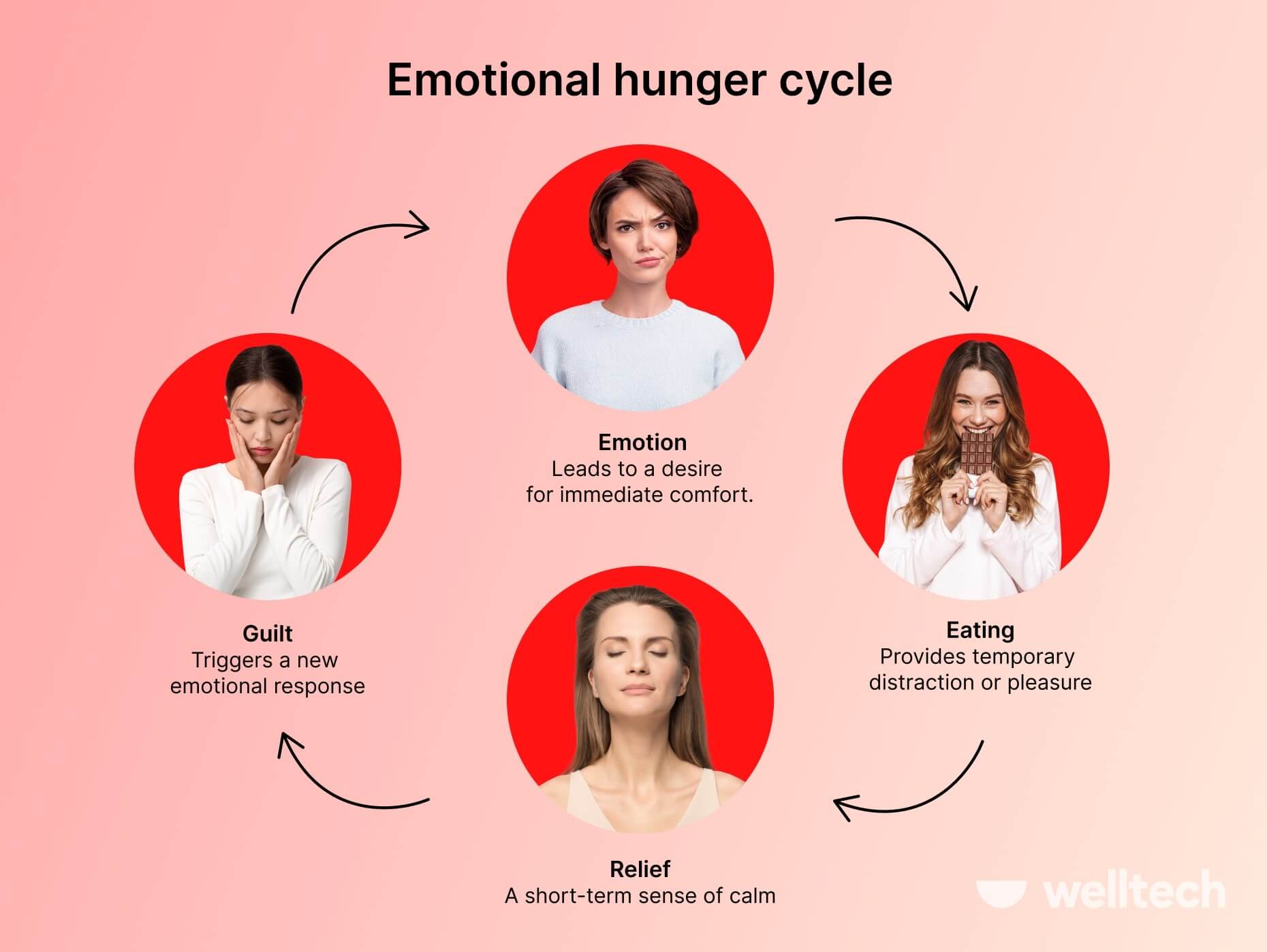
Winter Comfort Without the Guilt
When it’s dark at 4 PM and your car won’t start, salad isn’t going to cut it. Your body craves warm, comforting foods for good reason. The trick is satisfying those cravings with healthier versions of comfort classics.
Healthy winter swaps that actually satisfy:
- Instead of cream soup: Pureed vegetable soups with a splash of milk
- Instead of heavy pasta: Whole grain noodles with roasted vegetables
- Instead of cookies: Baked apples with cinnamon and a drizzle of honey
- Instead of hot chocolate: Homemade version with real cocoa and less sugar
The goal isn’t denying yourself comfort. It’s finding comfort in foods that also nourish your body. A bowl of homemade chili gives you the warmth you crave plus protein and fiber. Roasted root vegetables satisfy that need for heartiness while providing vitamins.
Stress Eating Solutions
Between winter driving, work pressure, and general life stress, emotional eating affects most Edmontonians. The solution isn’t more willpower. It’s having better options readily available when stress hits.
Create a stress-eating kit with satisfying but healthier options:
- Individual portions of nuts (pre-portioned to avoid overdoing it)
- Dark chocolate squares (the good stuff satisfies with less)
- Herbal teas for evening cravings
- Frozen grapes for something sweet and crunchy
- Seasoned popcorn for volume without many calories
When stress eating strikes, you’ll reach for these instead of ordering pizza. You’re not denying the urge. You’re redirecting it.
Social Eating Balance
Edmonton’s social calendar revolves around food. Stampede breakfasts, festival food trucks, playoff parties, weekend brunches. Trying to avoid all social eating isolates you and makes healthy habits feel like punishment.
Instead, develop strategies for enjoying social events while maintaining your habits:
- Eat before you go: Have a healthy snack so you’re not starving when you arrive
- Contribute a healthy dish: Bring a veggie tray or healthier dip to potlucks
- Focus on people, not food: Position yourself away from the food table
- Choose your indulgences: Have the birthday cake, skip the store-bought cookies
Remember that healthy eating habits include flexibility for special occasions. One festival weekend won’t undo months of good habits. Overall wellness includes social connection, which often happens around food in our culture.
Track Progress Without Obsessing
Beyond the Scale
Weight fluctuates daily based on hydration, hormones, and what you ate yesterday. Using the scale as your only measure of progress sets you up for frustration. Track other markers that better reflect your growing healthy habits:
- Energy levels: Note when you feel energized versus sluggish
- Sleep quality: Better nutrition often improves sleep
- Mood stability: Balanced eating reduces mood swings
- Fitness improvements: Climbing stairs easier, longer walks in the river valley
- Bloodwork: Annual check-ups show internal improvements
Keep a simple journal noting how you feel, not just what you weigh. After a month, you’ll see patterns between your eating habits and overall wellbeing that motivate better than any number on a scale.
The 80/20 Approach
Perfectionism kills healthy habits faster than any foods. The 80/20 approach means aiming for nutritious choices about 80% of the time, leaving room for pizza nights and birthday cake. This isn’t “cheating” – it’s building sustainability.
In practical terms, if you eat 21 meals per week, about 17 should align with your healthy eating goals. The other four? Enjoy them without guilt. This might mean weekend brunch at Sugarbowl, Thursday wing night, or Sunday dinner at grandma’s.
This flexibility prevents the restrict-binge cycle that strict dieting creates. You’re never “off” your plan because your plan includes real life.
Monthly Check-ins
Instead of daily weigh-ins or calorie counting, try monthly check-ins with yourself. Pick a date (maybe the first Saturday of each month) to assess what’s working and what isn’t.
Monthly check-in questions:
- Which healthy habits felt easy this month?
- What obstacles keep appearing?
- Do I need to adjust for the upcoming season/schedule?
- What one small improvement can I make next month?
This regular but not obsessive review helps you stay on track without making food the center of your life. You’re building awareness, not anxiety.
Long-Term Success Strategies

Seasonal Adjustments
Edmonton’s extreme seasons require different approaches to healthy eating. What works in July won’t work in January. Build flexibility into your habits from the start.
Winter adjustments:
- Stock up on frozen vegetables when fresh options dwindle
- Embrace slow cooker meals for easy, warming dinners
- Take vitamin D (check with your doctor for dosage)
- Plan indoor exercise to maintain appetite regulation
Summer adjustments:
- Visit farmers’ markets weekly for variety
- Prep fresh foods for river valley picnics
- Stay hydrated with water, not sugary drinks
- Plan for festival and patio season indulgences
During smoke season, when outdoor activities halt, focus on indoor wellness activities that support your healthy eating goals. Stress from poor air quality can trigger comfort eating, so have strategies ready.
Building Your Support System
Sustainable habits need community support. Edmonton offers various ways to connect with others focused on healthy living:
Local groups and classes:
- City of Edmonton recreation centers offer nutrition workshops
- MacEwan University’s culinary program hosts public healthy cooking classes
- Organic Box runs seasonal cooking classes at their south side location
- Community leagues often organize group grocery tours or cooking demos
Online communities:
- YEG Food Facebook groups share healthy restaurant finds
- Edmonton Reddit threads discuss meal prep and local food resources
- Instagram hashtags like #yegfood and #yeghealthy connect you with like-minded locals
Having people who understand your goals makes maintaining habits easier, especially during challenging seasons or stressful periods.
When to Seek Professional Help
Sometimes building healthy eating habits requires professional guidance. Edmonton has excellent resources if you need extra support:
Registered dietitians: Alberta Health Services offers free nutrition counseling through Primary Care Networks. Many insurance plans also cover private dietitian visits.
Therapy for disordered eating: If you struggle with binge eating, extreme restriction, or food anxiety, therapists specializing in eating disorders can help. The University of Alberta Hospital has specialized programs.
Naturopaths and functional medicine: For digestive issues or food sensitivities affecting your eating habits, practitioners at clinics in Oliver or Sherwood Park can run complete testing.
There’s no shame in needing help to build a healthy relationship with food. It’s actually a sign you’re serious about lasting change.
Making It Stick Through Edmonton Life
Workplace Wellness
Whether you work downtown, in an industrial area, or from home, your work environment shapes your eating habits. Create systems that support healthy choices during work hours:
Office strategies:
- Keep healthy snacks in your desk drawer
- Bring lunch 3-4 days per week
- Find healthy takeout options near your workplace
- Start a lunch walking group for appetite regulation
Shift work solutions:
- Pack meals for overnight shifts
- Avoid vending machines by bringing satisfying snacks
- Maintain regular meal times despite irregular hours
- Stay hydrated to avoid confusing thirst with hunger
Many Edmonton employers now offer wellness programs or healthy food options in cafeterias. Take advantage of these resources when available.
Family Food Dynamics
Creating healthy eating habits gets complicated when you’re cooking for a family with different preferences. Kids wanting chicken nuggets while you’re trying to eat more vegetables. Partners who consider beer a food group. The solution isn’t making separate meals for everyone.
Family-friendly strategies that work:
- One meal, multiple options: Taco night where everyone builds their own
- Hidden vegetable techniques: Puree vegetables into pasta sauces
- Make it fun: Let kids pick a new vegetable at the farmers’ market
- Lead by example: Kids eat what they see you enjoying
Focus on adding healthy options rather than eliminating favorites. Serve apple slices alongside the mac and cheese. Over time, palates expand without battles.
Budget-Conscious Healthy Eating
Eating healthy in Edmonton doesn’t require shopping at Whole Foods or buying expensive superfoods. Smart shopping at regular grocery stores provides everything you need:
Budget-friendly healthy foods:
- Dried beans and lentils (cheaper than canned, cook in batches)
- Frozen vegetables and fruits
- Eggs (versatile, cheap protein)
- Seasonal produce from No Frills or FreshCo
- Bulk bin items: oats, rice, nuts
Money-saving strategies:
- Shop sales and stock up on non-perishables
- Use apps like Flipp to compare prices
- Buy whole chickens and roast them yourself
- Grow herbs on your windowsill year-round
- Make your own salad dressings and sauces
Healthy eating becomes more sustainable when it doesn’t strain your budget. Focus on simple, whole foods rather than expensive packaged health foods.
| Habit Building Phase | Timeline | Focus Areas | Edmonton Resources |
|---|---|---|---|
| Getting Started | Weeks 1-2 | Kitchen setup, remove barriers | IKEA South for containers, Superstore for pantry basics |
| Building Momentum | Weeks 3-8 | Meal planning, grocery routine | Farmers’ markets, meal prep services |
| Establishing Patterns | Weeks 9-12 | Social eating strategies, flexibility | Healthy restaurants, cooking classes |
| Long-term Maintenance | 3+ months | Seasonal adjustments, community | Recreation centers, support groups |
Creating healthy eating habits without strict dieting is a gradual process. Each small change builds on the last. Start with reorganizing your fridge. Add one new vegetable to your grocery list. Cook one extra meal per week. These tiny shifts compound over time into lasting change.
The goal isn’t perfection. It’s progress. Some weeks you’ll meal prep like a professional. Other weeks you’ll survive on scrambled eggs and takeout. Both are fine. What matters is returning to your healthy habits without guilt or dramatic declarations about “starting over Monday.”
Edmonton’s food scene keeps expanding with healthy options. New meal prep services launch regularly. Farmers’ markets extend their seasons. Restaurants add nutritious menu items. Building healthy eating habits gets easier when your city supports your efforts.
Focus on habits that fit your actual life. If you hate cooking, meal delivery services might be worth the investment. If you love trying new restaurants, learn to navigate menus skillfully. If family dinners matter, find healthy recipes everyone enjoys. There’s no single right way to eat healthy in Edmonton.
The best diet is the one you don’t realize you’re on. When healthy eating becomes your default mode, not a special project, you’ve succeeded. That transformation happens through small, consistent habits, not dramatic overhauls. Trust the process. Your future self will thank you.
Related Articles
- How to Build a Morning Wellness Routine for Beginners: An Edmonton Guide
- What Is a Sustainable Habit Loop and How Does It Work: Building Wellness Routines That Stick in Edmonton
- How to Start Yoga at Home in Edmonton: A Winter-Friendly Guide
Sources & References
Frequently Asked Questions
How do I handle food cravings during Edmonton’s long winters without giving in to comfort eating?
Satisfy winter cravings with healthier versions of comfort foods like vegetable-based soups, whole grain pasta dishes, and roasted root vegetables. Keep your home warmer, use a light therapy lamp, and maintain social connections to address the root causes of winter comfort eating. Stock up on warming spices like cinnamon and ginger to add comfort to healthier foods.
What are the best Edmonton meal prep services for someone trying to establish healthy eating habits?
YEG Meal Prep and Fit Kitchen both deliver portion-controlled healthy meals weekly throughout Edmonton, ranging from $9-15 per meal. Freshii also offers meal plan subscriptions with pickup at multiple locations. For more budget-friendly options, check out the prepared meals section at Save-On-Foods or Superstore, which offer healthy grab-and-go options.
How can I maintain healthy eating habits when attending Edmonton Oilers games or local festivals?
Eat a balanced meal before attending events so you’re not starving when surrounded by arena food. At Rogers Place, look for healthier options like the veggie burgers or salad bowls. During festival season, share indulgent foods with friends rather than ordering your own portions. Remember that occasional treats at special events won’t derail your overall healthy eating habits.
Where can I find affordable healthy groceries in Edmonton during inflation?
No Frills and FreshCo offer the best prices on produce and whole foods. Shop the international aisles at T&T or Lucky 97 for affordable rice, noodles, and vegetables. Buy frozen vegetables at Walmart or Superstore when fresh is expensive. The Downtown Farmers’ Market often has deals on seasonal produce at the end of market days.
Should I take supplements during Edmonton winters while building healthy eating habits?
Most Edmontonians benefit from vitamin D supplementation during winter months due to limited sun exposure. Alberta Health Services recommends 1000 IU daily for most adults, but consult your doctor for personalized advice. Focus first on getting nutrients from food, then supplement where necessary. Local health food stores like Planet Organic can guide you to quality options.