If you trained hard this morning at a gym near Whyte Avenue or ground out hill repeats in the river valley, your body is already running its own repair job. The question is whether you help that process along or just sit on the couch and hope for the best. This guide covers how to recover from intense workouts using spa services, in order, so you are not guessing which treatment to book first or wasting money on the wrong one. It is written for Edmonton athletes and gym regulars who train hard, not spa tourists looking for a one-off pampering session. Start to finish, building a full recovery routine around one hard workout takes about 45 minutes to 3 hours spread across 48 to 72 hours, depending on how many services you stack.
Last reviewed:
- Tools needed: access to a cold plunge or cold shower, a massage therapy clinic booking, an infrared sauna or Nordic-style hot-cold circuit, a foam roller, a large water bottle, and warm layers for the walk between venues in winter
- Time: 45 minutes to 3 hours per session, spread across the 48 to 72 hours following a hard workout
- Difficulty: Beginner
Step 1: Assess What Your Body Actually Needs After the Workout

Not every hard session needs the same recovery plan. A 90-minute soccer match on turf leaves you with different needs than a heavy squat day at a downtown gym. Before you book anything, spend two minutes checking in with your body. This step sounds obvious, but it is the one most Edmontonians skip, and it is the reason people book a deep tissue massage when what they actually needed was 15 minutes in a cold plunge.
Reading the Signs of Inflammation vs Fatigue
Swelling, heat, and sharp joint pain point to acute inflammation, the kind you want to calm down fast with cold. General heaviness, tight muscles, and low energy point to fatigue, which responds better to heat, movement, and massage. Mayo Clinic notes that delayed onset muscle soreness (DOMS) typically peaks 24 to 72 hours after exercise and is a normal response to unfamiliar or high-intensity movement, not necessarily a sign something is wrong.
Recovery Options Edmonton Massage Physio Stretching covers this in more detail.
Matching Workout Intensity to Recovery Service
A light jog on the Legislature grounds does not need the same intervention as a competitive powerlifting meet. As a rough rule, match effort to service:
- Easy to moderate training: foam rolling plus a 10-minute cold shower
- Hard training (race day, heavy lifting, tournament): cold plunge, then massage within 24 to 48 hours
- Multi-day events (Ironman training blocks, hockey tournaments): the full stack, cold therapy, massage, sauna, and float, sequenced across three days
Watch out: Booking a 90-minute deep tissue massage the same day as a max-effort lift can leave you sorer, not less sore. Give inflamed tissue at least a few hours of cold exposure before anyone starts pressing into it.
Step 2: Time Your Recovery Window Correctly
Timing matters more than most people think when you are working out how to recover from intense workouts using spa services. Show up at the right venue on the wrong day and you get a fraction of the benefit.
The First 30 Minutes Post-Workout
This window is about rehydration and light movement, not spa bookings. Drink 500 to 750 mL of water, walk for 5 to 10 minutes to keep blood moving, and if you have access to a cold plunge on-site (some Edmonton gyms near Windermere and downtown now have them), a 2 to 3 minute dip here can blunt some of the inflammatory response before it builds.
The 2 to 24 Hour Window
This is prime time for cold therapy and light compression. If you cannot get to a plunge same-day, a cold shower for 5 minutes works as a stand-in. This is also when foam rolling and light stretching do the most good, before muscles fully tighten up.
Days 2 to 3, When Soreness Peaks
DOMS usually peaks here, which is exactly when massage therapy and infrared sauna sessions pay off most. Booking a massage on day one, before swelling and soreness have set in, is often less effective than booking it on day two.
Step 3: Start With Cold Therapy to Control Inflammation

Cold is your first tool, not your last. It controls swelling before it gets out of hand, and Edmonton has more cold plunge access now than it did even two years ago, from dedicated plunge studios to gyms that installed tubs alongside their weight rooms.
Cold Plunge vs Contrast Therapy
A straight cold plunge, 50 to 59 degrees Fahrenheit for 2 to 5 minutes, is the simplest option. Contrast therapy, alternating hot and cold in 3 to 4 minute cycles, is better if you also want the circulation boost of heat without skipping cold’s anti-inflammatory effect. Cleveland Clinic points out that cold water immersion can reduce perceived muscle soreness and help people feel like they recover faster, though the evidence on actual tissue repair is still mixed. Treat it as one tool in the kit, not a cure-all.
Where to Find Cold Therapy in Edmonton
Look for dedicated cold plunge studios in Oliver and Old Strathcona, several of which run walk-in sessions for 15 to 25 dollars, or gyms in Windermere and along 124 Street that have added tubs for members. Parking is usually easier at the suburban locations, while the Old Strathcona and Whyte Avenue spots mean you are circling for street parking or paying for a lot. In winter, budget extra time. Walking from a cold plunge to your car at -25°C in a damp bathing suit is its own kind of unpleasant if you are not prepared with a dry robe and warm boots.
Step 4: Book a Massage Therapy Session for Deep Tissue Recovery
Once inflammation has settled, usually by day two, massage becomes the most useful tool for working out knots and improving blood flow to fatigued tissue. Research reviewed by the National Institutes of Health suggests massage after exercise can reduce perceived soreness and may modestly influence inflammatory markers, even if it does not dramatically speed muscle repair at the cellular level.
Choosing Between an RMT and a Sports Massage
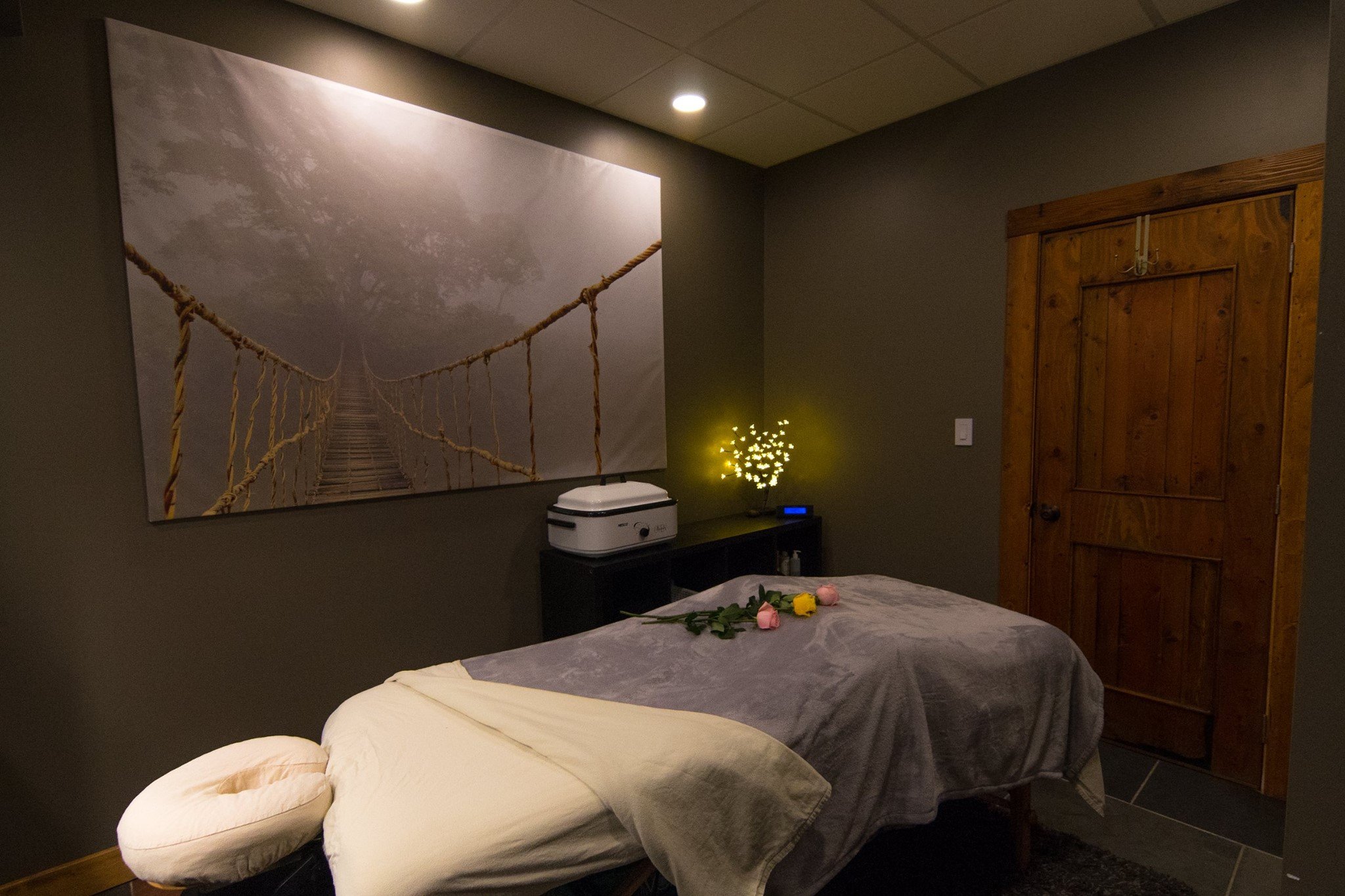
A registered massage therapist (RMT) can bill through most extended health plans, which matters in Edmonton where a session runs 90 to 140 dollars for 60 minutes. Sports massage clinics that specialize in athletes tend to work deeper and faster, which is useful before a competition but can leave you sorer for a day if you book it too close to your next hard session. For a full breakdown of how massage stacks up against physiotherapy and stretching for different injuries, this guide to recovery options across Edmonton massage, physio, and stretching services is worth reading before you book.
Pricing and How Often to Book
For general training recovery, once every 1 to 2 weeks is enough for most people. Competitive athletes in a heavy block sometimes go weekly. Expect 90 to 140 dollars for a 60-minute RMT session, 130 to 180 dollars for 90 minutes, with clinics in Oliver, Windermere, and Sherwood Park generally running slightly cheaper than downtown locations.
Watch out: Booking a massage the morning of a race or a max-effort day almost always backfires. Deep tissue work needs at least 48 hours to settle before another hard session.
Step 5: Add Infrared Sauna or Heat Therapy to Boost Circulation
Heat is the second half of the equation. Where cold controls inflammation, heat increases blood flow to tired muscles and helps flush out metabolic waste from a hard session.
Timing Sauna Sessions After Cold Exposure
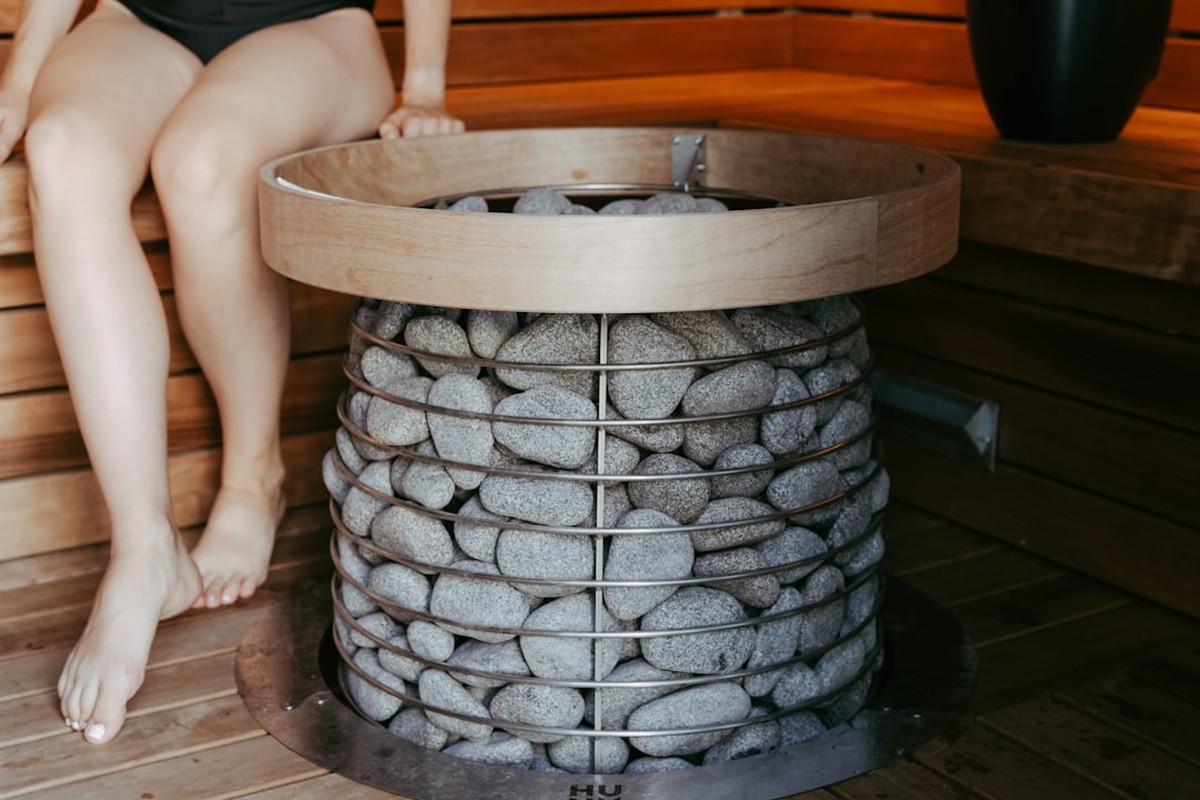
If you are doing both cold and heat in the same week, or even the same day, put cold first and heat second, ideally with at least an hour between them. A typical infrared sauna session runs 20 to 30 minutes at 120 to 140 degrees Fahrenheit, which is gentler than a traditional dry sauna but still effective for raising core temperature and triggering a sweat response.
Local Sauna and Hot Springs Options for Winter
Infrared studios have popped up along Whyte Avenue and in Oliver, usually charging 35 to 55 dollars for a single session or offering monthly unlimited packages for around 150 to 200 dollars. In the depths of an Edmonton winter, when a -30°C day makes anything outdoors miserable, a sauna session is also just good mental relief, not only physical recovery. Book early evening slots if you want to avoid the after-work rush, and check whether the studio has its own lot since street parking on Whyte gets tight most nights.
Step 6: Use Red Light Therapy for Cellular-Level Recovery

Red light therapy has become one of the more accessible add-ons at Edmonton recovery studios, usually offered alongside sauna or float packages rather than as a standalone destination.
How It Works and What a Session Involves
Sessions run 10 to 20 minutes, with red and near-infrared wavelengths aimed at the skin to support cellular repair in fatigued tissue. It will not replace massage or cold therapy, but it stacks well as an add-on, particularly for joint-heavy training like running or basketball. For the full mechanism and realistic expectations, this breakdown of red light therapy for muscle recovery covers what the research actually supports.
Fitting It Into a Recovery Stack
Most studios in Edmonton price red light therapy at 20 to 40 dollars per session, or bundle it into a membership with sauna and cold plunge access for 100 to 180 dollars a month. If you are training three or more times a week, a bundled membership almost always beats paying per session.
Step 7: Book Float Therapy for a Nervous System Reset
Physical recovery is only half the picture. Hard training also taxes your nervous system, and float therapy is one of the few Edmonton spa services built specifically to address that.
Sensory Deprivation and Magnesium Sulfate
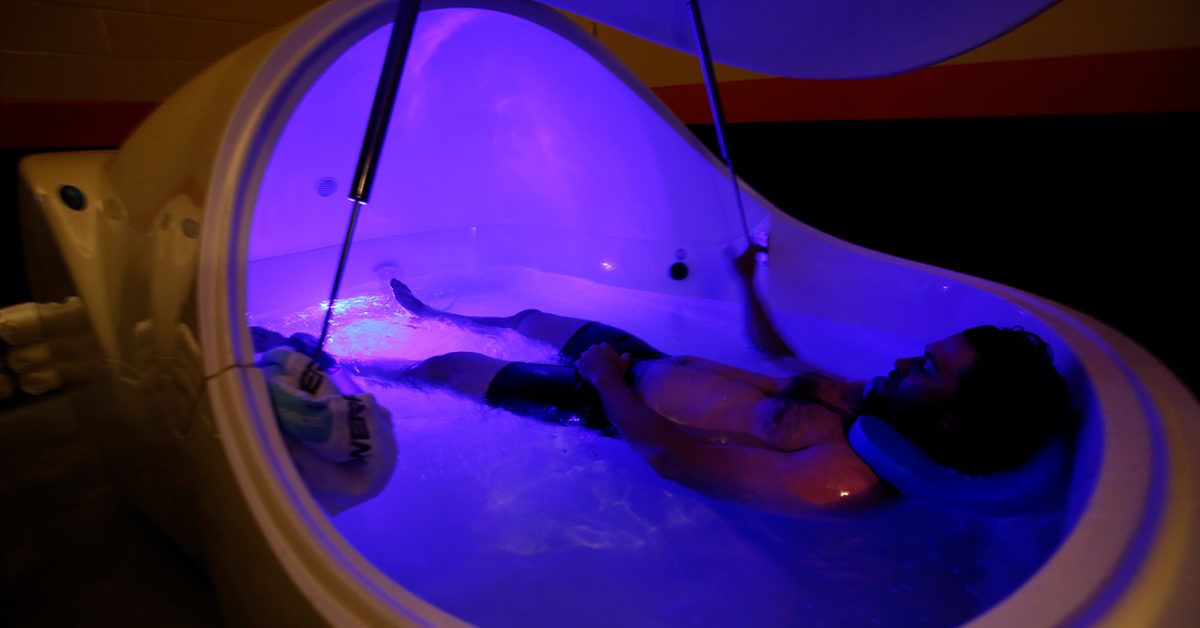
A float tank holds roughly 1,000 pounds of dissolved Epsom salt (magnesium sulfate) in about 25 cm of water, dense enough that you float without effort. A standard session runs 60 minutes in total darkness and silence. Some people use the magnesium exposure to argue for muscle benefits, but the bigger, better-supported win is the drop in heart rate and stress hormones from an hour with zero sensory input.
Booking and Realistic Cost
Expect to pay 60 to 90 dollars for a single 60-minute float in Edmonton, with float spas concentrated around Oliver, Old Strathcona, and a handful of suburban strip malls with easier free parking. First-time floaters should book directly after a rest day rather than immediately post-workout, since a racing mind from residual adrenaline makes it harder to settle into the first 15 minutes.
Step 8: Build a Repeatable Weekly Recovery Schedule
Once you have tried the individual pieces, the real value in learning how to recover from intense workouts using spa services comes from turning it into a routine instead of a one-off treat after a rough week.
Sequencing Modalities Across the Week
A workable pattern for someone training four to five times a week looks like this: cold plunge or contrast shower the day of a hard session, massage or sauna two days later, and a float session on a full rest day. For a ready-made version of this, this weekly recovery routine built around Edmonton spas lays out exact days and timing so you are not reinventing it every week.
Budgeting for a Monthly Recovery Routine
Realistically, a moderate routine (one massage, two sauna sessions, one float) runs 250 to 400 dollars a month in Edmonton. If that is more than your budget allows, prioritize cold exposure and foam rolling, which are close to free, and save the paid services for weeks with genuinely hard training blocks. If you are not sure which modality fits your specific injury pattern or training load, this guide to choosing the right recovery modality for your needs walks through the decision in more detail. On full rest days, plenty of Edmontonians round out their downtime with lower-key entertainment too. If that is more your speed than another spa visit, this overview of what Spinbounty Casino offers covers its features for anyone curious about that kind of at-home downtime.
Common Mistakes to Avoid

- Booking deep tissue massage too soon. Going straight from the gym to the massage table before swelling has settled often makes soreness worse, not better.
- Skipping hydration before a sauna or float. Both cause fluid loss through sweat, and showing up already dehydrated from a hard workout compounds the problem.
- Doing heat before cold. If you are combining both, cold first controls inflammation. Heat first can amplify swelling in already-inflamed tissue.
- Treating every session the same. A recovery routine built for marathon training does not fit someone doing three CrossFit classes a week. Match the service to the actual demand.
- Forgetting winter logistics. Walking between a cold plunge and your car at -25°C in wet hair is a fast way to catch a chill. Pack a dry robe, warm socks, and a toque, even for a quick visit.
- Chasing novelty over consistency. One float session will not undo months of poor sleep and skipped rest days. The benefit comes from repetition, not from trying every service once.
What’s Next
Start with the service that matches your most immediate problem, cold therapy for swelling, massage for tight muscles, float or sauna for stress, and build outward from there. Once you have a sense of what your body responds to, put it on a weekly schedule instead of booking reactively after a bad week. Track how you feel for a month, adjust which modalities you keep, and treat the ones that do not move the needle as optional rather than essential.
Related Articles
- What Is Float Tank Therapy and How Does It Work: An Edmonton Guide to Sensory Deprivation
- Best Massage Therapy Clinics in Edmonton by Neighborhood: Your Local Guide to Finding the Right Therapist
- How to Prepare for Your First Acupuncture Appointment: An Edmonton Guide
Sources & References
- Mayo Clinic notes that delayed onset muscle soreness (DOMS) typically peaks 24 to 72 hours after exercise
- Cleveland Clinic points out that cold water immersion can reduce perceived muscle soreness and help people feel like the
- Research reviewed by the National Institutes of Health suggests massage after exercise can reduce perceived soreness and
Find Trusted Wellness Spots in Edmonton
Browse our independent guide to Edmonton’s spas, fitness studios, and wellness services. Local. Honest. Free.
Frequently Asked Questions
How soon after a workout should I book a massage?
Wait at least 24 to 48 hours if the session was high intensity, since inflamed tissue responds poorly to deep pressure right away. A lighter Swedish-style massage within a few hours is fine if you want the relaxation benefit without deep tissue work. Book with an RMT clinic in Oliver or Windermere and mention the workout type so they can adjust pressure accordingly.
What is the cheapest way to recover from intense workouts using spa services in Edmonton?
Cold showers and foam rolling cost nothing and cover a large share of the benefit from cold plunges and light massage. When you do want to pay for a service, single cold plunge or sauna sessions in Old Strathcona and Oliver run 15 to 55 dollars, which is far cheaper than committing to a monthly membership before you know what you actually use.
Can I combine sauna and cold plunge in the same visit?
Yes, and contrast therapy studios in Edmonton are built for exactly this, alternating 3 to 4 minute rounds of heat and cold. Do cold first if inflammation is your main concern, or heat first if you are mainly after relaxation and circulation with no acute swelling to manage.
Is float therapy actually useful for physical recovery, or just relaxation?
The clearest, best-supported benefit is nervous system relaxation and stress reduction rather than direct muscle repair. That is still valuable after a hard training block, since poor sleep and high stress slow down recovery from everything else. Book a float on a full rest day, not immediately after a workout, for the best results.
How do I know if I need spa recovery services or a physiotherapist instead?
Sharp, localized pain, joint instability, or pain that does not ease within a week point toward physiotherapy or a doctor, not a spa. General soreness, tightness, and fatigue after training are the territory where massage, cold plunge, sauna, and float genuinely help. When in doubt, a quick assessment from a physiotherapist can rule out anything serious before you spend money on recovery services.