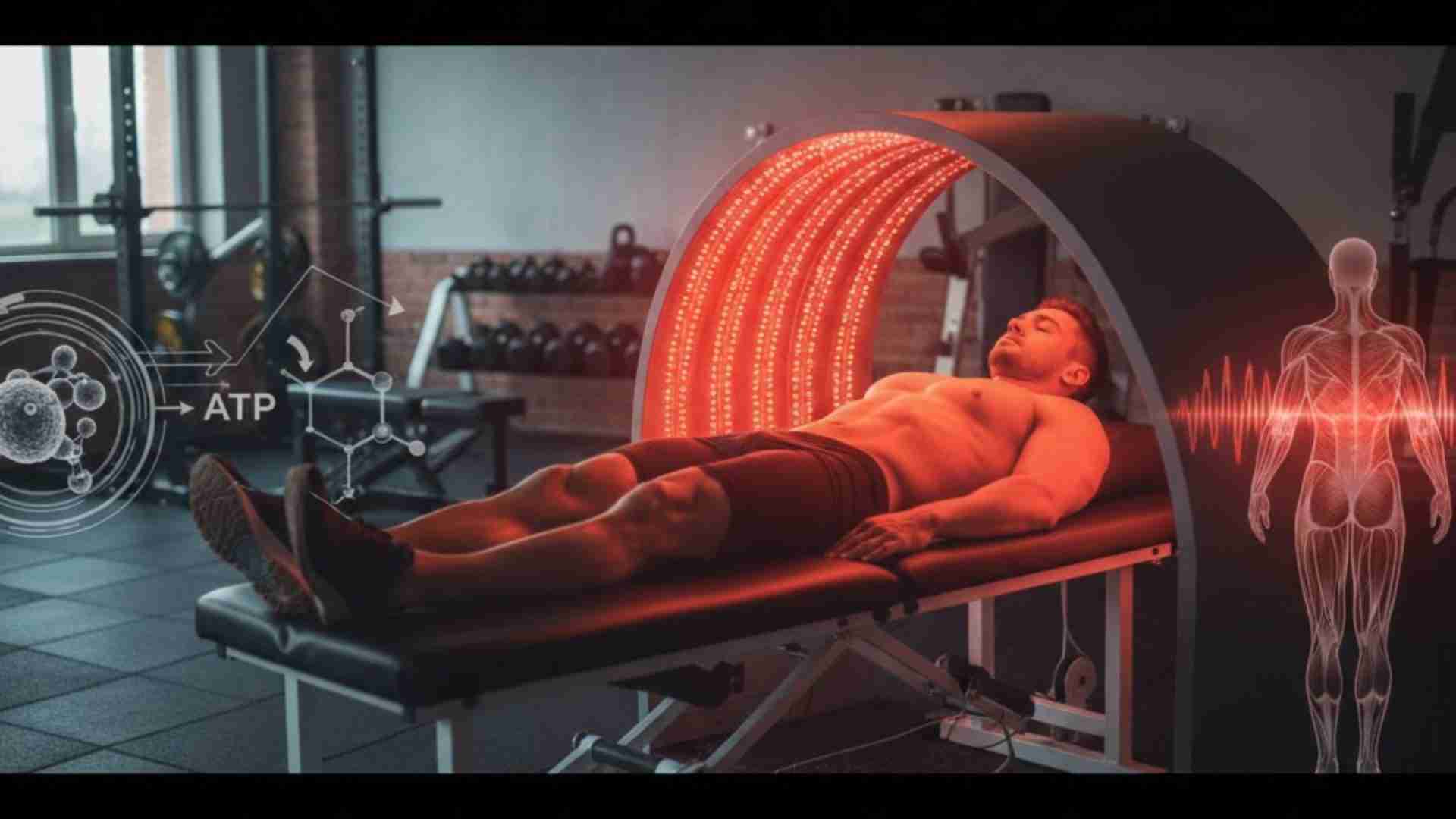
Red light therapy for muscle recovery explained starts with understanding why Edmonton athletes are lining up at clinics from Oliver to Sherwood Park. The technology uses specific wavelengths of light (typically 660-850 nanometers) to penetrate muscle tissue and trigger cellular repair. Think of it as giving your cells a gentle nudge to work overtime on healing.
Last reviewed:
For those dealing with Edmonton’s eight-month hockey season or training through minus-30 winters, recovery matters. Red light therapy promises faster healing without the downtime of traditional methods. But does the science match the hype? And more importantly, where can you find quality treatments without driving across the city?
The Science Behind Red Light and Muscle Recovery
Red light therapy works at the cellular level. When specific wavelengths hit your skin, they penetrate up to 5 centimeters into tissue. This depth reaches muscle fibers, tendons, and ligaments where most sports injuries occur.
Winter Light A Practical Guide To Managing Sad In Edmonton covers this in more detail.
How Light Becomes Energy
Your cells contain mitochondria — tiny power plants that produce ATP (adenosine triphosphate), your body’s energy currency. Red light photons interact with an enzyme called cytochrome c oxidase inside these mitochondria. This interaction boosts ATP production by up to 28%, according to research published in the Journal of Biophotonics.
More ATP means cells repair faster. Damaged muscle fibers rebuild. Inflammation decreases. Blood flow improves. The process happens naturally — red light just speeds it up.
Infrared Sauna Vs Traditional Sauna For Recovery covers this in more detail.
The wavelengths matter. Red light (660nm) works best for surface issues like skin healing and shallow muscle groups. Near-infrared light (850nm) penetrates deeper for joint pain and deep tissue repair. Most Edmonton clinics use panels combining both wavelengths.
Recovery Options Edmonton Massage Physio Stretching covers this in more detail.
What Research Actually Shows
Studies on athletes show measurable improvements. A Brazilian study tracked soccer players using red light therapy after training. The treatment group showed 50% less muscle soreness and returned to baseline performance levels 24 hours faster than the control group.
Canadian research from the University of Calgary examined red light therapy for delayed onset muscle soreness (DOMS). Participants who received treatment immediately after exercise reported pain scores averaging 2.5/10 compared to 5.8/10 in the control group at 48 hours post-workout.
The timing matters. Treatment within two hours of exercise shows the best results. Waiting 24 hours cuts effectiveness by half. This explains why some Edmonton gyms now offer red light panels in their recovery areas.
Comparing Red Light to Other Recovery Methods
How does red light therapy stack up against ice baths, compression, and massage? Each method targets different aspects of recovery:
| Recovery Method | Primary Benefit | Time Required | Cost per Session |
|---|---|---|---|
| Red Light Therapy | Cellular repair, reduced inflammation | 10-20 minutes | $40-80 |
| Ice Bath | Acute inflammation reduction | 10-15 minutes | $20-40 |
| Massage | Muscle tension relief | 60-90 minutes | $100-150 |
| Compression | Lymphatic drainage | 30-45 minutes | $50-75 |
Red light therapy doesn’t replace other methods — it complements them. Many Edmonton athletes combine treatments. A typical protocol might include red light immediately after training, compression boots later that evening, and massage once weekly.
Finding Quality Red Light Therapy in Edmonton
Not all red light devices deliver equal results. Medical-grade panels produce consistent wavelengths and power density. Consumer devices often lack the intensity needed for deep tissue penetration.
Downtown and Oliver Options
The downtown core offers several clinics with professional-grade equipment. Evolve Strength on 104 Street installed Joovv panels in their recovery suite. Members pay $30 per 20-minute session or add unlimited access for $99 monthly. Parking runs $15 downtown, but the 104 Street location sits one block from the Corona LRT station.
Kinesio Physical Therapy near 124 Street uses targeted red light devices for injury rehabilitation. They combine treatments with manual therapy. Sessions run $120 but often qualify for insurance coverage when prescribed by a physician. The clinic validates parking at the nearby City Market parkade.
Pure Life Wellness Studio in Oliver Square focuses on full-body treatments. Their BioMax panels cover more surface area — useful for runners dealing with multiple sore spots. Drop-in sessions cost $45, with packages bringing the price down to $35 each. Free parking makes this a popular choice for Southside residents.
South Edmonton and Windermere
South Edmonton Common houses Performance Health Group, which offers red light as part of their athletic recovery program. They pair treatments with other recovery modalities like stretching and physiotherapy. Single sessions run $55, but most clients opt for monthly memberships at $189.
Windermere’s Restore Hyper Wellness opened in 2023 with state-of-the-art equipment. Their red light beds allow full-body treatment in 12 minutes. Prices start at $49 per session, dropping to $29 with a membership. The location off Ellerslie Road offers ample free parking — a relief after battling Whitemud traffic.
Budget-Friendly Alternatives
Not everyone can afford $50 sessions three times weekly. Some Edmonton fitness centers now include red light panels in membership fees. GoodLife Fitness locations in Mayfield and South Common added recovery zones with basic panels. The intensity isn’t medical-grade, but members report benefits from consistent use.
Planet Fitness introduced red light beds at select locations. The Clareview store charges $20 monthly for Black Card membership with unlimited red light access. Quality varies between locations — call ahead to confirm equipment availability.
For home use, Canadian company Platinum LED makes panels starting at $789. The upfront cost pays off for regular users. A quality home panel lasts 50,000 hours — enough for daily treatments over 20 years.
What to Expect During Treatment
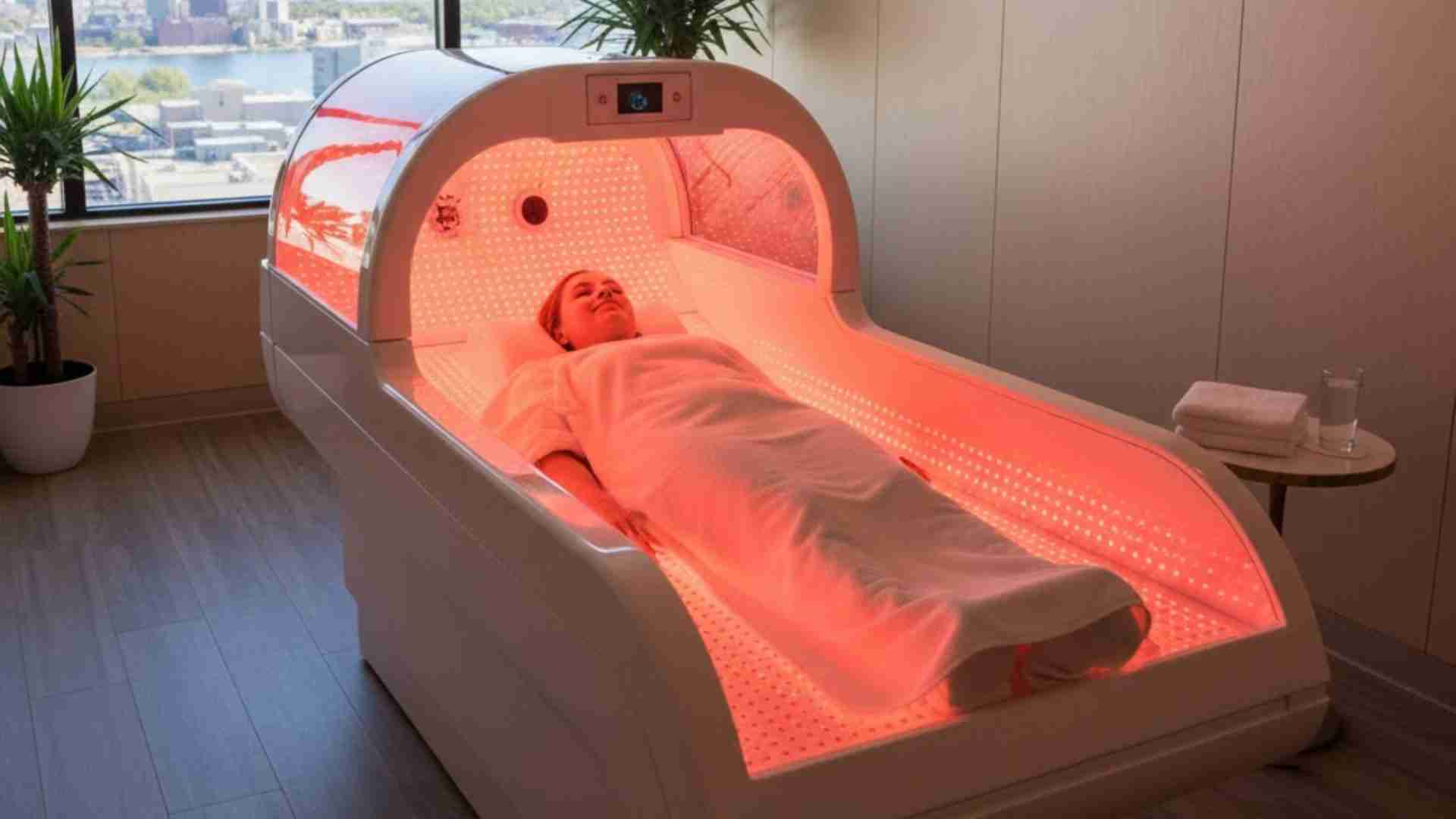
Your first red light therapy session might feel anticlimactic. Unlike massage or acupuncture, you won’t feel much during treatment. The experience resembles lying in gentle sunlight without the heat.
Before Your Session
Preparation takes minimal effort. Wear workout clothes or underwear — fabric blocks light penetration. Remove jewelry from treatment areas. Skip lotions or oils that might reflect light away from skin.
Hydration matters. Drink 500ml of water before treatment. Dehydrated cells respond poorly to photobiomodulation. Edmonton’s dry winter air makes this especially important from November through March.
Time your session strategically. Post-workout provides maximum benefit, but pre-workout shows promise too. Morning treatments help with seasonal mood challenges common during Edmonton’s dark months.
During Treatment
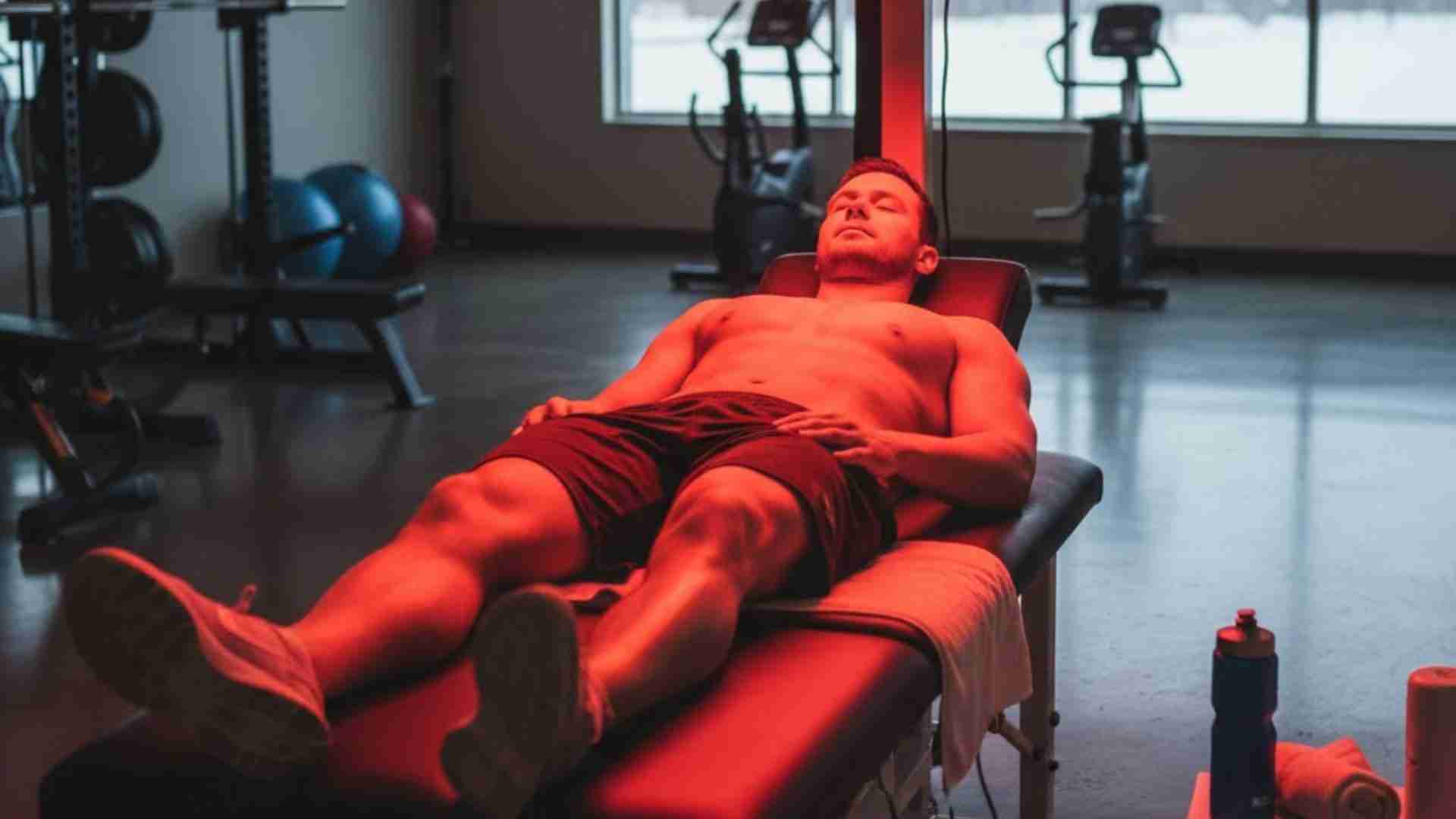
Most sessions last 10-20 minutes. You’ll stand or lie near the light panel, keeping skin 6-12 inches away. Closer isn’t better — optimal distance ensures even light distribution.
Eye protection depends on the clinic. Near-infrared light is invisible and safe for eyes. Red light appears bright but isn’t harmful at therapeutic doses. Some people find it relaxing to watch, others prefer closing their eyes.
You might feel slight warmth after 10 minutes. This comes from increased blood flow, not heat from the device. Quality panels stay cool through internal fans. If equipment feels hot, power density might be too high.
After Your Session
Results vary by individual and condition. Acute muscle soreness often improves within hours. Chronic issues need consistent treatment over weeks. Most people report better results after 4-6 sessions.
Common immediate effects include:
- Mild energy boost lasting 2-3 hours
- Temporary skin redness (fades within 30 minutes)
- Reduced joint stiffness
- Improved mood (especially during winter months)
No downtime exists. You can exercise, shower, or return to work immediately. This convenience makes red light popular among lunch-hour warriors training downtown.
Specific Conditions and Treatment Protocols
Red light therapy for muscle recovery explained wouldn’t be complete without addressing specific conditions. Different injuries respond to different protocols.
Delayed Onset Muscle Soreness (DOMS)
DOMS peaks 24-72 hours after exercise. Red light therapy works best as prevention rather than cure. Treat muscles immediately after workouts, before soreness develops.
Protocol for DOMS:
- Timing: Within 2 hours post-exercise
- Duration: 10-15 minutes per muscle group
- Frequency: After each training session
- Distance: 6 inches from skin
Edmonton marathon runners report success using this protocol during River Valley training runs. Several running stores along Whyte Avenue now sell portable devices for trailside treatment.
Tendon and Ligament Injuries
Tendons and ligaments receive poor blood supply, making them slow to heal. Red light therapy increases local circulation and collagen production — both important for repair.
Tennis elbow responds particularly well. A study from Alberta Health Services sports medicine clinics showed 73% improvement in pain scores after 12 sessions over four weeks.
Protocol for Tendonitis:
- Timing: Daily for acute injuries, 3x weekly for chronic
- Duration: 15-20 minutes focused on affected area
- Wavelength: 850nm penetrates deeper for tendons
- Treatment course: 4-8 weeks
Back Pain and Spinal Issues
Lower back pain affects 80% of adults. Red light therapy offers non-invasive relief without medication side effects. The challenge lies in reaching deep spinal muscles.
Professional panels work better than handheld devices for back treatment. The larger surface area covers paraspinal muscles completely. Some Edmonton chiropractors now include red light in treatment plans.
West End Chiropractic near West Edmonton Mall combines red light with spinal decompression. Patients report faster recovery compared to float therapy alone. Insurance often covers these combination treatments when medically necessary.
Maximizing Your Investment in Red Light Therapy
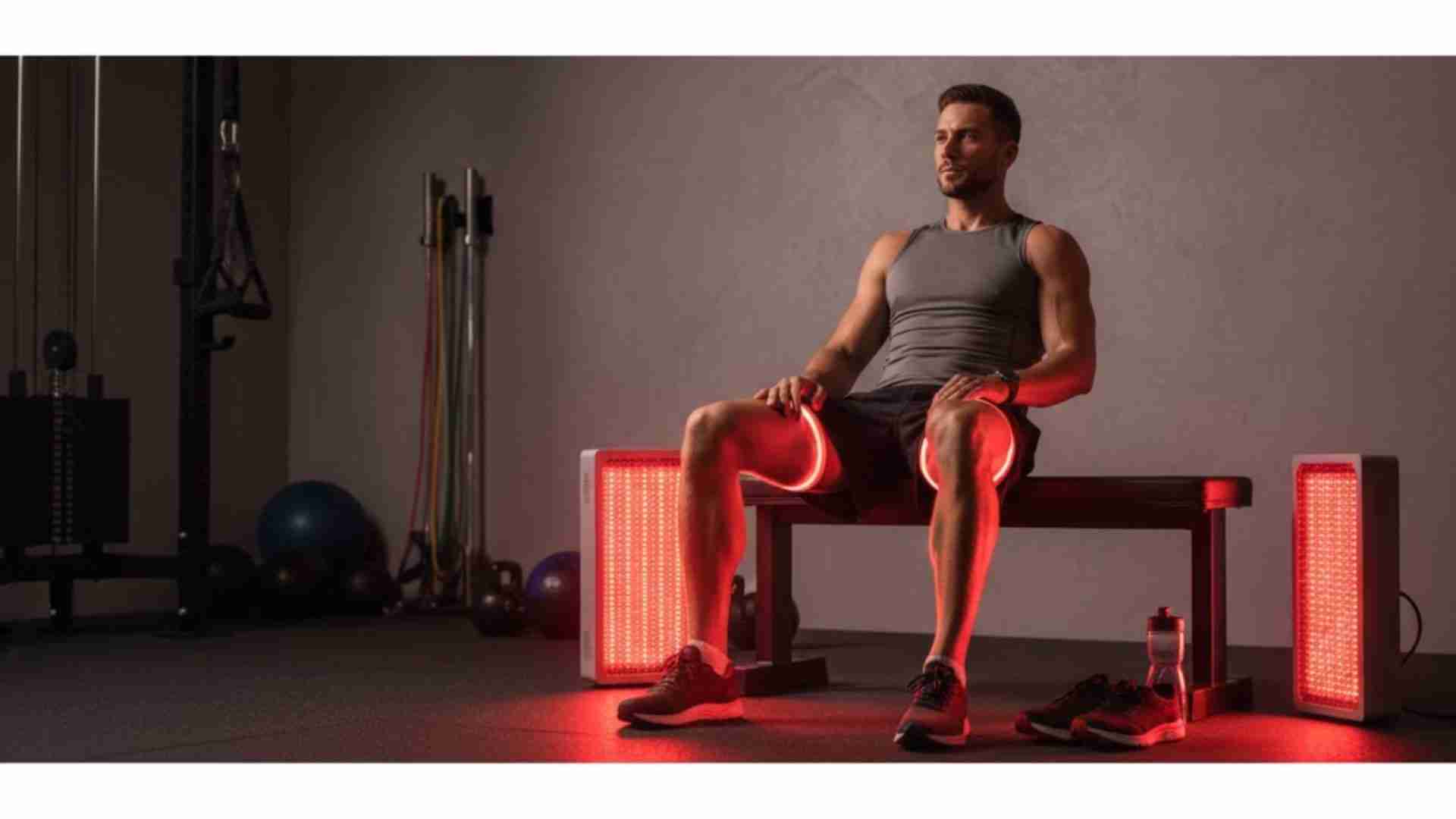
At $40-80 per session, red light therapy requires strategic planning for best value. Understanding optimal frequency and combining with other recovery methods stretches your wellness budget.
Creating an Effective Treatment Schedule
Research suggests this frequency for different goals:
Athletic Performance: 3-5 sessions weekly during heavy training blocks. Scale back to 1-2 weekly during off-season. Edmonton hockey players often increase frequency during playoffs.
Injury Recovery: Daily treatments for the first week, then every other day until healed. Consistency matters more than session length.
General Wellness: 2-3 sessions weekly provides maintenance benefits. Many users report better sleep and energy levels with regular treatment.
Seasonal Affective Support: Daily 10-minute morning sessions from November through February. Combines well with vitamin D supplementation during Edmonton’s dark months.
Combining Therapies for Better Results
Red light therapy enhances other recovery methods. Smart combinations multiply benefits without doubling costs.
Red Light + Stretching: Increased blood flow makes muscles more pliable. Stretch immediately after red light for better flexibility gains. Several Edmonton yoga studios now offer combination classes.
Red Light + Cold Therapy: Seems contradictory but works well in sequence. Use cold immediately post-workout for inflammation, then red light 2-3 hours later for repair. This mirrors protocols used by University of Alberta athletics.
Red Light + Compression: Compression garments worn after red light therapy may enhance lymphatic drainage. NormaTec boots at some Edmonton facilities include red light panels in treatment rooms.
Compare this to choosing between infrared and traditional saunas — sometimes combination approaches work better than picking one method.
Tracking Your Progress
Objective measurements help justify the investment. Track these markers:
- Pain levels: Rate soreness on 1-10 scale daily
- Performance metrics: Time your usual running route or count max push-ups
- Sleep quality: Many users report deeper sleep after evening treatments
- Recovery time: Note how many days until you feel ready for hard training
Most people see initial improvements within 2 weeks. Full benefits develop over 6-8 weeks of consistent use. Take photos of injury sites — visual documentation helps track healing progress.
Safety Considerations and Who Should Avoid Treatment
Red light therapy has an excellent safety profile. No UV rays mean no skin damage or cancer risk. Still, certain conditions warrant caution.
When to Skip Treatment
Active Cancer: While some research explores red light for cancer treatment, those with active tumors should consult oncologists first. Increased cellular activity might affect tumor growth.
Pregnancy: No studies confirm safety during pregnancy. Most Edmonton clinics avoid treating pregnant clients as a precaution.
Photosensitizing Medications: Certain antibiotics and acne medications increase light sensitivity. Check with pharmacists about drug interactions.
Hyperthyroidism: Red light over the thyroid might increase hormone production. Those with overactive thyroids should avoid neck treatment.
Side Effects and How to Minimize Them
Mild side effects occur in about 5% of users:
Headaches: Usually from dehydration or too much exposure. Start with shorter sessions and increase gradually.
Eye strain: Bright red light can cause temporary discomfort. Close eyes or look away during treatment.
Skin irritation: Rare but possible with sensitive skin. Start with increased distance from panels.
Fatigue: Some people feel tired after treatment as the body directs energy to healing. Schedule sessions when you can rest afterward.
Choosing a Reputable Provider
Not all Edmonton clinics maintain equipment properly. Ask these questions:
- When were panels last calibrated?
- What’s the irradiance (power output) at treatment distance?
- Do staff have specific red light therapy training?
- Can they show before/after results from other clients?
Quality providers gladly share technical specifications. They’ll explain protocols rather than making vague wellness promises. Avoid anyone claiming red light cures everything — honest practitioners acknowledge limitations.
The Future of Red Light Therapy in Edmonton
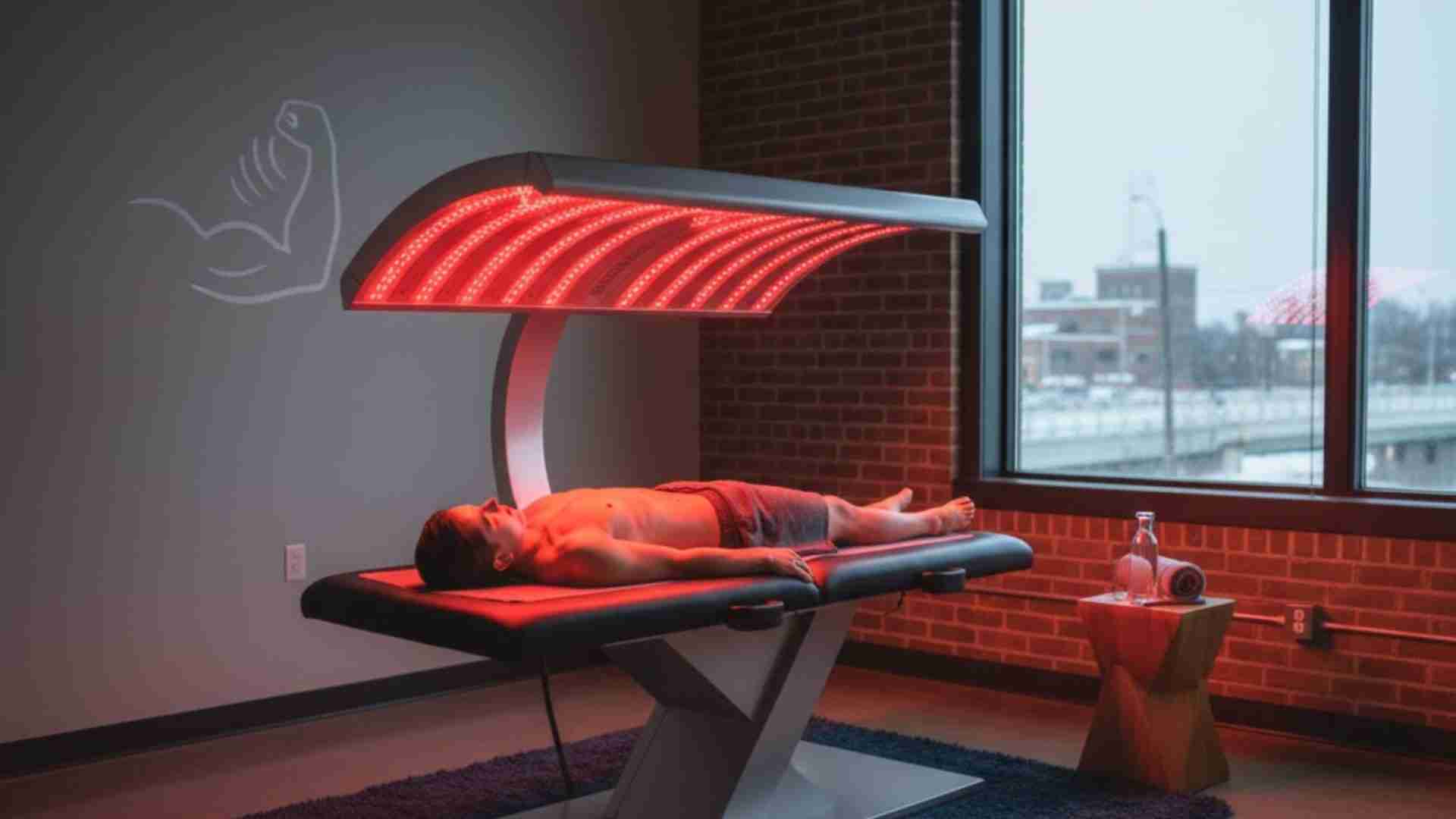
Red light therapy for muscle recovery explained today looks different than five years ago. Equipment improves constantly. Prices drop as technology advances. More Edmonton facilities add panels to meet demand.
Emerging Technologies
Pulsed red light shows promise in recent studies. Instead of continuous exposure, panels flash at specific frequencies. Early research suggests pulsing might enhance cellular response.
Wearable red light devices let athletes treat injuries during daily activities. Current models lack power for deep penetration but work well for surface issues. Expect improvements as LED technology advances.
Combination devices merge red light with other therapies. Some panels now include blue light for skin conditions or infrared heat for deeper penetration. Edmonton spas experiment with multi-modal approaches.
Integration with Healthcare
More physiotherapists and chiropractors add red light to treatment plans. Insurance coverage remains limited but expands yearly. Document results carefully — insurers respond to measurable improvements.
The University of Alberta conducts ongoing research into photobiomodulation. Their sports medicine department tracks athlete outcomes. Published results might influence future coverage decisions.
Some Edmonton medical clinics now offer red light for wound healing and pain management. As evidence accumulates, expect broader acceptance from traditional healthcare providers.
Related Articles
- What Is Float Tank Therapy and How Does It Work: An Edmonton Guide to Sensory Deprivation
- Best Massage Therapy Clinics in Edmonton by Neighborhood: Your Local Guide to Finding the Right Therapist
- How to Prepare for Your First Acupuncture Appointment: An Edmonton Guide
Sources & References
Frequently Asked Questions
How much does red light therapy cost in Edmonton?
Single sessions range from $30-80 depending on location and equipment quality. Monthly unlimited packages at places like Restore Hyper Wellness in Windermere start around $189. Home devices cost $789-3000 upfront but provide unlimited treatments.
Can I use red light therapy every day?
Daily use is safe for most people and recommended for acute injuries. For general wellness, 3-4 sessions weekly provides good results. Start slowly with 10-minute sessions and increase based on how your body responds.
Does red light therapy really work for sore muscles?
Scientific evidence supports red light therapy for reducing muscle soreness and speeding recovery. Studies show 25-50% reduction in delayed onset muscle soreness when used within 2 hours of exercise. Results vary by individual but most Edmonton athletes report noticeable benefits after 4-6 sessions.
What’s the best red light therapy clinic in Edmonton?
The “best” depends on your location and budget. For downtown workers, Evolve Strength offers convenient access near Corona Station. South Edmonton residents prefer Restore Hyper Wellness for parking ease and modern equipment. Compare prices and locations to find what works for your routine.
Can I do red light therapy at home?
Home devices work well for consistent users. Quality panels from companies like Joovv or Platinum LED start around $789. Calculate break-even by dividing device cost by typical session fees — most home users recoup investment within 6 months of regular use.