Building a weekly recovery routine with Edmonton spas doesn’t have to break the bank or eat up your entire schedule. The trick is knowing which services to use when, and where to find the best value in our city.
Last reviewed:
Edmonton has over 200 wellness facilities scattered from Sherwood Park to West Edmonton Mall. Some charge $300 for a basic massage. Others offer the same service for $80. The difference often comes down to location and ambiance, not quality.
This guide walks you through creating a sustainable recovery routine that fits Edmonton life. We’ll cover realistic budgets, travel times from different neighborhoods, and which services actually complement each other. No wellness buzzwords. Just practical advice from someone who’s tried most of these places.
How To Prevent Seasonal Wellness Routine Breakdowns In Edmonton covers this in more detail.
Understanding Recovery Services Available in Edmonton
The Big Four Recovery Modalities
Edmonton’s recovery scene centers around four main services: massage therapy, float tanks, infrared saunas, and contrast therapy. Each serves a different purpose in your weekly routine.
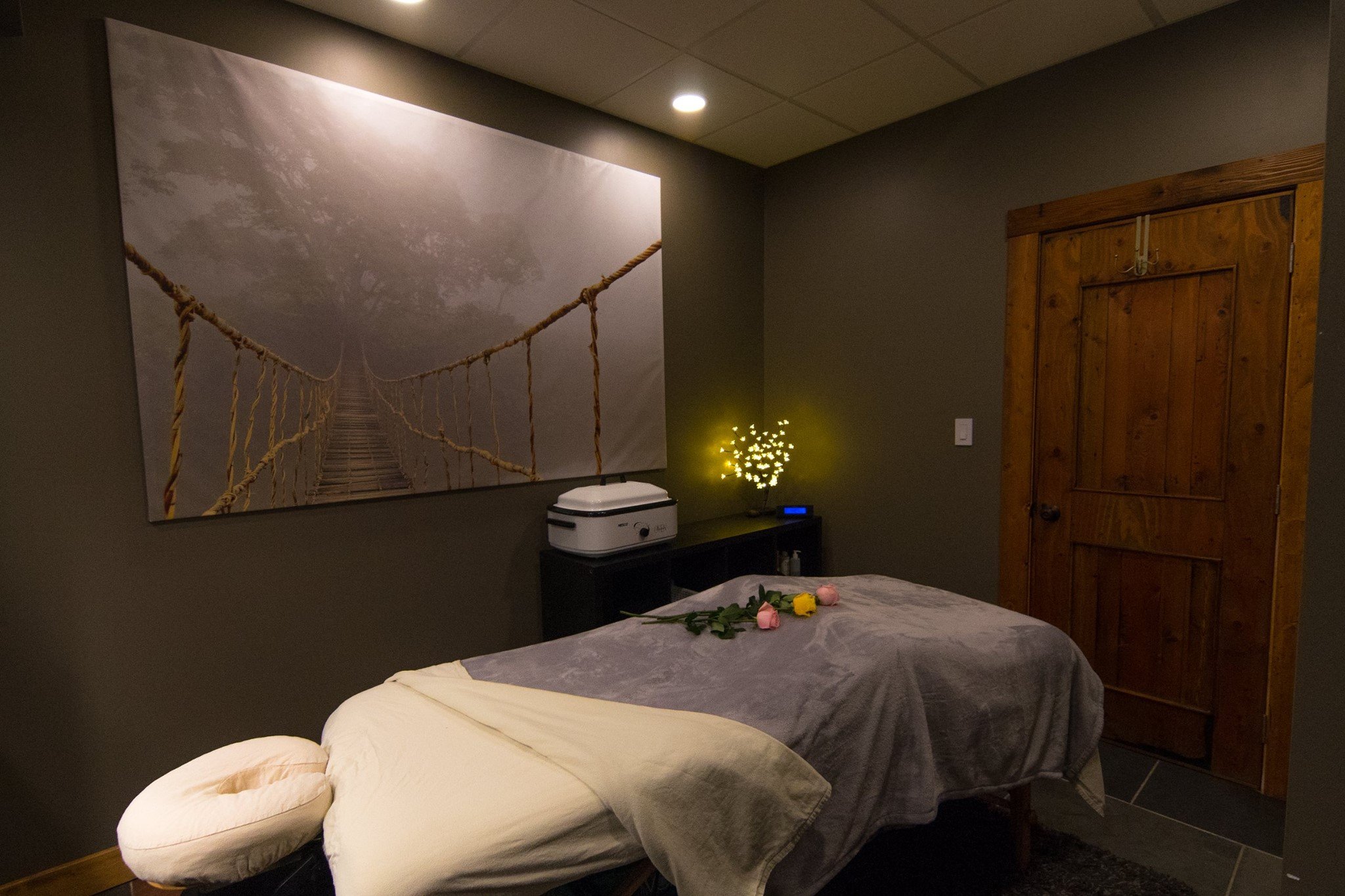
Massage therapy remains the most popular option. RMT clinics cluster around Oliver, Downtown, and along Jasper Avenue. Prices range from $80-180 per hour. Insurance often covers registered massage therapy, making this the most budget-friendly option for many Edmontonians.
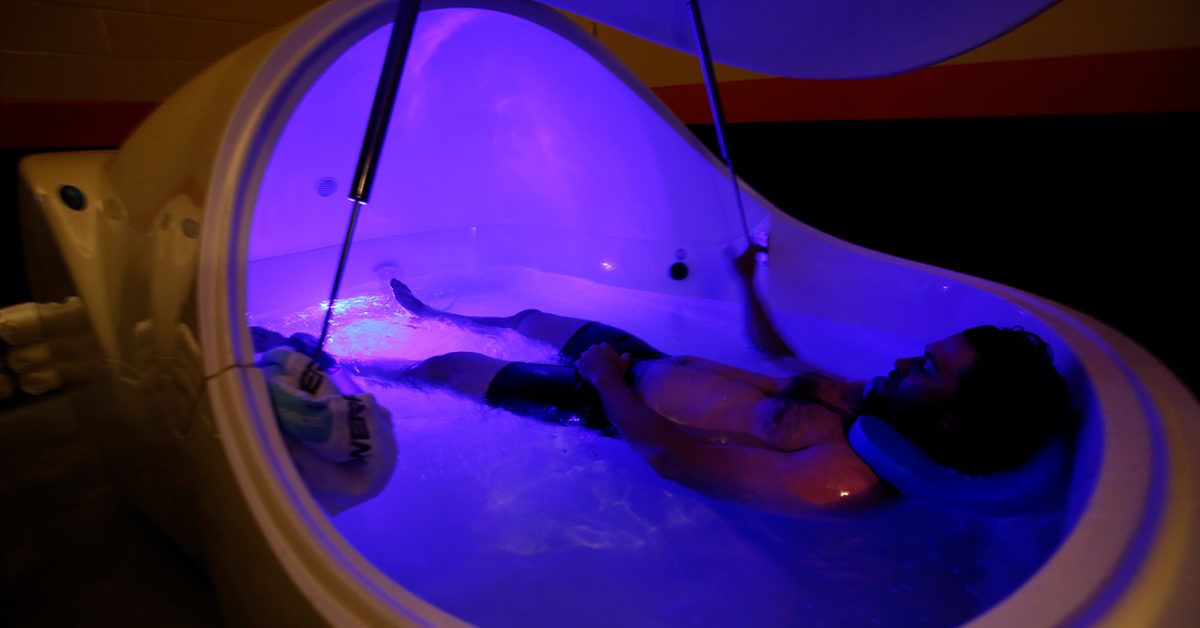
Float tanks have exploded in popularity since 2018. We now have six dedicated float centers, plus several spas offering float services. Sessions run $60-120 for 60-90 minutes. The sensory deprivation helps with stress and muscle recovery. Float tank pricing varies wildly depending on location and package deals.
Winter Light A Practical Guide To Managing Sad In Edmonton covers this in more detail.
Infrared saunas provide dry heat therapy at lower temperatures than traditional saunas. Sessions cost $30-60 for 30-45 minutes. Most facilities are in Oliver and Old Strathcona. The lower heat makes them accessible for people who find traditional saunas overwhelming.
Sleep In Edmonton Why Our City Makes Rest Complicated And What To Do About It covers this in more detail.
Contrast therapy combines hot and cold exposure. Think sauna followed by cold plunge. Only three Edmonton facilities offer proper contrast therapy setups. Sessions run $50-80.
Neighborhood Availability and Access
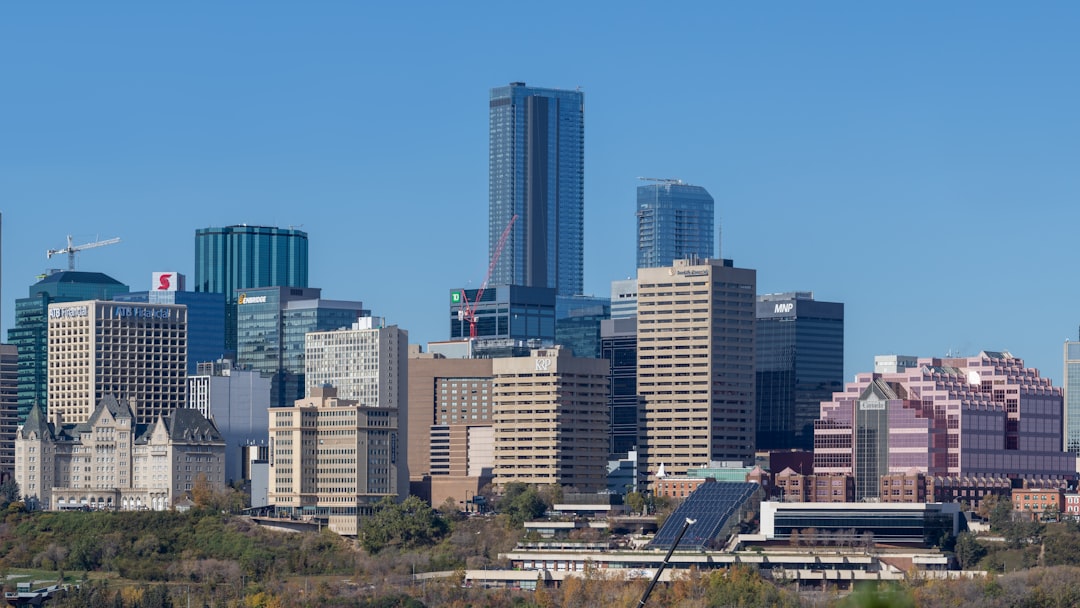
Where you live in Edmonton dramatically affects your recovery routine options. Downtown and Oliver residents can walk to multiple facilities. Windermere and north side residents face 20-30 minute drives for most services.
Oliver and 124 Street: The wellness hub of Edmonton. Home to Elements Physical Therapy, several yoga studios, and two float centers. Street parking fills up fast. Budget $5-10 for parking meters.
Whyte Ave and Old Strathcona: More alternative therapy options here. Acupuncture clinics, holistic massage, and the city’s oldest float center. Parking is brutal on weekends. Take the LRT when possible.
Downtown: Corporate-focused facilities with extended hours. Higher prices but better for lunch-hour appointments. Most buildings have underground parking at $15-20 flat rates.
Suburban areas: Limited options but growing. Sherwood Park has two new wellness centers. Windermere just got its first float facility. Free parking everywhere, but factor in gas and drive time.
Realistic Pricing for Weekly Routines
A sustainable weekly recovery routine in Edmonton costs between $150-400 per month, depending on your choices. Here’s what different budgets look like:
Budget option ($150/month):
- One RMT massage covered by insurance
- Two infrared sauna sessions at $30 each
- One community center hot tub/sauna visit at $8
- Home stretching and foam rolling
Mid-range option ($250/month):
- Two massages (one RMT, one relaxation)
- One float session
- Weekly sauna access through membership
- One contrast therapy session
Premium option ($400/month):
- Weekly RMT massage
- Bi-weekly float sessions
- Unlimited sauna membership
- Monthly specialized treatment (cupping, acupuncture)
Most Edmontonians start with the budget option and add services gradually. Insurance coverage makes a huge difference. Check your benefits before committing to any routine.
Creating Your Weekly Recovery Schedule
Monday Planning: Setting the Foundation
Monday sets the tone for your recovery week. Start by booking appointments for the week ahead. Most Edmonton spas release their schedules Sunday evening. Popular time slots (lunch hours, after 5 PM) fill within 24 hours.
Use Monday for lighter recovery activities. If you’re dealing with weekend warrior syndrome from River Valley runs or ski trips, book a gentle stretching session or infrared sauna. Avoid deep tissue work when muscles are inflamed.
Elements Physical Therapy on 124 Street offers 30-minute targeted sessions perfect for Monday recovery. They’re $65 and focus on problem areas rather than full-body work. Book the 7 AM slot to start your week right.
For north side residents, Kingsway Mall’s Spa Escape provides similar quick sessions. Their express menu includes 30-minute massages for $70. Free mall parking before 10 AM makes this convenient for morning appointments.
Mid-Week Deep Recovery
Wednesday or Thursday works best for your main recovery session of the week. Your body has processed Monday’s lighter work and you’re ready for deeper treatment.
This is when to book your RMT appointment or float session. Both require 60-90 minutes plus travel time. Plan for a two-hour window total.
Float centers like H2O Float Spa in Oliver recommend Wednesday evenings for first-timers. The mid-week timing helps break up work stress without the weekend crowds. Their 7 PM slots rarely sell out and parking is easier after rush hour.
If you’re combining services, pair complementary modalities. Float sessions followed by light stretching works well. Avoid scheduling deep tissue massage immediately after floating – your muscles need time to adjust.
Weekend Integration Strategies
Weekends offer flexibility but also challenges. Edmonton spa schedules shift dramatically between winter and summer weekends.
Winter weekends: Book Saturday morning slots before the crowds arrive. After December’s holiday rush, managing seasonal mood challenges becomes priority. Infrared sauna sessions help combat the -30°C blues.
Summer weekends: Early morning or late evening appointments work best. Mid-day slots empty out as Edmontonians head to festivals or the River Valley. Take advantage of lower prices and availability.
The Rec Room’s recovery lounge in South Edmonton Common stays open until 10 PM on weekends. Their contrast therapy setup includes sauna, cold plunge, and relaxation area for $55 per session. Perfect for Saturday evening wind-down.
Building Sustainable Recovery Habits
Starting Small and Scaling Up
Most Edmontonians burn out on aggressive recovery routines within three weeks. Start with one service per week for the first month. Add a second service only when the first becomes automatic.
Begin with whatever requires the least friction. If you work Downtown, book lunch-hour appointments at MacEwan University’s clinic. Students provide supervised massage at $40 per session – half the market rate.
For Sherwood Park residents, Salisbury Greenhouse’s new wellness wing offers package deals. Buy five infrared sauna sessions for $125. Use them over two months to establish the habit without pressure.
Track your appointments in whatever calendar system you already use. Set reminders 24 hours ahead. Most Edmonton spas charge cancellation fees for no-shows. Reminders save you $50 fees and maintain your routine momentum.
Seasonal Adjustments for Edmonton Weather
Edmonton’s extreme weather demands flexibility in your recovery routine. What works in July fails spectacularly in January.
Winter adjustments (November-March):
- Book appointments with underground parking access
- Allow extra travel time for snow delays
- Increase heat therapy frequency for joint stiffness
- Consider vitamin D supplementation between appointments
Spring transition (April-May):
- Reduce heavy treatments as you increase outdoor activity
- Focus on flexibility work for running season prep
- Book allergy-friendly facilities with good air filtration
Summer optimization (June-August):
- Schedule around smoke season – book indoor options in advance
- Take advantage of outdoor yoga and River Valley activities
- Reduce sauna frequency, increase cold therapy
Fall preparation (September-October):
- Gradually increase indoor recovery services
- Book ahead for seasonal affective disorder prevention
- Layer in immune support treatments
Managing Routine Disruptions
Life happens. Kids get sick. Work explodes. Cars break down in -40°C weather. Preventing routine breakdowns requires backup plans.
Keep a list of drop-in friendly facilities. Float Easy on Gateway Boulevard accepts walk-ins after 7 PM most weeknights. Their last-minute rate is only $10 more than advance booking.
Build relationships with 2-3 regular providers. They’ll often squeeze you in during cancellations if you’re a regular. Text them directly rather than using online booking when you need flexibility.
Home recovery tools provide insurance against missed appointments. A foam roller ($30-50), lacrosse ball ($5), and hot water bottle ($15) handle basic needs between professional sessions.
Choosing the Right Spa Services for Your Needs
Matching Services to Recovery Goals
Different recovery goals require different spa services. Random treatments waste money and time. Here’s how to match services to specific needs:
For stress and mental fatigue: Float tanks excel here. The sensory deprivation resets your nervous system. Pair with meditation or breathing exercises for maximum benefit. H2O Float Spa provides guided meditation tracks for their float pods.
For muscle soreness: Registered massage therapy targets specific issues. Compare massage, physio, and stretching options to find your best fit. RMT services also qualify for insurance coverage.
For chronic pain: Infrared sauna provides gentle, penetrating heat. Sessions at Glow Infrared Sauna Studio in Oliver include chromotherapy (color light therapy) at no extra charge. Their 45-minute sessions cost $45.
For athletic recovery: Contrast therapy speeds muscle recovery. Basecamp Climbing’s contrast suite includes sauna, cold plunge, and compression boots. Monthly unlimited memberships run $149.
For immune support: Regular sauna use boosts immune function. Research shows 2-3 weekly sauna sessions reduce respiratory infection risk by 30%.
Understanding Service Combinations
Some spa services complement each other. Others conflict. Smart combinations maximize results while poor pairings waste money.
Excellent combinations:
- Infrared sauna followed by gentle stretching
- Float tank preceded by 10-minute meditation
- Massage therapy with take-home stretching routine
- Contrast therapy ending with relaxation time
Poor combinations:
- Deep tissue massage immediately before floating
- Hot yoga followed by infrared sauna (dehydration risk)
- Multiple deep treatments in one day
- Contrast therapy when fighting illness
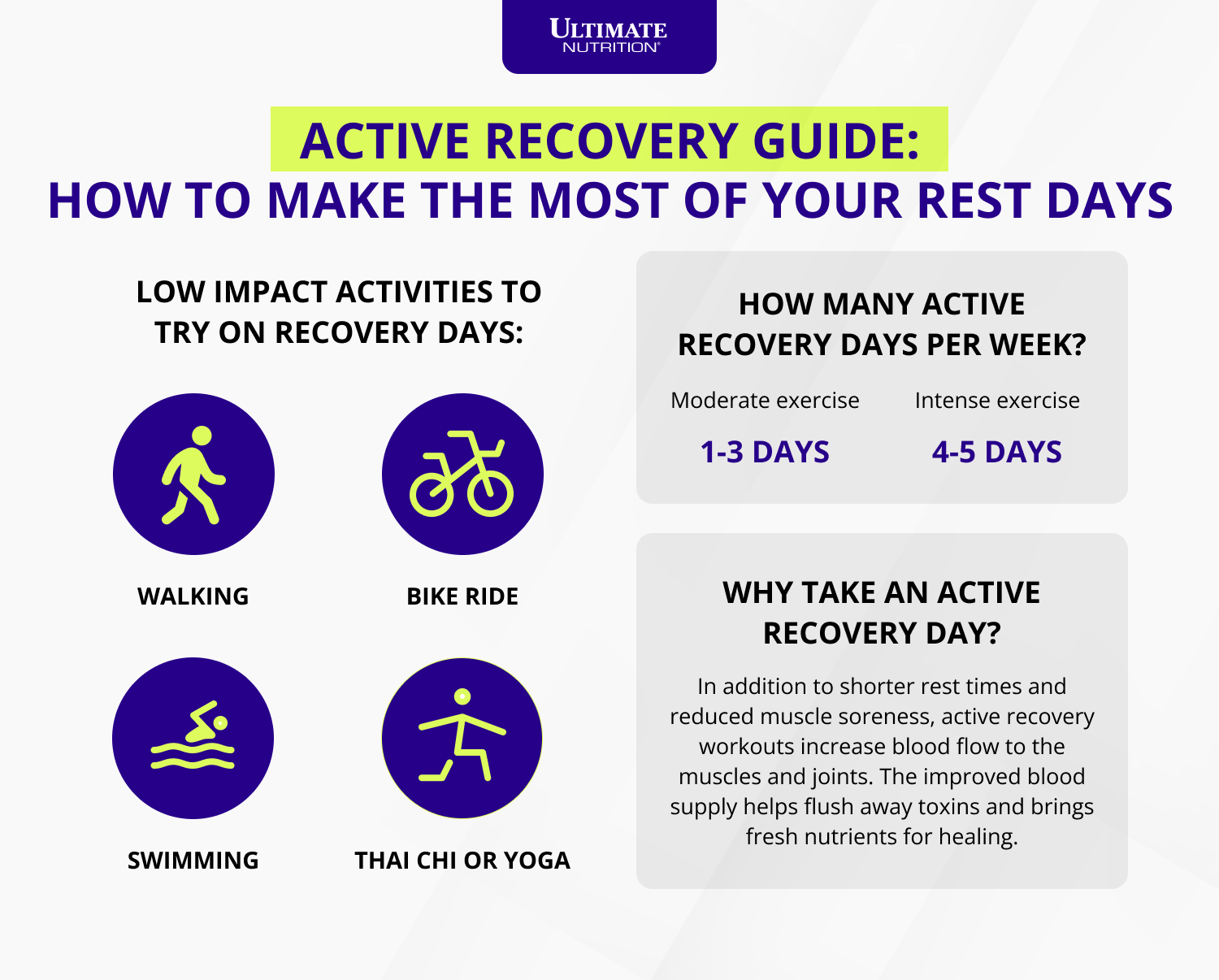
Space services throughout your week. Your body needs 24-48 hours to process deep work. Cramming multiple services into one day reduces effectiveness.
Evaluating New Wellness Trends
Edmonton’s wellness scene constantly evolves. New services appear monthly. Not all deserve your money or time.
Red light therapy gained traction in 2024. Three Edmonton facilities now offer sessions at $40-60. Early research looks promising for skin health and muscle recovery. Wait for more local reviews before committing to packages.
Cryotherapy chambers arrived last year. The -150°C exposure supposedly reduces inflammation. At $75 per three-minute session, the cost-benefit ratio remains questionable. Traditional cold plunges provide similar benefits at a fraction of the price.
Salt caves proliferated during COVID. Four now operate in greater Edmonton. The halotherapy claims lack strong evidence. However, the meditation aspect provides value. Try single sessions before buying packages.
Budget-Friendly Recovery Options
Maximizing Insurance Benefits
Most Albertans underuse their health benefits. Extended health plans typically cover $500-1500 annually for massage therapy. Many also cover acupuncture, physiotherapy, and psychology services.
Check your coverage details before year-end. Benefits don’t roll over. Use them or lose them. December appointments book fast as people realize they have unused coverage.
Some clinics direct bill insurance companies. This eliminates upfront costs. Lifemark clinics throughout Edmonton offer direct billing for most major insurers. Call ahead to confirm your specific plan qualifies.
Stack services strategically. If massage therapy maxes out, switch to covered physiotherapy. Many physio clinics offer similar manual therapy techniques. The results overlap significantly.
Finding Deals and Memberships
Edmonton spa memberships range from excellent value to complete ripoffs. Evaluate based on your actual usage patterns, not optimistic projections.
Best membership values:
- City of Edmonton facility passes: $65/month for all rec centers
- YMCA memberships: Include sauna and hot tub access
- University of Alberta community rates: 50% off student prices
- Basecamp Climbing recovery membership: Unlimited sauna/cold plunge
Membership red flags:
- Long-term contracts with cancellation fees
- Credits that expire monthly
- Peak time restrictions
- Hidden booking fees for members
Groupon occasionally features Edmonton spa deals. Read the fine print carefully. Many restrict booking times or exclude popular services. First-time customer offers provide better value than Groupon for most services.
Community and Low-Cost Alternatives
Quality recovery doesn’t require premium prices. Edmonton offers numerous budget-friendly options for building your routine.
Community centers: Commonwealth, Kinsmen, and Clareview rec centers all have saunas and hot tubs. Day passes cost $8-12. Annual passes pay for themselves after two visits per month.
Student clinics: MacEwan and NAIT student massage clinics charge 40-50% less than market rates. Sessions are supervised by registered therapists. Quality matches professional clinics.
Donation-based classes: Several yoga studios offer weekly by-donation sessions. YEG Yoga in Old Strathcona runs Sunday community classes. Suggested donation is $5-10.
Outdoor options: Summer River Valley trails provide free movement therapy. Winter cross-country skiing at Gold Bar Park costs nothing with your own equipment. City trail maps show difficulty levels and parking locations.
Home setups: Basic recovery tools cost less than two spa visits. Foam roller ($30), resistance bands ($20), and yoga mat ($40) handle daily maintenance between professional sessions.
Tracking Progress and Adjusting Your Routine
Measuring Recovery Effectiveness
Throwing money at spa services without tracking results wastes resources. Simple metrics help evaluate what’s working.
Sleep quality: Track sleep scores if you use a fitness device. Note patterns after different treatments. Float sessions typically improve sleep for 2-3 nights. Edmonton’s unique sleep challenges require targeted solutions.
Pain levels: Use a 1-10 scale for chronic issues. Record levels before and 24 hours after treatments. Look for consistent patterns over 4-6 weeks. Single sessions rarely show lasting change.
Mood and energy: Note energy levels on spa days versus regular days. Seasonal patterns matter in Edmonton. Winter treatments might focus on mood while summer emphasizes physical recovery.
Performance metrics: Athletes can track workout recovery times, lifting progress, or run paces. General fitness folks might monitor daily energy or stairs climbed without fatigue.
Keep tracking simple. Phone notes or a basic spreadsheet work fine. Elaborate systems fail through complexity. The goal is awareness, not data science.
When to Switch Services or Providers
Loyalty has limits. If a service stops providing benefits after 6-8 sessions, reassess. Bodies adapt to treatments. What helped initially might plateau.
Signs to switch providers:
- Consistently rushed appointments
- Therapists who don’t remember your issues
- Prices increasing without service improvements
- Booking becoming increasingly difficult
- Facility cleanliness declining
Signs to change modalities:
- Diminishing returns after multiple sessions
- Scheduling conflicts with work or life
- Cost exceeding perceived value
- New health issues requiring different approach
- Seasonal changes demanding adaptation
Give new services 3-4 sessions before judging effectiveness. Initial sessions often feel different as your body adjusts. Float tanks particularly require adaptation time.
Long-term Routine Evolution
Recovery needs change with age, fitness level, and life circumstances. Your routine at 25 won’t match needs at 45. Edmonton’s harsh climate accelerates these changes.
Young adults often focus on athletic recovery and stress management. Mid-career professionals need mental recovery and posture correction. Retirees benefit from mobility work and social wellness activities.
Review your routine quarterly. Ask whether current services address actual needs or just comfortable habits. Comfort has value, but not at the expense of effectiveness.
Build relationships with providers who understand long-term wellness. They’ll suggest service adjustments as your needs evolve. Good therapists want sustainable client relationships, not dependency.
Making Recovery Routines Stick in Edmonton
Overcoming Common Obstacles
Edmonton presents unique challenges to maintaining recovery routines. Weather, distance, and seasonal mood changes derail good intentions.
Winter driving anxiety: Book appointments within 10 minutes of home during winter months. Stressing about icy roads negates relaxation benefits. Save cross-town trips for summer.
Parking frustrations: Choose facilities with dedicated lots or validated parking. Downtown meters charging $4/hour add unnecessary cost and stress. Know your parking options before booking.
Schedule conflicts: Block recovery time like important meetings. Tell colleagues you have a “medical appointment” if needed. Your recovery deserves the same priority as work obligations.
Cost concerns: Start with community center options. Upgrade gradually as budget allows. Consistency with basic services beats sporadic premium treatments.
Motivation dips: Expect enthusiasm to wane around week three. Book appointments in advance through this period. Prepaid sessions create helpful obligation.
Creating Accountability Systems
Solo wellness routines have high failure rates. Build support systems to maintain momentum.
Find a recovery buddy with similar goals. Book adjacent appointments or meet for post-sauna tea. Sherwood Park’s Nordic Spa has a great relaxation lounge for this purpose.
Join Edmonton wellness communities online. The YEG Wellness Facebook group shares deals and recommendations. Members provide gentle accountability without judgment.
Some spas offer buddy packages. Float Easy’s couple’s room fits two pods. Split the $140 cost for individual floating with shared accountability.
Tell your regular providers about routine goals. Good therapists check in about consistency. They notice patterns you might miss.
Celebrating Small Wins
Edmonton’s long winters make celebration essential. Acknowledge every milestone in building your routine.
Complete four weeks of consistent appointments? Treat yourself to a premium service you’ve been considering. Maintained your routine through February? You’ve conquered the hardest month.
Track streaks simply. Mark calendar days with completed recovery activities. Visual progress motivates during difficult weeks.
Share successes with your wellness community. Your consistency might inspire others struggling with routine establishment. Edmonton winters feel less harsh with communal support.
| Recovery Milestone | Suggested Reward | Edmonton Option |
|---|---|---|
| First full month completed | Upgrade one regular service | Try RnR’s premium float suite |
| Three months consistent | Add new modality | Book contrast therapy at Basecamp |
| Six months maintained | Spa day package | Fairmont Mac full day pass |
| One year anniversary | Wellness retreat | Mountain weekend in Jasper |
Remember that building a recovery routine is itself recovery. Be patient with the process. Edmonton’s wellness scene offers options for every budget and schedule. Start where you are, not where you think you should be.
Sources & References
Related Reading
Frequently Asked Questions
What’s the minimum budget needed for a weekly recovery routine in Edmonton?
You can start with $100-150 monthly using community center facilities and insurance-covered massage therapy. City rec center passes at $65/month include sauna and hot tub access. Add one monthly RMT session covered by benefits and you have a solid foundation. Many Edmontonians successfully maintain routines at this budget level year-round.
Which Edmonton neighborhoods have the most spa and recovery options?
Oliver and 124 Street lead with the highest concentration of wellness facilities, including three float centers and numerous massage clinics. Downtown follows closely with corporate-focused facilities offering extended hours. Whyte Avenue specializes in alternative therapies and holistic options. Suburban areas like Sherwood Park and Windermere are rapidly expanding their wellness offerings but still lag behind central neighborhoods.
How do I maintain a recovery routine during Edmonton’s harsh winters?
Choose facilities within 10-15 minutes of home to minimize winter driving stress. Book appointments with underground or heated parking when possible. Focus on heat-based therapies like infrared sauna during cold months. Many facilities offer winter packages acknowledging the increased need for warmth and mood support during our long winters.
Can I use multiple spas or should I stick with one provider?
Using 2-3 different facilities often works better than loyalty to one spa. Different locations excel at different services – one might have superior float tanks while another offers better massage therapy. Building relationships with multiple providers also gives you flexibility when booking. Just keep track of membership benefits and package credits at each location.
What’s the best day of the week to book spa appointments in Edmonton?
Tuesday through Thursday typically offer the best availability and sometimes discounted rates. Avoid Monday evenings and Friday afternoons when demand peaks. Saturday mornings before 10 AM often have openings as many Edmontonians sleep in. For popular services like float tanks, book at least 5-7 days in advance regardless of the day.