If you have ever left a foot massage feeling calmer than a 60-minute session should reasonably explain, you already understand the appeal of reflexology. This reflexology benefits and pressure point guide for beginners covers what reflexology actually does to your body, which pressure points practitioners target and why, realistic pricing across Edmonton neighborhoods, and how to tell a legitimate practitioner from someone who just bought a foot chart poster. By the end, you will know enough to book a first session with confidence instead of guessing.
Last reviewed:
What Is Reflexology and How Does It Actually Work

Reflexology is a targeted pressure therapy applied to the feet, hands, and sometimes ears. Practitioners work specific zones believed to correspond to organs and systems throughout the body. It is not a foot rub. A trained reflexologist applies firm, controlled pressure using thumb and finger techniques along mapped zones, moving in a deliberate sequence rather than a general massage pattern.
The Theory Behind Pressure Points
The underlying theory, sometimes called zone therapy, divides the body into ten longitudinal zones running from the toes to the head. Each zone on the foot or hand is believed to connect to organs and structures within that same zone. A reflexologist working the ball of your foot, for example, is targeting the zone associated with your lungs and chest. This is the foundation of any pressure point guide for beginners: you are not getting a treatment for your feet, you are getting a treatment that uses your feet as an access point.
The clinical evidence for zone theory itself is thin. Peer-reviewed research indexed through PubMed Central shows measurable benefits for relaxation and perceived stress, but does not confirm that specific foot zones map to specific organs the way traditional charts claim. That distinction matters. The relaxation response is real. The organ-mapping is unproven.
Recovery Options Edmonton Massage Physio Stretching covers this in more detail.
Reflexology vs Massage Therapy: What’s the Difference
Registered massage therapists in Alberta are trained in anatomy, physiology, and manual soft tissue techniques, and their sessions are often covered by extended health benefits. Reflexologists focus narrowly on the feet, hands, and ears using pressure-point sequences. Some Edmonton practitioners hold both credentials and blend techniques. If you are deciding between the two, our guide to recovery options covering massage, physio, and stretching in Edmonton breaks down which modality fits which kind of pain or tension.
Why Try Cupping Therapy Benefits And What To Expect covers this in more detail.
What a Session Looks Like at an Edmonton Clinic
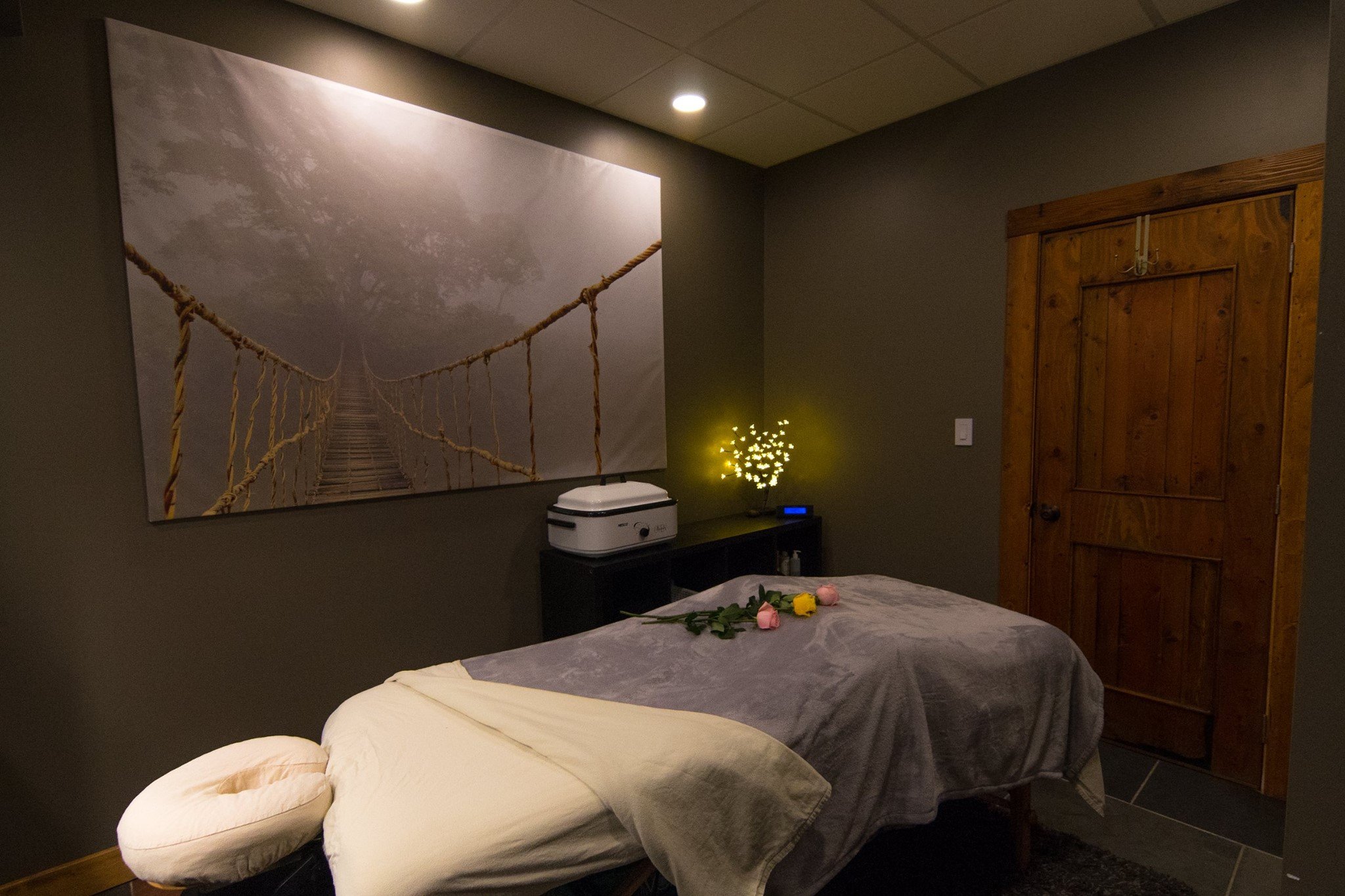
A typical session runs 30 to 60 minutes. You stay clothed, seated in a reclined chair, with only your shoes and socks removed. The practitioner usually starts with a warm foot soak or hot towel, especially useful after walking through slush on Jasper Ave in February, then works through the full foot map before finishing with the hands. Expect a short intake conversation about stress levels, sleep, digestion, and any injuries. a beginner’s pressure point guide becomes personal: the practitioner adjusts pressure and pacing based on what you tell them, not a fixed script.
The Real Benefits of Reflexology (And What Science Actually Says)
Most people book a first session expecting either total relaxation or a cure for a specific ailment. The honest answer sits in between. Reflexology has consistent evidence for stress reduction and modest evidence for a handful of other outcomes, and no reliable evidence for treating disease.
How To Choose The Right Recovery Modality For Your Needs covers this in more detail.
Stress and Nervous System Regulation
The strongest, most repeatable finding across studies is a drop in perceived stress and anxiety following reflexology sessions. Mayo Clinic’s overview of reflexology notes that the firm, rhythmic pressure appears to trigger a parasympathetic response, slowing heart rate and lowering cortisol in the short term, similar to what happens during a massage. For Edmontonians dealing with six months of short daylight and long commutes on icy roads, that nervous-system reset is a legitimate reason to book, even without organ-specific claims attached to it.
Circulation, Swelling, and Recovery
Pressure applied to the feet and lower legs can temporarily improve local blood flow and reduce mild swelling, which is why some runners and retail or hospitality workers on their feet all day at West Edmonton Mall or downtown restaurants use it as a recovery tool. It is not a replacement for targeted recovery work. If you are managing a specific training load or injury, see our breakdown of how to choose the right recovery modality for your needs before assuming reflexology alone will solve it.
What Reflexology Cannot Do
Reflexology is not a diagnostic tool and it does not treat diabetes, cancer, or cardiovascular disease, no matter what a foot chart implies. Alberta Health Services classifies reflexology as a complementary therapy, meaning it works alongside conventional medical care, not instead of it. Any practitioner who tells you they can diagnose a medical condition through your feet is overstepping what the evidence supports. Use it for stress, tension, and general wellbeing. See your doctor for everything else.
A Beginner’s Pressure Point Guide: Foot Map Basics

Here is the practical part of this pressure point guide for beginners: the general zones most reflexologists reference, and how you can safely try a few at home between professional sessions.
The Foot Zones and What They Correspond To
| Foot Location | Traditional Correspondence | How It Typically Feels |
|---|---|---|
| Tips of toes | Head, sinuses, brain | Light, slightly ticklish pressure |
| Ball of foot | Chest, lungs, shoulders | Firm, sometimes tender if you carry tension there |
| Arch (upper) | Stomach, liver, pancreas | Deep, occasionally sensitive after a heavy meal |
| Arch (lower) | Intestines, lower back | Moderate pressure, often relaxing |
| Heel | Pelvis, lower body | Firm, grounding pressure |
| Inner edge (arch line) | Spine | Gentle, gliding pressure along the arch |
Treat this table as a reference for conversation with a practitioner, not a self-diagnosis tool. The zones are consistent across most reflexology charts used in Edmonton clinics, but the organ correspondence is traditional theory rather than confirmed anatomy.
Hand Reflexology Points You Can Try at Home
Hand reflexology is a practical starting point because you can do it yourself at a desk during a Downtown workday. A few simple techniques:
- Web between thumb and index finger: pinch and hold for 30 seconds on each hand, commonly used for tension headaches.
- Center of the palm: press with the opposite thumb in small circles for a minute, often described as calming.
- Base of each finger: squeeze gently, working from pinky to thumb, said to support general circulation.
- Wrist crease: apply light pressure with two fingers, sometimes used to ease mild nausea.
None of these replace a professional session, but they are a low-risk way to test whether pressure-point work does anything for you before paying for a full appointment.
Simple Self-Reflexology Techniques for Edmonton Winters
Seasonal affective symptoms hit hard here between November and February, when the sun sets before 5pm for weeks. A five-minute foot self-massage before bed, working from toes to heel with a warm oil, is a practical addition to a winter wellness routine. It will not fix seasonal depression on its own, but paired with light therapy and daylight exposure, it is a reasonable low-cost habit. Pair this with a broader recovery approach, including red light therapy for muscle recovery, if you are building out a full cold-weather self-care routine.
Where to Get Reflexology in Edmonton: Neighborhood Guide
Reflexology in Edmonton shows up in three main settings: dedicated reflexology and traditional Chinese medicine clinics, spa and wellness centers that offer it as one service among several, and registered massage therapists who add reflexology techniques to a broader session. Availability varies a fair bit by neighborhood.
Downtown and Oliver Options
Downtown and Oliver have the highest concentration of wellness spas that include reflexology on their service menu, often bundled with facials or massage packages inside hotel spas and standalone day spas along Jasper Ave and 104 Street. Expect to pay slightly more here, and expect to pay for parking. Metered street parking runs out fast on weekdays, so budget for a nearby lot or check if your spa validates parking. Transit access is strong, with multiple LRT stations within a short walk of most Oliver and Downtown wellness businesses.
Whyte Avenue and Old Strathcona
Old Strathcona and the Whyte Avenue strip have a mix of smaller, independent reflexology and TCM-style clinics, often run by practitioners with decades of hands-on experience rather than large spa branding. Prices here tend to run a little lower than Downtown. Street parking is manageable outside peak Farmers’ Market hours on Saturdays, and the area is well served by bus routes if you would rather skip the parking hunt entirely.
West End, Windermere, and Sherwood Park
West Edmonton Mall and the surrounding West End host several wellness centers offering reflexology alongside massage and spa services, with the benefit of free indoor mall parking, useful when it’s minus 25 outside. Windermere has a smaller number of newer wellness studios catering to the growing southwest population. Sherwood Park residents generally have a shorter drive to local strip-mall wellness clinics than into the core, which matters more than it sounds during a January whiteout commute.
Pricing, Session Length, and What to Expect

Pricing across Edmonton is fairly consistent, with variation mostly tied to session length and whether reflexology is a standalone service or bundled into a larger spa package.
Typical Edmonton Pricing Breakdown
| Session Length | Typical Price Range | Common Setting |
|---|---|---|
| 30 minutes | $40 to $60 | Standalone clinic, quick add-on session |
| 45 minutes | $60 to $85 | Independent reflexology practitioner |
| 60 minutes | $75 to $110 | Spa or wellness center, full session |
| 90-minute combo (reflexology plus massage) | $110 to $160 | Day spa packages, mostly Downtown and Oliver |
Gratuity of 15 to 20 percent is standard practice across Edmonton spas and clinics, same as massage therapy. Ask about package pricing if you plan to go monthly. Many clinics offer a five- or ten-session card at a modest discount.
How Many Sessions You Actually Need
For general stress relief, a single session gives a noticeable but temporary effect lasting a few days. Practitioners commonly recommend a series of four to six sessions spaced one to two weeks apart to build a cumulative relaxation response, particularly heading into a stressful season like tax time or the run-up to Folk Fest weekend when work schedules compress. After that initial series, monthly maintenance sessions are typical for people who stick with it long term.
Insurance Coverage in Alberta
Standalone reflexology is rarely covered by extended health plans in Alberta. Coverage is more likely if the session is delivered and billed by a registered massage therapist who incorporates reflexology techniques, since RMT services are commonly covered up to an annual limit. Check your specific plan details and ask the clinic directly whether they can issue an RMT-compatible receipt before booking, since this varies practice to practice.
Reflexology Through Edmonton’s Seasons
Edmonton’s climate genuinely changes when and why people book reflexology, and clinics see predictable seasonal patterns in demand.
Winter: Cold Feet, Circulation, and Seasonal Slump
December through February brings the highest bookings. Cold feet from walking to the LRT in minus 30 weather, combined with reduced daylight, sends people looking for warmth and calm at the same time. Look for a clinic that offers a proper warm foot soak before the session starts. It is a small detail, but after a real Edmonton winter commute, it makes a noticeable difference to how the rest of the session feels.
Smoke Season and Spring Allergies: Indoor Recovery Options
Wildfire smoke season, typically July and August, and the spring pollen surge in April and May both push people toward indoor wellness options when outdoor River Valley walks are off the table. Reflexology is a reasonable indoor alternative during both stretches. If seasonal allergies are your bigger concern this time of year, our Edmonton spring allergies wellness guide for seasonal relief covers more targeted strategies beyond pressure-point work.
Summer and Festival Season Recovery
Long summer days mean more time on your feet, whether that’s a full day at Folk Fest on the river valley hillside or hours walking Whyte Avenue patios. Reflexology sessions booked after a festival weekend are common, often paired with other recovery services. If you are dealing with actual muscle soreness rather than general fatigue, it is worth reading about why try cupping therapy and what to expect, since cupping targets muscular tension in a way reflexology does not.
How to Choose a Qualified Reflexologist

Alberta does not have a single mandatory licensing body for reflexology the way it does for massage therapy, which means the range of training among practitioners varies more than you might expect. A few checks before booking will save you money and disappointment.
Credentials to Look For
- Certification from a recognized reflexology training program, typically 100 or more hours of instruction.
- Membership in a professional reflexology association, which usually requires ongoing education.
- Additional RMT or TCM licensing, which adds broader anatomical training on top of reflexology-specific work.
- Clear, honest language about what the session can and cannot do, without medical diagnosis claims.
Questions to Ask Before Booking
- How long have you been practicing reflexology specifically, not massage generally.
- What certification or training program did you complete.
- Do you provide receipts compatible with extended health benefits.
- What should I expect to feel during and after the session.
Red Flags to Avoid
Be cautious of any practitioner claiming reflexology can diagnose or cure specific diseases, replace medication, or detect illness before symptoms appear. That claim has no support in the research and is a sign the practice is prioritizing sales over honest care. A legitimate practitioner will tell you plainly that reflexology supports relaxation and general wellbeing, and will refer you back to your doctor for anything medical.
Related Articles
- What Is Float Tank Therapy and How Does It Work: An Edmonton Guide to Sensory Deprivation
- Best Massage Therapy Clinics in Edmonton by Neighborhood: Your Local Guide to Finding the Right Therapist
- How to Prepare for Your First Acupuncture Appointment: An Edmonton Guide
Sources & References
Find Trusted Wellness Spots in Edmonton
Browse our independent guide to Edmonton’s spas, fitness studios, and wellness services. Local. Honest. Free.
Frequently Asked Questions
Is reflexology the same as a foot massage
No. A foot massage focuses on general muscle relief across the whole foot, while reflexology applies targeted pressure to specific zones in a set sequence. Many Edmonton spas offer both, so ask specifically for a reflexology session if that’s what you want rather than a general foot rub.
Does reflexology hurt
It should not be painful, though certain points can feel tender if you are carring tension or have been on your feet all day. Tell your practitioner immediately if pressure feels sharp rather than firm, since a good reflexologist will adjust pressure based on your feedback throughout the session.
How often should a beginner book a reflexology session
Start with one session to see how your body responds, then consider a short series of four to six sessions spaced one to two weeks apart if you found it helpful. Many Edmonton clinics offer discounted multi-session packages, which is worth asking about after your first visit.
Can I do reflexology on myself at home
Basic hand reflexology techniques, like pressing the web between your thumb and index finger, are safe to try yourself and can help with mild tension between professional sessions. Full foot reflexology is harder to do effectively on yourself because reaching the right angle and pressure consistently is difficult, so it works best as a supplement to, not a replacement for, professional sessions.
Is reflexology covered by insurance in Alberta
Standalone reflexology is rarely covered on its own under Alberta extended health plans. Coverage is more likely when a registered massage therapist delivers the reflexology techniques within a billable RMT session, so check with the clinic and your benefits provider before assuming it will be reimbursed.
What should I wear to a reflexology appointment
Wear whatever is comfortable since you stay fully clothed for the entire session and only remove your shoes and socks. Loose pants or leggings are practical if the practitioner also works the lower leg, and bringing a spare pair of socks is a good idea during Edmonton winters when boots and slush are involved.