Edmonton winters run five months long, daylight disappears by 4:30pm in December, and half the city is quietly white-knuckling through work deadlines with no sun to help regulate mood. That combination sends a lot of people searching for acupuncture for anxiety and stress in Edmonton as an alternative or add-on to therapy and medication. This guide covers what acupuncture actually does for anxiety and stress, what a session looks like, what it costs across the city, which neighborhoods have the most options, and how to build it into a routine that survives a northern winter. By the end, you will know whether it is worth booking, what to ask before you do, and how to budget for it.
Last reviewed:
What Acupuncture Actually Does for Anxiety and Stress

Acupuncture comes from traditional Chinese medicine. A licensed practitioner inserts thin, sterile needles into specific points on the body, usually left in place for 20 to 45 minutes. For anxiety and stress specifically, the working theory is that needling certain points shifts the body from a sympathetic, fight-or-flight state into a parasympathetic, rest-and-digest state. That is the same shift you get from deep breathing or a long walk in the river valley, just triggered a different way.
How Acupuncture Affects the Nervous System
Needling stimulates sensory nerves under the skin, which send signals up to the brainstem and hypothalamus. Practitioners point to changes in heart rate variability and small reductions in cortisol, the primary stress hormone, following treatment. Research indexed through the National Institutes of Health has measured these autonomic nervous system changes in controlled studies, though the effect sizes are moderate, not dramatic. Some people feel noticeably calmer within the first session. Others need three or four sessions before they notice a shift in their baseline stress level.
Recovery Options Edmonton Massage Physio Stretching covers this in more detail.
What the Research Actually Says
The evidence for acupuncture and anxiety is genuinely mixed, and any Edmonton clinic that tells you otherwise is overselling it. Mayo Clinic’s overview of acupuncture notes it can help with stress-related symptoms and pain, while stopping short of calling it a proven standalone treatment for clinical anxiety disorders. Most of the higher-quality studies show acupuncture performing better than no treatment, and roughly comparable to relaxation training or basic counselling, for people with mild to moderate generalized anxiety. It is not shown to outperform first-line treatments like cognitive behavioural therapy or medication for more severe cases.
Who Tends to See the Best Results
People with generalized, chronic stress from work, caregiving, or life transitions tend to respond well. So do people whose anxiety shows up physically, as jaw clenching, shoulder tension, or a tight chest, since needling addresses the muscular component directly. People with panic disorder, severe depression, or trauma-related anxiety usually need acupuncture as a supplement to real treatment, not a replacement for it. If you are dealing with insomnia tied to racing thoughts, several Edmonton practitioners report that acupuncture combined with sleep hygiene changes works better than either alone.
Signs Acupuncture for Anxiety and Stress Might Be Worth Trying

Not everyone needs to book a session. Here is how to tell if it is a reasonable next step for you.
How To Manage Work Stress covers this in more detail.
Chronic Stress vs Clinical Anxiety: Know the Difference
Chronic stress is your body staying in a low-grade alert state because of ongoing pressure, a demanding job, a long commute on Whitemud Drive in whiteout conditions, financial strain. It responds well to lifestyle changes and body-based treatments like acupuncture. Clinical anxiety is a diagnosable condition with persistent, often disproportionate worry, physical symptoms, and functional impairment. Alberta Health Services’ mental health resources are a good starting point if you are unsure which one you are dealing with. Acupuncture can help with both, but it should not delay a proper diagnosis if your symptoms are severe or getting worse.
How To Manage Anxiety Naturally covers this in more detail.
When to Combine Acupuncture with Other Treatment
If you are already seeing a counsellor or on medication, acupuncture works fine alongside both. Several Edmonton practitioners specifically market themselves as a complement to therapy rather than a replacement, and that framing is honest. Acupuncture for anxiety and stress tends to work best as one piece of a broader plan that might include therapy, exercise, sleep, and other recovery-focused wellness services around the city.
When Acupuncture Is Not Enough on Its Own
If you are having panic attacks, thoughts of self-harm, or anxiety severe enough that you cannot function at work or home, acupuncture is not the first call. See a doctor or a mental health professional first. A good acupuncturist in Edmonton will actually tell you this during intake rather than book you for a ten-session package regardless of what you describe.
What to Expect at Your First Acupuncture Session in Edmonton
First sessions run longer than follow-ups, usually 60 to 90 minutes versus 30 to 45 minutes later on. Here is the general flow.
The Intake and Assessment
Expect a detailed intake covering your stress triggers, sleep patterns, digestion, and general health history. Practitioners trained in traditional Chinese medicine will also check your pulse and look at your tongue, which sounds unusual if you have never done it, but it is standard practice. Be specific about your symptoms. “Stressed” is vague. “Tight jaw, can’t fall asleep before midnight, mind races at my desk downtown” gives the practitioner something to actually work with.
During the Treatment
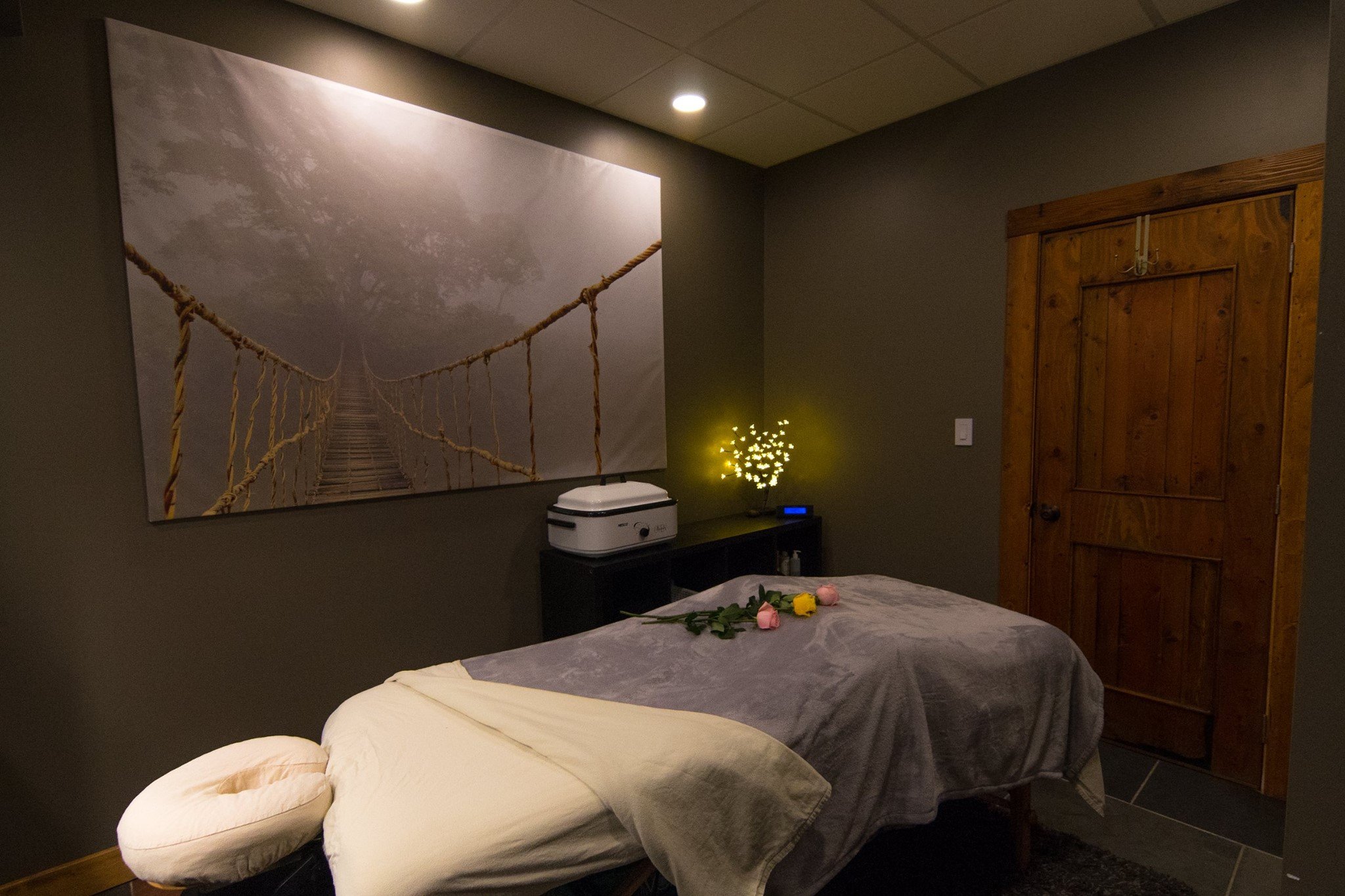
Needles are hair-thin, far smaller than the ones used for blood draws, and most people feel a brief pinch or nothing at all. Common points for anxiety and stress sit on the ear, the wrist, the top of the head, and along the shins. You will lie still for 20 to 45 minutes, often with dim lights and quiet music. Some clinics in Oliver and near Jasper Avenue lean into a spa-like atmosphere. Others, especially clinics attached to physiotherapy practices near the University of Alberta, run a more clinical, no-frills setup. Both approaches work. Pick whichever makes you comfortable enough to actually relax.
After Treatment: What You Might Feel
Some people feel immediately calmer and slightly drowsy. Others feel energized. A smaller group feels nothing noticeable after the first visit, which is normal. Mild soreness at needle sites can last a few hours. Practitioners generally recommend avoiding caffeine and alcohol for the rest of the day and drinking more water than usual. Plan your first session for a day without a tight schedule right after, since driving straight from a treatment into a stressful meeting undoes some of the benefit.
Pricing and What’s Covered in Edmonton

Cost is often the deciding factor, so here is what to actually budget.
Average Session Costs Across the City
Initial visits across Edmonton typically run $90 to $130, reflecting the longer intake. Follow-up sessions run $70 to $100. Clinics closer to downtown and Oliver tend to sit at the higher end of that range, partly reflecting commercial rent. Community clinics and teaching clinics, including student clinics connected to acupuncture training programs, can run $40 to $60 per session since treatments are supervised rather than delivered solo.
| Clinic Type | Initial Session | Follow-Up Session | Typical Package Discount |
|---|---|---|---|
| Downtown / Oliver private clinics | $110 – $130 | $85 – $100 | 10 – 15% off 5+ sessions |
| Whyte Ave / Old Strathcona clinics | $95 – $120 | $75 – $95 | 10% off 10-session packages |
| Suburban clinics (Windermere, Sherwood Park) | $90 – $115 | $70 – $90 | Often bundled with massage or physio |
| Teaching / community clinics | $50 – $70 | $40 – $60 | Sliding scale in some cases |
Insurance Coverage and Direct Billing
Most extended health plans in Alberta cover acupuncture when it is performed by a licensed acupuncturist, typically up to $300 to $750 per year depending on the plan. Many Edmonton clinics offer direct billing to major insurers, so ask before your first visit whether you need to pay out of pocket and submit the claim yourself, or whether the clinic handles it at the front desk. Alberta’s public health system, through Alberta Health Services, does not cover private acupuncture for anxiety and stress, so this is strictly an extended benefits or out-of-pocket cost.
Package Deals and Membership Options
Because acupuncture works cumulatively for anxiety and stress, most clinics push five or ten-session packages at a 10 to 15 percent discount over paying per visit. That makes sense if you are committing to a six to eight week course of treatment, which is the timeframe most practitioners recommend before deciding whether it is working for you. It does not make sense to prepay for a package before your first session, when you still do not know if you like the clinic or the practitioner’s approach.
Choosing the Right Clinic: Edmonton Neighborhood Breakdown
Where you book matters more than people expect, mostly because of parking and how often you will realistically show up.
Downtown, Oliver, and Jasper Avenue
Downtown and Oliver clinics are convenient if you work in the core and can book a lunchtime or after-work session without a big commute. The trade-off is parking. Expect metered street parking or a paid lot, and budget an extra $10 to $15 unless your clinic validates parking or you can bus or LRT in. Jasper Avenue clinics tend to skew toward the higher end of local pricing, reflecting downtown commercial rent.
Whyte Avenue, Old Strathcona, and the University Area
This is Edmonton’s densest cluster of wellness businesses, and acupuncture is no exception. Clinics near Whyte Avenue and around the University of Alberta often run slightly lower prices than downtown, and several are within walking distance of LRT stations, which helps in January when nobody wants to hunt for street parking in a snowbank. If you already have a physio or massage routine in the area, booking acupuncture nearby keeps your whole recovery routine in one trip.
Windermere, 124 Street, and Sherwood Park
Suburban and southwest clinics around Windermere and out toward Sherwood Park usually offer free surface parking, which matters if you are coming straight from work in the far west end or commuting in from Sherwood Park itself. 124 Street has a smaller, boutique cluster of wellness studios, often combining acupuncture with cupping or massage in the same visit. These locations are worth it if avoiding downtown traffic and parking fees is a priority for you.
Building Acupuncture Into a Winter-Proof Stress Routine

One session will not fix chronic stress. A routine might.
Why Edmonton Winters Amplify Anxiety
Reduced daylight, cold that keeps people indoors, and the isolation of a five-month winter all compound stress and anxiety symptoms for a lot of Edmontonians. Health Canada’s guidance on seasonal affective disorder points to reduced light exposure as a major driver of mood changes in northern climates like ours. Booking acupuncture in November or December, rather than waiting until symptoms peak in February, tends to work better. Practitioners can also adjust protocols to address the fatigue and low mood that often ride alongside winter anxiety.
Pairing Acupuncture with Other Recovery Practices
Acupuncture works better as part of a stack, not a standalone fix. Pairing it with massage therapy, stretching, or physiotherapy addresses the muscular tension that anxiety creates, and a broader look at recovery-focused services across the city can help you figure out which combination fits your schedule and budget. Some people pair a monthly acupuncture session with weekly yoga or a sauna session for a more complete approach to managing chronic stress through a long winter.
A Sample Six-Week Routine
- Weeks 1-2: Acupuncture once a week to establish a baseline response, plus daily 10-minute walks outside when temperatures allow.
- Weeks 3-4: Drop to acupuncture every 10 days, add one massage or stretching session, and start a basic sleep schedule with a consistent wake time.
- Weeks 5-6: Move to monthly acupuncture maintenance, keep the massage or movement habit, and reassess whether your baseline stress has actually shifted.
Track your sleep, mood, and physical tension weekly during this period. If nothing has changed by week six, acupuncture may not be the right tool for you, and that is useful information, not a failure.
Related Articles
- What Is Float Tank Therapy and How Does It Work: An Edmonton Guide to Sensory Deprivation
- Best Massage Therapy Clinics in Edmonton by Neighborhood: Your Local Guide to Finding the Right Therapist
- How to Prepare for Your First Acupuncture Appointment: An Edmonton Guide
Sources & References
Find Trusted Wellness Spots in Edmonton
Browse our independent guide to Edmonton’s spas, fitness studios, and wellness services. Local. Honest. Free.
Frequently Asked Questions
Does acupuncture actually work for anxiety, or is it placebo?
The evidence shows real, moderate effects on stress hormones and nervous system regulation, not just a placebo response, though results vary by person. It tends to work best for generalized stress and physical tension rather than severe clinical anxiety disorders. Give it four to six sessions before deciding whether it is doing anything for you.
How many sessions of acupuncture for anxiety and stress do I actually need?
Most Edmonton practitioners recommend a course of six to eight weekly sessions before evaluating results, then tapering to monthly maintenance if it is working. Chronic, long-standing stress usually needs the full course. A single session before a stressful event, like a work presentation or exam, can still take the edge off short term.
Is acupuncture covered by insurance in Alberta?
Most extended health benefit plans cover acupuncture performed by a licensed acupuncturist, often up to $300 to $750 annually, but Alberta’s public health system does not cover it. Check your plan’s specific cap and whether the clinic offers direct billing before booking, since not every Edmonton clinic bills insurers directly.
What is the difference between acupuncture and dry needling for stress?
Acupuncture is rooted in traditional Chinese medicine and targets a wider set of points tied to overall nervous system regulation. Dry needling, often offered through physiotherapy clinics, focuses narrowly on releasing specific muscle trigger points and is typically used for physical tension rather than anxiety directly. If your stress shows up mostly as neck and shoulder tightness, dry needling through a physio clinic might address it faster.
Can acupuncture replace therapy or medication for anxiety?
No. Acupuncture works well as a complement to therapy and medication, not a substitute, especially for moderate to severe anxiety. If your anxiety is affecting your ability to work, sleep, or function day to day, see a doctor or mental health professional first and consider acupuncture as an add-on to that care.