
Every April, the same thing happens across Edmonton. Runners who cruised through a -25°C February start wheezing halfway down a River Valley trail in weather 40 degrees warmer. Yoga instructors in Old Strathcona field the same question from three different students in one week: why does my chest feel tight during a workout that felt easy in March? The answer usually comes down to one thing. What causes Edmonton spring allergies to affect your workout routine is a specific, predictable chain of biology, and once you understand it, you can actually train around it instead of quitting for six weeks. This guide breaks down the pollen sources, the physiological reasons exercise makes symptoms worse, and the practical adjustments that let Edmontonians keep moving from April through June.
Last reviewed:
Why Edmonton’s Spring Pollen Season Hits So Hard
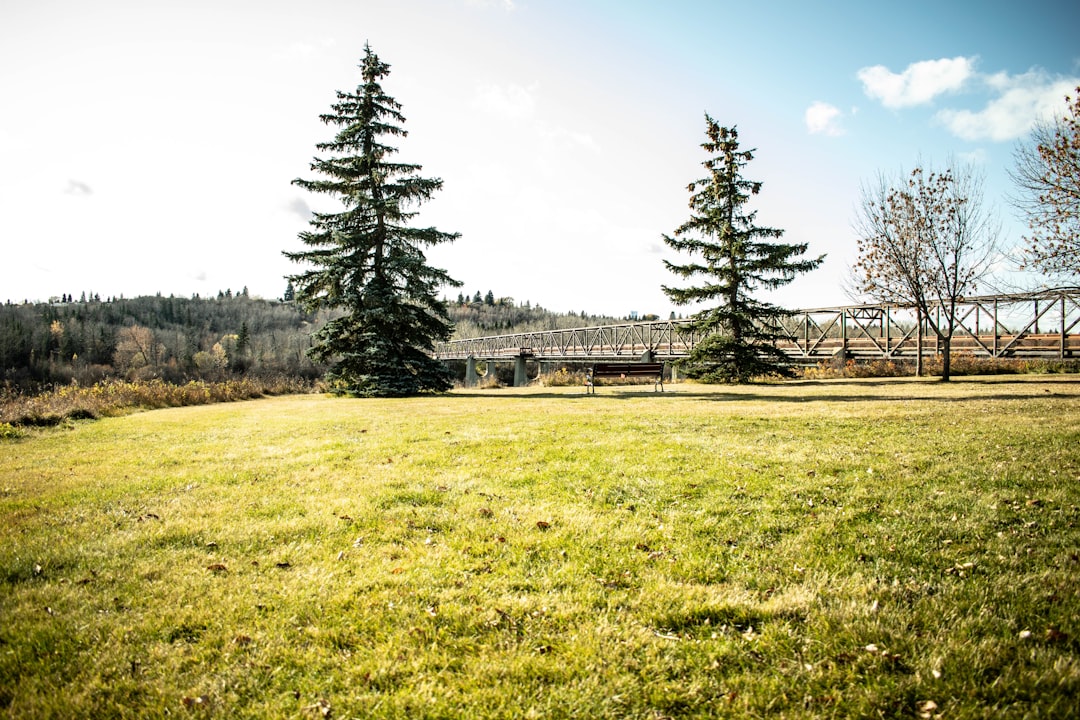
Edmonton sits in a river valley surrounded by a mix of boreal forest remnants, mature residential tree canopy, and prairie grassland at the city’s edges. That combination means three separate pollen waves stack on top of each other in a compressed eight-to-ten-week window, instead of spreading out gradually like they do in milder coastal cities. Understanding the source is the first step in understanding what causes Edmonton spring allergies to affect a workout routine in the first place.
The Birch and Poplar Bloom Timeline
Birch trees are the main early offender. They typically release pollen in Edmonton starting in the first two weeks of April, with counts peaking through late April into early May depending on how fast the thaw happens. Poplar and aspen, both common along Whitemud Creek ravine and throughout mature neighborhoods like Glenora and Westmount, follow shortly after. By late May, cottonwood trees along the river valley start releasing their fluffy white seed cotton, which looks dramatic but actually carries very little allergenic pollen itself. The real irritant during that stretch is grass pollen, which ramps up through late May and into June as boulevards and river valley meadows green up. Mayo Clinic’s overview of exercise-induced airway symptoms notes that cold, dry air and airborne allergens are two of the most common triggers for exercise-related breathing trouble, and Edmonton’s spring delivers both at the same time.
River Valley Microclimates and Pollen Concentration
The river valley itself acts like a funnel. Cold air sinks into the valley overnight and pools there until the sun burns it off, which means pollen released by trees lining the Saskatchewan River banks can sit concentrated in the low-lying trail corridors well into mid-morning. Runners doing an early loop through Hawrelak Park or the Mill Creek Ravine often report worse symptoms than someone doing the same workout on a treadmill downtown, even though both are technically outdoors in the same city. Wind direction matters too. A south wind pushes grassland pollen from the city’s edges into the core, while calm mornings trap tree pollen in the valley’s microclimates.
How To Prevent Seasonal Wellness Routine Breakdowns In Edmonton covers this in more detail.
Freeze-Thaw Cycles That Trigger Sudden Pollen Releases
Edmonton springs rarely warm up in a straight line. A run of 15°C days gets followed by a hard frost, then another warm stretch. Each freeze-thaw cycle stresses trees and can trigger a sudden, concentrated pollen release once temperatures climb back up, which is why allergy sufferers sometimes describe a single brutal day rather than a gradual buildup. This unpredictability is part of what makes Edmonton spring allergies affect workout routines more than a slow, linear pollen season would. For a broader breakdown of what’s actually in the air week by week, our Edmonton spring allergies wellness guide tracks the seasonal pattern in more detail.
Edmonton Wellness Reset Guide Spring Outdoor Activities Checklist covers this in more detail.
What Causes Edmonton Spring Allergies to Affect Your Workout Routine
Pollen alone doesn’t explain why a workout feels harder during allergy season. The mechanism is physiological, and it’s the same one whether you’re doing hot yoga in Oliver or hill sprints on the Connors Hill stairs.
How To Transition Fitness Routine Spring Edmonton covers this in more detail.
Histamine Response and Airway Inflammation During Exercise
When pollen hits the mucous membranes in your nose, throat, and airways, your immune system releases histamine as part of an allergic response. Histamine causes blood vessels to dilate and airway tissue to swell, which is exactly what you don’t want when you’re also trying to move a higher volume of air in and out of your lungs during exercise. Health Canada’s information on aeroallergens explains that inflamed, swollen airways narrow the passage available for airflow, forcing the body to work harder for the same oxygen exchange. That’s the core answer to what causes Edmonton spring allergies to affect a workout routine at the cellular level. Your lungs aren’t doing anything different. The passageway they’re working through is smaller.
Beginner Wellness Routine Checklist For January In Edmonton covers this in more detail.
Why Outdoor Cardio Makes Symptoms Worse
Exercise increases your breathing rate roughly four to six times above resting levels during moderate to vigorous cardio. That means you’re pulling in far more air, and far more pollen, per minute than you would just walking around. A jog along the North Saskatchewan River pathway on a high pollen day exposes your airways to a much larger dose of allergen than the same amount of time spent sitting in a car with the windows up. This is the direct link between activity intensity and symptom severity. The harder you push, the more pollen you inhale, and the worse the histamine response tends to be by the second half of the workout.
The Mouth-Breathing Problem When Running
Nasal breathing filters and humidifies air before it reaches the lungs. Your nose hairs and mucous membranes trap a meaningful portion of airborne pollen before it ever gets past your throat. But once heart rate climbs past a certain point, most people switch to mouth breathing because the nose can’t move enough air fast enough. Mouth breathing skips that filtration step almost entirely, sending pollen straight to the throat and lower airways. That’s a big part of why a fast interval session on the Whitemud trails feels dramatically worse for allergy sufferers than an easy, nose-breathing walk on the same route at the same pollen count.
Pollen Counts and Timing: When Edmonton’s Air Is Worst for Exercise
Not every hour of a high-pollen day is equally bad. Timing your workout around daily and weather-driven patterns is one of the simplest ways to reduce how much Edmonton spring allergies affect your workout routine without giving up outdoor training entirely.
Daily Pollen Patterns: Morning vs Evening
Tree pollen counts in most Canadian cities peak between 5 a.m. and 10 a.m., which unfortunately overlaps with when a lot of Edmontonians squeeze in a run before work. Counts typically drop through the afternoon and can dip again in the evening once dew starts to settle, although grass pollen sometimes behaves differently and stays improved later into the day. If you have flexibility, shifting an outdoor workout to late afternoon or early evening, after 6 p.m., often means a meaningfully lower pollen load than the same route at 6 a.m.
Weather Triggers: Wind, Rain, and the Smoke Overlap
Dry, windy days spread pollen further and keep it airborne longer, which is common in Edmonton during April and May before the wetter part of the season sets in. A good rain actually helps, since it washes pollen out of the air and knocks it down to the ground, so the day right after a rainfall is often one of the better windows for outdoor training. The trickier overlap comes in late spring and summer, when wildfire smoke from northern Alberta and British Columbia can drift into the city on top of an already active pollen season. When both are present, indoor workouts stop being a preference and become the more sensible option for anyone with sensitive airways.
Quick-Reference: Pollen Level and Workout Adjustment
| Pollen Level | Typical Symptoms | Workout Adjustment |
|---|---|---|
| Low | None or mild sniffles | Normal outdoor training, any time of day |
| Moderate | Sneezing, itchy eyes, mild congestion | Outdoor okay after 6 p.m., avoid high-intensity intervals before 10 a.m. |
| High | Wheezing, chest tightness, persistent congestion | Move cardio indoors, keep outdoor time to easy walks only |
| Very High / Smoke Overlap | Shortness of breath, coughing, throat irritation | Indoor-only workouts, reduce overall intensity for the week |
Indoor Alternatives When Pollen Levels Spike

Edmonton has enough indoor infrastructure that a high pollen day doesn’t have to mean a skipped workout. It just means changing where you do it.
Studio and Gym Options Across Edmonton Neighborhoods
Downtown and Oliver both have a dense cluster of gyms and boutique studios within a short walk of the LRT, which makes a weekday lunch workout realistic without a car. Whyte Avenue and Old Strathcona have a strong concentration of yoga and pilates studios, many within a few blocks of paid street parking or the Whyte Avenue transit corridor. West Edmonton Mall has a full recreation and fitness footprint under one roof, with covered parking, which matters when the alternative outside is a high pollen count and a wind advisory on the same afternoon. Windermere and the west end have newer big-box gyms with longer hours, useful for evening sessions after work. Across most of these, drop-in classes run somewhere between $15 and $25, and monthly memberships at mid-range gyms typically land between $50 and $90.
Timing Outdoor Workouts Around Pollen Forecasts
A lot of Edmontonians check the weather app and stop there, but pollen forecasts are usually available through the same national weather services and are worth a thirty-second look before heading out. Pairing that check with the daily and weather patterns above, morning avoidance, post-rain timing, wind awareness, cuts a surprising amount of exposure without cutting a single outdoor workout from the calendar. For a broader list of ways to keep a routine from falling apart when the weather or your body throws a curveball, our guide on preventing seasonal wellness routine breakdowns in Edmonton covers the bigger picture beyond just allergy season.
Adjusting Your Training Plan During Allergy Season
Understanding what causes Edmonton spring allergies to affect a workout routine is only useful if it changes how you actually train. A few practical shifts make a real difference.
Modifying Intensity and Duration
On moderate-to-high pollen days, dropping planned intensity by one notch, swapping intervals for steady-state, or hills for flat, reduces how much air you’re pulling through inflamed airways. Shortening outdoor sessions and finishing the volume indoors afterward, a 20-minute outdoor walk plus 20 minutes on a gym bike, for example, keeps the training stimulus without the full exposure. This is a small tweak, but it matters more than people expect during the worst two or three weeks of the season.
Medication Timing and Pre-Workout Prep
Antihistamines work best when taken consistently rather than reactively. Starting a daily non-drowsy antihistamine a week or two before your typical symptom onset, mid-March for most Edmontonians, keeps histamine response lower throughout the season rather than chasing symptoms after they start. Anyone using a rescue inhaler for exercise-induced symptoms should talk to a pharmacist or physician about timing it 15 minutes before activity rather than after symptoms appear. Alberta Health Services’ MyHealth Alberta resource has guidance on managing seasonal allergy symptoms and when over-the-counter options aren’t enough.
Hydration and Nasal Care Routines
Saline rinses before and after outdoor workouts physically flush pollen out of nasal passages rather than just masking symptoms. Staying well hydrated also thins mucus, which makes it easier for the body to clear irritants naturally instead of trapping them. Showering and changing clothes immediately after an outdoor session, rather than lounging in workout gear, keeps pollen from continuing to trigger symptoms for hours after the workout ends.
Long-Term Strategies for Athletes Training Through Edmonton Springs
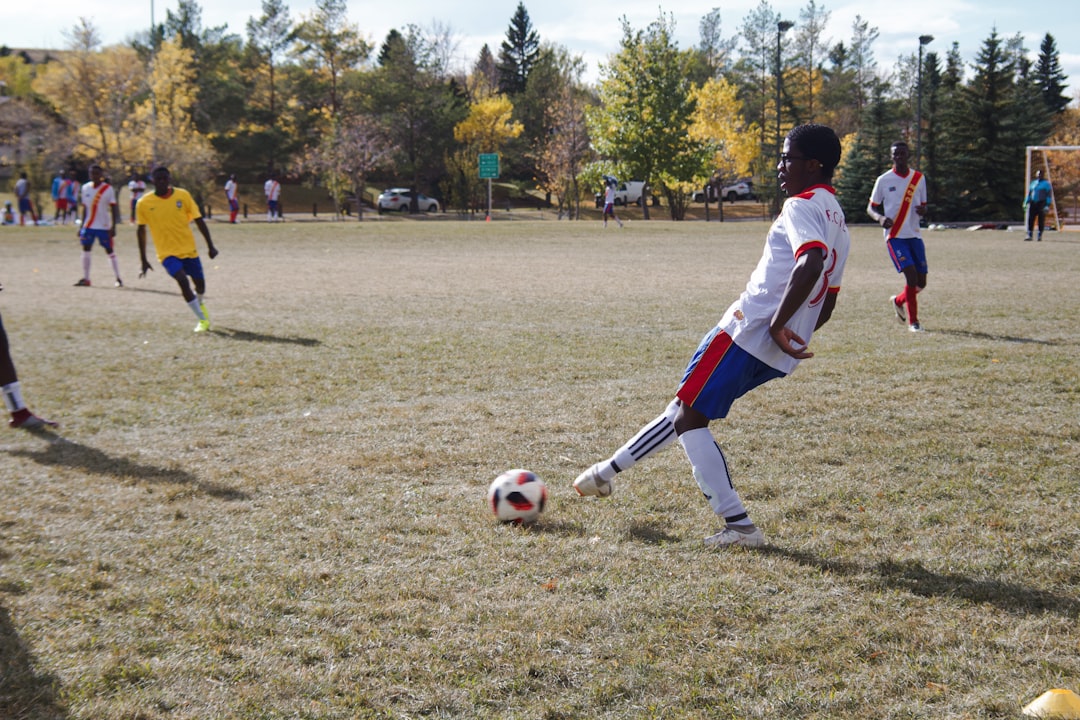
A single bad allergy season doesn’t need to mean giving up outdoor training every spring. A little planning ahead of time changes the whole experience.
Building a Spring Transition Plan
The Edmontonians who handle allergy season best usually aren’t the ones with the mildest allergies. They’re the ones who planned for it. That means mapping out which weeks are historically worst, mid-to-late April for birch, early June for grass, and pre-scheduling indoor backup sessions for those windows instead of deciding day by day. It also means not making dramatic changes all at once. Just like moving from a winter routine into spring training takes a gradual build, easing into higher-pollen outdoor volume works better than jumping straight from treadmill miles to full River Valley trail runs in one week. Our guide to transitioning a fitness routine into spring walks through that build-up in more detail, and the spring outdoor activities checklist is a useful companion for planning which weeks to prioritize outdoor time.
When to See a Doctor vs Manage at Home
Sneezing, itchy eyes, and mild congestion during a workout are manageable with the strategies above. Wheezing, chest tightness, a persistent cough that lasts after the workout ends, or symptoms that don’t respond to over-the-counter antihistamines are signs worth bringing to a doctor, since they can overlap with exercise-induced asthma rather than straightforward seasonal allergies. Mayo Clinic’s guidance on exercise-induced asthma notes that the two conditions can look similar but require different management, so getting an accurate diagnosis matters more than guessing. If you’ve built a wellness routine from scratch before, the discipline is familiar. Anyone who started with our beginner wellness routine checklist for January in Edmonton already knows the value of a written plan rather than winging it, and the same approach applies here.
Making the Most of River Valley Access Without the Worst Exposure
The City of Edmonton’s river valley parks system spans more than 7,400 hectares and is genuinely one of the best reasons to live here, so avoiding it all spring isn’t a real solution for most people. A better approach is choosing higher, more open sections of the trail system over low, tree-dense ravines during peak tree pollen weeks, since open grassland stretches carry less concentrated tree pollen even if grass pollen is present. Trails near Hawrelak Park, Terwillegar, and the river crossings tend to have more open exposure than the tightly wooded Mill Creek Ravine sections, which can make a noticeable difference on a moderate pollen day.
Related Articles
- How to Stay Active During Edmonton’s Winter Smoke Season: Indoor Fitness Options That Work
- Best Indoor Wellness Activities When Edmonton Air Quality Drops: Your Complete Guide
- Why Does Edmonton Summer Daylight Affect Sleep Schedules: Understanding Our 17-Hour Days
Sources & References
Find Trusted Wellness Spots in Edmonton
Browse our independent guide to Edmonton’s spas, fitness studios, and wellness services. Local. Honest. Free.
Frequently Asked Questions
What causes Edmonton spring allergies to affect workout routines the most?
The biggest factor is the histamine response triggered by tree pollen, mainly birch and poplar, which inflames and narrows airway tissue right when exercise is demanding more airflow than usual. Combine that with mouth breathing during harder efforts, which skips the nose’s natural filtering, and workouts that felt easy in winter suddenly feel labored. Timing outdoor sessions away from the 5 a.m. to 10 a.m. pollen peak reduces a lot of that effect.
When does allergy season actually start in Edmonton?
Birch pollen typically starts releasing in early April, with poplar and aspen following through mid-to-late April. Grass pollen picks up through late May into June, which means most Edmontonians deal with some level of symptoms for eight to ten weeks straight rather than one short peak.
Is it safe to keep running outdoors during high pollen days?
For people with mild symptoms, yes, especially if you shift the run to later afternoon or evening and after rainfall rather than early morning. For anyone experiencing wheezing or chest tightness, moving that day’s cardio indoors to a gym or studio in Oliver, Downtown, or West Edmonton Mall is the safer call until symptoms settle.
Do indoor workouts eliminate allergy symptoms completely?
Not entirely, since pollen still gets tracked indoors on clothes, hair, and through open windows or doors, but exposure drops dramatically compared to an outdoor session during peak hours. Showering and changing immediately after being outside before heading into an indoor class also reduces how much pollen you carry with you.
Should I take allergy medication before or after a workout?
Before. Non-drowsy antihistamines work best taken consistently, ideally starting a week or two before symptoms typically begin, rather than after congestion or wheezing has already set in. Anyone relying on a rescue inhaler for exercise-related symptoms should confirm timing with a pharmacist or physician, since using it proactively before activity tends to work better than using it reactively.