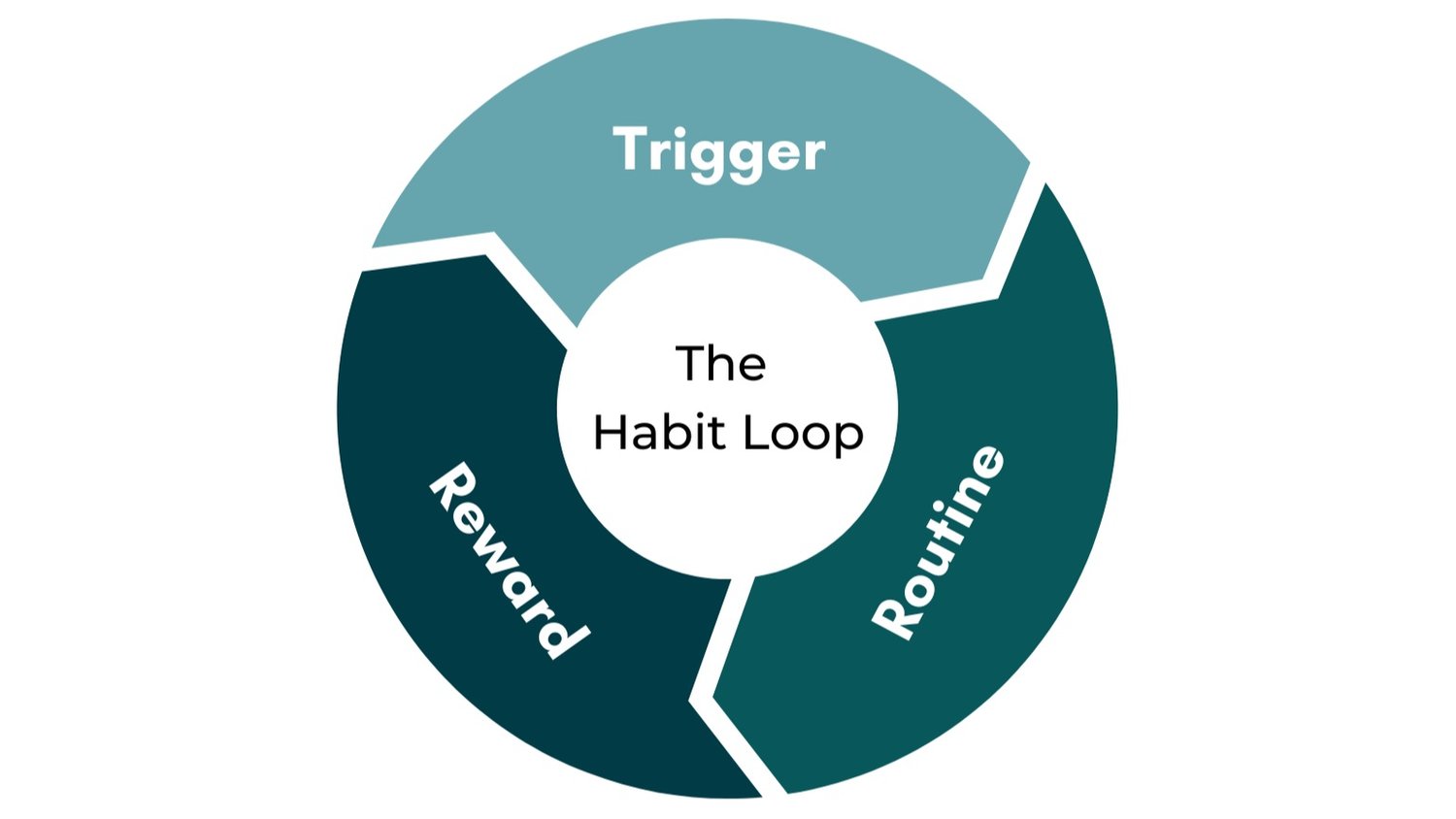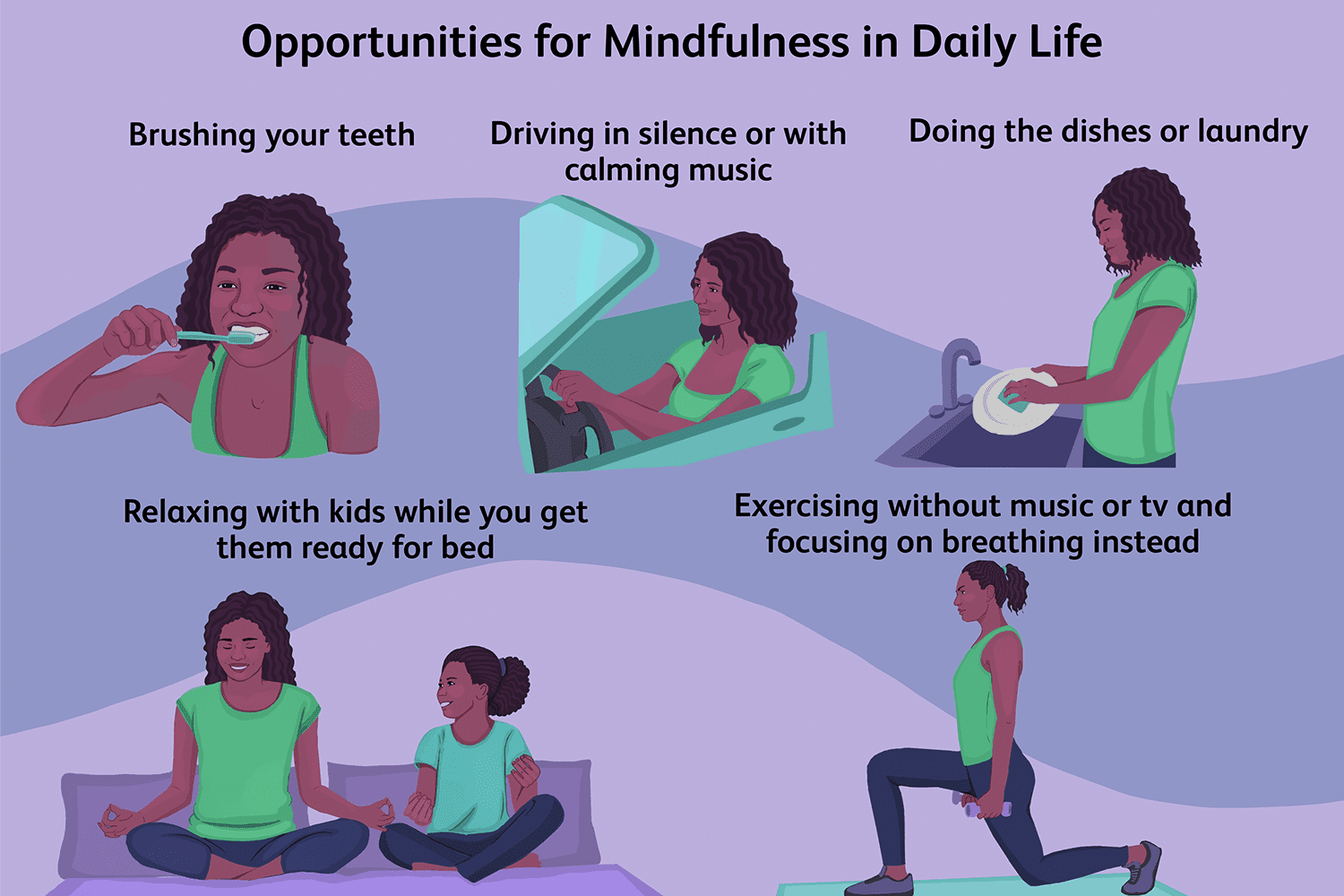
Stress hits different when it’s minus thirty and dark by 4 PM. Every winter, thousands of Edmontonians search for ways to manage stress that actually work with our climate, not against it. The two most popular options? Meditation vs breathwork for stress management which works better depends on your specific situation, daily schedule, and what kind of stress you’re dealing with.
Last reviewed:
After talking to dozens of local practitioners and testing both approaches through multiple Edmonton winters, here’s what actually matters: accessibility, time commitment, and whether you can stick with it when life gets hectic. Both meditation and breathwork can reduce stress significantly. The difference lies in how they fit into your Edmonton lifestyle.
Understanding the Basics: How Each Practice Works

What Meditation Actually Does for Stress
Meditation trains your brain to observe thoughts without getting caught up in them. Think of it like watching traffic on the Henday from an overpass instead of being stuck in it. Research from the National Institutes of Health shows that regular meditation physically changes brain structure, reducing activity in the amygdala (your brain’s alarm system) after just eight weeks of practice.
How To Manage Work Stress covers this in more detail.
The most common forms in Edmonton include:
Health And Wellness Edmonton covers this in more detail.
- Mindfulness meditation: Focusing on the present moment, often taught at studios like Yoga Within in Old Strathcona ($20 drop-in classes)
- Transcendental meditation: Using a personal mantra, available through certified instructors downtown (typically $960 for the full course)
- Guided meditation: Following audio instructions, popular at Float + Wellness Centre on 124 Street ($15-20 per session)
The catch? Meditation takes time to show results. Most people need at least 10-20 minutes daily for 2-3 weeks before noticing significant stress reduction. That’s a tough sell when you’re already overwhelmed.
How Breathwork Tackles Stress Differently
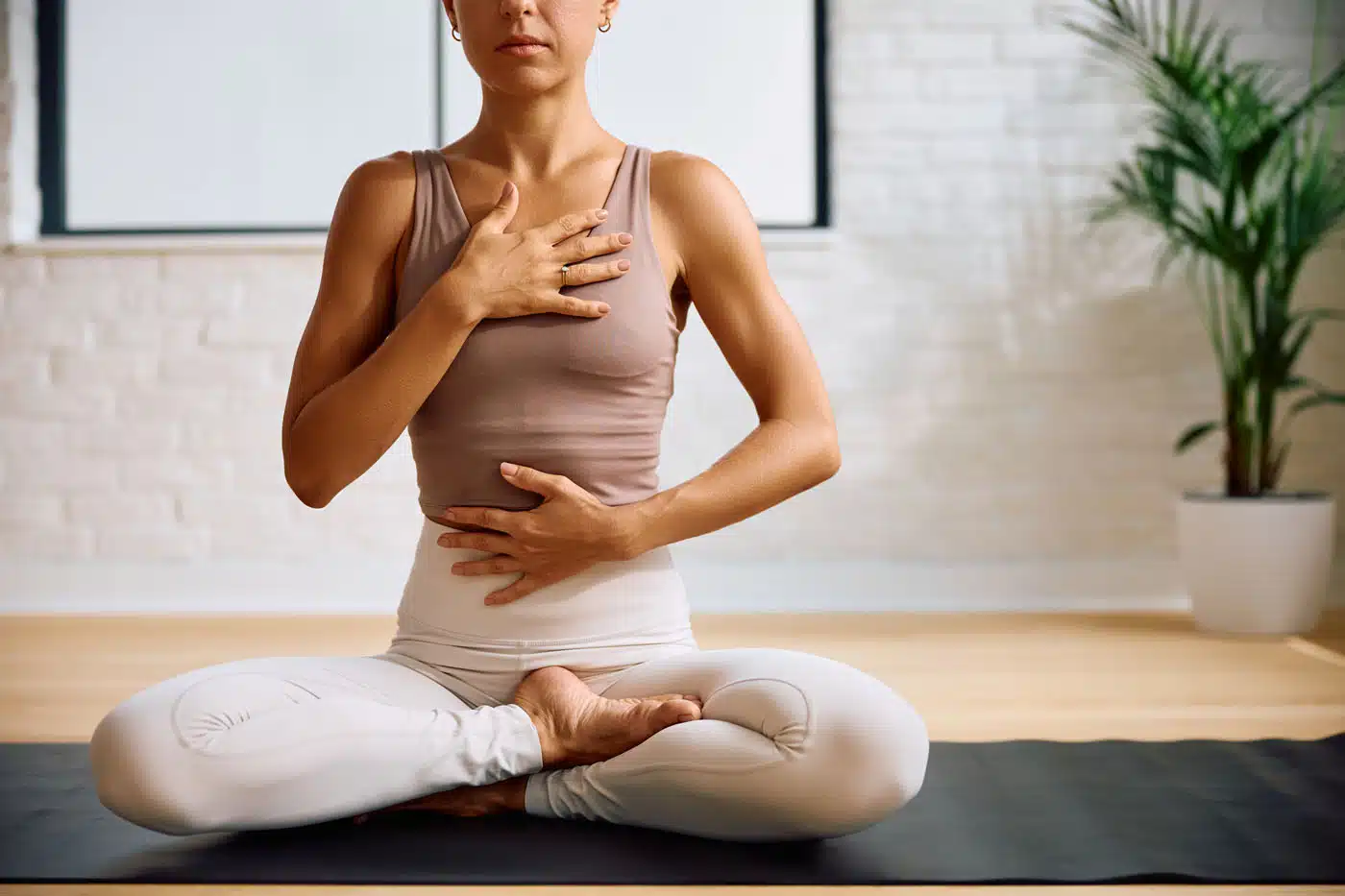
Breathwork uses specific breathing patterns to directly influence your nervous system. Unlike meditation’s gradual approach, breathwork can shift you from stressed to calm in minutes. It’s like having a manual override switch for your stress response.
Workplace Wellness Program Ideas covers this in more detail.
Popular breathwork techniques in Edmonton include:
Best Indoor Wellness Activities When Edmonton Air Quality Drops covers this in more detail.
- Box breathing: Four counts in, hold four, out four, hold four. Perfect for managing stress at work between meetings
- 4-7-8 breathing: Inhale for 4, hold for 7, exhale for 8. Great for sleep issues during long winter nights
- Wim Hof Method: Intense breathing rounds followed by breath holds, taught at several Oliver gyms ($30-40 per workshop)
The immediate results make breathwork attractive for acute stress. You can do a five-minute session in your car before a stressful meeting and feel the difference right away.
The Science Behind Both Approaches
Both practices affect your autonomic nervous system but through different pathways. Meditation works top-down, using cognitive control to calm physical responses. Breathwork works bottom-up, using physical changes to influence mental state.
Mayo Clinic research shows that controlled breathing immediately increases vagal tone, activating your parasympathetic nervous system (rest and digest mode). This explains why three deep breaths can calm you down faster than trying to think calm thoughts.
Meditation builds what researchers call “metacognitive awareness” – the ability to observe your thoughts without being controlled by them. This takes longer to develop but creates more lasting change in how you respond to stressors.
Comparing Effectiveness for Different Types of Stress
Acute Stress and Panic Responses
When stress hits hard and fast – think sliding on black ice on the Whitemud or getting bad news at work – breathwork wins hands down. You can’t meditate your way out of a panic attack, but you can breathe through it.
Local emergency room nurses at the Royal Alex recommend the 5-5-5 technique: breathe in for 5, hold for 5, out for 5. Simple enough to remember when your brain goes blank. Several Edmonton therapists teach this as a first-line intervention for anxiety attacks.
Meditation helps prevent these acute stress responses over time but won’t stop one in progress. It’s like winter tires versus ABS brakes – one prevents problems, the other helps when you’re already sliding.
Chronic Stress and Burnout
For ongoing stress – the kind that builds up through long winters, demanding jobs, and general life pressure – meditation shows stronger long-term benefits. Regular meditators report feeling less reactive to daily stressors and better able to maintain perspective during difficult times.
Sarah Chen, who teaches mindfulness at the University of Alberta, puts it this way: “Breathwork is your emergency brake. Meditation is learning to drive differently.” Her eight-week MBSR (Mindfulness-Based Stress Reduction) courses fill up every semester, with participants reporting 40-50% reduction in perceived stress levels.
That said, combining both practices often works best for chronic stress. Use breathwork for immediate relief while building a meditation practice for long-term resilience.
Seasonal and Environmental Stress
Edmonton’s unique stressors require special consideration. Seasonal Affective Disorder affects up to 15% of Albertans according to Alberta Health Services data. Both practices help, but in different ways.
Breathwork provides quick energy boosts during dark mornings. Try energizing breath patterns like Bellows Breath (rapid diaphragmatic breathing) to combat winter lethargy. Studios like Bliss YogaSpa in Sherwood Park offer morning breathwork classes specifically designed for winter energy ($18 drop-in).
Meditation helps with the mental aspects of seasonal stress – acceptance of shorter days, finding peace despite weather constraints. The Insight Meditation Group meets weekly at the Unitarian Church (by donation), focusing on practices that work with, not against, our climate reality.
Practical Considerations for Edmonton Life
Time Investment and Learning Curves
Let’s be real about time. Between commuting on icy roads, shoveling driveways, and regular life demands, adding another commitment feels impossible. Here’s what each practice actually requires:
Meditation time commitment:
- Minimum effective dose: 10 minutes daily
- Ideal practice: 20-30 minutes daily
- Results timeline: 2-8 weeks for noticeable changes
- Learning curve: 2-4 weeks to feel comfortable
Breathwork time commitment:
- Minimum effective dose: 3-5 minutes as needed
- Full practice: 15-30 minutes for deeper sessions
- Results timeline: Immediate for acute stress, 1-2 weeks for lasting changes
- Learning curve: 1-3 sessions to master basic techniques
The shorter learning curve makes breathwork more accessible when you’re already stressed. You can learn box breathing in five minutes and use it immediately. Meditation requires more upfront investment before seeing returns.
Cost Comparison in Edmonton
Your budget matters when choosing meditation vs breathwork for stress management which works for your situation. Here’s what to expect locally:
| Practice Type | Free Options | Budget Options | Premium Options |
|---|---|---|---|
| Meditation | Apps, YouTube, library programs | Community centers ($5-10), donation-based groups | Private instruction ($80-120/hour), retreats ($200-500/day) |
| Breathwork | YouTube tutorials, self-practice | Group classes ($15-25), workshops ($40-60) | Private sessions ($100-150), certification courses ($500-2000) |
The Edmonton Public Library offers free meditation apps through their digital collection. City recreation centers run affordable stress management programs combining both practices – check the winter program guide for options under $50.
Accessibility During Different Seasons
Winter changes everything. When it’s minus thirty, getting to a studio becomes a stress-inducing event itself. Consider seasonal accessibility:
Winter considerations:
- Meditation works well at home – no special equipment needed
- Breathwork can fog up windows in small spaces (ventilation matters)
- Online classes boom December through March
- Parking availability affects studio attendance
Summer opportunities:
- River Valley becomes a massive outdoor meditation space
- Breathwork in parks (watch for allergens during poplar season)
- Outdoor classes at Hawrelak Park and Rundle Park
- Early morning practice possible with 5 AM sunrise
During smoke season, indoor wellness activities become essential. Both practices work well indoors, but intense breathwork might irritate already sensitive airways.
Real Edmonton Success Stories
From the Corporate World
Mike Thompson, project manager at a downtown engineering firm, tried meditation apps for months without success. “I’d sit there thinking about deadlines instead of following my breath.” He switched to breathwork after a colleague recommended it.
“Box breathing saved my career,” Mike says. “I do it before every client call, in the elevator, even during contentious meetings. Nobody knows I’m doing it.” He now combines five-minute breathing sessions throughout the day with weekend meditation classes at Happy Buddha Boutique on Whyte Ave.
Corporate wellness programs increasingly include both options. Several downtown companies offer lunchtime sessions – workplace wellness programs that actually get used need to be practical and time-efficient.
Healthcare Workers’ Perspectives
Emergency department staff face unique stress levels. At the Misericordia Hospital, nurses created an informal breathwork group that meets during shift changes. “We needed something that worked in five minutes between trauma cases,” explains charge nurse Lisa Kowalski.
The group uses a simple 4-4-4-4 pattern (square breathing) that they can do while charting or walking between units. Several members also maintain home meditation practices for deeper stress processing after difficult shifts.
Healthcare workers often start with breathwork for immediate relief, then add meditation for processing cumulative stress. This combination approach shows up repeatedly in high-stress professions.
Parents and Caregivers
Parents face interrupted schedules that make traditional meditation challenging. Jennifer Park, mother of three in Windermere, found success with micro-practices. “I meditate for two minutes while my coffee brews. It’s not ideal, but it’s consistent.”
She teaches her kids simple breathing exercises for homework frustration and bedtime anxiety. “The 5-finger breathing works great – trace your hand while breathing in and out. Even my five-year-old can do it.”
Family stress often requires flexible approaches. Breathwork’s portability makes it practical for car rides, waiting rooms, and other parenting moments. Meditation apps with short sessions (Insight Timer has hundreds of 3-5 minute options) accommodate unpredictable schedules.
Making Your Choice: A Decision Framework
When to Choose Meditation
Meditation makes sense when you:
- Want lasting changes in stress response
- Can commit to daily practice for several weeks
- Prefer morning or evening routines
- Struggle with racing thoughts or rumination
- Have a quiet space at home
- Enjoy structure and progression
Look for beginner-friendly options like the Shambhala Centre’s Learn to Meditate workshops ($40-60) or free apps with structured programs. The key is consistency over perfection – five minutes daily beats sporadic hour-long sessions.
Winter tip: Set up a meditation corner away from drafts. A small space heater and meditation cushion from Mountain Equipment Co-op create a warm refuge during cold months.
When Breathwork Makes More Sense
Choose breathwork if you:
- Need immediate stress relief tools
- Have unpredictable schedules
- Deal with acute anxiety or panic
- Prefer active over passive practices
- Want techniques you can use anywhere
- Like seeing quick results
Start with simple techniques you can memorize. The Breathing Room on 124 Street offers intro workshops ($35) teaching five basic patterns for different situations. Download a breathing app like Breathwrk for guided sessions during commutes.
Summer bonus: Breathwork pairs perfectly with River Valley walks. The movement helps deepen breathing naturally.
The Hybrid Approach
Most successful stress managers in Edmonton use both. Here’s a practical combination:
Daily routine:
- Morning: 10-minute meditation to set intentions
- Workday: Box breathing before stressful tasks
- Lunch: Walking meditation in pedways (winter) or outside (summer)
- Evening: Longer breathwork session to release the day
- Bedtime: 4-7-8 breathing for better sleep
This framework adapts to Edmonton life. Skip morning meditation when snow delays hit. Double down on breathwork during deadline weeks. The flexibility prevents all-or-nothing thinking that derails many stress management attempts.
Local Resources and Where to Start
Studios and Centers Offering Both Practices
Several Edmonton venues teach both meditation and breathwork, making it easy to explore:
Yoga Within (Old Strathcona)
10143 Saskatchewan Drive
Offers meditation circles Wednesdays at 7 PM ($15 drop-in) and breathwork workshops monthly ($45). Street parking available, close to University LRT.
Elements Physical Therapy & Wellness (Multiple Locations)
Combines breathwork with movement therapy. Covered by many insurance plans. Downtown location has underground parking – important in winter.
The Breathing Room (124 Street)
10505 124 Street
Specializes in breathwork but offers mindfulness integration. New client special: three classes for $40. Paid parking lot attached.
Online Options for Edmonton Winters
When leaving home feels impossible, these online options deliver quality instruction:
- Breathe with Sandy: Local instructor offering Zoom classes Tuesday/Thursday evenings ($12 drop-in)
- Edmonton Mindfulness Community: Free Sunday morning meditation via YouTube Live
- U of A Wellness: Free guided sessions for students/staff/alumni
Investment tip: Good headphones matter more than fancy apps. The noise-canceling headphones from London Drugs work fine for blocking out snow removal equipment during morning practice.
Free Community Resources
Budget constraints shouldn’t prevent stress management. Edmonton offers surprising free options:
Edmonton Public Library
Beyond apps, EPL hosts monthly meditation workshops at various branches. The Stanley Milner downtown branch has quiet meditation pods on the upper floors.
River Valley Programs
Summer brings free outdoor sessions. Check City of Edmonton’s River Valley event calendar for breathwork walks and meditation meetups May through September.
Community Leagues
Many offer stress management programs for members. Membership costs $15-25 annually and includes access to various wellness programs. The Oliver Community League runs donation-based breathwork circles.
Common Mistakes and How to Avoid Them
Expecting Immediate Perfection
The biggest mistake Edmontonians make with meditation vs breathwork for stress management which works is expecting instant mastery. Your mind will wander during meditation. You’ll forget to breathe properly. This is normal.
Fix: Start with guided sessions. Use apps or local classes where instructors provide real-time corrections. Give yourself eight weeks before judging effectiveness. Track your practice in a simple notebook – noting consistency matters more than perfection.
Local hack: Join a practice group for accountability. The meditation group at Greenwood Community Church welcomes beginners explicitly. Having others struggle alongside you normalizes the learning curve.
Practicing Only During Crisis
Waiting until you’re stressed to practice is like only putting on winter tires after sliding into a snowbank. Both meditation and breathwork work best as preventive practices.
Fix: Link practice to existing habits. Breathe while your car warms up. Meditate while coffee brews. The health and wellness routines that stick are those woven into daily life, not added as extra tasks.
Schedule practices when stress is low. Sunday mornings often work well – less rushed than weekdays, good for establishing rhythm before the week starts.
Ignoring Physical Comfort
Edmonton’s climate creates unique comfort challenges. Cold meditation spaces, dry air affecting breathing, and seasonal allergies all impact practice quality.
Fix: Invest in comfort basics. A good meditation cushion ($40-60 at Kihaya Japanese Living) prevents back pain. A small humidifier helps breathwork during winter’s dry air. Dress in layers – body temperature drops during meditation.
Consider location carefully. Basement spaces stay cooler but may feel isolating. Main floor rooms with natural light boost mood but require good blinds for summer’s long days.
Sources & References
Related Reading
Frequently Asked Questions
Can I practice breathwork if I have asthma or respiratory issues?
Yes, but start slowly and avoid intensive techniques like Wim Hof method without medical clearance. Gentle practices like coherent breathing (5 counts in, 5 counts out) actually help many people with asthma. Elements Physical Therapy on Jasper Ave has respiratory therapists who teach modified breathwork. Always keep your inhaler nearby during practice.
How quickly will I see results from meditation versus breathwork?
Breathwork provides immediate physiological changes – you’ll feel calmer within 3-5 minutes. Meditation takes longer, with most people noticing reduced stress reactivity after 2-3 weeks of daily 10-minute sessions. The meditation programs at Yoga Loft Edmonton track participant progress and report significant improvements by week four.
Which practice works better for sleep issues caused by stress?
Both help, but differently. The 4-7-8 breathing technique acts like natural sedation, useful for falling asleep quickly. Meditation, particularly body scan techniques, helps with middle-of-the-night waking. Bliss YogaSpa offers specific “Sleep Deep” workshops combining both approaches for chronic insomnia.
Is it worth paying for classes or can I learn from apps and videos?
Free resources work well for basic techniques, but initial in-person instruction prevents bad habits. Try one or two paid sessions to learn proper form, then maintain practice with apps. The Breathing Room offers “technique check” sessions ($30) where instructors review your practice and make corrections.
How do I maintain practice during Edmonton’s festival season when schedules get hectic?
Switch to micro-practices during busy periods. Three one-minute breathing sessions beat skipping practice entirely. Download offline content before heading to Folk Fest or Fringe – many apps work without internet. The Edmonton Mindfulness Community shares “festival survival” practice guides each summer focusing on two-minute techniques you can do anywhere.