Every January, Edmonton gyms fill with people determined to change their lives. By February, half those memberships sit unused. The pattern repeats year after year. People start wellness habits with genuine commitment, then watch them crumble within weeks. Understanding why this happens — and how to prevent it — can save you from joining the statistics.
Last reviewed:
The failure rate for new wellness habits hovers around 80 percent. That means four out of five people who start a new routine abandon it within three months. In Edmonton, our unique challenges make those numbers even worse. Dark winters that start in October. Temperatures that make outdoor exercise impossible for months. Smoke season that disrupts summer fitness plans. These factors create a perfect storm for habit failure.
But here’s what the research tells us: habit failure isn’t about willpower or motivation. It’s about systems. People who maintain wellness habits long-term don’t have superhuman discipline. They have better strategies. They understand the psychology of habit formation and work with their brain’s natural tendencies instead of against them.
The Science Behind Why Wellness Habits Fail

Your brain resists change. That’s not a character flaw — it’s evolutionary programming. The brain uses about 20 percent of your body’s energy, so it constantly looks for ways to conserve resources. Habits are your brain’s energy-saving mode. They let you perform complex actions without conscious thought.
Health And Wellness Edmonton covers this in more detail.
When you try to build a new wellness habit, you’re asking your brain to spend extra energy. Your brain fights back. It creates resistance, generates excuses, and pushes you toward familiar patterns. This resistance intensifies when you’re stressed, tired, or dealing with environmental challenges — exactly what happens during Edmonton winters.
The Habit Loop and Where It Breaks
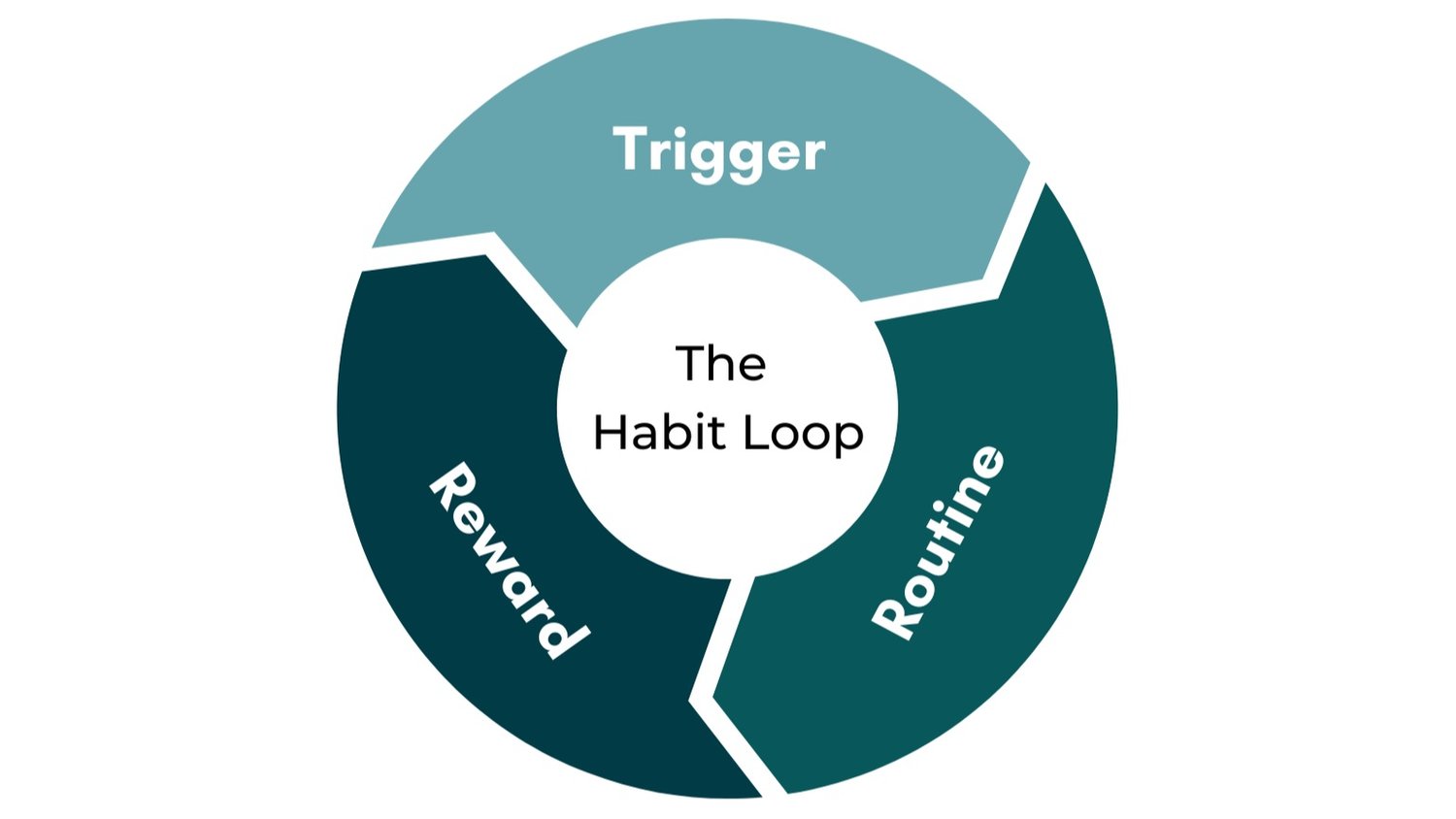
Every habit follows a three-part loop: cue, routine, reward. A cue triggers the behavior. The routine is the behavior itself. The reward reinforces the loop. Most wellness habits fail because people focus only on the routine — the actual exercise or meditation — without establishing strong cues and rewards.
Edmonton Spring Allergies Wellness Guide For Seasonal Relief covers this in more detail.
Take morning yoga as an example. You decide to practice at 6 AM before work. The routine is clear: wake up, do yoga. But without a consistent cue (alarm in the same spot, yoga mat already laid out) and immediate reward (tracking progress, favorite breakfast after), the habit won’t stick. Your sleepy brain will find every reason to skip it, especially on dark January mornings when it’s -30°C outside.
Research from the European Journal of Social Psychology shows it takes an average of 66 days for a behavior to become automatic. That’s over two months of consistent repetition. Most people give up after two weeks, right when the initial enthusiasm wears off but before the neural pathways solidify.
Environmental Triggers That Sabotage Success
Your environment shapes your behavior more than willpower ever could. In Edmonton, environmental factors create unique challenges for wellness habits. Winter darkness triggers seasonal affective disorder in 15 percent of Albertans. Low vitamin D levels affect energy and motivation. Icy sidewalks make walking dangerous. Cold air triggers exercise-induced asthma in many people.
Indoor environments matter too. If your yoga mat stays buried in a closet, you won’t use it. If healthy snacks hide behind junk food in your pantry, guess which one you’ll grab. If your gym bag isn’t packed and visible, that 5 PM workout becomes easy to skip.
Social environment plays an equally powerful role. Research shows you’re five times more likely to maintain an exercise habit if your partner exercises too. When your social circle prioritizes wellness, healthy choices become the default. When everyone around you hibernates all winter, maintaining active habits requires swimming against the current.
The All-or-Nothing Mindset Trap
Perfectionism kills more wellness habits than laziness ever could. People create elaborate routines — 90-minute gym sessions, strict meal plans, daily meditation — then abandon everything after one missed day. This all-or-nothing thinking ignores how habits actually form.
Consistency beats intensity every time. A 10-minute daily walk builds a stronger habit than sporadic two-hour hikes. Five minutes of morning stretching outperforms occasional yoga classes. The goal isn’t perfection. It’s showing up regularly enough for the behavior to become automatic.
Edmonton’s unpredictable weather makes flexibility essential. Your outdoor running habit needs an indoor backup plan for -40°C days. Your bike commute needs an alternative for icy roads. Rigid habits break under real-world pressure. Flexible habits bend and adapt.
Common Reasons Wellness Habits Fail in Edmonton
Edmonton presents unique obstacles that derail even well-intentioned wellness plans. Understanding these local challenges helps you design habits that actually survive our climate and lifestyle.
Seasonal Disruptions and Weather Barriers
Winter arrives in October and overstays its welcome until April. That’s six months of weather that actively fights your wellness habits. Running becomes treacherous. Cycling turns impossible. Even walking requires specialized gear and constant vigilance for ice patches.
The darkness compounds these challenges. Sunrise at 8:30 AM in December means most people commute in darkness both ways. Your body’s circadian rhythms get confused. Melatonin production increases. Energy levels plummet. That 6 AM workout feels impossible when your body thinks it’s the middle of the night.
Summer brings different disruptions. Smoke from forest fires can make air quality hazardous for weeks. Indoor alternatives become essential when the Air Quality Health Index hits 7+. Festival season and long daylight hours disrupt sleep schedules. The 18-hour days of June feel energizing until the sleep debt catches up.
Temperature swings create their own havoc. Edmonton can shift 20 degrees in a single day. You dress for a morning run in +5°C weather and return home in -10°C conditions. These rapid changes stress your body and make consistent outdoor exercise challenging.
Lack of Proper Support Systems
Wellness habits thrive in community. They wither in isolation. Edmonton’s suburban sprawl and car culture can make finding workout partners challenging. You might live in Windermere, work downtown, and have friends scattered from St. Albert to Sherwood Park. Coordinating schedules becomes a logistical nightmare.
Many fitness facilities cluster in specific areas. Oliver and Whyte Ave offer abundant options. Suburban neighborhoods might have one or two choices within reasonable distance. Transit to fitness facilities remains spotty outside the core. A 20-minute drive to the gym in good weather becomes 40 minutes on icy roads.
Family responsibilities compound the challenge. Hockey practice, dance lessons, and school events dominate evenings. Weekend tournaments eat entire Saturdays. Parents often sacrifice their wellness habits first when schedules get tight. Without family buy-in or creative solutions, personal wellness gets pushed aside.
Unrealistic Goal Setting
January 1st thinking creates February 1st failures. People set massive goals — lose 30 pounds, run a marathon, meditate daily for an hour — without building foundation habits first. These moonshot goals feel inspiring until real life intervenes.
The local fitness culture sometimes amplifies this problem. You see River Valley runners covering 20K like it’s nothing. CrossFit athletes at SVAC or Evolve Strength make heavy lifts look easy. Comparing yourself to people with years of training creates unrealistic expectations.
Alberta Health Services recommends starting with goals you can achieve in two weeks. Build confidence with small wins. Add complexity gradually. A sustainable wellness habit grows from humble beginnings, not grand gestures.
Building Habits That Stick: The Edmonton Approach

Successful wellness habits in Edmonton require strategies adapted to our specific challenges. Generic advice from warmer climates won’t cut it here. You need approaches that work when it’s dark, cold, and the nearest hiking trail is buried under snow.
Start Small and Stack Habits
Begin with habits so small they feel laughable. Two push-ups. One minute of meditation. A walk to the end of your block. These micro-habits bypass your brain’s resistance. They’re too small to trigger the “this is too hard” response.
Once the tiny habit sticks, expand gradually. Two push-ups become five, then ten. One minute of meditation grows to three, then five. The walk extends to the next block, then around the neighborhood. This incremental growth feels natural rather than forced.
Habit stacking leverages existing routines. You already brush your teeth every morning. Stack a new habit immediately after. Brush teeth, then do five squats. Make coffee, then meditate while it brews. Park at West Edmonton Mall, walk one lap before shopping. The established habit acts as a built-in reminder for the new one.
Edmonton-specific stacks work especially well. Waiting for your car to warm up? Do desk push-ups inside. Watching the Oilers game? Stretch during intermissions. Riding the LRT? Practice breathing exercises between stops. These moments already exist in your day — you’re just adding value to them.
Create Environmental Cues
Your environment should make good choices obvious and bad choices difficult. Set up your space to support your habits without relying on willpower. This matters even more during winter when leaving the house requires serious motivation.
For morning workouts, lay out clothes the night before. Put them where you’ll trip over them. Set your alarm across the room so you must get up to turn it off. Keep a space heater in your workout area so it’s warm when you arrive. These small adjustments remove friction from the habit.
Kitchen setup affects nutrition habits. Store healthy snacks at eye level. Hide tempting foods in opaque containers on high shelves. Prep vegetables immediately after grocery shopping so they’re ready to eat. Keep a water bottle on your counter as a visual reminder to hydrate.
Technology can create helpful cues too. Set phone reminders for wellness activities. Use apps that track streaks — breaking a 30-day streak feels worse than missing a single day. Put wellness apps on your home screen and bury time-wasting apps in folders. Your digital environment shapes behavior as much as your physical space.
Plan for Seasonal Transitions
Habits that ignore Edmonton’s seasons are doomed. Build flexibility into your routines from day one. Create summer and winter versions of each habit. Plan transitions between them.
If you run River Valley trails all summer, identify your winter alternative before the snow flies. Maybe that’s the Kinsmen Sports Centre track, a treadmill at GoodLife Fitness, or switching to indoor cycling classes. Don’t wait until your summer habit becomes impossible to figure out alternatives.
Layer habits based on weather conditions. Core habit: 30 minutes of movement daily. Good weather: bike to work. Moderate weather: walk the pedway system downtown. Terrible weather: yoga video at home. The commitment stays constant while the method adapts.
Use seasonal changes as reset opportunities rather than disruptions. When spring arrives, add outdoor elements to indoor habits. When fall comes, gradually shift activities inside. These intentional transitions feel purposeful rather than forced.
Psychological Strategies for Long-Term Success
The mental game determines whether habits survive or die. Understanding psychological principles helps you work with your mind’s tendencies rather than against them. These strategies change wellness from a constant struggle into a natural part of life.
Focus on Identity Change, Not Outcomes
Outcome-based habits rely on motivation, which fluctuates daily. Identity-based habits tap into something deeper. Instead of “I want to lose weight,” think “I’m someone who moves daily.” Instead of “I should meditate,” think “I’m someone who prioritizes mental wellness.”
This shift seems subtle but creates profound changes. When you identify as a runner, skipping a run feels wrong. When you identify as someone who strength trains, you find ways to fit it in. Your actions align with your self-image automatically.
Build evidence for your new identity through small wins. Each workout proves you’re an active person. Each healthy meal reinforces your identity as someone who nourishes their body. Each meditation session confirms you value mental health. These small proofs accumulate into unshakeable belief.
Edmonton offers unique identity opportunities. Become someone who embraces winter rather than enduring it. Join the ranks of River Valley runners. Identify with the hardy folks who bike year-round. Local identity connections strengthen commitment.
Use Implementation Intentions
Vague intentions produce vague results. “I’ll exercise more” means nothing to your brain. Implementation intentions create specific action plans: “When my alarm goes off at 6 AM, I will put on my gym clothes and drive to the YMCA.”
The formula follows “when X happens, I will do Y.” This links the habit to a specific trigger. Your brain loves clear instructions. It knows exactly what to do when the cue appears. No decision-making required.
Create backup implementation intentions for common obstacles. “If the roads are too icy for the gym, I will do the 20-minute strength routine in my basement.” “If I have to work late, I will do 10 minutes of yoga before bed.” These contingency plans prevent single disruptions from derailing the entire habit.
Location-specific intentions work particularly well. “When I arrive at Southgate Mall, I will park far from the entrance and walk.” “When I’m at City Centre Mall, I will take stairs instead of escalators.” These micro-habits add up without requiring dedicated workout time.Track Progress, Not Perfection
What gets measured gets managed. But tracking the wrong metrics creates frustration. Weight fluctuates. Strength gains plateau. Flexibility improvements happen gradually. These outcome measures don’t reflect daily effort.
Track process metrics instead. Number of workouts completed. Minutes spent moving. Vegetables eaten. Water consumed. These inputs remain under your direct control. They provide immediate feedback and satisfaction.
Simple tracking methods work best. Paper calendar on the fridge. Check marks in a notebook. Basic habit-tracking app. Complex systems create their own friction. The tracking itself shouldn’t become a burden.
Celebrate streaks but plan for breaks. Life happens. You’ll miss days. Instead of seeing this as failure, track your recovery speed. How quickly do you resume the habit? Resilience matters more than perfection.
Practical Tools and Local Resources

Success requires both internal strategies and external support. Edmonton offers numerous resources for building sustainable wellness habits. Knowing where to find help — and how to use it effectively — accelerates your progress.
Finding the Right Support Networks
Accountability partners increase habit success rates by 65 percent. In-person accountability works even better. Edmonton’s wellness community offers multiple entry points for finding support.
Running groups meet year-round. The Running Room hosts free runs from multiple locations. River Valley Runners welcomes all paces. November Project Edmonton meets at 6 AM regardless of weather — their hardcore commitment attracts dedicated people who’ll inspire consistency.
Fitness studios build natural accountability. When you book a spin class at YEG Cycle or a yoga session at Semperviva, you’re more likely to show up. The cancellation fee adds external motivation. Regular attendance leads to recognizing faces, which creates social accountability.
Online communities supplement in-person connections. Edmonton-specific Facebook groups share workout partners, trail conditions, and motivation. Local Instagram fitness accounts showcase people succeeding despite our weather. Seeing others overcome the same challenges you face provides powerful encouragement.
Workplace wellness programs offer built-in support. Many Edmonton employers provide fitness subsidies, on-site classes, or wellness challenges. These programs surround you with colleagues pursuing similar goals. The convenience factor removes common barriers.
Leveraging Technology Without Overwhelm
Apps and devices can support habits or create digital clutter. Choose tools that genuinely serve your goals rather than collecting everything available. Start with one or two maximum.
Basic habit trackers like Habitica or Streaks provide simple check-in systems. They gamify the process without overwhelming complexity. The satisfaction of maintaining streaks taps into psychological rewards that reinforce behavior.
Weather apps become essential for outdoor habits. Knowing tomorrow’s conditions helps you prepare appropriate gear or plan alternatives. Edmonton’s weather volatility makes checking forecasts part of the wellness routine itself.
Virtual fitness options expanded dramatically during COVID and remain valuable for Edmonton winters. Peloton, Apple Fitness+, or YouTube yoga channels provide quality instruction at home. This removes weather and commute barriers entirely. Many local studios like Yogalife offer online classes that maintain community connection.
Wearable devices provide objective feedback but aren’t essential. A basic Fitbit tracks steps and activity. Advanced devices monitor heart rate variability and recovery. Choose based on what motivates you personally. Some people thrive on data. Others find it stressful.
Professional Guidance When Needed
Sometimes habits fail because underlying issues need attention. Professional support can identify and address root causes. Edmonton offers various specialists who understand local challenges.
Registered dietitians help with nutrition habits that account for seasonal availability and local food culture. They create realistic meal plans that work with Edmonton’s grocery options and restaurant scene. Many work virtually, increasing accessibility.
Personal trainers provide structure and expertise. They design programs that progress appropriately and adapt to your schedule. Good trainers at facilities like Evolve Strength or Elite Performance understand how to modify programs for weather disruptions.
Mental health support addresses psychological barriers. Seasonal depression, anxiety, or past trauma can sabotage wellness efforts. Therapists who understand Edmonton’s unique stressors provide targeted strategies. Many offer sliding scales or work with Alberta Health coverage.
Movement specialists like physiotherapists or chiropractors address physical limitations. Old injuries or movement dysfunctions make certain habits painful or impossible. Fixing these issues first creates a foundation for sustainable activity.
Maintaining Momentum Through Edmonton’s Challenges
Long-term habit maintenance requires different skills than initial formation. Once the novelty wears off, real challenges emerge. Edmonton’s extended winters and lifestyle factors test even established routines. Success comes from anticipating obstacles and building resilience.
Navigating Winter Without Losing Progress
Winter wellness requires intentional adaptation. The habits that thrive in July might die by November without modification. Successful Edmontonians don’t fight winter — they work with it.
Light therapy becomes non-negotiable for many. A 10,000-lux therapy lamp used for 30 minutes each morning combats seasonal mood changes. Position it at your breakfast table or desk. This single tool can salvage motivation from October through March.
Vitamin D supplementation fills the gap left by limited sun exposure. Health Canada recommends 600-800 IU daily for adults, though many Edmontonians need more. Blood tests through your doctor can identify optimal dosing.
Indoor alternatives must match outdoor preferences. Trail runners might discover indoor climbing at Vertically Inclined Rock Gym. Cyclists might join spin classes at Spinco. The activity changes but the movement habit continues. Having these alternatives identified before winter prevents scrambling when snow arrives.
Social connections become important during isolation months. Winter running groups meet at Running Room locations across the city. Nordic walking groups explore River Valley trails. Hot springs trips combine wellness with social time. These connections provide accountability and combat seasonal isolation.
Dealing with Smoke Season and Air Quality
Wildfire smoke disrupts summer wellness plans increasingly often. Air quality can remain hazardous for weeks. Habits must flex to accommodate this new reality without losing momentum.
Indoor facility memberships become summer insurance. The Kinsmen Sports Centre, Terwillegar Recreation Centre, or private gyms provide clean air when outdoor exercise turns dangerous. Having membership arranged before smoke arrives prevents disruption.
Home equipment investments pay dividends during smoke season. Resistance bands, a yoga mat, and basic weights enable strength training anywhere. Online workout subscriptions replace outdoor boot camps. A simple air purifier creates a safe exercise space at home.
Modified outdoor activities work during moderate air quality. Early morning often provides the clearest air. Reduce intensity to minimize deep breathing. Choose tree-covered trails over open areas. The River Valley’s mature trees provide some filtration.
Allergy season presents similar challenges for many. Tree pollen in May, grass in June, and ragweed in August affect exercise capacity. Antihistamines, nasal sprays, and timing outdoor activities around pollen counts help maintain consistency.
Building Resilience for Long-Term Success
Resilient habits bend without breaking. They survive vacations, illness, work stress, and family emergencies. Building this flexibility from the start creates habits that last decades rather than weeks.
Minimum effective dose thinking prevents all-or-nothing failures. Can’t do your full workout? Do 10 minutes. Can’t make it to yoga class? Stretch at home. Can’t meal prep? Buy pre-cut vegetables. Something beats nothing every time.
Regular habit audits keep routines relevant. Every three months, evaluate what’s working and what’s not. Life circumstances change. What served you as a single person might not work with kids. What worked downtown might need adjustment in the suburbs. Evolution prevents stagnation.
Seasonal celebrations reinforce identity. Completing outdoor runs all winter deserves recognition. Maintaining yoga practice through busy seasons merits pride. These accomplishments prove your capability and strengthen future commitment.
Community contribution adds meaning beyond personal benefit. Leading a beginner running group. Teaching kids yoga. Organizing workplace wellness challenges. When habits serve others, abandoning them affects more than just you. This external purpose provides powerful motivation during difficult periods.
Success Stories: Real Edmontonians Who Made It Work

Theory matters, but real examples inspire. Edmontonians from all backgrounds successfully build and maintain wellness habits despite our challenges. Their strategies offer practical blueprints for your own journey.
From Couch to River Valley Runner
Sarah, an Oliver resident, hadn’t exercised since high school. At 35, climbing stairs left her winded. She started with five-minute walks around her block in March when sidewalks cleared. No special gear. No ambitious goals. Just five minutes daily.
By May, she explored Victoria Park trails. The river valley’s beauty motivated longer walks. She discovered the stairs at Glenora and added them once weekly. When regular walkers started recognizing her, accountability developed naturally.
Summer brought graduated running intervals. Walk three minutes, jog 30 seconds. The Couch to 5K app provided structure. She joined the Running Room’s Learn to Run clinic for additional support. The group’s encouragement pushed her through difficult weeks.
Winter arrived with 5K capability established. Rather than stopping, she invested in proper gear — YakTrax for ice, layers for warmth, a headlamp for dark mornings. The Running Room’s winter group runs provided safety and motivation. Indoor track sessions at Kinsmen supplemented outdoor runs during extreme cold.
Two years later, Sarah completes regular 10K runs and registered for the Edmonton Marathon. Her identity shifted from “not a runner” to “someone who runs year-round in Edmonton.” The gradual progression and seasonal adaptations created lasting change.
Building a Home Practice That Sticks
Marcus lived in Windermere, worked downtown, and coached his kids’ hockey. Gym commutes felt impossible. Previous attempts at home workouts failed within days. He needed a solution that fit his actual life.
He started with two minutes of stretching after morning coffee. Kitchen counter height made it perfect for standing poses. No equipment. No changing clothes. Just gentle movement while the house stayed quiet. This micro-habit took root because it required zero preparation.
After three weeks, he added bodyweight exercises. Push-ups against the counter. Squats while coffee brewed. Planks during commercial breaks. Each addition built on established patterns rather than creating new time commitments.
YouTube became his virtual instructor. Yoga with Adriene for flexibility. Athlean-X for strength tips. FitnessBlender for quick workouts. Free resources removed cost barriers and provided variety. He created playlists for different time slots — 5 minutes, 15 minutes, 30 minutes.
The basement gradually changed into a workout space. Rubber mats from Canadian Tire. Resistance bands from Amazon. Adjustable dumbbells from Facebook Marketplace. Each purchase followed consistent habit demonstration, preventing equipment from becoming expensive decoration.
Now Marcus maintains fitness without leaving home. Early hockey practices become workout opportunities — he exercises in arena hallways while kids practice. Hotel rooms during tournaments have space for bodyweight routines. The habit adapts to any location because it never depended on perfect conditions.
Corporate Wellness Champion
Jennifer worked at a downtown accounting firm. Long hours during tax season destroyed previous wellness attempts. She decided to integrate movement into her workday rather than finding extra time.
Walking meetings replaced conference room sits when possible. The pedway system enabled year-round walking regardless of weather. Colleagues initially resisted but noticed improved energy and creativity during moving meetings.
She negotiated a standing desk setup. Alternating between sitting and standing throughout the day reduced back pain and increased energy. A balance board added subtle movement. Resistance bands in her drawer enabled quick strength exercises between client calls.
Lunch hours became sacred movement time. Monday yoga at Yoga Within walking distance. Wednesday runs along the river valley. Friday strength training at the Sutton Place Hotel gym using her building’s reciprocal agreement. Calendar blocks prevented meeting creep.
Her consistency inspired others. An informal walking group developed. The company eventually sponsored yoga instructors to teach on-site. What started as personal habit became cultural change. The firm’s wellness program now includes her strategies as best practices.
Jennifer proves workplace wellness doesn’t require perfect conditions. Small changes compound. Personal example influences others. Even demanding careers accommodate movement when it’s prioritized and planned.
Sources & References
Related Reading
Frequently Asked Questions
How long does it really take to form a wellness habit in Edmonton’s challenging climate?
Research shows habits take 18-254 days to form, with 66 days being average. Edmonton’s weather extends this timeline. Plan for 90 days minimum to account for weather disruptions and seasonal adjustments. Start habits in September or May when conditions are most favorable, giving routines time to solidify before extreme seasons hit.
What’s the best first wellness habit to build if I’ve failed before?
Start with a five-minute morning movement routine done indoors. This eliminates weather variables and requires minimal time investment. Simple stretches, bodyweight exercises, or yoga poses work well. Apps like Down Dog Yoga or Nike Training Club provide free guidance. Once this anchor habit sticks, layer additional wellness practices onto it.
Should I join a gym or invest in home equipment for Edmonton winters?
Consider your commute tolerance in January conditions. If driving 20 minutes on icy roads will become an excuse, invest in home basics: resistance bands, adjustable dumbbells, and a yoga mat cost under $200 total. If you need social accountability and varied equipment, choose a gym within 10 minutes of home or work with good parking.
How do I maintain outdoor exercise habits when air quality is poor?
Check the AQHI before outdoor activities and have indoor backup plans ready. When levels hit 4-6, reduce intensity and duration outdoors. Above 7, move inside entirely. Facilities like Terwillegar Rec Centre or World Health Club offer day passes. Many outdoor groups like November Project move workouts inside during smoke season.
What’s the most common mistake Edmontonians make with wellness habits?
Ignoring seasonal transitions until forced to adapt. Successful habits require proactive seasonal planning. Before winter, identify indoor alternatives and get proper gear. Before summer, plan for smoke season and vacation disruptions. Build flexibility into habits from day one rather than scrambling when conditions change.