Morning exercise and evening exercise both build fitness. The real question for anyone living here is which routine survives a River Valley winter, a full work schedule, and daylight that disappears by 4:30pm in December. This comparison breaks down morning versus evening exercise across energy levels, sleep quality, safety on icy sidewalks, and how class schedules actually work across Edmonton neighborhoods. The short version: morning exercise routines win on consistency and winter darkness. Evening exercise routines win on raw strength numbers and long summer daylight from May through August. Which is better for you depends on your shift, your kids’ bedtime, and how your body handles a -30°C start.
Last reviewed:
| Category | Morning Exercise | Evening Exercise |
|---|---|---|
| Energy and cortisol | Natural cortisol peak 30-45 minutes after waking supports alertness and intensity | Body temperature peaks in late afternoon, muscles and joints more pliable |
| Strength and power output | Slightly lower peak strength for most people | Higher grip strength and vertical jump on average, per exercise physiology research |
| Winter daylight (Dec-Jan) | Sunrise near 8:50am, training happens in the dark either way | Sunset near 4:30pm, evening sessions are fully dark and need lit routes |
| Summer daylight (Jun-Jul) | Sunrise before 5:15am, easy to train early without a headlamp | Sunset after 10pm, patio yoga and River Valley runs stay light until bedtime |
| Consistency and adherence | Higher long-term adherence, fewer schedule conflicts | Lower adherence on average, vulnerable to late meetings and end-of-day fatigue |
| Sleep impact | Neutral to positive for sleep onset that night | Vigorous exercise within an hour of bed can delay sleep onset for some people |
| Class availability in Edmonton | 6am-8am classes common at studios in Oliver, Whyte Avenue, and Downtown gyms | 5:30pm-7:30pm classes are the busiest slot, book a day ahead |
| Parking and transit | Easier street parking downtown and on Jasper Avenue before 8am | Rush hour traffic on Whyte Avenue and 124 Street before evening classes |
| Approximate monthly cost | $120-180 for an unlimited studio membership, same rate regardless of time slot | $120-180, same pricing, but evening drop-ins fill first and may waitlist |
Energy, Performance and Cortisol: How Timing Affects Your Workout Intensity

Your body is not equally ready to perform at 6am and 6pm. That is not an opinion, it is how your internal clock works. The debate over morning versus evening exercise usually starts here, because the physiology genuinely differs depending on when you train.
Morning Workouts and Your Cortisol Curve
Cortisol naturally spikes about 30 to 45 minutes after you wake up. That spike sharpens focus and raises alertness, which is why a lot of Edmontonians say a 6:30am spin class at a gym near 124 Street feels mentally easier to push through than the same class after a full workday. The tradeoff is that your muscles are cooler and stiffer first thing in the morning. Skipping a warm-up before a 7am strength session is how people tweak a hamstring in January.
What Wellness Habits Stick And Which Ones Fail Psychology covers this in more detail.
Evening Workouts and Peak Body Temperature
Body temperature typically peaks in the late afternoon and early evening. Warmer muscles mean better flexibility, faster nerve conduction, and measurably higher output on strength and power tests. Research on circadian rhythm and exercise performance has repeatedly found that grip strength, vertical jump height, and anaerobic power tend to peak between 4pm and 8pm. If you are chasing a new deadlift max or a faster 5K split, an evening session at a Whyte Avenue gym gives you a small biological edge over the same workout at sunrise.
How To Get Kids Excited About Family Wellness Routines covers this in more detail.
What This Means for Edmonton Gyms and Trails
For pure numbers, evening exercise routines edge out morning ones. But the edge is small, usually 2 to 5 percent on strength and power metrics, and it disappears entirely for steady-state cardio like walking the River Valley trails or a beginner yoga flow. If you are new to exercise, the timing question matters far less than just getting started consistently. Our guide on building a morning wellness routine for beginners covers how to structure an early session so the cooler muscles and lower motivation of early mornings do not derail you.
Edmonton’s Daylight Problem: Winter Darkness vs Summer Light
This is the dimension that actually separates Edmonton from most fitness advice written for Toronto or Vancouver. At our latitude, daylight swings hard between seasons, and that swing changes which routine is realistic.
Training Through December’s Short Days
In late December, sunrise in Edmonton lands around 8:50am and sunset around 4:15pm. That gives you roughly 7.5 hours of daylight total. A 6am workout happens in full darkness no matter what, and a 5pm workout after work is also in the dark. Neither morning nor evening exercise gets you natural light during a winter session unless you specifically schedule around the narrow midday window. This is one reason seasonal affective disorder hits so many Edmontonians hard, and Alberta Health Services’ resources on seasonal affective disorder recommend getting outside during peak daylight hours, even for 15 minutes, on top of your regular workout. If darkness is wrecking your motivation, our piece on maintaining wellness habits during Edmonton’s winter darkness has specific fixes for this exact problem.
How To Build A Morning Wellness Routine For Beginners covers this in more detail.
Long Summer Evenings and the Late Sunset Advantage
Flip to late June and Edmonton gets closer to 17 hours of daylight, with sunrise before 5:15am and sunset after 10pm. evening exercise genuinely shines. Patio yoga sessions, River Valley group runs, and outdoor bootcamps can run until 8 or 9pm and still be bright out. Morning exercisers get an easy early start too, since it is light well before most alarms go off. Summer is the one season where the morning versus evening exercise debate mostly cancels out, because daylight stops being the deciding factor.
Smoke Season and Indoor Backup Plans
July and August also bring wildfire smoke drifting in from British Columbia and northern Alberta, and Environment Canada air quality advisories can shut down outdoor plans with a day’s notice. When smoke rolls in, both morning and evening outdoor sessions get cancelled equally. The practical move is having an indoor backup ready year-round, whether that is a gym near Windermere, a studio in Old Strathcona, or a home routine, so smoke days do not turn into skipped weeks.
Consistency and Habit Formation: Which Routine Actually Sticks

Performance numbers matter less than whether you actually show up. the morning versus evening exercise comparison gets decided for most people, and the data leans one direction.
Why Morning Routines Survive Busy Edmonton Schedules
Morning workouts happen before the day has a chance to interfere. Nobody schedules a 7am meeting over your workout, and your willpower is at its highest before decision fatigue sets in. Multiple long-term adherence studies find people who train in the morning stick with their routine longer than people who plan to train after work. That said, willpower and motivation are notoriously unreliable predictors of long-term habit success, which is exactly why our breakdown of why some wellness habits stick and others fail is worth reading before you commit to either schedule.
Evening Workouts and the Meeting-Runs-Late Problem
Evening exercise routines face a specific enemy: everything that happens between 9am and 5pm. A meeting runs long, a kid needs a ride, traffic backs up on Gateway Boulevard, and suddenly your 6pm class becomes a missed class. This is not a discipline failure, it is a scheduling reality. If your job or family life is unpredictable, evening workouts get bumped far more often than morning ones simply because more things can go wrong before 6pm than before 6am.
Building the Habit With Tracking
Whichever time slot you pick, the honest way to know if it is working is to track it for a few weeks rather than guess. Our guide to tracking wellness habits that actually stick lays out simple systems that show you your real completion rate, not the one you assume you have. Most people overestimate how consistent they have been by 20 to 30 percent until they see it written down.
Sleep Quality and Recovery
The old advice was never exercise at night because it wrecks sleep. That advice has been walked back significantly, and the details matter more than the blanket rule.
Morning Exercise and Nighttime Sleep
Morning workouts have a consistently neutral to positive relationship with sleep that night. There is essentially no downside here, and some evidence suggests morning light exposure combined with exercise helps regulate your circadian rhythm, making it easier to fall asleep at a consistent time. For anyone dealing with Edmonton’s winter sleep disruption from extended darkness, this is a real point in favor of training early.
Evening Exercise: Myth vs Reality
Moderate evening exercise, like a 6pm yoga class or an easy jog along the North Saskatchewan River, does not meaningfully hurt sleep for most people. The exception is high-intensity training done within 60 to 90 minutes of bedtime. That kind of session raises core body temperature and adrenaline right when your body should be winding down, and it can delay sleep onset. According to general clinical guidance from Mayo Clinic on exercise and sleep, finishing vigorous workouts at least an hour or two before bed avoids most of the disruption while still letting you train after work.
Recovery Windows for Both Schedules
Recovery is less about morning versus evening exercise and more about what happens after the session. Sleep is when most muscle repair occurs, so if evening training is genuinely cutting your sleep short, that is the bigger problem, not the workout timing itself. Morning exercisers get the advantage of a full day to hydrate, eat, and move around before bed, which some people find helps soreness compared to going straight to sleep after a hard evening session.
Safety, Weather and Trail Conditions
This is the dimension most fitness articles skip entirely, and it is arguably the most Edmonton-specific one on this list.
Ice, Black Ice and -30°C Mornings
Early morning temperatures in January regularly sit at -25°C to -30°C with wind chill, and sidewalks that were shovelled the day before can refreeze into black ice overnight. A 6am run outdoors in this window carries real fall risk and frostbite risk on exposed skin within 10 to 15 minutes. Morning exercisers who train outdoors in winter need to shift to a gym, a mall walking loop at West Edmonton Mall, or an indoor track for a good four to five months of the year.
Evening Visibility and Reflective Gear
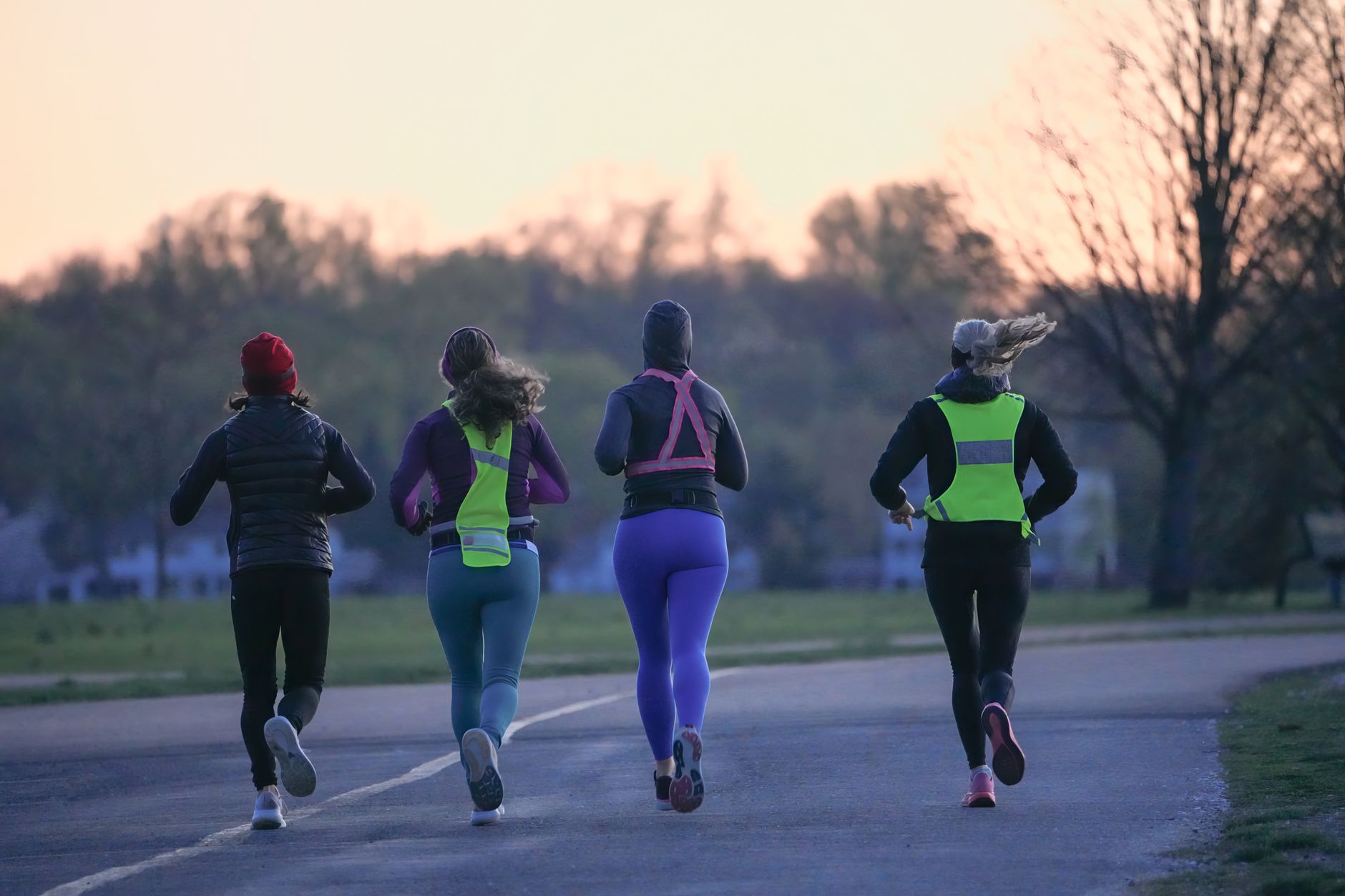
Evening exercisers face the opposite problem in winter: darkness rather than extreme cold, since afternoon temperatures are often 5 to 10 degrees warmer than the morning low. But visibility drops fast after 4:30pm, and drivers are not always watching for pedestrians on side streets in Oliver or Garneau. Reflective gear and a headlamp are not optional here, they are the minimum for training outside after work between November and February.
River Valley Trail Conditions by Season
The River Valley trail system stays partially groomed through winter, but conditions change fast depending on freeze-thaw cycles. The City of Edmonton’s winter trail maintenance information is worth checking before heading out for either a morning or evening session, since a trail that was fine on Monday can be an ice sheet by Thursday after a warm spell. In summer, the trails are equally good morning or evening, though evening sessions get more shade and slightly cooler temperatures during a July heat spell.
Cost, Class Schedules and Access Across Edmonton Neighborhoods
Price is roughly the same no matter when you train, but availability and convenience are not, and that changes the real cost of a routine.
Morning Class Availability in Oliver, Whyte Avenue and Downtown
Early classes, typically 6am to 8am, are common at studios in Oliver and gyms near Jasper Avenue that cater to downtown office workers. These classes rarely sell out, since fewer people choose to train before work. Monthly unlimited memberships in this range usually run $120 to $180, and single drop-in classes land around $18 to $25.
Evening Class Crowds and Booking Windows
The 5:30pm to 7:30pm slot is the single busiest window at almost every studio in the city, especially around Old Strathcona and Whyte Avenue where the after-work crowd overlaps with university students from the University of Alberta finishing classes nearby. Popular evening sessions can waitlist a day or two in advance. Pricing is the same as morning classes, but you are more likely to pay for a spot you cannot always get on short notice.
Parking and Transit by Time of Day
Parking downtown before 8am is genuinely easier, with more open metered spots and lighter traffic on 104 Avenue and Jasper Avenue. By 5:30pm, the same streets are backed up with rush hour traffic heading toward Whyte Avenue, Windermere, and Sherwood Park. If you rely on Edmonton Transit, morning routes tend to run on tighter, more predictable schedules than the evening commute, which can make a 6am class easier to actually reach on time than a 6pm one.
The Verdict: Which Is Better for You

Best for shift workers and early risers: Morning exercise wins here without much competition. If your schedule is unpredictable after 3pm, or you work an early shift, locking in a workout before the day starts is the only version of consistency you can control.
Best for night owls and strength athletes: Evening exercise routines have the performance edge for anyone chasing a personal record on the squat rack or a faster interval time. Warmer muscles and higher power output in the late afternoon are real, measurable advantages, not just a preference.
Best for parents managing family schedules: This one depends entirely on your kids’ routine. Morning workouts before the school run tend to be more reliable, but some families find early evening works better if it becomes a shared activity. Our guide on getting kids excited about family wellness routines has ideas for building movement into the after-school hours without it feeling like a chore.
Best for winter mental health: Morning exercise, paired with as much natural light exposure as the season allows, tends to help more with the low mood and fatigue that come with Edmonton’s short winter days. It is not a cure, but pairing an early routine with deliberate light exposure gives you two tools instead of one.
Quick decision checklist:
- Unpredictable schedule after 3pm: choose morning
- Chasing a strength or speed personal record: choose evening
- Struggling with winter mood or sleep: choose morning
- Want to train outdoors in July and August: either works, evening has more daylight buffer
- Rely on transit for a tight morning schedule: check route reliability before committing
Related Articles
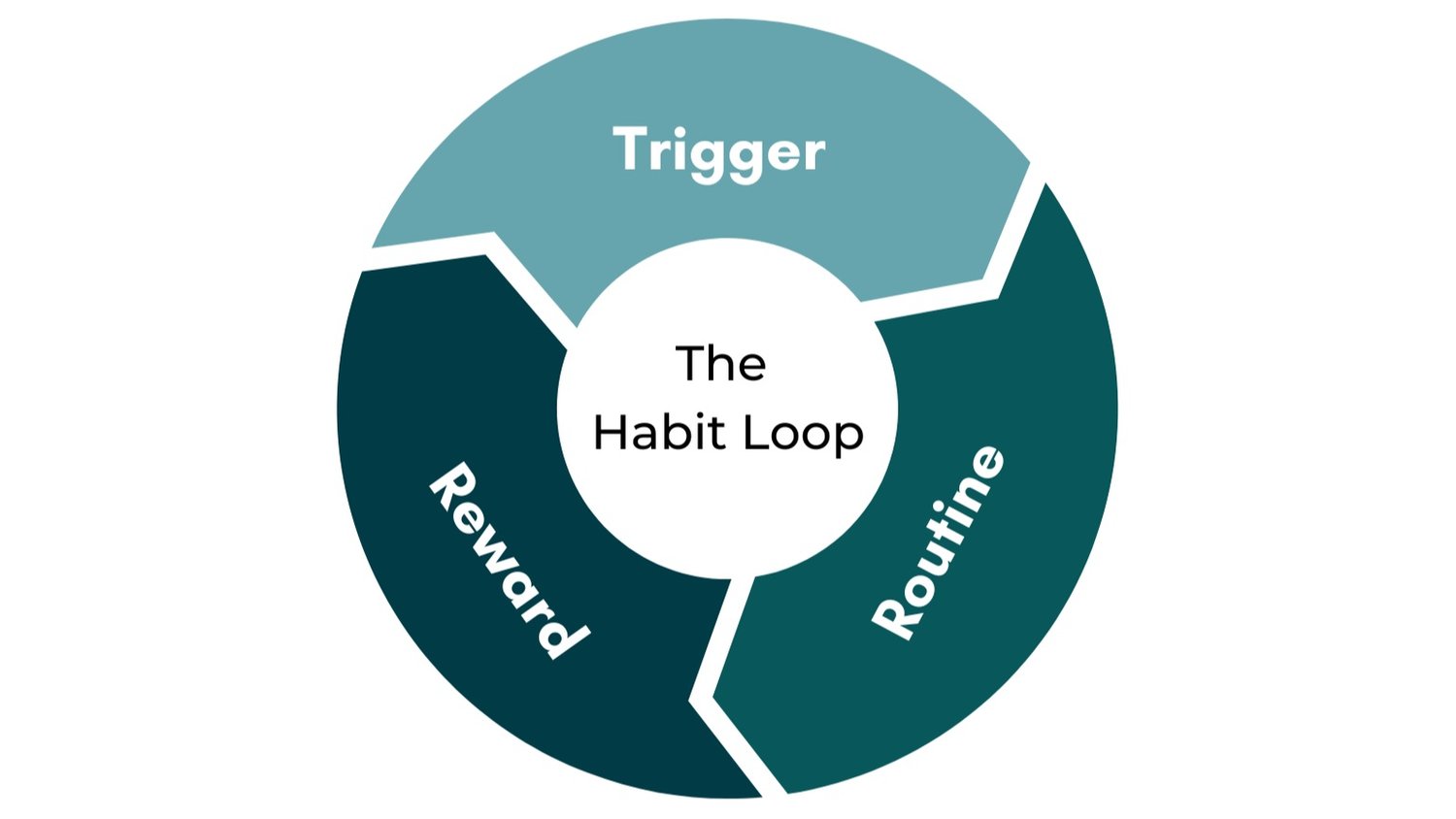
- What Is a Sustainable Habit Loop and How Does It Work: Building Wellness Routines That Stick in Edmonton
- How to Start Yoga at Home in Edmonton: A Winter-Friendly Guide
Sources & References
Find Trusted Wellness Spots in Edmonton
Browse our independent guide to Edmonton’s spas, fitness studios, and wellness services. Local. Honest. Free.
Frequently Asked Questions
Is morning or evening exercise better for weight loss?
Neither time has a meaningful edge for fat loss on its own. What matters more is total weekly activity, and CDC’s guideline of at least 150 minutes of moderate activity per week applies regardless of when you train. Pick whichever time you will actually complete four or five sessions a week, every week.
Does exercising at night really ruin your sleep?
Only if the session is high-intensity and finishes within an hour of bedtime. A 6pm yoga class in Oliver or an easy evening walk through Hawrelak Park will not disrupt sleep for most people. Finish hard interval or strength training at least two hours before bed to be safe.
Is it safe to run outside in Edmonton in the morning during winter?
Outdoor running before sunrise in January carries real risk from black ice and extreme cold, especially with wind chill pushing temperatures below -30°C. Shift to an indoor track, a mall walking loop, or a treadmill session from November through February, and save outdoor morning runs for spring through fall.
Which is better for beginners just starting a fitness routine?
Morning exercise is usually the easier starting point because it happens before the day introduces distractions and excuses. Start with three short sessions a week and build from there rather than committing to daily workouts immediately.
Can I switch between morning and evening depending on the season?
Yes, and many Edmontonians already do this without realizing it. Training in the evening during long summer days and shifting to morning sessions once winter darkness sets in is a practical approach that works with the season instead of against it.