What a Beginner Meditation Routine for Stress Management Actually Looks Like
Edmonton stress has a shape: dark commutes on the Henday, six months of layered clothing, and a return-to-office schedule that never quite matches daylight hours. About one in four Canadians aged 15 and older describes most days as quite a bit or extremely stressful, according to Statistics Canada’s data on perceived life stress. A beginner meditation routine for stress management doesn’t require incense, a silent room, or an app subscription. It needs five minutes, a chair, and a plan simple enough to survive week three, which is where most people quit. By the end of this guide, you’ll have a two-week starter schedule, two breathing techniques you can use at your desk, and a list of Edmonton resources for when you want a guided session instead of going it alone.
Last reviewed:
What Counts as Meditation for Stress Management
Meditation for stress isn’t one thing. Mayo Clinic’s overview of meditation basics groups most beginner-friendly styles into three categories: focused-attention practice (following the breath or a single sound), body-scan practice (noticing physical sensation from head to toe), and open-monitoring practice (letting thoughts pass without chasing them). For stress management specifically, focused-attention breathing is the easiest entry point. It gives your mind one job, which matters when you’re new and your brain wants six jobs at once.
How Long Before You Feel a Difference
Most beginners notice a small drop in heart rate and muscle tension within the first session. That’s real, but it’s not the same as lasting stress resilience. Research compiled through NIH’s PubMed Central database on structured mindfulness programs shows measurable reductions in cortisol and self-reported stress typically after six to eight weeks of consistent practice, not six to eight days. Plan your expectations around two months, not two mornings.
Beginner Wellness Routine Checklist For January In Edmonton covers this in more detail.
What You Don’t Need to Get Started
Skip the shopping list. You don’t need:
- A meditation cushion or dedicated room
- Total silence (impossible in most Oliver or Downtown condo buildings anyway)
- A paid app, at least for the first month
- Forty-five minutes a day
- Any prior experience with yoga, breathwork, or mindfulness
What you do need is a repeatable time slot and a technique simple enough to do half-asleep, because some mornings you will be.
Edmonton Spring Allergies Wellness Guide For Seasonal Relief covers this in more detail.
Step 1: Pick a Time and Place That Survives an Edmonton Winter
The biggest reason beginner routines fail here isn’t lack of willpower. It’s picking a time slot that only works in July. Build around December, and summer takes care of itself.
Best Times of Day for Edmonton Schedules
Sunrise in Edmonton doesn’t arrive until close to 8:50 a.m. in late December, and sunset can hit before 4:20 p.m. That means for roughly four months, mornings and early evenings are dark regardless of when you meditate, so you may as well pick the slot that fits your commute. Two options work best for most beginners:
Old Strathcona Spas And Wellness Centers Guide covers this in more detail.
- Before your first coffee, right after you’re out of bed but before you check your phone
- On a lunch break, especially useful if you work downtown near Jasper Avenue and can find five quiet minutes in a stairwell, parked car, or empty meeting room
Evening sessions tend to fail in winter because by 5 p.m. most people are cold, hungry, and mentally done. If evenings are your only option, pair the practice with something you already do, like right after you change out of work clothes.
Setting Up a Space in a Small Apartment or Condo
You don’t need a spare room. A chair by a window in an Oliver or Downtown condo works fine, and it does double duty in winter because it puts you near natural light during the darkest months. If you’re in a shared space, noise-cancelling earbuds with no audio playing solve most privacy problems. A corner of a bedroom, a parked car in an underground stall, or a quiet stretch of a Sherwood Park kitchen before the rest of the house wakes up all count as legitimate meditation spaces.
Working Around Winter Darkness and Light
Low light affects mood and energy for a lot of Edmontonians, and it makes a beginner meditation routine for stress management harder to stick to because motivation drops along with the temperature. Pair your practice with a light therapy lamp if you already use one, or do your session near the brightest window in the house between 7 and 9 a.m. If you want to build meditation into a broader winter reset, this beginner wellness routine checklist for January in Edmonton covers light exposure, movement, and sleep alongside it.
Step 2: Learn One Breathing Technique Before Anything Else
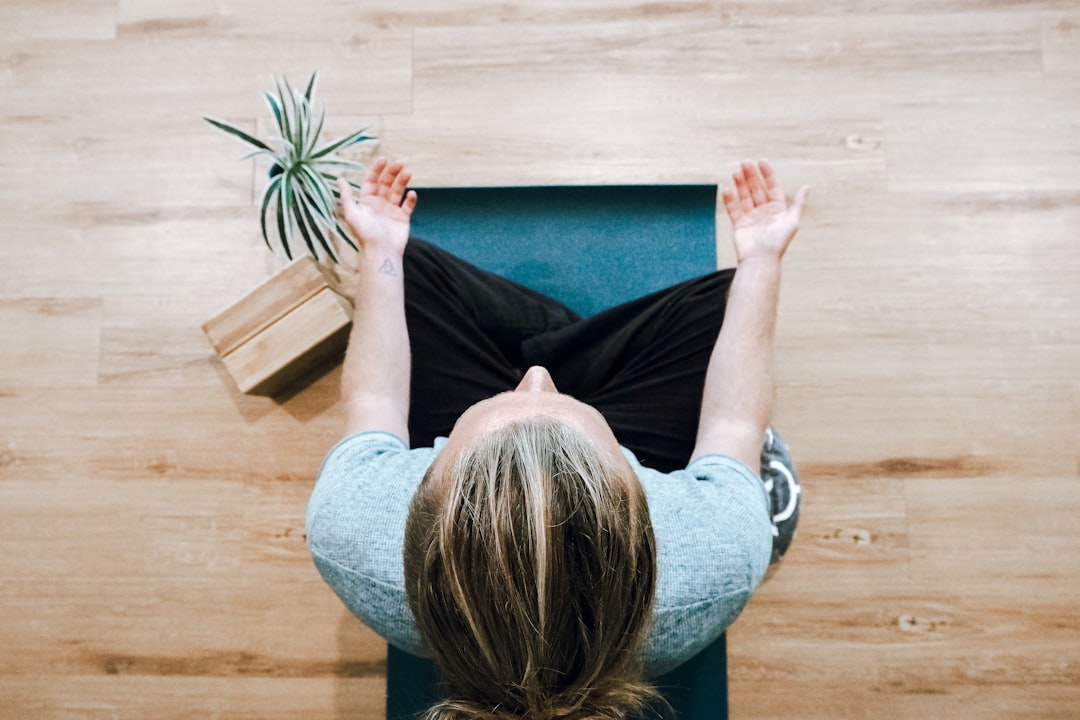
Beginners often try to meditate by clearing the mind, which is close to impossible and guarantees frustration by day three. Anchoring attention to breath gives you something concrete to return to every time a thought pulls you away, and it happens constantly. That’s normal, not failure.
Box Breathing for Work Stress
Box breathing is a four-count pattern: inhale for 4 seconds, hold for 4 seconds, exhale for 4 seconds, hold for 4 seconds. Repeat for four to six rounds, which takes roughly two minutes. It’s discreet enough to do at a desk before a meeting on Jasper Avenue or in a car in a mall parkade at West Edmonton Mall while you talk yourself down from a bad afternoon. Because the pattern is rigid and easy to count, it’s one of the simplest ways to interrupt a stress spiral in real time.
The 4-7-8 Technique for Winding Down
For evening use, try a longer exhale: inhale through the nose for 4 seconds, hold for 7 seconds, exhale slowly through the mouth for 8 seconds. Four rounds is enough for most beginners. The extended exhale activates the parasympathetic nervous system, the physiological switch that shifts your body out of fight-or-flight. It works well right before bed, especially in winter when a racing mind about the next day’s cold commute keeps people up.
Common Beginner Mistakes That Kill the Habit
- Starting with 20 minutes. Five minutes done daily beats twenty minutes done twice.
- Judging a session as bad because your mind wandered. Noticing the wandering and returning to breath is the actual practice, not a failure of it.
- Only practicing when already stressed. Build the skill when calm so it’s available when you’re not.
- Switching techniques every few days. Pick one for two weeks minimum before trying another.
If you’re deciding between a breath-focused practice and something more structured, the comparison in meditation vs breathwork for stress management: which works breaks down when each approach fits better, since they overlap but aren’t identical.
Step 3: Build a Two-Week Routine You Can Actually Keep
A beginner meditation routine for stress management only works if it survives contact with a real week: missed alarms, a shift change, a kid’s hockey practice in Windermere. Structure beats motivation here. Use a fixed, short schedule for the first fourteen days before deciding whether to extend session length.
A Sample 14-Day Beginner Schedule
Here’s a starting framework. Adjust the time slot to whatever you settled on in Step 1, but keep the durations as written.
| Days | Duration | Technique | Focus |
|---|---|---|---|
| 1 to 3 | 3 minutes | Box breathing | Learn the pattern, nothing else |
| 4 to 7 | 5 minutes | Box breathing | Build consistency at the same time daily |
| 8 to 10 | 5 minutes | 4-7-8 breathing | Compare how the longer exhale feels |
| 11 to 14 | 7 minutes | Either technique, your choice | Notice which one you reach for under real stress |
By day 14, most beginners can tell which technique feels more natural. That’s the one to keep building on into week three and beyond, extending by one or two minutes every few days rather than jumping straight to twenty.
Habit Stacking With Things You Already Do
The easiest way to remember a new routine is to attach it to an old one. Meditate right after you pour your first coffee, right after you park at the office, or right after you brush your teeth. Don’t create a new standalone cue like an alarm at 6:47 a.m., because alarms get snoozed and cues get ignored. Existing habits, the ones you do without thinking, are far more reliable anchors.
Tracking Progress Without Overcomplicating It
A simple checkmark on a calendar works better than a detailed journal for most beginners, because detailed tracking adds friction right when you’re trying to remove it. If you want a system that actually holds up past the first month, how to track wellness habits that actually stick walks through low-effort tracking methods that apply directly to a meditation practice, not just fitness goals.
Step 4: Use Edmonton Resources to Support a Home Practice

A home routine is the foundation, but guided sessions help beginners learn pacing and posture faster than trial and error alone. Edmonton has enough studio options that driving across the city isn’t usually necessary.
Studios Offering Guided Meditation and Yoga Nidra
Old Strathcona and Whyte Avenue have the highest concentration of studios offering drop-in meditation, restorative yoga, and yoga nidra classes, typically priced between $18 and $28 per session, with monthly unlimited memberships running $120 to $160. Yoga nidra in particular is worth trying for stress specifically. It’s a guided lying-down practice that walks you through body awareness for 30 to 45 minutes and requires zero prior meditation experience. For a full rundown of what’s available in that part of the city, including parking notes, the Old Strathcona spas and wellness centers guide covers the neighborhood in detail.
Apps vs In-Person Classes: What’s Worth Paying For
Apps are fine for the daily five-minute habit from Step 3. In-person classes earn their higher price for two things apps can’t replicate: a teacher correcting your breathing pattern in real time, and a fixed schedule that forces accountability. A reasonable split for a beginner is using a free or low-cost app on weekdays for the short session, then booking one in-person class every week or two to check technique and reset motivation. Budget roughly $70 to $100 a year for an app subscription if you go that route, versus $20 to $25 per single studio class.
Meditating Outdoors in the River Valley During Summer
Long summer days, sometimes 17 hours of daylight in late June, make outdoor meditation realistic in a way winter doesn’t allow. Mill Creek Ravine, Hawrelak Park, and the trails near the Legislature grounds all offer quiet benches away from traffic noise. The City of Edmonton’s river valley parks information lists trailheads and parking lots if you want to scout a spot before committing to it as a regular session location. Outdoor sessions work as a summer bonus, not a year-round plan, since a five-minute practice becomes a lot less appealing at minus 25.
Step 5: Adjust Your Routine for Edmonton’s Seasons
A beginner meditation routine for stress management that ignores the calendar will fall apart by month three. Build in seasonal adjustments now instead of relearning the habit from scratch every few months.
Winter Stress and Seasonal Affective Disorder
Seasonal affective disorder affects a meaningful share of Canadians living this far north, with symptoms including low energy, irritability, and a much harder time sticking to any new habit. Alberta Health Services’ information on seasonal affective disorder recommends light exposure, movement, and consistent routines as first-line coping tools, all of which pair naturally with a short daily meditation practice. If November and December are historically your hardest months, shorten your session to three minutes rather than skipping it. Consistency matters more than duration when motivation is already running low.
Smoke Season Indoor Adjustments
July and August increasingly bring wildfire smoke that pushes Edmonton’s air quality health index into ranges where outdoor activity, including that River Valley meditation spot from Step 4, isn’t a good idea. Alberta Health Services’ air quality health index guidance recommends moving activity indoors when the index climbs into high-risk categories. Keep your indoor setup from Step 1 ready as a fallback so smoke season doesn’t turn into a two-week break in your routine, since two weeks off is usually enough to lose the habit entirely.
Spring Allergy Season and Meditation
March and April bring their own disruption: watery eyes, congestion, and the kind of low-grade discomfort that makes sitting still for even five minutes harder than it should be. If pollen counts are wrecking your focus, an antihistamine before your session or a quick indoor location swap can help. The Edmonton spring allergies wellness guide for seasonal relief has more specific timing and product advice if allergy season tends to derail your routine every year.
When to Combine Meditation With Other Stress Tools
Meditation is one tool, not the whole toolbox. Knowing when to pair it with something else, or use something else instead, matters more than treating meditation as a cure-all.
Meditation vs Exercise for Cortisol Reduction
Physical activity lowers cortisol through a different mechanism than meditation, and research through NIH’s PubMed Central database generally supports combining the two rather than picking one. If a five-minute breathing session isn’t cutting the edge off a bad day, a 20-minute walk on a Mill Creek Ravine trail or a quick session at a gym near Windermere often works faster for acute stress, while meditation builds longer-term resilience. Neither replaces the other.
Stacking Meditation With Existing Wellness Habits
If you already have a wellness routine, meditation slots in better as an addition than a replacement. Pair it with a stretching routine after a workout, or use it as the wind-down before the sleep hygiene habits you already practice. The goal isn’t to build five new habits at once. It’s to make meditation one small, durable piece of a routine you’re already maintaining.
When Meditation Isn’t Enough: Signs to See a Professional
Meditation helps manage everyday stress, but it isn’t treatment for clinical anxiety, depression, or panic disorder. If stress is interfering with work, sleep, or relationships most days for more than two weeks, that’s a signal to talk to a doctor rather than push harder on a home practice. Alberta’s Mental Health Help Line at 811 is available 24 hours a day if you need a starting point and don’t know where else to go.
Related Articles
- How to Build a Morning Wellness Routine for Beginners: An Edmonton Guide
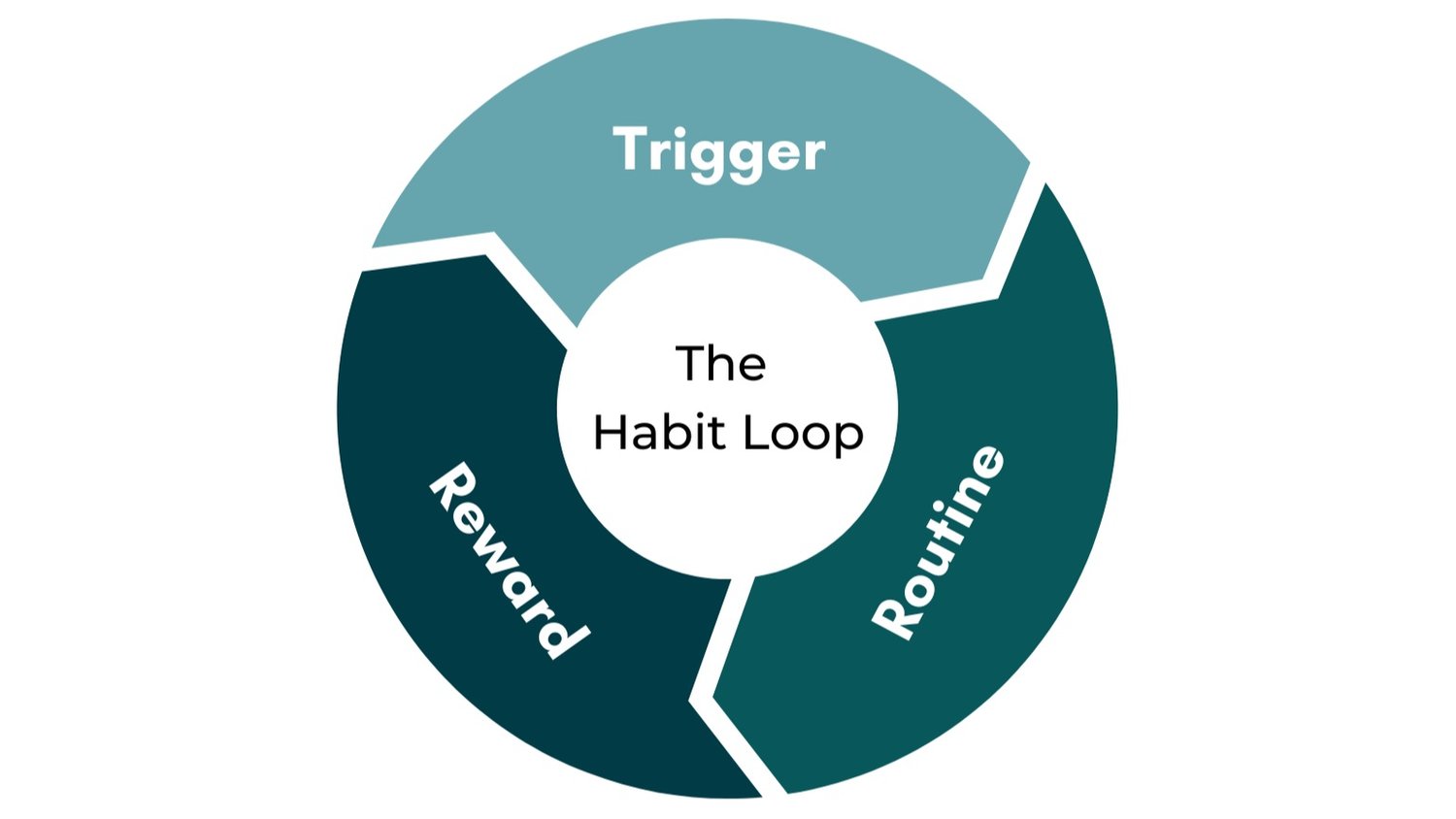
- What Is a Sustainable Habit Loop and How Does It Work: Building Wellness Routines That Stick in Edmonton
- How to Start Yoga at Home in Edmonton: A Winter-Friendly Guide
Sources & References
- Statistics Canada’s data on perceived life stress
- Mayo Clinic’s overview of meditation basics
- NIH’s PubMed Central database
- City of Edmonton’s river valley parks information
- Alberta Health Services’ information on seasonal affective disorder
- Alberta Health Services’ air quality health index guidance
Find Trusted Wellness Spots in Edmonton
Browse our independent guide to Edmonton’s spas, fitness studios, and wellness services. Local. Honest. Free.
Frequently Asked Questions
How long should a beginner meditate each day?
Start with three to five minutes daily rather than twenty minutes a few times a week. Consistency builds the habit faster than duration does, and you can extend session length by a minute or two every few days once the daily habit feels automatic.
What is the best time of day to meditate in Edmonton during winter?
Morning works best for most beginners because Edmonton’s winter daylight is limited anyway, roughly 8:50 a.m. to 4:20 p.m. in late December, so there’s no daylight advantage to waiting. A five-minute session right after waking, before checking your phone, tends to have the highest success rate.
Do I need an app to start a meditation routine?
No. Box breathing and 4-7-8 breathing require no equipment or app, just a count you can do in your head. Apps become useful later if you want guided body-scan sessions or want to track streaks, but they’re not necessary for the first month.
Is meditation enough to manage stress on its own?
For everyday stress, a short daily beginner meditation routine for stress management makes a measurable difference within six to eight weeks. For stress that’s affecting sleep, work, or relationships most days for more than two weeks, pair meditation with other tools like exercise or talk to a doctor, since meditation alone isn’t a substitute for professional support.
Where can I try guided meditation in person in Edmonton?
Old Strathcona and Whyte Avenue have the highest concentration of studios offering drop-in meditation and yoga nidra classes, usually $18 to $28 per session. Booking one class every week or two alongside a home practice helps beginners correct technique faster than an app alone.
What should I do if I miss a few days of my routine?
Restart at the duration you were doing before you missed days, not from scratch at three minutes. Missing a few days is normal, especially during smoke season or a rough stretch of winter, and treating a missed week as a full restart is one of the most common reasons beginners quit for good.