Edmonton gets roughly 17 hours of daylight around the summer solstice, more than almost any other major Canadian city, thanks to sitting near 53.5 degrees north latitude. Most people waste half of that window by sticking to the same 6 PM gym slot they used in January. If you want to actually maximize daylight hours for Edmonton summer fitness, you need a plan that uses the early light, the long lunch hour, and the stretched-out evening, not just one block squeezed in after work. This guide walks through exactly how to build that routine, from your first 6 AM step in the River Valley to your last stretch under a 10 PM sky, in about 30 to 60 minutes a day. It works whether you run, cycle, lift, do yoga, or just walk with a dog.
Last reviewed:
- Tools needed: a sunrise-sunset app or website (Environment Canada’s site works fine), trail-ready shoes, bright or reflective clothing for early and late light, a refillable water bottle, SPF 30+ sunscreen, and access to a River Valley trail or a neighborhood loop
- Time: 30 to 60 minutes per session, 2 to 3 weeks to fully lock in the new schedule
- Difficulty: Beginner
Step 1: Map Out Edmonton’s Actual Daylight Window
Before you rearrange your schedule, find out exactly what you’re working with. Edmonton’s daylight window shifts fast this time of year, and most people underestimate how much usable light they actually have.
How Fast Edmonton’s Light Changes From June to August
By late June, sunrise lands around 5:10 AM and sunset stretches past 10 PM, giving you close to 17 hours of daylight, with civil twilight extending the usable window even further on both ends. By mid-August, that window has already shrunk by close to an hour and a half. This isn’t a small detail. It means a workout routine you build in June needs a check-in by August or you’ll suddenly find yourself training in the dark without noticing the shift happened. Edmonton’s long summer daylight affects more than your training schedule, it shapes mood and energy too, which is worth understanding before you start stacking extra sessions onto your week.
Edmonton Spring Allergies Wellness Guide For Seasonal Relief covers this in more detail.
Turning Sunrise and Sunset Times Into a Weekly Plan
Pull up a sunrise-sunset calculator once a week, on Sunday night, and jot down three numbers: sunrise, sunset, and the time civil twilight ends (usually 30 to 40 minutes after official sunset, when it’s still light enough to see clearly). Use those three numbers to block your calendar for the week ahead.
Does Edmontons Long Summer Daylight Improve Mental Wellness covers this in more detail.
- Sunrise time minus 15 minutes marks your realistic earliest start for an outdoor session
- Civil twilight end minus 30 minutes marks your realistic latest start for anything involving trails, uneven ground, or traffic
- Write both numbers on a sticky note on your fridge, because your phone calendar won’t nag you the way a physical reminder does
Watch out: Don’t plan around solstice numbers all summer. The gap between June 21 and August 17 is bigger than people expect, and a workout you started at 9:30 PM in June might mean running the last ten minutes in near-dark by mid-August.
How To Prevent Seasonal Wellness Routine Breakdowns In Edmonton covers this in more detail.
Step 2: Claim the Early Morning Block Before Work
The single biggest missed opportunity in Edmonton summer fitness is the early morning. Most gyms don’t get busy until 6:30 or 7 AM, which leaves the River Valley almost empty an hour before that.
Best River Valley Routes for a 6 AM Run or Ride
Start at Hawrelak Park if you’re near the University of Alberta or Windermere side of the city. The paved loop around the lake is flat, well-lit by the time the sun is up, and free of the after-work crowds that show up by 6 PM. If you’re downtown or in Oliver, drop into the valley from the Victoria Park area and take the trail east toward the Government House or west toward Groat Road. The City of Edmonton’s River Valley park system covers more than 7,400 hectares and over 160 kilometers of trails, so there’s almost always a quieter route within a 10-minute drive or a short LRT ride to Government Centre or University station.
Outdoor Fitness Classes Edmonton Summer covers this in more detail.
What to Wear and Watch For at First Light
Temperatures at 6 AM in July can sit 8 to 10 degrees cooler than the afternoon high, so bring a light layer you can tie around your waist. Trails near the river carry heavier dew and can be slick even in dry weather, so trail shoes with real tread beat road runners here.
- Check for wildlife advisories posted at trailheads, deer and coyotes are more active at dawn
- Bring your phone with location sharing on if you’re running alone before 6 AM
- Park at free lots near Hawrelak Park or Government House before 7 AM, since paid parking enforcement typically starts later in the morning
Watch out: Early morning cool air feels deceptively comfortable, so people underhydrate. Drink water before you head out, not just after.
Step 3: Use Your Lunch Hour as a Second Workout Window
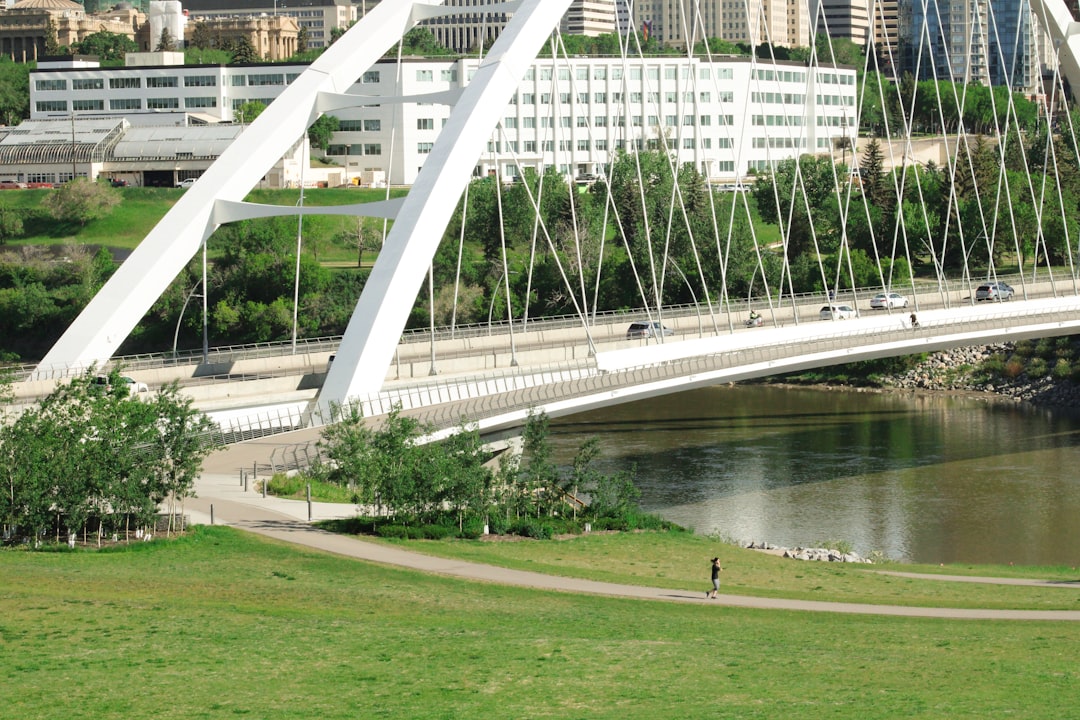
Long daylight means the midday sun is high and strong from about 11 AM to 3 PM, but it also means you have a genuine second training window most Edmontonians ignore because they’re stuck thinking of lunch as a food-only hour.
Downtown and Oliver Options for a 45-Minute Session
Several downtown studios run lunch-hour drop-in classes priced around 18 to 25 dollars, timed for the 12 to 1 PM crowd working on Jasper Ave. If you’d rather train outside, the river valley stairs near the Shaw Conference Centre give you a legitimate 20-minute interval workout with a view. Metered parking downtown runs about 3 to 4 dollars an hour, so a 45-minute lunch session costs less in parking than most people spend on a coffee.
124 Street and Old Strathcona Quick Loops
If you work near 124 Street, the loop down through the ravine toward the river and back is about 3.5 kilometers, doable in a 30-minute walk or a 20-minute run. Near Old Strathcona and Whyte Avenue, Mill Creek Ravine gives you shaded trail access two blocks off the main strip, useful when the midday sun gets intense. Several outdoor fitness classes run through Edmonton’s summer specifically at midday, which solves the scheduling problem for anyone who can’t commit to early mornings or evenings.
Watch out: UV index peaks between noon and 2 PM in summer. Reapply sunscreen if your lunch session runs past 45 minutes, and wear a hat if you’re out past 1 PM.
Step 4: Stretch Your Evening Into a Real Second Prime Time
With sunset pushing past 9:30 PM through most of August, evening in Edmonton isn’t a narrow after-work slot anymore, it’s a three-hour window most other Canadian cities don’t get.
After-Work Outdoor Classes and Patio Yoga
Studios in Old Strathcona and along Whyte Avenue run patio and rooftop yoga sessions through the summer, typically 20 to 24 dollars a class, starting around 6:30 or 7 PM once the day’s heat has eased off. Parking near Whyte Avenue gets tight after 6 PM, so budget extra time or take the LRT to Health Sciences/Jubilee station and walk down.
Late Sunset Leagues and Drop-In Sports
Recreational soccer, ultimate frisbee, and beach volleyball leagues run late into the evening because the light supports it, with games starting as late as 8:30 PM at fields across Hawrelak Park and Rundle Park. Sherwood Park residents get the same benefit at fields closer to home, without the drive into the core. Late sunsets change how Edmonton sleep schedules behave, so an 8:30 PM game start feels far more normal here than it would in a city where the sun sets at 7.
Watch out: Games and classes that start at 8 PM or later can still be running when the temperature drops fast after sunset. Bring a layer even if the afternoon was hot.
Step 5: Protect Your Sleep While the Sky Stays Bright
This is the step most people skip, and it’s the one that causes the whole routine to fall apart by late July. Long daylight tricks your body into thinking it’s not bedtime yet.
Blackout Strategies for 10 PM Sunsets
Light exposure late in the evening delays the release of melatonin, the hormone that signals your body it’s time to sleep, according to peer-reviewed research on circadian rhythm and light exposure indexed through NIH’s PubMed database. Blackout curtains matter more in Edmonton in July than in December, because the problem is too much light, not too little.
- Install blackout curtains or a sleep mask if your bedroom faces west or north, where light lingers longest
- Stop screen use 30 to 45 minutes before bed, since screens compound the light-exposure problem you’re already fighting from the long day
- Keep your bedroom temperature around 18 degrees Celsius, since Edmonton summer nights can still feel warm even after a cool morning
Spotting the Overtraining Trap Before It Hits
Because there’s more usable daylight, it’s tempting to add a fourth or fifth session to your week without adjusting recovery. Watch resting heart rate, mood, and sleep quality over a two-week stretch. If any of those slip while your training volume climbs, cut a session, not your sleep.
Watch out: “I’ll just sleep in on the weekend” doesn’t fix a week of 10 PM bedtimes and 6 AM wake-ups. Weekend catch-up sleep only partially offsets a weekday deficit.
Step 6: Build a Smoke Season Backup Plan
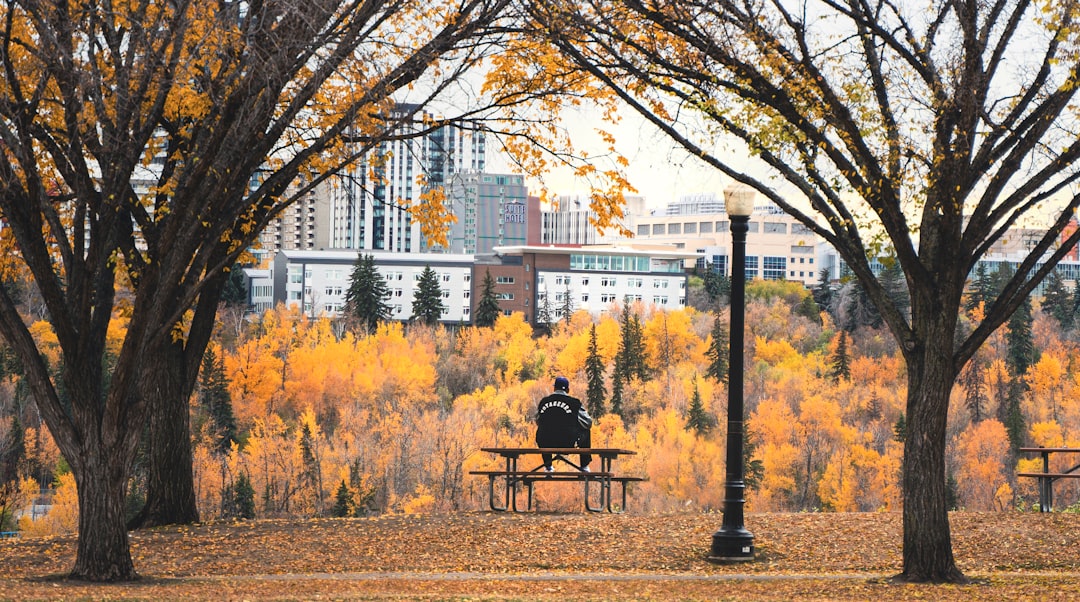
Edmonton summers now come with a real chance of wildfire smoke rolling in from British Columbia or northern Alberta, sometimes for days at a stretch. A daylight-maximizing routine needs an indoor backup built in from day one, not improvised after the smoke shows up.
Checking the AQHI Before You Head Out
Check the Air Quality Health Index before any outdoor session, especially early morning ones when smoke can settle low in the river valley overnight. Alberta Health Services recommends limiting or rescheduling outdoor exertion once the AQHI reaches the high-risk range, generally 7 or above. Don’t rely on how the sky looks. Haze can be thin enough to miss visually while still carrying fine particulate levels worth avoiding for a hard workout.
Indoor Swaps That Don’t Feel Like a Downgrade
Keep a short list of indoor options ready so a smoke day doesn’t just become a rest day by default: a gym near West Edmonton Mall, a studio class in Oliver or downtown, or a home bodyweight circuit you already know by heart. The same seasonal-transition thinking that applies to Edmonton’s spring allergy season applies here too, plan the pivot before you need it, not while you’re standing outside coughing.
Watch out: Kids, older adults, and anyone with asthma or heart conditions should move to indoor alternatives at lower AQHI thresholds than healthy adults. Check the specific guidance for your situation rather than using a one-size-fits-all number.
Step 7: Review and Adjust Weekly as the Light Shifts
A routine you set on June 1 will be wrong by August 1 if you never touch it again. Daylight is a moving target all summer, and your schedule needs to move with it.
A Five-Minute Sunday Check-In
Every Sunday, glance at next week’s sunrise and sunset times, then adjust your earliest and latest session slots by however many minutes have shifted. It sounds fussy, but it takes less time than picking a Netflix show, and it’s the single habit that keeps this whole system from quietly falling apart in week four.
Planning the September Transition Early
Start thinking about your fall schedule by late August, before the light actually forces the issue. Most Edmonton wellness routines break down at seasonal transitions, not gradually, but in one bad week when the schedule that worked in July suddenly doesn’t fit September’s shorter days. Build your fall backup plan now, while you still have the daylight to think it through calmly.
| Window | Typical Time | Approx. Temp (Jun-Aug) | Crowd Level | Edmonton Spot to Try |
|---|---|---|---|---|
| Early Morning | 5:30-7:30 AM | 12-16°C | Low | Hawrelak Park loop, Government House trails |
| Lunch | 11:30 AM-1:30 PM | 20-26°C | Moderate | 124 Street ravine loop, Mill Creek Ravine |
| Evening | 6:30-9:00 PM | 18-23°C | High | Whyte Avenue patio yoga, Rundle Park fields |
| Late Twilight | 9:00-10:00 PM | 14-18°C | Low | Hawrelak Park, quiet neighborhood loops |
Common Mistakes to Avoid
- Planning your whole summer schedule around June 21 sunset times and never adjusting as August daylight shrinks
- Adding extra sessions just because the light allows it, without adjusting sleep or recovery to match
- Skipping sunscreen on early morning or evening sessions because the sun feels weak, when UV exposure still adds up
- Heading out for a run without checking the AQHI first during smoke-prone weeks in July and August
- Using screens right up until bedtime and blaming “restlessness” on the heat instead of the light exposure
- Not having an indoor backup plan ready, so a smoky or rainy day becomes a skipped day instead of a swapped one
What’s Next
Once this routine is running for two or three weeks, the next step is building resilience against the seasons that follow. Edmonton’s daylight advantage disappears fast after the equinox, so use August to bank consistency, not just intensity. Check in weekly, keep your indoor backups current, and treat the shift into September as a scheduled transition instead of a surprise.
Related Articles
- How to Stay Active During Edmonton’s Winter Smoke Season: Indoor Fitness Options That Work
- Best Indoor Wellness Activities When Edmonton Air Quality Drops: Your Complete Guide
Sources & References
Find Trusted Wellness Spots in Edmonton
Browse our independent guide to Edmonton’s spas, fitness studios, and wellness services. Local. Honest. Free.
Frequently Asked Questions
What time does the sun actually set in Edmonton during summer?
Around the summer solstice in late June, sunset lands close to 10:00 PM, with civil twilight extending usable light past 10:30 PM. By mid-August that window has already tightened by roughly 60 to 90 minutes, so check current sunset times weekly rather than relying on early-summer numbers.
Is it safe to run in the River Valley after 9 PM in summer?
Well-lit, well-used sections like the Hawrelak Park loop are generally fine into early twilight, but stick to routes you know and carry a phone with location sharing turned on. Avoid narrow or unlit trail sections once civil twilight ends, since footing gets unreliable fast in the dark river valley terrain.
How do I stop long daylight from wrecking my sleep schedule?
Blackout curtains or a sleep mask solve most of the problem, since the core issue is light delaying melatonin release, not noise or temperature. Cut screen time 30 to 45 minutes before bed and keep a consistent wake time even on weekends to avoid compounding the shift.
What should I do for summer fitness during a smoke season air quality warning?
Check the Air Quality Health Index before heading outside, and move indoors once it hits the high-risk range. Keep a backup gym or studio session ready in Oliver, downtown, or near West Edmonton Mall so a smoky day becomes a swap instead of a skipped workout.
Do I need different gear for early morning versus late evening workouts?
Yes. Early morning sessions run 8 to 10 degrees cooler with heavier dew on trails, so bring a light layer and trail shoes with real tread. Evening sessions after 8 PM cool off quickly once the sun drops, so keep a jacket nearby even if the afternoon was warm.