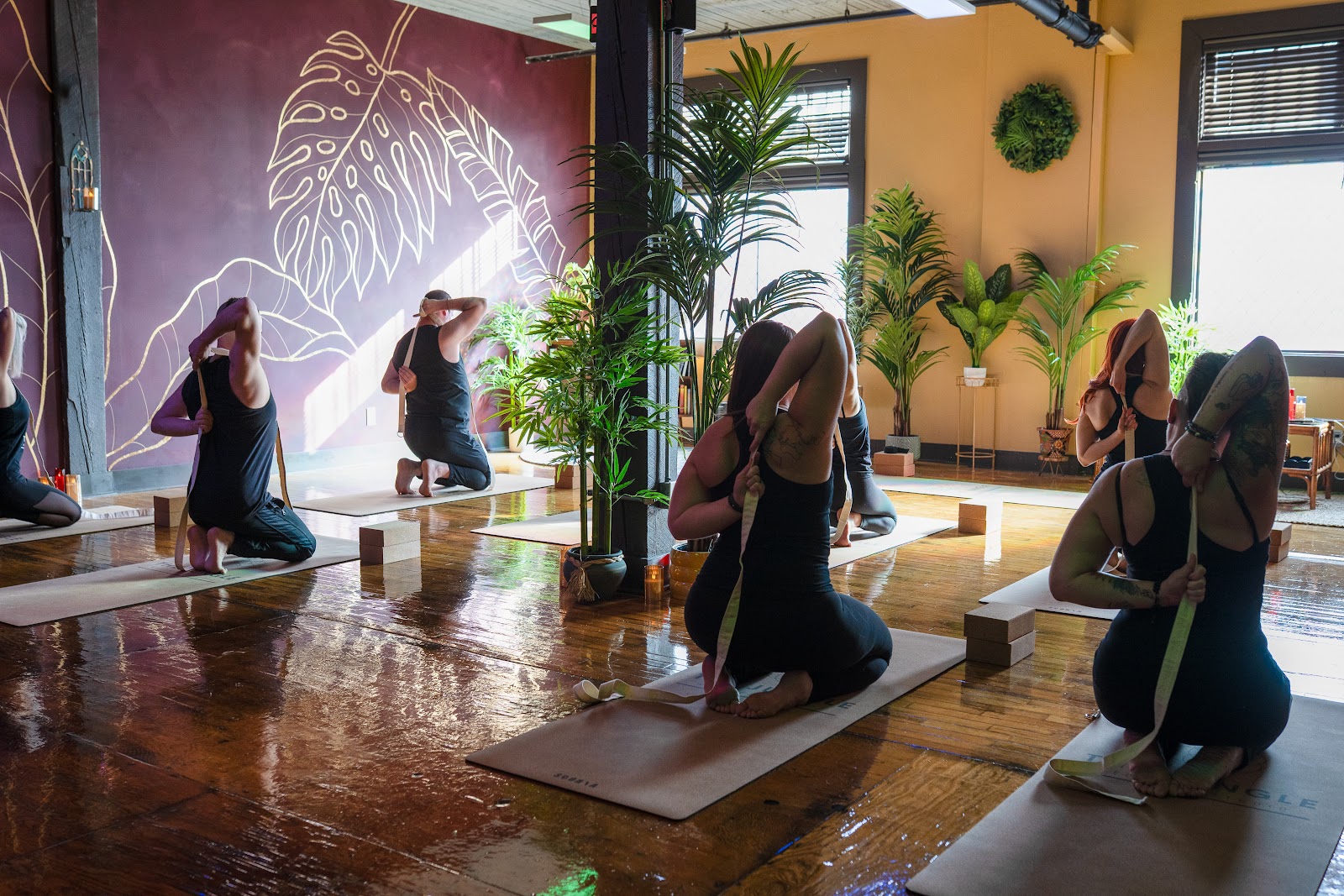
Winter in Edmonton makes the decision simple: either you drive to yoga class and fight for a parking spot in -25°C wind chill, or you find a studio close enough to a bus stop or LRT station that you can walk in without losing feeling in your fingers. This guide rounds up the best transit accessible yoga studios in Edmonton neighborhoods, organized by area, so you can pick a studio based on how you actually get around the city, not just which one has the nicest website. Whether you ride the Capital Line, the Valley Line, or a crosstown bus route, there is a decent studio within a five to ten minute walk of a stop somewhere in this city. You just need to know where to look.
Last reviewed:
This is not a list of every studio in Edmonton. It is a practical shortlist built around one filter: can you reasonably get there without a car. That means factoring in bus frequency, LRT proximity, winter sidewalk conditions, and whether the walk from the stop to the studio door is actually pleasant or a wind tunnel between two parking lots. Edmonton is a spread-out city built for cars, so transit accessible yoga studios in Edmonton neighborhoods tend to cluster around a handful of corridors: Whyte Avenue, the downtown core, the University area, and a few LRT-adjacent pockets further south.
Why Transit Access Matters for Yoga in Edmonton
Edmonton is not Toronto or Vancouver. Most people here default to driving, even for a 15-minute trip. But yoga has a specific problem that other errands do not: you arrive relaxed and you want to leave relaxed too. Circling a Whyte Avenue side street for a parking spot in December does not help anyone’s nervous system, and neither does whiteknuckling icy roads to make a 6 pm class.
Neighborhood Wellness Guides Local Discovery covers this in more detail.
The Real Cost of Driving to Class in Winter
Street parking near popular studios on Whyte Avenue or 124 Street often means feeding a meter or hunting for a spot two blocks away. Add scraping frost off your windshield afterward and a 60-minute class turns into a 90-minute ordeal. Alberta Health Services notes that consistency is one of the biggest predictors of whether people stick with an exercise routine, and consistency drops fast when getting to class becomes its own workout. A studio two LRT stops from home removes that friction entirely. You get on, you get off, you walk two blocks, you are on your mat.
How Edmonton Transit Connects Wellness Neighborhoods
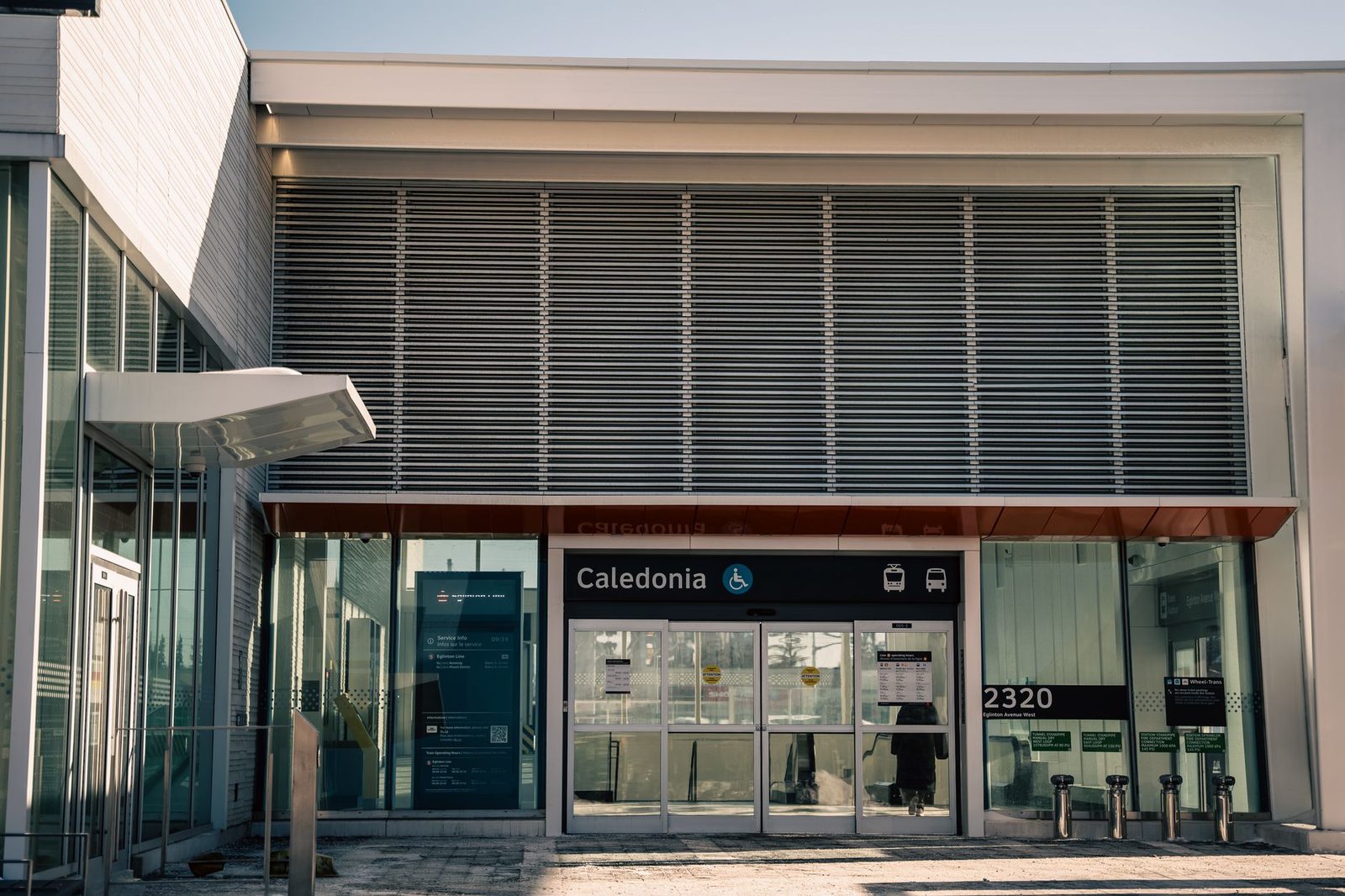
Edmonton’s transit backbone runs on two LRT lines that matter for this guide: the Capital Line, which runs from Century Park in the south through downtown up toward NAIT, and the Valley Line Southeast, which connects Mill Woods through Bonnie Doon and the Quarters into downtown. Layer on frequent bus routes along Whyte Avenue, 124 Street, and Jasper Avenue, and you get a rough grid that happens to overlap with where a lot of Edmonton’s yoga studios have set up shop. According to the City of Edmonton’s transit route information, several of these core routes run every 10 to 15 minutes during peak hours, which is frequent enough to build a real class schedule around.
How To Plan A Neighborhood Wellness Tour In Edmonton covers this in more detail.
What Transit Accessible Actually Means in This Guide
For this roundup, transit accessible means a studio within an 8 to 10 minute walk of an LRT station or a frequent bus stop, on a route that runs at least every 20 minutes during the times classes are typically scheduled. It also means checking whether the walk itself is reasonable in January, not just July. A studio that is technically three blocks from a bus stop but requires crossing an unlit parking lot with no sidewalk plow service does not make the cut here.
Free Wellness Resources Edmonton Apps Local Community covers this in more detail.
Whyte Avenue and Old Strathcona Studios
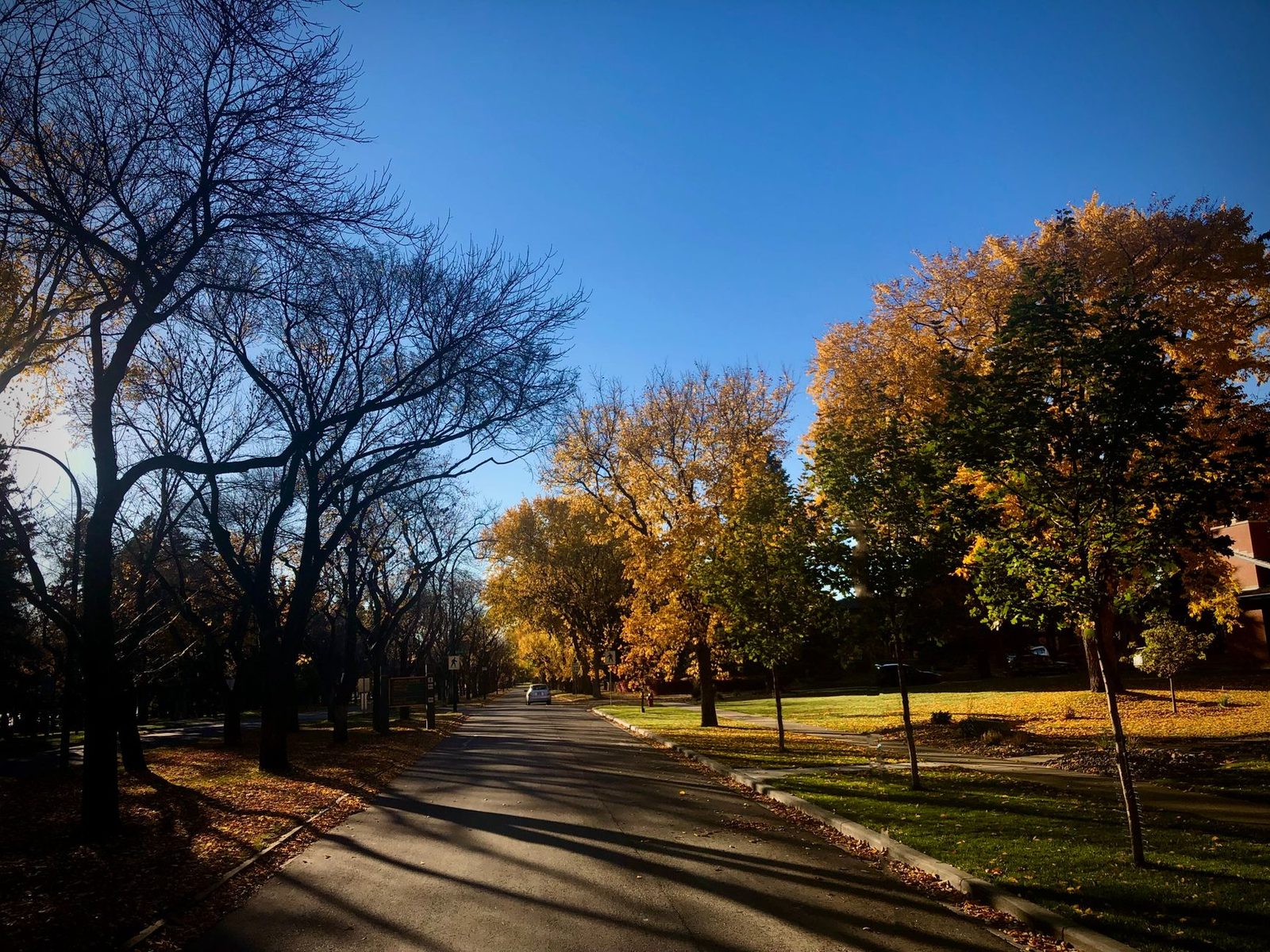
If you are building a wellness routine around transit, Old Strathcona is probably your best starting point. It is one of the most walkable neighborhoods in the city, dense with cafes, the Old Strathcona Farmers’ Market, and a stretch of yoga and fitness studios that cluster along Whyte Avenue and the side streets just off it.
What Wellness Amenities Does Your Edmonton Neighborhood Have covers this in more detail.
Studios Worth Riding the Bus For
The Whyte Avenue corridor has long been home to some of Edmonton’s most established studios, with class styles ranging from slow restorative sessions to sweaty vinyasa flows. Expect drop-in rates in the $20 to $24 range, with most studios offering a $40 to $59 introductory package for new students covering two to four weeks of unlimited classes. Monthly unlimited memberships typically land between $140 and $180. A few blocks south in Bonnie Doon, smaller boutique studios offer a quieter alternative with similar pricing but smaller class sizes, often capping at 15 to 20 mats.
Getting There by Bus and LRT
Whyte Avenue is served by frequent bus routes running east-west along 82 Avenue, plus north-south routes connecting from Southgate and downtown. The Valley Line Southeast’s Bonnie Doon station puts you within a 10 to 12 minute walk of several studios in that pocket, which matters a lot in February when every extra block in the cold counts. If you are coming from the University area, it is a short, direct bus ride across the river, usually under 15 minutes.
Parking If You Still Drive
Worth mentioning honestly: parking on Whyte Avenue is metered most hours and fills up fast, especially on weekends when the Farmers’ Market and Old Strathcona shops are busy. Side streets off the main strip have two-hour residential permit zones that catch a lot of visitors off guard. If you do drive, budget an extra 10 minutes to find a spot, or better yet, take the bus and skip the meter entirely.
Downtown, Oliver and 124 Street
Downtown and Oliver studios cater to a different crowd: people squeezing a class into a lunch break or grabbing an after-work session before heading home. LRT access genuinely changes what is possible.
Lunch-Hour Studios Near the Core
A handful of downtown studios run 45-minute express classes timed to fit a lunch hour, something you rarely see in other neighborhoods. Drop-in pricing downtown skews slightly higher, often $22 to $26 per class, reflecting higher commercial rent along Jasper Avenue. Oliver, just west of downtown, has a couple of smaller studios tucked into converted retail spaces, generally quieter and a touch cheaper, in the $18 to $22 drop-in range.
LRT Stations That Make This Easy
Downtown is where the Capital Line earns its keep for yoga-goers. Stations like Corona, Bay/Enterprise Square, Churchill and Central sit within a few blocks of most downtown studios, meaning someone commuting in from Southgate, University, or even Century Park can realistically make a 5:30 pm class without ever touching a parking garage. This is the most reliably transit accessible part of the entire city for yoga, full stop.
Oliver and 124 Street’s Boutique Scene
124 Street has developed its own small wellness pocket over the past several years, with a boutique studio or two mixed in among the galleries and coffee shops. It is bus-served rather than LRT-served, with routes running along 124 Street and connecting to the Jasper Avenue corridor. The neighborhood has a slower, more residential feel than downtown proper, which some people prefer for an evening class after a stressful workday.
University Area, Garneau and Strathcona South
Studios near the University of Alberta serve a mixed crowd of students, staff, and nearby residents, and pricing here reflects that. This pocket is arguably the second-best transit-served area in the city after downtown, thanks to LRT and heavy bus traffic serving campus.
Studios Built Around Student Schedules
Garneau and the immediate campus-adjacent blocks have studios offering class times built around the academic calendar, with early morning and late evening options that fit around lectures and shift work. Several offer student discounts, typically 10 to 15 percent off drop-in and membership rates with a valid U of A ONEcard. A drop-in class in this area usually runs $18 to $22, slightly below the downtown average.
Bus Routes From Campus and Beyond
The University, Health Sciences/Jubilee, and McKernan/Belgravia LRT stations all sit on the Capital Line and put multiple studios within a 5 to 10 minute walk. Add in the dense bus network converging on campus from Southgate, Bonnie Doon, and the west end, and this area is genuinely easy to reach without a car from most parts of the city, which is part of why it is a strong pick if you are weighing transit accessible yoga studios in Edmonton neighborhoods against each other for overall convenience.
Pricing for Students and Staff
Monthly memberships in this pocket average $130 to $160, on the lower end for the city, and several studios offer punch cards (10 classes for roughly $150 to $170) that suit an irregular student schedule better than a monthly commitment. A few studios also run community classes at reduced rates, sometimes by donation, aimed specifically at students on tight budgets.
South Edmonton, Century Park and the LRT’s Reach
South Edmonton is where transit access gets more uneven. The Capital Line terminus at Century Park opened up genuine options, but move further south or west and you are back to needing a car for most of the trip.
What the LRT Extension Actually Opened Up
Century Park and Southgate stations both sit next to shopping centers with studios inside or immediately adjacent, meaning a rider from downtown or the University area can reach south side yoga without a transfer to a bus. This is a genuinely useful option for people living along the Capital Line who want a studio outside the downtown crowd but still want a car-free commute.
Windermere and the West End Reality Check
Windermere has a growing wellness scene, but it is honestly not a strong pick if transit access is your priority. Bus service exists, but routes run less frequently than the core corridors, and winter sidewalk clearing in newer suburban developments lags behind the older neighborhoods. If you live in Windermere already, driving remains the practical choice. If you are choosing a studio based on transit and do not already live out west, look elsewhere first.
Sherwood Park Commuters, Take Note
Sherwood Park residents who work downtown often find it easier to catch a studio class near their office on the way home than to find good transit-accessible options within Sherwood Park itself, since that area remains largely car-dependent. Commuter bus routes into downtown run frequently during peak hours, so pairing a downtown studio with your existing commute route is usually more realistic than expecting strong local transit within Sherwood Park.
How to Pick a Studio Based on Your Actual Commute
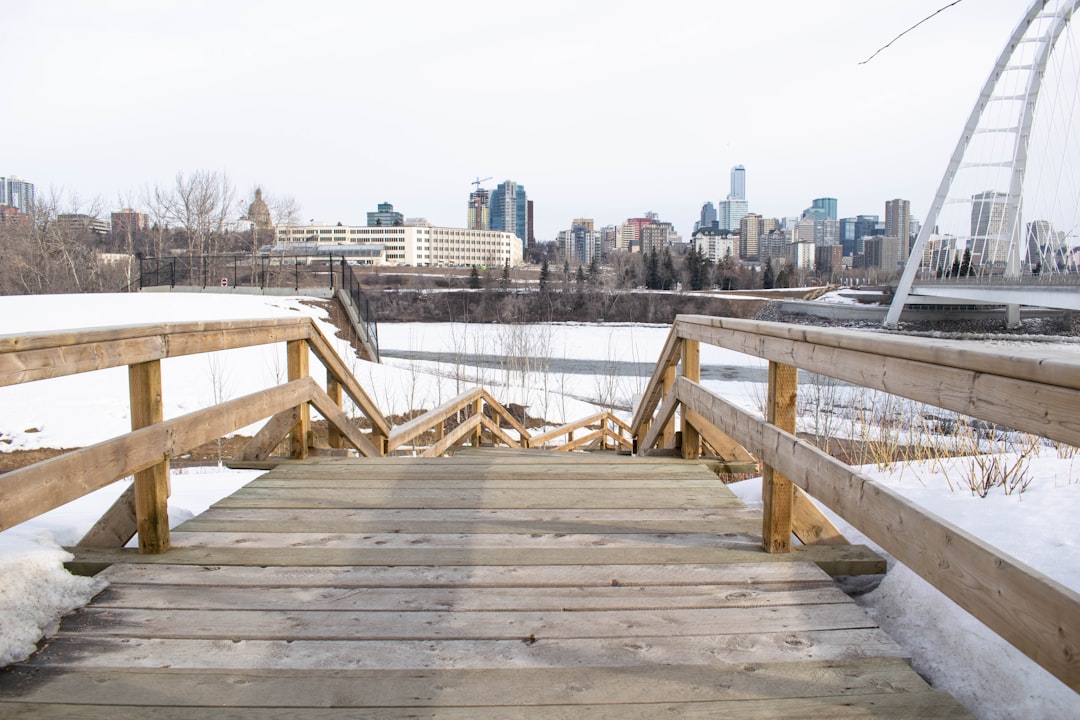
The best studio on paper is not the best studio if you cannot reliably get there in February. Here is how to actually decide.
Map Your Route Before You Book
Before committing to a membership, run your actual route on a weekday evening using the ETS trip planner, not just a general map. Check the walk time from the stop to the studio door, and check what that route looks like after dark, since most evening classes end well after sunset for eight months of the year. If you want a broader sense of what your specific neighborhood offers beyond yoga, this guide to what wellness amenities your Edmonton neighborhood has is a useful starting point before you commit to a studio outside your immediate area.
Winter and Smoke Season Transit Reliability
Two seasons complicate transit planning here: deep winter and smoke season. Extreme cold can delay buses and, on the worst days, LRT service. Wildfire smoke drifting into the city during July and August can make even a short outdoor walk to a bus stop unpleasant. On those days, an indoor studio with strong ventilation and easy transit access matters more than usual. If smoke has you rethinking your outdoor plans, this roundup of indoor patio yoga studios and smoke season alternatives in Edmonton covers exactly that scenario. Health Canada’s Air Quality Health Index is worth checking before you head out on smoky days, transit or not.
Comparison Table: Transit Access at a Glance
| Neighborhood | Best Transit Link | Walk From Stop | Typical Drop-In Price | Best For |
|---|---|---|---|---|
| Whyte Avenue / Old Strathcona | Frequent bus routes, Bonnie Doon LRT nearby | 5-10 min | $20-$24 | Established studios, wide style range |
| Downtown / Jasper Avenue | Corona, Bay/Enterprise Square, Churchill, Central stations | 2-6 min | $22-$26 | Lunch-hour and after-work classes |
| Oliver / 124 Street | Frequent bus routes | 5-10 min | $18-$22 | Quieter, boutique evening classes |
| University / Garneau | University, Health Sciences/Jubilee, McKernan/Belgravia stations | 5-10 min | $18-$22 | Students, staff, budget-conscious riders |
| Century Park / Southgate | Capital Line terminus and Southgate station | 3-8 min | $20-$24 | South side residents avoiding downtown crowds |
| Windermere | Limited bus service | 15+ min, often unreliable in winter | $20-$25 | Local residents only, drive recommended |
A quick checklist before you sign up anywhere:
- Check the actual bus frequency at the time your class runs, not just midday frequency
- Walk the route once in daylight before committing to an evening membership
- Ask the studio about weather cancellation policy, since some quietly cancel evening classes during extreme cold snaps
- Compare a punch card to a monthly membership if your transit schedule is irregular
- Look for studios near LRT stations over bus-only stops if you can, since LRT service tends to hold up better in severe cold
If you want to turn this into an actual plan rather than a one-off decision, this piece on how to plan a neighborhood wellness tour in Edmonton walks through testing a few studios across different areas before committing to a membership. And for the bigger picture of what is available block by block, the Neighborhood Wellness Guides and Local Discovery hub rounds up every area we cover on this site.
Statistics Canada data on physical activity levels among Canadian adults consistently shows that convenience is one of the top predictors of whether people maintain a regular practice, right alongside cost. Transit access is convenience. It removes the parking hunt, the ice-covered windshield, and the excuse to skip class because driving felt like too much that day.
Related Articles
- Best Massage Therapy in Whyte Avenue Edmonton: Your Complete Guide to Old Strathcona’s Top Clinics
- Best Yoga Studios Near Oliver Edmonton With Parking: A Local’s Guide to Stress-Free Practice
- Best Salt Caves and Float Therapy Near West Edmonton Mall: A Local’s Guide to Deep Relaxation
Sources & References
Find Trusted Wellness Spots in Edmonton
Browse our independent guide to Edmonton’s spas, fitness studios, and wellness services. Local. Honest. Free.
Frequently Asked Questions
What is the most transit-accessible neighborhood for yoga in Edmonton
Downtown and the immediate University area are the strongest picks, since both sit directly on the Capital Line with stations a few minutes’ walk from multiple studios. Whyte Avenue and Bonnie Doon come in close behind thanks to frequent bus service and the Valley Line Southeast.
Are transit accessible yoga studios in Edmonton neighborhoods more expensive than suburban ones
Not dramatically. Downtown studios run slightly higher, around $22 to $26 per drop-in class, while University-area and 124 Street studios often land lower, around $18 to $22. Suburban studios in areas like Windermere are priced similarly to downtown despite being harder to reach without a car.
Is it realistic to rely on transit for evening yoga classes in Edmonton winters
Mostly yes, especially near LRT stations, which tend to run more reliably in extreme cold than surface bus routes. Build in a 10-minute buffer for delays, and confirm your studio’s cancellation policy for severe cold days before relying on it for a 6 pm class every week.
Which LRT line is most useful for reaching yoga studios
The Capital Line covers the most ground for this purpose, running from Century Park through downtown, University, and up toward NAIT, connecting several of the neighborhoods covered in this guide. The Valley Line Southeast adds useful access to the Bonnie Doon area near Whyte Avenue.
What should I do on days when wildfire smoke makes walking to transit unpleasant
Check the Air Quality Health Index before heading out, and if it is improved, prioritize a studio close to an LRT station over a longer bus-stop walk to minimize outdoor exposure time. On heavy smoke days, an indoor studio with good ventilation is worth the extra transit time either way.